
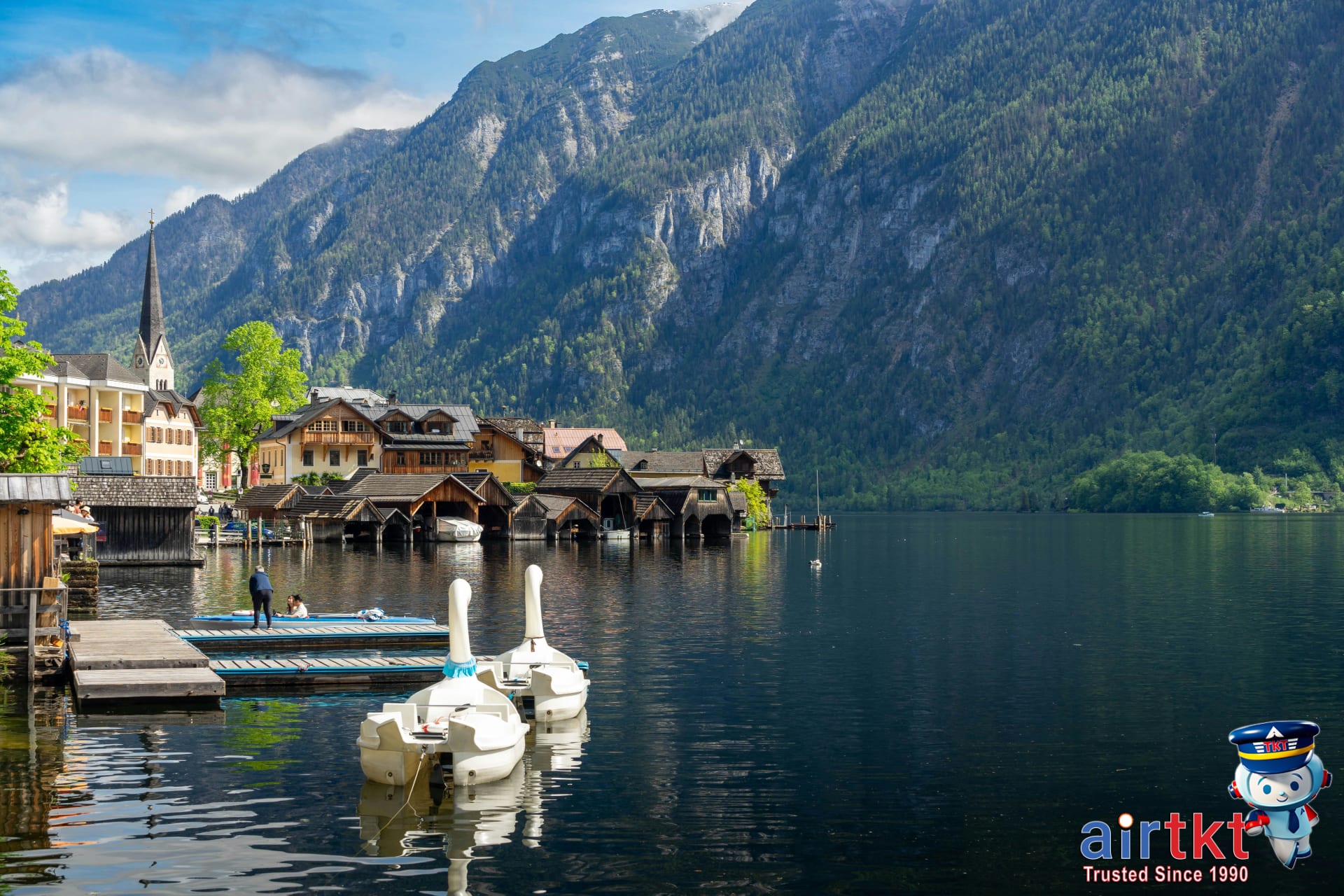
Why Shoulder Season Is Worth Considering
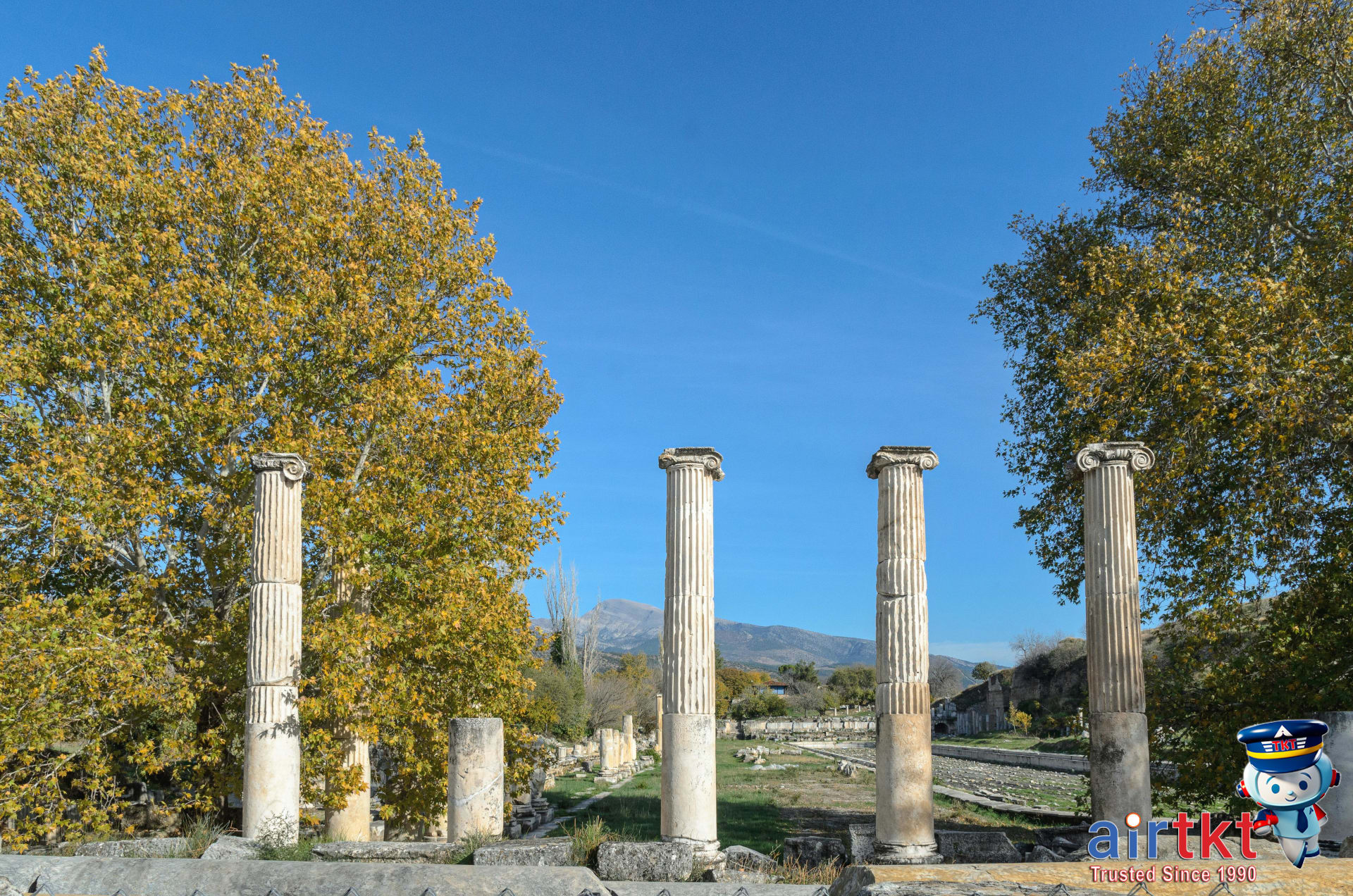
If you’ve ever wondered how some travelers seem to enjoy the best of a destination without crowds or high costs, they’re probably taking advantage of the “shoulder season.” In travel lingo, shoulder season means those sweet-spot months sandwiched between a place’s busy peak season and its quieter off-peak period. These windows fall just before and after the main tourist rush—think late spring or early fall, depending on where you’re headed.
What’s so special about traveling during the shoulder season? For starters, the weather often feels just right—not too hot or cold—which can make sightseeing far more comfortable. Resorts and airlines typically offer better deals, so your flights and hotels might cost much less than what you’d pay during the height of summer or major holidays. And fewer visitors mean less time waiting in line and more space to explore, whether you’re marveling at ancient ruins or strolling through charming city streets.
I’ve found shoulder season trips to be a refreshing change from the usual busy travel periods. The experience feels more relaxed, and I get to see a destination with fewer distractions. If you’re trying to plan a smarter trip, you’ll want to look for these hidden gems on the calendar. Tools like the flexible date search from airtkt.com can help you quickly spot when shoulder season fares are available, making it easier to take advantage of these quieter travel windows.
How To Plan Shoulder Season Trips
The timing of shoulder seasons isn’t universal—it depends heavily on where you’re headed and which hemisphere you’re traveling in. For example, Europe’s shoulder season is generally in spring (April–June) and autumn (September–October), while destinations in the Southern Hemisphere, like Australia or Argentina, have their quieter periods from March to May or September to November. Tropical climates and popular resort towns might have very different shoulder seasons based on weather patterns and local festivals.
So, how do you nail down the shoulder season for your destination? Start by checking online resources like tourism board calendars and recent travel blogs for your target city or country. I usually look at weather trends and avoid major holidays or event dates, since those cause prices to jump. Once you know the likely months, you can play around with dates to see which offer the best balance of price, weather, and fewer crowds.
Savvy travelers looking for extra savings should take advantage of the Flexible Date Search and Nearby Airport Search features on airtkt.com. Flexible Date Search helps you spot the cheapest days to fly within a window of a few days before or after your preferred departure. Nearby Airport Search shows alternative airports close to your destination, helping you swoop in on fares others might miss. When I plan trips during shoulder season, I always compare nearby airports to save on fares—it’s surprising how much a 30-minute train ride can shave off your final flight bill.
Using these booking tools together boosts your odds of finding better deals. If you want step-by-step tips, check out our guide on using Flexible Date Search and guide on Nearby Airport Search for more details on getting the most value out of your booking search.
Benefits of Shoulder Season Travel

Traveling in the shoulder season—the gap between the busiest and quietest travel periods—offers some real perks that make your trip feel more enjoyable and, honestly, less stressful. One of the biggest advantages is cost savings. Accommodation prices can be noticeably lower; for instance, hotels on the Amalfi Coast often drop their room rates in late spring and early fall once the high summer rush is over. You might find yourself paying around $110.00 for a lovely room that would typically cost much more in July or August.
Another reason I love shoulder season travel is how much less crowded iconic sights become. Take Paris in October: you can stroll through the Louvre without weaving between tour groups or have an espresso at a sidewalk café without vying for an open table. Similarly, destinations like Kyoto in Japan or Santorini in Greece offer surprisingly peaceful visits in the weeks just before or after their busiest periods—sometimes, it feels like having the place to yourself.
Fewer tourists mean you often get more personalized service, too. Restaurant staff have time to answer questions, hotel concierges can help you plan your day in detail, and local guides are more available for private tours. In my experience, staff seem more relaxed and genuinely happy to chat or offer suggestions when they’re not rushed off their feet.
Shoulder season also means better access to attractions. In well-known cities like Rome or Barcelona, popular museums and sites often sell out during peak times, but during the shoulder months you can usually just walk in or book last-minute tickets. Plus, transportation is easier—no elbowing through train crowds or waiting in long taxi lines.
For those who like to plan trips based on the best times for deals, sights, and comfort, you’ll find more ideas on the airtkt.com page for popular travel destinations.
How to Find Cheap Travel Deals
Snagging a cheap ticket or an affordable hotel room rarely happens by accident. I rely on airtkt.com‘s discounts and fare comparison to snag the best deals during shoulder season, but there are plenty of tools you can use to push prices even lower any time of year. Here’s how I approach my searches to maximize savings, especially if you want more money left for fun during your trip.
Use Advanced Search Features
The right search filters and tools can save you a surprising amount. Start with Flexible Date Search to compare costs a few days before and after your preferred travel date—sometimes shifting by just a couple of days helps you find airfare that’s noticeably cheaper. For airfares, always click into the Lazy Fare option on airtkt.com. It’s not your usual search: Lazy Fare shows multi-stop flights with lower fares that don’t require you to spend a night in a layover city, making it ideal for flexible, budget-focused travelers who still want an easy journey.
Nearby Airport Search is another underrated gem. Sometimes, flying into or out of a nearby airport—especially major hubs one town over—means the cost drops by a significant amount. I’d compare both options before choosing; the difference can cover a meal out or sightseeing ticket.
Lean on Alerts and Flash Sale Notifications
If you’re not checking airfares and hotel prices every day, let deal alerts do the work. The email alerts from airtkt.com flag last-minute savings, flash sales, and price drops. I make a habit of monitoring these alerts closely, since the best fares often go quickly—especially on peak travel days. Even if you’re booking late, these notifications can lead you to exclusive deals unavailable on general search engines.
Check Fare Comparison and Discount Pages
Before booking, don’t miss the fare comparison and discount offer guides featured on airtkt.com. They round up limited-time discounts for hotels, car rentals, cruises, and even special group rates that might not show up in a standard search. Pausing for a quick scan of those sections has scored me deals I wouldn’t have noticed otherwise. If you want to stretch your budget further, check for seasonal and holiday offers on the site.
Top Shoulder Season Destinations Worldwide

One of the joys of shoulder season travel is discovering legendary cities and landscapes at their most relaxed. I’ve discovered some of my favorite cities start to shine during shoulder season—when lines are short, locals are out and about, and unexpected festivals pop up. Here are some of the best destinations around the globe to consider for your next off-peak adventure, organized by region and travel style, along with can’t-miss local events to make your trip unforgettable.
Europe’s Uncrowded Urban Gems
Spring and fall transform classic European capitals. Cities like Paris, Rome, and Prague see fewer tourists outside the summer surge. In April, Paris hosts amateur musicians for the Printemps des Rues festival, filling canal-side parks with performances. Barcelona comes alive each September with La Mercè, a citywide celebration of Catalan culture, parades, and fireworks—far more enjoyable when the crowds have thinned. I was once caught by surprise by a spontaneous outdoor opera in a Venetian piazza during October, making it a season highlight for me.
Americas: Nature and Culture Combine
In North America, the shoulder months bring crisp air and vibrant foliage to New England—a favorite time for leaf-peeping in Vermont or taking scenic drives in Maine. Meanwhile, southern cities like Charleston and Savannah embrace foodies with autumn culinary festivals and outdoor markets. Head south, and Patagonia’s Torres del Paine in Chile is best explored in late spring or early autumn, when the hiking trails are quieter and wildlife is more active. Even Mexico’s Riviera Maya rewards shoulder season travelers with warm beaches, calm seas, and the Day of the Dead celebrations in late October.
Asia: Tranquil Temples, Lively Streets
Asia’s shoulder seasons reveal the region’s contrasts. In Japan, cherry blossom festivals in late March and early April enchant in cities like Kyoto and Hiroshima, before the summer heat. In Southeast Asia, Thailand’s northern hills are fresh and green just after the summer rains. During October in Chiang Mai, the Yi Peng Lantern Festival turns the city aglow with floating lights. Coastal Vietnam tempts with pleasant weather and nearly empty beaches from May to June—a lovely time to stroll ancient Hoi An’s lantern-lit streets.
Beach Escapes Without the Crowds
If you prefer sand and surf, look to the Mediterranean shores of Greece in late September. The water remains inviting, but you can settle into a seaside taverna in Crete or Rhodes without jostling for space. The Seychelles and Mauritius have mild, dry weather in May and October—perfect for snorkeling or sailing. The shoulder seasons on Australia’s Gold Coast and New Zealand’s Bay of Islands see mild temperatures and wallet-friendly lodging, making island life far more laid-back.
Packing Tips For Shoulder Season
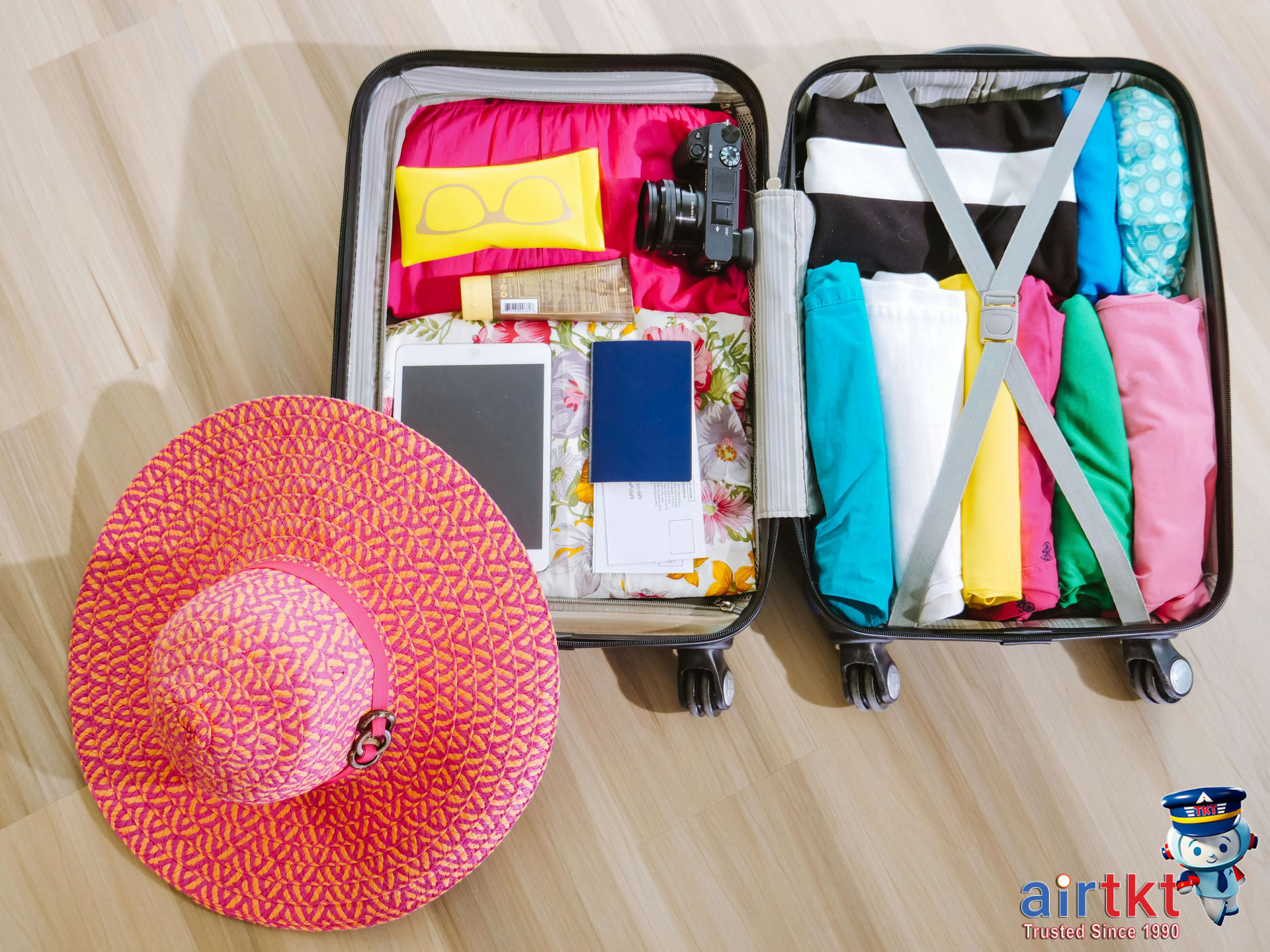
Shoulder season travel often comes with plenty of surprises: one day you’re enjoying crisp sun, the next you’re dashing through rain or bundled up against a chilly breeze. Packing for these unpredictable conditions takes a little more thought. I always pack layers and a rain jacket when traveling shoulder season, because I’ve learned that wardrobe flexibility is the real lifesaver on the road.
The best strategy for shoulder season packing is to choose clothing that can be worn in different combinations. Start with the basics—like t-shirts, long-sleeve shirts, and a lightweight sweater—so you can add or remove layers easily as temperatures shift throughout the day. A packable rain jacket should be near the top of your list, as it won’t take up much space but makes a huge difference if the forecast turns wet. I’ve also found that quick-drying clothes and waterproof shoes are great investments, since there’s always a possibility you’ll get caught in an unexpected downpour or chilly fog.
Another tip: opt for clothing in neutral colors so everything can mix and match, saving space and keeping your options open. Accessories like scarves or compact umbrellas give you backup without overcrowding your bag. If you want a deeper look at how to build an adaptable packing list, check out airtkt.com’s travel packing checklist—it covers essentials that work in any season.
Shoulder Season Travel Budget Breakdown

One of the best ways to see more of the world—without draining your bank account—is to plan your trip during shoulder season. This usually means traveling just before or after the busiest months, so you still get good weather and lively cities, but often at significantly lower costs. In my experience, planning my budget around shoulder season prices means I can afford more experiences, whether that’s sampling cooking classes, splurging on a special meal, or taking an extra tour.
The savings aren’t just small—they add up across every part of your trip. Lower airfares, better hotel rates, and discounted attractions all mean you can stretch your travel wallet further or treat yourself without watching every penny. I’ve also noticed that public transport and tours are less crowded, which really improves the overall experience.
| Budget | Mid-range | Luxury | |
|---|---|---|---|
| Accommodation | $40.00 | $110.00 | $240.00 |
| Food | $20.00 | $50.00 | $120.00 |
| Transport | $10.00 | $30.00 | $70.00 |
| Activities | $15.00 | $40.00 | $90.00 |
These daily estimates give you flexibility to mix and match what matters most to you. A budget-minded traveler might stay at a modest guesthouse, choose street food, and get around by bus for about $85.00 per day, while someone who values a little extra comfort has room to upgrade accommodations or cuisine. Thanks to shoulder season rates, your money goes much further—letting you bump up an entire category or simply extend your trip another day or two. If you want to take your planning even further, check out airtkt.com’s dedicated trip planning resources and budget travel tools before booking flights or hotels.
Common Questions About Shoulder Season

I’ve been asked more than once if shoulder season really makes a difference for airfare savings, so it’s worth covering the FAQs travelers tend to have. Here are answers to questions that often come up about timing, deals, and what to expect when planning your shoulder season getaway.
- What is shoulder season and how does it benefit travelers?
Shoulder season refers to the period between a destination’s busy peak and quieter low season. It usually brings smaller crowds, lower prices, and more availability. Travelers often find better deals on hotels and flights, and less hassle at major attractions, making trips more enjoyable and budget-friendly than in peak periods.
- How can I find the cheapest flights during shoulder season?
The cheapest flights are often found by booking in advance and using flexible date searches. Tools like Flexible Date Search on airtkt.com make it easier to spot price drops. Compare nearby airports if you can, since flying into alternative airports sometimes lands you even bigger savings during this time.
- When does shoulder season occur for most destinations?
For most destinations, shoulder season falls just before or after the busiest times. For example, many European cities see shoulder season in spring and fall, such as April–June or September–October. Always check your specific destination as weather patterns and school breaks can shift these dates a bit each year.
- Is the weather reliable during the shoulder season?
Weather in shoulder season can be a little unpredictable but is generally mild compared to the extremes of peak or low seasons. You might get cooler evenings, some rain, or even surprisingly warm days. I usually pack both layers and a travel umbrella just to be safe for shoulder trips.
- Are there significant cost savings on hotels during shoulder season?
Many hotels drop their nightly rates in shoulder months, offering around $30.00 or more in savings compared to peak season prices. You’ll often also have better choices of rooms and more perks like free upgrades or complimentary breakfasts. Always confirm deals directly with the property to maximize value.
- What are smart strategies for finding shoulder season deals?
Look for flash sales, sign up for deal alerts, and regularly check sites specializing in discounted travel like airtkt.com. I’d compare prices across different weekdays and consider bundled packages for extra savings. Don’t forget to review cancellation policies in case your timing needs to shift.
- Does shoulder season affect attractions and activities?
Some popular attractions may slightly reduce their hours or offer limited services, but most stay open. Guided tours and activities are less crowded, which means a more relaxed experience. Always double-check opening dates and availability ahead of time, especially if you’re traveling just before or after peak season.
If you still have other questions or need help finding the best deals and timing, check out the detailed support resources on the airtkt.com help page to get personalized advice before you book.
Why Shoulder Season Is Worth Considering
Shoulder season continues to stand out as the travel sweet spot. It’s that window between high and low tourist seasons, where you get a great blend of more affordable rates, fewer crowds at iconic sites, and generally pleasant weather for sightseeing. I’ve found that choosing shoulder season has given me flexibility and peace of mind—there’s simply more room to enjoy the experience on your own terms. Exploring travel during shoulder season has reshaped the way I plan vacations.
Even well-known places are transformed—hotel prices drop, restaurants are less packed, and tours feel more personal. For many, this balance is hard to beat. If you crave a trip that feels less rushed and more tailored to you, I’d recommend giving shoulder season a try on your next getaway.
To make your planning process easier, tools on airtkt.com can help you compare fares across dates and airports—especially handy when flexibility is key during shoulder seasons. You don’t need to overhaul your approach to trip planning; sometimes all it takes is timing your travels with a little more intention.