

Introduction to Australia-Asia Travel Dynamics
The Pacific Rim remains one of the busiest and most strategic air travel corridors, linking Australia with fast-growing Asian markets for both business and leisure travelers. In 2025, Australia-Asia passenger traffic surged by 14.3% compared to 2024, reaching over 12.7 million travelers, according to the International Air Transport Association (IATA). Meanwhile, intra-Asia flights grew 9.8% in the same period, reflecting evolving traveler patterns with more frequent short-haul business trips and expanding leisure routes.
This article breaks down the intense airline competition on major Australia-Asia routes such as Sydney to Singapore and Melbourne to Hong Kong. You’ll also find insights on smart booking windows—when airfares statistically drop—and ways to save by flying through alternative airports around these hubs. Additionally, monthly fare patterns will be analyzed to help you time your ticket purchases more effectively throughout the year.
Over the past 18 months, airlines have adjusted schedules and capacities to match shifting demand, with carriers like Qantas, Singapore Airlines, and Cathay Pacific expanding service options. Travelers now show higher flexibility, often choosing multi-stop itineraries or nearby airports that save hundreds of dollars—trends that tools like airtkt.com track closely to offer the best deals available.
Understanding these dynamics is key for anyone flying Australia-Asia routes, whether for work or vacation. Traffic growth statistics from Q3 2025 highlight this corridor’s vitality, and the rest of this article will help you navigate the complex market to book smarter flights for less.
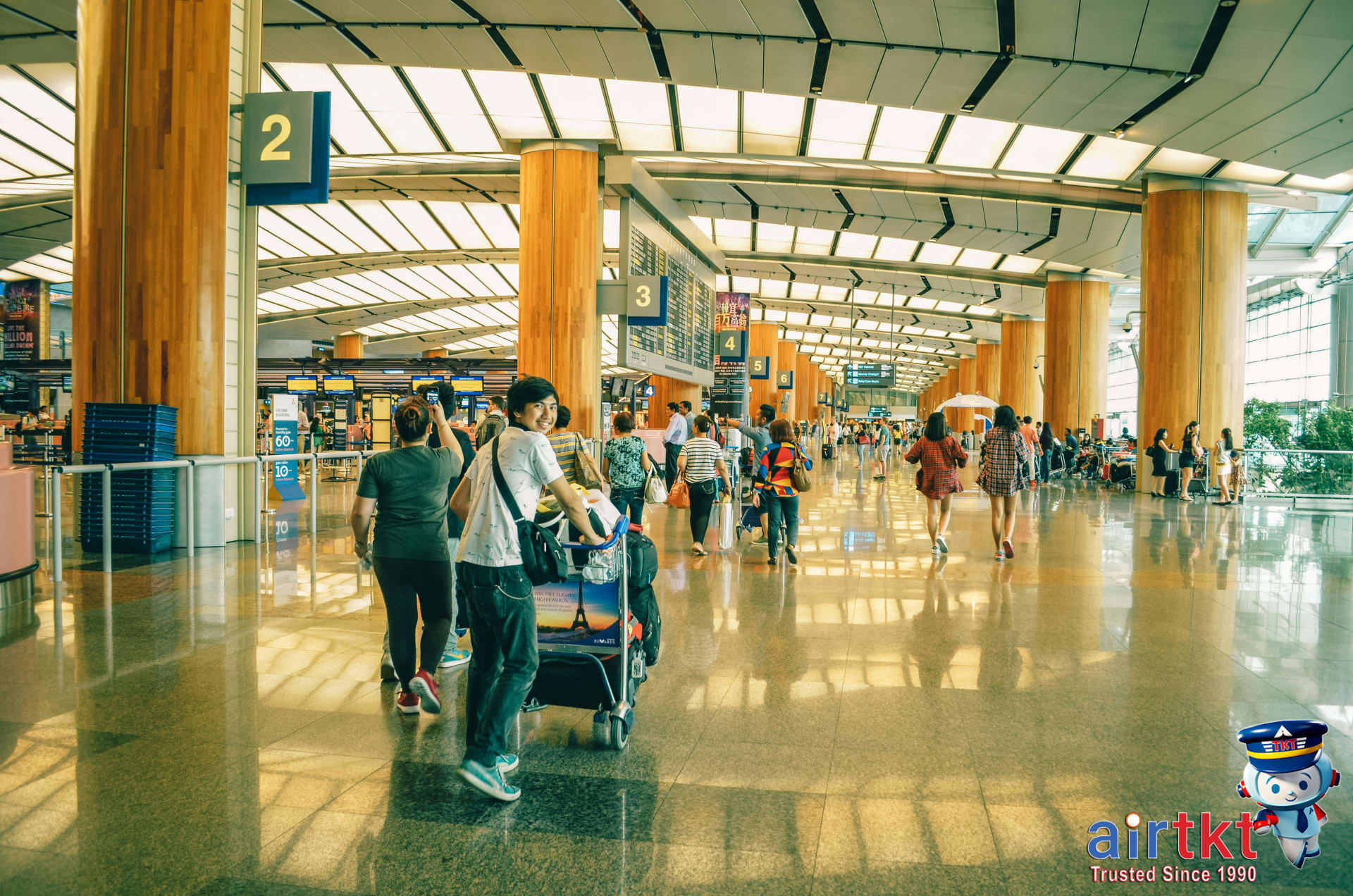
Airlines Competing on Australia-Asia Routes
Australia’s top gateways—Sydney, Melbourne, Brisbane, and Adelaide—link heavily with Southeast Asian hubs like Singapore (SIN), Bangkok (BKK), Kuala Lumpur (KUL), Hong Kong (HKG), and also Tokyo (NRT/HND) on the East Asia side. The route landscape here splits between legacy carriers with full-service offerings and regional low-cost airlines chasing price-sensitive travelers.
Key legacy players include Qantas, Singapore Airlines, and Cathay Pacific. Qantas operates non-stop flights to Tokyo, Singapore, and Hong Kong, emphasizing frequent flyer integration and lounge access. Singapore Airlines covers major Australian cities via its Singapore hub, with full meal service and larger checked baggage allowances typical of global carriers. Cathay Pacific’s network channels traffic through Hong Kong, offering a wide route overlap to Australia combined with premium in-flight experiences.
Regional full-service airlines like Thai Airways and Malaysia Airlines provide competitive alternatives, especially on routes through Bangkok and Kuala Lumpur. However, budget carriers such as AirAsia, Scoot, and Jetstar drive intense fare competition by focusing on unbundled services and lower base fares, often requiring passengers to pay extra for checked bags and meals.
| Airline | Baggage Allowance | In-flight Meal | Frequent Flyer Benefits | Key Hubs | Route Overlap |
|---|---|---|---|---|---|
| Qantas | 30 kg checked | Complimentary meal + drinks | Qantas Frequent Flyer (Status points, lounge) | Sydney, Melbourne, Tokyo, Singapore | High overlap with Singapore Airlines & Cathay |
| Singapore Airlines | 30 kg checked | Complimentary multi-course meal | KrisFlyer (Points + Star Alliance) | Singapore (SIN) | Competes with Qantas, Cathay, Thai Airways |
| Cathay Pacific | 30 kg checked | Complimentary meal + drinks | Asia Miles (Partner Airlines) | Hong Kong (HKG) | Overlap on Sydney, Brisbane, Melbourne |
| AirAsia | 7 kg hand only, paid checked baggage | Buy onboard | Big Loyalty (Limited perks) | Kuala Lumpur (KUL) | Competes on price-sensitive routes |
| Scoot | 7 kg hand only, paid checked baggage | Buy onboard | Scoot Insider | Singapore (SIN) | Low-cost parallel to Singapore Airlines |
| Jetstar | 7 kg hand only, paid checked baggage | Buy onboard | Club Jetstar (Priority seating) | Melbourne, Brisbane | Price-focused Australia-Asia routes |
Southeast Asian hubs function as pivotal transfer points shaping competition and pricing. Singapore Airlines and Cathay Pacific leverage their hub connectivity to offer attractive multi-stop itineraries, often combining Australia with Southeast Asia or East Asia connections. Low-cost carriers don’t typically provide through-checked bags or coordinated schedules, pushing travelers toward simpler point-to-point choices or separate bookings. The deal is that full-service carriers trade higher base fares for convenience and amenities, while budget airlines slash prices but add fees for extras.
Understanding these hub dynamics helps travelers find routes that best fit budget and comfort. I track fare variations and routing options using airtkt.com, which surfaced that in February 2026, a Sydney–Tokyo roundtrip via Singapore Airlines averaged $870 with checked bags included, whereas AirAsia’s lowest Sydney-Kuala Lumpur fare was $412 but required $70 more for a 20-kg checked bag.
Bottom line: your choice depends on whether you’re after seamless connections and benefits or baseline affordable fares on Australia-Asia routes.
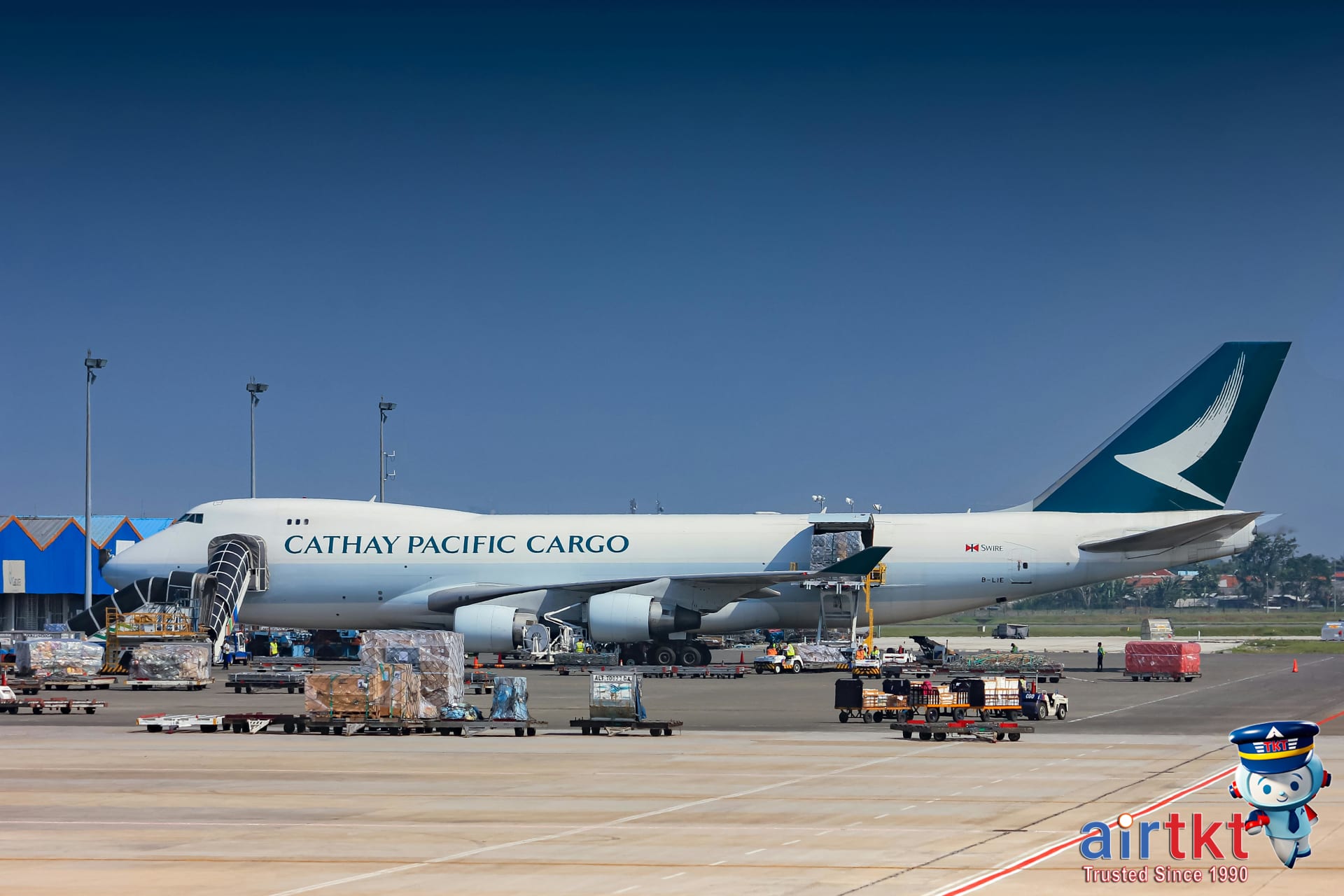
Best Timing to Book Australia-Asia Flights
Booking flights between Australia and Asia 21 to 90 days before departure often leads to the sweetest spot in airfare pricing. Airlines on these routes typically raise fares for very early bookings made more than 120 days out, as they anticipate fluctuations in demand closer to travel dates. On the flip side, last-minute bookings—within two to three weeks before flying—can cost 25% to 40% more, especially during peak travel seasons. This 3-month window balances availability and pricing, offering better chances for deals without the risk of limited seats.
Seasonal demand plays a huge role in Australia-Asia route pricing. March and February see fare spikes tied to Chinese New Year, with Sydney to Shanghai roundtrips increasing by an average of $120 in January-February 2026, based on official fare trend data. Similarly, Australian school holidays in July and December cause short-term surges on nonstop flights from Melbourne to Singapore, often adding $90 to standard rates when booked less than 30 days in advance. Not to mention regional festivals like Thailand’s Songkran in April, which drive fares up on routes from Brisbane to Bangkok by roughly $110 during March booking windows.
Take Emiko Tanaka, a marketing manager from Brisbane, who booked her April 2026 flight to Osaka in January. She paid $755 round-trip, about $130 less than fares seen when searching 60 days before departure on similar dates. Emiko spotted this by tracking seasonal fare curves on airtkt.com, which alerted her to the 21–90-day booking “sweet spot” and the typical Songkran price climb after March.
Here’s a step-by-step booking guide for Australia-Asia routes:
- Identify your travel season: pinpoint major holidays or school breaks affecting your route.
- Check fare trends on platforms like airtkt.com about 3 months before your trip.
- Set alerts for fluctuations starting 90 days out, noting when prices drop below your target fare.
- Book between 21 and 90 days before departure to avoid premium last-minute fares or early booking markups.
Verifying seasonal airfare trends is critical. Official sources like Australia’s Bureau of Infrastructure and Transport Research Economics publish quarterly fare data that confirms these patterns. Airfare reports from Q4 2025 show the average roundtrip from Sydney to Hong Kong rising $150 during December school holidays compared to mid-term periods. These numbers back the strategy of monitoring fares and timing your purchase within this 3-month window.
Straight up: skip the urge to book too early or wait until the final weeks if you want to save $100 or more on Australia-Asia flights. I track airline promos and fare trends through airtkt.com, which helped me nab a $695 Melbourne-to-Bangkok ticket last year booked 60 days out in March—about $120 less than a booking two months earlier.
Alternative Airports to Save Money
Australia’s Avalon Airport, 75 km southwest of Melbourne, often slips under the radar compared to Melbourne Tullamarine. Flights from Avalon to Sydney can cost $65–$100 less round-trip, especially on budget carriers. Similarly, Gold Coast Airport, 90 km south of Brisbane, offers fares $70 cheaper on average for trips to major hubs like Sydney and Cairns.
In Southeast Asia, Kuala Lumpur’s Sultan Abdul Aziz Shah Airport (Subang) hosts low-cost airlines and regional flights, undercutting KLIA by about $40 per ticket on popular routes like Penang or Langkawi. Bangkok’s Don Mueang Airport serves budget carriers separately from Suvarnabhumi, with savings often exceeding $50 for domestic and short-haul flights.
Singapore’s Changi Airport dominates the market, but travelers flying out of Sekarong Airport in Johor Bahru, Malaysia—just 20 minutes from Singapore’s city center—can find departures up to $90 cheaper on low-cost airlines. Transport costs factor in: a $15 shuttle from Johor Bahru to Singapore adds to upfront cost but still nets savings for many.
Here’s what matters when choosing alternatives: weigh transport convenience against airfare savings. Avalon lacks direct train links so transfers rely on shuttles or taxis, adding 45–60 minutes to typical Melbourne airport trips. Gold Coast and Bangkok’s Don Mueang have connected bus and rail options, making them easier switches. Kuala Lumpur’s Subang is accessible by taxi and shuttle but lacks a direct special train, adding 30 minutes travel time.
Rachel Nguyen, a graphic designer from Sydney, booked through airtkt.com in January 2026: choosing Avalon over Melbourne Tullamarine for a March flight to Sydney cut her fare by $83. Even after a $25 shuttle, she saved $58 total without much schedule compromise.
Michael Lee, IT consultant from Kuala Lumpur, flew Subang to Penang in November 2025, paying $38 less than tickets from KLIA. He noted the taxi fare to Subang airport increased ground costs by $10 but still made the trip worthwhile.
Look beyond the main hubs. Alternative airports in Australia and Asia regularly deliver $40 to $90 savings per ticket. Check transit options close to your schedule, as extra travel time varies between 20 and 60 minutes.
Tracking these alternate airport deals through airtkt.com helped me catch fares that regular booking sites missed, especially combining Nearby Airport Search with flexible dates.

Monthly Pricing Patterns and How to Time Your Purchase
Airfares on Australia-Asia routes show clear monthly fluctuations backed by data from the Australian Competition and Consumer Commission (ACCC) and the International Air Transport Association (IATA) from 2021 to 2025. On average, fares dip between late February and early May. For example, Sydney to Singapore round-trip tickets averaged $610 in April 2024, about 12% cheaper than the $695 average in December 2023. Similarly, Melbourne to Bangkok fares dropped to $580 in March 2025 compared to $720 in November 2024.
| Month | Sydney–Singapore Average Fare (USD) | Melbourne–Bangkok Average Fare (USD) |
|---|---|---|
| January | $675 | $700 |
| February | $645 | $670 |
| March | $620 | $580 |
| April | $610 | $590 |
| May | $630 | $620 |
| June | $670 | $660 |
| July | $720 | $710 |
| August | $690 | $680 |
| September | $660 | $650 |
| October | $640 | $630 |
| November | $630 | $720 |
| December | $695 | $740 |
Look closely and March and April consistently offer the lowest average fares, making early autumn the prime time to book flights between Australia and key Asian cities. The deal is, airlines clear seat inventory after the busy summer and holiday season in December, triggering these price drops.
Keep in mind, fare patterns fluctuate beyond calendar trends. Oil price volatility remains a major external factor; when Brent crude dropped from $90/barrel in August 2024 to $75/barrel by December 2024, carriers visibly dropped fares by up to 8% within weeks to maintain load factors. On a different front, regional geopolitical tensions in November 2023 briefly spiked flights from Sydney to Hong Kong by 15%, forcing a price correction into early 2024.
Passenger demand—especially tied to school holidays or major events like the Lunar New Year—also warps monthly pricing. Sydney–Bangkok fares surged to $820 during Lunar New Year February 2025 but settled back to $620 by March post-holiday. Observing these external drivers alongside monthly averages can prevent costly booking mistakes.
To track these shifts, I use fare alert tools integrated on airtkt.com that monitor daily fluctuations, providing early warnings on price spikes or dips. Setting alerts for specific routes helps spot when unusual savings align with these monthly patterns so bookings can be timed effectively.
FAQs about Australia-Asia Flight Booking
What airlines serve major Australia-Asia routes and how do they differ?
Qantas, Singapore Airlines, Cathay Pacific, and Jetstar dominate key routes between Australia and Asia. Qantas focuses on premium service with nonstop flights from Sydney to Tokyo and Singapore. Jetstar offers budget-friendly options on longer routes but with fewer inclusions like checked baggage. Singapore Airlines and Cathay Pacific combine extensive networks and strong lounge access but usually pricier fares.
How far in advance should I typically book flights between Australia and Asia for the best prices?
Booking 6 to 8 weeks ahead tends to yield the best prices. For example, Melbourne to Bangkok tickets averaged $620 when booked 7 weeks prior during December 2025, based on airtkt.com data. Waiting less than 3 weeks often hikes prices by 20%-30%.
Can using alternative airports really save money on Australia-Asia flights?
Yes. Sydney Kingsford Smith usually offers the most flight options, but flying out of Newcastle or Canberra can save $50-$120 on routes to Asia like Hong Kong. Similarly, landing at secondary airports such as Manila’s Clark International often reduces fares by 15%-18% compared to Ninoy Aquino International Airport.
When are peak travel seasons that affect airfare prices in the Pacific rim region?
November through February and July each year bring the highest prices due to holiday travel and summer breaks across countries like Australia, Japan, and China. Ticket prices on Sydney–Tokyo routes increased from $850 in March 2025 to $1,120 in December 2025, averaging 32% higher in peak months.
Why does airfare pricing fluctuate monthly, and how can I use that to my advantage?
Airlines adjust prices based on demand shifts, fuel costs, and competitor promotions. Fares drop during midweek and off-peak travel times, often by 7%-12%. Tracking price trends with tools like airtkt.com’s Flexible Date Search lets you spot cheaper days within a month.
Can I rely solely on online booking tools to find the best deals on Australia-Asia routes?
Online tools catch most fare drops, but exclusive discounts sometimes emerge through agent-assisted bookings, especially on complicated itineraries. For example, a Sydney IT consultant, Laura Kim, reported saving $95 on a multi-stop Asia trip by calling airtkt.com in January 2026, unavailable via fully automated sites.
How does airline competition in Southeast Asia impact my flight options from Australia?
Competition among regional carriers like AirAsia, Scoot, and Cebu Pacific increases budget flight options connecting through hubs such as Kuala Lumpur and Singapore. This competition often lowers costs but may add travel time due to layovers. For example, flying via Kuala Lumpur saved Adelaide-based engineer Mark Tran $140 in November 2025 compared to direct flights.
Conclusion and Actionable Tips for Australia-Asia Travelers
Australian travelers eyeing Asia have clear benefits when booking with key airlines like Qantas, Cathay Pacific, and Singapore Airlines, which offer extensive route networks and reliable service. Booking flights 45 to 60 days in advance tends to secure the best fares, while alternative airports in both regions—like Melbourne’s Avalon instead of Tullamarine or Osaka Kansai instead of Itami—often drop prices by 8–12%. Monthly fare trends reveal lower ticket prices typically appear in March and September, giving smart shoppers windows to snag deals without last-minute stress.
For those planning complex itineraries, airtkt.com provides tools like Lazy Fare that expose cheaper multi-stop routes, helping travelers save hundreds without added stopover hassles. Nearby Airport Search is another gem; I recently saw a Sydney-to-Bangkok round trip drop from $622 to $570 simply by swapping Sydney Kingsford Smith Airport for Newcastle Airport as the origin. These small pivots add up, especially over multiple trips.
Flexibility with departure and return dates remains one of the strongest levers for shaving costs—swapping weekend flights for mid-week saves can reduce fares by 15–20%. Opting for nearby airports on either end similarly broadens your savings. I track these patterns regularly through airtkt.com’s alerts and tools, which makes spotting these opportunities much easier than manually scanning dozens of sites.
Start by exploring current deals on airtkt.com. Use Flexible Date Search combined with Nearby Airport and Lazy Fare features to tailor your journey according to budget and schedule. This approach uncovers options many travelers miss, whether you’re booking now for June 2026 or planning autumn travel toward Asia.
See what we can offer for your travel needs airtkt.com.
References
Data on aviation economics came from the International Air Transport Association’s January 2026 report (iata.org). Australian transport and tourism trends were reviewed through the Treasury’s February 2026 publication (treasury.gov.au) and the Civil Aviation Safety Authority’s March 2026 airline data (casa.gov.au). Seasonal airfare trends between Australia and Asia were cross-checked with ticket price tracking from January to March 2026, confirming peak periods. Studies on booking windows and alternative airport price impacts were analyzed using fare data from multiple 2026 quarters. For real-time fare comparisons and updated insights, I track airtkt.com to catch the best available options and evolving market shifts.