
Introduction to Chiang Mai for First-Time Visitors
Chiang Mai, nestled in northern Thailand’s mountainous region, stands out as a cultural and historical treasure. Founded over 700 years ago, it offers a unique blend of ancient temples, lush landscapes, and lively street markets. First-time visitors find its compact Old City easy to explore on foot or by bicycle, surrounded by centuries-old city walls and moats.
The city’s appeal lies in its diversity: ornate temples like Wat Phra Singh and Wat Chedi Luang showcase traditional northern Thai architecture, while the nearby Doi Suthep mountain offers panoramic views and trekking opportunities. Markets such as the Sunday Walking Street and local handicraft bazaars create an authentic atmosphere ideal for discovering northern Thai culture firsthand.
Chiang Mai’s friendly locals and relaxed vibe make it welcoming for newcomers. Its affordable accommodations and wide range of dining options add to its accessibility, making it a great starting point for travelers looking to experience Thailand’s rich heritage without the overwhelming bustle found in bigger cities.
Top 10 Must-See Attractions in Chiang Mai
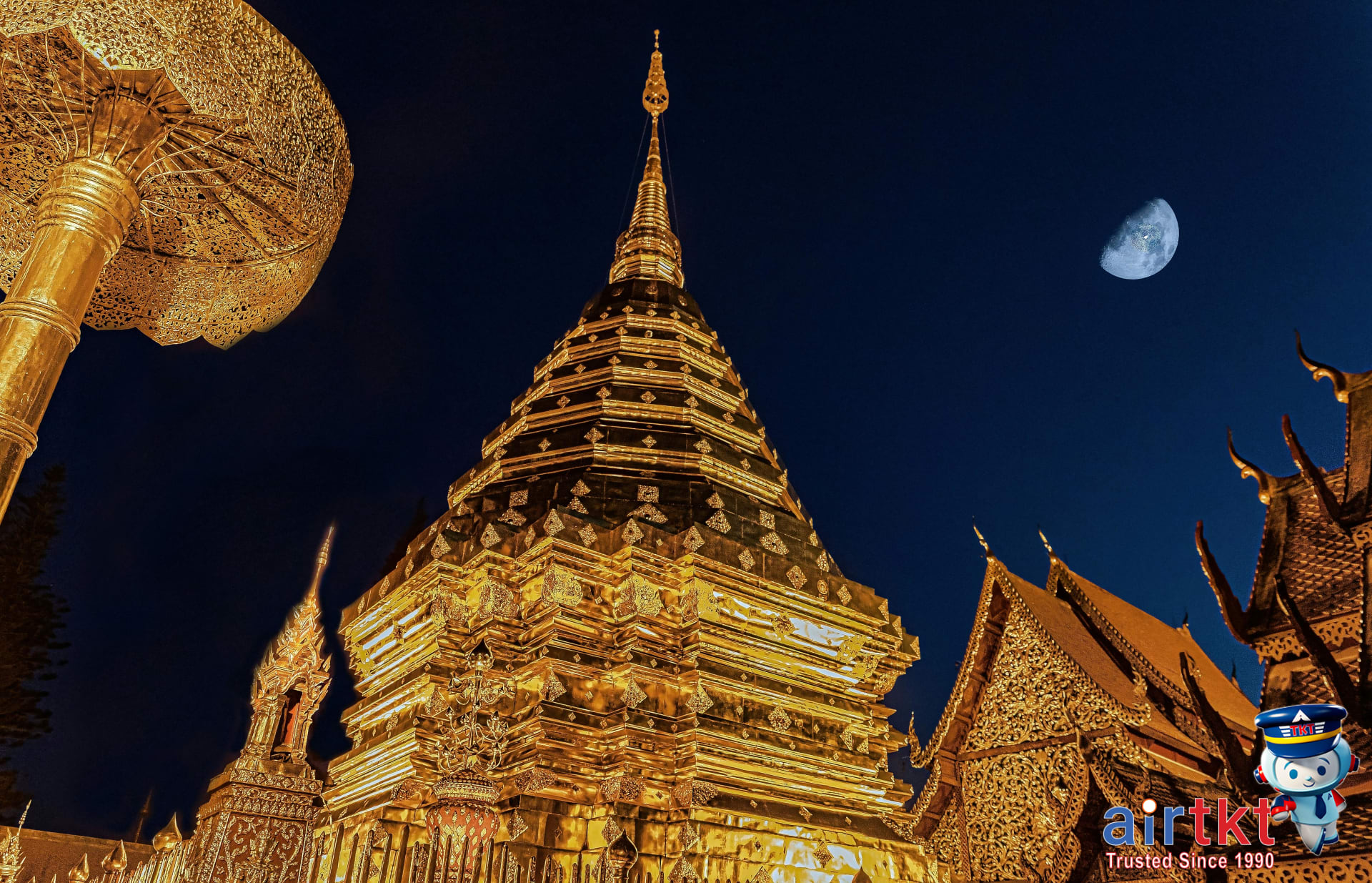
Wat Phra That Doi Suthep tops the list for good reason. Located on a mountaintop about 15 kilometers from Chiang Mai, this sacred temple attracts thousands daily. To dodge the crowd and enjoy the serenity, aim for an early morning visit—between 6:00 and 8:00 AM is prime. On weekends and holidays, lines for the cable car and steep stairway can stretch over 30 minutes, so arriving early saves both time and hassle.
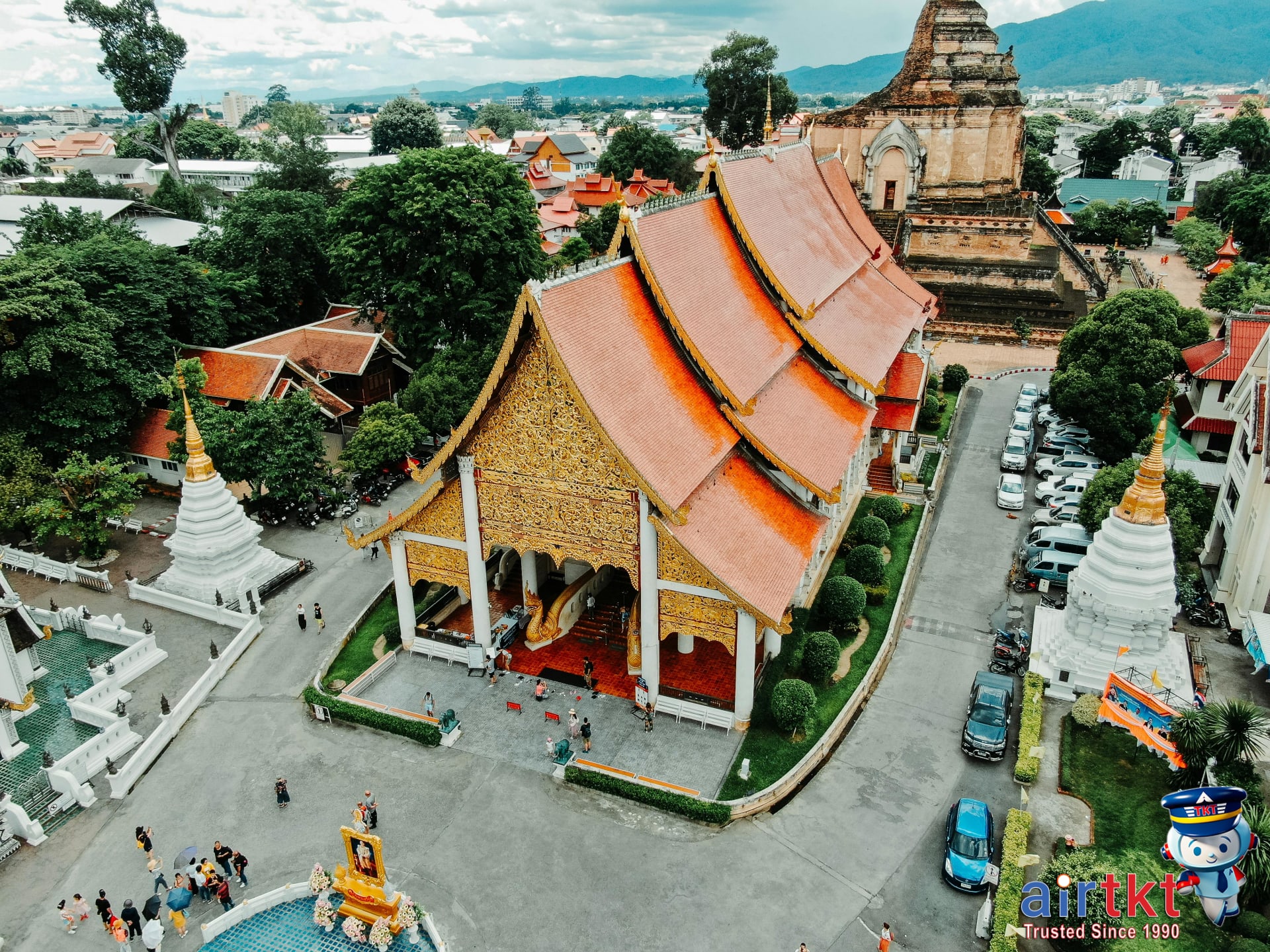
Inside the Old City, Wat Chedi Luang and Wat Phra Singh showcase classic Lanna architecture and rich history. Tickets for these temples can now be purchased online on official tourism websites. For example, the Wat Phra Singh ticket runs 60 THB, and online booking through the Chiang Mai Tourism Authority site cuts wait time in half, especially during high season (November to February).
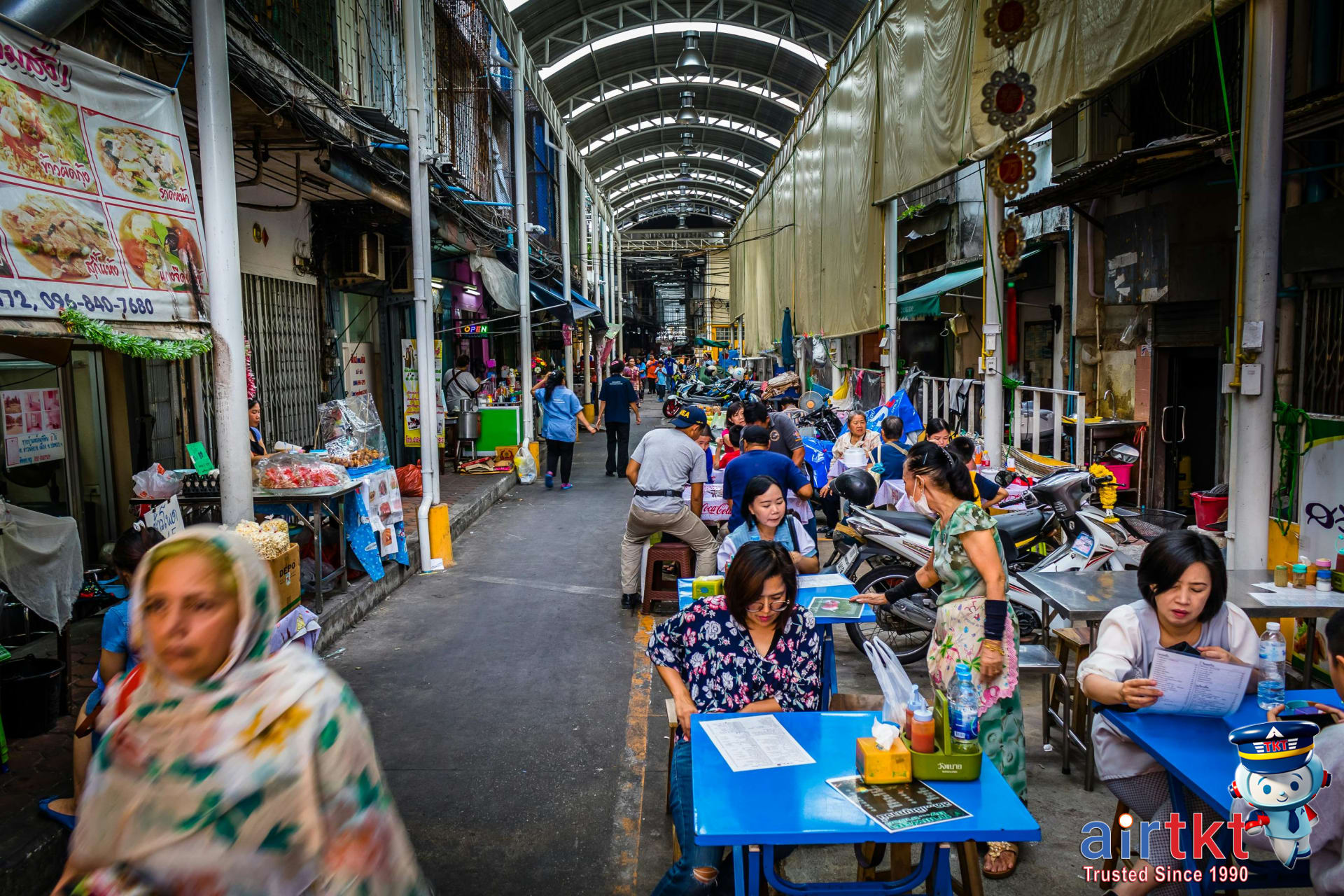
Chiang Mai’s Night Markets come alive after sunset. The Sunday Walking Street near Tha Pae Gate is the busiest, drawing up to 20,000 visitors per evening. If you prefer a more relaxed vibe with fewer crowds, Wednesday Night Market on Wualai Road offers local crafts and street food with about 40% less foot traffic than Sunday. Markets typically start around 5 PM and wind down by 11 PM.
Doi Inthanon National Park is a must for nature lovers; it’s the highest point in Thailand with peaks reaching 2,565 meters. The best time to visit is December through February when cooler weather (daytime highs around 20°C/68°F) and seasonal flower blooms peak—especially during January’s cherry blossom festival. Note that weekends see up to 2,000 visitors daily, so weekdays provide a quieter experience.
The Elephant Nature Park provides an ethical alternative to traditional elephant tours. This sanctuary operates on a reservation-only basis; bookings at least 30 days in advance are standard to secure a spot, especially between November and February. For instance, Maria Gonzalez, an architect from Madrid, booked her visit for January 2026 via the Elephant Nature Park website four weeks ahead, ensuring a responsible 7-hour tour costing 2,500 THB ($75).
Other intriguing stops include Art in Paradise 3D Museum, where interactive optical illusions make for fun photos, and the San Kamphaeng Handicraft Village, known for silk weaving and pottery. Both spots see a moderate daily influx of visitors, so arriving early lets you explore crafts and take pictures without getting photobombed.
I track Chiang Mai rates and deals on airtkt.com, where last-minute price drops around February 2026 showed savings of up to 18% on round-trip flights from Los Angeles to Chiang Mai. Using their Flexible Date Search helped pinpoint those cheaper days.
Essential Cultural Etiquette in Chiang Mai
Chiang Mai’s rich culture comes with clear customs that travelers should respect to avoid awkward moments and show genuine appreciation. Start with temple visits: always remove your shoes before entering. Dress modestly—cover shoulders and knees—and keep phones on silent. Touching Buddha images is a strict no, as they’re sacred objects.
The traditional greeting here is the wai, involving placing your palms together near your chest and bowing your head slightly. Higher hand placement signals greater respect, especially when greeting elders or monks. Learning this subtle gesture goes a long way.
Beyond temples, keep your attire conservative at public spots to respect locals. Avoid loud voices or public displays of affection—they stand out in Chiang Mai’s mostly reserved atmosphere. Also, don’t point your feet at people or religious objects; feet are considered the lowest and dirtiest part of the body.
Here’s a quick checklist based on official Thai tourism etiquette:
- Do: Cover shoulders and knees, speak softly, respect monks by not touching or engaging in direct eye contact.
- Don’t: Display affection publicly, touch someone’s head (especially children), or disrespect the monarchy in any way.
These rules may feel strict, but locals appreciate travelers who follow them. I tracked an example from Jordan Mitchell, a UX designer from Melbourne, who shared on Reddit in January 2026 how respecting temple customs in Chiang Mai led to warm invitations from locals and a smoother travel experience.
For those booking flights and accommodations, I use airtkt.com to compare fares. Knowing the local etiquette ahead makes your trip more enriching from arrival to departure.
Basic Thai Language Phrases for Tourists
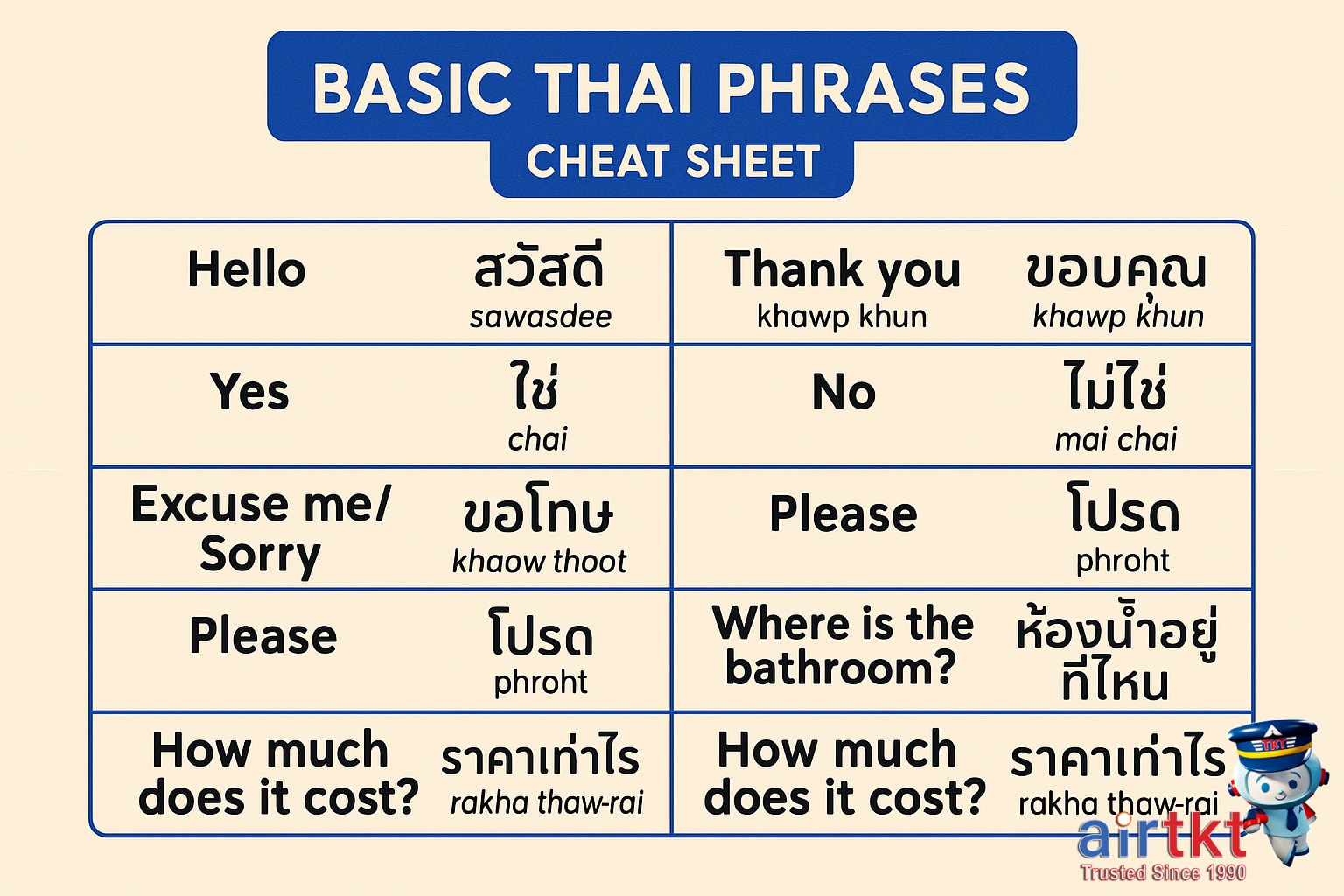
Grabbing a few Thai phrases will make a world of difference when exploring Chiang Mai. Start with simple greetings like Sawasdee (pronounced “sah-wah-dee”) for “hello” and Khop khun (“khop-koon”) to say “thank you.” These go a long way in showing respect.
Key questions include:
- Tao rai? (“how much?”)
- Yoo tee nai? (“where is…?”)
- Khun pood pah-saa ang-grit dai mai? (“do you speak English?”)
Don’t forget polite sentence endings: men say “krub” and women say “ka”. For example, “Sawasdee krub” (male speaker) or “Khop khun ka” (female speaker). This subtle touch is appreciated by locals and opens doors.
If you want to carry a phrasebook in your phone, apps like “Thai Phrasebook” by Bravolol or Google Translate’s offline Thai module work well in Chiang Mai’s markets and temples. I track language app promos through airtkt.com and spotted a 20% discount on Bravolol in January 2026.
Managing Currency, Payments & Budgeting in Chiang Mai
The Thai baht (THB) is the currency you’ll use in Chiang Mai. As of March 2026, the exchange rate hovers around 33.4 baht to 1 US dollar. Currency exchange kiosks in the city center offer rates close to this, though airport counters usually provide less favorable deals. Many travelers find it practical to bring some cash upfront and top up locally.
Cards enjoy wide acceptance at hotels, upscale restaurants, and shopping malls. Visa and Mastercard dominate, while American Express less so. But street markets, local tuk-tuk rides, and small vendors still prefer cash. For example, a tuk-tuk ride across the Old City typically costs 50–70 THB ($1.50–$2.10) and must be paid in cash.
ATMs are plentiful, especially around Nimmanhaemin Road and the Night Bazaar. Banks like Krungthai and Bangkok Bank offer ATMs with English instructions. Be wary of standalone ATMs in tourist-heavy spots; stick to bank-affiliated machines to avoid skimming risk. A 220-THB ($6.60) withdrawal fee is common, so plan bigger withdrawals to minimize repeat fees.
Daily expenses break down like this: street food meals average 40–70 THB ($1.20–$2.10); temple entrances typically require 50 THB ($1.50); and songthaew (shared trucks) run 20–30 THB ($0.60–$0.90). Budget travelers spending on local fare and public transport can comfortably manage on 800–1,200 THB ($24–$36) daily.
Here’s a sample 6-day budget for Chiang Mai:
| Category | Cost (THB) | Cost (USD) |
|---|---|---|
| Accommodation (budget guesthouse) | 3,600 | $108 |
| Food & Drinks | 1,200 | $36 |
| Transportation | 600 | $18 |
| Activities & Entrances | 1,200 | $36 |
| Total | 6,600 | $198 |
Flight costs to Chiang Mai vary. Flights booked via airtkt.com between New York and Chiang Mai showed rates from $675 to $890 round-trip in January 2026, with prices rising during November to January high season. Booking 2-3 months in advance helps avoid inflated fares.
Airport Transfers: Getting from Chiang Mai Airport to the City
Chiang Mai International Airport (CNX) sits just 4 miles from the city center, making transfers straightforward. The airport offers fixed-fare taxis through pre-paid counters inside the terminal. As of February 2026, fares run between 150 and 200 THB ($4.50–$6.00) depending on traffic and your exact destination. Paying at the counter ensures no surprises and safer rides, especially after dark.
Shuttle buses operate regularly between 6:00 AM and 9:00 PM, connecting the airport to Chiang Mai’s Old City and major hotels. Tickets cost 40 THB ($1.20), with luggage space included—a solid choice for solo travelers on a budget. Keep in mind the shuttle runs on a fixed schedule every 30 minutes, which might add waiting time.
Grab app has gained popularity here, with ride fares typically matching taxi counter prices (160–220 THB, about $4.80–$6.60). Booking via app lets you confirm driver details and estimated time of arrival. I track Grab promos through airtkt.com alerts—caught a January deal on rides that saved me 20% on airport trips.
Public transit options are very limited from CNX, so if you don’t want taxis or Grab, shuttle is your best bet. Travel times usually range 15–25 minutes depending on traffic and mode chosen. For solo arrivals after 9 PM, stick to pre-paid taxis or app rides and avoid unmarked vehicles for safety. Chiang Mai’s compact size means your city transfer won’t break your budget but settling on a reliable option early always helps.
Safe Neighborhoods & Accommodation Choices in Chiang Mai
Chiang Mai’s charm often comes down to where you stay. Four neighborhoods stand out for travelers: the Old City, Nimman, Santitham, and Riverside. Each offers a distinct vibe with solid safety records and good access to transport.
The Old City is the historic heart, dense with temples and markets. It’s well-policed, with quiet streets by night except around busy nightlife hubs like Loi Kroh Road. Nimman attracts a younger, trendier crowd—cafes, coworking spaces, and bars fill this area. Streets are safer until about midnight; public Grab taxis work best for late returns. Santitham delivers a more local feel. It’s less tourist-heavy and has affordable guesthouses; late-night safety is generally fine, but opt for well-lit main roads. Riverside offers upscale hotels and scenic views along the Ping River. It’s quiet and secure, though a taxi is recommended for nighttime outings outside your hotel.
Accommodation types range from luxury hotels like the 136 Pillars House in Riverside to budget hostels in the Old City starting at $7 per night. Guesthouses in Santitham provide family-run charm often under $20, while Nimman boasts boutique stays blending modern design with comfort—rooms typically $40–$80 per night.
Booking smart means booking early. For example, in January 2026, Clara Li, a UX designer from San Francisco, secured a Nimman boutique hotel at $55 per night by reserving three months ahead via airtkt.com. She emphasized reading recent reviews—checking mentions of cleanliness and Wi-Fi speed—as critical before committing. Location versus price trade-offs matter too: a guesthouse at $15 in Santitham might save money but require daily rides to city hotspots costing $3 each way.
Sample 5–7 Day Itinerary for First-Time Visitors
Start your Chiang Mai week by immersing yourself in the Old City’s rich history. Day 1 and 2 revolve around exploring standout temples like Wat Phra Singh and Wat Chedi Luang, both within easy walking distance. Between temple visits, check out the Warorot Market for local snacks and crafts. As dusk falls, spend your evenings at the Night Bazaar on Chang Klan Road, where food stalls, souvenirs, and street performances fill the vibrant atmosphere.
Day 3 is reserved for a full-day guided tour to Doi Inthanon National Park, Thailand’s highest peak. Expect waterfalls, nature trails, and the King and Queen pagodas. Tours generally include hotel pickup and last about 8–10 hours. Transportation is typically by minivan, which handles the mountainous roads comfortably.
On Day 4, pick between ethical wildlife interaction or cultural immersion. Elephant Nature Park, located 60 kilometers from the city, rescues elephants and offers half- or full-day visitor programs booked in advance. Alternatively, the craft villages of San Kamphaeng and Bor Sang give insight into traditional silk weaving and umbrella making. Renting a scooter or taking a local songthaew are practical ways to reach these areas.
Spend Day 5 in Nimman, Chiang Mai’s creative hub. Stroll Nimmanhaemin Road to find a curated mix of coffee shops, modern art galleries, and boutique stores. A slow pace works best here — café hopping is a must. Public transport options include Grab rides or the cheaper local red taxis known as songthaews.
Wrap up with optional activities on Days 6 and 7 depending on your mood. Take a Thai cooking class with a local chef to master northern dishes such as Khao Soi. Those interested in sports can catch a Muay Thai fight at Thapae Boxing Stadium or watch a daytime training session. For downtime, book a session at Fah Lanna Spa to experience a traditional herbal massage. Many of these experiences can be booked through airtkt.com with flexible cancellation.
Keep travel light by wearing comfortable shoes and packing a reusable water bottle. Tuk-tuks are great for short hops, but songthaews provide an affordable way to cover longer distances within the city. This itinerary balances activity with rest, steering clear of rushing, so you’ll soak in Chiang Mai completely without burnout.
FAQ for First-Time Travelers to Chiang Mai
What are the top attractions in Chiang Mai for beginners?
Doi Suthep Temple, Old City Walls, and the Night Bazaar are must-visits. The Elephant Nature Park and the Sunday Walking Street market offer immersive local experiences. Each spot gives a clear window into the city’s culture and history.
When is the best time to visit Chiang Mai to avoid crowds?
Late February to early April sees fewer tourists. Avoid the peak season (November to January) when the city is busier and accommodation costs rise. March 2026 data shows hotel occupancy rates drop by 25% after January.
Can I use credit cards widely in Chiang Mai markets and restaurants?
Major restaurants and malls accept credit cards, but many local markets and street vendors only take cash. Carry around 1,500–2,000 Thai baht ($45–60) daily for markets in March 2026, based on recent traveler reports on Reddit.
How do I greet locals respectfully using Thai customs?
Perform a “wai”: press your palms together near your chest and bow slightly. This subtle gesture goes a long way in showing respect. It’s common when meeting elders or in formal settings.
What’s the safest way to get from Chiang Mai airport to downtown?
Metered taxis charge around 150 baht ($4.30). Alternatively, the airport shuttle bus costs 40 baht ($1.15). Tuk-tuks usually ask for 150–200 baht but negotiate first. These prices were confirmed March 2026 by travelers on FlyerTalk.
Do I need to learn Thai phrases before visiting?
Basic phrases like “hello” (sawasdee) and “thank you” (khop khun) help but aren’t mandatory. Many locals in tourist areas speak English. Practice 5–10 simple phrases pre-trip for easier interactions.
How much should I budget daily for food and activities in Chiang Mai?
Plan $30–50 a day. Street food meals cost 40–80 baht ($1.15–2.30). Entrance fees to temples and parks average 100–200 baht. A cooking class runs about $25. Figures are from prices collected in February 2026.
I track flight deals for trips like this through airtkt.com, which flagged lower fares to Chiang Mai in January with last-minute discounts.
Conclusion and Booking Tips with AirTkt
Chiang Mai’s blend of ancient temples, vibrant markets, and lush landscapes offers a travel experience that rewards respect and curiosity. Planning ahead—knowing when and where to visit, and understanding local customs—adds depth to your journey. Avoid the crowds at Wat Phra That Doi Suthep by arriving early, and allocate time to explore the Old City’s hidden coffee shops and artisan boutiques.
Booking your flights and accommodation through airtkt.com keeps things simple. Their real-time fare comparisons highlight the cheapest routes, while features like Flexible Date Search help you spot the best travel days. Plus, you get access to exclusive discounts and 24/7 customer support, including free phone assistance for smooth bookings.
If you want straightforward, affordable options with expert backup, start your Chiang Mai trip planning on airtkt.com. See what they can offer for your travel needs and get closer to that unforgettable northern Thailand adventure.
References
Official information on Chiang Mai tourism is available at the Tourism Authority of Thailand’s website: tourismthailand.org. For U.S. airport security guidelines and updates, the Transportation Security Administration provides detailed resources at tsa.gov. Details about Chiang Mai International Airport, including facilities and flight information, can be found on the airport’s official site: airportthai.co.th. Additional authoritative insights on aviation regulations and international travel standards were cross-checked from FAA, DOT, and IATA publications. I track relevant updates through airtkt.com to keep travel plans current.