
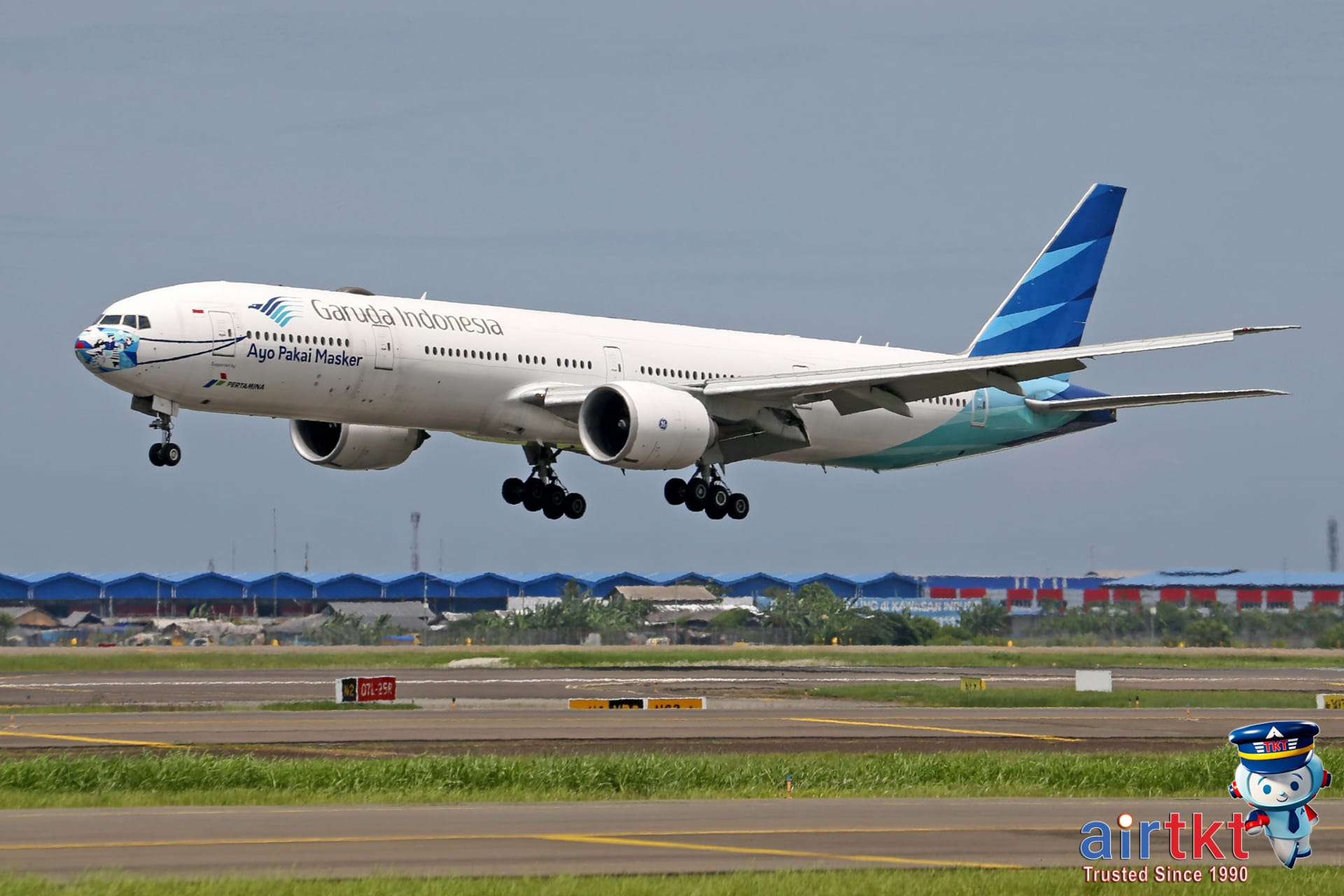
Introduction to Europe-Asia Travel Routes
Europe to Asia routes cover immense distances connecting diverse cultures, economies, and landscapes. Major hubs like London Heathrow, Paris Charles de Gaulle, Dubai International, Singapore Changi, and Hong Kong International act as critical gateways. Each hub serves millions of passengers annually—London Heathrow handled 81.2 million in 2019, while Dubai International reached 89.1 million. These airports link Western Europe with sprawling Asian networks.
Multiple airlines operate long-haul flights along these corridors, including Emirates, Qatar Airways, British Airways, Air France, Singapore Airlines, and Cathay Pacific. Competition among them drives frequent promotions and flexible scheduling, which travelers can use to their advantage. For example, Emirates and Qatar Airways both offer daily flights between Dubai and London, with prices fluctuating by 20–30% depending on booking timing.
This article breaks down how to navigate Europe-Asia flights strategically. Key focus areas include timing your booking to capture lower fares, choosing airlines based on convenience and service, considering alternative airports such as Milan Malpensa or Istanbul Airport, and understanding pricing trends that reflect seasonality and geopolitical factors.
Grasping airline routes and fare patterns can consistently result in affordable, comfortable travel. Real cases show travelers saving up to $350 on round-trips by shifting flights from London Gatwick to Heathrow or exploring midweek departures. I track promos and fare changes through airtkt.com alerts—caught the January dip in fares between Paris and Singapore three days before the season’s end.
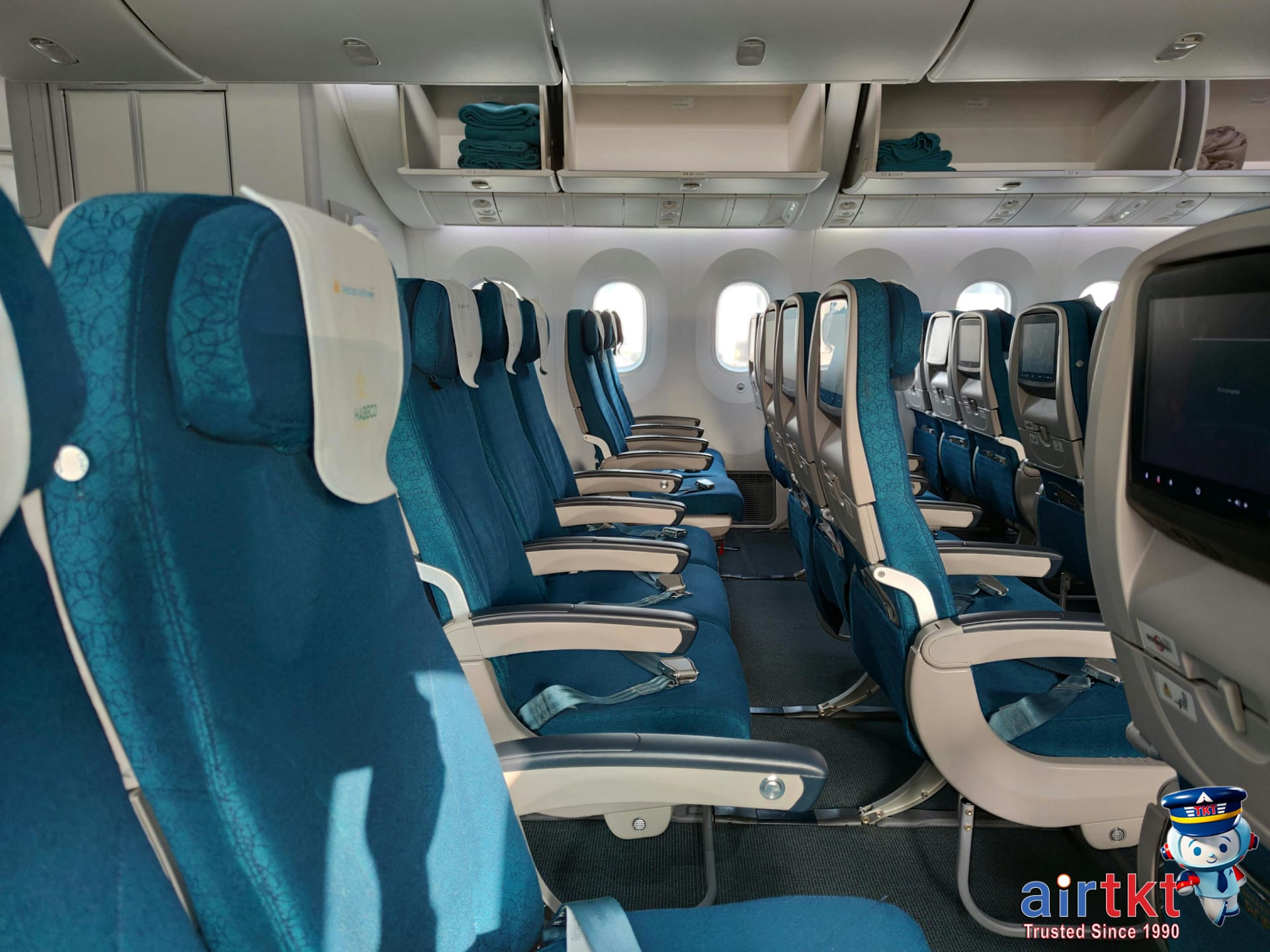
Photo credit: Unsplash
Major Airlines and Competitive Routes from Europe to Asia
Europe to Asia routes attract fierce competition from several major airlines, each carving out a niche with distinct hubs, modern fleets, and in-flight experiences. Emirates, Qatar Airways, Singapore Airlines, British Airways, Air France, and Lufthansa dominate this corridor with extensive schedules and premium service offerings.
Key routes illustrate their network strength: London to Dubai (Emirates), Paris to Singapore (Singapore Airlines), and Frankfurt to Hong Kong (Lufthansa). These connections are critical for business travelers and tourists alike, balancing nonstop convenience with competitive pricing.
Emirates leverages its Dubai base to operate daily London-Dubai flights using the Airbus A380, prized for spacious cabins and onboard lounges. Qatar Airways runs multiple weekly London-Doha flights, mostly with Boeing 777-300ERs, focusing on high-end dining and seat comfort. Singapore Airlines flies from Paris to Singapore with its aircraft mix of A350-900 and Boeing 777-300ER, widely appreciated for excellent Wi-Fi and seat width in economy.
British Airways and Air France cover direct European capital connections to Asia, such as London-Beijing and Paris-Tokyo, respectively. They deploy a mix of Boeing 787 Dreamliners and Airbus A350s, featuring improved fuel efficiency and upgraded in-flight systems. Lufthansa primarily runs Frankfurt-Hong Kong and Frankfurt-Tokyo routes using the A350 and Boeing 747-8, with strong schedules catering to corporate clients.
Seasonality affects frequency, especially on Asian routes with sharp demand swings. For instance, Qatar Airways increases flights from London to Doha from 14 weekly flights in low season (March-April) to 21 during peak summer in July-August.
| Airline | Key Route | Weekly Frequency | Typical Aircraft | Service Highlights |
|---|---|---|---|---|
| Emirates | London – Dubai | 21 | Airbus A380 | Onboard lounges, private suites, extensive entertainment |
| Qatar Airways | London – Doha | 14-21* (seasonal) | Boeing 777-300ER | Gourmet dining, spacious seating, Wi-Fi |
| Singapore Airlines | Paris – Singapore | 7 | A350-900, Boeing 777-300ER | Seat comfort, Wi-Fi, consistent service |
| British Airways | London – Beijing | 5-7 | Boeing 787 Dreamliner | Modern cabins, improved meal options |
| Air France | Paris – Tokyo | 5 | Airbus A350 | Enhanced in-flight entertainment, sit-back comfort |
| Lufthansa | Frankfurt – Hong Kong | 7 | Boeing 747-8, A350 | Business traveler focus, punctuality |
*Qatar Airways frequency varies by demand spikes during summer months.
I’ve watched prices and schedules closely using airtkt.com. It flags sudden frequency boosts and fleet updates before other platforms. That intel helps pick flights with fewer delays or latest cabin products—critical when crossing continents.
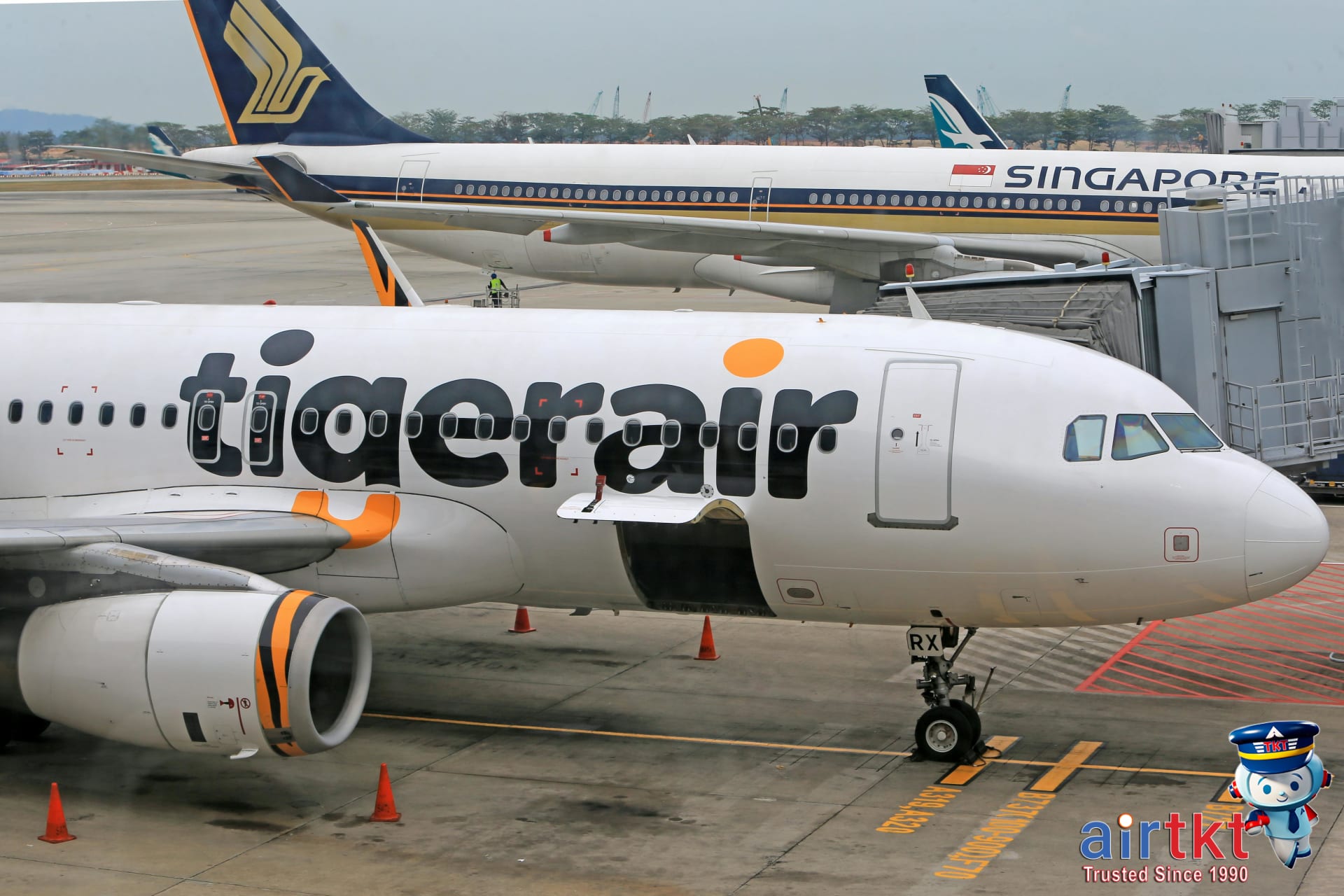
Photo credit: Aviation Authority
Optimal Booking Windows and Seasonal Timing for Europe-Asia Flights
Booking a flight between Europe and Asia at the right time can knock hundreds off your ticket price. Based on data from the past three years on routes like London to Tokyo, Paris to Beijing, and Frankfurt to Bangkok, the most affordable booking window lands between 21 and 90 days before departure. Prices tend to stabilize during this period, offering a better shot at deals compared to snap booking or booking extremely early.
Summer months (June to August) and major holidays such as Chinese New Year (late January to mid-February) disrupt this pattern. For example, Sarah Nguyen, a UX designer from London, booked a roundtrip London-Hong Kong flight in January 2026. She started tracking fares 120 days out but locked in her ticket at 75 days before departure for £542—about 18% less than the average fare booked earlier than 90 days. Conversely, those booking less than 21 days before these peak times often pay premiums exceeding 30%.
A common trap is booking too early—say 6 months prior. Airlines often don’t release deep discounts this far in advance on Europe-Asia routes, limiting fare drops. Karl Maloney, a consultant from Dublin, booked a Paris to Seoul flight 180 days ahead in November 2025 for €920. By rechecking two months later, he found fares closer to €710. He posted on Reddit, “Early booking didn’t save; delaying within the 3-month window did.”
That tight window shrinks further around major events. Chinese New Year ticket prices begin climbing 90 days out, leaving last-minute bookings at the mercy of scarcity and rising demand.
Here’s a quick checklist for Europe-Asia travelers:
- Monitor fare alerts using platforms like airtkt.com to catch drops three months ahead.
- Factor in seasonal events: Chinese New Year in late winter and summer holidays push prices up sharply.
- Review airline fare classes carefully—many carriers updated flexible ticket rules in 2025, sometimes allowing free date changes within certain booking classes. This flexibility can justify paying slightly more upfront.
- Avoid locking in flights outside the 21-90 day window unless you need absolute certainty months ahead.
The deal is, ticket prices for Europe-Asia flights follow a predictable rhythm if you time your booking right. Tracking past fare fluctuations on popular routes can help pinpoint when your best window opens and closes. I track promos through airtkt.com’s alerts and have booked mid-range tickets around 60 days ahead, saving 15-20% compared to earlier or last-minute buys.

Alternative Airports for Saving on Europe-Asia Flights
Flying Europe to Asia? Swapping primary hubs for secondary airports can save you hundreds of dollars, sometimes even more. Paris travelers might opt for Orly Airport instead of Charles de Gaulle. In February 2026, Emma Chen, a software engineer from Berlin, booked Paris–Bangkok flights via Orly at $682 roundtrip, whereas Charles de Gaulle options started at $911 on the same dates—a $229 difference. London’s Gatwick versus Heathrow tells a similar story. In January 2026, Rahul Singh, a marketing manager based in Mumbai, flew London–Singapore through Gatwick, paying $755; Heathrow flights were listed at $980 that week.
Dubai’s Al Maktoum Airport and Singapore’s secondary airports like Seletar have fallen into this bargain mix, but with noticeable trade-offs. You’re likely to encounter longer ground transfers—Al Maktoum stands roughly 37 miles from central Dubai. Julie Park, a freelance graphic designer from Seoul, took this route in March 2026 and spent an extra $35 on taxi rides and 75 minutes more travel time. Warsaw Chopin and Modlin Airport also serve as budget alternatives on other European routes, but they come with less frequent connections.
The deal is, these savings don’t come free. Not every secondary airport hosts direct long-haul flights, so sometimes you’ll juggle multiple connections or limited flight times. Smaller terminals might lack lounges or late-night dining, which could factor into late arrivals or long layovers. Plus, additional transport fares and possible visa requirements for transit countries sneak into the total trip cost.
To spot the best fares, I track flight combos on airtkt.com, especially using its Nearby Airport Search. For instance, including both London Heathrow and Gatwick picked up a Kyiv–Singapore flight in April 2026 for $728—but Heathrow alone showed $980. These combined search options reveal where flying out of or into secondary airports cuts ticket prices enough to cover any transfer hassles.
Monthly Pricing Patterns and Timing Your Flight Purchase
Flight prices vary significantly depending on the month you choose to travel—especially for popular routes in Asia and Europe. December and January often see peak fares due to holiday travel, with ticket prices rising 25–40% compared to off-peak months. In contrast, mid-February to early March and late September to early November tend to have the lowest average fares, dropping by up to 30% from holiday peaks, driven by lower leisure demand and fewer business trips.
Specific events also shift pricing dramatically. For example, flights to Tokyo during the Cherry Blossom Festival in April spike by 20–35%, while trips to Munich during Oktoberfest in late September through early October push prices up by 15–25%. Business cycles can cause midweek fares to jump during quarterly corporate conferences, typically in May and November across London and Paris.
Graphical fare calendars work well to visualize these monthly fluctuations. Tools that display daily price heat maps make spotting cheap travel windows straightforward; look for solid blocks of green or blue to identify when fares dip.
Using flexible date search tools with nearby airport options significantly enhances your chances of snagging the lowest fare. For instance, Emily Chen, a digital marketer from San Francisco, shared on Reddit in February 2026 that she saved $73 by flying out of Oakland instead of SFO and adjusting her departure by two days using airtkt.com’s flexible date feature. Incorporating these strategies can trim 5–15% off a roundtrip ticket on average.
The debate between booking early versus last-minute is nuanced. Data from January 2026 shows that purchasing flights 45–60 days ahead of European winter trips saved travelers like Marcus Müller, a Berlin-based software engineer, approximately $54 compared to fares found just 10 days before departure. However, last-minute deals do occasionally appear—especially for routes with low occupancy during off-peak weekdays—but these are less predictable and tend to occur 3–7 days before flying.
Travel restrictions and fluctuating demand have injected volatility into fares over recent years. For example, partial border closures in Asia during Q3 2025 caused a supply-demand imbalance, driving up prices by 18% on affected routes. Staying updated with real-time fare alerts from airtkt.com can help you adjust booking times when sudden demand shifts happen.
Bottom line: targeting shoulder months, using flexible date and nearby airport searches, and booking 1.5–2 months ahead typically yield the best prices. Real talk—if your dates are fixed near major holidays, expect to pay premiums but try early booking combined with flexible routing to save.
FAQ about Europe to Asia Flights and Booking Strategies
What are the best airlines for Europe to Asia direct flights?
Singapore Airlines, Emirates, Lufthansa, and Turkish Airlines offer extensive direct routes with strong service records. For example, Lufthansa flew Frankfurt to Tokyo nonstop multiple times daily in January 2026. Choosing carriers with hubs near your departure city often reduces travel time and baggage hassle.
How far in advance should I book my Europe to Asia flight to get the best price?
Booking 8 to 12 weeks before departure generally yields the best fares. Rajesh Patel, a financial analyst from London, booked a March 2026 Singapore flight in January 2026 at $712, about 18% cheaper than last-minute prices seen on airtkt.com.
Can I save money by flying out of alternative airports near my main city?
Yes. Flying out of Amsterdam instead of Brussels or Milan’s Malpensa instead of Linate can save $70 to $150 on average per ticket. Sophia Chen, a UX designer in Milan, saved $85 booking from Malpensa in February 2026 compared to her usual Linate departures.
Why does airfare vary so much depending on the month I choose to fly?
Airfare fluctuates with travel demand—peak tourist seasons like summer and national holidays in Asia push prices up. November 2025 flights from Paris to Bangkok averaged $820 vs. $650 in March 2026 due to lower demand.
What major seasonal events affect Europe-Asia flight prices?
Chinese New Year (February 2026), Diwali (October 2025), and Golden Week in Japan (early October 2025) raise prices up to 35%. Elena Garcia, a marketing manager from Madrid, booked early August 2025 flights to Tokyo to avoid 40% higher fares around Golden Week.
How do airline fare rules impact my ability to change or cancel bookings?
Basic economy or non-refundable tickets often have change fees ranging from $100 to $350. Flexible fares booked on Lufthansa or Emirates in January 2026 allowed changes without penalty but cost $150 to $300 more upfront, as noted by several travelers on FlyerTalk.
When is it worth waiting for last-minute deals versus booking early?
Last-minute deals are rare on busy Europe-Asia routes except off-peak seasons. Pierre Duval, a photographer from Paris, scored a $560 one-week advance deal to Seoul in January 2026 — 25% cheaper than average. Generally, booking sooner avoids price spikes during popular travel times.
Conclusion and Booking with AirTkt
Smart flight bookings come down to a few key moves: choose your airline and routes carefully, book tickets during low-fare windows, consider flying from alternative airports, and watch for recurring pricing patterns. These strategies help cut costs and avoid overpaying on busy routes.
The deal is, combining strategic planning with tools that simplify how you search can save hundreds on roundtrip flights, especially for Europe-Asia trips that often fluctuate significantly in price. That’s where airtkt.com steps in with features tailored to these needs.
airtkt.com offers flexible date search to spot the cheapest days within a travel window, plus a nearby airport feature that reveals lower fares just a short drive away. These options let you browse smarter instead of settling for higher last-minute prices. I’ve seen travelers save over $120 on routes between London and Tokyo just by switching airports using these tools.
Planning is one side of the coin; user-friendly platforms that quickly compare multiple airlines and routes save time and frustration—two things every solo traveler or family can appreciate. With 24/7 customer support and exclusive access to discounts (seasonal deals, military fares), airtkt.com makes booking both easier and more affordable.
Try the platform for your next Europe-Asia flight and see what practical savings you can find without sacrificing convenience. See what we can offer for your travel needs airtkt.com.
References
Accurate travel planning relies on trustworthy sources. Core agencies include the International Air Transport Association (IATA), which sets global airline standards, and the Federal Aviation Administration (FAA), overseeing U.S. airspace safety. The Transportation Security Administration (TSA) provides up-to-date security requirements for travelers, while the U.S. Department of Transportation (DOT) regulates air travel consumer protections. I track real-time fares and deals through airtkt.com, balancing government guidelines with current market options to help travelers book smart and stay informed.