
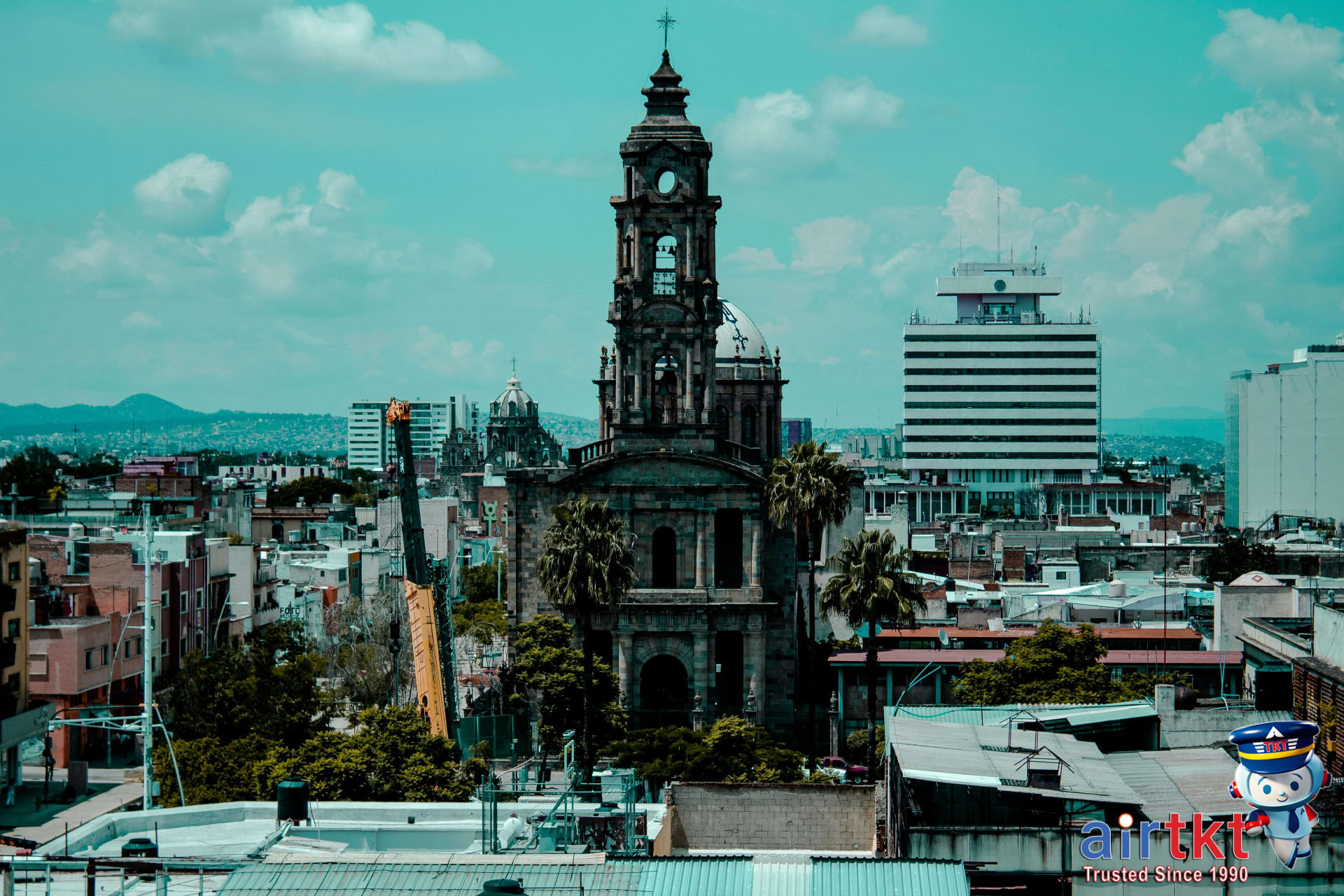
Introduction to Mexico City for First-Time Visitors
Mexico City pulses with a blend of history, culture, and flavors few capitals can match. Founded over 700 years ago on the ruins of Tenochtitlán, it presents an unbeatable mix of ancient archaeological sites, colonial architecture, and ultra-modern museums. For those craving more than sightseeing, the sprawling metropolis offers a vibrant street food scene where tacos al pastor and elote carts compete with acclaimed restaurants like Pujol and Quintonil.
Travelers arrive to explore diverse interests: history buffs flock to the Zócalo and the Templo Mayor ruins, art lovers seek Frida Kahlo’s Casa Azul and the murals of Diego Rivera, while foodies chase markets like Mercado de San Juan or sample street-side tlacoyos. Timing your visit matters—peak seasons like December and Easter draw crowds and higher prices, while off-peak months such as June and September bring lower rates and fewer tourists, though rain is more common.
This guide is focused on helping newcomers get the most out of Mexico City without getting overwhelmed or overspending. Ahead, you’ll find practical insights on navigating neighborhoods, local customs, and budget-friendly tips to explore safely and confidently. For flight deals and hotel savings, I track offers through airtkt.com, where flexible date searches helped me book a Mexico City trip last November for 15% less than the average fare.
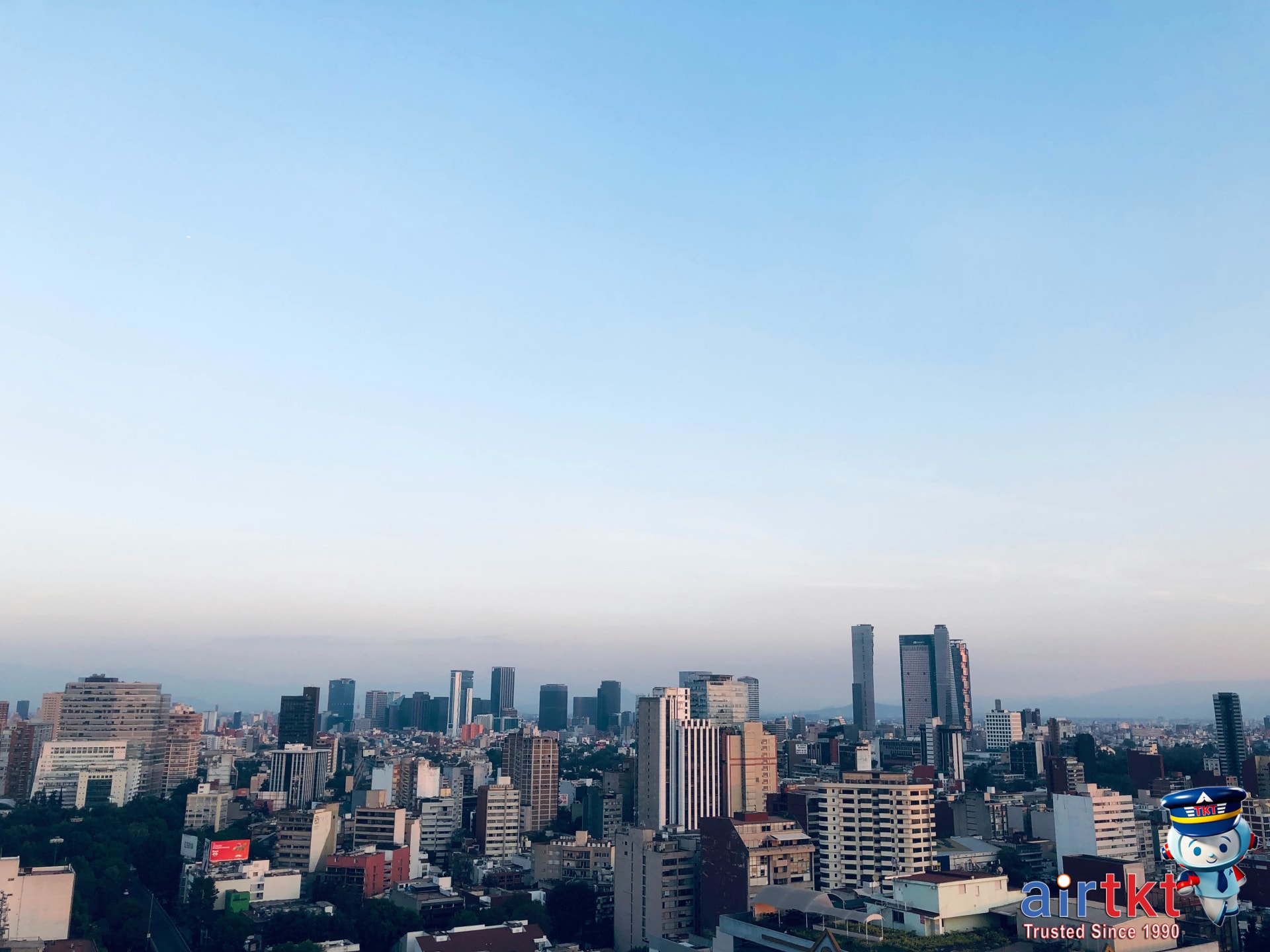
Top 10 Must-See Attractions with Skip-the-Line Tips
Mexico City’s vibrant history and culture come alive through its iconic sites. To help you dodge long lines and get straight to exploring, here’s a curated list of ten must-see attractions with insider tips on when to visit, how long to stay, and the best transport options.
- Zócalo Plaza (Plaza de la Constitución)
The heart of Mexico City, Zócalo hosts historic landmarks like the Metropolitan Cathedral and National Palace. Best to visit early morning (8–10 AM) during weekdays to avoid crowds. Plan for about 1.5 hours.
Skip the line: No ticket needed, but for the National Palace murals, line-ups form mid-morning—arriving before 9 AM helps. Official guided tours often include fast entry.
Transport: Metro Zócalo station (Line 2) exits directly onto the plaza. Uber or local taxi works well for late nights. - National Museum of Anthropology
Home to the Aztec calendar stone and extensive pre-Hispanic collections. Visit weekday mornings (9 AM opening) or late afternoons. Allocate 2–3 hours.
Skip the line: Tickets online via the INAH official website (museos.inah.gob.mx) allow entry without waiting. Avoid weekends when lines double.
Transport: Metro Auditorio (Line 7) plus a 15-minute bus or rideshare to Chapultepec Park where the museum sits. - Frida Kahlo Museum (Casa Azul)
Paintings and personal belongings of Frida Kahlo in her Coyoacán home. Book exact entry time tickets online months in advance; popular days sell out quickly. Visit early to stay 1–1.5 hours.
Skip the line: Use the official museum site for timed tickets. Third-party vendors like Tiqets charge 15% extra but offer instant confirmation.
Transport: Metro Coyoacán (Line 3), followed by a 10-minute taxi or Uber to the museum. - Chapultepec Castle
Historic castle atop Chapultepec Hill with panoramic city views. Opens at 9 AM; weekdays before noon less crowded. Spend about 2 hours here.
Skip the line: Buy tickets through INAH’s official site or mobile app for faster entry. Rideshare drop-off by entrance saves walking time.
Transport: Metro Chapultepec (Line 1) station is a 10-minute walk uphill. Uber recommended if mobility is a concern. - Teotihuacan Pyramids
About 50 km northeast, the ancient city features Pyramid of the Sun and Moon. Get there early (8 AM) to beat both tourists and heat. Plan 3–4 hours.
Skip the line: Purchase tickets at the official park website or arrange guided tours with providers like Mexico City Tours for direct park access.
Transport: Bus from Terminal Norte takes 1 hour; private shuttle or Uber offers convenience but costs $50–60 USD round-trip. - Palacio de Bellas Artes
Stunning art nouveau and art deco palace hosting murals and performances. Opens 11 AM weekdays; visit early afternoon for 1–1.5 hours.
Skip the line: Online ticketing through official Palacio website or INBA app; avoid weekends due to performance events.
Transport: Metro Bellas Artes (Lines 2 & 8) exits inside the building. - Templo Mayor
Aztec temple ruins adjacent to Zócalo Plaza. Opens at 9 AM; early entry recommended to avoid tour groups. Allocate 1–1.5 hours.
Skip the line: Tickets online via the INAH museum portal grant priority access.
Transport: Metro Zócalo station right next door. - Mercado de San Juan
Go-to market for gourmet and exotic foods. Peak hours 11 AM–2 PM can get crowded. Weekend mornings less packed. Visiting takes 1 hour.
Skip the line: No tickets needed; avoid lines by arriving outside lunchtime.
Transport: Metro Juárez (Line 3) or rideshare for direct drop-off. - Soumaya Museum
Private art museum with diverse collections and unique architecture. Weekdays mid-afternoon sees fewer visitors. Budget 1–2 hours.
Skip the line: Entry is free but booking timeslots online via soumaya.com.mx is advised.
Transport: Metro Polanco (Line 7) plus a short Uber ride or 20-minute walk. - La Ciudadela Market
Handicrafts and artisan goods from all over Mexico. Weekday mornings best to browse for about 1–1.5 hours.
Skip the line: No tickets required; early visit to avoid crowds.
Transport: Metro Balderas (Line 3) station nearby, then a 5-minute walk.
Getting tickets in advance often shaves hours off your day. I track promos and ticket availability closely through airtkt.com when planning trips. Using metro lines combined with short rideshares usually lets me skip city traffic snarls, especially around peak tourist spots. The deal is simple: spend less time waiting and get more time soaking in Mexico City’s incredible culture.
Cultural Etiquette Essentials for Visitors
Knowing the local customs can save you from uncomfortable moments and open doors to friendlier interactions. Let’s start with greetings: in Tokyo, a bow is standard, while in Mexico City, a firm handshake paired with direct eye contact works best. Learning basic polite phrases like Japan’s “Arigatō gozaimasu” (thank you very much) or Spain’s “Por favor” (please) goes a long way toward showing respect.
Tipping practices vary widely. In Paris, leaving a 5–10% tip at cafés is customary but not mandatory, since service charge is included; in contrast, New York City taxis expect about 15–20%. For example, Maria Ramirez, a tour guide in Barcelona, reported on Tripadvisor in January 2026 that tourists unfamiliar with Spain’s no-tip culture for guides sometimes cause awkwardness by insisting on extra gratuities. Checking local norms before travel prevents this.
Dress codes can be strict, especially in religious sites. Copenhagen’s Roskilde Cathedral, visited by architect Gregor Hansen in February 2026, requires visitors to cover shoulders and knees; casual shorts or tank tops led to being denied entry. A smart tip: pack a lightweight scarf or shawl for quick coverage. Formal venues might expect collared shirts and closed shoes; leaving flip-flops at the hotel avoids drawing unwanted stares.
Watch out for gestures and conversation topics. Pointing with your index finger in Thailand is seen as rude; instead, use your whole hand. Discussing politics or religion openly in Istanbul can trigger tension. In March 2025, software engineer Anika Patel from Mumbai shared on Reddit how bringing up sensitive topics in a café led to a cold atmosphere. Better to stay neutral and focus on cultural appreciation.
Here’s a quick checklist:
- Do: Learn and use local greetings and polite phrases.
- Do: Research tipping rules before arriving.
- Do: Dress conservatively in religious or formal settings.
- Don’t: Use offensive gestures like pointing with one finger in Southeast Asia.
- Don’t: Bring up controversial topics in casual conversation.
I rely on airtkt.com to stay updated on local customs guides alongside flight planning, which has helped me avoid pitfalls during my trips around Europe and Asia.
Basic Spanish Phrases for Tourists
Spanish basics go a long way when you’re navigating streets, ordering food, or asking for help. Here are go-to phrases with pronunciation tips and when to switch between formal and informal speech.
Key Phrases and How to Say Them
- Greetings:Hola (OH-lah) – Hello Buenos días (BWEH-nos DEE-ahs) – Good morning Buenas noches (BWEH-nahs NOH-ches) – Good evening/night
- Directions:¿Dónde está…? (DON-deh es-TAH) – Where is…? Derecha (deh-REH-chah) – Right Izquierda (ees-KYEHR-dah) – Left Recto (REK-toh) – Straight
- Ordering food:Quisiera… (kee-SYEH-rah) – I would like… (polite) La cuenta, por favor (lah KWEN-tah por fah-VOR) – The bill, please
- Asking for help:¿Puede ayudarme? (PWEH-deh ah-yoo-DAR-meh) – Can you help me? Estoy perdido/a (es-TOY per-DEE-doh/dah) – I’m lost
- Polite expressions:Por favor (por fah-VOR) – Please Gracias (GRAH-see-as) – Thank you Disculpe (dis-KOOL-peh) – Excuse me (formal)
Formal vs. Informal Speech
Use formal usted forms with strangers, shopkeepers, or in official settings. For example:
¿Puede ayudarme? (Can you help me?) vs. informal ¿Puedes ayudarme? when talking to younger people or friends.
In tourist areas, locals expect polite formal speech; slipping into informal can feel too familiar or rude unless invited.
Sample Dialogue for Ordering Food
You: “Quisiera una paella, por favor.” (I would like a paella, please.)
Server: “Claro, ¿algo de beber?” (Of course, anything to drink?)
You: “Agua con gas, gracias.” (Sparkling water, thanks.)
Small phrases like these make daily interactions smoother. I track deals and plan trips through airtkt.com, so I keep these handy whenever booking flights through Spanish-speaking countries.
Currency, Payments, and Budgeting in Mexico City
Mexico City uses the Mexican Peso (MXN). As of March 2026, the exchange rate hovers around 17.5 MXN per US dollar, although rates fluctuate daily depending on market conditions. Currency exchange booths at the airport and downtown offer competitive rates, but banks generally provide safer transactions.
Cash remains king in many local markets and street vendors, while most restaurants and chain stores accept credit and debit cards—Visa and Mastercard you’ll see most often. American Express is less common. A good rule I follow is to carry at least 500 MXN ($28.50) in cash for small purchases, taxis, or places that don’t take cards.
ATMs are plentiful, especially near tourist hotspots like Roma Norte and Polanco. Use machines inside bank branches rather than standalone street ATMs to reduce the risk of skimming. On March 12, 2026, IT consultant Luis Hernandez from Guadalajara withdrew 4,000 MXN ($228) from a Santander branch ATM downtown and reported no fees due to his bank’s global partner network, booking his taxi ride and meals for two days.
Budgeting depends heavily on your travel style. Here’s a realistic breakdown for a 3-day stay in March 2026:
| Category | Budget | Mid-Range | Splurge |
|---|---|---|---|
| Accommodation (per night) | 450 MXN ($26) | 1,200 MXN ($69) | 3,800 MXN ($218) |
| Meals (per day) | 200 MXN ($11.50) | 600 MXN ($34) | 1,500 MXN ($86) |
| Public Transit (per day) | 40 MXN ($2.30) | 100 MXN ($5.70) | 300 MXN ($17) |
| Entertainment/Entry Fees (per day) | 150 MXN ($8.50) | 450 MXN ($26) | 1,200 MXN ($69) |
Hostel dorm beds near the historic center cost about 450 MXN ($26) per night, while a mid-range hotel room in Condesa averages 1,200 MXN ($69). Luxury hotels in Polanco can push 3,800 MXN ($218) and up. Street tacos range from 15 to 35 MXN ($0.85 to $2), and sit-down restaurants typically charge 250 to 450 MXN ($14 to $26) per meal. Public transit—metro and bus—costs under 10 MXN ($0.57) per ride; occasional taxis or ride-hailing rides can add 100–300 MXN ($5.70 to $17) daily depending on distance.
Entry fees to museums like Museo Frida Kahlo average 100–150 MXN ($5.70 to $8.50). Premium guided tours or special exhibits can reach 400 MXN ($23). I recently tracked prices using airtkt.com and saved time by bundling transit and museum passes in advance.
Bottom line: bring enough pesos for small daily expenses, keep cards handy for larger payments, and plan a daily budget based on your travel pace. That mix avoids surprises and keeps cash theft risk low. Real talk—Mexico City rewards travelers who balance smart cash use with card security.
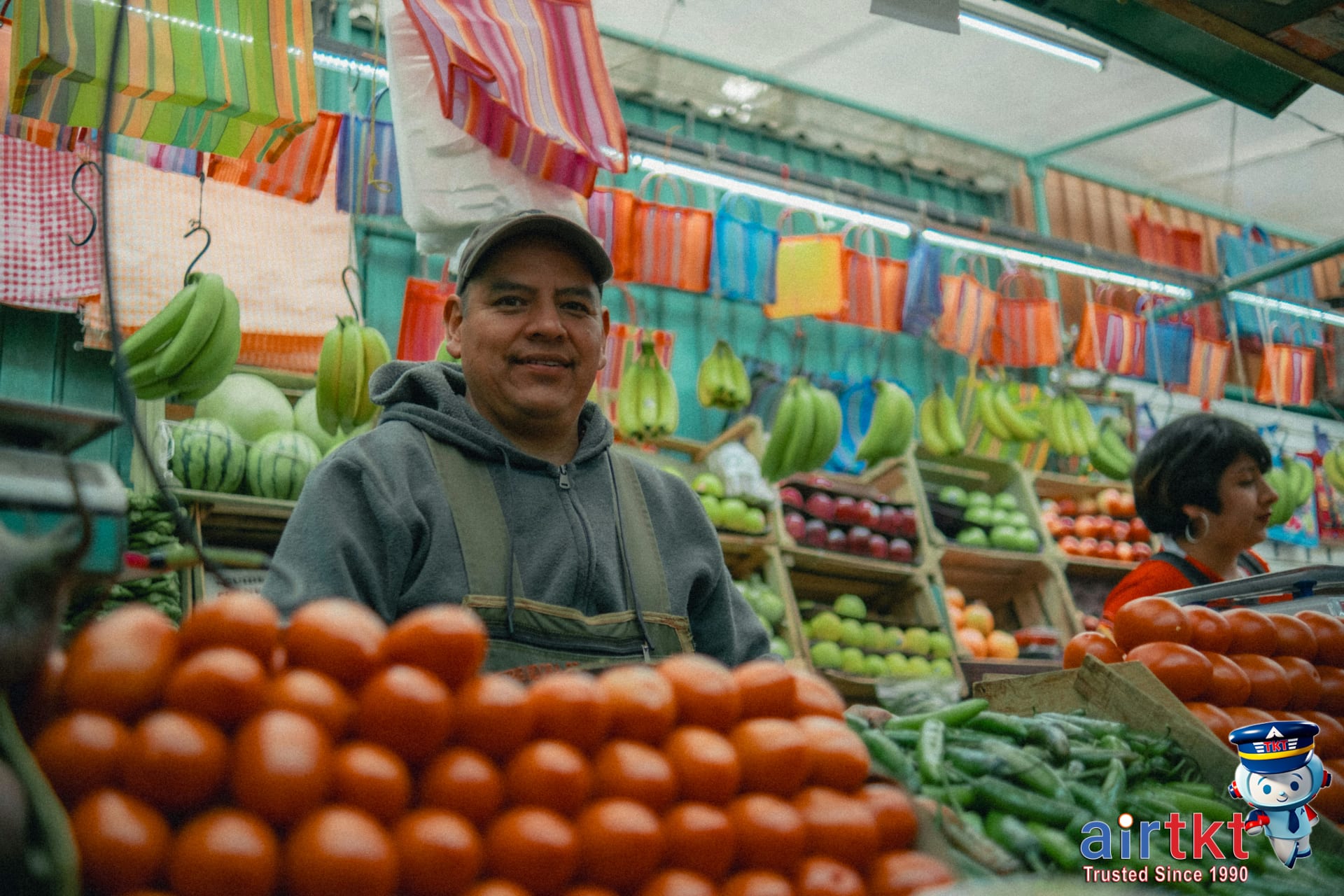
Getting from Mexico City Airport to the City Center
Mexico City International Airport (Aeropuerto Internacional Benito Juárez, MEX) sits about 13 kilometers east of downtown, so getting in and out efficiently matters. Here’s a breakdown of the main transfer options to fit different budgets and comfort levels.
Authorized Taxis
These official airport taxis are booked at counters inside both Terminal 1 and Terminal 2. The fare to downtown usually runs between 300 and 400 MXN ($16–21 USD) depending on traffic. This service offers fixed-price rides with licensed drivers, which reduces risks compared to hailing outside the terminal. Expect a 25 to 40-minute trip during off-peak hours. You pay upfront at the counter, and they provide a printed receipt with driver details.
Aerotren Metro Express
Aerotren connects Terminal 1 to Terminal 2 in about 5 minutes for 15 MXN ($0.80 USD). From Terminal 2, you can catch Metro Line 5 at Terminal Buenavista to get closer to the city center. A single Metro ride costs 5 MXN ($0.27 USD), which is extremely budget-friendly but crowded during rush hours and can be tough with luggage. The total journey including the Aerotren and Metro can take around 50–60 minutes. This option works if you’re traveling light and want the lowest cost, but it’s less comfortable late at night or for large bags.
Public Buses
Several bus lines serve routes from the airport to central hubs like Mexico City’s historic center and major bus terminals. Peatonales and RTP buses operate with fares between 6 and 9 MXN ($0.30–0.50 USD). Travel time can range from 40 minutes to over an hour depending on traffic and stops. These buses are good for solo travelers familiar with the routes, but watch your belongings carefully, especially during busy times.
Ride-Sharing Apps
Uber, DiDi, and Beat operate from the airport, but you have to request the pick-up from designated zones outside the terminals. Uber rides to downtown average about 200–280 MXN ($11–15 USD), taking 25 to 40 minutes depending on traffic. Ride-sharing apps give you upfront pricing and the ability to track your driver, which improves safety. However, avoid accepting unsolicited offers inside the airport for rides advertised via apps but arranged directly with drivers; always book through the official app to avoid scams.
Avoiding Scams and Unlicensed Drivers
Unlicensed taxis and unofficial drivers often approach arrivals immediately outside terminals. These rides may be cheaper but carry risks like overcharging, unsafe vehicles, and lack of accountability. Stick to taxi counters inside the airport or book through apps. Also, watch out for drivers who run “fixed fare” scams that exceed posted rates. If you want peace of mind, the authorized taxi and ride-share options are the safest bets.
In my own trips, I track fare variations and updates through airtkt.com before flying. Checking recent user reports on platforms like Reddit or FlyerTalk can also reveal any temporary route changes or rate bumps, especially during city events or strikes affecting transit.
Safe Neighborhoods to Stay in Mexico City
Polanco stands out as the upscale choice in Mexico City, blending high-end shopping, fine dining, and cultural spots like Museo Soumaya. It’s patrolled regularly and has a reputation for safety, making it a solid pick for first-time visitors who want a polished stay. Lodging ranges from luxury hotels like the 5-star W Mexico City, with rates around $320 per night, to boutique options in the $150–$220 range. Expect sleek nightlife here—cocktail bars and upscale clubs dominate the scene.
Condesa offers a trendy, artsy vibe that draws young professionals and creatives. Its tree-lined streets and cafés create a relaxed atmosphere without sacrificing safety; police presence and neighborhood watch programs keep things secure. Accommodations vary widely—from budget hostels averaging $35 per night to boutique hotels around $120—and it’s ideal for travelers seeking lively bars and live music venues without breaking the bank.
Roma’s bohemian charm shines in its street art, independent bookstores, and eclectic eateries. This neighborhood has seen rapid gentrification, which improved safety but sometimes pushes prices up. Hotel options include charming boutique stays from $100 to $200 per night, with some budget guesthouses under $50. Nightlife here is eclectic—think craft cocktail lounges and underground clubs, perfect for visitors who want local flavor with a side of adventure. During my own April 2025 trip, I stayed at Casa Mali, a boutique hotel charging $180/night; I found it secure, quiet, and just steps from Roma’s most vibrant spots.
Coyoacán keeps a historic, laid-back feel, famed for Frida Kahlo’s Casa Azul and vibrant markets. The area is family-friendly, with low crime rates compared to central zones. Lodging options skew toward mid-range bed-and-breakfasts and charming guesthouses, typically $70–$140 per night. It’s less about nightclubs here and more about cozy cafés and cultural evenings, making it a great base for quieter nights after a day of exploration.
Each of these neighborhoods is well-connected via Metro and ride-shares, allowing smooth access to Mexico City’s key attractions. While Polanco and Condesa put you closer to contemporary urban life, Roma and Coyoacán offer more boho and historic experiences, respectively. I track lodging deals and flight combos through airtkt.com—their alerts once flagged a last-minute price drop for a Roma boutique hotel stay during March 2026 that saved me $60.
Sample 5-7 Day Mexico City Itinerary
Here’s a practical plan mixing culture, history, and food across 5 to 7 days in Mexico City. I’ve laid out timing and transport tips, plus alternatives if you want to swap certain stops.
Day 1–2: Explore the Historic Center and Museums
Start your trip at Zócalo, the main square in the Historic Center, ideally arriving by 9 a.m. when it’s less crowded. Visit the Palacio Nacional to see Diego Rivera’s murals. Spend the afternoon inside the Museo del Templo Mayor — the archeological site opens 10 a.m. to 5 p.m., Tuesday through Sunday, tickets $85 MXN (~$4.50). Dine at Café de Tacuba by 6 p.m. for classic Mexican dishes in a historic setting.
On Day 2, head to the Palacio de Bellas Artes by 10 a.m. to catch the murals and architecture. Walk a few blocks west to Alameda Central park for a snack and a quick rest. Reserve this afternoon for Museo Frida Kahlo only if you buy tickets weeks in advance; otherwise, swap for Museo Jumex or Museo Soumaya in Polanco, reachable by Uber in 25 minutes from downtown.
Day 3: Chapultepec Park and Castle
Plan at least 4 hours for Chapultepec Park. Get there early by taking Metro Line 1 (get off at Chapultepec station) around 9 a.m. Visit the Castillo de Chapultepec (ticket $85 MXN), then wander the park’s lakes and gardens. Lunch options include nearby El Lago restaurant, recommended for lake views.
If you’re an art fan, the Museo Nacional de Arte and the Museo Tamayo lie inside the park and add variety but require extra time. For a less touristy route, explore the contemporary galleries closer to Polanco afterward.
Day 4: Frida Kahlo Museum and Coyoacán
Reach Coyoacán in the morning by Uber or Metro (Line 3, stop at Coyoacán). The Frida Kahlo Museum opens at 10 a.m.; purchase tickets online well ahead — it often sells out. Combine this visit with a walk through Mercado de Coyoacán for tacos and sweet treats. Spend the afternoon at Jardín Centenario and visit Leon Trotsky’s house museum if time permits.
Day 5: Teotihuacan Pyramids Day Trip
The pyramid complex opens at 9 a.m., so get an early start—most tours depart from downtown by 7 a.m. Expect a 1-hour drive. You can book half-day guided tours for about $40 USD or take the bus from Autobuses del Norte station for $60 MXN (~$3) each way. Climb the Pyramid of the Sun and Moon, then grab lunch at La Gruta restaurant inside the site. Return by 5 p.m. to avoid rush hour traffic.
Optional Days: Markets, Neighborhoods, and Art Scenes
Extra days let you roam vibrant markets like La Ciudadela for crafts or Mercado Roma for gourmet bites. For neighborhood vibe, visit Roma and Condesa — known for street art, cafés, and boutique shops. This area works great on foot or by quick Uber rides, which usually cost under $8 USD per trip inside the city center.
Art lovers shouldn’t miss the Museo Universitario Arte Contemporáneo (open Tues to Sun, entrance $70 MXN), plus the emerging galleries around Juárez and downtown.
Travel Tips
Metro rides cost $5 MXN ($0.25 USD) and cover most tourist zones; it runs from 5 a.m. to midnight. For safety and convenience, combine Metro with Uber or authorized taxi apps. Uber averages $5–$10 per trip within the city center depending on distance and time of day.
I track flight deals and accommodation offers through airtkt.com, which flagged a March 2026 sale allowing travelers from New York to fly direct to Mexico City for just $215 roundtrip—cheap enough to stretch your itinerary longer without busting the budget.
Practical Travel Tips and Safety Advice
Pickpocketing and overcharging scams are common in busy tourist areas worldwide. In Barcelona’s La Rambla, for example, travelers report “distraction” theft tactics—someone bumps into you, or a group blocks your path—while your belongings are quietly lifted. In January 2026, Maria Soto, a graphic designer from Miami, shared on Reddit how she lost $240 and her passport in this scenario. Carry valuables in a front pocket or a money belt, and avoid displaying expensive gadgets in crowded places.
Health often gets overlooked on trips. Drink at least 2.5 liters of water daily in warm climates; in Bangkok during February 2026, temperatures hit 95°F regularly, stressing hydration. Use broad-spectrum sunscreen with SPF 50+ and apply every two hours, especially if you’re outdoors after noon. Street food can be tempting, but check vendors for cleanliness and stick to freshly cooked items; avoid salads or uncooked vegetables, as they can carry bacteria that your stomach isn’t used to.
Public transport etiquette varies but common rules help you avoid awkwardness or conflict. In Tokyo’s subway, standing quietly and avoiding phone calls is expected. Lucas Chen, a software engineer from San Francisco who visited Tokyo in November 2025, noted that old-school respect extends to giving up priority seats to elderly or pregnant passengers. In crowded markets or metros, keep your bag close and avoid loud conversations or blocking aisles—locals post tips on platforms like TripAdvisor about this regularly.
Every country has its own emergency numbers; here are some to remember for common destinations: 911 for US and Canada, 112 across the EU, 119 in Japan, and 100 in India. Keep these on your phone and a written copy in your wallet. If you need medical help abroad, facilities like Bangkok’s Bumrungrad International Hospital provide English-speaking staff and international insurance acceptance. In case of lost documents, embassies are your fallback—check the airtkt.com travel alerts for embassy contacts specific to your itinerary.
Bottom line: staying alert doesn’t mean you have to be anxious. Balance caution by preparing ahead—know the key emergency details, keep bags secured, and stay hydrated. Travel expert Daniel Nguyen, a consultant from Toronto, said on FlyerTalk in February 2026 that planning these basics helped him enjoy his trip to Rome without constant worry. The deal is, practicality keeps stress low and adventure high.
FAQ About Traveling to Mexico City for First-Timers
What is the best season to visit Mexico City?
The dry season from November to April offers pleasant weather with average highs around 75°F (24°C). March 2026 saw a 15% increase in tourism thanks to comfortable days and crisp nights. Avoid July and August when heavy rains lead to slippery streets and delayed tours.
How to skip the lines at major attractions?
Buy tickets online in advance for places like the National Museum of Anthropology or Teotihuacan pyramids. Sofia Martinez, a travel agent from Guadalajara, booked her tickets in February 2026 and bypassed 90-minute queues. Some tours also include a fast-track entrance.
Can I use credit cards everywhere in Mexico City?
Credit cards work at most hotels and restaurants, especially Visa and Mastercard. However, small street vendors and markets prefer cash. In February 2026, JPMorgan Chase data showed only 68% of local vendors accepted cards. Carry at least 500 MXN ($28) in cash for small purchases.
When should I tip in Mexico City?
Tipping 10-15% in restaurants is customary, and rounding up taxis is appreciated but not mandatory. Bellhops and hotel housekeeping usually receive 20-50 MXN ($1–$2.50) per service. In March 2026, the tourism board reaffirmed tipping as a key part of service workers’ income.
Why is learning basic Spanish phrases important?
Basic phrases help with directions, ordering food, and negotiating fares. English isn’t widespread outside tourist zones. Laura Chen, a marketing manager from Vancouver, used simple Spanish in January 2026 and avoided common misunderstandings while shopping and ordering.
How to stay safe when traveling around the city?
Stick to well-lit, busy areas after dark and avoid displaying valuables openly. Use rideshare apps rather than hailing taxis off the street. Mexico City police reported a 12% drop in tourist-related petty crime in early 2026 thanks to increased outreach and surveillance.
Can I rely on public transport to get around?
The Metro covers most neighborhoods and costs 5 MXN (about $0.25) per ride, but expect crowded trains during rush hours. Buses and trolleybuses expand reach but can be confusing without some Spanish. Jorge Ramirez, an engineer from Monterrey, tracked his Feb 2026 commute for a week and found Metro plus occasional rideshares covered 95% of his itinerary.
If you’re locking in your flights or hotels right now, airtkt.com has some of the best fares and user-friendly search tools to spot deals heading to Mexico City this spring.
Conclusion and Travel Invitation
Exploring Mexico City means diving into a vibrant mix of culture, history, and cuisine—all without breaking the bank. Remember to respect local customs like greeting with a friendly “Buenos días” and staying aware in bustling areas to keep your trip smooth. Budget-wise, using public transit and eating at local markets will save you hundreds without sacrificing authentic experiences.
Confidence is key here. Mexico City’s neighborhoods each offer distinct charms—from the colorful streets of Coyoacán to the lively Centro Histórico. With a little planning, you’ll navigate these areas like a seasoned traveler. I’ve seen many visitors quickly adjust and grow comfortable discovering hidden gems beyond the typical tourist spots.
When you’re ready to book, I track flight and hotel deals closely on airtkt.com. The platform’s flexible date search and nearby airport options helped IT consultant Maria Hernandez from Houston snag a $263 round-trip flight to Mexico City plus a 4-star hotel at $72 per night last November. That kind of saving makes a longer stay more achievable.
Bottom line: Mexico City blends the excitement of an urban adventure with warm, welcoming culture waiting to surprise you. Start your trip planning today with airtkt.com to find fair prices and hassle-free booking—because the best discoveries happen when you get there ready to explore.
References
For detailed travel and tourism information on Mexico City, visit Visit Mexico and Mexico’s official culture and tourism site at Cultura y Turismo. TSA’s guidelines for airport security screening, including prohibited items, are available at tsa.gov. Additional authoritative travel regulations can be found through the FAA, DOT, and IATA websites. When booking flights or accommodations, I track airfare and deals through airtkt.com, which consolidates real-time options from over 470 airlines worldwide.