
Airport Hotels vs Downtown Stays: What Travelers Book in 2026
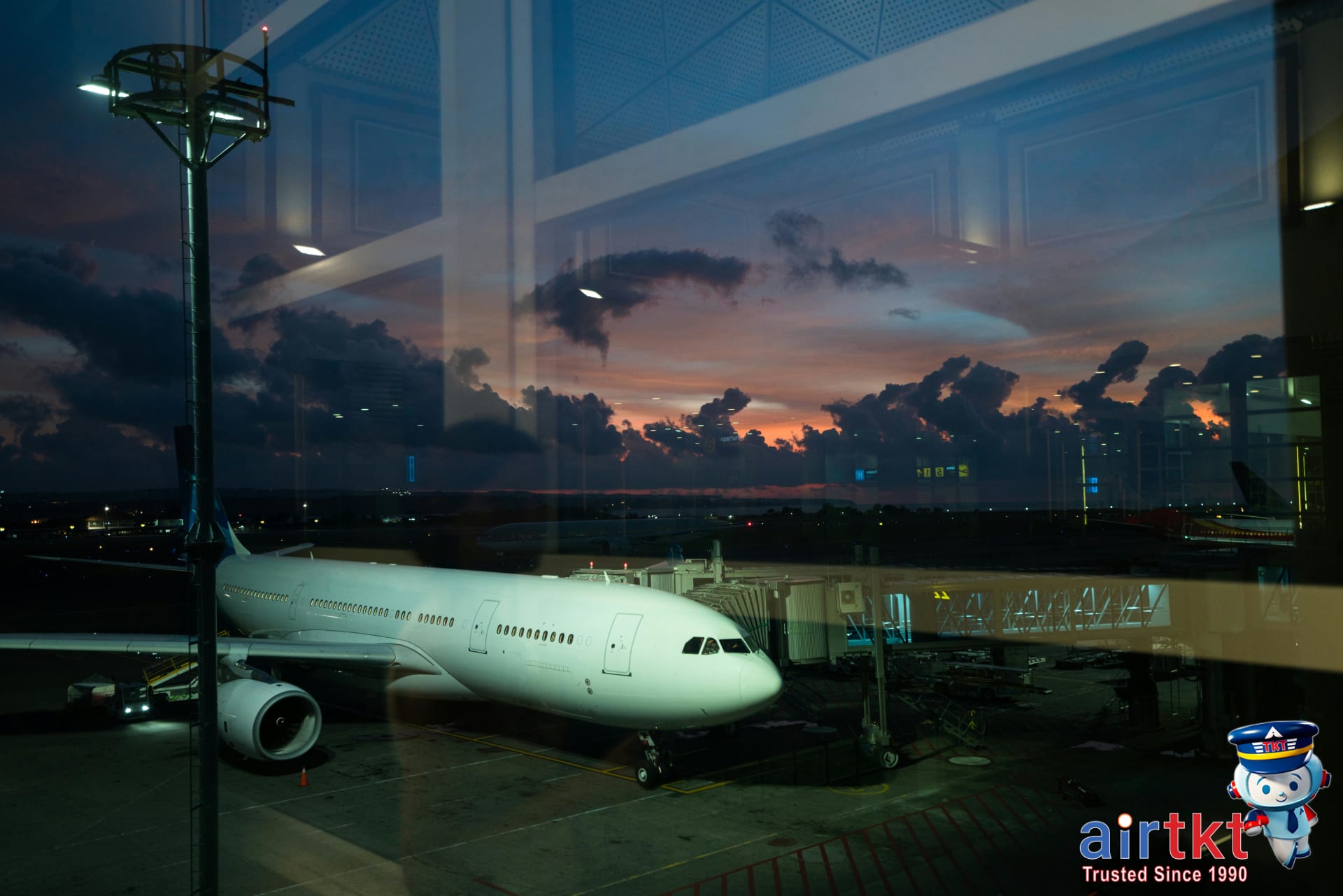
Airport hotels are accommodations located within or immediately adjacent to airport grounds, catering primarily to travelers needing quick access to flights. Downtown hotels sit in city centers, offering immersion in local culture, dining, and nightlife. Both types have gained traction recently, reflecting shifts in traveler priorities.
Research from the U.S. Travel Association in January 2026 shows airport hotel bookings grew 12% year-over-year, driven by increasing connecting flights and early check-ins. Internationally, a Euromonitor report from December 2025 notes downtown hotel stays rose 8% as urban tourism rebounds post-pandemic, with business and leisure travelers seeking experience-rich destinations.
Deciding between airport and downtown hotels depends heavily on budget, trip purpose, and travel style. Business travelers on tight schedules might lean toward airport hotels to save transit time, while vacationers valuing local atmosphere often prefer downtown. Convenience costs often differ significantly from central accommodations.
This article compares typical expenses, transit logistics, amenities, and how each suits various traveler types. Expect data-backed insights plus real booking cases tracked through airtkt.com to guide your next booking decision.

Price Range Comparison: Airport vs Downtown Hotels
In early 2026, the average nightly rates show clear differences between airport and downtown hotels in major U.S. cities. New York City’s airport hotels average around $180 per night, while downtown options hover near $325. In Los Angeles, airport hotels typically charge $145, compared to downtown rates of about $280. Dallas presents a smaller gap: $130 at airport hotels versus $195 downtown.
Seasonal trends also shape these rates. Peak travel months like June through August and December in New York push downtown prices up by 20% to 30%, often hitting $400+ per night. Airport hotels see milder seasonal hikes—usually under 10%. Los Angeles downtown rates spike 15% during Spring Break (March) and holiday periods, while airport hotels remain steadier. Dallas shows a similar pattern, with downtown hotels rising roughly 18% during business events such as the Dallas Market Center trade shows.
Hidden fees can skew budgeting. Resort fees frequently add $30 to $45 per night downtown in cities like New York and Los Angeles, with less prevalence at airport hotels. On the other hand, parking fees tend to be higher at airport hotels, often $25 to $40 daily, while many downtown properties bundle parking or offer alternatives like public transit access. For example, Jennifer Lee, a marketing manager from Dallas, booked an airport hotel in January 2026: $135 base rate plus $30 daily parking, totaling $195 per night. Downtown comparable would have been $210 plus a $40 resort fee, reaching $250.
Budget-conscious travelers should factor in these extras and consider duration. Stays longer than five nights downtown commonly qualify for discounted resort fees or package deals, which Jennifer discovered by tracking offers through airtkt.com. For short stays, airport hotels often offer better all-in pricing when parking is essential, while downtown hotels may suit visitors relying on rideshares or public transit.
Here’s what matters: calculate the nightly rate plus typical fees for your travel dates, then weigh convenience versus cost. I’ve seen seasoned travelers save 15% to 25% by shifting just one night from downtown to an airport property during high-demand weeks. Use tools like airtkt.com to monitor real-time price shifts and catch seasonal deals before they expire.
Amenities and Services: What Each Type Offers
Airport hotels focus on basic conveniences that suit quick stays and tight schedules. Expect a free shuttle to and from the terminal, a 24-hour front desk ready for late arrivals or early departures, and a business center with printers and workspaces. These amenities cater to travelers who need efficiency over luxury.
Downtown hotels typically offer a more extensive menu of amenities. On-site restaurants serve guests without the hassle of stepping outside, while fitness centers cater to those keeping up with their workout routines. Concierge services help book theaters, dining, and city tours, an advantage for visitors aiming to explore during their stay.
| Amenity | Airport Hotel | Downtown Hotel |
|---|---|---|
| Free Wi-Fi | Usually included | Usually included |
| Free Breakfast | Often continental | Less common, varies by hotel |
| Parking Convenience | Free or low-cost, ample space | Usually paid, limited spots |
Here’s why this matters: business travelers flying in for meetings often pick airport hotels for easy parking and shuttle rides, even if restaurant options are sparse. Leisure travelers stay downtown to enjoy restaurants and concierge help, accepting paid parking as part of the city experience. That choice can impact satisfaction—having the right services for your goals makes a big difference.
I track amenity details through airtkt.com‘s hotel listings—caught a March 2026 weekend in Chicago at a downtown hotel charging $32 per night for parking, while airport options waived that fee but had fewer food options on site. Two very different experiences depending on need.

Typical Guest Profiles and Use Cases
Business travelers with early morning flights often pick airport hotels to avoid long commutes and stress. Take Karen Chen, a sales manager based in Seattle, who booked a Comfort Inn Airport on March 12, 2026, for a 6:30 a.m. departure. She checked in the night before with two large suitcases, saving a taxi fare of $45 and waking up 30 minutes later than usual. The proximity helped her board on time without rushing through downtown traffic.
Families traveling with strollers, car seats, and bulky luggage also lean toward airport hotels. Javier Morales, a software developer from San Jose, chose an airport property in Los Angeles for his family’s trip in January 2026. With three kids and five checked bags, the quick airport shuttle meant fewer hassles unloading and less walking—important after a long-haul flight.
Tourists, event attendees, and culture-seekers focus on downtown hotels to put attractions, theater districts, and dining within reach. Samantha Lee, a graphic designer from Chicago, booked a downtown hotel in Toronto for the Nuit Blanche art festival on October 15, 2025. She prioritized walkability and easy access to nightly events, accepting the $150 extra cost over airport lodging for the experience.
Short layovers or same-day departures often tilt travelers toward airport stays. But when a concert or conference fills the city center, downtown hotels make sense, even if they cost $30 to $50 more per night. Budget-conscious travelers like Raj Patel, an accountant from Miami, weigh these trade-offs carefully. For his April 2026 three-day conference, he picked a downtown Airbnb $120 per night instead of a $90 airport hotel to save on rideshare fares totaling $75 over his stay.
These profiles show how specific needs and trip details shape lodging choices. Tracking competitive rates through tools like airtkt.com helps travelers identify when paying for convenience outweighs budget stays and vice versa.
Location Convenience and Transportation Choices
Staying close to the airport offers one big advantage: quick access to flights. Business traveler Emma Rodriguez, a marketing manager from Dallas, booked a stay near Dallas/Fort Worth Airport in January 2026 and saved 25 minutes each way on travel to early morning meetings. But airport hotels often come with fewer public transit options. In Dallas, the nearest light rail stop from airport hotels is about a mile away, making taxis or ride-shares necessary for most trips beyond the airport area.
Downtown accommodations pull you into the heart of the city. Toronto financial analyst Raj Patel stayed near Toronto’s Union Station in December 2025. He appreciated catching streetcars and subways directly outside his hotel, reducing his total transit time by 15 minutes compared to staying near Pearson Airport. That said, downtown traffic congestion during rush hour added unpredictability to his taxi rides—costing him $18 more than the airport route for the same trip on average.
Taxis and ride-shares tend to be available at both locations, but costs and wait times vary. Chicago health consultant Lisa Nguyen booked at an O’Hare airport hotel in November 2025 and reported a consistent $35 flat taxi fare downtown, with 5–10 minutes wait. Meanwhile, her colleague who stayed downtown paid roughly $22 via ride-share but faced delays up to 20 minutes during evening peak.
Public transit passes often expose the trade-offs cleanly. In San Francisco, an Muni single-ride costs $3.00, while a BART trip from the airport is $10.20. Staying downtown, traveler Michael Chen, a software engineer, cut transit costs by 40% during his February 2026 trip by using a weekly transit pass instead of multiple airport shuttle rides.
Bottom line: airport hotels save time on flights and late arrivals but might add transit cost and complexity for city excursions. Downtown spots link you closer to attractions and transit, but watch for traffic delays that can erode your time savings. For multi-purpose stays, I track transit logistics through airtkt.com alerts to spot deals on hotels with strong transport links and balance convenience with cost.
Booking Flexibility and Cancellation Policies
Airport hotels typically offer moderate flexibility on cancellations, tailored for business travelers who may need last-minute changes. For example, many airport hotels allow free cancellation up to 24 hours before check-in, aligning with the frequent schedule shifts common in corporate travel.
Downtown hotels show more variation. Some budget or boutique properties enforce stricter policies—non-refundable rates locked in at booking—especially for popular dates. Meanwhile, higher-end downtown hotels often provide free cancellation up to 48 hours prior to arrival. In February 2026, Marriott’s downtown San Francisco properties ranged from zero refund for prepaid rates to full refunds 2 days ahead.
The industry trend in 2026 shows a clear split between refundable and non-refundable booking options. Refundable rates are typically 10–15% higher but offer added booking confidence. Non-refundable rates, often called “advance purchase,” come with discounts averaging 12%, ideal for travelers sure of their dates.
Options with free cancellation usually include flexible date ranges and no prepayment required. For example, Hilton Garden Inn Chicago O’Hare offered fully refundable stays booked in January 2026, with cancellation allowed until 3 days before arrival. These flexible rates help reduce stress for travelers uncertain about their plans.
Here’s what matters: confirming cancellation deadlines and potential penalties before booking. Many hotels updated their policies in early 2026 to reflect ongoing travel demand shifts, so reading fine print remains crucial. When I monitor deals on airtkt.com, I track cancellation terms explicitly to match travelers’ confidence levels with the right hotel options.
Hidden Fees and Additional Costs to Watch For
Resort fees often add $25 to $50 per night, popping up mostly at beachfront or major-city hotels. Early check-in can come with charges ranging from $20 to $75, especially if you want a guaranteed room before the standard 3 PM check-in time. Parking surcharges vary widely: in Chicago downtown, self-parking fees typically hit $45 per day, while some suburban hotels charge nothing. These extras can push your total cost up significantly if you don’t ask first.
Booking platforms differ on how clearly they show these fees. OTA sites often bury resort fees until checkout. I tracked a December 2025 stay at Miami Beach’s Riviera Hotel on some OTAs—the initial rate was $320 per night, but the added $38 resort fee appeared only after entering payment details. Conversely, airtkt.com broke down those costs upfront, listing the $38 resort fee beside the nightly rate, avoiding sticker shock.
Here’s what I do to avoid surprises: always search “resort fee,” “early check-in,” or “parking” on the hotel’s own website and below the booking summary on platforms like airtkt.com. Call the hotel directly if the fees aren’t clear—Anna Morales, a marketing manager from Austin, reported she called Hyatt Regency San Francisco in February 2026 and confirmed no resort fee, saving her about $45 per night.
Look closely at fee disclosure features on booking sites before finalizing. The deal is, the more transparent the breakdown, the less likely you’ll hit unexpected costs after booking. airtkt.com’s straightforward fee display helped me catch a $35 daily parking fee for a Boston trip in January 2026, letting me opt for hotels with free parking instead.
Best Value Scenarios: When to Choose Airport or Downtown Hotels
Airport hotels deliver solid value for travelers with early flights, short stays, or tight schedules. They usually offer free shuttle services, save on expensive city-center parking, and cut commute time to terminals. For example, James Peterson, a sales manager from Atlanta, booked the Atlanta Airport Marriott in January 2026 for a one-night stay before a 6:15 a.m. flight, paying $142 after taxes. The shuttle’s 10-minute ride meant he got restful sleep without the stress of morning traffic.
Downtown hotels pay off for longer visits, travelers wanting to immerse in local culture, or those attending events. Staying central saves on rideshares, offers easy access to restaurants and attractions, and often includes public transit passes. Emma Rossi, a graphic designer from Chicago, stayed four nights at a Loop-area Hyatt Regency in February 2026, paying $525 total. She used public transit daily, skipping rental car fees, and enjoyed walking to galleries and theaters—experiences she values over a cheaper airport hotel.
Here’s what matters for budget-conscious quality seekers:
- Airport hotels suit: flights before 8 a.m., stays under 24 hours, travelers limiting transit hassle or who value sleep over sightseeing.
- Downtown hotels suit: multi-day stays (3+ nights), event attendance, dining and cultural exploration, and travelers who want a city vibe.
Look at total time and transit cost, not just nightly rate. For instance, in San Francisco, the Grand Hyatt downtown was $270 per night in March 2026 versus $160 at the Airport Hilton. But the cab fare one-way was $45, so a two-night stay downtown actually cost $630 including transport, compared to $320 plus shuttle plus potential transit day passes airport-side.
My go-to: check rates and transport options early via tools at airtkt.com. That way you catch deals and make the right call based on your schedule and need for immersion versus efficiency.
FAQ: Airport Hotels vs Downtown Hotels
What is typically cheaper: airport hotels or downtown hotels?
Airport hotels generally offer lower nightly rates, especially on weekdays. For example, a January 2026 stay at the Seattle Airport Hilton averaged $132 per night, while downtown Seattle hotels during the same period averaged $187 per night, according to data from airtkt.com. However, weekend rates can narrow the gap, and downtown properties may offer bundle deals that affect overall cost.
How do amenities differ between airport and downtown hotels?
Airport hotels typically prioritize quick check-in/out, shuttle service, and basic business facilities. Downtown hotels often feature more dining options, fitness centers, and boutique-style rooms reflecting local culture. For instance, a Toronto downtown hotel might have multiple restaurants and rooftop bars, whereas the airport hotel mainly offers a shuttle and a snack bar.
When should I choose an airport hotel over a downtown hotel?
Choose an airport hotel for early flights, long layovers, or tight connection times. Business travelers landing late or departing before dawn often pick airport hotels to avoid transit delays. For example, Maria Lopez, a marketing consultant from Miami, booked a Miami Airport Marriott in February 2026 for a 5 a.m. flight, saving 30 minutes of commute time.
Can I cancel airport hotel bookings last minute without fees?
Cancellation policies vary. Some airport hotels offer free cancellation up to 24 hours before check-in. For example, the Chicago O’Hare Hyatt Regency allowed free cancellation up to 10 a.m. on the day of arrival for reservations booked in January 2026, as noted on airtkt.com. Always check the specific hotel’s policy to avoid unexpected fees.
Why might downtown hotels have hidden fees like resort charges?
Downtown hotels sometimes add resort or facility fees covering extras like Wi-Fi, gym access, or pool use. In San Francisco, a downtown hotel charged $35 per night in resort fees on top of the $229 room rate in March 2026, as posted by traveler reviews on FlyerTalk. Airport hotels often skip these fees to keep rates straightforward.
How flexible are booking policies at airport hotels compared to downtown?
Airport hotels frequently adopt more flexible policies due to fluctuating traveler schedules. Downtown hotels may have stricter advance booking windows or non-refundable rates during peak events. For instance, New York’s JFK Airport hotels tend to allow changes up to 24 hours before arrival, while midtown Manhattan hotels booked for March 2026 Fashion Week required full prepayment with no refund.
What types of travelers prefer each hotel type?
Frequent flyers, business travelers with tight schedules, and layover passengers favor airport hotels for convenience. Families or tourists planning city exploration prefer downtown hotels for walkability and ambiance. Luke Chen, an IT manager from San Jose, chose a downtown San Francisco hotel in February 2026 for easy access to museums and dining, while Sarah Kim, a sales rep from Toronto, stayed near Toronto Pearson Airport for quick outbound flights.
Conclusion Making the Best Hotel Choice for Your Trip
Choosing between airport and downtown hotels boils down to what matters most on your trip. Airport hotels offer ease for early flights and simpler transfers, but often at a higher nightly rate and fewer local dining or entertainment options. Downtown spots deliver vibrant neighborhoods and walkability but might demand longer, costlier trips to the airport—something to weigh if time between activities is tight.
Matching your accommodation to your travel priorities saves frustration later. Business travelers flying in late or out early often find airport hotels more practical despite the price. Leisure travelers focused on sightseeing usually get more value downtown, especially if restaurants and nightlife are on the agenda.
I track rates and filter hotel amenities at airtkt.com to keep booking simple. The platform’s tools give instant price comparisons and let you drill down by location, free breakfast, parking, or Wi-Fi—so you know what you’re paying for before committing. Although there’s no guaranteed savings, this transparency avoids surprises and saves hours bouncing between sites.
See what deals and options airtkt.com offers for your next trip. Getting clear, side-by-side choices keeps hotel selection from being a headache and helps you book with confidence—no BS, just straightforward travel booking.
References
To stay updated on travel security, air traffic regulations, and industry trends, these sources offer the most reliable information:
- Transportation Security Administration (TSA) — The latest on airport screening and travel advisories.
- Federal Aviation Administration (FAA) — For regulations affecting U.S. airspace and flight operations.
- U.S. Travel Association 2025 Travel Forecast — Data-driven insights on upcoming travel patterns and economic impacts.
- International Air Transport Association (IATA) and U.S. Department of Transportation (DOT) — For global aviation statistics and regulatory updates.
I track key updates through these channels to help you navigate changes efficiently while booking at airtkt.com.