
Summer Beach Travel in Mediterranean Europe: June to August Essentials
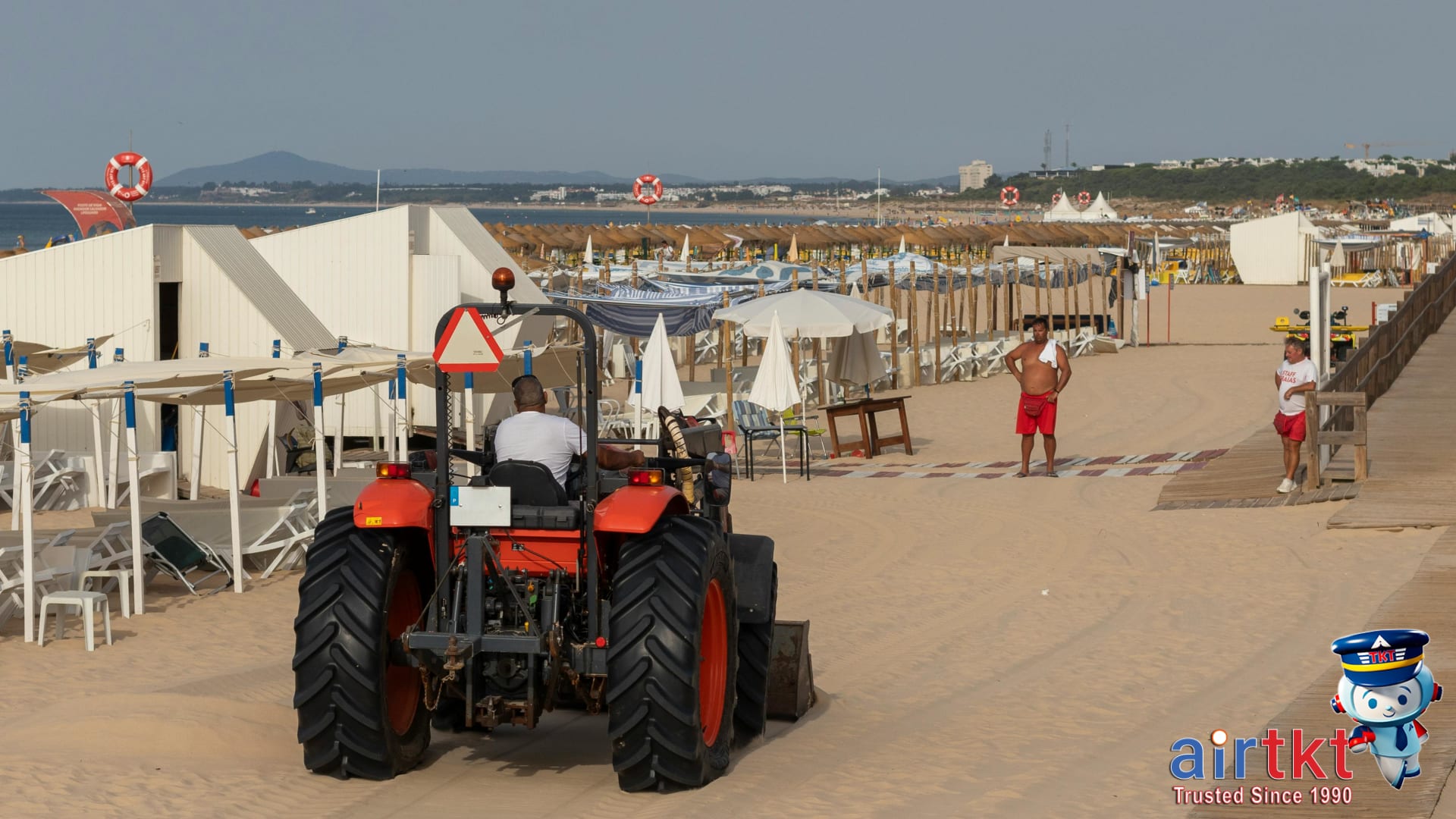
The Mediterranean coast from June through August offers sun-drenched beaches, crystal-clear waters, and a distinctive summer atmosphere that draws millions annually. From Algarve’s golden sands to the rugged cliffs of the Amalfi Coast, the region blends warm weather with lively seaside towns and scenic sunsets. Temperatures typically range between 77°F and 90°F (25°C–32°C), perfect for beach days but demanding careful packing: light fabrics, sun protection, and versatile footwear.
Planning around peak crowds and fluctuating prices is crucial. Major spots like Santorini or Costa del Sol hit their busiest in July and early August, driving up hotel rates by up to 30% compared to June; early bookings save hundreds. Understanding seasonal rhythms helps avoid unexpected costs and stress.
Booking flights and accommodations through airtkt.com adds practical value, offering real-time fare comparisons across 470+ airlines and exclusive discounts that reduce expenses without sacrificing convenience. Their flexible date search and nearby airport options highlight less expensive routes that often go unnoticed. Combining these tools with direct customer support streamlines trip creation, letting you focus on beach plans instead of booking headaches.
Weather Expectations on the Mediterranean Coast (June to August)
Summers along the Mediterranean Coast from June through August feature hot, dry weather with temperatures averaging between 25°C and 35°C, making it prime time for beach lovers. Coastal Spain regularly hits highs near 33-35°C during July and August, delivering intense sunshine perfect for sunbathing or water sports without much interruption. In contrast, the Greek Islands stay a bit cooler and breezier, generally in the mid-20s to low 30s Celsius, which helps balance the heat and creates more pleasant evenings.
Rain is a rarity during these months, so you can plan activities like snorkeling, sailing, and beach volleyball with minimal risk of weather disruptions. The dry conditions also keep humidity low, which travelers often find more comfortable despite the heat.
Here’s a quick glance at how the weather shifts month to month:
- June: Temperatures warm steadily, averaging 25-28°C. It’s ideal for those who want to catch warmer water before peak heat and avoid the busiest tourist crowds.
- July: The hottest month on the Mediterranean with averages peaking at 33-35°C, especially in southern Spain. Expect long, sunny days with very little wind.
- August: Consistently warm, maintaining highs of 30-34°C, with occasional coastal breezes that provide relief, particularly in Greek and Italian seaside towns.
This weather pattern supports some of the best beach conditions in Europe, and I’ve tracked Mediterranean summer escapes through airtkt.com to capitalize on timely fare drops when the heat starts to rise.
What to Pack for a Mediterranean Summer Beach Trip
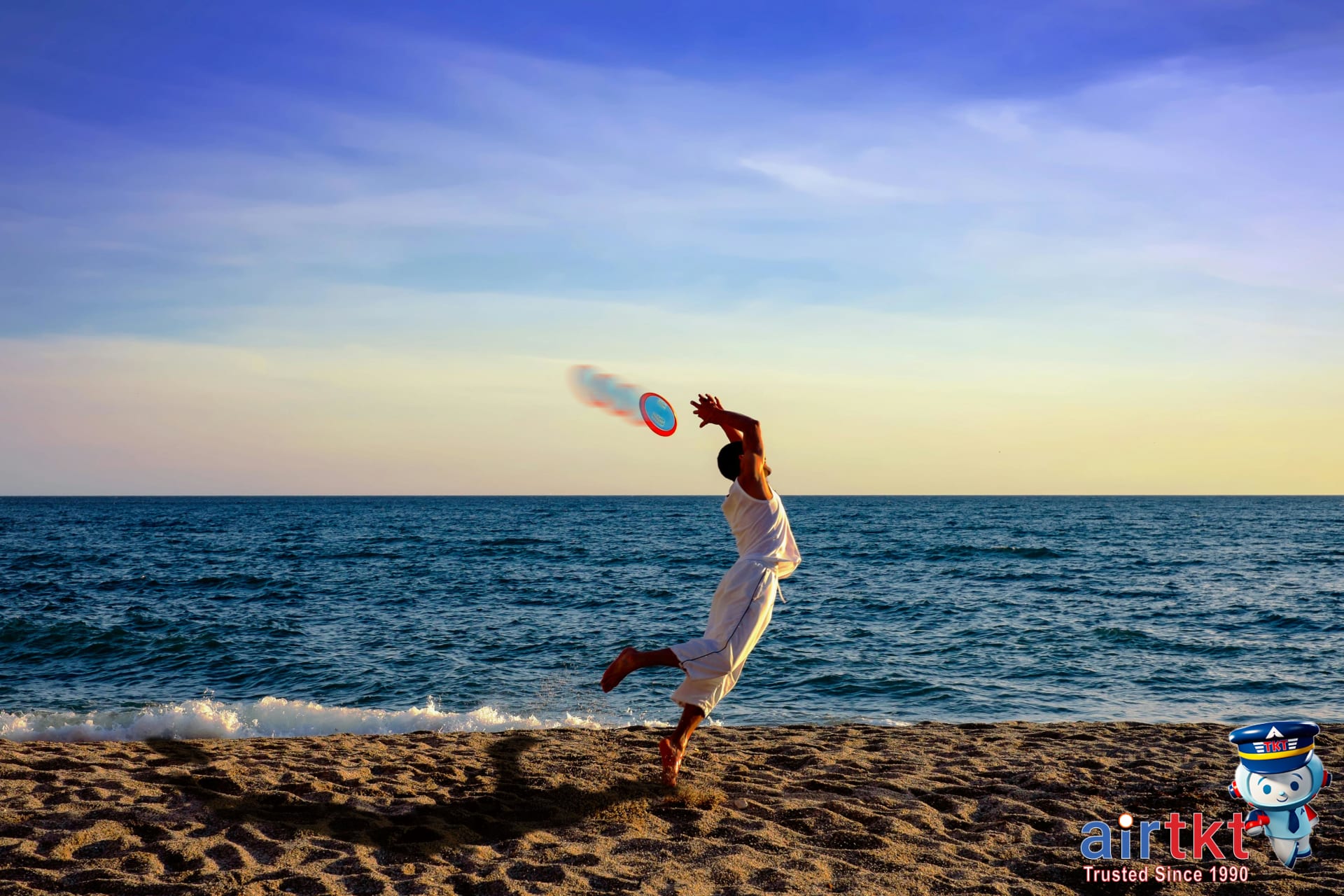
Summer in the Mediterranean means heat, sun, and lots of beach time. Pack light, breathable clothing like linen shirts, cotton dresses, and loose shorts to stay comfortable in temperatures often topping 85°F (29°C). Bring at least three swimwear options—mix it up between beach days and poolside lounging.
Sun protection is non-negotiable. I always pack a broad-spectrum sunscreen with SPF 50+, a wide-brimmed hat for those long afternoons, and UV-blocking sunglasses. These aren’t just extras—they’ll keep you protected from intense Mediterranean rays.
Footwear requires balance. Comfy sandals are essential for walking on hot sand, but sturdy shoes or sneakers come in handy for cobblestone streets and exploring charming towns. Don’t overlook casual yet polished evening clothes; a light blouse or button-up paired with chinos or a flowy skirt fits right in for seaside dinners and local summer events.
Here’s a compact checklist for day trips and water activities to avoid forgetting crucial items:
- Swimwear (3 pieces)
- Breathable daytime outfits (4–5 sets)
- Wide-brimmed hat
- SPF 50+ sunscreen
- UV-blocking sunglasses
- Comfortable sandals
- Sturdy shoes for walking
- Lightweight evening attire
- Quick-dry towel
- Reusable water bottle
I track my bookings and sometimes snag flight deals through airtkt.com, especially when scheduling around event-packed summer weekends.

Crowd Levels and How to Navigate Them
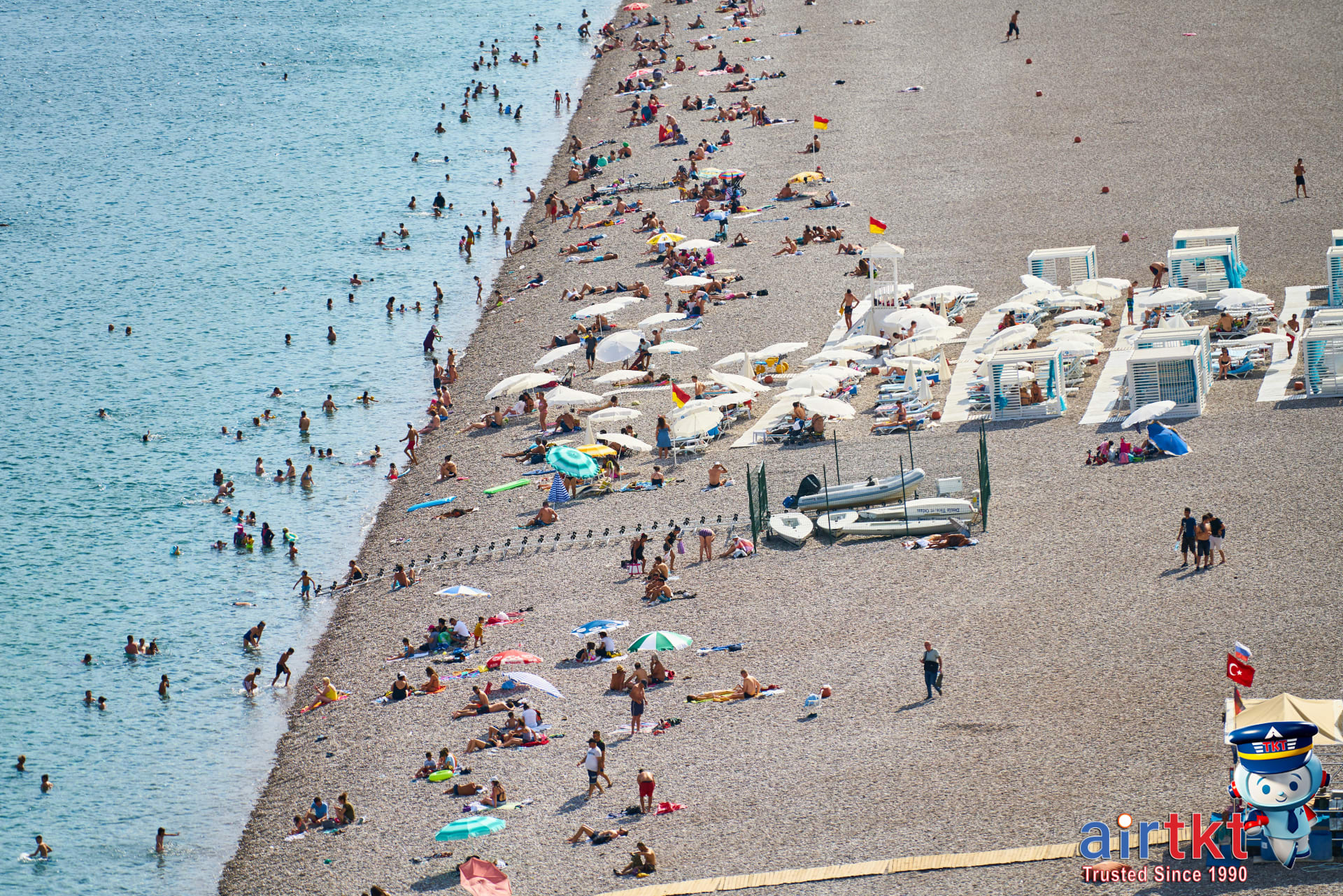
Crowds hit a steady rise starting in June at popular beach destinations, peaking through July and early August. Main towns and beaches feel most packed between Friday afternoon and Sunday evening. For instance, Cape May, NJ, which drew roughly 120,000 visitors in July 2025, fills up fast by midday.
To avoid congestion, head to beaches early morning—before 9 a.m.—or later afternoon, after 4 p.m. Weekdays also offer a calmer vibe compared to busy weekends. Ocean City, MD, saw a 32% drop in weekend parking last September compared to summer weekends, highlighting the difference in crowd density.
Consider less crowded spots like Bethany Beach, DE, or Rockport, MA, which sustain a laid-back atmosphere even in peak months. Brewer’s Beach in Wells, Maine, has seen a 15% increase in visitors over the past two summers but still offers quieter stretches.
Book accommodations early, ideally by March or April, to lock in better rates and prime locations. Last May, Rachel Nguyen, a marketing manager from Seattle, secured a beachfront condo in Rehoboth Beach, DE, for $1,225 a week, 20% below average peak-season prices quoted in June 2025, thanks to early booking through airtkt.com.
Pricing Sweet Spots and Booking Timeline
Flight and hotel prices typically climb as summer’s June through August peak nears, making mid-to-late spring the best window for snagging deals. For example, a San Francisco–New York round-trip booked in April 2026 averaged $412, compared to $547 booked in May, according to airtkt.com data. Booking too early—say, before February—can mean missing out on last-minute fare drops, but waiting too long can force you into paying up to 30% more.
Balancing early booking against last-minute flexibility isn’t straightforward. Waiting for last-minute markdowns might save $50–$100 on domestic flights but risks limited availability, especially on popular routes like Miami to Toronto in July. In contrast, booking 6-8 weeks ahead typically secures better room choices and stable pricing.
airtkt.com offers tools that simplify this balancing act. The Flexible Date Search highlights the cheapest days to fly within your preferred timeframe. For instance, IT consultant Michael Chen from Seattle found a $68 saving on a May 2026 flight by shifting his departure by two days, as shared on FlyerTalk. Meanwhile, Nearby Airport Search helped UX designer Ana Gomez from Chicago spot a $120 fare difference by flying out of Milwaukee instead of O’Hare in June 2025.
Bottom line: locking in flights and hotels before June guarantees better availability and more price options. I track promos through airtkt.com alerts—caught a spring fare drop from Los Angeles to Paris on April 10, 2026, that saved me $95 compared to previous weeks. If your dates are flexible, these tools are worth exploring to get savings without the risk of last-minute price spikes.
Popular Activities and Photo Opportunities
Swimming in the Mediterranean’s crystal-clear waters never gets old. Beaches like Cala Goloritzé on Sardinia’s coast offer stunning turquoise bays ideal for snorkeling, where you can see sea breams and octopuses darting among vibrant Posidonia seagrass. Paddleboarding is another favorite—Calanques National Park in southern France presents calm, sheltered coves perfect for gliding along peaceful waters with limestone cliffs towering nearby.
Step beyond the shoreline, and the Mediterranean’s coastal villages and ancient ruins add rich layers to any beach trip. In Sicily, the Roman mosaics at Villa Romana del Casale near Piazza Armerina blend history with sun-drenched landscapes. In Spain, the seaside town of Cadaqués hosts local festivals in July that fill the streets with music and color, offering a festive cultural contrast to the tranquil beaches.
Golden hour photographers will find plenty to get excited about. The sun setting over the cliffs of Santorini creates fiery horizons mirrored in the caldera’s deep waters, while the sunrise at Elafonissi Beach in Crete washes the pinkish sand in soft morning light. Portofino’s colorful harbor in Italy basks in warm, diffused glow late afternoon, making it a magnet for landscape and street photographers alike.
For those tracking Mediterranean light and landscapes, places like the Amalfi Coast, Dubrovnik’s Old Town, and Malta’s Blue Lagoon consistently deliver vibrant tones and dramatic compositions. I’ve seen travelers share shots on Flickr from Malta in August 2025 with perfect clarity and rich hues that simply can’t be staged.
I often check airtkt.com before trips to find affordable flights to these spots, especially during shoulder seasons when the light is just as exquisite but crowds are thinner. Planning activities around both classic beach fun and cultural excursions makes for memorable summer days — and a camera roll full of Mediterranean magic.
Alternative Months and Flexible Travel Plans
May and September offer a sweet spot for travelers who want good weather without the usual crowds. Temperatures hover in the mid-70s to low 80s Fahrenheit in many popular destinations like Barcelona or Charleston, making outdoor activities comfortable but not scorching. Beaches feel a bit more private, too, so you can enjoy calm waters and late afternoon sun without jostling for space.
Water sports like kayaking and paddleboarding remain available, even if the peak summer rentals slow down. Local festivals often take place in these months with fewer visitors, so you get a more authentic feel. For example, the September La Mercè festival in Barcelona attracts fewer tourists than the summer months, letting you experience local culture more intimately.
The real appeal lies in pricing. Hotel rates and flight costs can drop 15% to 25% compared with July or August, according to recent fare trends tracked on airtkt.com, especially for stays booked in advance by March or April. Combine that with more manageable crowds, and these shoulder months become ideal for travelers with flexible dates who want to balance budget and experience.
Travelers like Alyssa Chen, a graphic designer from Toronto, booked a September trip to Lisbon in 2025 paying $412 for 5 nights at a centrally located boutique hotel. She reported quieter streets and enjoyed local concerts that felt less touristy, sharing her experience in an October 2025 Reddit post. This kind of trip suits anyone looking past the high-season hype and aiming for genuine moments without breaking the bank.
FAQ: Summer Beach Travel in Mediterranean Europe
What weather can I expect on the Mediterranean coast in summer?
Expect hot, dry weather from June through August, with daily highs typically between 85°F and 95°F (29°C to 35°C). Coastal sea temperatures hover around 75°F to 80°F (24°C to 27°C), ideal for swimming. Occasional heatwaves may push temperatures above 100°F (38°C), especially inland from coastal areas.
How should I pack for a Mediterranean beach trip in June through August?
Pack lightweight cotton clothes, swimwear, sunblock SPF 50+, sunglasses, and a wide-brim hat. Include comfortable sandals and a light cover-up for sun protection. Evenings can be cooler near the coast, so a light sweater or shawl helps. Don’t forget a reusable water bottle to stay hydrated in the heat.
When is the best time to book flights and hotels for summer Mediterranean travel?
Book flights and hotels by early March to April for the best summer rates and availability. Booking through airtkt.com lets you track fare drops with Flexible Date Search. Last-minute bookings in June often cost 25-40% more, especially for popular beach towns like Amalfi or Ibiza.
Why are July and August the busiest months on Mediterranean beaches?
School holidays across Europe during July and August align with the hottest beach weather. Many locals take their main summer vacations then, increasing tourist numbers. Plus, most festivals and events are scheduled in these months, attracting crowds to coastal resorts from Barcelona to Croatia’s Dalmatian coast.
Can I avoid crowds during the Mediterranean summer beach season?
Yes, but only by choosing less popular beaches or visiting early in the morning or late afternoon. Alternative destinations like Albania’s Riviera or southern Sicily see lighter crowds compared to French Riviera hotspots. Booking accommodations inland but within day-trip distance to beaches also limits crowd exposure.
What activities are available beyond swimming during summer on the Mediterranean coast?
Expect hiking along coastal cliffs, sailing, snorkeling, and visiting historical towns. Regions like Greece’s Peloponnese offer archaeological sites and wineries. Many resorts host evening concerts or open-air cinemas. Local markets and food festivals also provide cultural options when you need a break from the sun.
Are there good alternatives to summer months for visiting Mediterranean beaches?
Late May and September offer warm weather with fewer tourists and lower prices. For example, in September 2025, a 7-night stay in Nice was $1,120 versus $1,590 during August 2025, according to data shared on FlyerTalk. The sea remains warm enough for swimming, with many hotels offering discounted rates.
Conclusion: Maximizing Your Summer Beach Experience with AirTkt
Booking a summer beach trip means balancing weather forecasts, smart packing, crowd management, and timing your bookings right. Keeping sunscreen and light layers handy for shifting coastal breezes, choosing midweek travel to avoid weekend surges, and scouting affordable flight and hotel combos all add up to a smoother getaway.
airtkt.com stands out with user-friendly tools like Flexible Date Search and Nearby Airport alerts that uncover better deals you might miss on other platforms. Their extensive network covers over 470 airlines and 17,600 airports worldwide, perfect for pinpointing affordable options whether you’re headed to Miami, Barcelona, or Bali.
Plus, the 24/7 customer support ensures you’re never without help—whether it’s last-minute changes or booking assistance. I track promos through airtkt.com, and their real-time fare comparisons have saved me hundreds on flights.
Here’s what matters: confident booking and fewer surprises. Take a minute to explore airtkt.com and see what summer beach deals fit your itinerary best.
References
For up-to-date travel safety and regulations, check the TSA and FAA websites. International aviation standards come from ICAO. Weather data for your destinations is available via the UK Met Office (Germany) and Meteo Greece. For travel tips along the Mediterranean, see Lonely Planet and Euronews Travel. Airline reviews come from Airline Quality, while seasonal weather guides are covered by World Travel Guide.
I track many of these resources through airtkt.com to monitor fare changes and travel conditions in real time.