
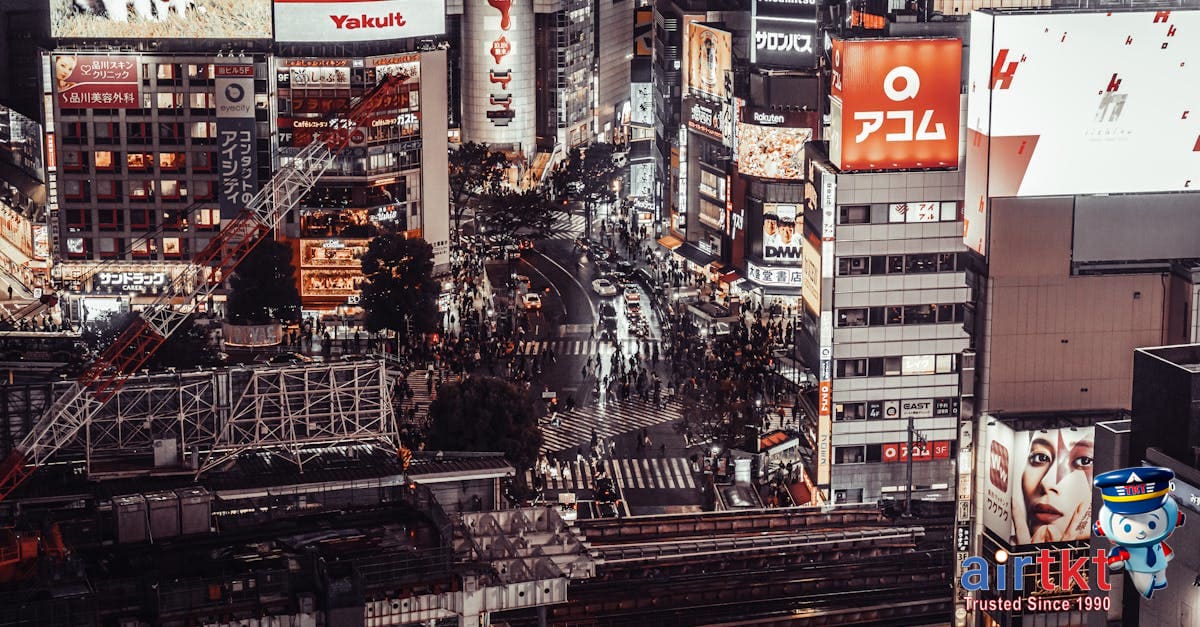
Tokyo’s Dynamic Blend of Old and New
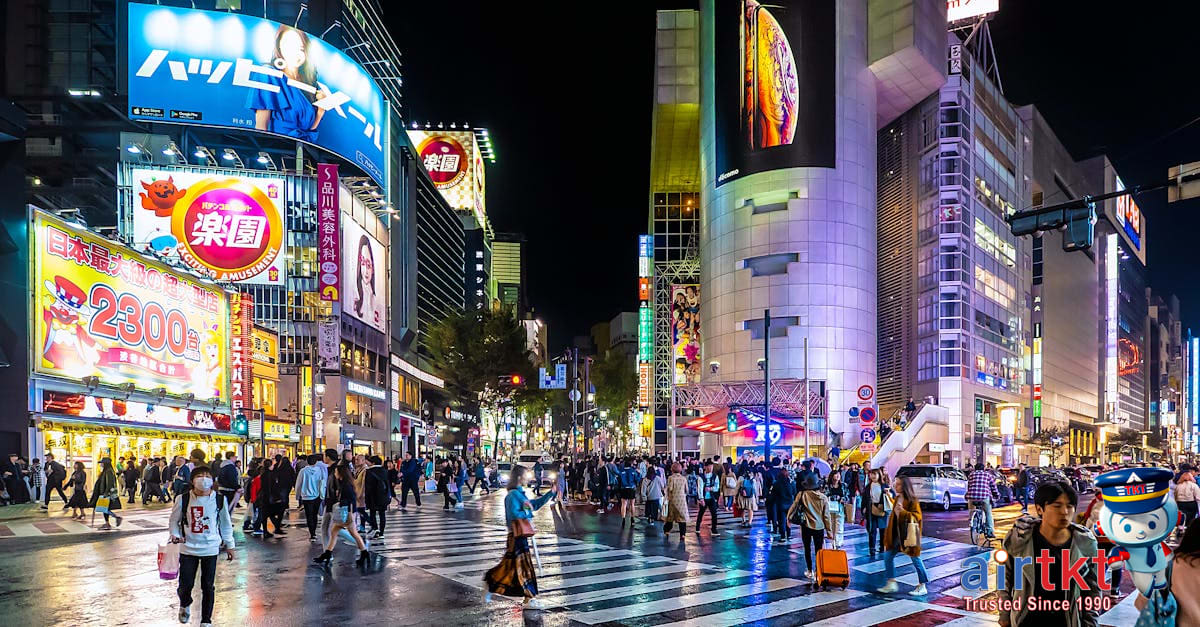
Tokyo stands out as one of the world’s most fascinating cities—a place where centuries-old traditions coexist right alongside neon-lit skyscrapers, sleek bullet trains, and futuristic fashion. When I first arrived in Tokyo, the city’s constant buzz and the orderly rush of people at Shibuya Crossing gave me an instant jolt of excitement. Walking the streets, I quickly realized there’s no single “Tokyo experience.” Instead, every neighborhood has its own personality, from the tranquil gardens and peaceful shrines of Asakusa to the edgy pop culture and high-end shopping zones in Harajuku and Ginza.
This guide is designed to help all kinds of travelers find their footing, whether you’re exploring historic temples, sampling street food, or tracking down that hidden ramen shop the locals love. I’ll break down Tokyo’s many districts, highlight the best local foods to try, and share guidance to make your trip smoother—from getting around on the subway to navigating cultural etiquette. If you’re interested in exploring even more of Japan, you might want to check out our in-depth city guides or a list of top attractions across Japan. With so many layers to this city, it helps to arrive with a plan that matches your travel style—and a sense of curiosity.
Best Neighborhoods to Explore
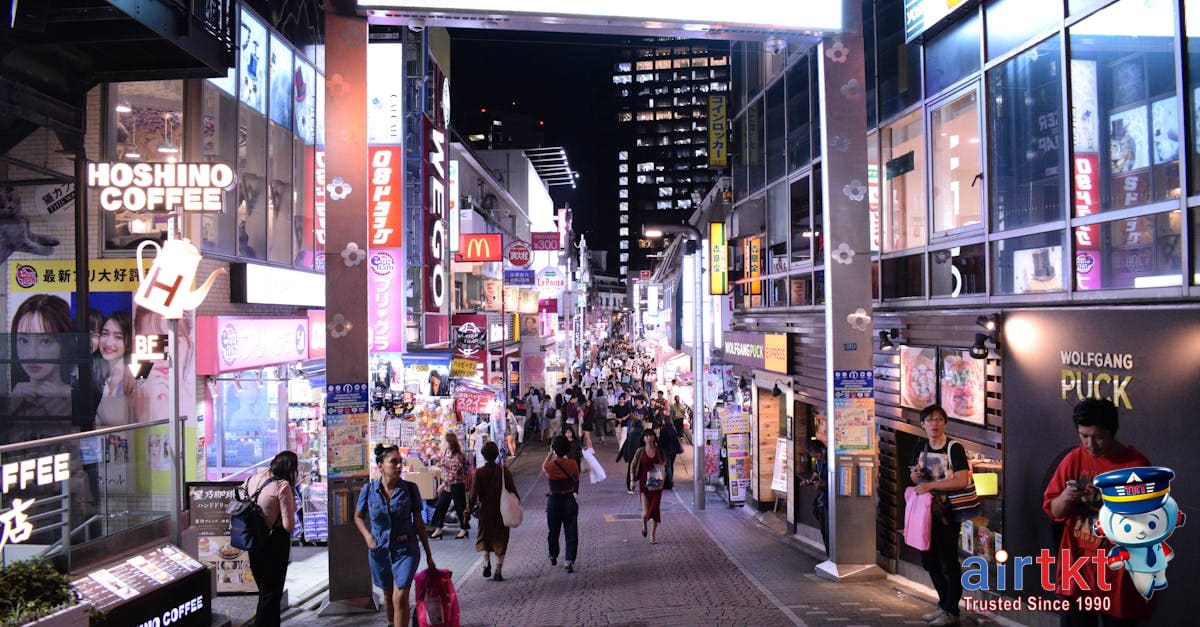
Tokyo’s neighborhoods each have a distinct character—whether you’re a foodie, night owl, culture lover, or traveling with family, there’s a district that fits your vibe. I still remember wandering through Harajuku’s quirky backstreets, where the creative displays in local boutiques and playful theme cafés made it my favorite spot for both people-watching and unique shopping.
Here’s a breakdown of top neighborhoods you shouldn’t miss, along with what you can experience in each:
Shibuya: Trendsetting and Lively
Shibuya bursts with energy, famous for its iconic scramble crossing, neon-lit streets, and department stores stacked with fashion trends. If you love nightlife, cutting-edge style, and a youthful buzz, Shibuya’s clubs, arcades, and late-night eateries will keep you busy. This is where solo travelers and young adults often feel right at home.
Harajuku: Youth Culture and Fashion
Harajuku, particularly Takeshita Street, is the epicenter of colorful street fashion and quirky pop culture. You’ll find everything from vintage shops and cosplay stores to dessert cafés and artistic street art. Families enjoy nearby Yoyogi Park, while shoppers and anyone curious about Japanese youth trends will want to linger here. For an in-depth look at Tokyo’s unique shopping experiences, check out our guide to Tokyo shopping districts.
Asakusa: History and Tradition
Asakusa transports you to old Tokyo. The highlight is Senso-ji, the city’s oldest Buddhist temple, approached through Nakamise-dori—a street lined with stalls selling traditional snacks and crafts. The area has a slower pace, with rickshaw tours and riverside walks. It’s a top pick for culture lovers and travelers seeking a more traditional Tokyo experience.
Shinjuku: Entertainment and Urban Energy
Shinjuku is where skyscrapers meet back-alley ramen shops. Known for its sprawling train station, nocturnal entertainment districts, and Kabukicho’s neon nightlife, Shinjuku mixes business, shopping, and after-dark fun. It’s especially attractive for visitors looking for diverse dining, karaoke, and panoramic city views from towers like the Tokyo Metropolitan Government Building.
Ginza: Upscale Shopping and Dining
Ginza is Tokyo’s polished, cosmopolitan center. Think luxury brands, high-end department stores, fine dining, art galleries, and hidden bars. Travelers interested in architecture, gourmet experiences, or premium shopping will want to pencil in time here. Ginza is also popular for sophisticated afternoon tea and dessert spots.
Yanaka: Local Life and Old Tokyo
For a slower pace and a glimpse of Tokyo’s pre-war character, Yanaka charms with peaceful residential streets, family-run cafés, artisan shops, and temples untouched by the city’s rapid modernization. If you crave authenticity and like wandering through less-touristed areas, Yanaka’s welcoming atmosphere is a real draw.
Of course, these aren’t the only fascinating neighborhoods in Tokyo, but starting with these gives most travelers a well-rounded taste of the city’s diversity. I’d personally recommend mixing a few modern hubs with a more traditional quarter to really get a feel for all sides of Tokyo.
Must-Try Food Spots in Tokyo
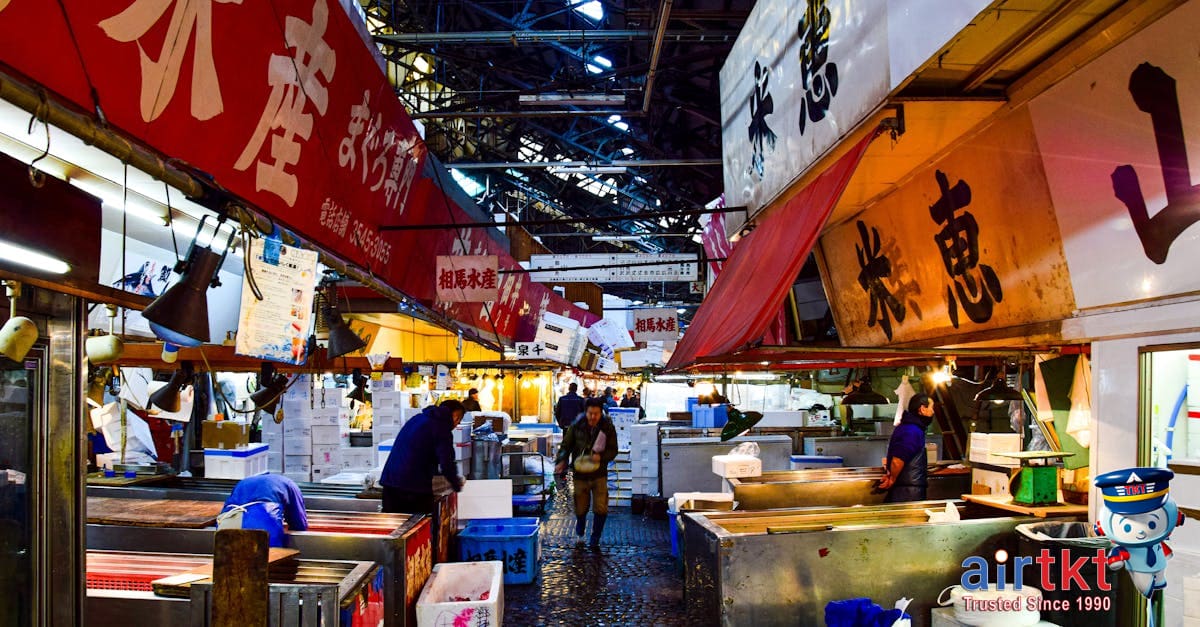
Tokyo is a haven for food lovers, offering everything from delicately crafted sushi to heartwarming ramen and crispy tempura. If there’s one thing I always look forward to, it’s wandering through Tsukiji Market early in the morning—I still remember the taste of fresh sushi prepared right in front of me, melt-in-your-mouth and bursting with flavor.
Street Food and Markets
You can’t talk about Tokyo’s must-try foods without mentioning its iconic street snacks. At Tsukiji Outer Market, you’ll find grilled seafood skewers, sweet tamagoyaki (Japanese omelet), and plump onigiri rice balls. Over at Ameyoko Market near Ueno, try yakitori (grilled chicken skewers) and takoyaki (octopus balls), always made fresh and best enjoyed on the go. Exploring these areas is a great way to sample authentic flavors and experience the city’s energy.
Sushi Bars and Ramen Shops
For a traditional sushi experience, head to counter-style spots like Sushi Dai or Sushi Zanmai, where chefs slice and serve each piece before your eyes. If ramen is your craving, Tokyo makes it easy to find cozy shops specializing in shoyu (soy sauce), miso, or tonkotsu (pork bone) broth. Ichiran and Afuri are two popular chains where you order via vending machine—a unique local touch I always find fun.
Izayakas and Local Eateries
Izakayas—Japanese-style pubs—are a great way to sample small plates of yakitori, karaage (fried chicken), and local vegetables alongside a cold beer or sake. Shinjuku’s Omoide Yokocho and Shibuya’s Nonbei Yokocho are famed for atmosphere and variety. These spots often have English menus or picture ordering, so you can try dishes even if your Japanese is limited.
Food Etiquette and Ordering Tips
Don’t stress if you’re unfamiliar with local food etiquette. It’s polite to say “itadakimasu” before eating and “gochisousama deshita” when finished. Many eateries use vending machines or display plastic food models—perfect for pointing and ordering if you’re not sure about pronunciation. I’d compare a few dishes before deciding, especially at bustling markets where vendors specialize in just one thing done expertly.
If you want to dive deeper, I recommend checking out a airtkt.com Tokyo food guide or exploring resources on the official Tsukiji Market website for seasonal culinary events and updates.
Must-See Tokyo Landmarks and Traditions
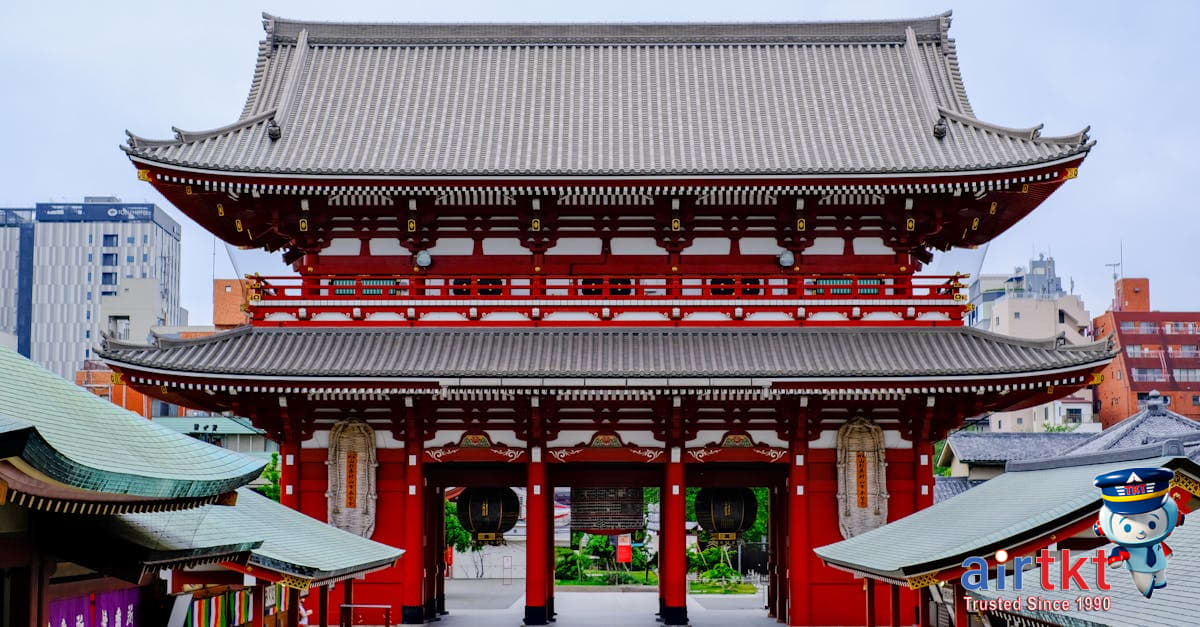
Tokyo is a city where centuries-old traditions stand side by side with the world’s latest trends, and you’ll really feel this energy as you explore its cultural landmarks. Senso-ji Temple in Asakusa is often at the top of most travelers’ lists—Japan’s oldest temple greets you with vivid lanterns, incense, and the bustling Nakamise-dori shopping street right outside. Meanwhile, Meiji Shrine is an oasis of calm hidden in a lush forest just a short walk from Harajuku’s neon lights. Wandering its gravel paths always gives me a sense of how deeply spirituality is woven into city life here.
The Imperial Palace, ringed by gardens and moats, offers a glimpse of Japan’s imperial history within modern Tokyo’s heart. It’s a great place to walk or picnic; the East Gardens are open to the public and worth planning a quiet afternoon. For more inspiration on planning your own cultural route, check out our Tokyo cultural guide for practical details and extra suggestions.
Beyond architecture and gardens, Tokyo is rich in living traditions. If you can, try a tea ceremony—attending one last spring allowed me to appreciate the delicate art of Japanese hospitality in a way nothing else has. Sumo matches in Ryogoku, especially during tournament months, are a true spectacle. Or, take a Sumida River cruise to enjoy the historic cityscape from the water; it’s a relaxing way to catch sights like the Tokyo Skytree and classic bridges.
Tips for Cultural Etiquette
Dress modestly and speak quietly when visiting shrines and temples. At Meiji Shrine, cleansing hands and mouth at the purification fountain is traditional; Senso-ji offers fortune slips—just follow the locals’ example. I usually recommend checking official tourism pages like Go Tokyo or the temple and shrine websites for updated opening times and special event dates, as these can change seasonally or for festivals.
How To Navigate Tokyo Transit
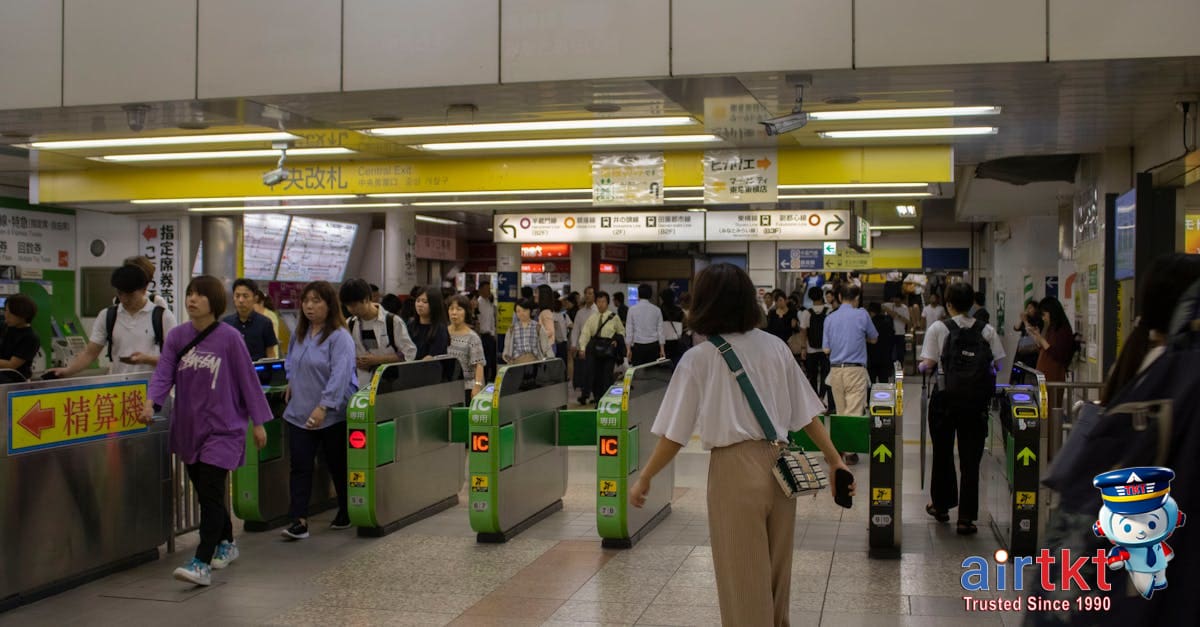
Getting around Tokyo can feel overwhelming at first—there are multiple train, subway, and bus networks, and everything moves fast. But the good news is the city’s public transportation is famously efficient and connects nearly every corner. Major systems like Tokyo Metro, Toei Subway, and JR (Japan Rail) trains work together: you’ll likely use a mix of metros for city travel and JR lines to reach outlying neighborhoods or suburbs. Buses fill in the gaps—especially late at night when some trains stop running.
For sheer convenience, I recommend using a smart fare card. Both Suica and Pasmo cards work interchangeably across trains, subways, and buses—just tap at the gates and go. On my first Tokyo trip, I quickly realized how much time I saved by loading up a Suica card instead of fussing with ticket machines for every ride. You can easily buy and recharge these cards at airport stations, major terminals, and even some convenience stores. If you’re transferring from Narita or Haneda airports, the airport rail lines like the Narita Express or the Keikyu are seamless—they drop you directly into central Tokyo, and your Suica/Pasmo card covers those local connections once you arrive.
One of the best ways to plan your journeys—and dodge those intimidating rush hours, especially between 7:30–9:00 a.m. and 5:30–7:00 p.m.—is to use a good transit app. Apps like Google Maps, Tokyo Subway Navigation, and Japan Transit Planner give real-time platform info, multi-line routings, and live delay updates. In my experience, they’re invaluable for plotting transfers between different operators or finding the right exit in sprawling stations.
If you’re considering a Japan trip that covers multiple regions, it’s worth checking out nationwide rail passes for bigger savings; for Tokyo sightseeing, though, the day passes and prepaid cards will keep things simple and affordable. For detailed advice connecting Tokyo to other Japanese cities efficiently, you can look up comprehensive Japan transportation guides or airport transfer tips online.
Where To Stay In Tokyo
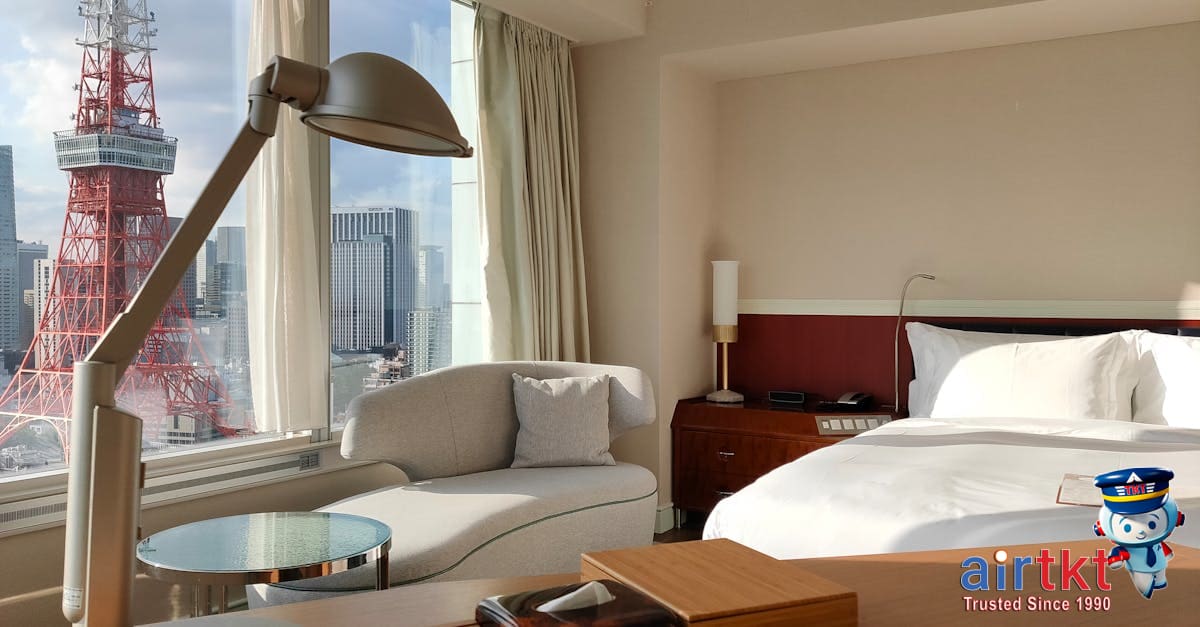
Tokyo’s hotel scene really covers all bases, from lively hostels to indulgent luxury suites. For budget travelers, hostels are a social, affordable option—think compact dorms, shared kitchens, and a fun international vibe. Business hotels are another favorite for those watching their wallet. These small but efficient rooms often sit right near train stations, offering total convenience for city exploring. Traditionally minded travelers might try a ryokan, where you’ll sleep on futons and experience Japanese hospitality (and sometimes a hot spring bath).
If you’re after a splurge, luxury hotels in Tokyo deliver panoramic skyline views, plush amenities, and world-class dining. They’re most concentrated in areas like Shinjuku, Ginza, and Roppongi. I’ve picked my hotel based on both vibe and practicality before—once choosing Shibuya so I could walk to nightlife yet still catch the Yamanote Line easily in the morning.
Best Tokyo Neighborhoods
Where you stay depends on your itinerary. Shinjuku works well for first-timers—it’s active day and night, has terrific food, and offers direct airport connections. Shibuya buzzes with youth culture and is packed with shops and entertainment. Asakusa gives a more relaxed feel, close to Senso-ji temple and classic markets. If you want upscale shopping and a quieter nightlife, Ginza is the spot. For easy bullet train access, Tokyo Station’s Marunouchi district is strategic.
Booking Advice For Tokyo Hotels
Tokyo can book out quickly during cherry blossom season or big holidays. I usually recommend locking in your top pick well in advance for the widest selection. Using airtkt.com helps compare deals across hotel types and locations, while local tourism sites—like the Tokyo tourism board—share listings for everything from capsule hotels to five-star favorites. If you want more tips, check out this hotel booking guide for Tokyo for insider reviews and booking strategies.
Budget And Luxury Travel In Tokyo
Tokyo is a city where you can shape your trip to match almost any budget, from frugal adventure to full-on luxury. Here’s what budget, mid-range, and luxury travel typically look like here—plus specific advice if you’re trying to mix both styles. In my experience, balancing budget and luxury options helped me enjoy Tokyo without overspending, and it’s easier than you might think when you have a plan.
Defining Travel Tiers In Tokyo
- Budget travel: Usually means cozy hostels, modest business hotels, casual meals at konbini or noodle shops, and using day passes for public trains. Entry to temples and many city parks is either free or inexpensive, so you can fill your days without many big-ticket costs.
- Mid-range travel: Think comfortable hotels or trendy ryokan, restaurants with table service, and occasional taxis (when public transport feels inconvenient). You might splurge on a ticketed museum or performance.
- Luxury travel: Upmarket hotels (maybe with a view of Tokyo Tower), gourmet dining—sometimes Michelin-starred—chauffeured rides, and private guides for exclusive city or day trips. Extras could mean spa treatments or premium shopping tours.
How To Save Or Splurge Wisely
If you’re watching costs, try booking accommodation well in advance, traveling with a reloadable transit card like Suica, and eating at local department store food halls or izakaya. Many shrines, city viewpoints, and quirky neighborhoods like Shimokitazawa are totally free to explore. On the other hand, if you want to upgrade your experience, I’d recommend allocating a set amount for one special meal or activity—like an omakase dinner or a private teahouse session—so you can enjoy a slice of Tokyo’s luxury without going overboard. Whenever I plan my trips, I make space in my budget for these occasional splurges; it’s worth it for the memories.
Budget Table: Tokyo Daily Costs
| Accommodation | Food | Transport | Activities | |
|---|---|---|---|---|
| Budget | $40.00 | $13.00 | $7.00 | $8.00 |
| Mid-range | $100.00 | $30.00 | $12.00 | $22.00 |
| Luxury | $400.00 | $85.00 | $45.00 | $70.00 |
These numbers are based on averages from local cost-of-living sources and my own research getting around Tokyo. They’ll help you get a sense of daily realistic costs, but always check the latest prices before booking. For more strategies, you might want to read detailed airtkt.com money-saving tips or dedicated luxury travel guides for Japan.
Conclusion and Practical Travel Tips
Tokyo is a city that truly delivers something different at every turn. Whether you’re weaving through bustling neighborhoods like Shibuya and Akihabara, relaxing in tranquil gardens, or exploring cutting-edge museums, there’s a real sense of contrast in every experience. From cherry blossom season to vibrant street food markets, Tokyo’s endless mix of tradition and innovation is what keeps travelers coming back—and why I think it’s worth both repeat and first visits.
My top piece of advice for planning your Tokyo adventure is to keep flexibility in your itinerary. Many major attractions are popular year-round, so having a good mix of must-sees and flexible slots can help you make the most of spontaneous discoveries, hidden shops, or unexpected neighborhood festivals. It also pays to research the transport options ahead of time, since Tokyo’s train network is efficient but can feel overwhelming during your first visit. I’d compare airport routes and arrival times before booking, since this impacts your first day’s logistics more than most travelers expect.
For affordable, user-friendly booking, I’ve found airtkt.com helpful for comparing Tokyo flight options. Their flexible tools (including alternate airport and date searches) can reveal more fare choices, which helps if you’re juggling a specific travel window. And if you’re new to international travel or want extra help, checking out their articles on booking flights or Japanese travel essentials can answer a lot of practical questions before you arrive.
One thing I always remind friends about visiting Tokyo: embrace both the energy and the moments of quiet you’ll find—the contrast is part of why the city stays with you long after your trip ends.