
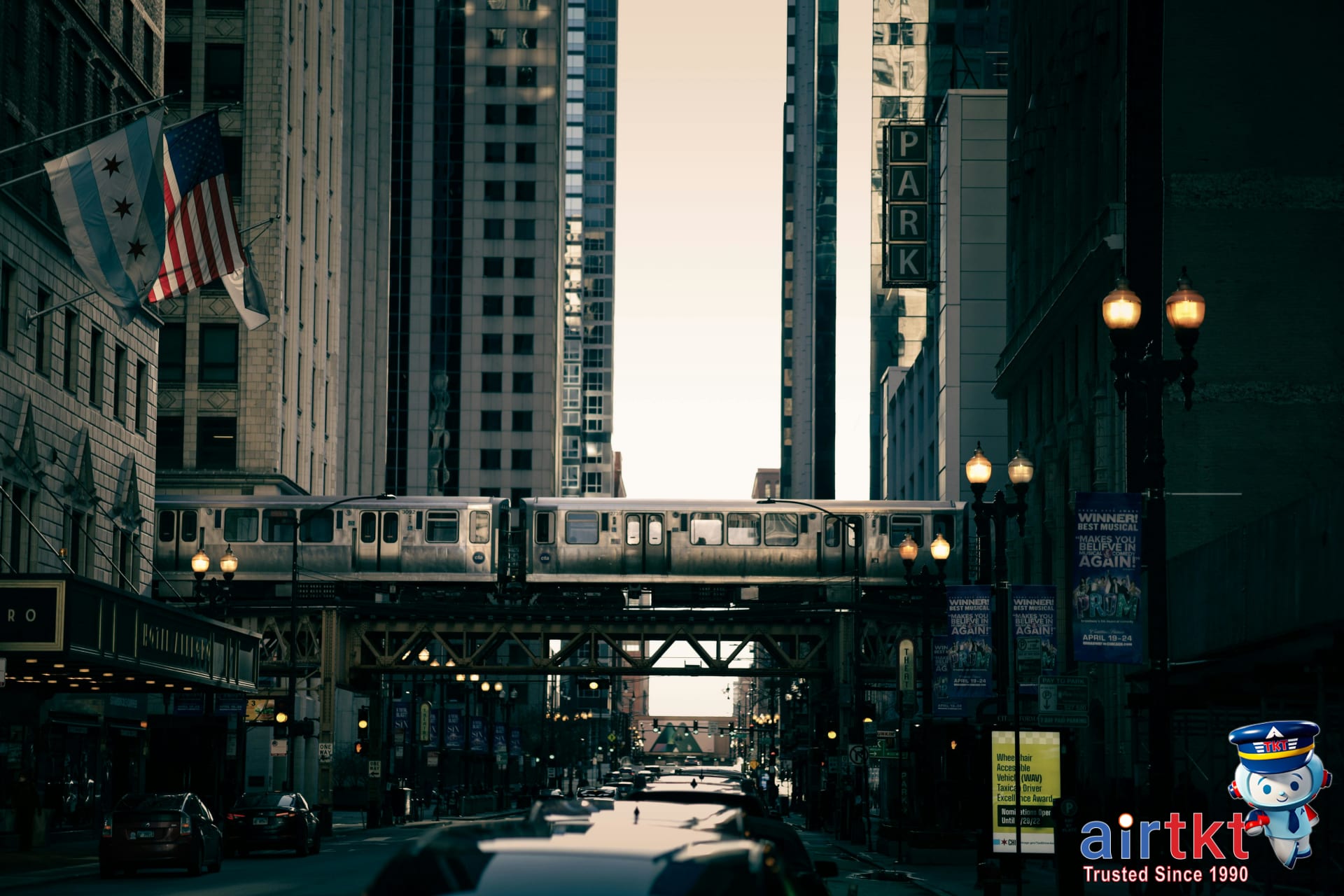
Learn Chicago’s Transit Systems
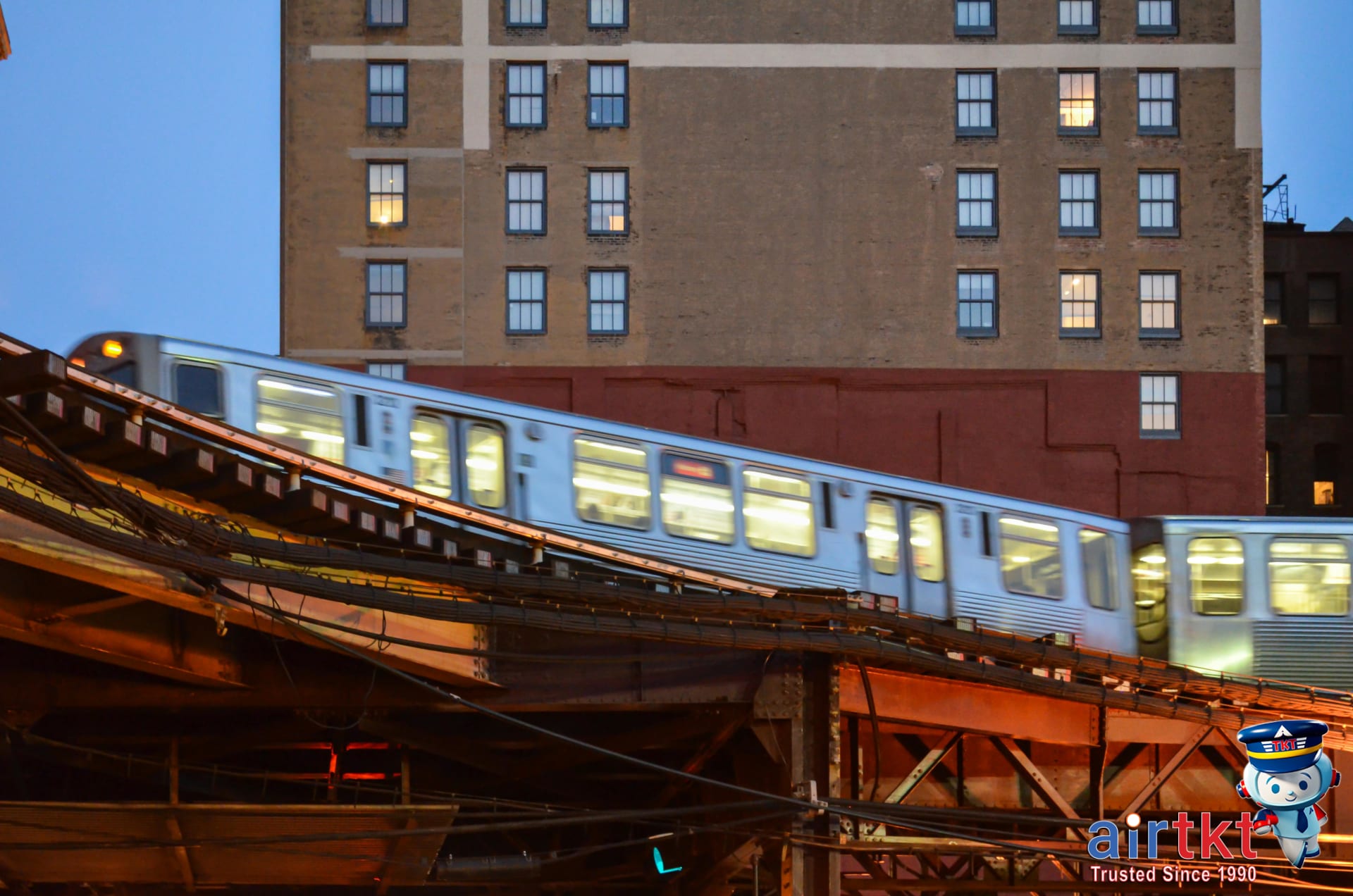
Chicago’s public transportation makes it pretty easy to get around without a car, especially if you want to avoid big city traffic and pricey parking. The backbone of the city’s transit is the L train (“L” for “elevated”), a network of color-coded routes that run above and below ground, connecting neighborhoods, the Loop, and both O’Hare and Midway airports. Trains run regularly and are often the fastest way to move between Chicago’s most popular sights.
In addition to the L, the Chicago Transit Authority (CTA) operates a comprehensive bus network covering nearly every pocket of the city. Buses are especially useful if your destination isn’t right on an L line. I found myself hopping on the CTA bus several times when I needed to visit museums, parks, or restaurants outside the core Loop area.
If you’re up for exploring at your own pace, Chicago’s Divvy bike share program is worth considering. Bikes can be picked up and dropped off at stations throughout the city—it’s a flexible, healthy way to hop between neighborhoods or enjoy the Lakefront Trail. I liked having Divvy as a backup when the weather was decent and my route was bike-friendly.
Convenience ramps up when you use a Ventra card: this reloadable fare card gives you tap-and-go access to both the L and city buses, and you can use it to buy Divvy passes too. In my experience, having a loaded Ventra card really saved me time—no fumbling for change or tickets when boarding the L or bus, and refills were easy at kiosks and shops all over town.
If you’re shaping your Chicago trip itinerary, it’s worth checking out additional planning tips and flight deals through airtkt.com’s Chicago guide. You’ll find extra advice for navigating the city’s public transit and booking flights that fit your plans.
Major L Train Lines And Routes Overview
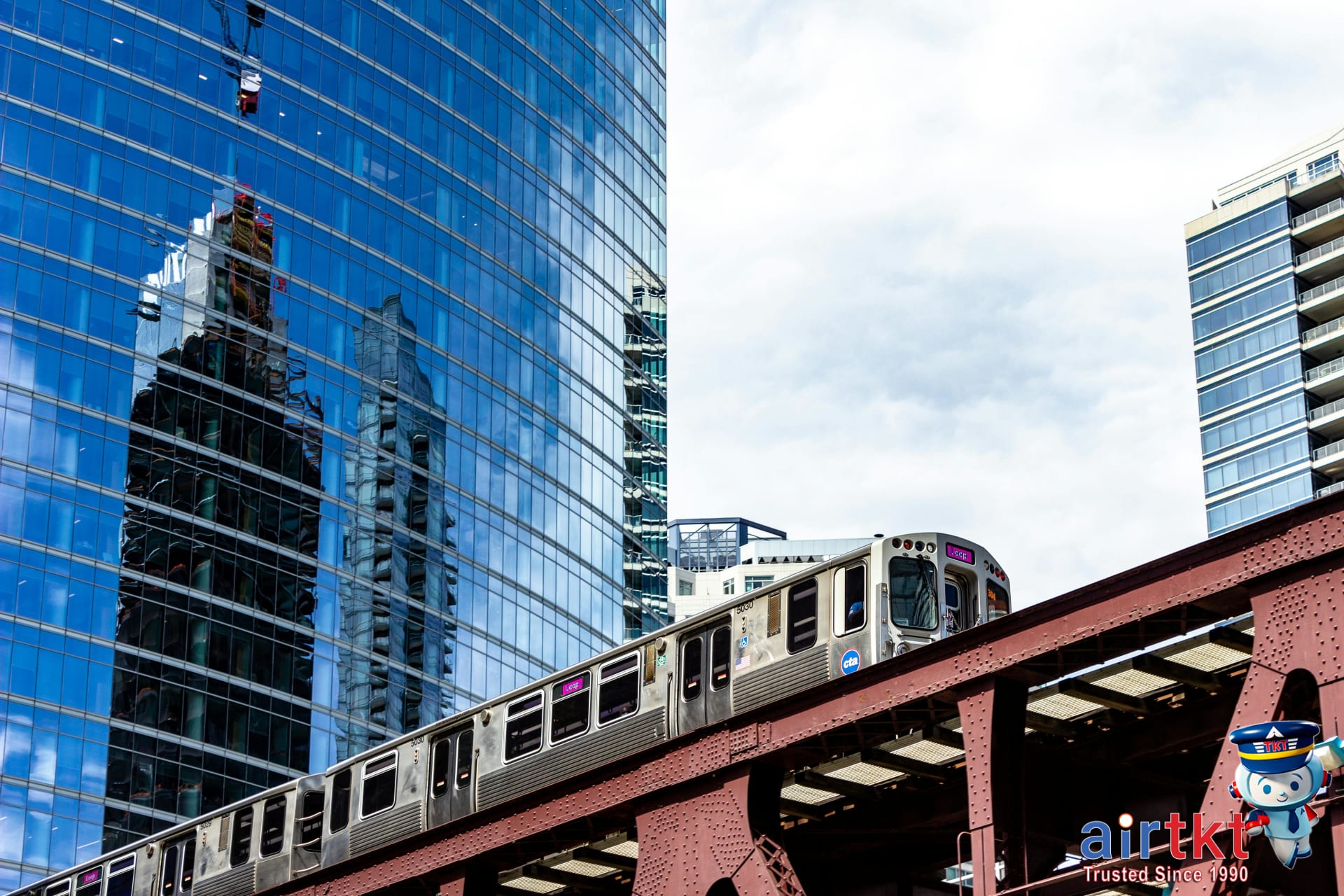
If you’re visiting Chicago, chances are you’ll spend some time riding the L train—Chicago’s elevated rapid transit system that conveniently zips through downtown and out into dozens of neighborhoods. The L’s main lines—Red, Blue, Brown, Green, Orange, Pink, and Purple—each offer direct access to both classic sights and local hangouts.
Red, Blue, And Central Lines
The Red Line runs north-south and is probably the route you’ll use most for major attractions. It connects popular spots like Wrigley Field, Lakeview, and the Loop. The Blue Line is my personal go-to for fast commutes between O’Hare International Airport and central neighborhoods—more than once, its direct route has saved me half an hour getting to Wicker Park after a long flight. The Brown, Green, Orange, Pink, and Purple Lines overlap throughout the downtown Loop before branching off to different corners of the city.
Notable Stations And Transfers
Main downtown hubs, like Clark/Lake and State/Lake, serve as transfer points for multiple lines, making hop-on, hop-off neighborhood exploration simple. You can easily reach the Art Institute, Millennium Park, Chinatown, and Pilsen without transferring to a bus. CTA maps are posted throughout stations for easy wayfinding.
Using The L With Ventra Cards
Boarding the L is smooth with a Ventra card—simply tap at the turnstile for quick access. You can purchase and reload a Ventra card at every station kiosk. Transfers between lines are free within two hours of your initial ride, allowing you to change direction without hunting for single fares. For details on how the system works, I usually direct travelers to the official Ventra website or suggest checking out the integrated tools on airtkt.com for itinerary planning.
Essential CTA Bus Tips For Visitors
If you’ve explored central Chicago by ‘L’ but want to check out museums, neighborhoods, and parks just outside train reach, CTA buses really complete the picture. Many of my own trips—like heading out to the Museum of Science and Industry—were faster by bus than by riding and transferring between train lines. Here’s how buses can help maximize your time, especially if you’ve already covered the downtown Loop by rail.
Key Bus Routes For Tourists
Several CTA bus lines are particularly useful for visitors. The #146 runs north-south and hits major attractions from the Museum Campus (home to the Shedd Aquarium and Field Museum) up through the Magnificent Mile. The #151 helps you reach Lincoln Park Zoo and DePaul University. For local shopping, the #66 Chicago Avenue bus is a straightforward ride between River North and trendy West Town. If you’re heading out late, note that some bus lines run 24 hours while others taper off at night.
How Ventra Card Payment Works
To board any CTA bus, just tap your Ventra card on the reader as you board. Only the driver’s side reader accepts fare payment, and you’ll hear a beep if it’s successful. You can also use a contactless credit card or even your phone’s wallet app for payment—no paper ticket needed. The fare is automatically deducted from your balance, making it easy to hop from bus to train or between lines without digging for cash.
Accessibility On CTA Buses
CTA buses are designed with accessibility in mind. All standard buses have ramps that lower to street level and designated spaces for wheelchairs or strollers. Announcements—both visual and audio—make it easier for low vision or hard-of-hearing riders to track stops. If you need assistance, just let the driver know as you board; I’ve noticed they’re ready to help lower the ramp or offer extra time for boarding.
For more Chicago transit tips, including the latest about passes and neighborhood routes, check out airtkt.com’s detailed Chicago transportation guides—they’ve pulled together the essentials for visitors.
Exploring Chicago By Divvy Bikes
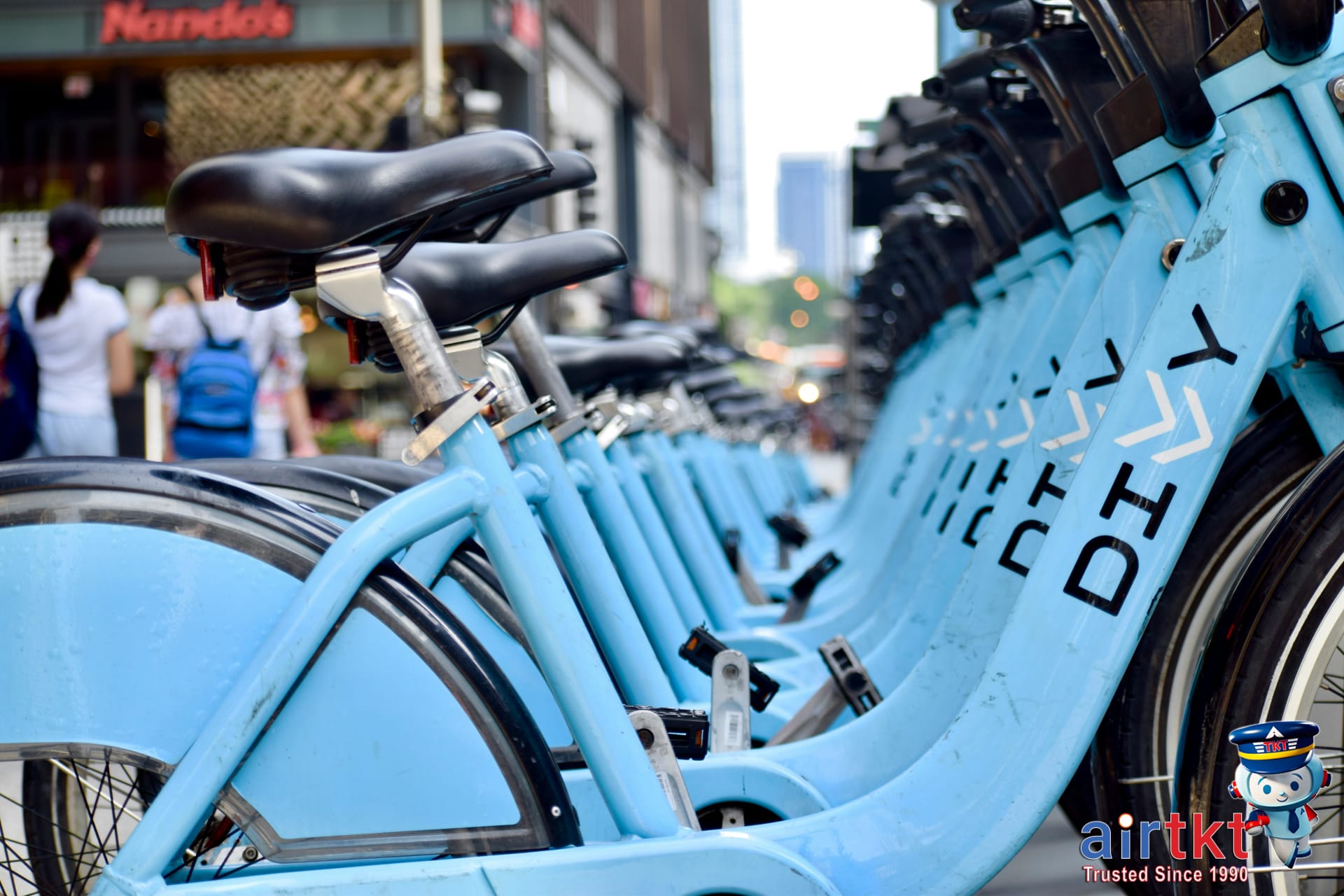
Chicago’s Divvy bike share system is one of the easiest ways to explore the city and its vibrant neighborhoods at your own pace. Signing up is straightforward: you can use the Divvy mobile app or the kiosk at most bike stations. A short ride typically costs about $5.00, while a day pass gives you unlimited short trips for around $16.00. Bikes are unlocked with a code from the app or kiosk, then you’re on your way.
I still remember my first ride along the Lakeshore Trail, cruising from Millennium Park toward Lincoln Park—there’s something about gliding past Lake Michigan with the skyline on your left that just sticks with you. Divvy makes it easy to reach neighborhoods like Wicker Park, the West Loop for foodies, and the Museum Campus. The 606 trail is another favorite, perfect for a leisurely afternoon pedal above the city streets.
There are docking stations dotted all over, so I rarely need to worry about finding a place to return the bike—you’ll spot plenty near major attractions, train stops, and parks. If one station’s full, the app points you to the nearest open dock. I usually check the availability before setting off, especially during busy weekends.
Safety-wise, Chicago drivers are used to cyclists, but I always recommend wearing a helmet and following bike lane markings. Avoiding rush hour traffic and staying visible—especially at intersections—makes your ride smoother and more enjoyable.
If you want more local cycling inspiration, don’t miss the Chicago outdoor activity guides on airtkt.com for ideas on where to explore on two wheels.
Using Ventra For Seamless Transit

When you’re getting around Chicago, using the Ventra system streamlines public transit for both visitors and locals. You can pick up a Ventra card at L stations, some retail locations, or even order one directly from the official Ventra website. The card works across the CTA trains, buses, and Pace suburban buses, so you only need one card for nearly all your trips.
To use your card, simply tap it on the card reader before boarding buses or entering train stations. Reloading is straightforward—you can add value at station vending machines, participating stores, or online with your debit or credit card. Checking your balance is just as easy; station machines display it after you tap, and you can look it up on the Ventra app or website at any time.
Ventra App Key Features
For tech-friendly travelers, the Ventra app adds convenience. You can manage your balance, see trip history, set up auto-reload, and even buy tickets for Metra commuter trains. I find it handy because it consolidates everything, sparing me from surprise low balances during busy days.
I always make it a point to register my Ventra card online. Once, after misplacing a card, the registration let me transfer my remaining balance instead of losing it—a relief I won’t forget. Registered cards also unlock occasional fare discounts and better account control.
Chicago Transit Maps And Planning Tools
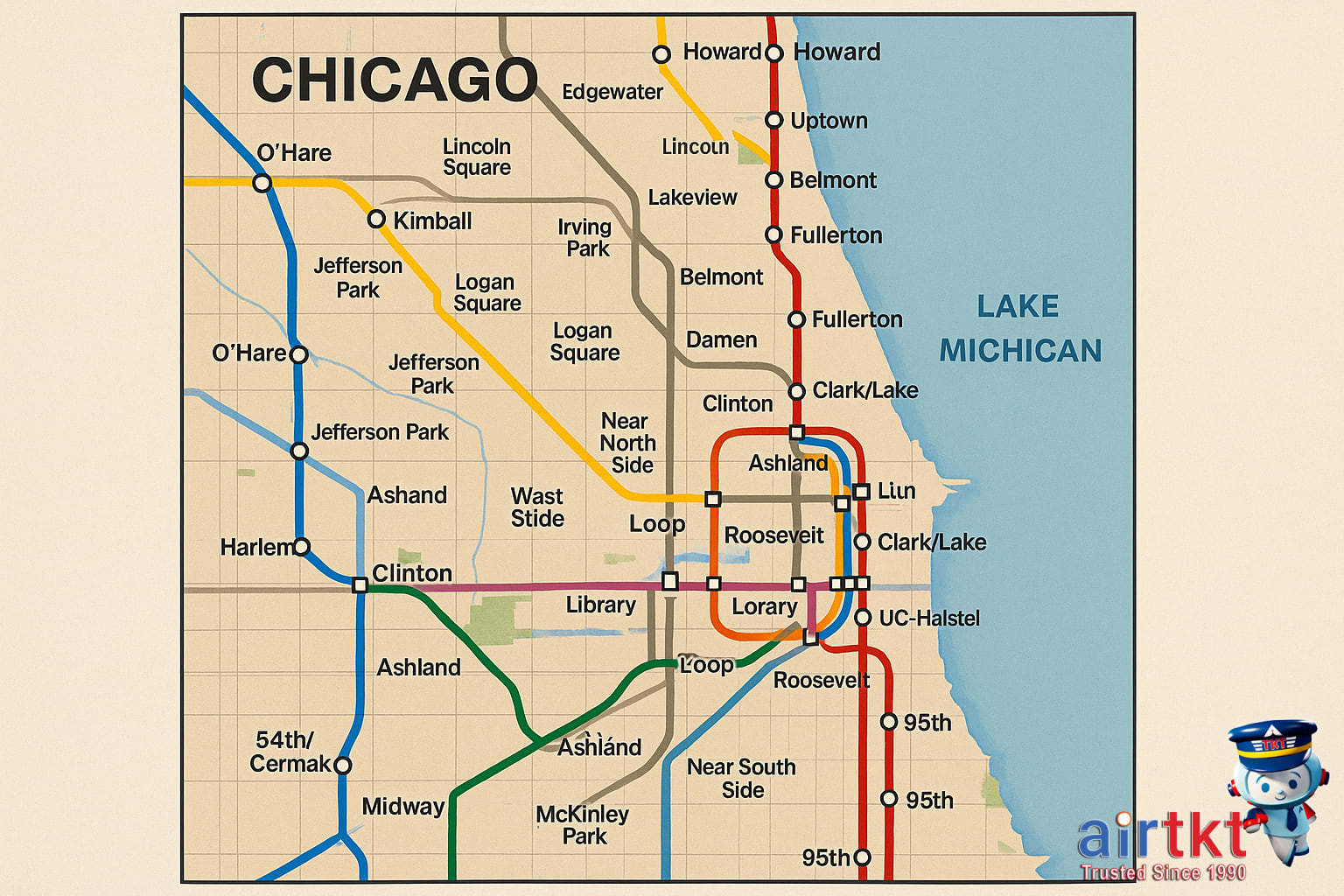
Making sense of Chicago’s vast transit web starts with a solid map. The city’s L train system is color-coded and pretty easy to recognize once you’ve looked at an official Chicago Transit Authority (CTA) map, which shows all eight L lines plus clear markers for major transfer points. Most big transit stations display these maps, but I always keep a version on my phone—and I strongly advise downloading them for offline use.
For getting around on both trains and buses, popular apps like Google Maps, Transit, and Citymapper cover all the essentials: real-time arrivals, suggested routes, and service alerts. Before leaving your hotel or Airbnb, open your favorite transit app and save screenshots of key routes you’ll use that day. Don’t rely on having signal in every part of the city—service can drop suddenly, especially in some stations or on underground stretches. The CTA also has its own trip planner on their site if you want the official route options.
If you want more in-depth Chicago navigation advice, check out the transit tip articles on airtkt.com. I can’t count the number of times my paper backup map has spared me frustration—a memorable one was navigating a West Side transfer during a phone dead zone. While digital tools have changed the game, carrying a physical map means you’re never completely stranded if technology fails.
Budgeting Chicago Transit Trips
| Budget | Mid-range | Luxury | |
|---|---|---|---|
| Accommodation | $45.00 | $110.00 | $230.00 |
| Food | $18.00 | $36.00 | $75.00 |
| Transport | $6.00 | $14.00 | $35.00 |
| Activities | $13.00 | $28.00 | $55.00 |
How you balance your Chicago trip budget will often come down to where you sleep and how you get around. I found that choosing a hotel just steps from an L station meant fewer rideshare costs and more flexibility—easily making up for the slightly higher per-night rate. Even if you’re spending less per night by staying further out, factor in the extra transit time and potentially higher daily transport expenses.
Ventra Passes and Daily Transit
If you’re planning to use the ‘L’ more than twice in a single day, it’s worth purchasing a Ventra pass upfront. The day and multi-day passes often work out cheaper compared to paying per ride, especially when you’re hopping between neighborhoods or squeezing in several attractions in one day. I usually recommend this for visitors aiming to maximize their sightseeing without splurging on taxis.
If you’re looking for more Chicago travel cost tips, check out airtkt.com for budget-friendly hotel deals and practical advice to stretch your dollars in the city.
Frequently Asked Questions About Chicago Transit
- How do I use the L train in Chicago?
The L train is Chicago’s elevated subway system. You’ll need a Ventra card to pay your fare, which you can buy and load at vending machines in stations. Just tap the card at the turnstile and find your platform using posted line maps. Trains run frequently, even outside peak hours.
- What is a Ventra card and how do I get one?
A Ventra card is a reusable transit card for Chicago buses and trains. You can purchase one at L stations, many convenience stores, or order online before you arrive. Load it with value or unlimited ride passes, then just tap to ride. I found it simplifies getting around the city a lot.
- Can tourists use Divvy bikes in Chicago?
Yes, Divvy is Chicago’s public bike-share program and it’s available to anyone, including visitors. You can purchase a single ride or day pass at any Divvy station kiosk or via the Divvy app. The bikes are a convenient way to reach places not directly served by public transit lines.
- Are CTA buses safe at night for travelers?
CTA buses generally operate safely at night, especially along well-lit main routes. For extra reassurance, sit near the driver and keep track of your belongings. I’ve reviewed these FAQs before late rides and found they helped clarify which routes run all night and what to expect after dark.
- Do I need exact change for the CTA bus?
While CTA bus fare boxes accept cash, they require exact change and only accept coins and bills up to $20.00, but no change is given. Using a Ventra card is simpler because it’s accepted on all CTA buses and trains. Many travelers prefer the card for convenience and efficiency.
- How do I transfer between trains or buses?
Transfers between CTA trains and buses are easy with a Ventra card. After tapping into the system, you can transfer to another train or bus within two hours for a reduced fare, automatically applied to your card. Double-check transfer signage at stations for directions to the proper connections.
Final Transit Tips For Chicago Visitors
Getting around Chicago is genuinely easier if you mix and match the city’s main transit options. The L trains are fast for crossing neighborhoods or skipping traffic jams, while buses fill in the gaps to take you where the trains don’t reach. Divvy bikes are great for covering shorter distances and letting you explore at your own pace. I found that using all three made my trip run much smoother and let me see more of the city than sticking to just one mode.
If you’ve never hopped between these options, don’t hesitate—Chicago’s system is both reliable and surprisingly intuitive once you get the hang of it. I’d suggest using the L trains for heading downtown or out toward the neighborhoods, relying on buses for those must-see spots off the train line, and picking up a Divvy bike when you want a little more freedom or the weather is nice. Each mode offers a slightly different view of Chicago, so sampling more than one gives you a fuller picture.
Before your trip, I recommend downloading a few key apps—the CTA’s official trip planner for trains and buses, and the Divvy app for bike rentals. This is such a simple step but one I wish I’d done before my own arrival; it saves time and helps you feel prepared, especially if service changes or detours pop up.
If you’re still planning your getaway, check out airtkt.com for easy booking of Chicago flights and hotels. Combining transit know-how with trip planning is a smart way to make the most of your visit.