
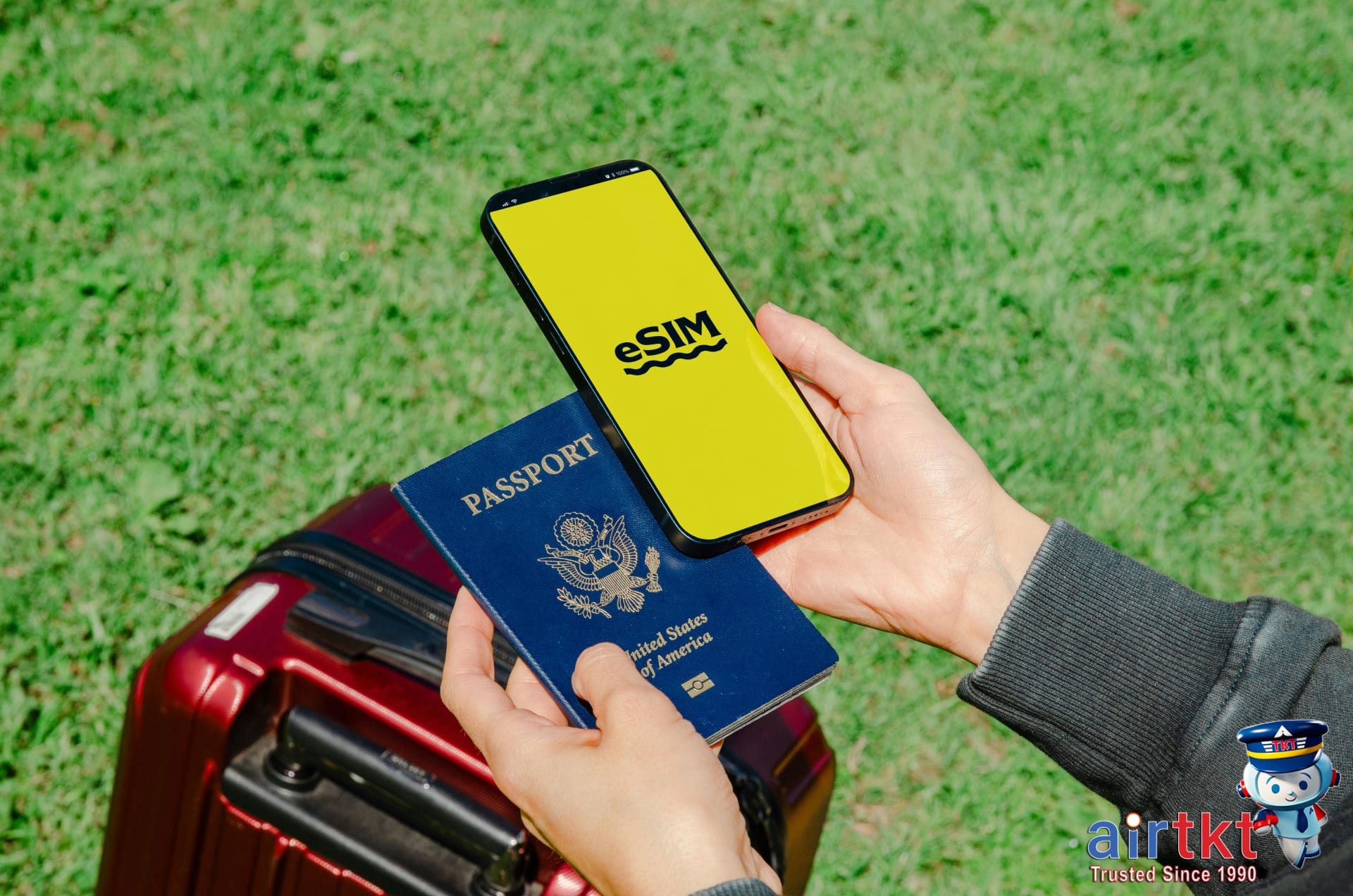
Why You Need Connectivity Abroad
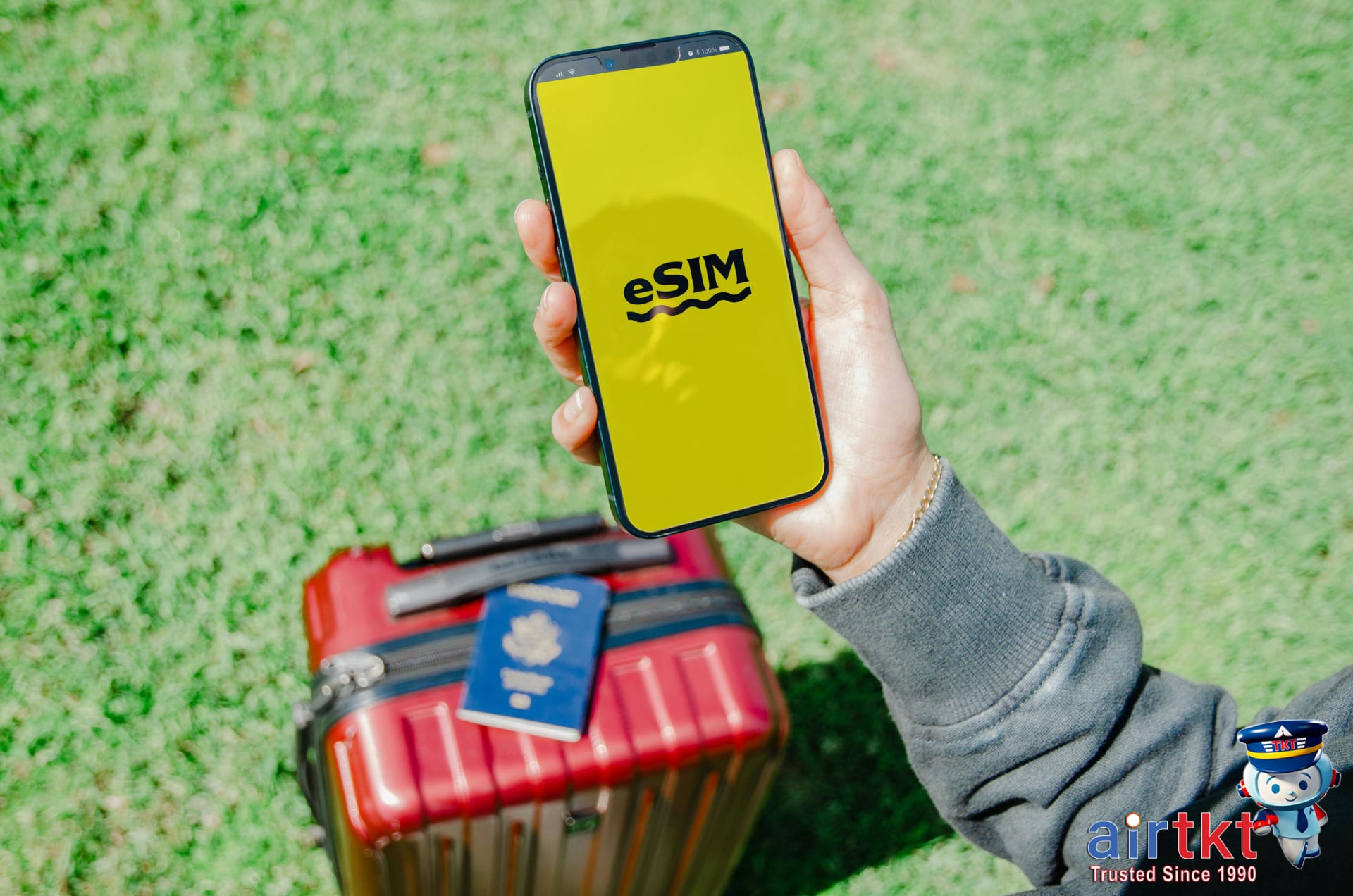
Staying connected when traveling internationally is much more than just posting vacation snaps. Reliable connectivity supports your entire journey: from staying in touch with family to finding your way around a new city using GPS, or getting help fast in case of an emergency. I’ve learned the hard way that checking my phone’s compatibility before departure can save a lot of time and frustration once you land and try to get online.
These days, even planning your trip often requires a solid internet connection—for example, confirming your hotel address, booking a last-minute excursion, or using translation apps in real time. International roaming, local SIM cards, and eSIMs all offer varying options to stay online, but none of them help much if your device can’t connect to the local network. That’s why savvy travelers always check this detail in advance.
If you’re just beginning to map out your next adventure, start by making sure your tech is up to the task. It’s as fundamental as booking your flight. Resources like airtkt.com can help you with the bigger planning pieces, like securing the right international flights or comparing itineraries to different destinations. Once those essentials are in place, it’s much easier to focus on the connectivity nitty-gritty and prevent any missed messages or navigation mishaps overseas.
Understanding International Roaming Basics
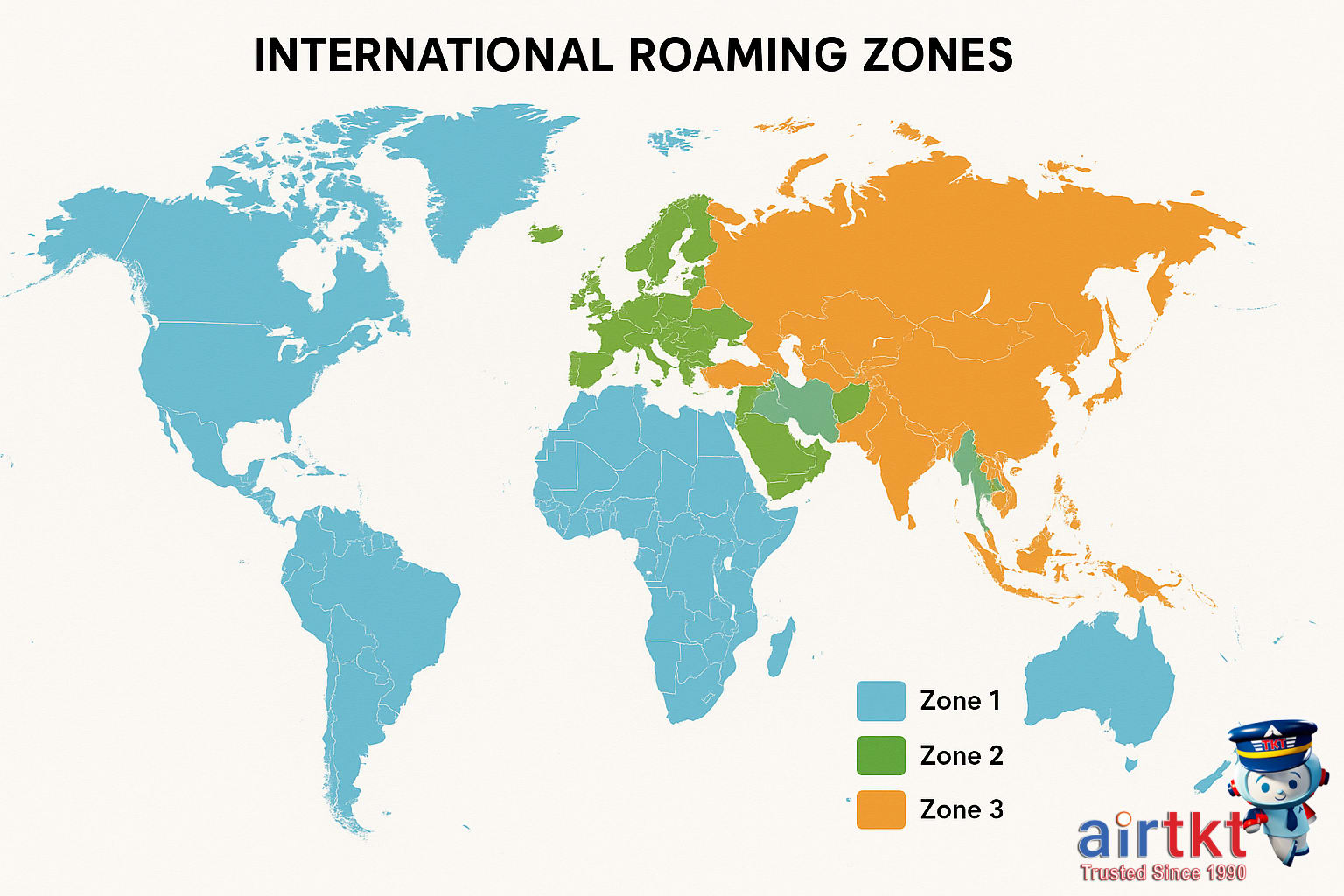
International roaming lets you use your mobile phone outside your home country by connecting to foreign networks through partnerships your carrier has set up. Essentially, when you land in a different country, your network “borrows” signal from a local provider so you can call, text, or use data without changing SIM cards. Roaming makes staying connected easier, but also introduces some new costs and network limitations you might not expect.
These roaming connections work thanks to special agreements between your home carrier and the local networks in your destination. The quality of service—and especially the charges—will depend on how strong these agreements are. Sometimes you’ll have access to fast 5G data, while in other places your phone might drop to 3G or lose data altogether. That’s where costs can really surprise travelers: roaming fees can add up quickly, especially if you’re not on an international plan.
Before my last trip, I took a few minutes to call my carrier and check if international roaming was pre-activated and what charges would apply. That call helped me adjust my data settings and avoid a hefty post-vacation bill—something I wish I’d done on earlier trips when I didn’t realize roaming was active by default.
Breaking Down Roaming Costs Abroad
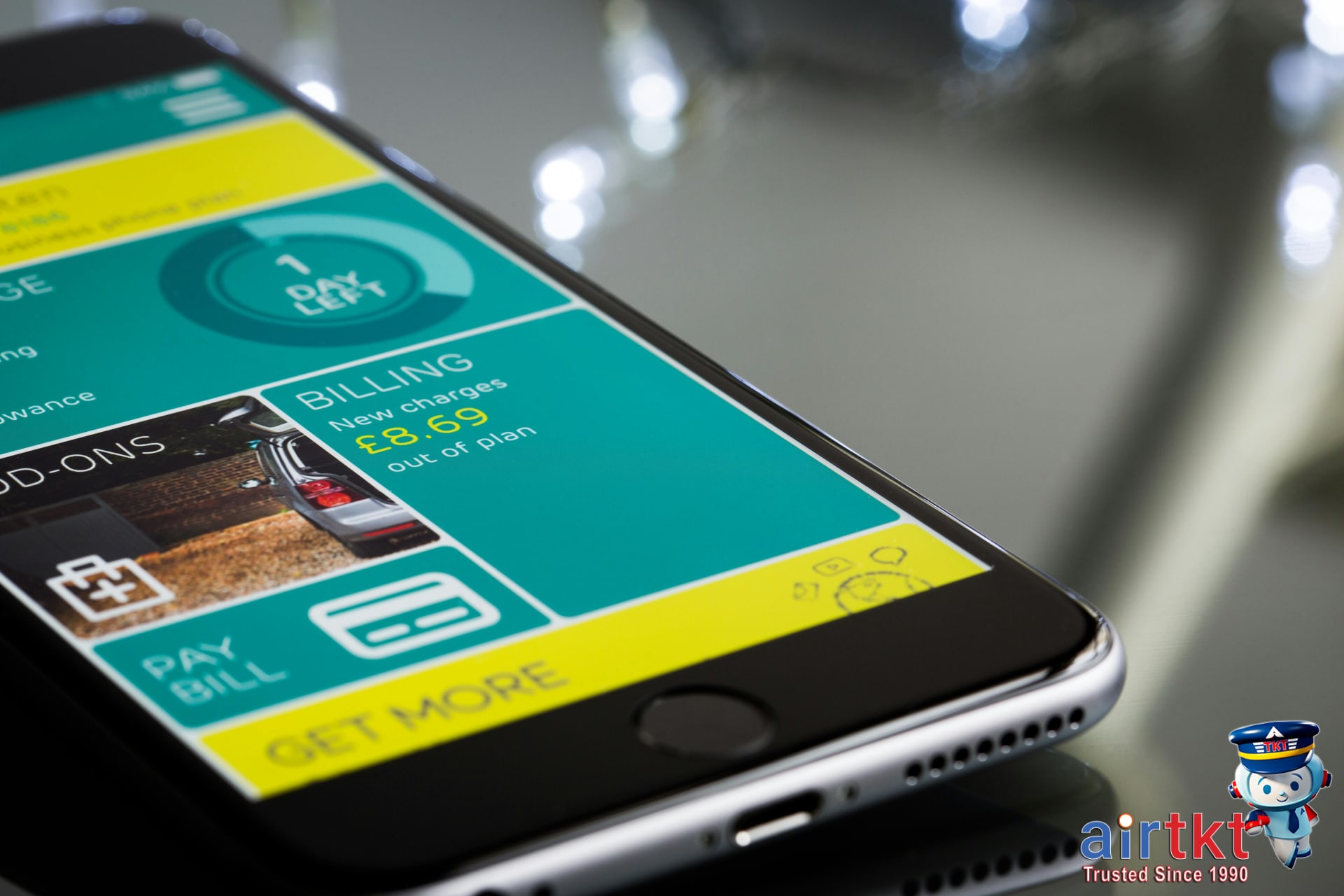
Understanding how roaming charges are structured can save you from serious sticker shock when you get home. Typically, roaming fees break down into three main parts: you’ll pay a per-minute rate for calls made and received, a set fee for each SMS text sent (sometimes for those received, too), and a separate, often much steeper, cost for every megabyte of data you use. Even a few minutes of streaming or checking maps can rack up charges quickly.
One of the most common mistakes I see is travelers forgetting to turn off data roaming on their phones before landing, leading to background apps and updates silently draining data—and piling up costs. Background syncing, social media auto-refresh, and even email can trigger unexpected usage. If you’ve ever opened your phone bill after a trip and felt your jaw drop, trust me, you’re not alone; I’ve personally learned the hard way that even light browsing abroad can result in a surprisingly high charge. That first bill after an international trip was enough to make me rethink how I use my phone overseas.
It’s easy to underestimate how quickly roaming charges add up, since each file, map load, or short call is billed individually. Some carriers also tack on administrative or connection fees outside standard rates, further bumping up your expenses. I usually recommend checking your carrier’s travel packages before you go, but relying on free Wi-Fi whenever possible is the most wallet-friendly habit.
Benefits and Drawbacks of Local SIM Cards
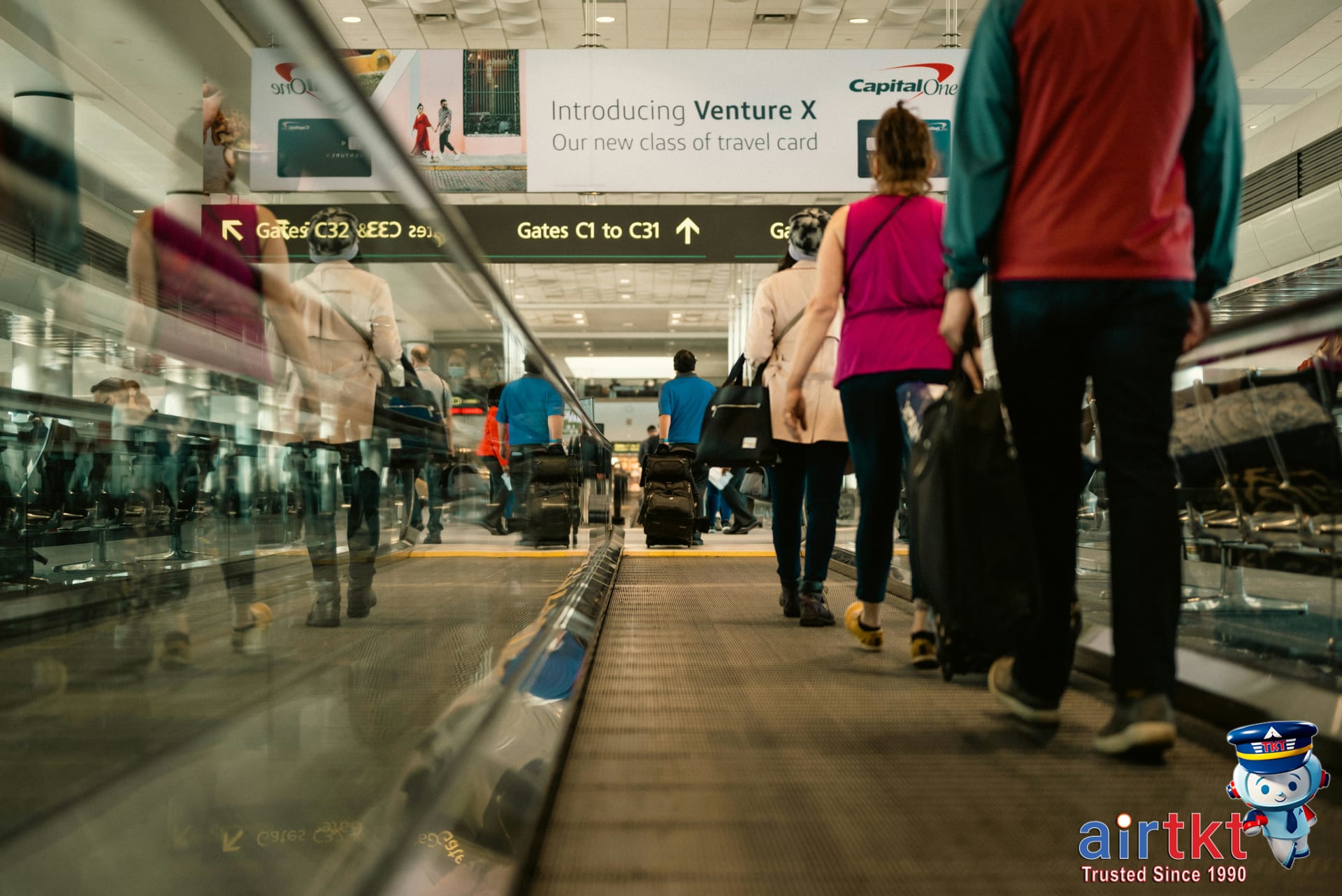
Picking up a local SIM card can feel like a smart travel move—especially if you’re aiming to save on roaming fees. A local SIM usually gives you access to lower-cost calls, texts, and high-speed data compared to your domestic plan. Plus, having a local phone number makes it easier for hotels or tour operators to reach you directly, which comes in handy more often than you’d expect. I found buying a SIM at the airport quick and straightforward, and it meant I could snag an affordable ride-share right after landing. That immediate local connectivity made a real difference to how smoothly my first day went abroad.
Advantages and Disadvantages
The main benefit of a local SIM is cost: you typically pay less for voice, text, and data than you would by using your home carrier’s international options. Internet speeds and coverage also tend to be reliable, especially with established providers. Another advantage? Flexibility—buying extra data or minutes is usually easy, so you only pay for what you use.
On the flip side, buying a local SIM can sometimes feel like a chore. Not every airport kiosk or street shop offers clear pricing or support in English, and you’ll need to show your passport in many countries. Compatibility is another friction point: your phone must be unlocked and work with local network frequencies, otherwise that shiny new SIM just won’t work. I recommend double-checking these details with your mobile provider before you leave home.
Where and How to Buy Safely
Stick to authorized vendors for peace of mind—airport kiosks, official stores in shopping malls, and some well-known electronics retailers generally offer legitimate products and straightforward help for new arrivals. I usually avoid street vendors or unmarked stalls since the risk of getting a poorly functioning, or even counterfeit, SIM is higher. More countries now also let you buy prepaid SIM cards online before you arrive and pick them up at the airport or your hotel, which can save time and confusion, especially after a long flight.
Make sure your phone is fully unlocked before your trip. If you’re unsure, your home provider can confirm this and may help if you need to unlock your device. An unlocked phone is non-negotiable for using any local SIM card abroad.
How eSIM Technology Helps Travelers
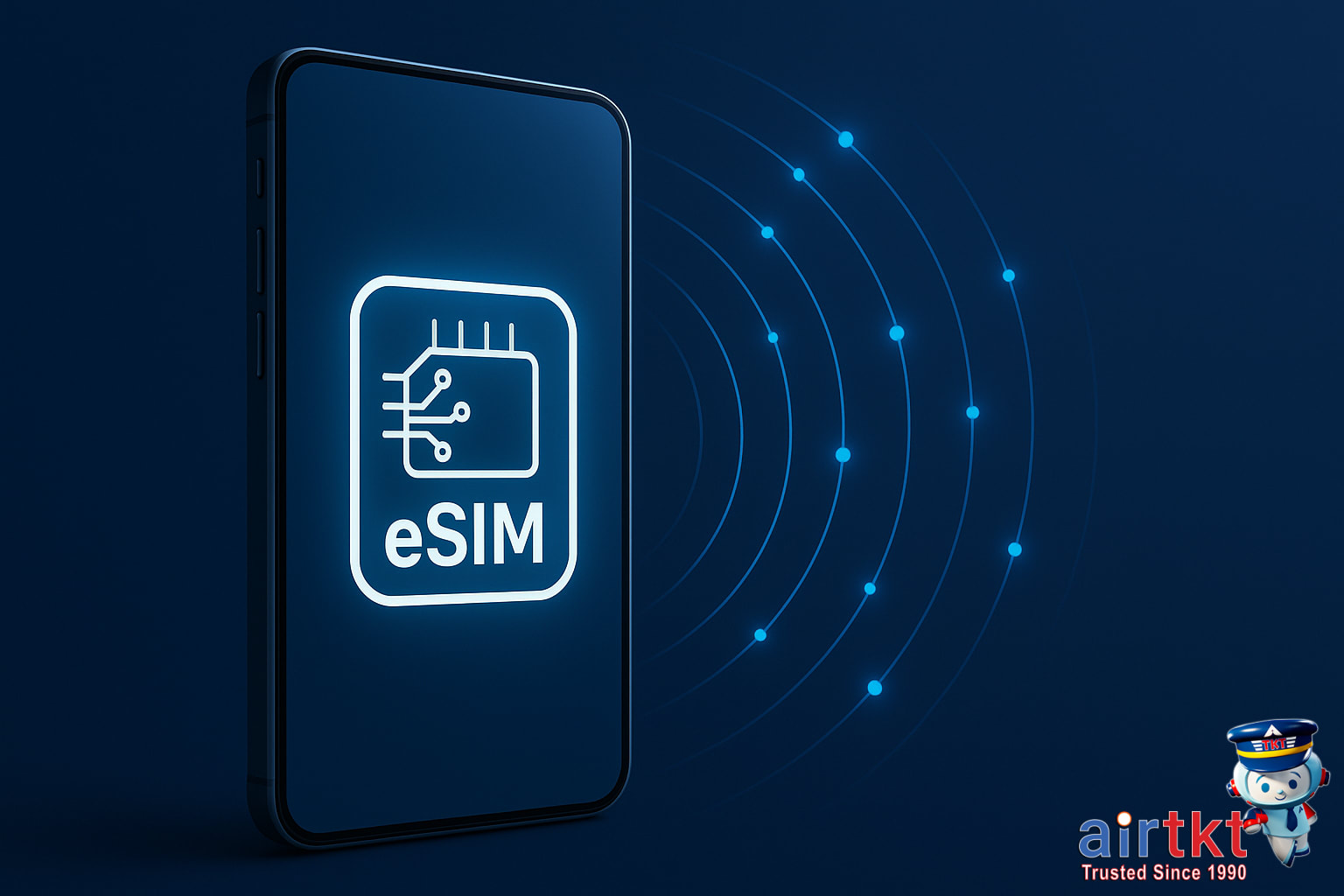
eSIM stands for “embedded SIM,” which means the SIM is built directly into your phone or device instead of being a removable card. With eSIM technology, travelers can download digital carrier profiles, store multiple phone numbers, and switch between them without handling any physical SIM cards. The whole process is managed through settings on your phone—no more fiddling with tiny trays or worrying about losing a SIM card while on the road.
This flexibility can make international travel much easier. If you land in a new country, you can instantly activate a local carrier’s plan by scanning a QR code or using your phone’s settings menu. There’s no need to find a physical SIM store at the airport or downtown. In my experience, using an eSIM has saved me time (and a little stress) when I needed data quickly after landing in a new city.
An added advantage is that most eSIM-compatible phones allow you to keep multiple profiles active at once. For example, you can maintain your home number for messaging while using a local data plan for easy internet access. This is a huge win for frequent travelers and business users who want to avoid juggling multiple devices or swapping SIMs in and out. Switching between carriers is as easy as toggling a few settings, with no tools required.
Roaming vs Local SIM vs eSIM Compared
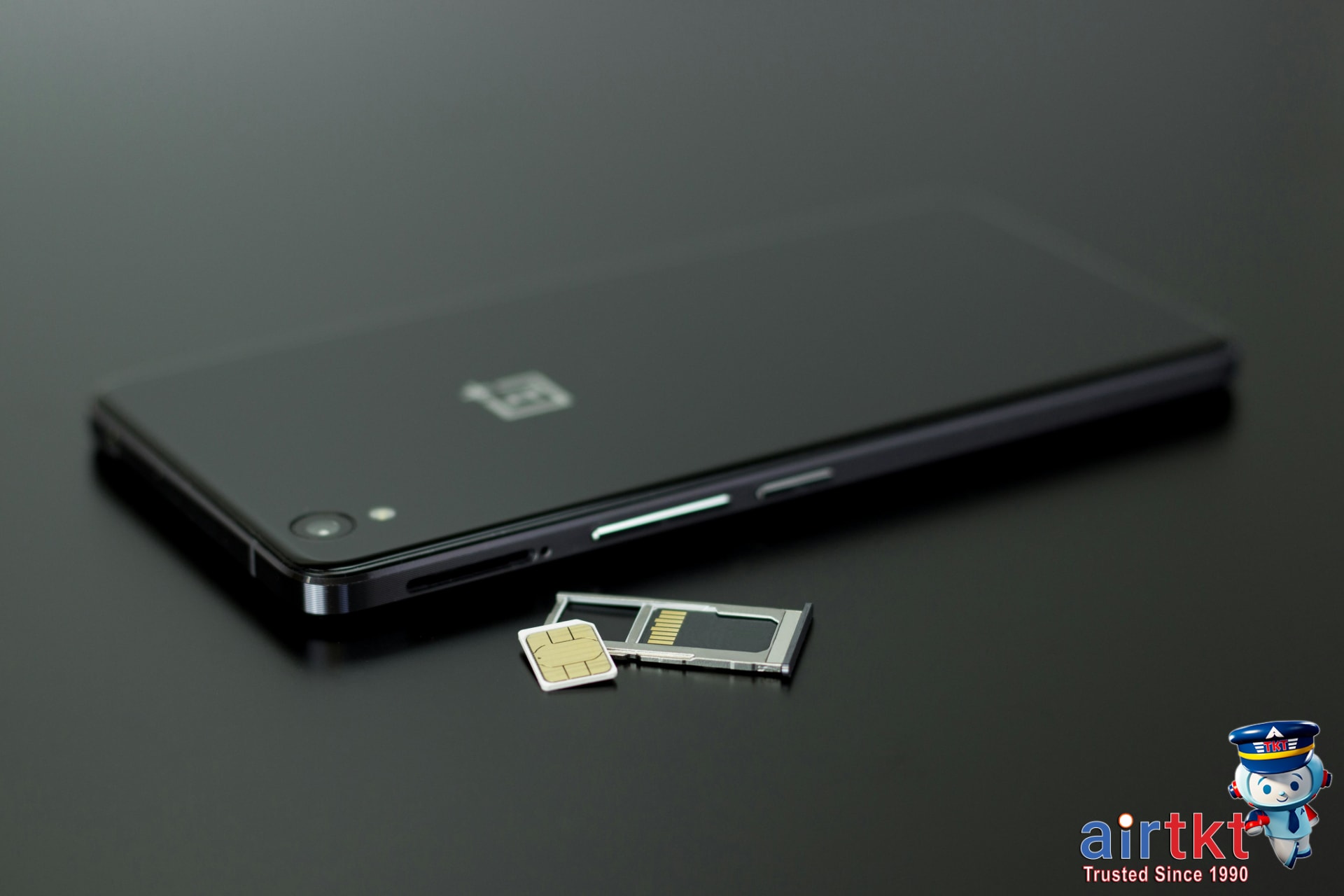
Staying connected abroad doesn’t have a one-size-fits-all answer. Roaming, local SIM cards, and eSIMs each offer their own mix of convenience, cost, and effort—which can make the choice surprisingly personal. Here’s a practical side-by-side look at how they stack up.
Cost and Convenience
Roaming with your existing carrier is easily the simplest: just land, turn on your phone, and you’re online. This hands-off approach is ideal for quick business trips or layovers, but it’s usually the priciest. Expect to pay about $10.00 per day for international roaming on many U.S. carriers (always check your own plan before you fly).
Local SIM cards, on the other hand, are clearly the winner for longer stays or data-heavy travelers. For about $20.00, you can often get a prepaid SIM with several gigabytes of data valid for a month. Setup involves swapping out your existing SIM card (which means losing access to your home number), but you’ll enjoy local rates and often better coverage in less-touristy areas.
eSIMs straddle the middle ground of cost and convenience. If your phone supports eSIMs, you can browse, purchase, and activate a data plan online before you land—no need to hunt for a store. Prices vary, but international eSIM packages commonly run around $15.00 for moderate data over a week. I loved using an eSIM for a week in Europe because it took less than ten minutes to set up and didn’t require handling any tiny cards or risking my original SIM.
Setup Complexity and Suitability
- Roaming: Minimal setup, best for very short trips, but costly if you’re abroad for more than a couple of days.
- Local SIM: Most work up front—find a kiosk, show your passport, and swap cards—but ideal for travelers staying a week or longer, study abroad, or anyone who needs a lot of data.
- eSIM: Requires a compatible phone, but great for frequent travelers, digital nomads, or anyone who wants a flexible plan and no physical cards to juggle.
In my experience, choosing the right option comes down to trip length and your comfort with technology. I’d pick roaming for a three-day business trip when I’m pressed for time, but for a two-week vacation, a local SIM or eSIM saves a lot of money and frustration. Frequent flyers, especially in multiple countries, will find eSIMs a flexible and stress-free solution.
Essential Tips For Using Phones Abroad
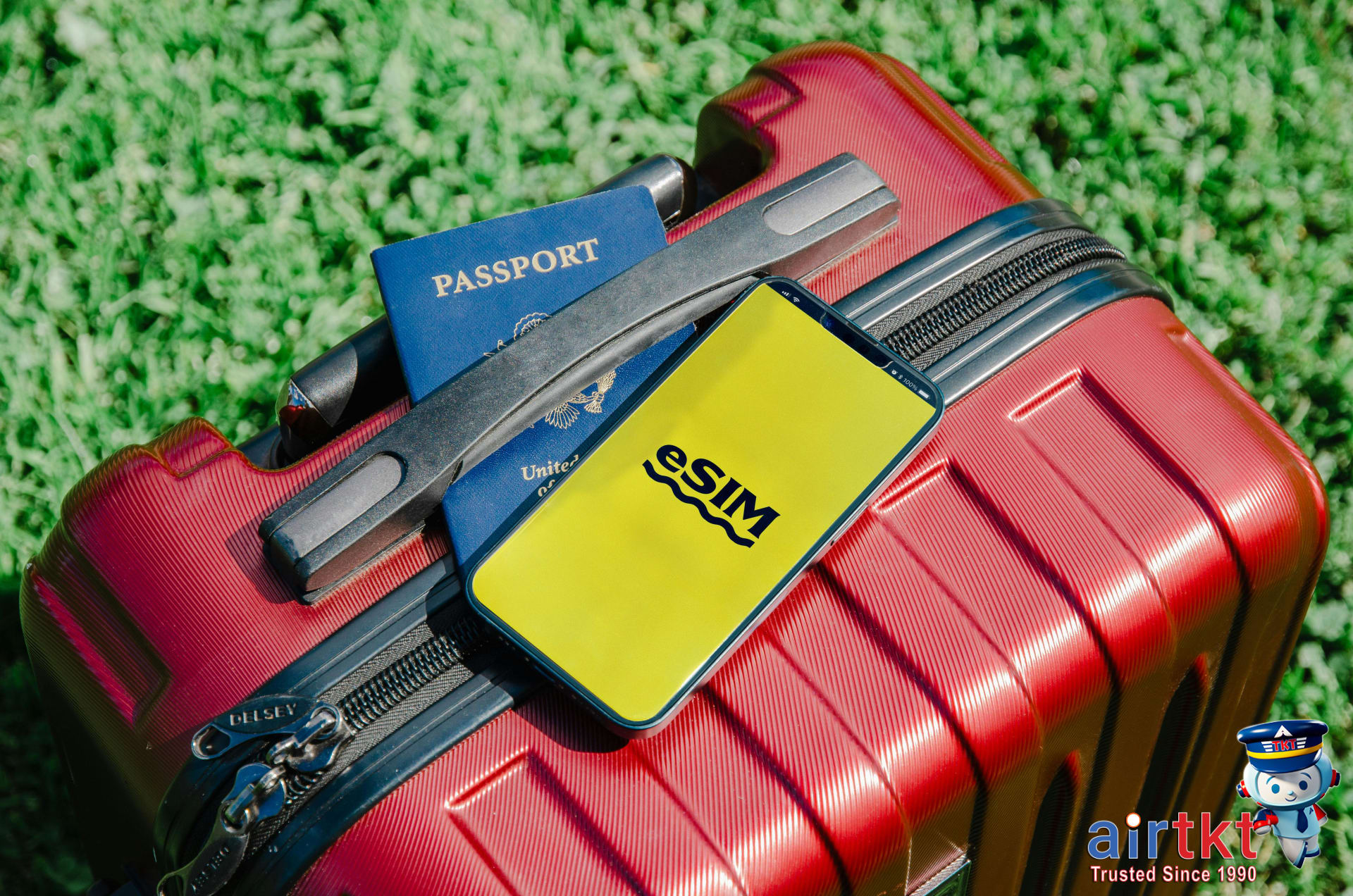
Using your phone overseas is convenient, but a few small steps can save you some real headaches—and unexpected fees—when you return home. At the very top of my prep list: turning off data roaming before I even step on the plane. A single overlooked setting once led to an eye-watering bill that I easily could have avoided, so now I always take a few minutes to adjust my settings before every international trip.
Manage Data and Settings
The basics are simple but crucial. Start by switching off data roaming in your phone’s cellular options. Even a quick sync or background update abroad can rack up charges in the background. Most smartphones also let you set a data usage limit; I like to set this as a backup, so I get notified before things get out of hand. Downloading offline maps is a lifesaver—I usually do this in hotel Wi-Fi so I’m never reliant on an internet signal to find my way. Installing emergency apps that work without a connection is another safeguard I strongly recommend.
Security and Backup Practices
Protecting your phone should be part of your travel checklist. Always use a screen lock, and consider turning on remote-finding features in case the device is lost or stolen. Back up your contacts and photos to a cloud service before you travel. I’d also avoid connecting to unfamiliar public Wi-Fi networks for anything sensitive, as these can be risky, and use a VPN if you do need secure access.
If you want a broader pre-trip checklist to make sure you don’t miss anything, you might find the airtkt.com travel checklist and safety tips helpful for peace of mind.
Integrating Connectivity Into Your Travel Budget
Adding international phone and data expenses to your travel budget isn’t just good sense—it’s essential if you want to avoid unpleasant surprises. In my experience, planning for roaming fees and local SIM costs right alongside flights or hotels helps you see the real cost of your trip upfront. This approach works whether you’re looking to save every dollar, planning some splurges, or going full luxury.
Below is a sample budget table that blends connectivity expenses into the overall picture for Budget, Mid-range, and Luxury travelers. The “Transport” category is a common place to group communication costs if paying for public Wi-Fi, local SIMs, or international roaming. Ideally, you’ll make a line item for your expected phone costs—think about what you’d normally spend at home, then check carrier rates for your destination.
| Budget | Mid-range | Luxury | |
|---|---|---|---|
| Accommodation | $35.00 | $85.00 | $210.00 |
| Food | $12.00 | $35.00 | $80.00 |
| Transport (includes connectivity) | $9.00 | $25.00 | $65.00 |
| Activities | $18.00 | $55.00 | $120.00 |
For Budget travelers, this means using low-cost eSIMs or free Wi-Fi wherever you can, with about $9.00 a day covering both local transport and basic connectivity. For Mid-range journeys, $25.00 typically allows for a reputable SIM package or limited roaming plus rideshares. Luxury travelers often budget around $65.00 for seamless roaming and private transfers. I’ve found that anticipating these expenses removes stress and makes trip planning much smoother.
Frequently Asked Questions on International Roaming

There’s no shortage of confusion when it comes to connectivity abroad—I’ll admit, even I’ve had to double-check SIM card settings or look up what eSIM means at the airport. That’s why below, I’ve compiled answers to the most common questions travelers ask about international roaming, eSIMs, and picking the right phone plan or SIM card overseas.
- What is international roaming, and how does it work?
International roaming allows your phone to connect to networks outside your home country so you can call, text, or access data abroad. Your carrier partners with local providers, but usage often leads to significant extra charges. It’s best to review your plan’s roaming options before your trip and consider alternatives like local SIMs.
- How can I avoid high international roaming charges?
Turning off data roaming in your phone’s settings and using Wi-Fi whenever possible dramatically reduces costs. I usually recommend buying a prepaid local SIM or eSIM for more affordable rates than most carrier roaming plans. Checking with your carrier about special travel data packages is also a practical step before your departure.
- Are eSIMs safe and practical for travel?
eSIMs are generally safe and quite convenient for travelers. They let you add a digital SIM profile to your device—no physical card needed. Many reliable providers offer eSIMs for destinations worldwide, and the setup is quick if your phone is compatible. Just make sure your phone supports eSIM technology before you purchase.
- Should I buy a local SIM card at my destination?
Buying a local SIM card is often the most cost-effective way to get calls, texts, and data while traveling. You’ll typically need your passport to register and an unlocked phone. This solution is especially handy for longer stays or if you rely on data-heavy apps that cost more with standard roaming.
- What is the difference between eSIM and a physical SIM abroad?
An eSIM is a digital SIM profile you install directly on your phone, while a physical SIM is a removable chip. eSIMs allow for faster setup and switching between providers, but only work on compatible devices. Physical SIMs are available in most kiosks, whereas eSIMs are often purchased online or through carrier apps.
- How do I know if my phone is unlocked for other SIM cards?
To check if your phone is unlocked, try inserting a SIM card from a different carrier and see if it works. You can also contact your home carrier customer service. Carriers generally unlock devices once you’ve fully paid for your contract or device, so verify before you travel to avoid any unexpected issues.
- Do international roaming charges apply to Wi-Fi use?
International roaming charges only apply when your phone uses a cellular network outside your home carrier’s coverage. If you connect to Wi-Fi, you won’t incur roaming fees for internet use, but calls or texts via your regular mobile number will still cost extra unless you’re using internet-based calling apps.
If you still have questions or run into issues abroad, I’d suggest starting with airtkt.com’s customer help page for direct support.
Planning Ahead for Smooth Connectivity

No matter where you’re headed, having a game plan for staying connected makes a world of difference. From international roaming to picking up a local SIM card or switching to an eSIM, those upfront decisions let you enjoy your trip with less worry about your phone bill—or losing touch with home. Taking a little time to research your options and line up the right solution before you go is a small step that pays off big once you land.
Personally, I always feel way more prepared once I’ve confirmed my device is ready—my SIM sorted, eSIM downloaded, and a backup saved. That sense of readiness means I can focus on the fun, not connectivity headaches, after leaving the airport.
Before you book your next trip, don’t forget to factor in your connectivity strategy along with your flights and stays. I’d recommend starting your travel planning at airtkt.com—it’s easy to build your itinerary and, while you’re at it, check off your connectivity list for a truly relaxed start.