
Discovering the Meaning of Día de Muertos
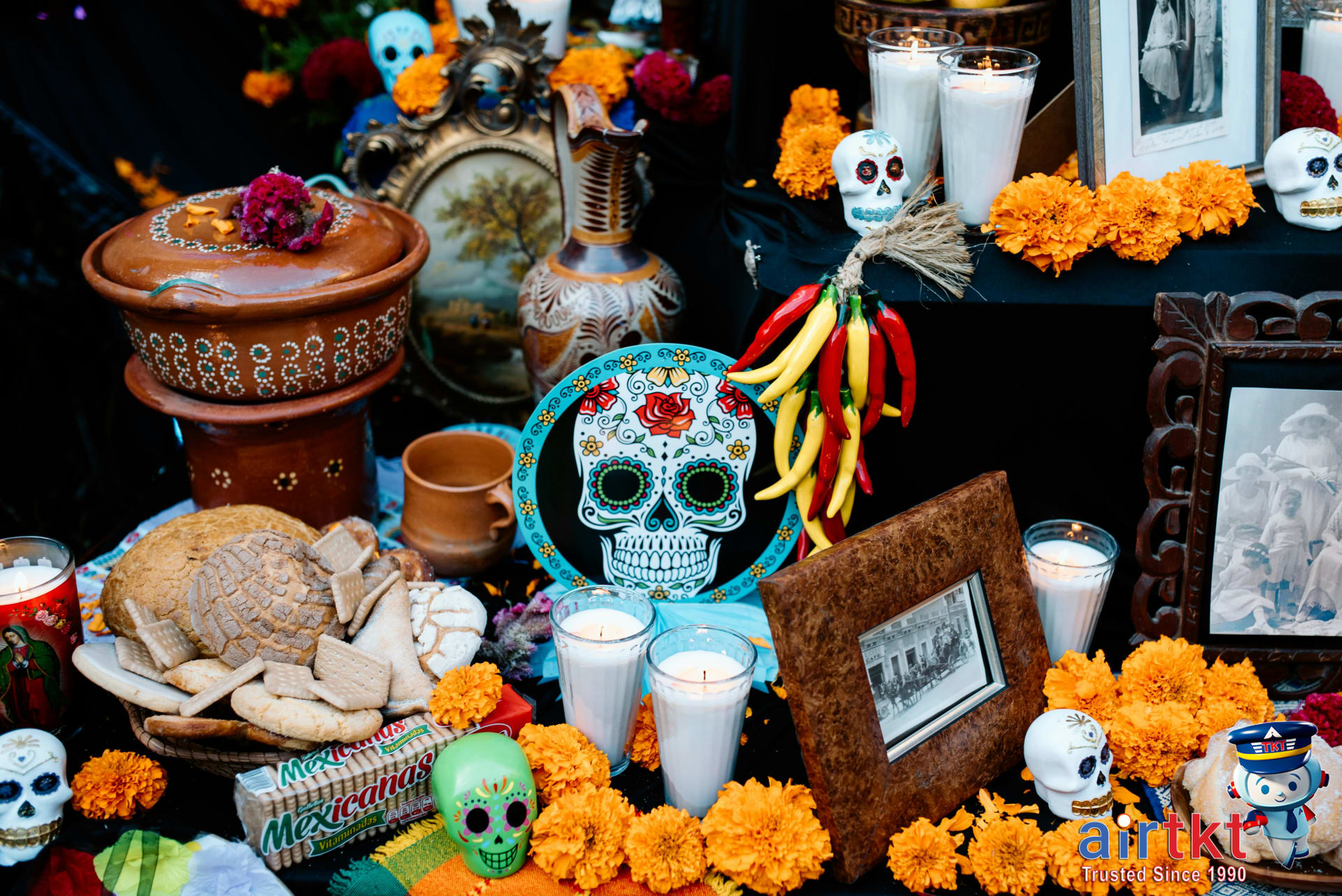
Día de Muertos, or Day of the Dead, isn’t just a festive occasion—it’s a deeply rooted Mexican tradition that honors loved ones who have passed. This holiday, celebrated mainly on November 1st and 2nd, transforms towns and cities into brilliant tapestries of color, music, and remembrance. Families gather to create altars (ofrendas) full of marigolds, candles, cherished photos, and favorite foods of the departed, blending joy with memory in a way that feels both profound and uplifting.
When I first experienced Día de Muertos in Mexico, I was moved by its heartfelt community spirit. The atmosphere may seem lively with its painted skulls and elaborate parades, but underneath, it is grounded in respect for ancestry and shared remembrance—quite different from the spooky thrill of Halloween. While Halloween focuses on costumes, candy, and fright, Día de Muertos centers on reunion and reverence rather than fear.
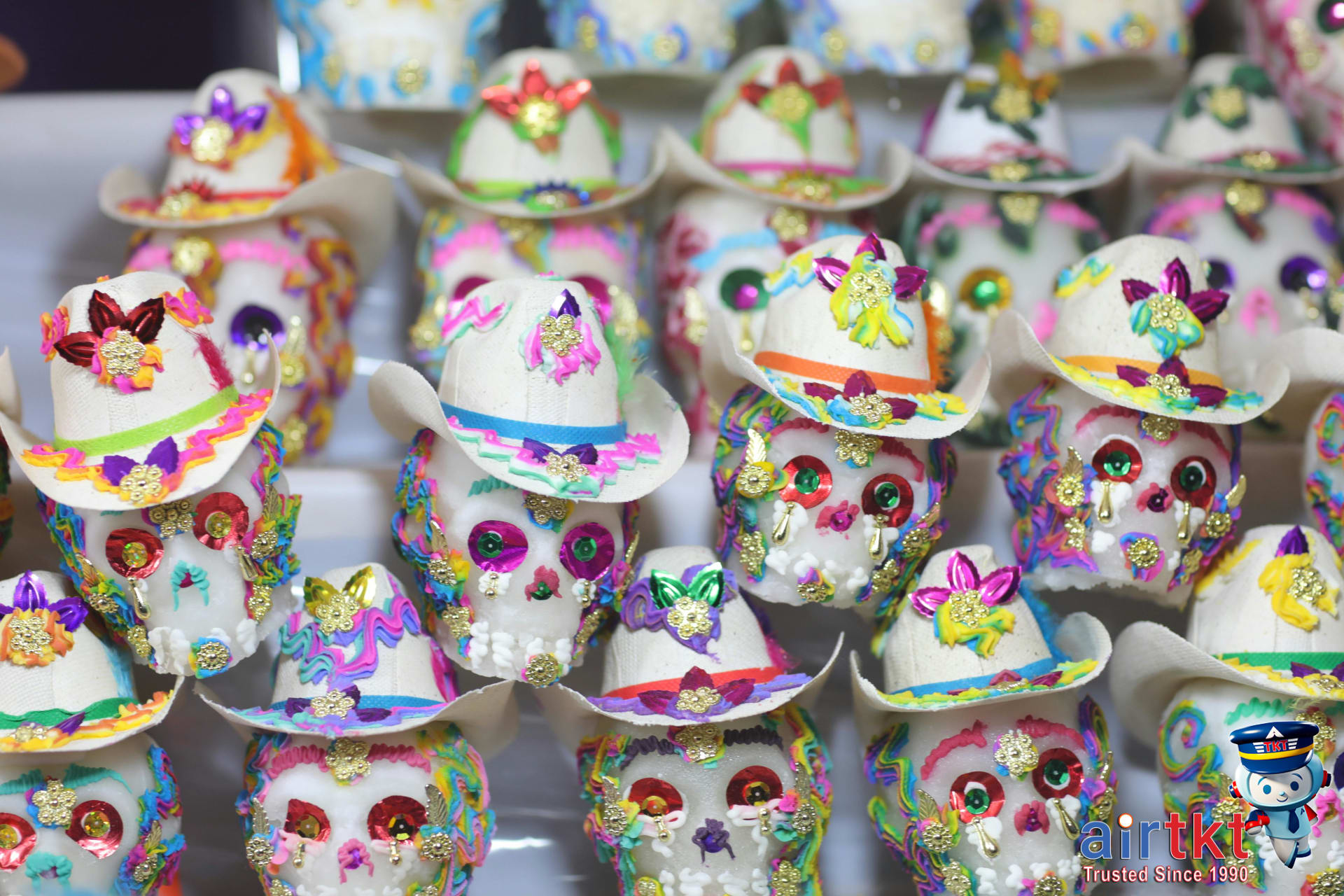
If you’re curious about local customs, the best way to start is to explore local markets in the days leading up to the festival. Here, you’ll find artisans crafting sugar skulls, vibrant papel picado banners, and traditional foods like pan de muerto. Taking time to see these preparations up close makes the celebration even more meaningful, and you’ll get an authentic glimpse into the heart of Mexican culture. To broaden your understanding of other unique Mexican celebrations, you might want to check out our guide to Mexican cultural festivals as well.
Día de los Muertos Traditions Unveiled
The heart of Día de los Muertos beats in its cherished traditions. Central to the celebrations are ofrendas—ornate altars lovingly built in homes or public spaces to honor departed loved ones. These altars usually feature vibrant photos, candles, decorative papel picado, small keepsakes, and most meaningfully, offerings of food, drinks, and favorite items of those being remembered. I always find the intricate altar designs deeply meaningful; every detail, from a faded family photo to a hand-carved figurine, is a sign of ongoing love that bridges generations.
Marigolds, or cempasúchil, are another unmistakable element of Día de los Muertos. Their bright orange petals are often sprinkled on altars or formed into paths leading spirits home. The marigolds’ strong scent and vivid color are thought to help guide souls back for their visit. Alongside these flowers, calaveras—decorated sugar skulls—add a whimsical, colorful note. These skulls aren’t meant to be frightening. Instead, they celebrate life and individuality, often sporting names or playful designs, and are both a treat for kids and a piece of meaningful art.
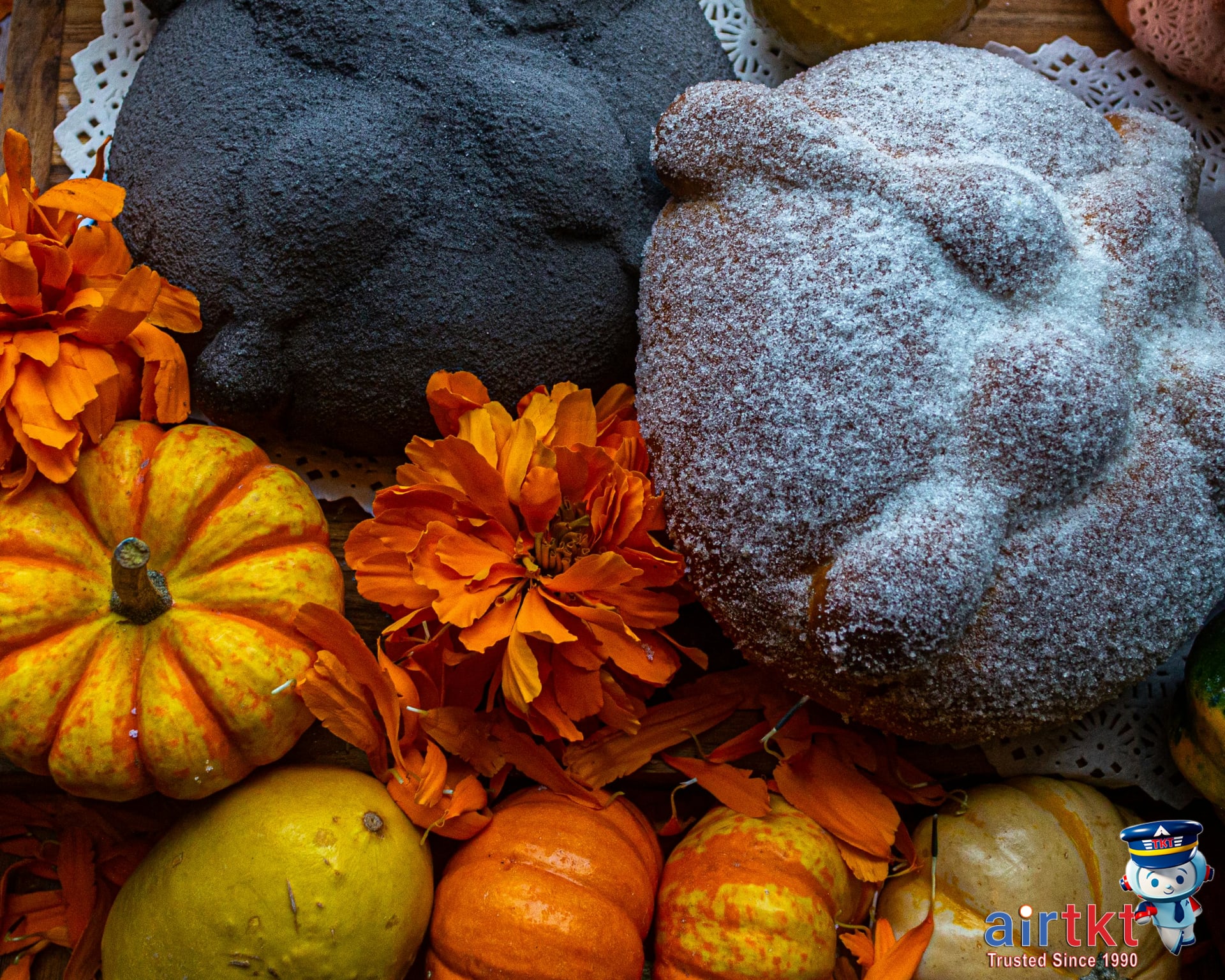
Food brings another layer to these traditions, and nothing is more iconic than pan de muerto, a slightly sweet bread topped with shapes that represent bones and tears. This bread often sits on ofrendas or is enjoyed with hot chocolate as families gather to share memories. If you’re curious about the food culture connected to the holiday, you might enjoy exploring this guide to Mexican cuisine for more depth.
Top Cities for Día de Muertos
If you want to experience Día de Muertos in its full glory, these cities deliver memorable celebrations with their own unique twist. Each destination has its own traditions, parades, and flavors, making November an exciting time to visit. In my experience, each city’s festivities feel a little different—here’s what stands out in the country’s most popular spots.
Mexico City’s Massive Parade
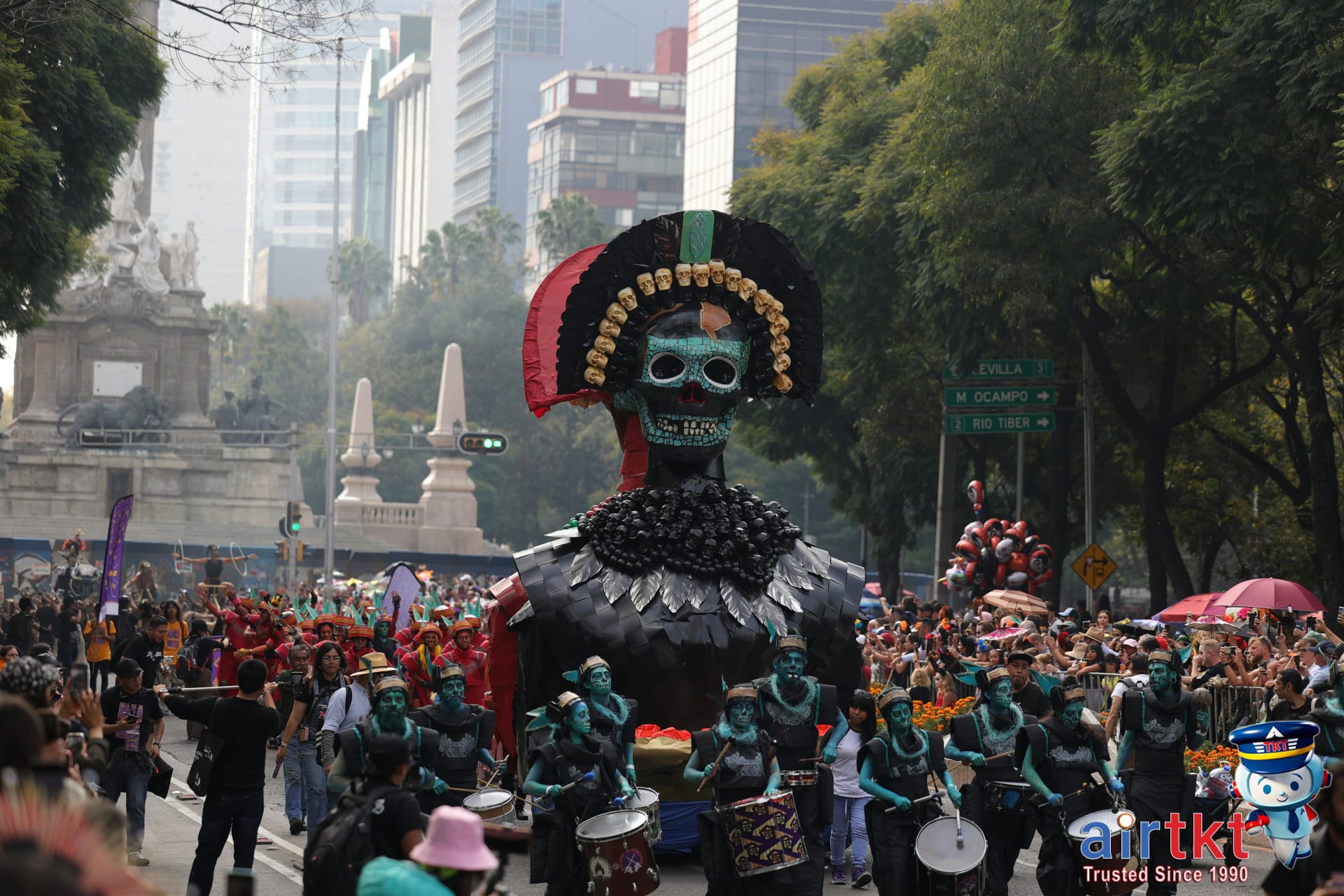
Mexico City’s Día de Muertos events are on a grand scale. Travelers flock here for the enormous downtown parade featuring larger-than-life puppets, dancers, and vibrant costumes. Altars (ofrendas) line the streets and public spaces, and you’ll find detailed installations at major landmarks. If you’re planning your itinerary, check out this Mexico City travel guide for practical tips on navigating the capital during these festivities.
Oaxaca’s Authentic Traditions
Oaxaca is my personal favorite. The city hosts candlelit cemetery vigils and parades (called comparsas) that wind from the main square through historic neighborhoods. What sets Oaxaca apart is how the whole community gets involved—expect traditional foods, sand tapestry displays, and smaller village celebrations around the city. If you’re curious about planning your trip, this Oaxaca travel guide is a good place to start.
Puebla’s Historical Festivities
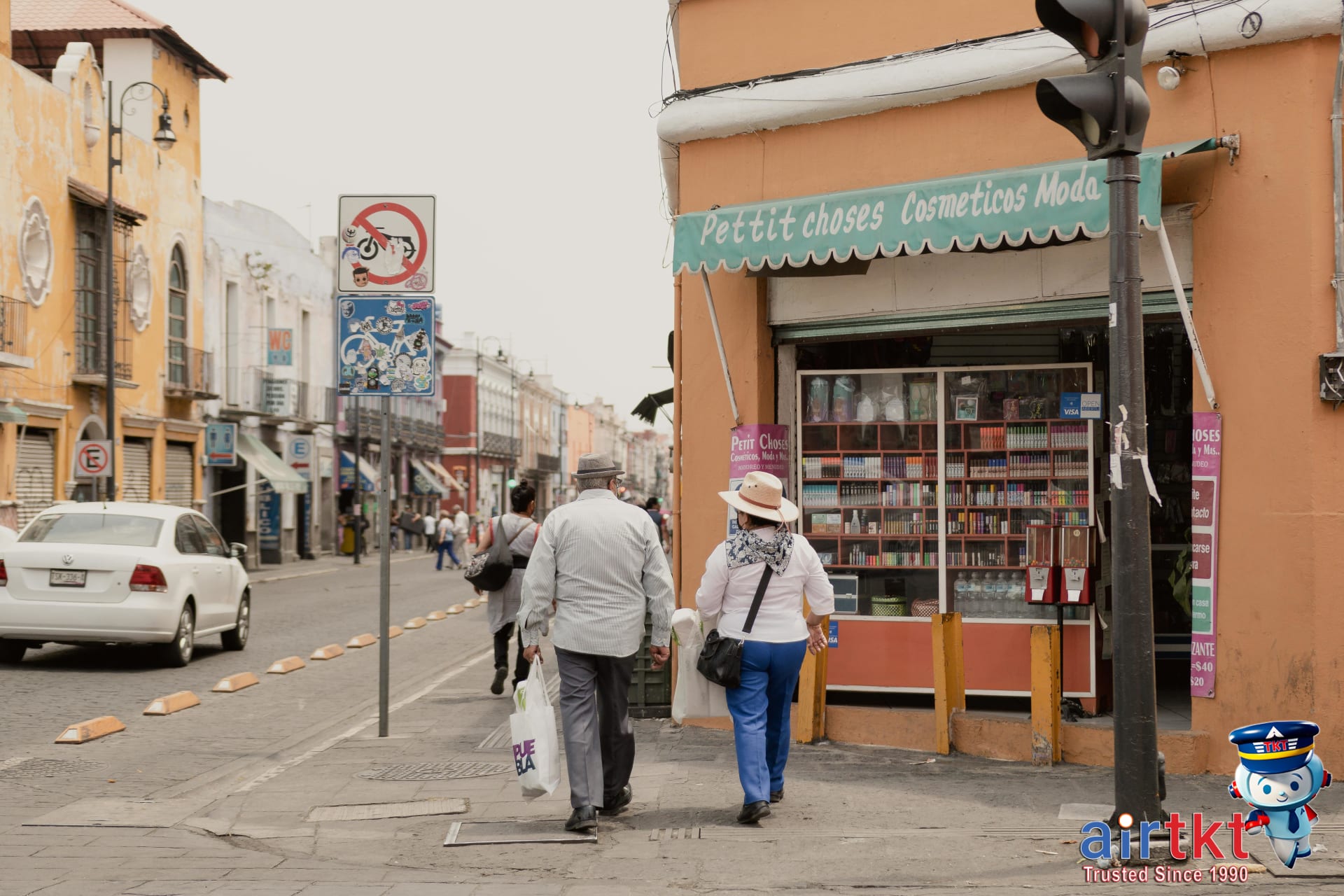
Día de Muertos in Puebla blends colonial history with regional crafts. The city decorates churches and markets with papel picado, and special altars are built to honor the dead. Visitors can enjoy local sweets, watch processions, and spot artisans’ intricate sugar skulls in the city’s historic center. Puebla’s atmosphere is festive but feels more intimate than Mexico City’s scene.
Michoacán’s Island Celebrations
In Michoacán, the action centers around Lake Pátzcuaro and the island of Janitzio. Families travel by candlelit boats to cemeteries where graves are decorated with marigolds, candles, and offerings. This region is famous for its Purépecha traditions, which create a magical nighttime setting unlike anywhere else. The experience in Michoacán is peaceful, soulful, and rooted in indigenous customs.
Respectful Behavior at Día de Muertos
Visiting Mexico for Día de Muertos is an amazing opportunity to witness tradition, but it comes with a responsibility to show genuine respect for the celebration. When it comes to clothing, modest and subdued attire is best—bright, flashy outfits can distract from solemn moments. If you plan to join a cemetery procession or visit an altar, I recommend avoiding costumes unless you’re invited by locals, as some events are deeply personal for families.
Photography is another area where sensitivity matters. Never snap photos of people’s private altars or ceremonies without first asking. I always make sure to ask before photographing altars or ceremonies because it’s a moment of remembrance, not a public display. You’ll find many people are happy to share their traditions if you approach them respectfully, but always be prepared to accept a “no.”
Participating in Día de Muertos customs also means tasting some traditional foods. Pan de muerto—a soft, sweet bread decorated with dough “bones”—is everywhere during the festival. Other specialties include tamales and hot chocolate, enjoyed during gatherings at homes and cemeteries. Accepting a small bite or sharing food is considered polite, but don’t treat it as just another treat; it carries real meaning for families.
Immersive Day of the Dead Traditions
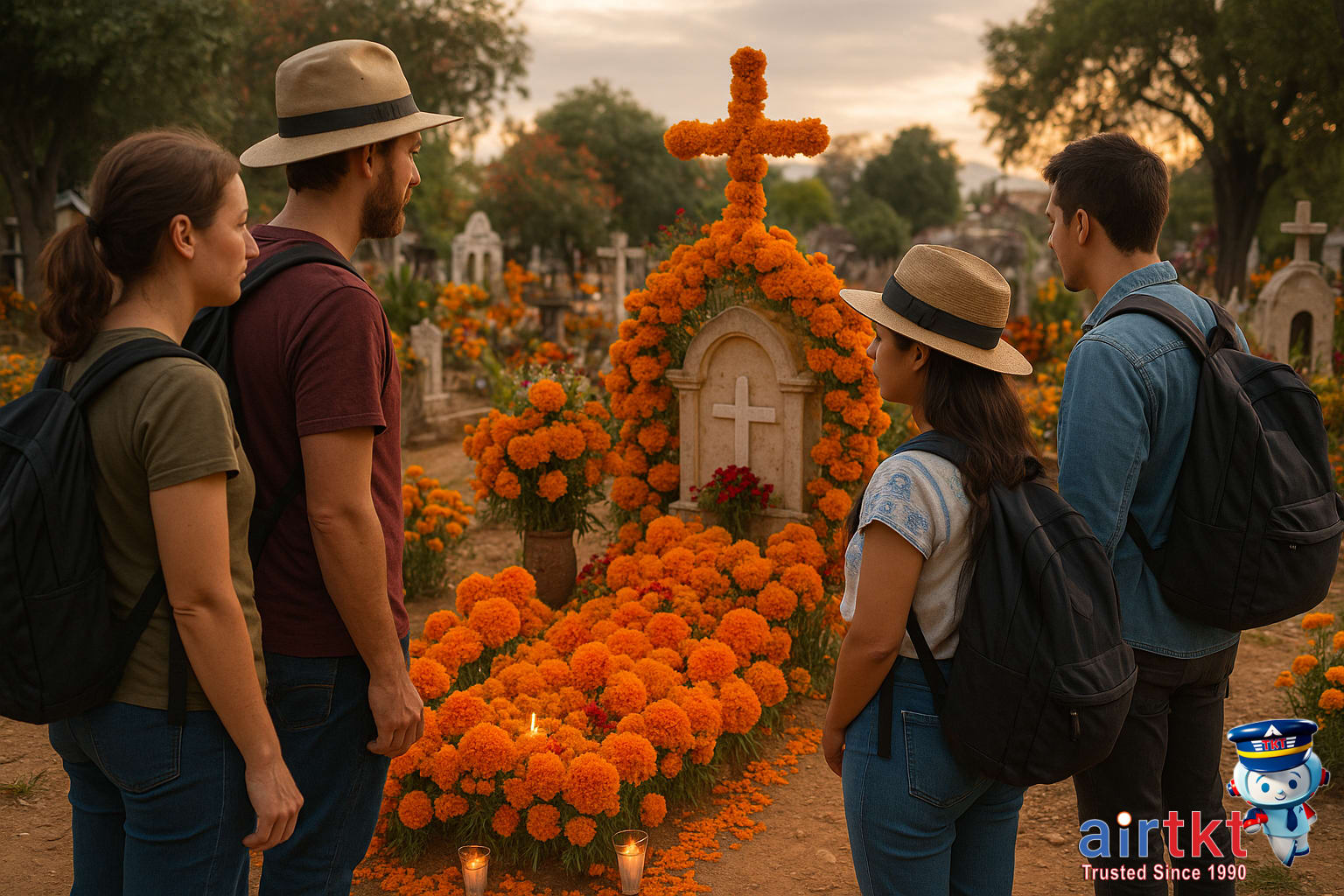
If you’re searching for a more authentic Día de Muertos experience, consider spending an evening at one of Mexico’s many cemeteries. Family members gather to honor their loved ones by decorating graves with marigolds, candles, and favorite foods. The atmosphere at night is warm, respectful, and filled with quiet music and stories. Visiting a cemetery at night during Día de Muertos was a profound experience for me—the combination of vibrant altars, flickering candlelight, and shared remembrance feels intimate and deeply moving.
Beyond the cemeteries, local artisan markets come alive during the festival. Markets are packed with hand-painted sugar skulls, intricate paper art, scented candles, and unique crafts you won’t find elsewhere. It’s a chance not just to shop, but to watch artisans at work and learn about the region’s creative traditions. I always recommend setting aside a couple of hours to browse and ask questions—you’ll walk away with more than just souvenirs.
Live music also plays a huge role during Día de Muertos, from mariachi bands in plazas to traditional folk performers. Joining a public event or concert in a nearby square is a fun, meaningful way to soak up the cultural atmosphere. You’ll notice how music brings families and communities together, especially as night falls and the festivities grow more vibrant.
Night Celebrations and Vigils Explained
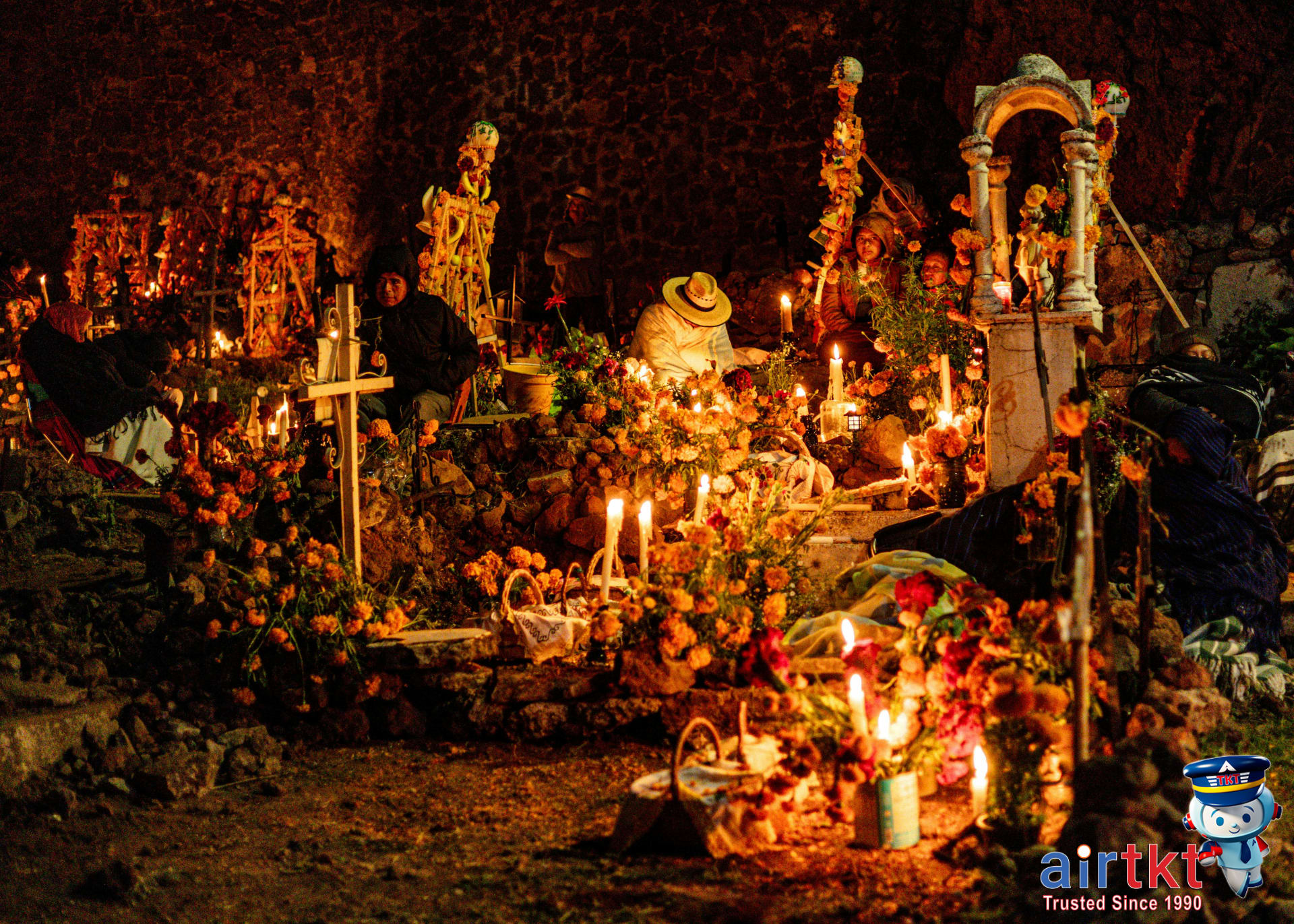
Once night falls during Día de los Muertos, the atmosphere shifts into something truly memorable. Families and friends gather at cemeteries and altars, bringing the celebrations into the quiet lull of evening. Candlelit altars glow softly, marigolds and photos bathed in warm light. Each flickering candle represents loved ones being remembered, and the effect is both solemn and comforting. The candlelit vigils create a peaceful, reflective atmosphere that stays with me long after the event. It’s a time to pause, reflect, and feel connected—both to tradition and those who have passed.
Alongside these quiet moments, nighttime in many towns is also marked by traditional dances and music. You’ll often hear rhythms typical of Mexican culture—sometimes accompanied by costumed performers moving in choreographed celebration. Locals may gather for processions or community performances that weave through the streets or around cemeteries, blending joy with reverence. There’s a strong sense of togetherness, as children, elders, and visitors all participate in the night’s activities.
If you attend, expect to walk on uneven paths, maybe between gravestones or around open-air plazas buzzing with people. In my experience, moving from peaceful candlelit spots to lively dance circles in the cool night air captures the spirit of Day of the Dead: a beautiful balance of memory and celebration.
Decorations and Día de Muertos Symbols
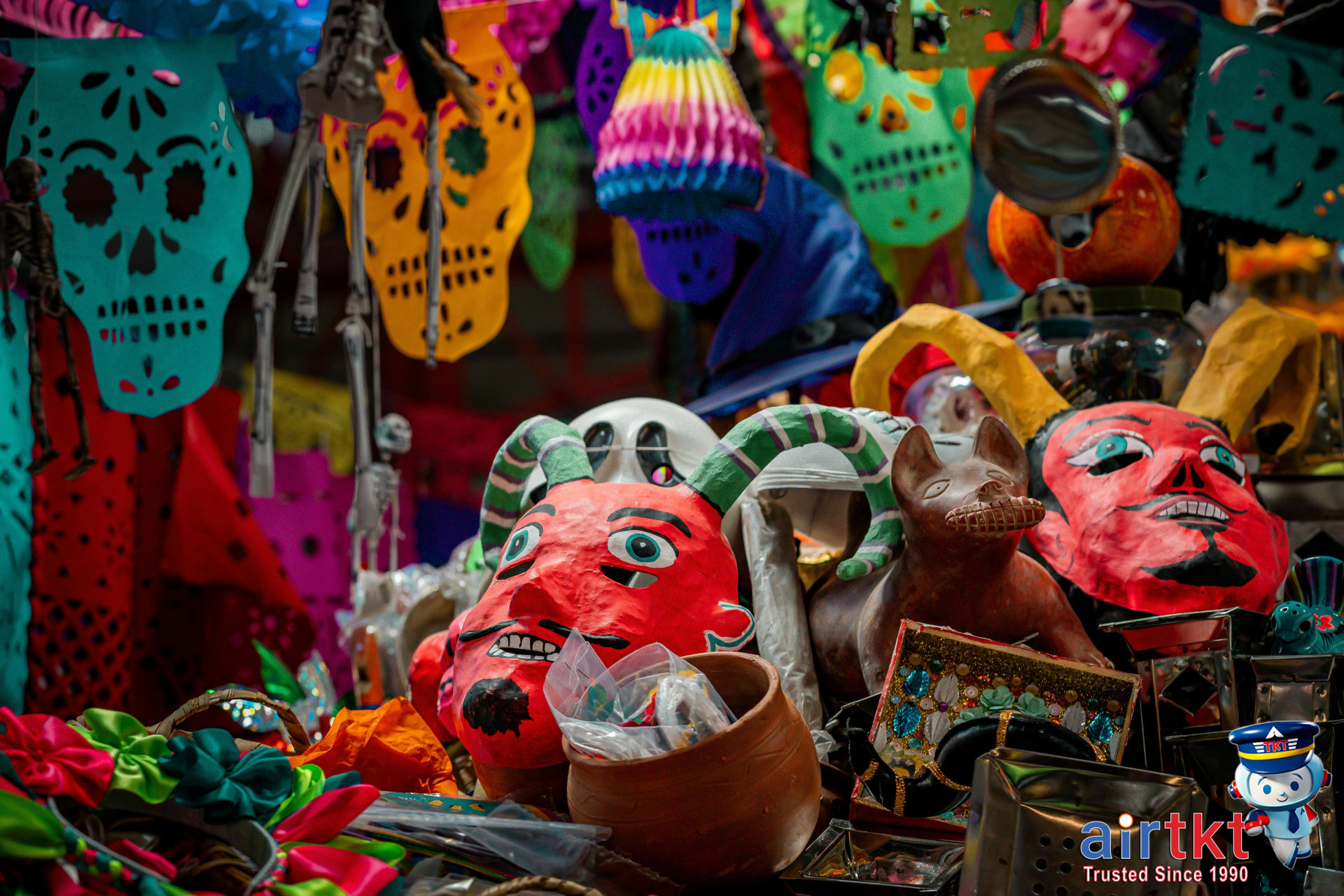
Día de Muertos wouldn’t feel the same without its unmistakable decorations. The streets, altars, and graveyards bloom with color thanks to hand-cut papel picado, elegant Catrinas, and bright marigold flowers everywhere you look. I love seeing the vibrant papel picado banners fluttering in the wind, their intricate patterns casting soft shadows in the late afternoon sun.
Papel picado is more than just festive confetti—it’s a tradition passed down through generations. Each delicate sheet is carefully chiselled by hand from colorful tissue, and the detailed designs often tell stories or reference the joyful cycle of life and death. Seeing an entire street decorated this way is something you have to experience in person—it’s instantly uplifting.
Then come the Catrinas: skeletons rendered with flair, dressed in elegant Victorian or traditional Mexican attire. These iconic figures are a playful reminder to treat death with humor and respect. You’ll spot them painted on walls and displayed in markets, a staple of every Día de Muertos celebration.
Marigolds, or cempasúchil, are another essential decoration. Their rich orange and yellow petals line paths, altar steps, and gravestones. They aren’t just pretty—their scent and color are said to guide spirits home. Whenever I see streets and plazas covered in marigolds, it’s a testament to both life and remembrance woven into the fabric of the festival.
Significance Of Costumes And Face Painting
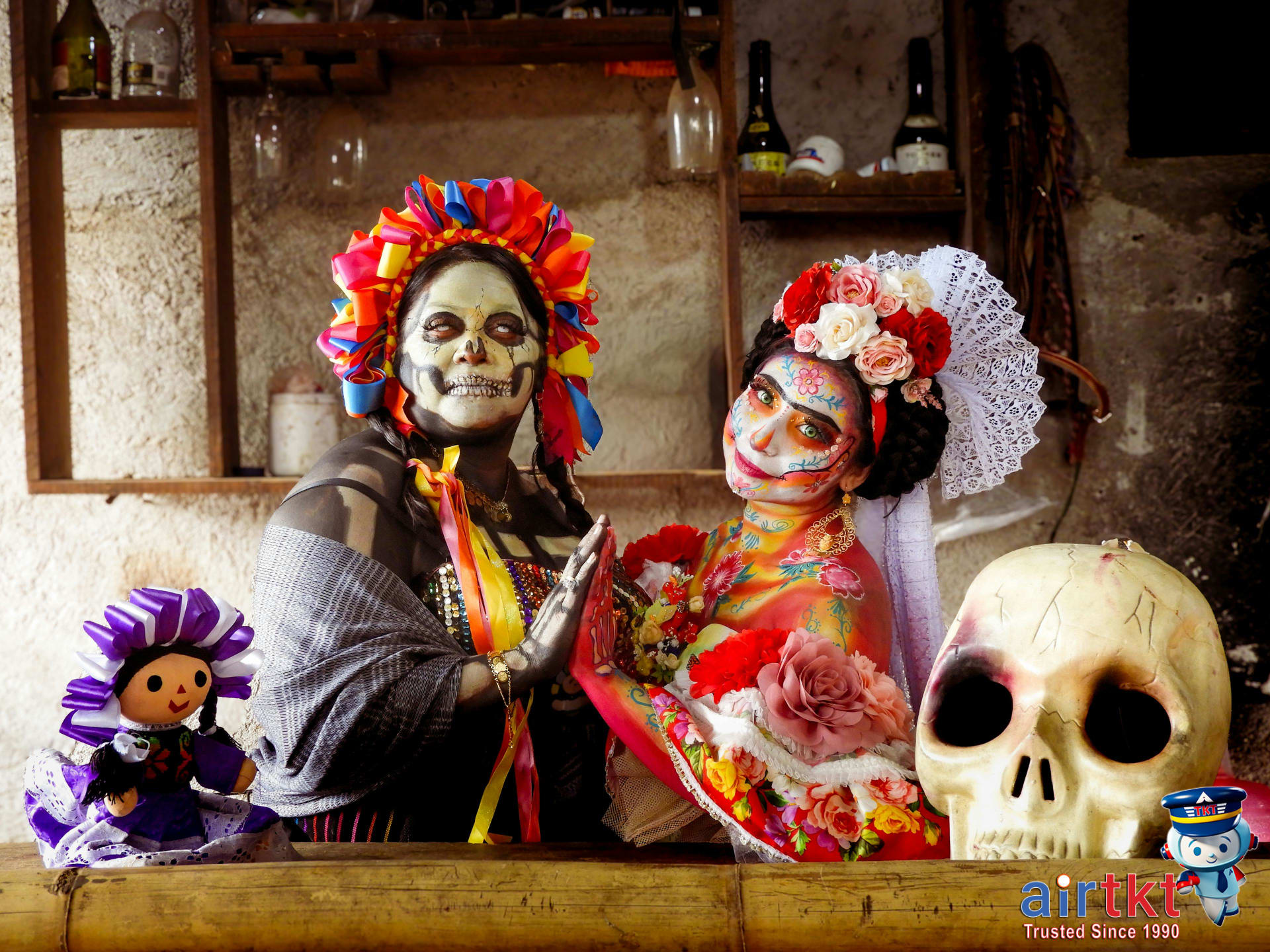
Dressing up and painting your face as La Catrina is more than a festive tradition—it’s a profound way to honor the Day of the Dead’s spirit. La Catrina, recognizable by her elegant skeletal appearance and elaborate hats, was first created as social satire but now stands as a symbol reminding us all to embrace mortality as part of life. When people gather in vibrant costumes and face paint, it’s not only about looking striking; it’s about connecting to family, memory, and cultural identity.
Trying face paint helped me feel connected to the celebration, especially seeing others join in with pride and care. My own experience made me respect the careful artistry and the strong feelings behind the tradition. If you’re hoping to take part, take a moment to choose your paints wisely. Many markets will offer a variety of colorful products, but I recommend looking for hypoallergenic face paints, especially if your skin is sensitive or you plan to wear paint for hours during parades or festivals.
The costumes are often hand-crafted with thoughtful details—from colorful embroidery to flower crowns and delicate lace. Wearing these pieces lets you participate respectfully, and even simple accessories can bring the symbolic spirit to life. It’s not only creative; it’s also a way to join a community that values remembrance and joy in equal measure.
Marigold Significance in the Festival
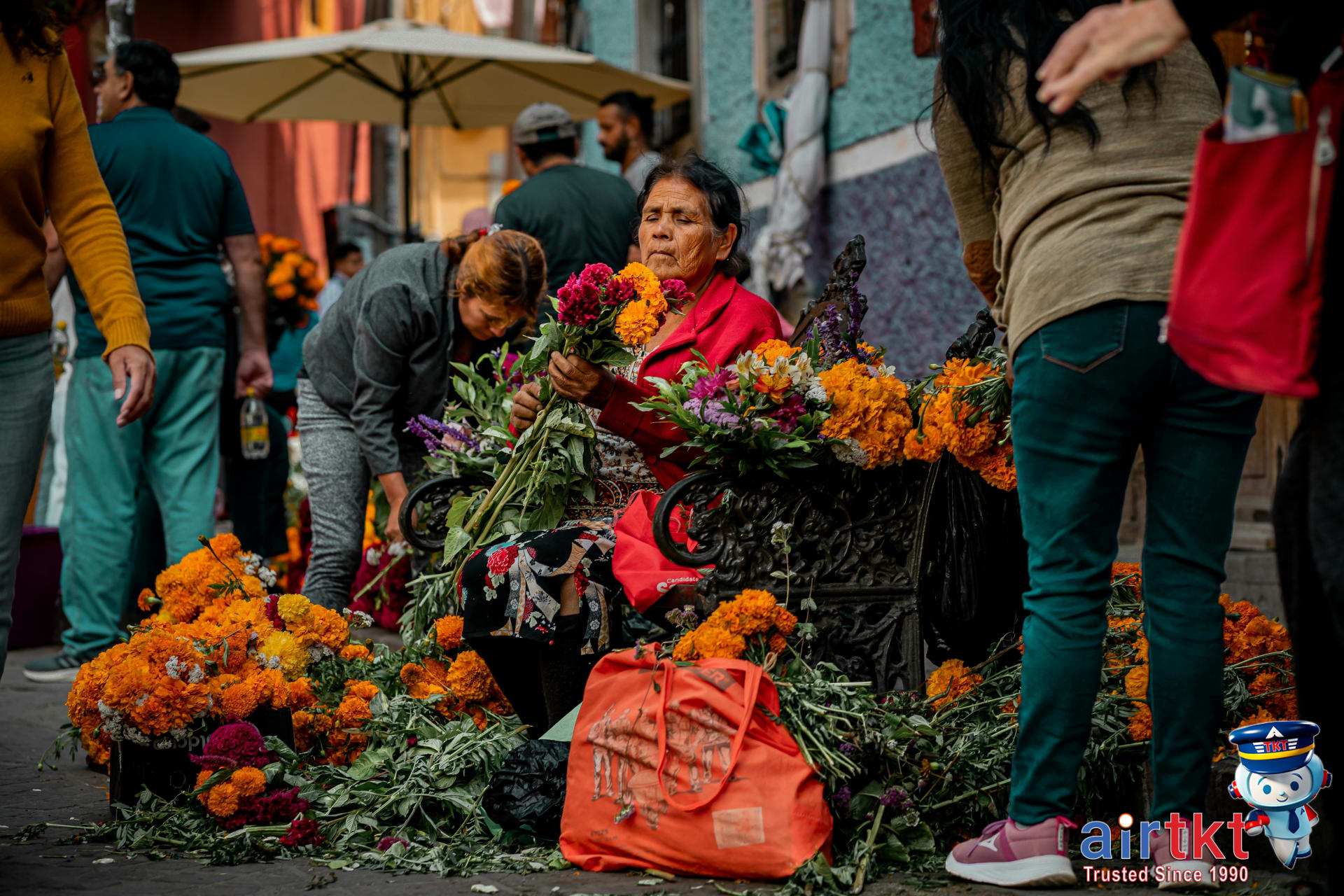
Cempasúchil marigolds are among the most recognizable sights during Día de Muertos. Their bright orange and yellow petals are not just a decorative treat; they have deep roots in both tradition and belief. According to legend, marigolds act as vibrant beacons, guiding the spirits of loved ones back to the world of the living during the festival. The color is thought to represent the sun, helping illuminate the way for visiting souls.
But marigold significance isn’t only about what you see—it’s also about what you smell. The rich, sweet scent of cempasúchil fills plazas, cemeteries, and altars, creating an unmistakable sensory signature for the season. I’ve found that the sweetness of marigold scents helped me feel the festival’s spirit in a direct, almost comforting way, making the rituals feel more alive and heartfelt.
Marigolds are woven into garlands, spread across grave sites, and layered on ofrendas (altars), where their aroma is believed to attract spirits and welcome them home. Bringing fresh marigolds home or to cemeteries is a thoughtful way to honor this tradition and add an authentic touch to your celebration. If you want to experience the marigold magic for yourself, consider joining early morning flower markets; that’s when the freshest and most fragrant blooms are available.
Planning Your Día de Muertos Trip
Planning a memorable Día de Muertos trip starts with nailing your timing. This vibrant celebration happens every year from late October through early November, but you’ll want to arrive a bit before the core festivities to soak in the atmosphere—and to beat the bigger crowds. From what I’ve seen, flying in a couple of days early gives you a better chance to settle in, explore, and catch special events in places like Mexico City or Oaxaca.
Getting There and Around
Mexico City and Oaxaca are two top spots for travelers seeking authentic Día de Muertos celebrations. For flights, I usually recommend comparing multiple airports with flexible travel dates—this simple tweak often leads to more flight options and better fares. On past trips, I found that using airtkt.com helped me find the best flight deals to Mexico during this season, thanks to their fare tools and helpful search filters. Once you’ve landed, buses and budget flights connect most major cities and festival towns if you want to explore beyond your arrival point.
Booking Accommodation Early
Hotels and guesthouses in festival hotspots fill up quickly. I’d treat your lodging as a top planning priority—especially if you want to stay right in the historic center or near popular cemeteries where the marigolds and candles glow all night. Booking a few months ahead locks in better prices and more choices, whether you’re eyeing boutique stays, local B&Bs, or budget hotels.
Smart Booking Resources
If you’re still mapping out your itinerary, start by checking airtkt.com for Mexico travel packages that bundle flights with hotels for main destinations like Mexico City and Oaxaca. The site’s extra perks, such as Nearby Airport Search and Flexible Date Search, make it easier to spot savings you might otherwise miss. For anyone looking to dive deeper, I recommend exploring local Mexico travel guides to uncover neighborhood highlights, festival do’s and don’ts, and real-time event updates.
Día de Muertos Budget Table
It’s easy to get swept up in the festivities during Día de Muertos, but setting a budget before your trip can help you make the most of every experience. I learned firsthand that planning my budget carefully helped me enjoy the festival without overspending. Here’s a breakdown of what you might expect to spend, whether you’re traveling on a shoestring, treating yourself to a bit more comfort, or opting for premium experiences.
| Budget | Mid-range | Luxury | |
|---|---|---|---|
| Accommodation | $25.00 | $70.00 | $200.00 |
| Food | $15.00 | $35.00 | $80.00 |
| Transport | $8.00 | $25.00 | $60.00 |
| Activities | $12.00 | $30.00 | $90.00 |
This table should give you a starting point for planning, but don’t forget—certain cities with bigger celebrations might require a bit more for events and tours. If you’d like more budgeting tips or ideas for planning affordable trips, check related guides on airtkt.com for updated travel insights.
Frequently Asked Questions About Día de Muertos
- What is the Day of the Dead in Mexico?
The Day of the Dead in Mexico, or Día de Muertos, is a tradition honoring deceased loved ones. Families create colorful altars with food, flowers, and personal mementos to celebrate and remember lives passed. It’s a joyful, reflective holiday that blends pre-Hispanic and Catholic customs across different regions of Mexico.
- How is the Day of the Dead celebrated?
Celebrations include building home altars, visiting cemeteries, preparing special foods like pan de muerto, and decorating with marigolds and skull imagery. Parades, music, costumes, face painting, and sharing stories are also common. Participation varies, but every gathering focuses on remembering and honoring ancestors and departed loved ones.
- When does the Day of the Dead in Mexico take place?
The Day of the Dead in Mexico is observed annually on November 1 and 2. November 1 is typically dedicated to children who have passed, while November 2 is for remembering adults. Many families begin preparations and altars in late October to ensure everything is ready for the main festivities.
- Is it safe for tourists to attend Day of the Dead in Mexico?
Most major cities and small towns are generally welcoming and festive, but like any large gathering, travelers should stay aware of their surroundings and avoid displaying valuables. Respectful behavior and following local guidance are essential for having a safe and immersive experience during Day of the Dead in Mexico.
- What should I bring when attending Day of the Dead in Mexico?
Bring comfortable walking shoes, modest clothing, a sweater or light jacket for cool evenings, and a camera—if you plan on taking photos respectfully. Consider packing travel-sized sanitizer, a reusable water bottle, and small change for food or offerings at cemeteries and local events.
- Can tourists take photographs during Day of the Dead in Mexico celebrations?
Photography is usually allowed in public processions and parades, but always ask permission before photographing people or private altars. Many families see this holiday as a personal time with departed loved ones, so polite requests and discretion will be appreciated during Day of the Dead in Mexico.
- Is the Day of the Dead celebrated outside of Mexico?
While its roots are firmly Mexican, similar Day of the Dead celebrations appear in communities throughout the United States and Latin America, especially where Mexican heritage is strong. These celebrations often feature traditional foods and altars, though they might be smaller or less elaborate than in Mexico.
Honoring Traditions During Día de Muertos
As you get ready to experience Día de Muertos, it’s the respect for local customs that truly transforms your trip from a simple vacation into something much deeper. Taking time to understand and honor the traditions—whether that means offering a quiet moment at an altar, participating thoughtfully in processions, or enjoying the culinary rituals—helps you connect to the spirit of the festival instead of just observing it from a distance.
Traveling to experience Día de Muertos enriched my appreciation of Mexican culture deeply. It’s more than just the vibrant marigolds and painted faces; it’s about the stories, memories, and community you become a part of, even briefly. Approaching the festival with openness and respect means you’ll walk away with a far greater understanding and a sense of genuine participation.
For those looking to dive further into cultural travel, you might find more inspiration in articles about airtkt.com’s favorite destinations that highlight the richness and diversity of Mexico beyond Día de Muertos. No matter where you go, taking the time to observe, listen, and join in thoughtfully ensures your visit is meaningful—not just for you, but for the people who welcome you.