
What VAT Means For International Travelers
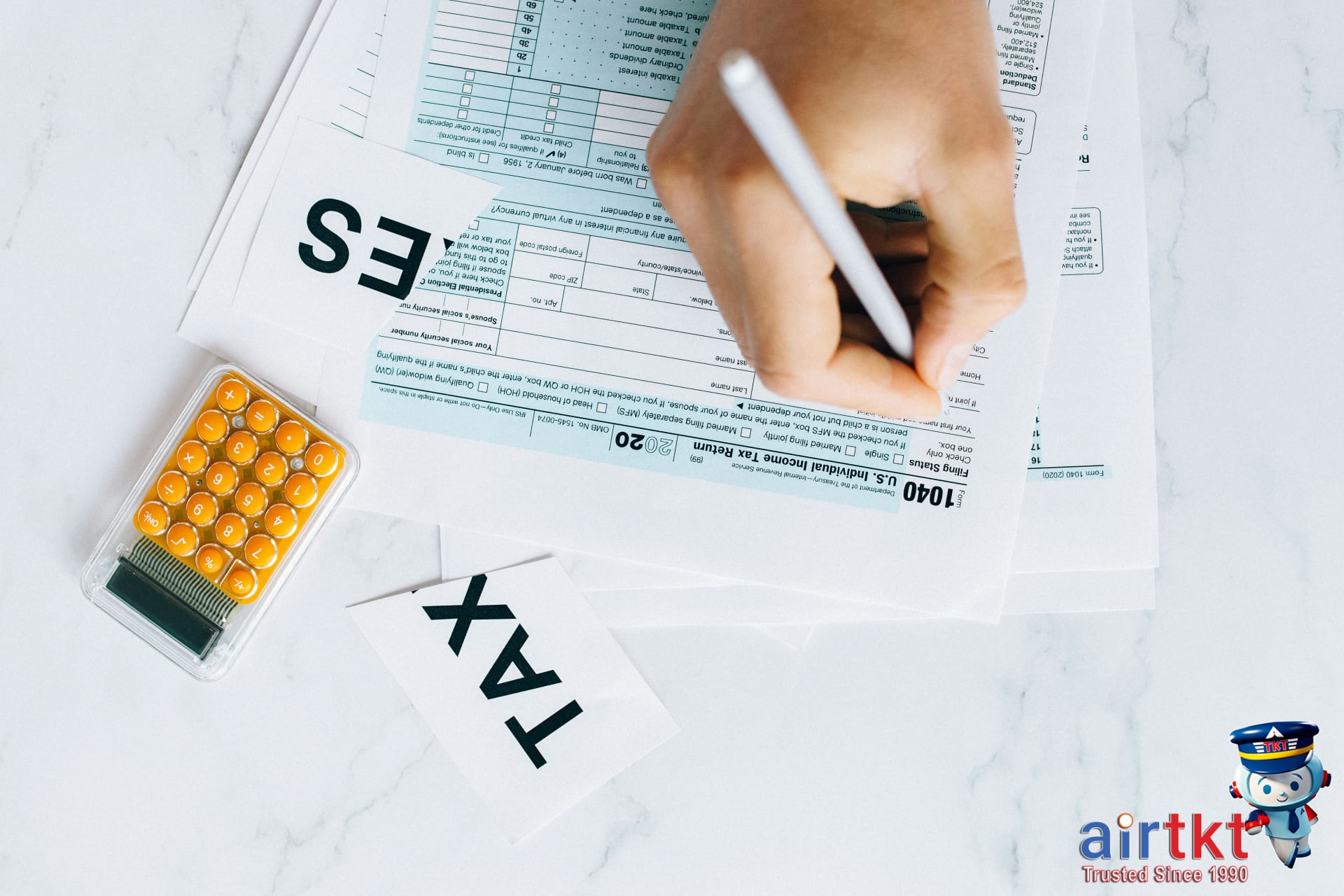
VAT, or Value Added Tax, is a sales tax applied to goods and services in many countries around the world. When you make purchases abroad, especially in Europe, you’ll often see VAT charges included in the total price. I noticed VAT charges clearly listed on my receipts during my trips abroad, which sparked my interest in claiming refunds.
For residents outside the region they’re visiting, many countries allow VAT to be refunded on items purchased and taken home. It’s a way to avoid taxing non-residents for goods they won’t use locally. Typically, these refunds can only be requested on items that are exported, and you’ll need to prove your status as a tourist when leaving the country.
How Tax-Free Shopping Works
Tax-free shopping lets travelers claim back the VAT paid on eligible purchases. Not every shop offers this, though—it’s usually clear from signage at larger stores or boutiques that they participate in the refund scheme. The process involves getting specific VAT refund paperwork from the store, filling it out, and then presenting it—along with receipts and purchased goods—at the airport upon departure.
The amount refunded depends on the country and the item. Sometimes, handling fees or minimum purchase amounts apply, so it’s worth confirming details before you buy. If you’re strategic, planning your shopping around VAT refunds can offer significant savings—an extra perk for travelers looking to stretch their budget on sites like airtkt.com.
Key Documents For VAT Refund Success
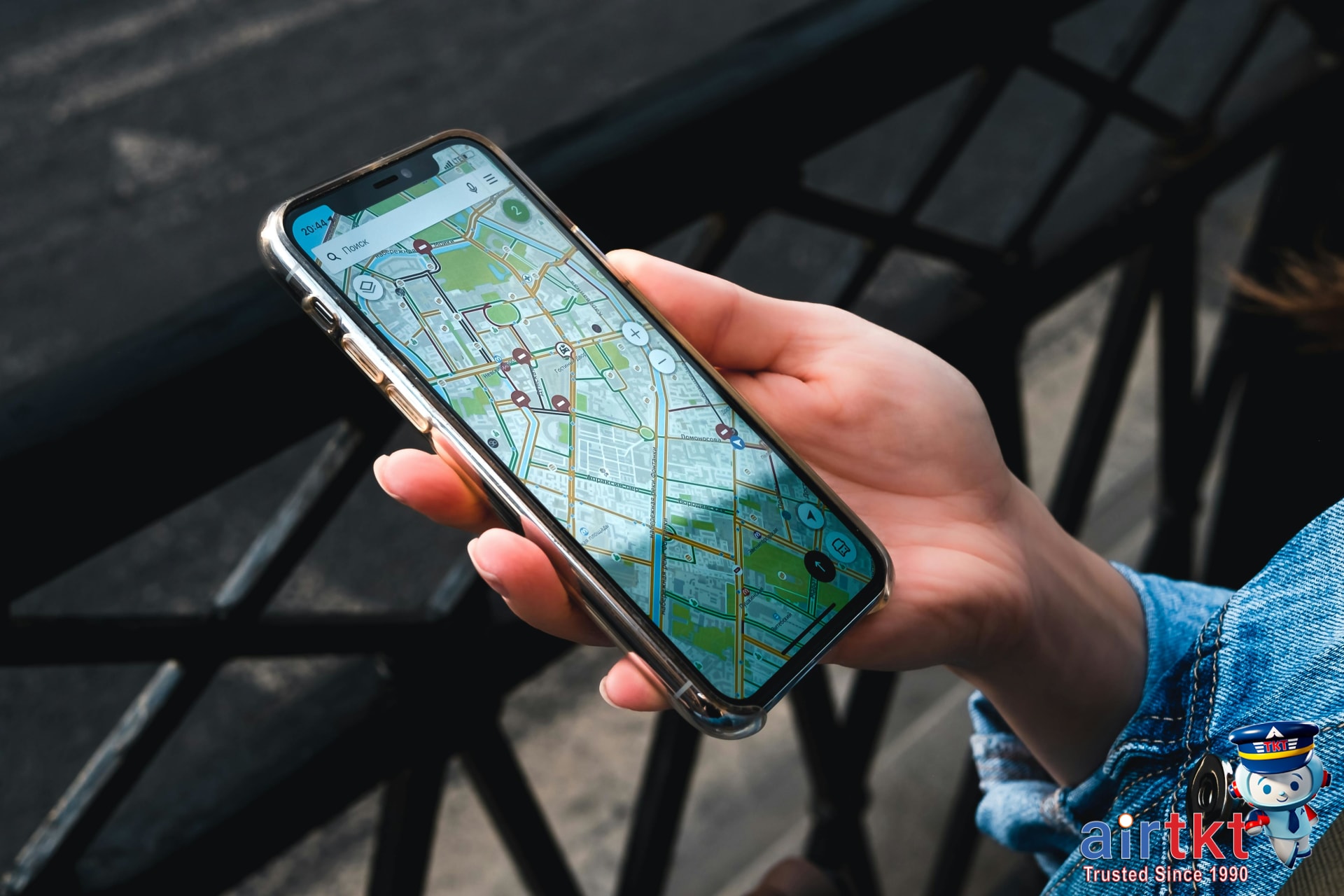
Getting a VAT refund overseas can be straightforward if you’ve gathered everything you need beforehand. You’ll want to collect and organize a few key documents:
- Original receipts or tax-free forms: Always keep the original receipts from eligible purchases. These are needed for every refund claim. Many stores will provide a special tax-free form alongside your regular receipt at the time of purchase—don’t lose these.
- Your passport: Bring your passport when making significant purchases; some stores will require it for issuing tax-free paperwork.
- Flight details: The refund process often requires showing proof of your departure from the country—this could be a printed boarding pass, e-ticket, or flight confirmation email.
Timing is important when filing VAT refund claims. Most countries require you to submit claims as you leave the country, so pack your paperwork somewhere easy to grab in your carry-on. If you’re planning a multi-country trip, check the specific rules for your departure point; typically, you need to submit your claim before you leave the region where the goods were purchased.
I always keep my VAT refund receipts organized in a dedicated travel folder to stay on top of claims. Before any trip, I double-check that my receipts, passport photocopy, and flight information are all together. This saves time at the airport and reduces last-minute stress.
Organizing Your Claim Documents
An organized system can mean the difference between a smooth refund and paperwork chaos. With everything in one place—whether it’s a labeled pocket in your bag or a digital folder—submitting your claim becomes much easier. Some travelers use specialized travel apps to scan and store receipt copies, while others rely on a simple zippered envelope. If you like to stay extra prepared, you might want to review your packing approach for other essentials; the airtkt.com packing checklist includes helpful ideas for keeping paperwork sorted throughout your trip.
Steps to Submit Your VAT Refund
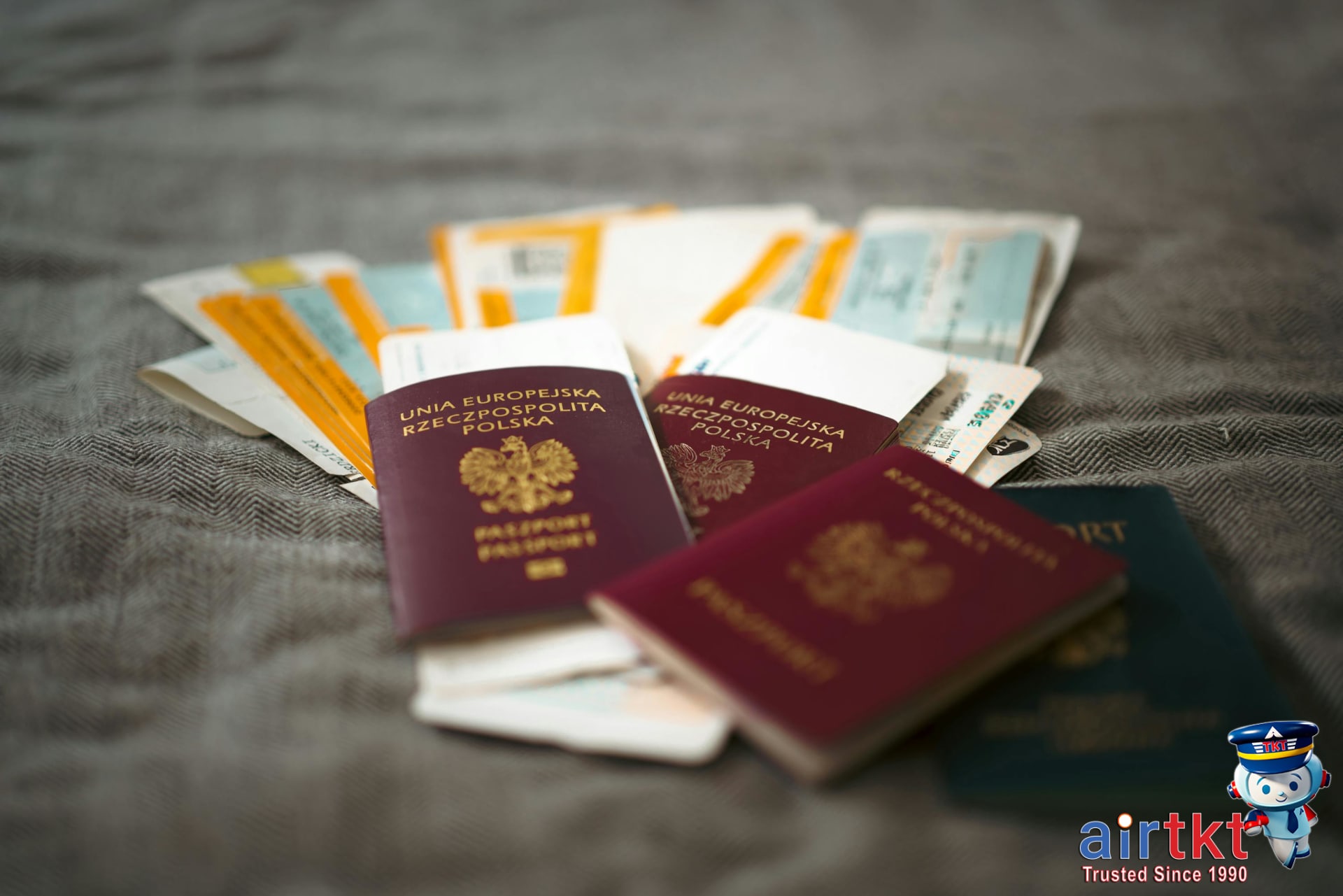
Filing your VAT refund on international trips isn’t difficult, but it is a process you’ll want to get right the first time. Here’s a step-by-step breakdown to help you submit your VAT refund smoothly, starting at the store and ending at the airport. I’ve learned over several trips that small paperwork missteps can make this process more stressful than it needs to be.
Collecting Required Documents
After making an eligible purchase in a participating shop, you’ll need to ask for a VAT refund form at checkout. Make sure you provide your passport, as stores usually require it to process the paperwork correctly. The cashier will fill out the VAT refund form and attach your original purchase receipts. Double-check that your personal details and purchase totals are accurate before leaving the store—mistakes here can cause trouble later.
Preparing Before You Fly
Keep your VAT refund documents, receipts, and the purchased goods packed in your carry-on or easily accessible in your checked bag. Some countries require you to show both the goods and the paperwork at the airport for inspection, so having everything organized can save you valuable minutes. I usually recommend travelers dedicate a folder or document pouch just for their VAT paperwork and receipts.
Completing the Airport VAT Process
Arrive at the airport early—long lines at the VAT refund and customs desks are common. Before you check in for your flight, go straight to the VAT refund or customs counter with your forms, receipts, passport, and the goods you purchased. When I submit my VAT refund at the airport, I check that all forms are properly stamped to avoid delays. The customs officer needs to review each document and may want to see the physical items you’re claiming. Once they’ve checked everything and stamped your paperwork, you’re clear to head to the VAT refund office (usually near departures) and submit your stamped forms. Some airports offer cash refunds on the spot, while others process it to your credit card. Either way, hold onto copies of everything until you see the refund appear.
For more tips on navigating airport procedures, including VAT refunds, I’d check the international airport guide section at airtkt.com for traveler checklists and updates.
How Global Blue Simplifies VAT Refunds
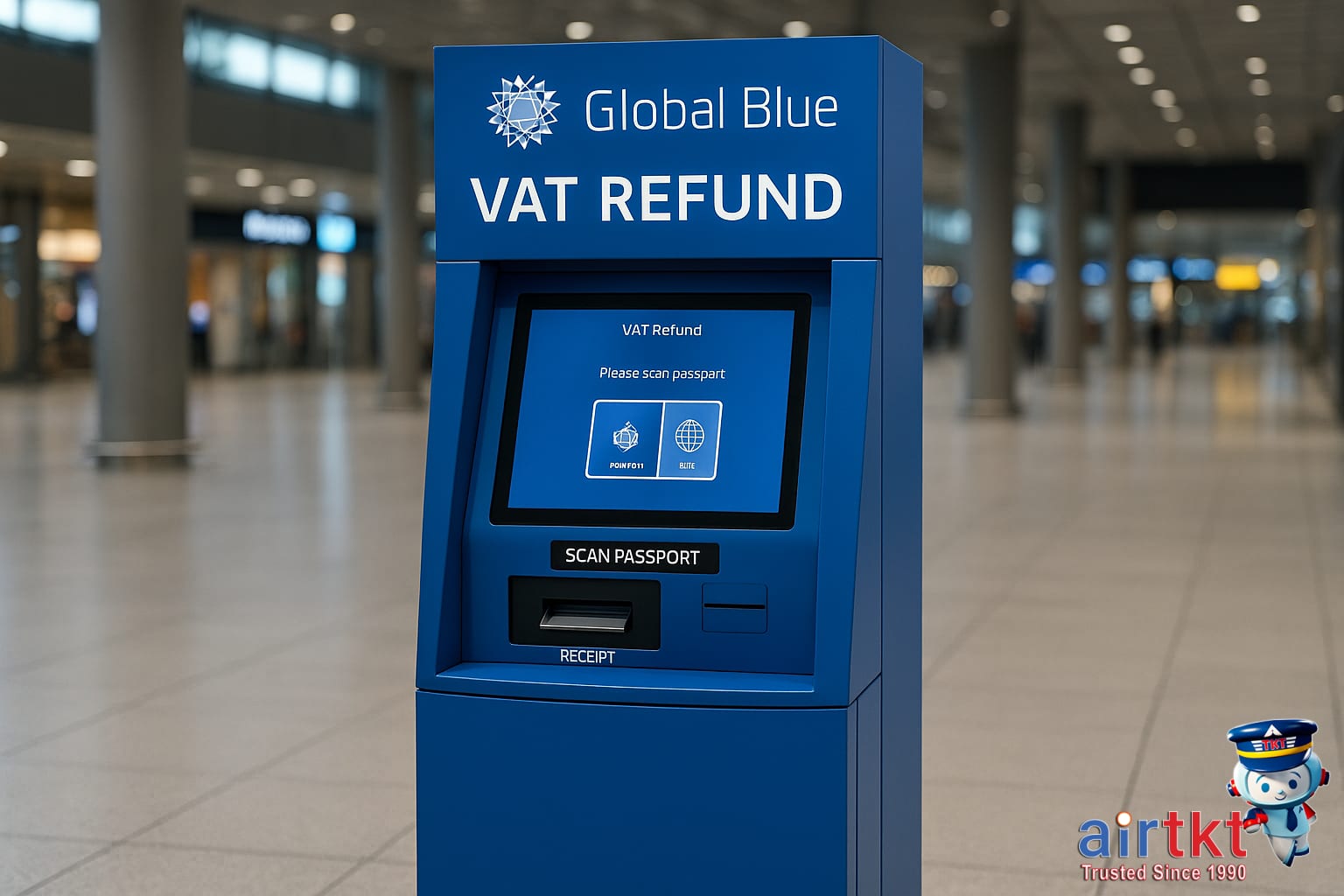
If you’re a non-EU resident shopping in Europe, VAT refund paperwork can take the shine off your travel experience. That’s where services like Global Blue really change the game. Global Blue handles VAT (Value Added Tax) refunds for millions of travelers each year and has kiosks at many major airports. What sets them apart is just how much time and effort they save you—using Global Blue saved me a lot of time at the airport due to their streamlined system. Instead of figuring out multiple forms in different languages, you’ll find an English-friendly digital process and support from staff familiar with international travelers’ needs.
Global Blue is the most recognized VAT refund operator, but you’ll also find other providers, often varying by region. Planet is another big player across Europe, plus Premier Tax Free in certain countries. In Asia, Japan Tax Free is a common network for international shoppers. While most travelers associate tax refunds with major cities and brand-name boutiques, it’s worth noting that smaller or independent shops might use local services, so always check the store’s refund affiliation before shopping.
Spotting Eligible Purchases
Knowing whether your purchases qualify for a VAT refund is absolutely key. Typically, you’ll see a “Tax Free Shopping” logo—or a Global Blue sticker—at the entrance or check-out. The staff should initiate the paperwork when you ask, and you’ll be given a VAT refund form to have stamped at customs before departure. Purchases generally need to exceed a minimum spend set by each country, so don’t toss your receipts or forms. I always ask before paying to avoid surprises at the airport.
How To Avoid VAT Refund Mistakes
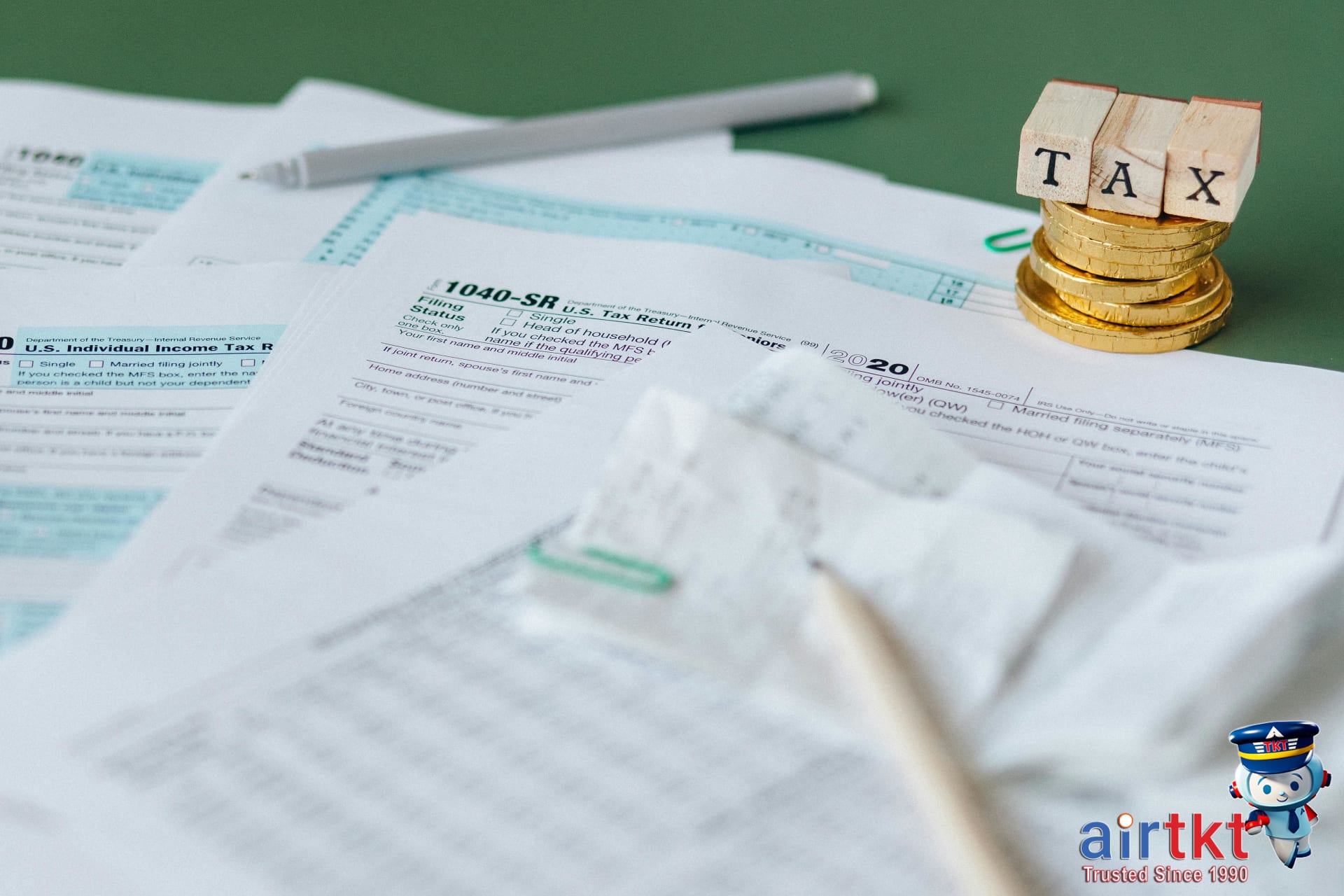
Overlooking small details can lead to big problems when you’re claiming a VAT refund as a traveler. Missed deadlines, misplaced receipts, and incomplete forms are among the most common pitfalls—and I’ve learned to double-check every receipt and form before leaving the store to avoid refund delays. Let’s break down the major mistakes and how you can steer clear of them:
Missed Refund Deadlines
One of the most preventable errors is missing the deadline for submitting your refund claim. Most countries require forms to be validated by customs or stamped before you depart. If you wait until the last minute, you risk running out of time—especially if airport lines are long or the customs desks are busy.
Lost Or Faded Receipts
Without your original receipts, VAT refund offices simply will not process your claim. It’s surprisingly easy to lose tiny slips of paper (or for them to fade after days in your pocket). I suggest designating a section of your wallet just for these documents and never packing them in checked bags.
Incomplete Or Incorrect Forms
Forms need to match your receipts and passport details exactly. Any errors—misspelled name, missing signatures, or omitted purchases—can halt your refund approval. I always pause at the counter to review everything before leaving the store, no matter how rushed I feel.
Not Backing Up Important Proof
Things happen—sometimes, receipts or forms get lost. Snap clear photos of every VAT form and corresponding receipt as soon as you receive them. Storing these images in your phone (and emailing them to yourself for good measure) creates a backup just in case something goes missing along your journey.
Taking these few extra steps means you’ll spend less time tracking down lost paperwork and more time enjoying your trip. In my experience, it’s well worth building a quick document check into your shopping routine—after all, you don’t want to miss out on money you’re owed.
Budget Planning for VAT Refund Savings
Factoring in VAT refund savings can directly impact your travel budget, especially if you plan to shop abroad. A VAT refund essentially returns a portion of what you spend on eligible goods, which feels almost like a bonus boost to your travel funds. I always factor potential VAT refunds into my travel budget planning to maximize savings because even a modest refund can cover a splurge meal or a museum ticket.
When you look at your trip breakdown, the extra money from VAT refunds can mean the difference between “budget” and “mid-range,” or just more cash for experiences rather than expenses. Here’s a clear table showing how a typical daily travel budget stacks up across different tiers—and how a VAT refund, say from shopping, could effectively increase your available funds for food or activities:
| Accommodation | Food | Transport | Activities | |
|---|---|---|---|---|
| Budget | $35.00 | $20.00 | $10.00 | $15.00 |
| Mid-range | $80.00 | $45.00 | $20.00 | $40.00 |
| Luxury | $220.00 | $110.00 | $50.00 | $100.00 |
Let’s say your shopping adds up to about $600.00 in eligible purchases—if you claim a VAT refund and get back, for example, $70.00, that’s enough to offset all your daily meals at the mid-range tier, or add a special activity you might have skipped otherwise. Those savings can make your trip feel a little more relaxed and flexible, whether you’re traveling on a shoestring or treating yourself.
Planning ahead is just as important as tracking your receipts. Before you travel, I’d recommend listing your expected expenses and estimating potential VAT refunds, so you don’t miss out on the advantage.
VAT Refund Frequently Asked Questions
- Who is eligible to claim a VAT refund?
Travelers who live outside the country where the purchase was made are typically eligible for a VAT refund, as long as the goods are taken out of the country unused. Eligibility can also depend on the retailer and the type of goods, so I always double-check each shop’s policy before buying.
- When should I claim my VAT refund?
The best time to claim a VAT refund is at the airport or border before leaving the country where you bought the goods. Make sure you get your forms stamped by customs before checking your luggage or boarding, or you may lose eligibility for the refund.
- What documents do I need for a VAT refund?
Most VAT refund claims require your passport, the original receipts, completed VAT refund forms from the retailer, and sometimes the purchased items themselves. Present everything at customs when you leave, as missing documents often delay or void your refund.
- Are there any fees for VAT refund services?
Service providers or refund desks often deduct a processing fee from your refund—typically around $5.00 or a percentage of your total claim amount. It’s worth noting that claiming directly with customs may reduce fees, although the process might require more paperwork or waiting time.
- How long does it take to receive my VAT refund?
Expect to wait anywhere from a few weeks to several months for your VAT refund to be processed and paid, depending on the service used and your payment method. Cash refunds at the airport may be immediate, while credit card refunds take longer to appear.
- Can I get a VAT refund if I lost my receipt?
Unfortunately, without the original receipt, most customs offices or refund agencies will not process your VAT refund claim. It’s essential to keep all receipts safe during your trip. If you’re worried, snap photos as a backup, but paper is still usually required.
- What VAT refund service options exist?
Travelers can claim refunds through airport refund counters, third-party VAT refund companies, or in some cases, by mailing forms directly to the authorities. I usually compare the convenience versus fees of each service before choosing, especially if I’m traveling during busy holiday periods.
How To Maximize VAT Refund Benefits

Getting the most from your VAT refund starts before you even make your first purchase. Always ask the shop if they participate in VAT refunds, and remember to request the necessary refund forms and receipts at the time of purchase. It’s easy to forget this small step during the excitement of travel shopping, but in my experience, skipping it means missing out on real savings. I now never leave a trip without claiming my VAT refund because it feels like free money left behind.
Stay organized as you go. Designate a spot in your suitcase or day bag for VAT documents, making it much less stressful to assemble everything later. Before heading to the airport for departure, double-check you have your forms, receipts, and purchased items—that last one’s important, as customs sometimes want to see the goods before they stamp anything.
Time management matters, too. VAT refund counters can get busy, and some close earlier than you’d expect. I recommend arriving at the airport with a bit of extra time to allow for unexpected lines or additional paperwork. Submitting forms promptly, either at the final departure point or mailing as instructed, means you’re less likely to run into delays or missed opportunities.
The best approach is to plan ahead and treat VAT refunds as part of your overall travel saving strategy. It makes a noticeable difference—especially when you’re exploring multiple countries or making larger purchases. If maximizing savings is a priority, consider bookmarking the airtkt.com blog for more tips on international travel deals and smarter shopping abroad.