
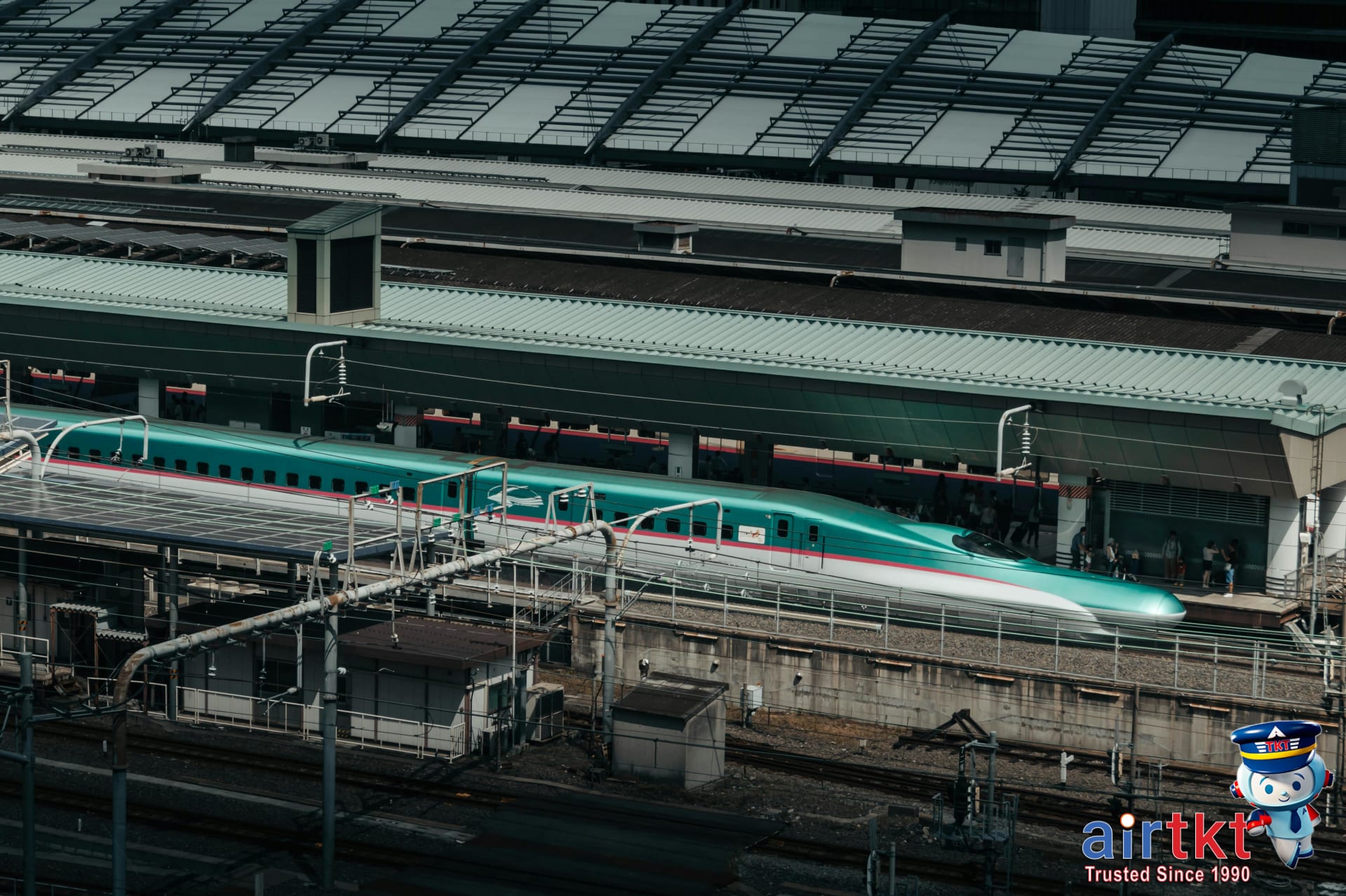
What Is The Japan Rail Pass?
If you’re planning a trip across Japan, the Japan Rail Pass—often called the JR Pass—can be a game changer for how you get around. This pass offers unlimited rides on most Japan Rail trains, including the famous Shinkansen bullet trains, local lines, and a handful of other public transit options run by the JR Group. It’s a popular choice because it lets travelers move freely between cities without buying individual tickets for each journey, which simplifies both budgeting and logistics.
The JR Pass is uniquely designed for international tourists visiting Japan on a temporary visa. If you have a Japanese passport or are traveling under a different long-term status, you won’t be able to use it. For visitors, though, it’s an ideal way to cover long distances efficiently—perfect for seeing places like Tokyo, Kyoto, Osaka, and beyond, all in a single trip.
What I personally loved when exploring Japan was how buying the JR Pass in advance made the entire train experience less stressful. Instead of waiting in ticket lines or fumbling with machines after a long flight, I could just hop on and off JR trains—sometimes just flashing my pass for quick entry. It freed up more time for enjoying the places I wanted to see, not worrying about ticket purchases.
The convenience factor really shines if you’re planning to visit multiple cities or take some of Japan’s classic scenic train routes. With one upfront purchase, you can keep your itinerary flexible and avoid surprises. If you want inspiration, check out our general guide on Top Train Journeys in Japan for ideas on how to make the most of rail travel in the country.
Types of JR Passes and Which One to Choose

There’s more than just one Japan Rail (JR) Pass, and picking the right one can make a real difference in both cost and flexibility. The most common is the national JR Pass, which covers almost all JR trains across Japan—including the majority of Shinkansen (bullet train) routes. This suits travelers eager to visit several regions from Hokkaido down to Kyushu on a single trip.
But you don’t always need nationwide coverage. If you’re focusing on a particular area, regional options are worth considering. Some of the most popular are:
- JR East Pass: Handy for exploring Tokyo, Tohoku, and the broader eastern side of Honshu.
- JR West Pass: Great for Kansai (think Osaka, Kyoto, Kobe) and as far as Hiroshima, depending on the variant.
- JR Kansai Pass: Perfect for a deeper dive into Kansai without paying for broader coverage.
- JR Kyushu Pass: Covers the lush southern island, ideal if you’re hopping between Fukuoka, Nagasaki, and Kagoshima.
Pass durations are straightforward: you can choose 7, 14, or 21 consecutive days for the national JR Pass. For a whirlwind trip circling much of Japan in a week, the 7-day pass is usually enough. If you want to set your own pace or venture further afield, 14 or 21-day options are better. Some regional passes offer flexible days within a set period (like any 5 days within 2 weeks), which can stretch your value if you’re staying in one zone. Personally, I found that choosing the shortest pass that genuinely fit my route gave me more room for spontaneous day trips elsewhere, as I could supplement with local transport when needed.
Eligibility is critical: JR Passes are available only to visitors entering Japan as temporary tourists. You must buy the pass before arriving in Japan or through selected channels after entry, and you’ll need your passport and proof of your tourist status when exchanging your voucher for the physical pass. Also, your pass use is limited to the defined dates and region.
The best approach is to tally up your likely train trips and compare the price of individual tickets to the pass cost—and then factor in your appetite for exploring different regions. If your route is focused in just one part of Japan, a regional pass can save you both money and confusion. If you’re planning a whirlwind multi-city journey, the national pass is hard to beat. For more on how Japan’s diverse regions each offer unique experiences by train, check out our guide to Exploring Japan’s Regions by Rail.
Step-By-Step JR Pass Purchase Guide
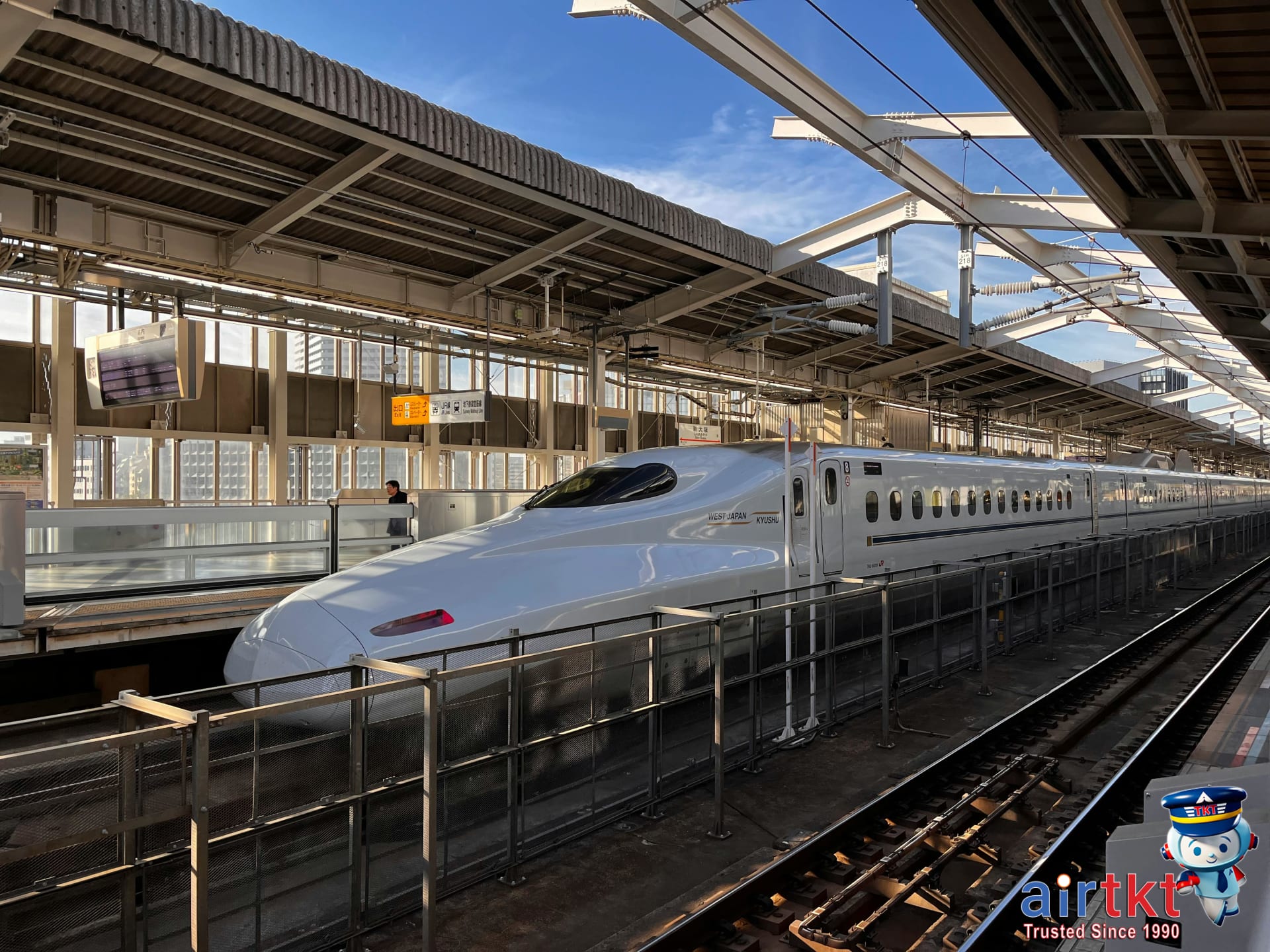
The Japan Rail (JR) Pass makes getting around Japan’s extensive rail network both economical and convenient, but the buying process can be confusing the first time around. Let’s walk through the steps so you’ll know exactly how to secure your JR Pass, whether you prefer online convenience or waiting until you land in Japan.
Buying Online Through Official Vendors
The quickest and most straightforward way is to purchase your JR Pass online via an official Japan Rail Pass website or an authorized reseller. After choosing your pass (ordinary or green car), you’ll provide passport details and pre-select your trip start date if prompted. I usually recommend buying online because it’s easier to compare options, and you can often spot promotions that aren’t available in person.
Receiving and Exchanging Your Voucher
Once you purchase, you’ll receive an Exchange Order—this is a physical or electronic voucher, not your actual JR Pass. Hold onto this carefully for your trip. After arriving in Japan, head to a designated JR exchange office (found at major airports or train stations). Bring your Exchange Order, passport stamped with a “Temporary Visitor” entry status, and fill out the required form. Staff will issue your JR Pass and let you select your activation date, which can be any day within 30 days from exchange.
Activating the Pass and Reserving Seats
Activating the pass is quick if you have your voucher and passport ready. The staff will help set your chosen validity period and answer questions you may have. If you plan on using reserved seats, you can book them at the exchange point as soon as your pass is active. If you want more details on how seat reservations work, check out our guide to JR Pass Seat Reservations.
Whether you choose to buy online before your trip or in person at the airport kiosk, I’d recommend the online route for peace of mind. You’ll want to sort this at least one week before your departure to avoid any shipping delays or last-minute hiccups, especially during peak travel seasons.
Key Benefits of Using the JR Pass
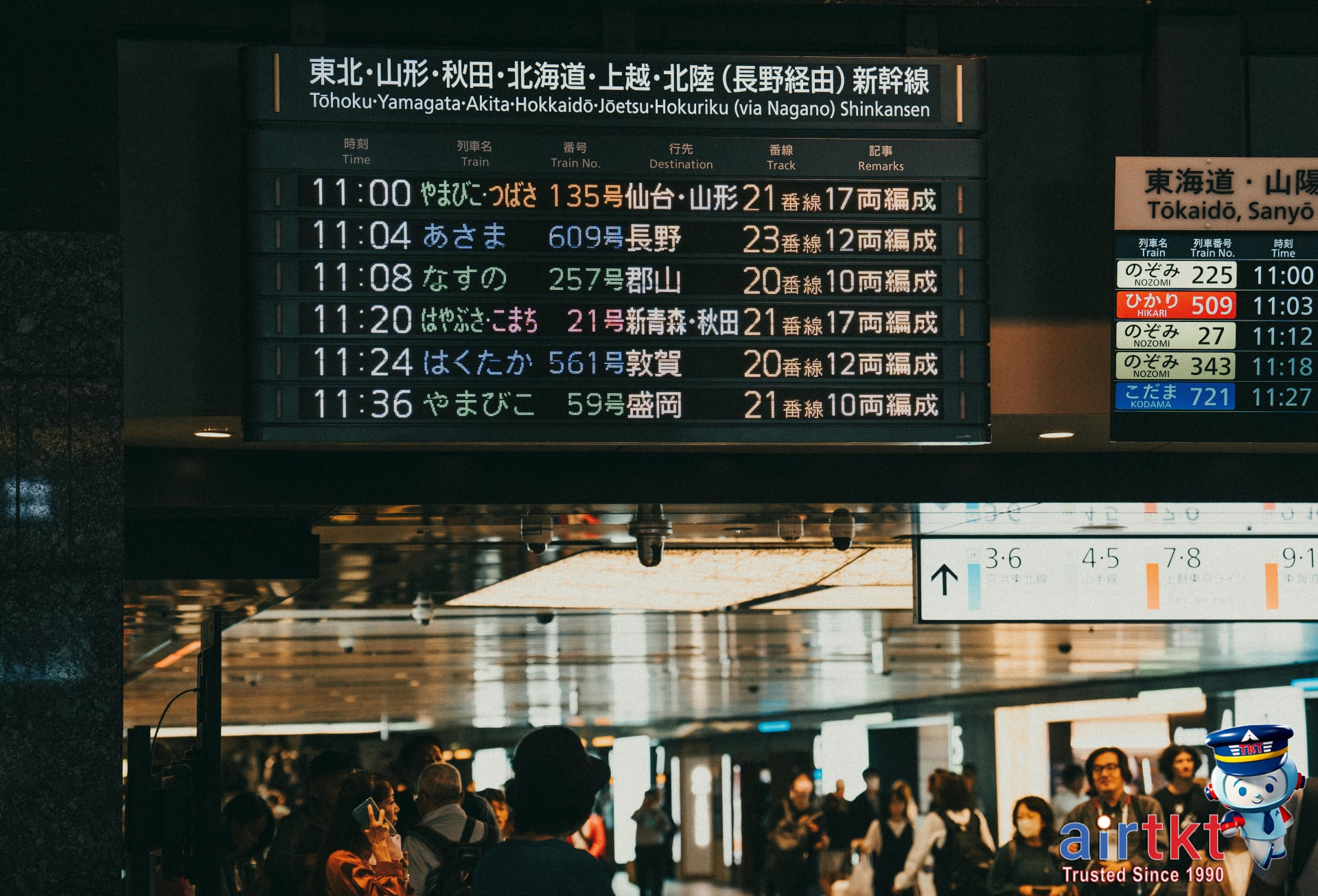
The Japan Rail Pass (JR Pass) is one of the best-known deals for visitors exploring the country by train, and with good reason—it offers real advantages over buying separate tickets for each leg of your journey. Having used the JR Pass myself, I can honestly say it’s saved me from more travel headaches than I expected, especially when last-minute changes threw my plans off.
Save Money on Longer Journeys
One of the most practical advantages of the JR Pass is its cost-saving power, particularly if you plan to visit several regions. Shinkansen bullet train tickets between cities like Tokyo, Kyoto, and Hiroshima add up quickly—just a roundtrip between Tokyo and Kyoto can cost about $220.00 individually. With a JR Pass, you pay a single upfront amount for a set of days, so taking two or more long-distance rides can already make the pass pay for itself. Every extra train trip is then essentially free, making it a smart consideration for anyone with an ambitious itinerary.
Unlimited Rides for Convenience
With a valid JR Pass, you get unlimited rides on almost all JR-operated trains, including many Shinkansen lines (with the exception of certain premium classes). This means you can board express, local, and even some airport trains without having to stand in line for tickets every time. I found this especially helpful during the busy spring travel season, where not having to repeatedly queue or wrestle with ticket machines saved me valuable time and effort.
Plan Changes Without Stress
Travel in Japan frequently rewards flexibility, and the JR Pass gives you exactly that. If weather or crowds prompt a last-minute diversion, you can hop between cities or add spontaneous day trips without worrying about additional ticket costs or penalties. In my experience, swapping destinations on short notice with the JR Pass spared me both money and frustration—far more than I’d initially anticipated.
Extra Perks: Buses and Ferries
The JR Pass isn’t just for trains. Passholders can ride many JR-operated local buses for free and have access to select ferry services—like the popular Miyajima ferry near Hiroshima—at no extra charge. These benefits can expand your reach beyond the rail network, helping you get more value from your pass. For more on making the most of Japan’s trains, don’t miss our Guide to Japan Shinkansen Travel, which breaks down your options onboard.
When and How to Use the JR Pass Effectively
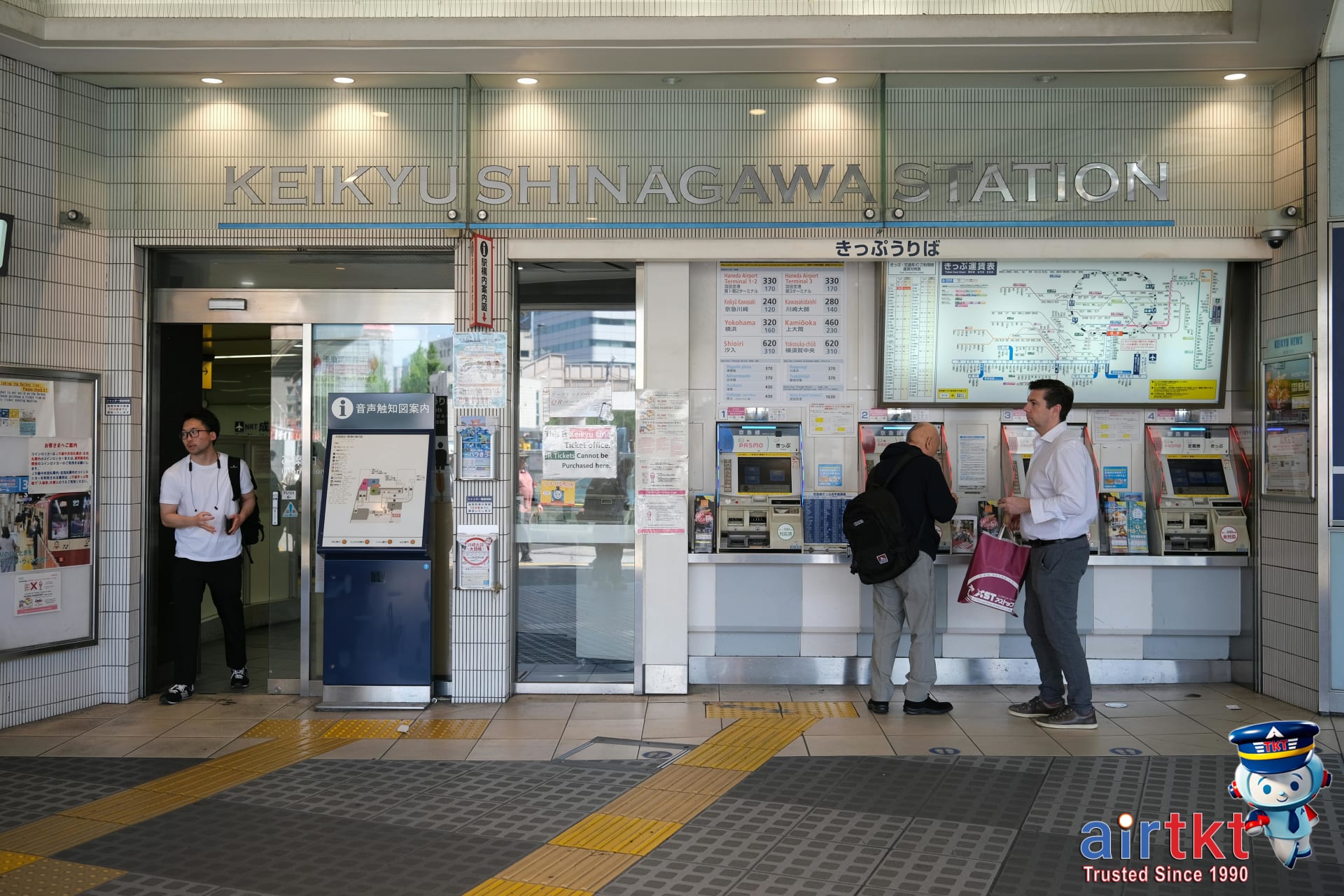
Navigating Japan with a Japan Rail Pass can save both time and money, but you’ll get the most value if you’re intentional about when and how you use it. If you’re like me and plan to cover a lot of ground—think Tokyo to Kyoto to Hiroshima—scheduling your pass activation right before your longest rail journey kicks off stretches every dollar. I always recommend double-checking your itinerary so your pass covers your most expensive and frequent train legs, not your slower exploration days in a single city.
Align Activation With Major Travel
The JR Pass activates on the first day you use it, not your date of arrival in Japan. It’s wise to explore your landing city (like Tokyo or Osaka) for a couple of days using local transit or prepaid cards, then start the pass right before a big jump between cities. This way, your pass days aren’t wasted on local subway rides or areas not covered by JR lines.
Reserve Seats on Popular Routes
For routes like the Shinkansen (bullet trains) between Tokyo and Kyoto or Osaka and Hiroshima, booking reserved seats is a lifesaver—especially during peak travel seasons like Golden Week or cherry blossom season. You can use ticket offices (Midori no Madoguchi), ticket machines, or designated JR Pass reservation counters in major stations. For a detailed walk-through, take a look at our guide on How to Reserve JR Pass Seats Online. I’ve found advance reservations help avoid frustration, especially during busy times when trains fill up fast.
Navigating Stations, Buses, and Ferries
The JR Pass isn’t just for trains. You can use it on select JR buses, local lines, and even certain ferries like the one to Miyajima. Look for clearly marked JR gates at stations—just show your pass to station staff to enter. On buses, you’ll usually board at the rear and show your pass when getting off at the front. Ferry staff are familiar with the JR Pass, so just present it at boarding.
Travel Strategies for Peak Seasons
Japan’s busiest travel periods—cherry blossom season (late March to early April), Golden Week (late April to early May), and New Year’s—bring big crowds. Trains can book up weeks in advance. To travel in comfort, make seat reservations early and aim for early morning or midday departures when trains are less crowded. I typically avoid last-minute train plans during these holidays to sidestep standing-room-only situations.
JR Pass vs Individual Ticket Costs

When weighing whether to buy a Japan Rail (JR) Pass or stick with individual tickets for travel in Japan, your actual itinerary is key. The JR Pass offers unlimited rides for a set period, but it’s only a bargain if you’ll make good use of it, especially for long-distance routes or multiple city hops.
Popular Route Ticket Prices
To give you a sense of the numbers, here’s what you might pay for single tickets on major routes using the shinkansen (bullet train):
- Tokyo to Kyoto: about $110.00 one way
- Kyoto to Osaka: about $30.00 one way
- Osaka to Hiroshima: about $90.00 one way
- Tokyo to Hiroshima (via Kyoto/Osaka): about $170.00 one way
- Tokyo to Nikko (regional): about $25.00 one way
These are typical fares for standard reserved seats, not accounting for special discounts or non-reserved seats that might shave off a few dollars.
Itinerary Examples: Does the JR Pass Pay Off?
Let’s look at some classic travel plans to see how the math adds up. For a standard 7-day JR Pass, you’ll pay around $280.00. Now, picture a week split between Tokyo, Kyoto, and Osaka — with a round trip Tokyo–Kyoto and a Kyoto–Osaka side trip. Those ticket prices combined reach about $250.00. If you add a Hiroshima extension, the total jumps to about $340.00 for single tickets, making the pass instantly worthwhile for the added journey.
However, for those sticking to just one region (say, exploring only Tokyo and nearby towns), it’s often cheaper to buy individual tickets or local passes. On my own trip through Japan, the tipping point was a last-minute detour to Hiroshima — suddenly the JR Pass became a far better value than piecing together separate shinkansen tickets.
When Individual Tickets Are Cheaper
Short itineraries, extended city stays, or a travel style focused on a single region are the main cases where buying individual tickets may beat the JR Pass. You’re paying for unlimited ride flexibility with a pass, but not everyone will use enough high-speed trains to offset the upfront cost. If you’re spending a week based in Tokyo with just a couple of day trips, individual tickets usually come out ahead.
For more ideas on structuring your travel budget, see our guide to Budget Travel in Japan by Train.
Smart Travel Tips for JR Pass Trips
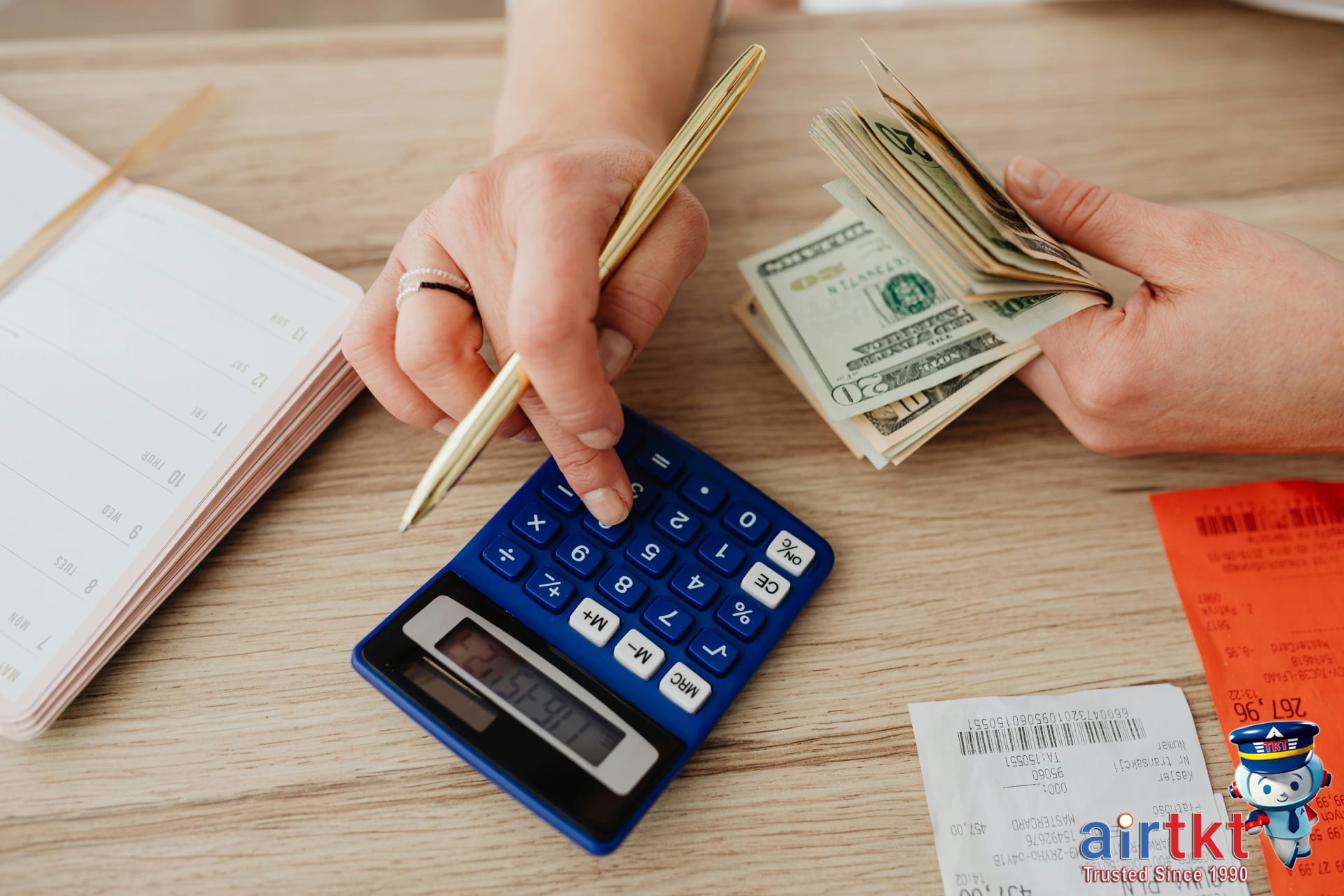
Traveling with a Japan Rail Pass opens up the country in a way few travel tools can, but getting the most out of it requires more than just flashing your pass at a ticket gate. I’ve learned firsthand that efficient luggage management and navigating major stations like Tokyo or Osaka can save you unnecessary stress, especially when you’re moving between platforms with several bags in hand.
Luggage and Station Know-How
Pack light if possible—many Japanese trains have limited luggage space, and handling bulky suitcases during tight transfers is no fun. If you have more than you want to carry (or are planning some shopping), take advantage of the coin lockers and baggage delivery services available at many stations. They can be a lifesaver for station layovers or last-minute sightseeing detours. Having your rolling suitcase snag on a crowded stairwell is something I’d rather avoid after my own scramble at Kyoto Station, and I recommend being ready to spot platform signs quickly. If you want detailed maps or signage tips, check out our comprehensive Japan Rail Station Guide—it covers exactly this.
Travel at Relaxed Times
If you want a comfortable train experience, choose off-peak travel hours. The busiest times tend to be around 7:30–9:00 am and 5:00–7:00 pm on weekdays, as commuters flood the trains. Mid-morning and early afternoon are the sweet spots where you can often find seats and enjoy a peaceful ride through the countryside. Whenever possible, book your reserved seats early—especially during cherry blossom or holiday periods.
Combining Transport for Coverage
The JR Pass covers most major lines but isn’t valid everywhere—subways, private railways, and city buses often aren’t included. Many visitors combine an IC card like SUICA or PASMO with their JR Pass for quick, cashless rides on non-JR networks. I usually keep my IC card handy for short hops within big cities or when a destination lies just outside the JR area.
Comfort Tricks for Long Journeys
Some trips on the Shinkansen or express trains can last several hours. Stock up on snacks and drinks at the station—eki-ben (station bento boxes) are a favorite of mine for longer rides. Always bring layers, since train compartment temperatures can be unpredictable. Onboard restrooms are generally spotless, but I recommend keeping hand sanitizer and headphones within easy reach for comfort and relaxation.
Budget Planning With The JR Pass
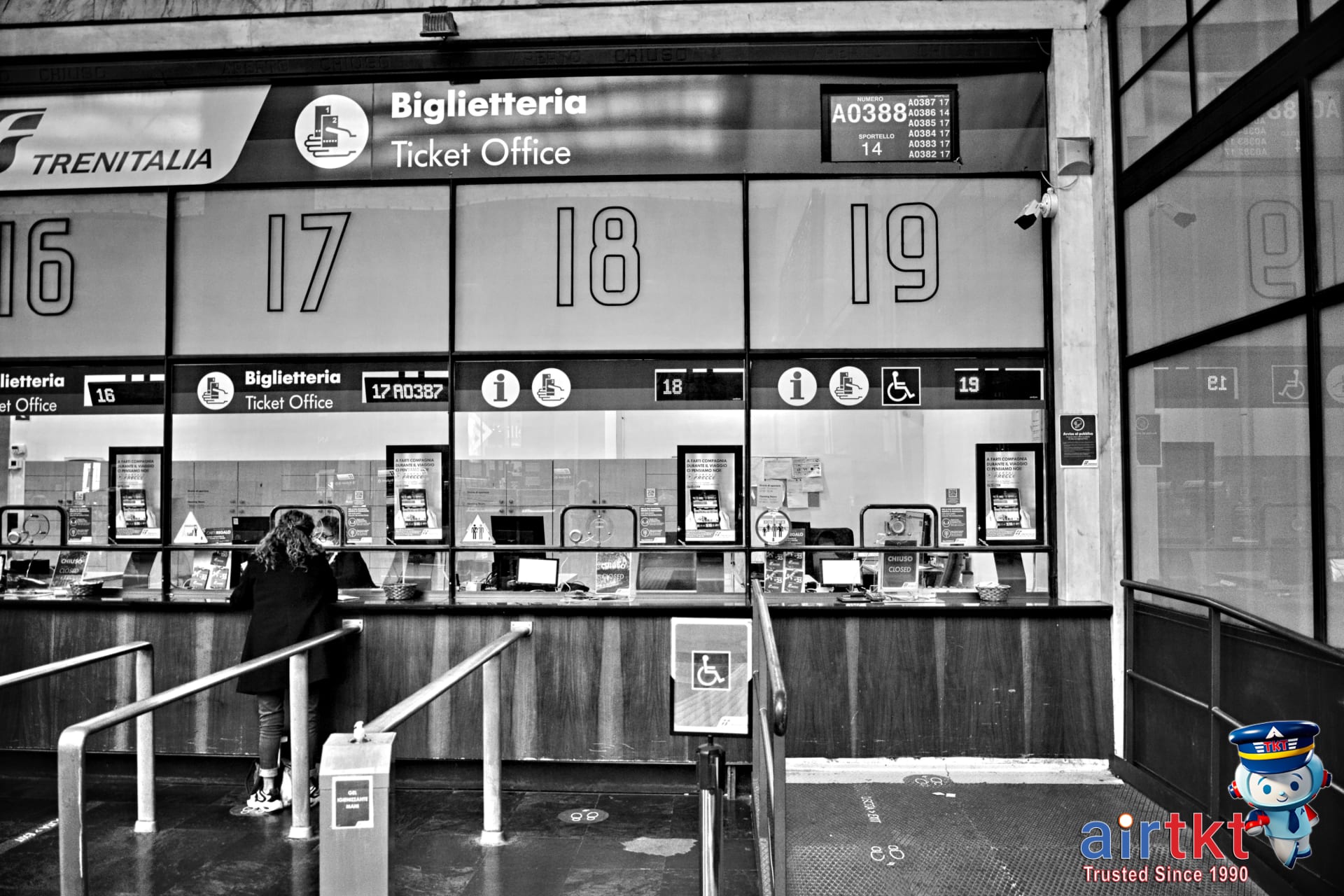
Understanding how the Japan Rail Pass (JR Pass) fits into your overall travel budget is key to making the most of your experience in Japan. I’ve found that penciling in the JR Pass cost right from the beginning helped me free up more funds for food, unique experiences, and spontaneous side trips. Let’s break down typical daily costs for accommodation, meals, transport (including the JR Pass), and activities—then walk through ways to get the most value from your pass.
Comparing Travel Budget Tiers
| Budget | Mid-range | Luxury | |
|---|---|---|---|
| Accommodation | $35.00 | $120.00 | $270.00 |
| Food | $17.00 | $45.00 | $110.00 |
| Transport (with JR Pass) | $26.00 | $26.00 | $26.00 |
| Activities | $12.00 | $35.00 | $85.00 |
The above table shows representative daily costs. For transport, the JR Pass fee works out to about $26.00 per day if you purchase a typical week-long pass—an expense that can replace almost all long-distance train fees and many local JR line trips across Japan. If you’re maximizing train travel between several cities in a week, the pass can quickly pay for itself. Just remember, if you’re focusing on one metropolitan area with little long-distance travel, local day or city passes may be better value.
Maximizing Savings With the JR Pass
When using the JR Pass, one strategy I always recommend is planning your major cross-country journeys back-to-back so the pass covers them all within its active period. Combine it with free seat reservations, don’t forget to use local JR trains for day trips (such as to Nara or Nikko from major cities), and look for limited-time sightseeing deals offered to pass holders. For nearby stops or late-night outings that aren’t on JR lines, budget a little for subway or bus fares just in case. If you want to trim your costs even further, check out some practical tips in our guide on Affordable Accommodation Options in Japan Near JR Stations—being steps away from the train can cut transport time and let you catch early Shinkansen departures.
Frequently Asked Questions about JR Pass
- Who is eligible to purchase a Japan Rail Pass?
The Japan Rail Pass is available exclusively to travelers entering Japan under the “Temporary Visitor” entry status. Japanese citizens living abroad may qualify if they meet special criteria. Always check your passport visa category and be ready to show your entry stamp when exchanging your pass in Japan.
- Where and how can I buy a Japan Rail Pass?
You can purchase a Japan Rail Pass online through authorized agents such as ticket offices, travel websites, or at some major stations in Japan. It’s usually less expensive to buy before you arrive. Be sure to verify you’re using an official vendor to avoid invalid tickets.
- Can I get a refund if I change my travel plans?
Refunds for unused Japan Rail Passes are possible, but only if the pass hasn’t been exchanged and activated. Refunds typically involve a small handling fee, and local rules or agent policies may differ. Once you’ve started using the pass, no refunds or partial refunds are offered.
- What are the usage restrictions and limitations?
The Japan Rail Pass is valid for most JR-operated trains, including certain Shinkansen lines, local, rapid, and express services. However, it doesn’t cover the fastest “Nozomi” or “Mizuho” Shinkansen. The pass does not include most subways, private railways, or city buses that aren’t operated by JR.
- Is the Japan Rail Pass worth it for short stays?
For short visits focused around one or two cities, buying single tickets might be cheaper than a full Japan Rail Pass. If you plan multiple long-distance journeys within a week, especially on routes like Tokyo–Kyoto–Osaka, the pass can offer significant savings and added flexibility for spontaneous trips.
- How do I activate and start using my pass?
After purchase, take your exchange voucher and passport to a designated JR office in Japan. There, you’ll select your activation start date (up to 30 days forward). Staff will issue your actual rail pass, and you’ll need to show it to station staff at ticket gates when traveling.
- Can I reserve seats or use Green Cars with the Japan Rail Pass?
Yes, you can reserve seats at no extra charge on most JR trains by approaching a “Midori-no-Madoguchi” ticket office. If you opt for a Green Car pass, you’ll get access to more spacious first-class compartments. Reservations are strongly recommended during busy travel seasons to secure your seat.
If you’re still wondering which details trip up travelers the most, I’d suggest reading our simple guide to Common JR Pass Mistakes to Avoid—it rounds up the rules and missteps visitors often overlook.
Is the JR Pass Worth It for You?
Deciding whether to buy a JR Pass really comes down to how you want to travel across Japan. The pass works best if you plan to move between multiple cities by train, especially over longer distances. If you’re spending several days just in Tokyo or Kyoto, or sticking to a single region, local tickets or regional rail passes can often save you more.
I usually recommend mapping out your Japan route and calculating the cost for individual train rides before making a decision. Sometimes travelers are surprised that a pass actually costs more than their separate tickets, especially when you factor in slower travel days, non-train destinations, or short city hops. On the other hand, if you’re set on using the shinkansen for quick cross-country travel—even just a round trip between Tokyo and Osaka—the JR Pass can pay off fast, with the added bonus of simpler reservations and less stress at train stations.
It also helps to think about your travel style. If you like flexibility in your schedule, the open nature of the JR Pass may appeal to you. If you prefer spontaneous detours or plan to use buses, ferries, or private lines not covered by the pass, take a close look at your itinerary before committing.
Before making your final call, I recommend reading our How to Plan a Japan Trip on a Budget guide to further trim unnecessary costs. And once you’ve settled on trains or any other transport, don’t forget that airtkt.com is a reliable one-stop shop for booking your flights and hotels. I’ve found it saves a lot of time compared to juggling multiple travel sites, especially when you’re focused on getting the logistics right for a big trip like Japan.