

Why Safety Matters For Solo Women
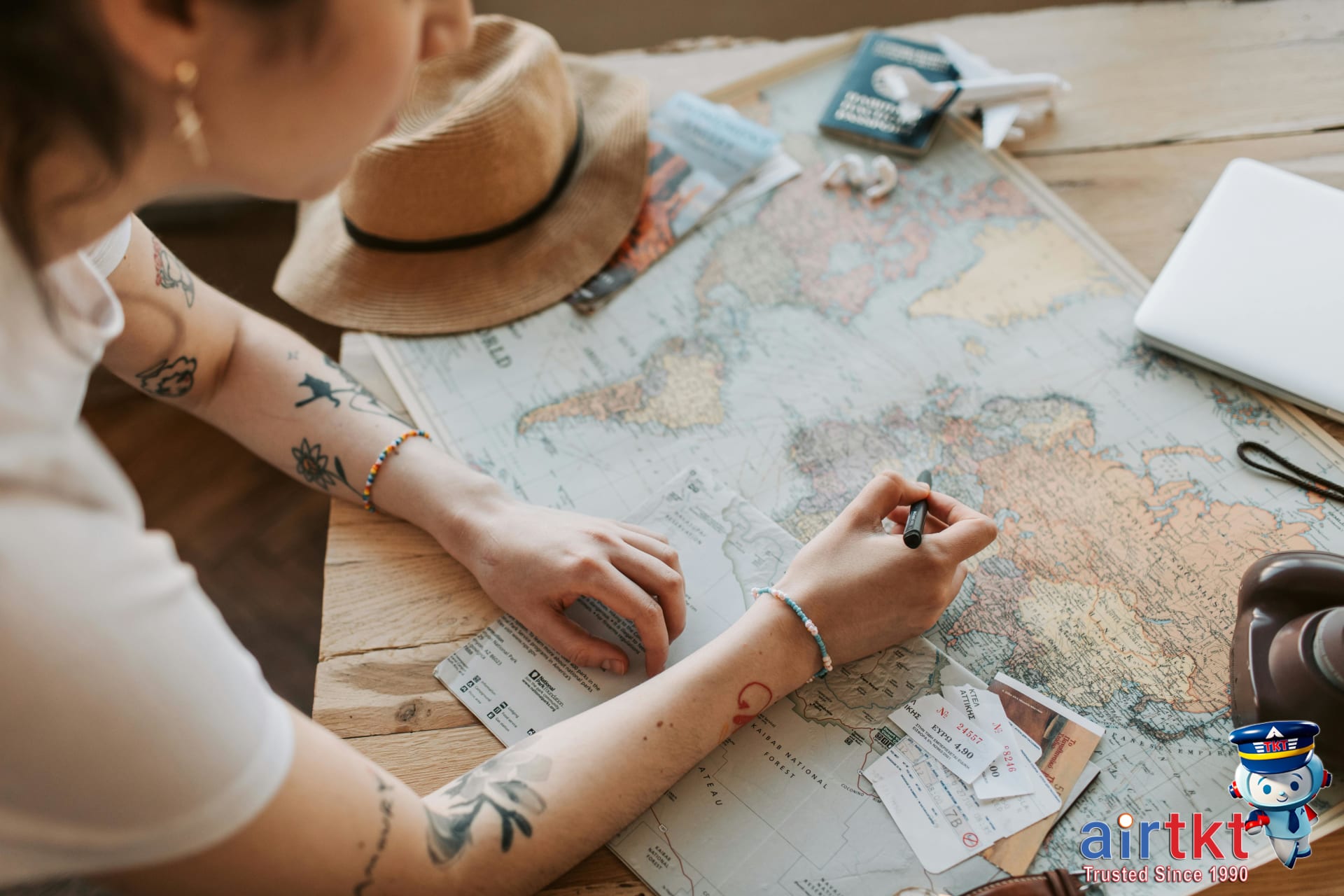
Traveling solo as a woman isn’t just about embracing freedom—it’s about doing so with security in mind. Safety concerns are a reality for many solo female travelers, ranging from unwanted attention to more serious issues like personal security at night, risks using public transportation, or uncertainty in unfamiliar neighborhoods. These challenges can pop up anywhere, whether you’re backpacking in Europe or navigating crowded city streets in Asia.
But focusing on the right preparation and clear awareness can flip the script. Rather than letting worry take the lead, I’ve found that prioritizing safety genuinely makes me feel more empowered and less anxious on the road. Having a strategy—like sharing your itinerary with a friend, memorizing emergency contacts, or researching safe neighborhoods before booking accommodations—provides real confidence when you’re setting off alone.
Some of the most effective safety strategies revolve around trusting your instincts, blending in instead of standing out, and staying connected with someone back home. I usually recommend picking up local SIM cards for communication, and carrying a copy of your passport separate from the original. In fact, these basics form the core of traveling smart, and we’ll dive deeper into specific tips later. If you want to explore growing your confidence as a solo traveler, I’d suggest checking out these solo travel confidence-building techniques as a useful next step.
Preparing for Your Trip Safely
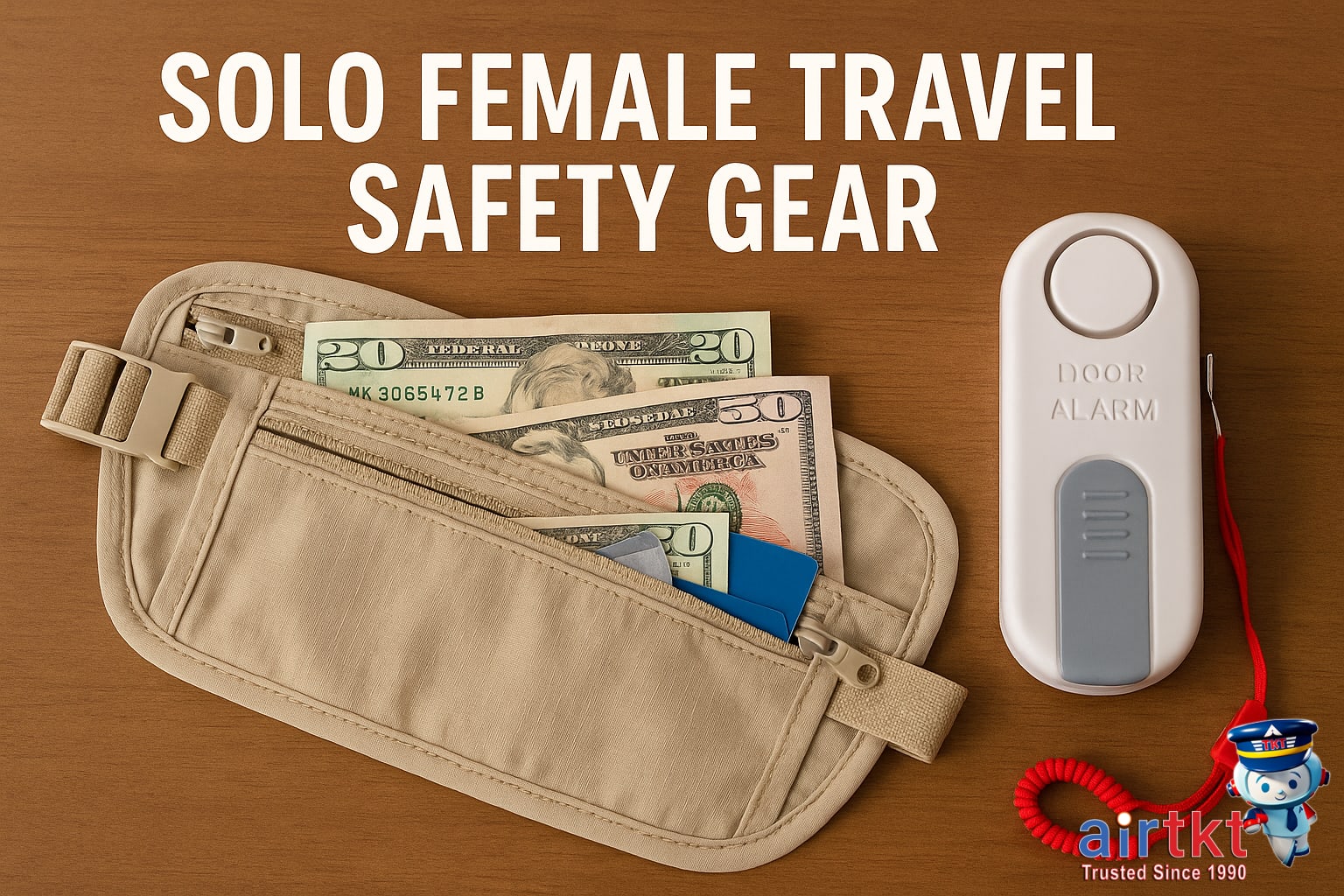
Staying safe starts well before you step out the door. From destination research to the gear in your bag, a little planning is the best protection you can bring. I’ve found my personal travel lock to be the one item I never leave home without—it’s given me peace of mind in unfamiliar places more than once.
Research Neighborhoods and Customs
Before booking, get to know the layout of your destination. Look up which neighborhoods are known for being safe and convenient by reading recent traveler reports and official tourism sites. Understanding local customs is just as important—I usually check for dress codes or accepted behaviors, especially in more conservative or religious destinations. A wrong turn or a cultural misstep can be easily avoided when you prepare.
Essential Safety Items for Packing
Your packing list should always include a few key items that boost your personal security. Consider these essentials:
- Portable door alarm (especially for women or solo travelers)
- Personal safety whistle
- Small flashlight or headlamp
- Travel lock (for luggage, lockers, or doors)
- RFID-blocking wallet
- Copy of important documents, stored separately
If you want a detailed gear rundown for women, you’ll find a practical packing checklist for women travelers handy when planning your own list.
Health Precautions Before You Go
Check if your destination recommends or requires vaccinations—sites like the CDC Travel Health and U.S. Department of State offer current advisory information. Secure travel insurance that covers medical emergencies and trip changes. I always carry a small kit of emergency medications: pain relievers, anti-diarrheal tablets, and any personal prescriptions. It’s a small investment for a lot of peace of mind.
How To Choose Safe Accommodations
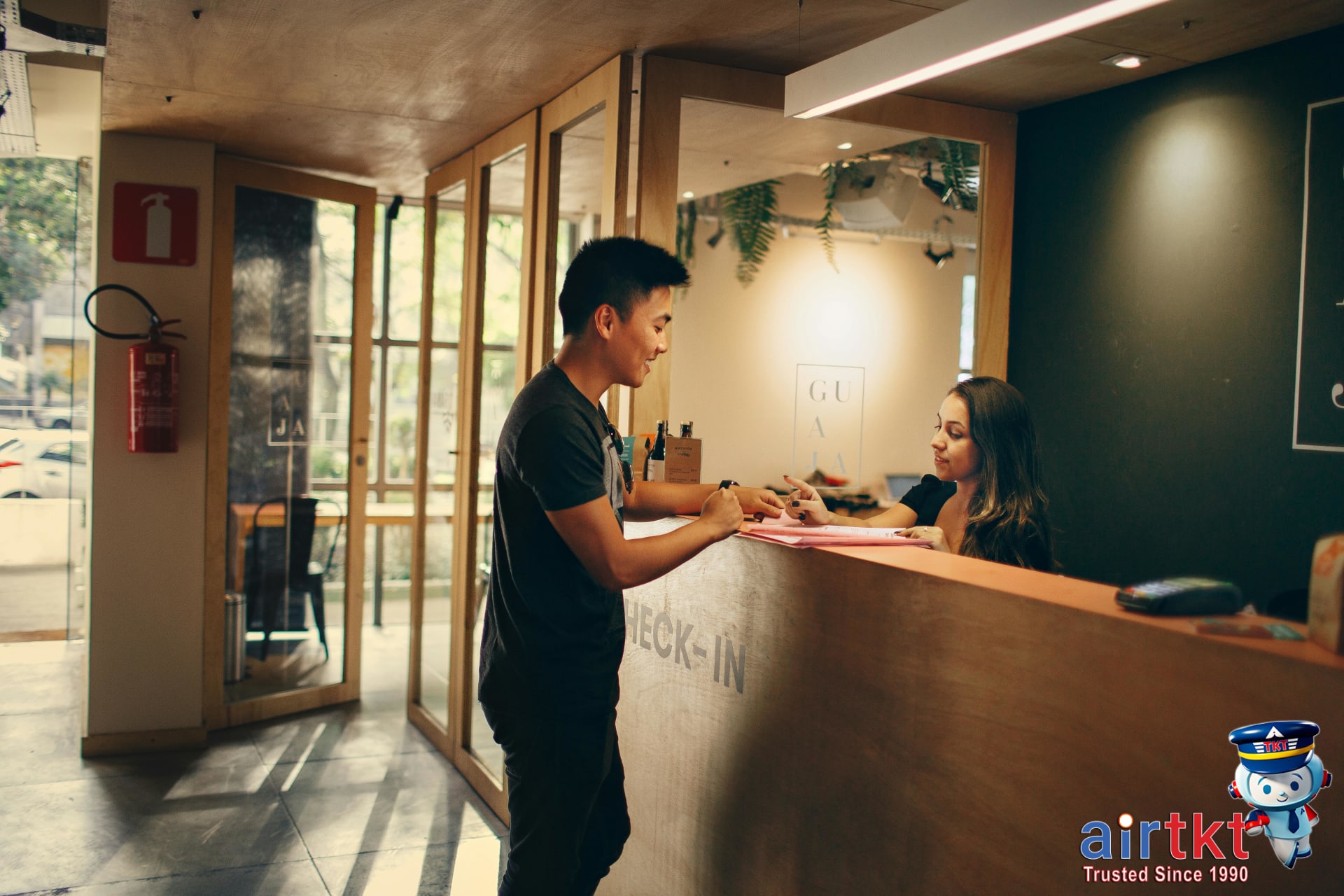
Finding a place to stay means more than comparing comfort and cost—it’s just as important to consider your safety. When I last booked a last-minute hotel in a new city, I remember filtering by guest safety ratings before making my final decision. I recommend starting with a quick scan of neighborhoods for safety and convenient transport access. Maps and city guides can help, but it pays to dig deeper.
Review Neighborhood Details First
Always check neighborhood reputation before booking. Look beyond proximity to attractions—see how well-lit the area is on Google Street View, check transit options, and read about local experiences on accommodation review sites like TripAdvisor or Booking.com. For solo travelers, it’s even more important to select areas with easy transport links, visible foot traffic, and decent nearby amenities.
Assess Security Features Onsite
Protection starts at the door. When picking a hotel or hostel, look for secured entrances—many reputable places use keycard or passcode systems. Check if there’s 24-hour reception or staff presence. Some properties offer in-room safes or lockers, a must if you’re carrying valuables. I usually won’t book anywhere that’s unclear about its security setup, especially if traveling alone.
Smart Booking Strategies
Book through trusted platforms that verify properties, and opt for accommodations where you can contact the host directly if needed. Flexible or refundable bookings offer peace of mind if you need to change plans. I suggest reading the fine print and recent guest reviews to make sure nothing important gets overlooked. If you’re a solo traveler, our best accommodations for solo travelers guide is worth a look for specific recommendations.
Booking via a platform like airtkt.com adds another layer of assurance—just remember to verify reviews and double-check the location on a map. With a careful approach, you can prioritize both comfort and safety at your next stop.
Safe Transportation For Solo Travelers
Getting around as a solo female traveler doesn’t have to feel intimidating—if you stay alert and choose the right options, you’ll make your journeys safer and less stressful. Let’s break down the pros and cons of common transport methods, and how to decide what’s safest wherever you are.
Taxis Versus Rideshare Apps
Traditional taxis can be a good choice in busy city centers, especially those where official taxi stands and clear regulations exist. Using registered taxi companies, hailed from a stand or called directly, is usually safer than flagging down a car on the street. However, not all places have strict checks for drivers or vehicles, so there can be uncertainty if you’re unsure which companies are reputable.
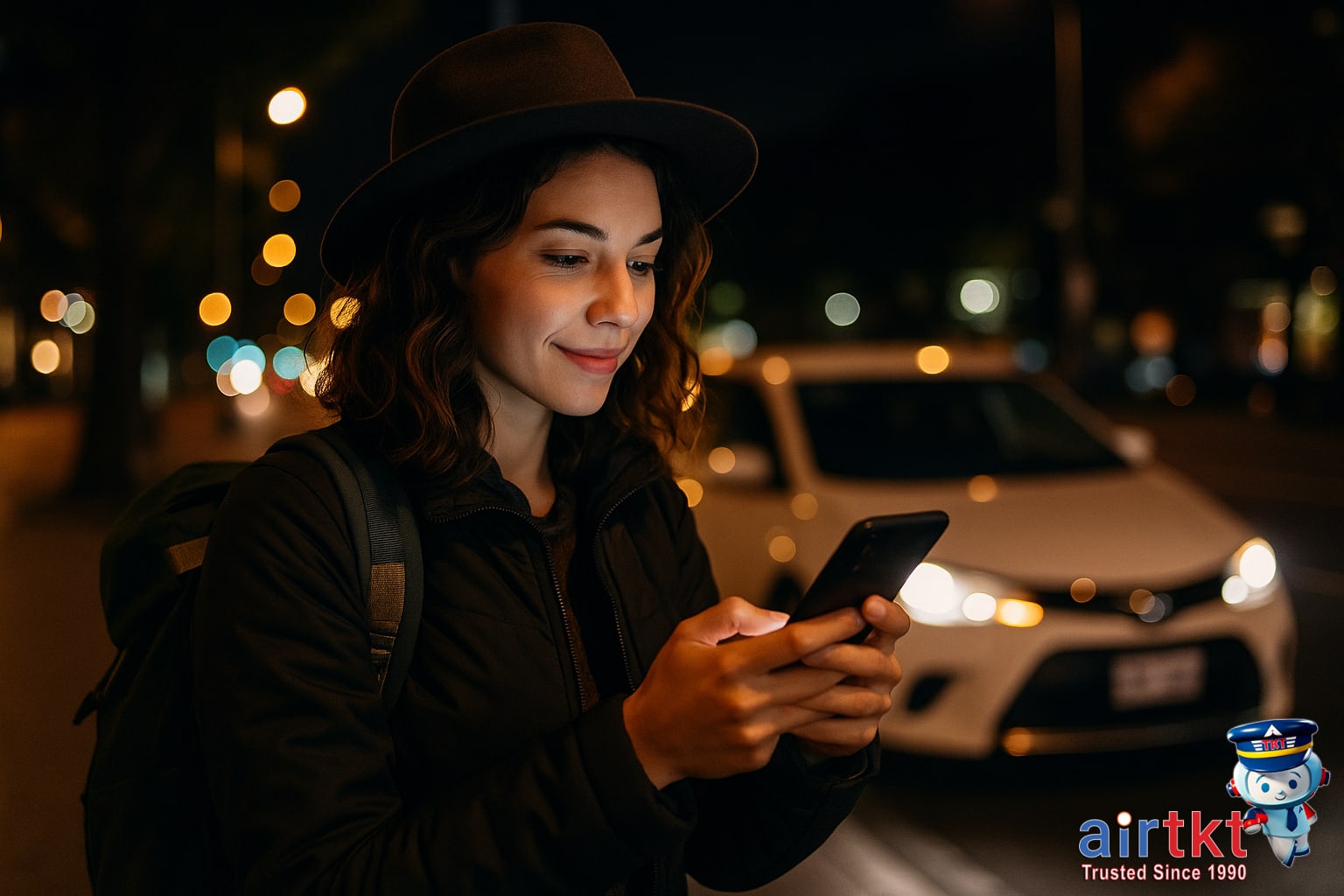
Rideshare apps like Uber and Lyft have become popular for their upfront pricing, route tracking, and digital receipts. One thing I always value is being able to double-check my driver’s information—and the license plate—against my app before ever opening a car door. This gives me peace of mind, especially at night or in unfamiliar neighborhoods. Some destinations, though, may have limited app coverage or, conversely, more reliable taxi systems. I’d compare both options before choosing, especially after researching which locals prefer.
Verifying Vehicles And Drivers
Regardless of your transport method, always verify details before getting in. For taxis, look for company insignia, meter displays, and driver ID badges. With rideshares, study the car make, model, color, license plate, and driver photo on your phone before approaching. If anything doesn’t match, cancel and request another ride. Wait for cars in well-lit, populated areas when possible.
Walking Tips For Staying Safe
On foot, your route and timing matter. Plan walks for daytime or early evening, and whenever possible, stick to main streets with plenty of foot traffic and lighting. If you sense you’re heading into a deserted block, it’s worth the extra steps to detour to a busier area. I’ve adjusted evening plans before based on how the streets felt—sometimes, the safest choice was hopping on public transit for one stop, or ducking into a busy coffee shop until things picked up outside. Staying visible, aware, and close to crowds can make a significant difference.
If you want in-depth strategies for city travel, you can check out our detailed guide on urban transportation best practices for travelers.
How To Stay Aware When Traveling
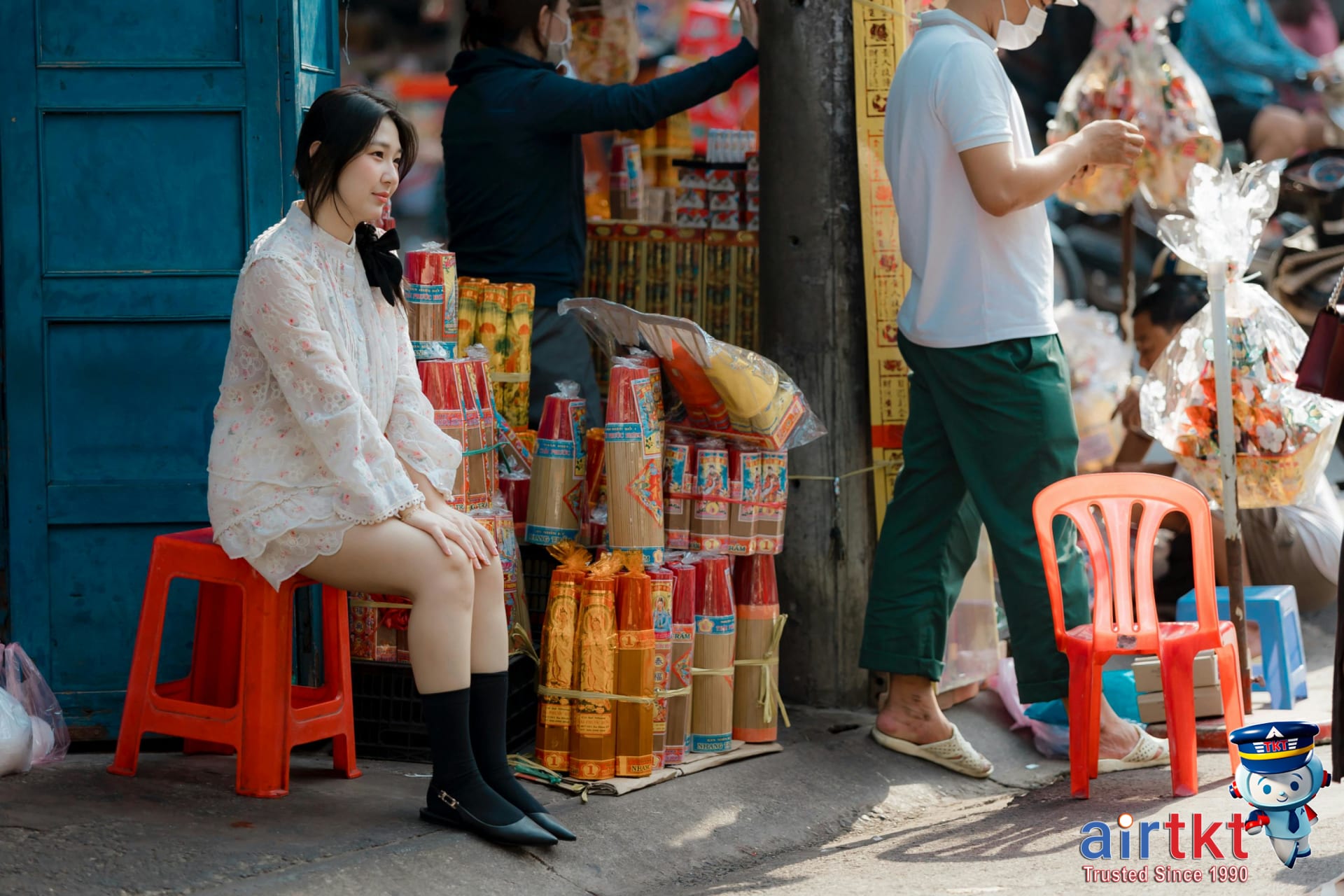
Keeping your wits about you is one of the most practical travel skills, especially when exploring new places as a solo female traveler. Situational awareness isn’t about being paranoid—it’s about staying tuned in to your surroundings so you can spot trouble before it finds you. In busy or unfamiliar environments, I tend to check out who’s nearby, notice what people are paying attention to, and note the easiest way out of a crowded spot. This kind of “soft scanning” becomes a habit over time and genuinely helps you stay a few steps ahead.
Reading People And Places
The first thing I do when stepping into an unfamiliar location is to quickly survey the mood: Are shopkeepers busy, are other travelers relaxed, does anything feel “off?” Reading body language—like people who are watching you too closely or lingering without a clear reason—can signal when it’s time to move on. Look for environmental cues, too. For example, a sudden hush in a marketplace or a change in how locals interact can alert you to something outside the norm.
Smart Safety Strategies
Even simple strategies make a difference. Identifying exit routes (doors, side streets, open shops), especially if you’re in a crowded area, makes it easier to act quickly should the need arise. Avoid distractions—try not to walk with both headphones in or stare at your phone when moving through new neighborhoods. On one of my trips, I noticed a group paying a little too much attention to my bag. Because I’d already clocked an open pharmacy nearby, I ducked in and let the situation pass instead of taking a risk outside.
Confidence Without Vulnerability
Carrying yourself with steady confidence can discourage unwanted attention. Walk with purpose, keep your head up, and check your posture—small adjustments, but they quietly signal that you’re alert. If you’d like more ideas for keeping your mind sharp and tuned in, take a look at our guide on travel mindfulness and awareness.
Dress and Behavior Tips for Safety
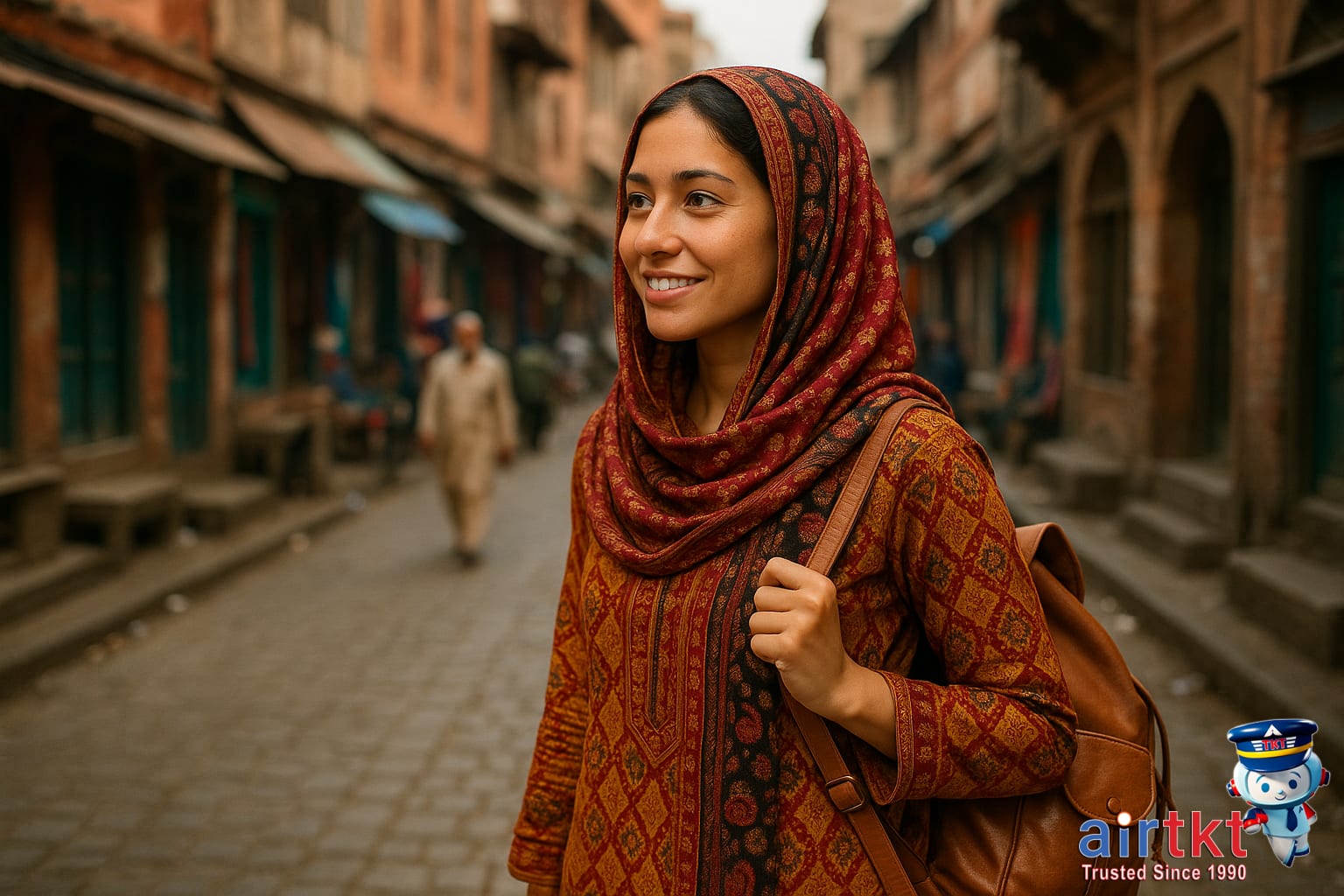
What you wear and how you carry yourself abroad can shape your experience more than you might expect. Throughout my travels, I’ve noticed how dressing to blend in—like matching my clothing style to local Parisians or covering my shoulders in parts of Southeast Asia—helped me feel safer and more at ease. Even small tweaks can help you step into local culture and reduce the odds of standing out as an obvious tourist.
Cultural Dress Norms Matter
Cultural expectations vary widely. In many parts of Europe, simple neutral tones and a clean look go a long way. If you’re heading to the Middle East or North Africa, modesty is key—long pants or skirts and tops with sleeves can help you show respect and avoid unwanted attention. Urban spots in Latin America or Asia often favor smart casual attire over loud tourist gear or shorts. I’d look up a few street photos or fashion blogs from your destination to see what most locals actually wear, rather than relying on generalizations.
Confident and Respectful Body Language
Sometimes, safety is about how you move as much as what you wear. Make purposeful eye contact, keep your head up, and walk with steady strides—even if you’re unsure of your path. An open but alert attitude makes you seem less vulnerable. At the same time, I’ve found that a friendly, relaxed posture—small smiles to vendors, greeting others in the local language—helps you connect without drawing unnecessary attention.
Avoid Obvious Tourist Signals
Tourist signals like wearing a backpack on your chest, clutching maps on the street, or moving around in large, noisy groups all broadcast unfamiliarity. Switching to a crossbody bag, keeping valuables out of sight, and using your phone discreetly for directions keeps you under the radar. I’d also recommend learning a few cultural etiquette basics (especially if you’re going solo). For deeper advice, check out this helpful article about cultural etiquette when traveling solo and consider consulting trusted travel guides like Culture Trip or Rough Guides for destination-specific tips.
Protecting Your Data While Traveling
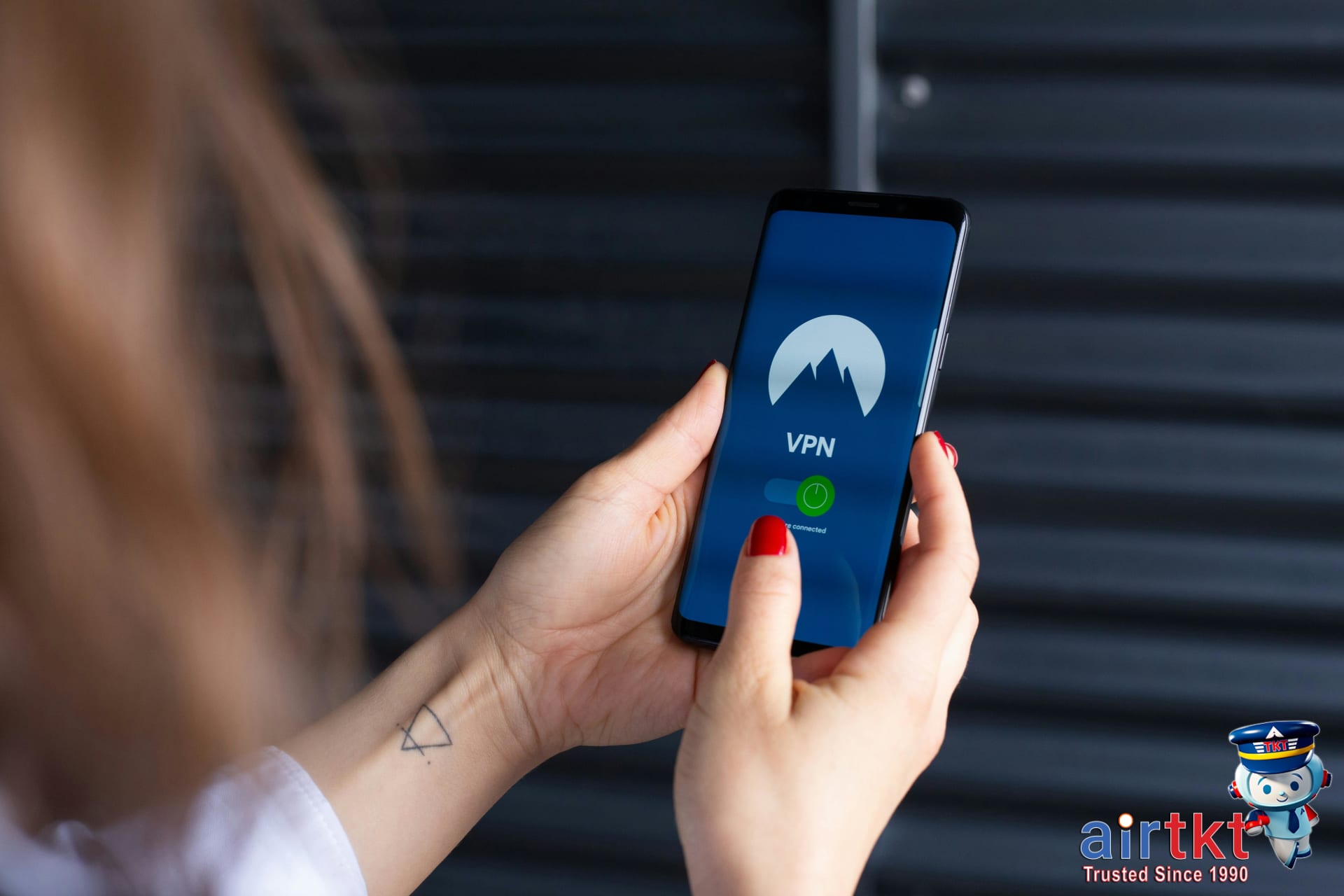
Staying digitally secure is just as important as keeping your passport safe, especially when you’re on your own in a new country. I started to take this much more seriously during a recent solo trip, where I made a conscious effort to tighten up how I used my phone and laptop on the go.
Smart Use of VPNs and Passwords
Whenever I needed to check email or banking, I’d switch on a reliable VPN to encrypt my connection, which adds a basic layer of protection against eavesdroppers on public networks. Make sure you’re using unique, strong passwords for all your major accounts—I always recommend a password manager at this point, since it’s impossible to remember them all. Setting up multi-factor authentication (MFA) adds another barrier for would-be snoops.
Securing Devices and Avoiding Public Wi-Fi Risks
I now keep my devices set to auto-lock quickly, and only unlock them with a PIN or fingerprint—not just a simple swipe. Public Wi-Fi is so tempting, but it’s a hotspot for data theft. Instead, I opt for my phone’s cellular data when possible, or connect to Wi-Fi networks that require a password from a reputable source, like a hotel front desk. I’d avoid logging in to sensitive accounts—from email to cloud storage—when I can’t fully trust the connection.
Careful Location Sharing and App Privacy
You might want to share your whereabouts with friends or family for safety, but it’s smart to do so through apps with good privacy controls. I only enable live location sharing with those I trust. Periodically reviewing which apps have location access—and turning off those that don’t truly need it—has helped protect my personal itinerary from oversharing.
If you want more in-depth advice, check out our technology guide for travelers with practical walk-throughs on these tools. For broader travel cybersecurity tips tailored to international tourists, you can review the U.S. State Department’s guidelines for staying safe online abroad.
Emergency Preparedness Strategies For Travelers
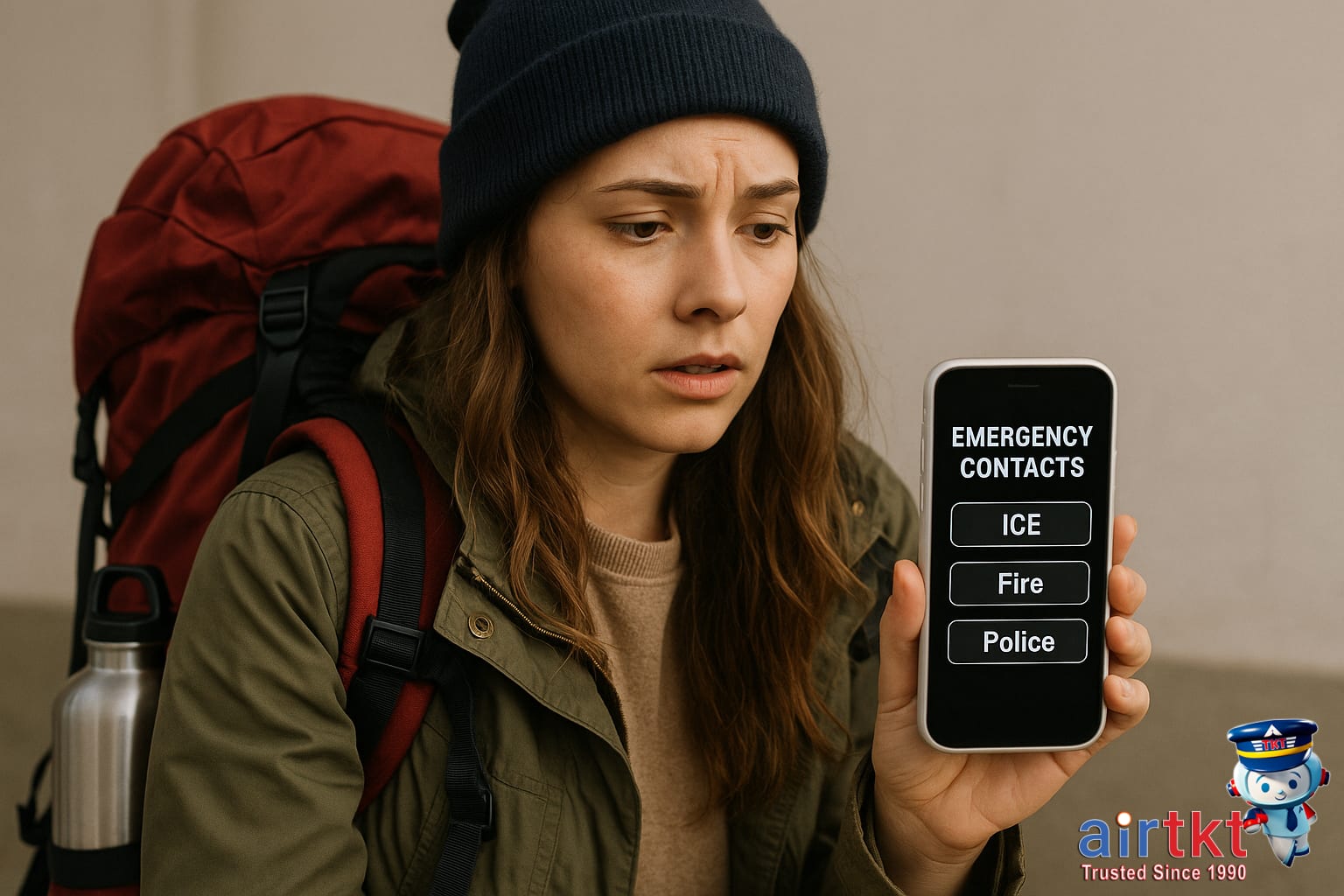
Traveling doesn’t just mean packing your bags and hitting the road—it also means having a plan in place if things don’t go as expected. Whether you’re exploring a new city alone or navigating a busy airport, taking time for emergency preparedness helps you react quickly should the need arise. In my own travels, knowing I had an emergency contact plan and all my details shared with someone I trust has always offered real peace of mind, especially when venturing solo.
Build And Share Your Emergency Contact List
Start by compiling a list of crucial contacts on your phone—not just a parent or spouse, but also your country’s embassy or consulate at your destination, local emergency services, and a reliable friend who will answer in a pinch. Don’t just keep this list to yourself; send it to someone close at home and make sure they know your travel itinerary. For a deeper dive, check out our guide on emergency communication tips for solo travelers.
If you’re traveling internationally, you may need more than just 911 in your address book. Consider bookmarking or printing a list of international emergency numbers; you can find detailed resources at sites like U.S. Department of State Emergencies Abroad or the European Commission’s emergency number page.
Set Up A Safety Check-In Routine
To avoid worry and streamline your safety, set regular check-in schedules with your contacts—perhaps a quick nightly text or a short call every couple of days. If your plans change, update your contact as soon as you can. I usually set calendar reminders for myself when changing locations or accommodations, so nobody is left guessing about my whereabouts.
Essential Emergency Tools To Carry
Some items barely take up space in your daypack but can make a huge difference. I make sure to always pack a mini flashlight, whistle, and a small but real first-aid kit. They’re basic, but they buy you valuable time or attention if you need help quickly. And don’t forget a power bank—keeping your phone charged is just as important as having all those contacts saved.
Solo Female Travel Budget Planning
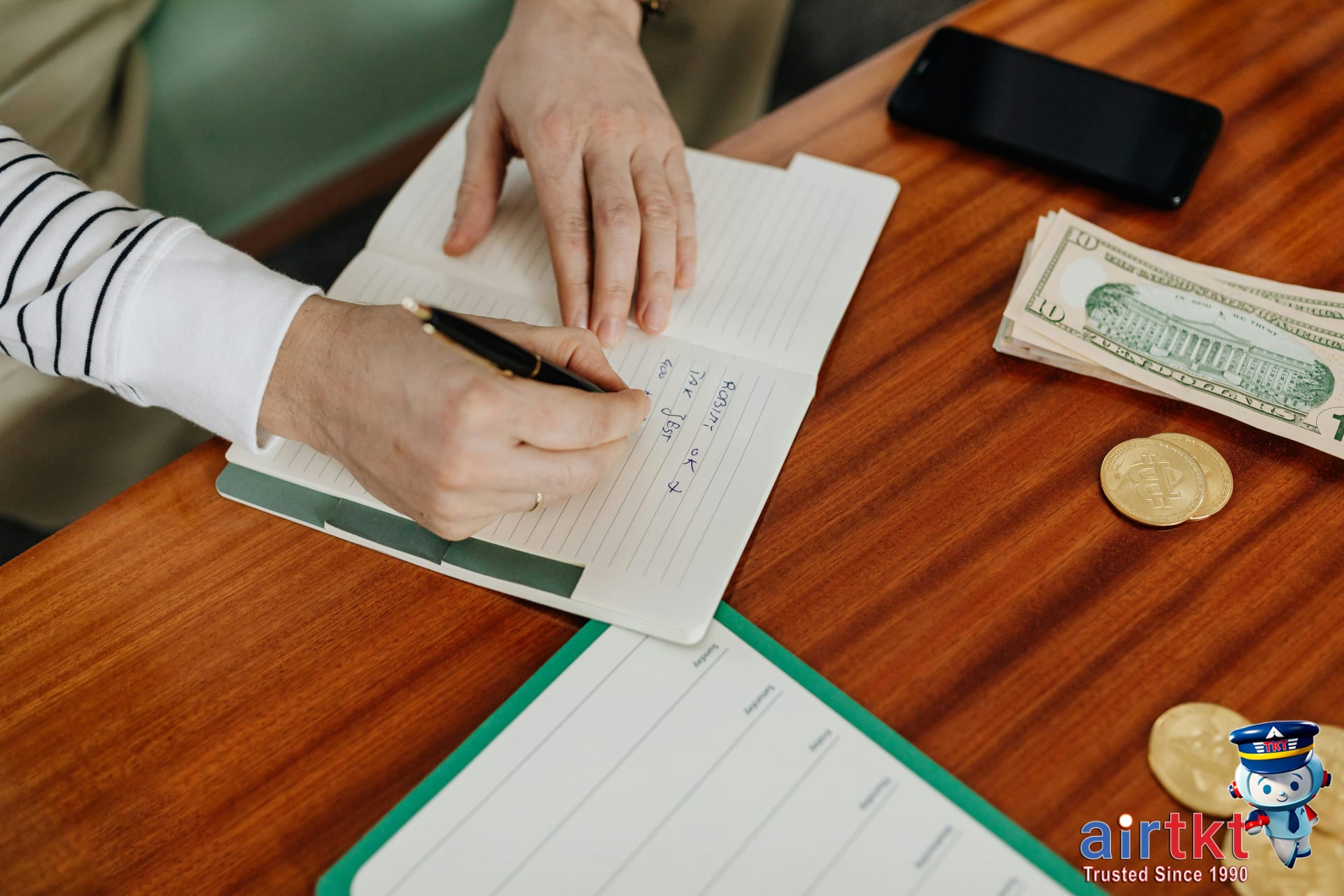
Traveling solo as a woman means making thoughtful choices about where to spend and where to save. Your budget isn’t just about sticking to a number—it’s about knowing what’s worth an extra line in the spreadsheet, especially for your safety and peace of mind. While I never recommend overspending just for the sake of it, I always make sure to set aside a bit extra for reliable transport, a secure accommodation, or the occasional backup ride if my plans unexpectedly change.
Solo Travel Costs Breakdown
| Accommodation | Food | Transport | Activities | |
|---|---|---|---|---|
| Budget | $40.00 | $15.00 | $10.00 | $10.00 |
| Mid-range | $80.00 | $30.00 | $20.00 | $25.00 |
| Luxury | $180.00 | $70.00 | $60.00 | $60.00 |
These numbers reflect daily averages. For solo female travelers, spending a bit more on accommodation—say, choosing a hotel over a shared dorm—can make a noticeable difference in how comfortable and secure you feel. Personally, I weigh whether upgrades like private airport transfers or guided small-group tours are worth the extra dollars based on the destination and my own comfort zone.
This is also where it’s smart to build a small contingency line into your plan—for instance, enough for a verified local taxi, or the occasional express admission ticket, rather than waiting in a late-night line. It’s about balancing cost-saving strategies with practical investments in your wellbeing.
If you want more advice for stretching your trip funds while keeping safety in mind, check out our practical budget travel tips guide for actionable ways to make every dollar count. And don’t forget, booking with airtkt.com often helps you keep initial airfare and hotel expenses in check, freeing up room in your budget for the things that matter most to you.
FAQs for Solo Female Travel Safety
- What are key solo female travel safety tips?
The top solo female travel safety tips include staying aware of your surroundings, securing your valuables, choosing accommodation with good reviews, and trusting your instincts. I once wondered if booking central lodgings really mattered, and learning how it added convenience and safety definitely reassured me for solo trips.
- How do I avoid drawing unwanted attention?
Dress in a way that matches local customs, walk with purpose, and keep volume down in public places. Carrying only what you need also helps. In busy areas, I usually keep headphones out so I can remain alert and react quickly if needed.
- Is it safe to use public transport alone?
Public transport can be safe, but always check if the area is reputable and avoid isolated stops at night. Sit near the driver or other women if possible. Before I travel, I check recent traveler reviews about local transport for any new safety concerns.
- Should I share my itinerary with someone?
Always share your itinerary and regular updates with a trusted contact at home. Apps or scheduled check-ins work well for peace of mind. I set reminders on my phone to text a friend after any major travel leg, just to keep communication regular and predictable.
- What do I do if I feel unsafe in my accommodation?
If you ever feel uneasy in your accommodation, it’s smart to request a different room, contact management, or leave and find safer options. I recommend bookmarking any local hotel listings or safety articles, and I always check the emergency exits when I arrive.
- Are there specific solo female travel safety tips for nightlife?
If you’re heading out at night, stick to busy, well-lit areas and avoid walking alone if possible. Watch your drink at all times and don’t accept open drinks from strangers. I find arranging a ride service ahead for the return trip eases any late-night worries.
- What should I keep in my day bag for safety?
Pack a copy of your ID, an emergency contact card, some cash, a portable phone charger, and personal safety items like a whistle or alarm. Having these essentials in an easy-to-reach place means I can focus more on the experience than on “what if” scenarios.
Empowerment Through Thoughtful Preparation
Preparedness is at the core of safe, fulfilling solo travel. Throughout this guide, we’ve covered the essentials: trusting your instincts, planning your route, keeping digital backups, connecting with your support system, and researching local customs. Each step—no matter how small—helps reduce risk and boost your confidence when navigating unfamiliar ground. Learning how to trust yourself, while also setting up practical safety nets, can make all the difference.
The most valuable lesson I’ve learned from my own solo trips is that even the best advice only matters when you actually put it into practice—pre-trip research is powerful, but it’s the small, conscious decisions you make on the road that truly empower you. Whether you’re prepping emergency contacts before a city stroll or double-checking your next-day itinerary, these thoughtful moments of preparation have left me feeling far more relaxed and ready to enjoy my travels.
Keep seeking out new safety tips and stay proactive, because every bit of knowledge adds another layer of freedom. And remember, you’re not alone in this—there’s a strong, encouraging community of solo adventurers out there. If you’re looking for more inspiration, check out some of the other airtkt.com solo travel stories and guides available on the site.
So as you dream up your next destination, don’t let worry hold you back. Take each journey as a chance to prepare, learn, and grow. Safe exploration isn’t about fear—it’s about equipping yourself to experience the world on your terms.