
Setting the Scene in Buenos Aires
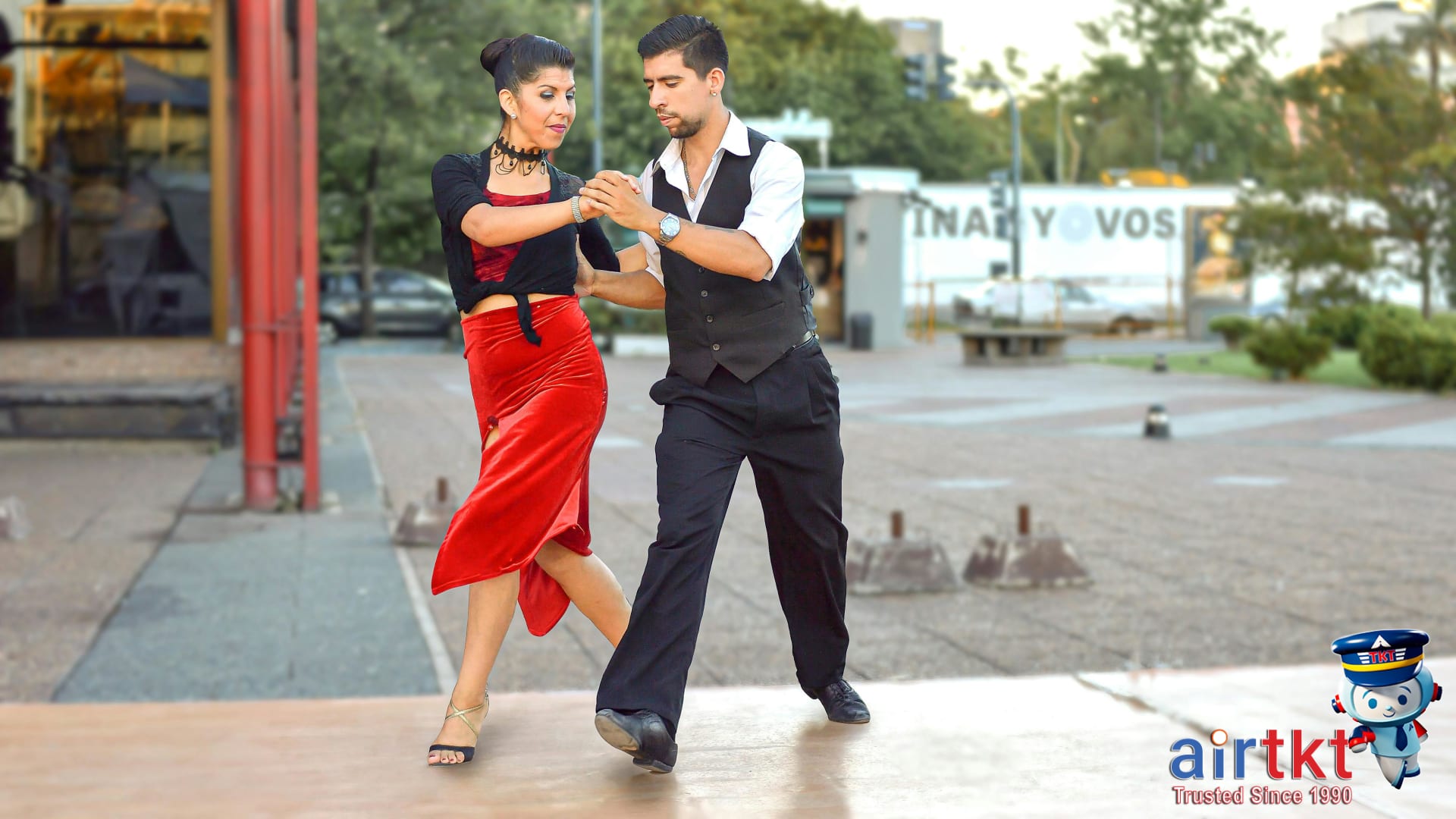
Buenos Aires is often called the “Paris of South America,” and after my first glimpse of its tree-lined boulevards and ornate European-style facades, I immediately understood why. The city weaves Old World elegance with a distinctly Latin passion, inviting you into grand plazas, cozy cafés, and neighborhoods where every block tells a story. Argentina’s capital pulses with life—street art jumps off crumbling walls, café tables spill onto cobblestone sidewalks, and impromptu tango dancers sweep through city parks, especially around San Telmo and La Boca.
What first pulled me toward Buenos Aires wasn’t just the architecture, though; it was the city’s reputation for tango and its near-religious devotion to Argentine steak that really sparked my curiosity. Even before I set foot here, the thought of tracing the dance’s roots in atmospheric milongas and tasting a classic parrilla dinner were enough to get me researching flights. For first-time visitors, Buenos Aires offers a buffet of experiences: locally roasted coffee, bustling markets, grand theaters like Teatro Colón, and, of course, those smoky, sizzling barbecue aromas drifting from every corner eatery.
This guide aims to help you see beyond the iconic postcard sights and get closer to what makes Buenos Aires endlessly fascinating—whether you’re following in the footsteps of tango legends or just on the hunt for your next unforgettable meal.
Buenos Aires’ Most Distinctive Neighborhoods
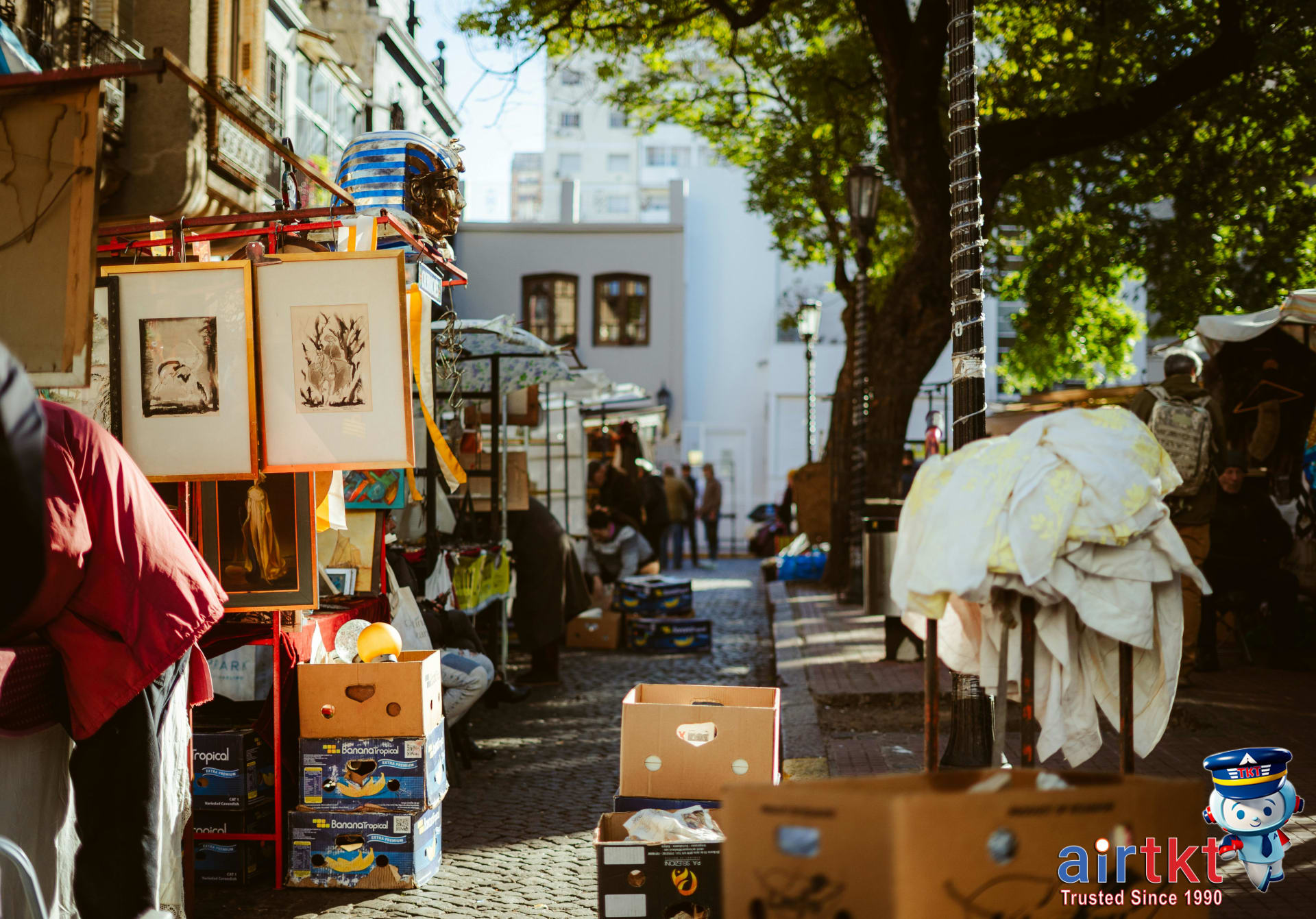
Buenos Aires is a city made for wandering, with each neighborhood offering its own rhythm and character. San Telmo’s cobblestone streets pulse with the echoes of tango and history, especially on weekends when the antiques market sprawls along Plaza Dorrego. I’ll never forget losing track of time in San Telmo Market itself—pausing to watch locals banter over fresh produce and artisans display vintage treasures. There’s a genuine charm here that’s hard to find elsewhere in the city.
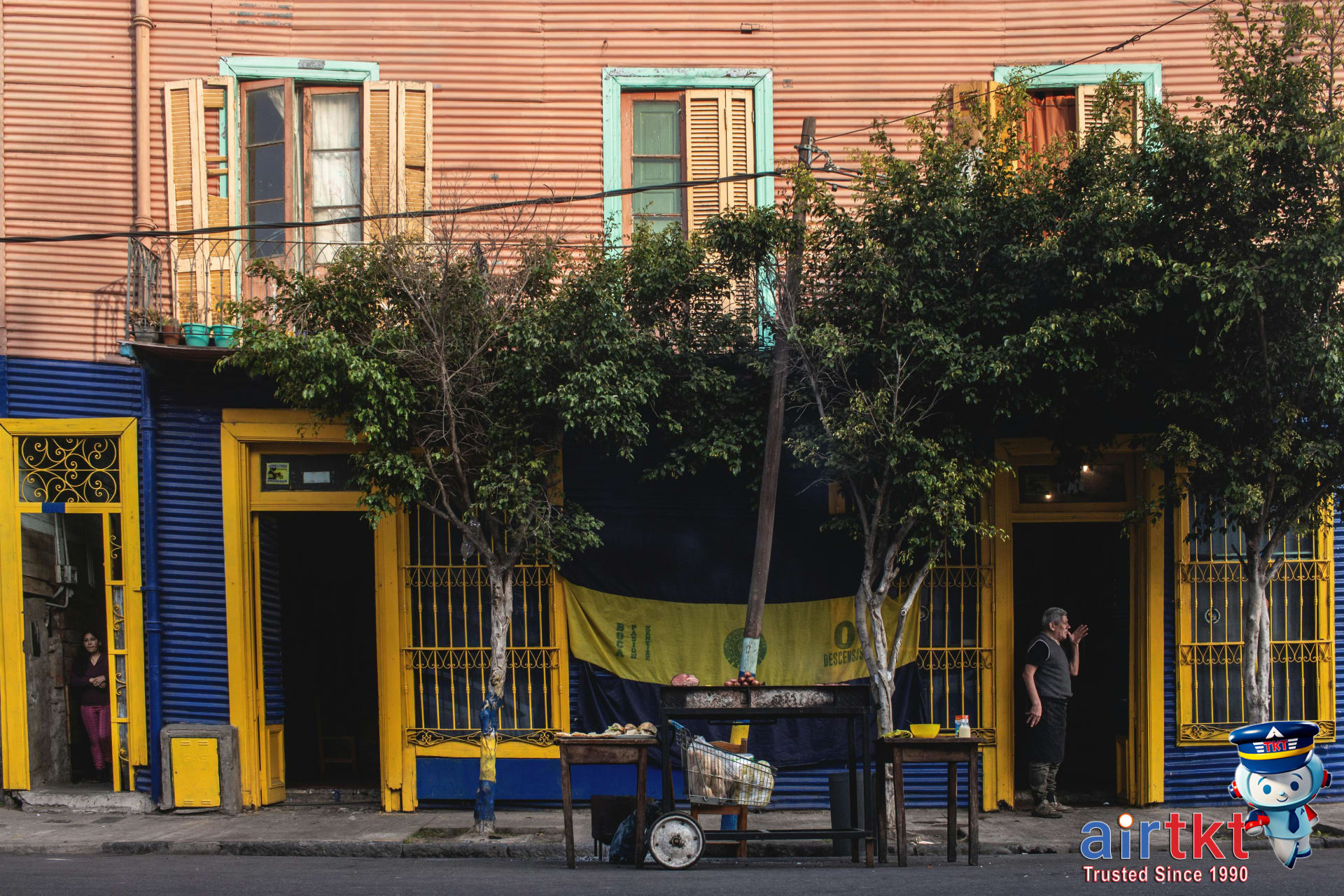
Head southeast to La Boca, where the buildings burst with painted colors and Caminito Street hums with outdoor tango performances and street artists at work. It’s lively, quirky, and unapologetically proud of its working-class roots. Just keep your exploration to the tourist-friendly areas, as the surrounding blocks can feel less welcoming for casual strolls.
For a completely different vibe, Palermo is Buenos Aires’ bohemian green lung. Its side-by-side parks, indie boutiques, buzzing sidewalk cafes, and art-filled streets make it the spot where locals linger for brunch or sunset drinks. This is the place to sample trendy cuisine, spot cutting-edge murals, and soak up young creative energy.
Then there’s Recoleta, the city’s most elegant corner. Here, Parisian-style avenues, grand architecture, and leafy plazas host well-heeled porteños (locals). Strolls often lead to the stately Recoleta Cemetery, where Eva Perón rests, or nearby parks shadowed by historic mansions. If you’re drawn to cultural museums and refined ambiance, give yourself a few hours to meander here.
Getting Between Neighborhoods
Buenos Aires’ Subte subway system is easily the simplest way to hop from district to district, especially if you want to keep costs low and avoid city traffic. You’ll need a SUBE card, which you can pick up and recharge at subway stations, kiosks, or convenience stores. The ride itself is quick, and trains run reliably to central spots across the city. Between San Telmo’s market, La Boca’s Caminito, Palermo’s parks, and Recoleta’s museums, sticking to the subway keeps your day moving without breaking your budget.
If you’re planning Buenos Aires for your next adventure, check out current flight options on airtkt.com—there are deals tailored just for South America trips.
Immersing Yourself in Tango Culture
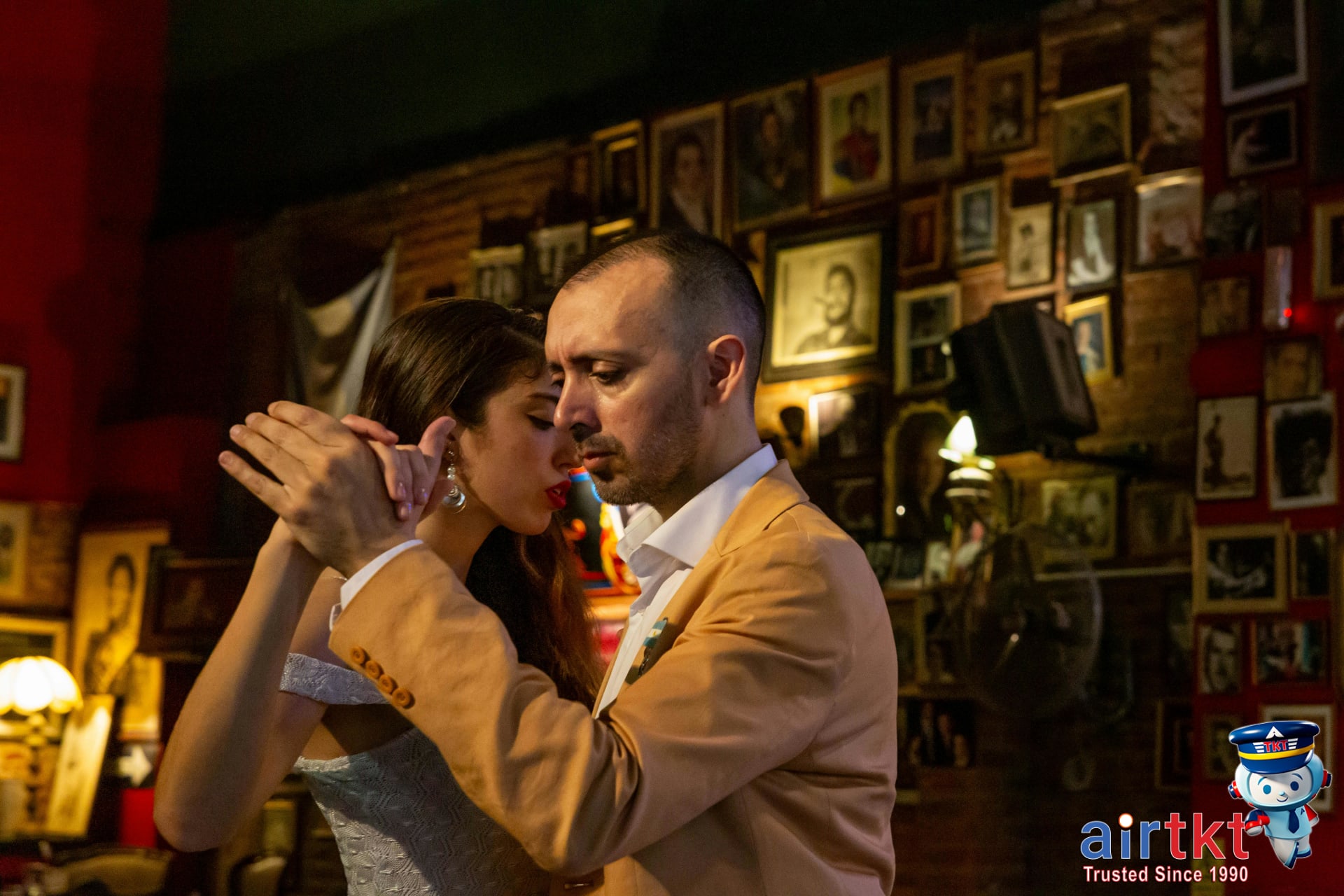
Tango runs through Buenos Aires like a current—born in the city’s immigrant neighborhoods in the late 1800s, it became not just a dance or a style of music, but a vital piece of local identity. When you experience live tango in Buenos Aires, you’re seeing something that connects generations and pulses with the city’s energy. It’s easy to understand why tango was recognized by UNESCO as part of the world’s cultural heritage.
If you want an authentic tango night, I’ve found that both historic theaters and small milongas (social dance halls) offer unforgettable experiences. For a truly theatrical show, check out El Querandí or Café de los Angelitos—both host skilled dancers and musicians in intimate, beautifully restored venues. If you’re after something a bit less formal, try La Viruta or Salon Canning. These classic milongas let you see locals of all ages step onto the parquet dance floor, sometimes inviting visitors to join in. Watching a passionate tango unfold just feet away from me at a milonga was absolutely thrilling—and the kind of memory that sticks with you long after your trip.
Tango is a high-demand attraction for both travelers and locals, so I usually recommend booking your tickets early, especially for top theaters or special events. You can find tango-focused Buenos Aires travel packages on airtkt.com, which often include show tickets, city tours, and helpful booking support.
Savoring Argentine Steak and Cuisine
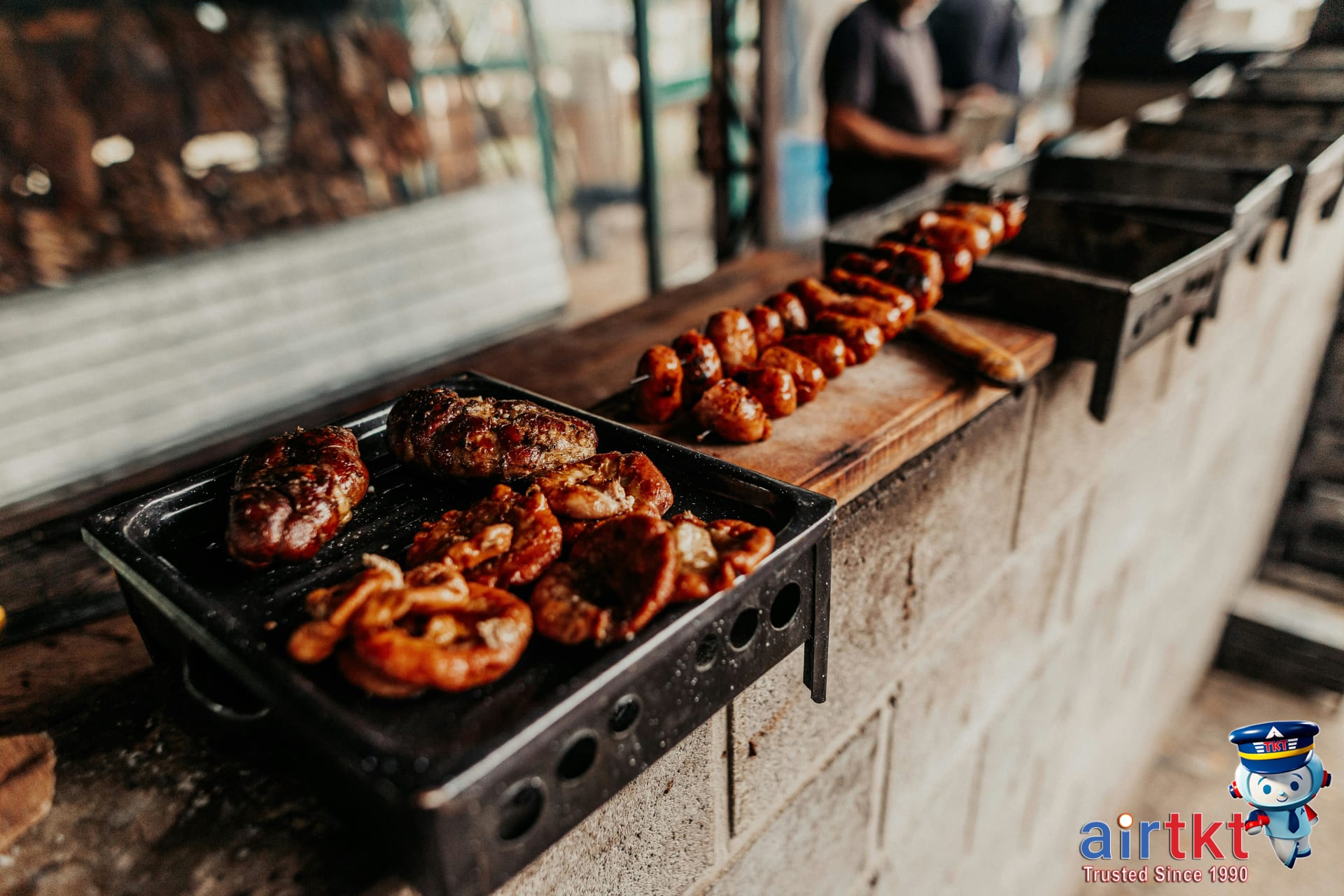
Buenos Aires proudly wears its love of food on its sleeve, and the city’s parrillas (Argentine steakhouses) are central to the experience. These restaurants specialize in wood-fired grills, serving tender cuts of beef that have earned Argentina its global reputation. The sizzle of steak on the grill and the warm clatter of sharing plates truly capture the city’s welcoming, communal food culture.
Local cuisine, though, is more than just steak—empanadas (savory pastry pockets, often filled with spiced meat or cheese) are everywhere, and choripán, a delicious grilled sausage sandwich, makes for the ultimate quick snack. I’d also put a good milanesa (breaded, fried steak) on your list for something familiar yet distinctly local.
My favorite food moment in Buenos Aires was sitting in a busy parrilla and tasting an ojo de bife, a ribeye steak cooked simply over the coals. Paired with chimichurri sauce and a glass of Malbec, it was an honest, unfussy meal that perfectly summed up Argentine dining—generous, flavorful, and always best when shared.
Parrillas are built around sharing, often offering a mixed grilled platter (parrillada) that lets you sample several cuts of beef (like vacío and bife de chorizo), plus sausages and sometimes offal. If you’re with friends or family, splitting a parrillada is a great way to try a bit of everything and appreciate the variety.
Must-See Buenos Aires Sights and Attractions
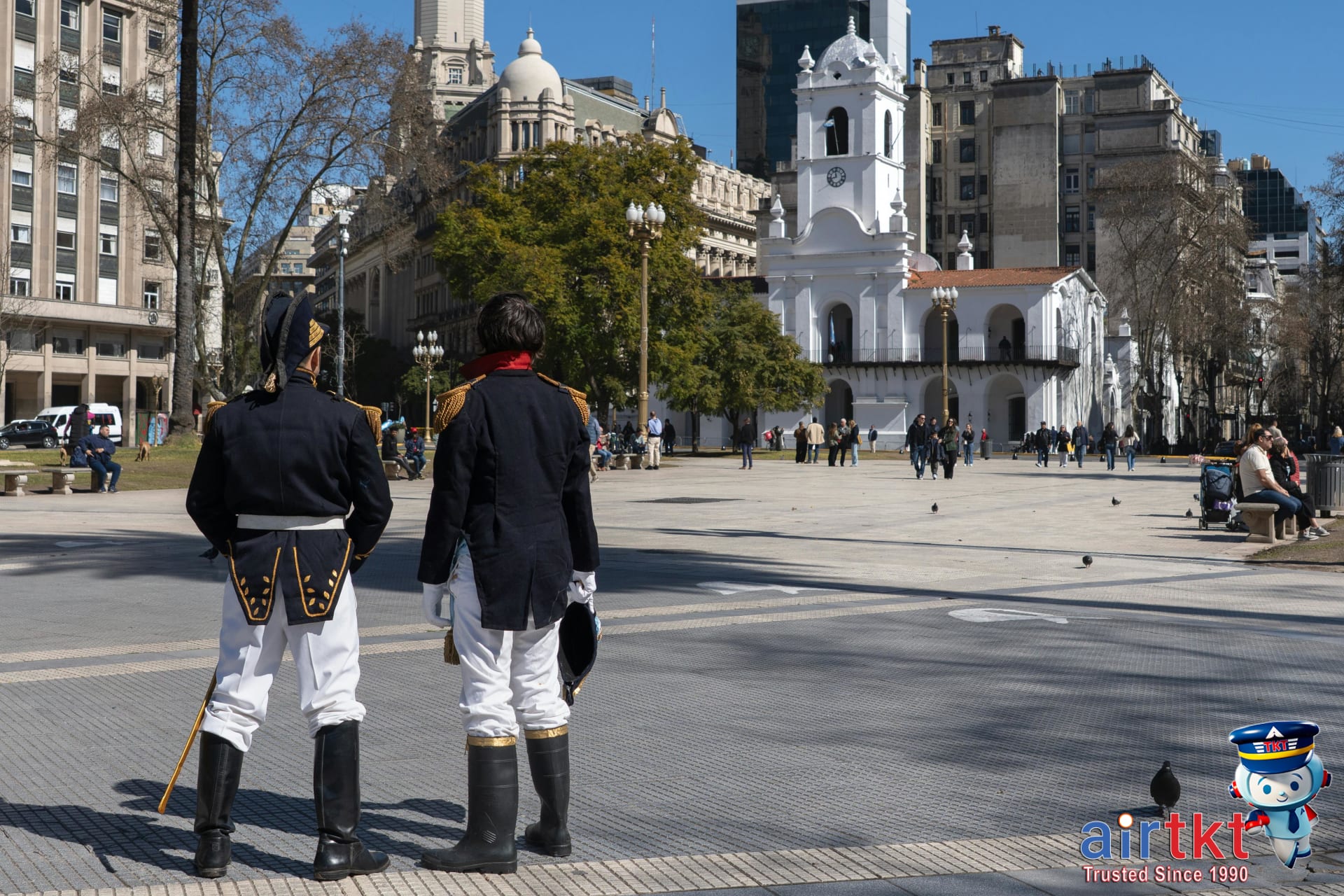
Buenos Aires is packed with unforgettable sights that blend its rich history with vibrant local life. If you start at the iconic Plaza de Mayo, you’ll find yourself in the heart of the city’s political and cultural history. This grand, bustling square is surrounded by some of Buenos Aires’ most recognized landmarks, including the pink-hued Casa Rosada—the presidential palace, which you can admire from outside or get a peek inside on guided tours.
Just a short stroll away, Teatro Colón stands out as one of the world’s great opera houses. Whether you’re catching a live performance or joining a behind-the-scenes tour, the building itself is a masterpiece with dazzling architecture and impressive acoustics. In my experience, stepping into the golden halls of Teatro Colón during a daytime guided visit left me speechless—I could almost hear the echoes of past performances in its ornate interior.
For something different, wander down to Puerto Madero. Once a collection of old docks, it’s now a lively riverfront district. You’ll find modern restaurants, stylish bars, and a scenic promenade perfect for walking along the water. If you crave atmosphere and history, take time to explore the Recoleta Cemetery. It may sound unusual, but this city of the dead, filled with elaborate tombs and sculptures, feels more like an open-air art gallery. Eva Perón’s mausoleum is one of the most visited spots here.
If you’re mapping out your own sightseeing itinerary, I’d recommend skimming local Buenos Aires attraction guides on airtkt.com for more in-depth tips and lesser-known gems. Popular attractions often have long queues, but buying tickets online in advance saves valuable time—something I learned the hard way after waiting under the midday sun outside Casa Rosada.
Getting Around Buenos Aires Efficiently
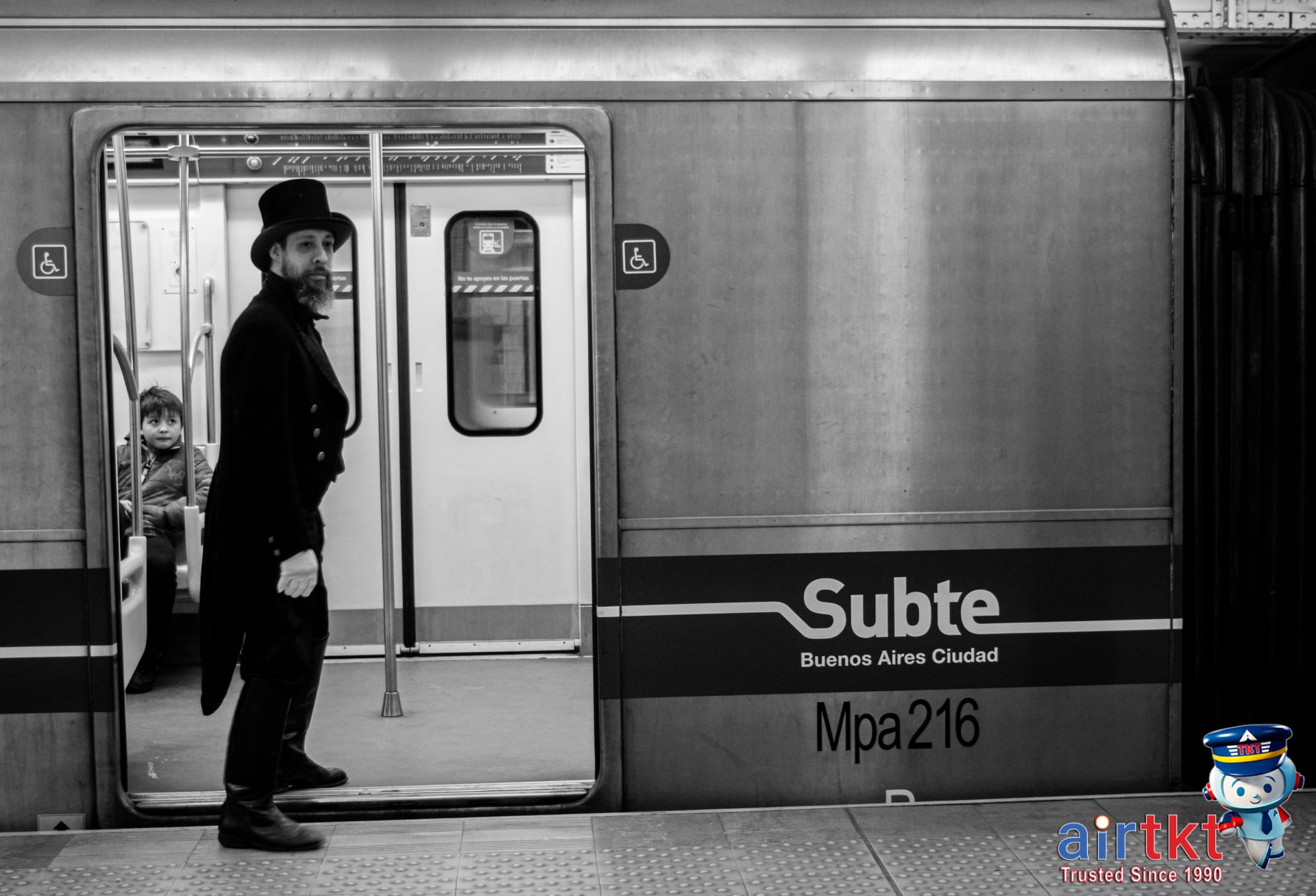
Buenos Aires is a big city, but navigating it doesn’t have to be intimidating. The city offers a few solid ways to get around: the Subte (subway), colectivos (buses), taxis, and good old walking. I’ve found that combining these methods—with a little planning—saves both money and time when exploring widely spread neighborhoods or hopping between popular sights.
Public Transport Pros And Cons
The Subte is quick and straightforward, especially during off-peak hours. It connects most key neighborhoods like Palermo, Recoleta, and Microcentro. However, lines can get crowded during rush hour and don’t run very late at night. Buses (colectivos) cover far more areas and run almost around the clock. They can seem daunting at first—routes are extensive, and you’ll need to know where to get off—but they’re highly reliable once you’ve picked up the basics. Taxis are widespread, safe when hailed officially, and a good option for late-night trips, but expect traffic delays during busy times.
Walking Tips For Newcomers
Buenos Aires is generally walkable, especially in central districts. For prime stretches like Avenida Corrientes or San Telmo’s cobblestone streets, I enjoy setting out on foot—just remember to keep valuables secured and avoid isolated areas after dark. Wide sidewalks and tree-lined boulevards make urban strolls pleasant, though crossing large intersections (like 9 de Julio) can require some patience.
How To Use A SUBE Card
The SUBE card is the best way to pay for both Subte and bus fares. You can buy a card at Subte stations, kiosks, or dedicated stands. After loading it with credit, you simply tap it on the reader—much easier than fussing with cash or coins. In my experience, using the SUBE card for seamless transfers (and pairing it with some strategic walking) made covering ground in Buenos Aires smooth and simple.
Essential Buenos Aires Travel Tips
Navigating Buenos Aires as a first-time visitor is both rewarding and a little daunting—especially if you’re unfamiliar with the basics of local customs and logistics. Here’s what I’ve learned from my own experience, along with tips to help you feel more comfortable from day one.
Safety Tips For Tourists
Buenos Aires is generally lively and welcoming, but like in any major city, it’s wise to stay alert. Stick to well-lit, busy areas after dark, keep your phone and valuables discreet, and be cautious when withdrawing cash. Pickpocketing can happen in crowded places like street markets and on public transport, so I always carry a crossbody bag with the closure facing inwards.
Helpful Spanish Phrases
While many people working in tourism speak some English, knowing a few Spanish basics makes a big difference. Useful phrases include “¿Cuánto cuesta?” (How much does it cost?), “¿Dónde está…?” (Where is…?), “Por favor” (Please), and “Gracias” (Thank you). I found just trying to speak Spanish—even poorly—usually led to friendlier service and some good-natured smiles.
Managing Money and Currency
The local currency is the Argentine peso, and small bills or coins are essential—especially at markets or when taking taxis. Larger bills aren’t always accepted, and change can be hard to come by. I learned this the hard way my first week, struggling to break a bill just to pay for a coffee. I’d suggest withdrawing or exchanging money in smaller denominations when possible.
Tipping Etiquette Basics
In restaurants, a tip of about $1.00 per person is typical unless service is included. It’s normal to round up the fare in taxis—handing over about $1.00 extra is appreciated. Tipping in cash is preferred, even in places that accept cards. Hotel porters should be given about $1.00 per bag for their help.
Regional Exploration Timing
Buenos Aires has four distinct seasons, so plan regional day trips around the weather and local holidays. Spring (September–November) and fall (March–May) generally offer the most pleasant sightseeing conditions. I usually check local event calendars before finalizing any side excursions—festivals can both enhance and complicate travel days.
Buenos Aires Trip Budget Breakdown
Understanding how your budget shapes your Buenos Aires trip helps you decide where to spend and where to save. Here’s a practical breakdown of what you might spend per day depending on your preferred travel style—budget, mid-range, or luxury.
| Budget | Mid-range | Luxury | |
|---|---|---|---|
| Accommodation | $30.00 | $85.00 | $200.00 |
| Food | $15.00 | $45.00 | $100.00 |
| Transport | $5.00 | $20.00 | $60.00 |
| Activities | $10.00 | $40.00 | $120.00 |
As you can see, a shoestring approach means simple hostels, empanadas from local bakeries, and buses or subways. If you pick mid-range options, you can enjoy boutique hotels, café dinners, and the occasional tango show. Those leaning luxury might stay in five-star hotels, dine at top restaurants, and have private tours.
When I planned my own Buenos Aires trip, setting a clear budget helped me balance comfort and cost—I could indulge in a special steak dinner but opted for buses over taxis to stay within my means. Tailoring each spending category really does shape your experience.
Budget planning isn’t just about saving—it’s about getting the most satisfaction for your dollar. Before you decide where to splurge, think about which experiences matter most to you.
You’ll find more flight booking tools and ways to personalize your travel costs at airtkt.com as you plan your journey.
FAQs About Visiting Buenos Aires
- When is the best time to visit Buenos Aires?
Buenos Aires is especially pleasant from April to June and September to November, when the weather is mild and parks are lush. These spring and fall months offer comfortable temperatures and fewer crowds than the busy summer season, which can get hot and humid. I usually suggest visiting during these windows.
- How should I budget for a Buenos Aires trip?
For a comfortable experience, plan around $80.00 per day for food, local transport, and basic sightseeing. Accommodation varies widely, so factor in lodging separately. Many museums and attractions offer free or low-cost entrances, so you can enjoy Buenos Aires culture without overspending.
- What is the safest neighborhood in Buenos Aires?
Palermo is known for feeling secure, with plenty of nightlife, restaurants, and parks that are popular among both locals and visitors. Recoleta is another safe area, especially around main avenues. In my experience, I’m often asked this and typically suggest these districts for first-time travelers.
- Where can I watch authentic tango performances?
San Telmo and La Boca neighborhoods are famous for street tango shows and atmospheric venues. If you want a classic show, consider a “milonga,” where locals dance. One of the most memorable evenings I had was catching a live tango in a small San Telmo bar—look for these intimate spaces.
- What currency is used and how should I handle cash in Buenos Aires?
Buenos Aires uses the Argentine peso, and cash is often preferred in smaller shops and markets. Carry some pesos for taxis and casual dining, but larger restaurants and hotels usually take credit cards. ATMs are available, but bring some U.S. dollars as a backup for money exchange.
- What tipping etiquette should I follow in Buenos Aires?
It’s customary to tip about 10% at restaurants, rounding up slightly for good service. Porters and hotel staff usually appreciate about $2.00 per bag or service. Tipping isn’t obligatory for taxis, but rounding up to the nearest convenient amount is standard and appreciated by local drivers.
Final Thoughts on Visiting Buenos Aires
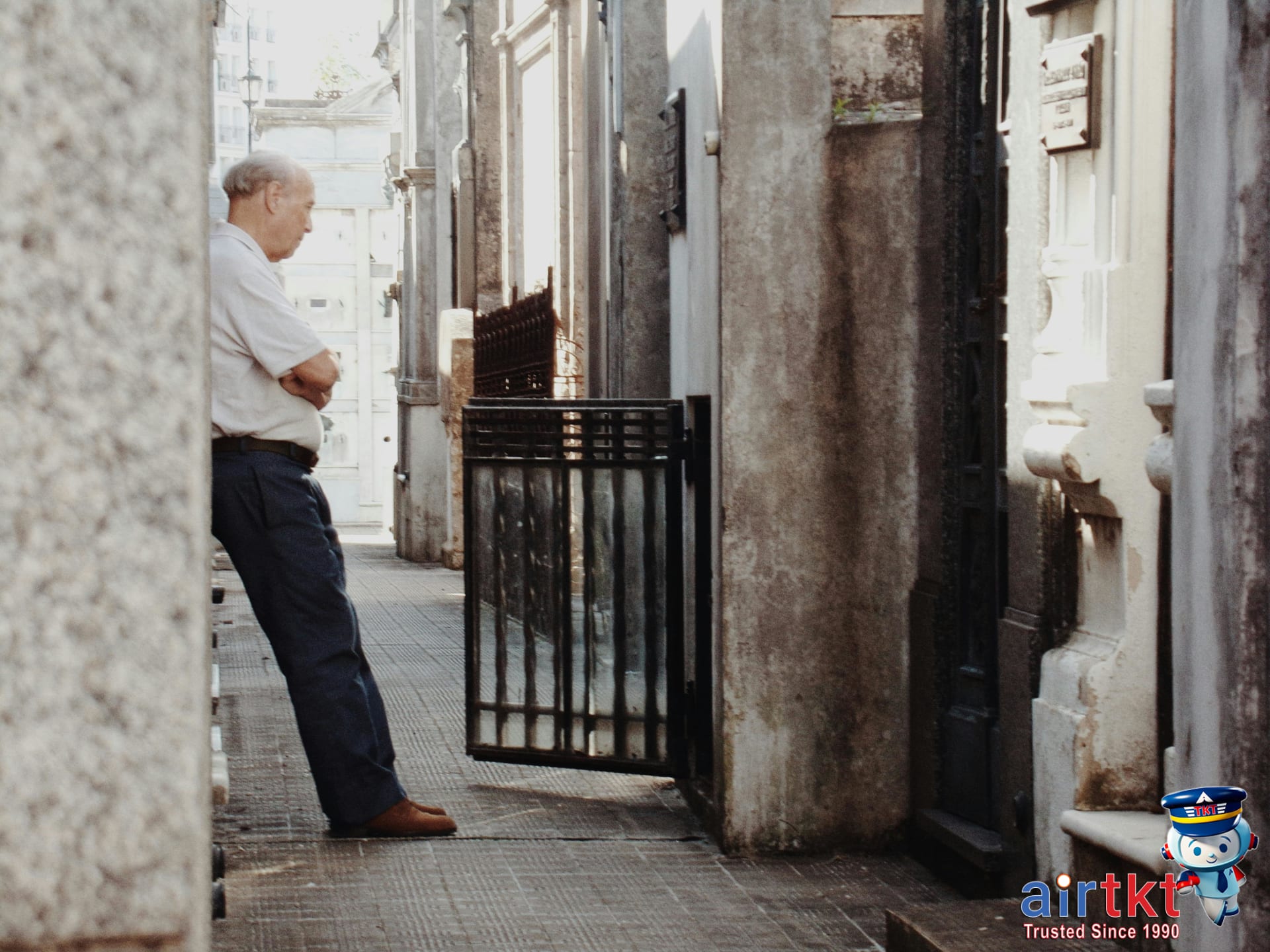
Buenos Aires has its own unmistakable rhythm—one that’s best felt in the dance steps of tango, the stories written in neighborhoods like Palermo and San Telmo, and the warm aroma of parilla barbecue lingering on every corner. The city is a rich mosaic of elegant architecture, street-side cafés, passionate football culture, and late-night conversations over a glass of Malbec. Whether you’re marveling at the grandeur of Recoleta Cemetery, uncovering street art in Colegiales, or diving into a plate of empanadas, each experience offers a glimpse into the authentic spirit of Buenos Aires.
If you’re visiting for the first time, I always recommend letting openness be your guide. Trying out small, family-run restaurants, joining a spontaneous tango class, or even just wandering without a fixed agenda can turn a good trip into an unforgettable one. The city’s magic often reveals itself in unexpected places—sometimes when you least expect it.
What struck me most on my own visit was the genuine warmth of the people—locals who greet you like an old friend and go out of their way to make you feel at home. That energy and neighborly kindness stick with you, long after you leave.
Let Buenos Aires surprise you, and lean into everything it has to offer. The city rewards every traveler who arrives curious and ready to embrace its lively soul.