

Why Split Ticketing Can Save You
If you’ve ever wanted to cut down on your travel costs, split ticketing is a strategy worth knowing. In short, split ticketing means booking separate segments for a journey instead of one direct ticket. This approach isn’t just for seasoned travelers—it can work whether you’re booking train journeys across Europe or flights between major cities around the world.
Here’s how it looks in practice: imagine your route is New York to Paris with a layover in London. Instead of purchasing a single ticket from New York to Paris, you might find it cheaper to book one ticket from New York to London and then another from London to Paris. Similarly, on many train routes, splitting tickets at certain stations results in lower fares—even though you travel on the same train the whole way.
I’ve found split ticketing often leads to significant savings on my trips. The process can be a little more involved, but the potential to save extra money makes the research worth it. For flights, you might need to coordinate timings and baggage policies, but when the price difference is noticeable, it’s hard to ignore.
Platforms like airtkt.com help make this process a whole lot easier. Their Lazy Fare tool automatically searches for split ticket combinations that can uncover more affordable routes—sometimes connecting unusual city pairs for less. And if your travel dates are flexible, the Flexible Date Search highlights the days when split fares are lowest. I usually recommend giving these tools a look before locking in a long-haul trip, because with a bit of flexibility, you can find deals you’d otherwise miss.
Why Split Ticketing Cuts Ticket Costs
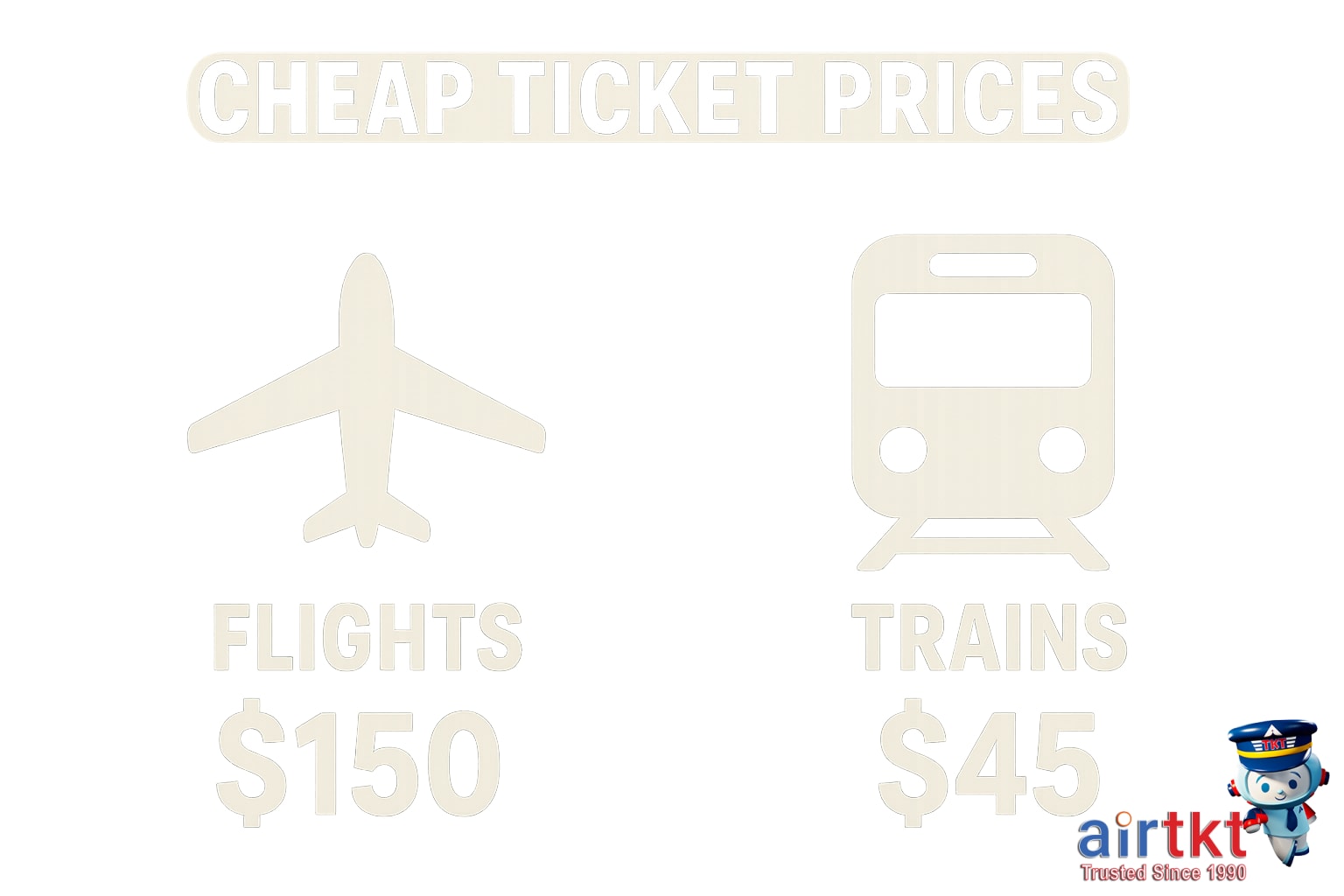
If you’ve ever wondered why the total price of your trip drops when you purchase your flight or train fare in two parts, you’re seeing split ticketing in action. Airlines and rail operators use dynamic pricing algorithms that set fares for each segment based on factors like demand, competition between carriers, and historical booking trends. As a result, buying a single through-ticket for a route isn’t always the cheapest way to go.
For example, suppose you’re traveling by train from Boston to Washington, D.C. A direct ticket might cost about $160.00. However, if you check fares for Boston to New York and then New York to Washington, you could find tickets for about $70.00 and $60.00 respectively, dropping your total spend to around $130.00. That’s a solid savings just for changing how the trip is ticketed—and it works similarly for flights, especially where budget carriers compete on certain segments.
The underlying reason? Not every carrier is competitive along an entire long-distance route, but segments often overlap with markets where rivals chase the lowest fare. Carriers tweak their pricing to fill seats on popular city pairs, so the sum of two separate bookings sometimes undercuts the cost of a single, direct ticket. When researching fares, I noticed how splitting segments often dropped the total price noticeably.
The trick is to identify logical transfer points where competition is high and adjust your booking accordingly. It can require extra effort, but using tools from sites like airtkt.com makes comparing split options much less intimidating. If you need more strategy tips, I’d recommend checking out their detailed guide on travel fare comparison strategies or reading up on baggage policies—especially since checked bags and short connections can complicate these kinds of itineraries.
How to Book Split Tickets Effectively
Booking split tickets—where you purchase separate tickets for different segments of your trip—can unlock real savings, but it takes a careful, step-by-step approach. I often organize multi-ticket travel by carefully planning transfers and booking each leg individually, making sure I don’t add unnecessary stress to my journey. Here’s how you can book split tickets for flights or trains with fewer headaches, and make the most of the search tools available.
Break Up Your Trip Into Segments
Start by mapping out your full journey and divide it into logical segments. For instance, instead of searching for a single ticket from your home city to your final destination, check for cheaper tickets between each major stopover. Common examples include flying to a major hub and catching a regional flight or train for the last leg. This is where flexible planning pays off.
Check Timings and Transfer Windows
After identifying your segments, carefully compare available departure and arrival times. Make sure there’s enough time between each connection—delays or long walks between terminals can make tight transfers risky. I’d avoid booking back-to-back flights or trains with less than 90 minutes’ gap unless you know the station or airport inside out.
Search and Compare with Useful Tools
Split ticket booking can feel overwhelming, but several travel search engines are designed to help. On airtkt.com, Lazy Fare helps you discover multiple-leg air journeys that split tickets for the best deals, while Flexible Date Search identifies the cheapest days to fly each segment. You can also test out ticket combinations manually using standard search sites, but these specialized tools save you time and often money.
If you’re new to the process, I recommend reviewing airtkt.com’s travel planning guide for step-by-step instructions and additional examples—it’s handy for visualizing how split ticketing works with both flights and trains.
Book Each Leg Sequentially, Then Double-Check
Once you’ve found your best segments, book each ticket individually—starting with the segment least likely to sell out. Always double-check that you’ve received confirmation for every leg before finalizing your plans, and keep a careful record of all booking details. Don’t forget to compare your split itinerary’s total price with a single through-ticket before committing—you’ll sometimes find the difference isn’t worth the juggling.
Flexible Date and Route Tips

If you’re serious about stretching your travel budget, flexibility with your dates and routes is a game-changer—especially with a split ticketing approach. Shifting just a day or two away from peak periods, or considering nearby airports and alternate routes, can reveal hidden savings that most people miss. I’ve personally knocked hundreds of dollars off my last international trip by flying midweek and switching my arrival airport—worth every bit of effort.
Midweek vs Weekend Fares
Flying on Tuesdays or Wednesdays typically means lower demand and better prices compared to Fridays or Sundays. For example, a direct flight from Los Angeles to New York departing on a Saturday might cost about $320.00, while flying on a Tuesday could drop the price to around $230.00. Split-ticketing across two different airlines between these cities, when combined with a midweek departure, sometimes shaves off another $50.00 or more per leg.
Alternate Airports and Split Routes
Major metro areas usually have more than one airport. Say you’re heading to London—booking to Gatwick instead of Heathrow could save about $80.00, especially if you’re open to making a short overland connection. On some domestic routes, flying into a smaller or secondary airport and then taking a budget carrier or train for the final stretch can keep more money in your pocket.
Make Flexibility Work for You
It helps to use fare search tools that let you browse an entire week or even month of prices side-by-side. Tools like Flexible Date Search on airtkt.com make it easy to compare your options, though signing up for price alerts also gives you a jump on sudden fare drops. If you want more ideas, check out our detailed guide to flexible travel strategies for extra tactics.
Comparing Train and Flight Split Ticketing

Split ticketing is a popular savings tactic for train travel in many regions, particularly across Europe and the UK, but it works differently than split ticketing for flights. The key difference comes down to how each mode handles ticket pricing and routing. With trains, fares are often calculated segment by segment, so booking separate tickets for different portions of your journey can sometimes result in a lower total cost than a single through ticket. Flights, on the other hand, are typically priced as a whole itinerary, and airlines don’t usually reward booking legs independently—in fact, doing so can add risks or complications if your itinerary is disrupted.
For trains, split ticketing tends to be most effective when your route passes through major rail hubs or follows long-distance lines with regional fare divides. Suppose you’re traveling from Paris to Munich. Booking a ticket from Paris to Strasbourg and a second from Strasbourg to Munich, instead of a direct ticket between Paris and Munich, can sometimes save you a surprising amount. I’ve found train split tickets especially beneficial on longer routes in Europe, where national borders and local fare rules lead to big price variations.
On flights, split ticketing is less straightforward. Most airlines set fares based on entire connections rather than individual legs. Tools like the ones at airtkt.com—including Lazy Fare and Flexible Date Search—can highlight savings on multi-stop routings, but true “split ticketing” with separate airlines or tickets adds complexity if something goes wrong. For example, separate flight tickets might leave you responsible for missed connections, whereas train split tickets often offer more flexibility in boarding successive trains.
If you’re curious about maximizing savings on European train travel, it’s worth reading through airtkt.com’s train travel info or FAQs about ticket types and local restrictions. Understanding the policies of each train operator you’re booking with is crucial—some require reserved seats on each segment, and others have strict refund or exchange rules on split journeys.
Risks and Drawbacks of Split Ticketing
Split ticketing is a powerful way to save on flights and train journeys, but it’s not without its pitfalls. If you’re considering piecing together your itinerary from separate tickets, there are a few real-world risks to keep in mind before you click “book.”
Missed Connections Risk
When each leg of your journey is on a separate ticket, you bear the risk if things don’t go to plan. Delays on the first segment—whether from weather, long lines, or schedule changes—could mean you miss your next flight or train. Unlike a traditional through-ticket, the operator isn’t obligated to rebook you if one leg runs late.
Separate Ticket Handling
Each ticket is managed independently, so you’ll need to check in for every segment, sometimes with different carriers or at different counters. This can create added stress and confusion, especially in unfamiliar airports or stations. In my experience, I learned to carefully manage transfer times and luggage to avoid hassles on split tickets—being organized made a big difference.
Baggage Transfer Issues
Another drawback is baggage. With separate tickets, your bags may not be transferred automatically through to your final stop. You might have to collect your luggage and re-check it yourself during a layover, requiring extra time and effort. I usually recommend padding your layover with additional time and double-checking the baggage policy on each segment beforehand.
Ultimately, split ticketing works best for flexible travelers who can handle curveballs in their plans. If your connections are tight or you’re worried about travel disruptions, you’ll want to weigh these risks carefully. Some seasoned travelers swear by travel insurance and backup plans for precisely this reason. For more practical advice on preparing for the unexpected, check out our airtkt.com tips for managing travel risks and making smarter bookings.
Sample Budget for Split Ticketing Trips

Building a travel budget for split ticketing means thinking beyond just airfare. While booking multiple tickets can cut flight costs, don’t forget to plan for the extra transportation or transfer fees between your split segments. These can be taxi rides, buses, local trains, or even short airport shuttles if you’re swapping terminals or airports on the same day. Including transfer expenses in my budget helped prevent surprise costs on my last trip. I always recommend a quick cost check for each hop—this way, you get a realistic picture of what your journey will actually cost from the moment you leave your door to the time you arrive.
Budget Estimates by Travel Tier
| Budget | Mid-range | Luxury | |
|---|---|---|---|
| Accommodation | $35.00 | $85.00 | $250.00 |
| Food | $18.00 | $45.00 | $120.00 |
| Transport (incl. transfers) | $28.00 | $60.00 | $180.00 |
| Activities | $12.00 | $38.00 | $90.00 |
Be sure to include any transfer or local travel expenses in the Transport category—this is where many travelers underestimate their daily spend. If you’re looking for more ways to trim costs, check out airtkt.com for a round-up of budget travel tips and discount deals.
How AirTkt Supports Split Ticketing

When booking split tickets—meaning two or more separate flights to reach your destination—having solid support is more important than ever. That’s where airtkt.com stands out. Their 24x7x365 customer support means there’s always a real human available to answer questions or step in if you hit a snag during booking or travel. I’ve relied on airtkt.com help to navigate complex booking scenarios smoothly, especially when juggling multiple airlines and connections.
The free phone-assisted reservation service is a lifesaver for split ticketing. You don’t have to struggle with confusing booking flows or second-guess whether flights will properly line up. Just call in, explain your travel plans, and a travel expert will walk you through the best approach. These advisors know all the tricks, like finding schedules with ample layover time and making sure you understand check-in or baggage rules when flying on separate tickets.
On top of live phone help, airtkt.com offers digital tools designed for travelers who want value without the stress. The Lazy Fare engine is particularly handy—it automatically searches for creative connections and multi-stop routes that often lower the total fare, especially if you’re separating tickets between carriers. This is how some travelers unlock routes that don’t show up on typical search engines. If you want even more flexibility, features like Nearby Airport Search or Flexible Date Search can further reveal hidden savings across your split itinerary.
If you’re ever unsure, I’d recommend checking airtkt.com’s customer support page for expert help resources or just picking up the phone. They bridge the gap between old-school personalized service and modern travel tech—so you’re never stuck figuring things out alone.
Split Ticketing FAQ Section
- What is split ticketing?
Split ticketing is a strategy for booking travel where your journey is divided into separate segments, each with its own ticket, rather than one continuous reservation. For flights, this could mean booking two different one-way flights, possibly on different airlines, instead of a simple round-trip or multi-city ticket for the entire route.
- How much can you save with split ticketing?
Travelers often save a noticeable amount with split ticketing—sometimes around $40.00 or more per trip, depending on the route and timing. I’ve found that the most savings happen on less direct or heavily trafficked routes, but the actual value always depends on the fare combinations available at the time you book.
- Is split ticketing safe for flights?
Split ticketing can be safe if you allow ample time between connections and double-check baggage transfer rules. You’re responsible for making your connections and should plan for possible delays. Many travelers use this strategy for savings, but I recommend building in at least a few hours between separately booked flights.
- Does split ticketing work for international routes?
Yes, split ticketing sometimes works internationally, especially on routes with no direct service or where low-cost carriers operate regional legs. Keep in mind you may have to clear immigration, collect luggage, and re-check for each segment, so study layover requirements and visa needs before booking separate international tickets.
- What are the risks of split ticketing?
The main risks with split ticketing are missed connections if one flight is delayed, losing out on airline protection in case of schedule changes, and having to reclaim and re-check bags. In my experience, it’s best to book longer layovers and double-check your baggage policies for each airline involved.
- Can you earn loyalty points with split ticketing?
You can still earn loyalty points or frequent flyer miles with split ticketing if your flights are on eligible partner airlines and your membership numbers are included with each booking. However, some airlines may not credit points if tickets aren’t part of a single itinerary, so always check the individual airline’s policy in advance.
- Where can I learn more about split ticketing at airtkt.com?
For more details and answers about split ticketing, check out the FAQ and traveler help sections on airtkt.com. These pages offer resource guides and contact options if you’d like to clarify anything before booking, including how split tickets work through their booking platform.
Smart Savings With Split Ticketing

Split ticketing really does deliver more control over your travel costs, especially if you’re someone who enjoys finding creative ways to plan trips. By breaking up your journey into separate segments with individually purchased tickets, you open up possibilities to take advantage of fare differences, special deals, and airline route quirks. We’ve covered how it requires a little bit more research up front, but the payoff can be noticeable – not just in savings, but in schedule flexibility too.
From my own experience, smart booking like split ticketing has transformed how I save on travel. If you’re open to juggling different itineraries and don’t mind comparing a few extra fares, it usually leads to a better outcome than just booking the first single-ticket option you see. If you’re interested in even more ways to save, checking out easy-to-use search tools on airtkt.com can help streamline the whole process.
Here’s the bottom line: split ticketing isn’t just a trick for expert travelers. Anyone willing to spend an extra five or ten minutes researching can benefit—especially on routes with lots of carriers or competitive pricing. Tinker a little with dates, play with different airports, and don’t shy away from piecing together your own fare. It’s one of those habits that, over time, adds up to smarter, more budget-friendly travel.