
What First-Timers Should Know About Mexico City
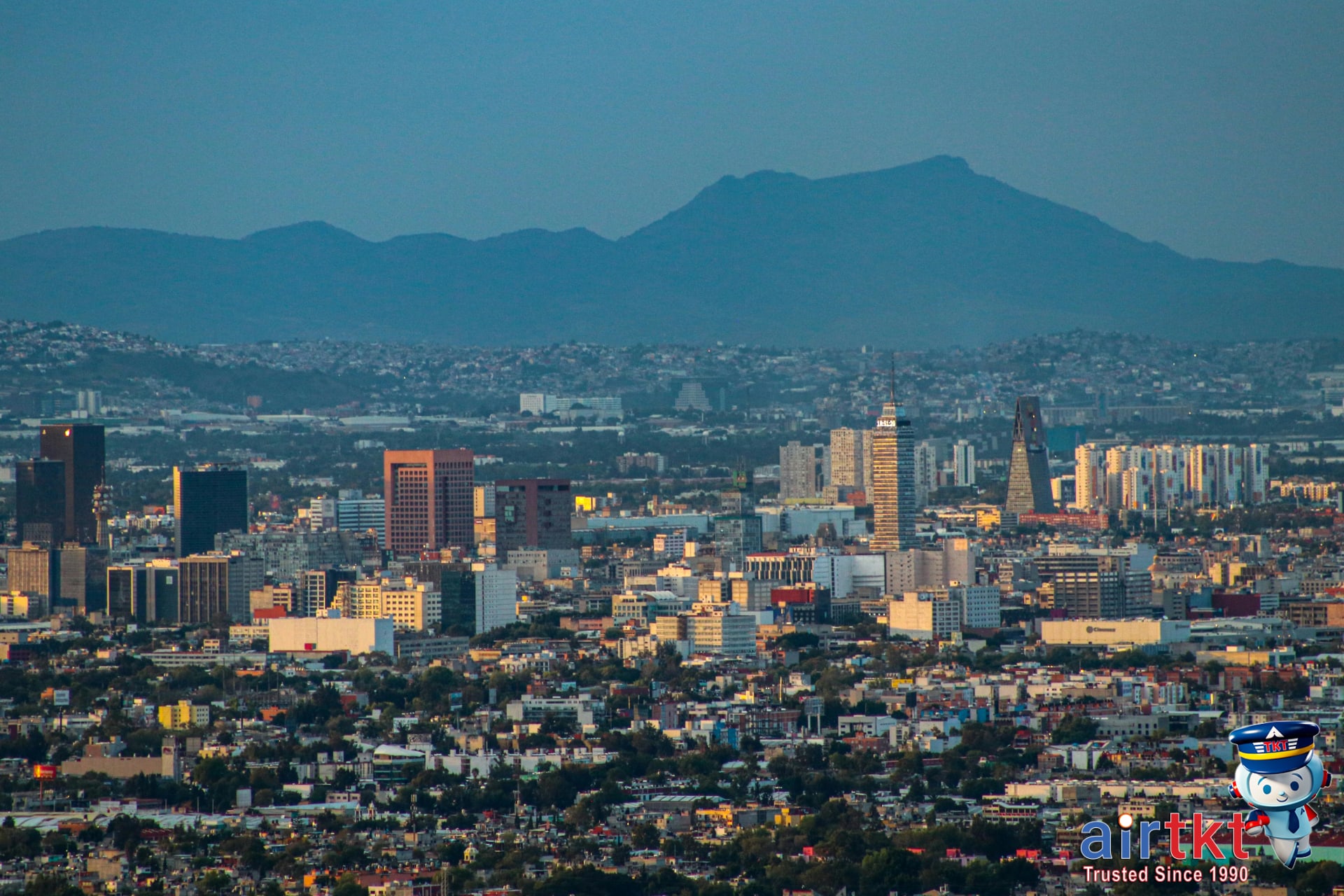
Mexico City (CDMX) sits at the heart of Mexico and is one of the largest urban centers in Latin America. It’s home to over 20 million people in the greater metropolitan area. You’ll feel the city’s importance the moment you experience its busy streets, buzzing markets, and grand historical plazas. Whether you’re wandering the Zócalo or sampling street food, it’s impossible not to sense CDMX’s place as a dynamic cultural and economic hub.
What always amazes me is the bold contrast between centuries-old landmarks—like the Metropolitan Cathedral—set right beside neighborhoods oozing with modern style, such as Roma and Condesa. The city sprawls out in every direction, packing in everything from ancient ruins to world-class dining and contemporary art galleries. For a first-timer, the sheer scale can feel overwhelming but also electrifying. I’ll never forget the energy of my first afternoon here; it’s a vivid blend of tradition and youthful, creative drive.
You’ll find CDMX’s vibe changes dramatically from one district to the next. In the historic center, you’re immersed in layers of Aztec and colonial history. Meanwhile, a quick ride on the metro delivers you to leafy, hip neighborhoods filled with cafes and local boutiques. For deeper context, I’d recommend browsing a broader Top Attractions in Latin America guide to see how Mexico City stacks up against the continent’s other must-see spots.
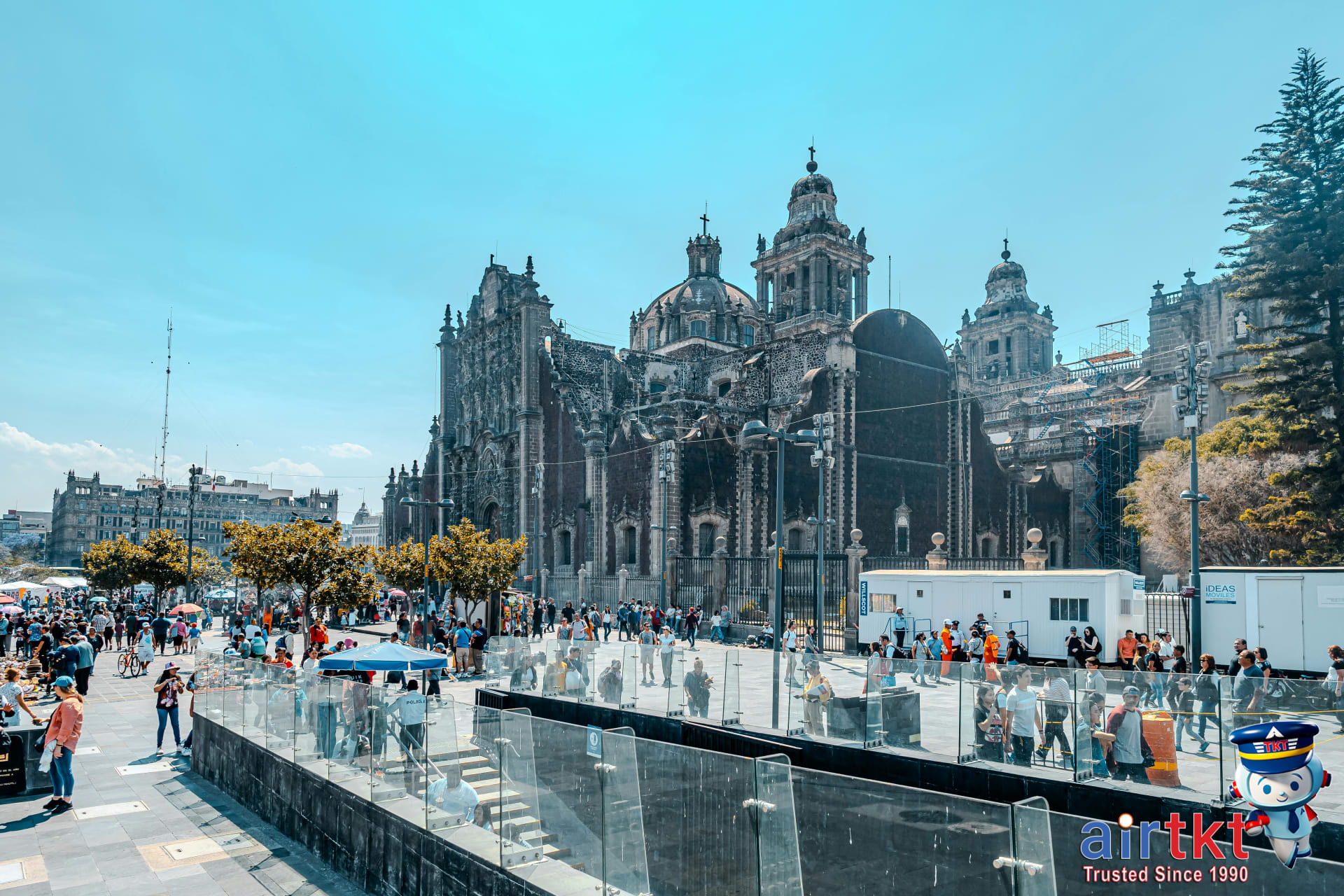
Must-See Historic Sites Around Zócalo
Mexico City’s historic center, known as the Centro Histórico, is the city’s beating heart and a showcase of its layered past. Almost every route leads you to the massive Zócalo—a grand plaza flanked by centuries-old landmarks. Even if you have just one day here, I highly recommend making these essential stops to really get a sense of Mexico’s rich history and culture.
Zócalo: The City’s Main Plaza
This vibrant square is officially called Plaza de la Constitución, but everyone knows it as the Zócalo. It’s one of the largest public plazas in the world and has hosted everything from Aztec ceremonies to modern protests and festivals. Spend a few minutes soaking in the view; early mornings are especially peaceful, and you’ll catch locals opening up shops and street performers warming up their routines.
Metropolitan Cathedral: A Spiritual Landmark
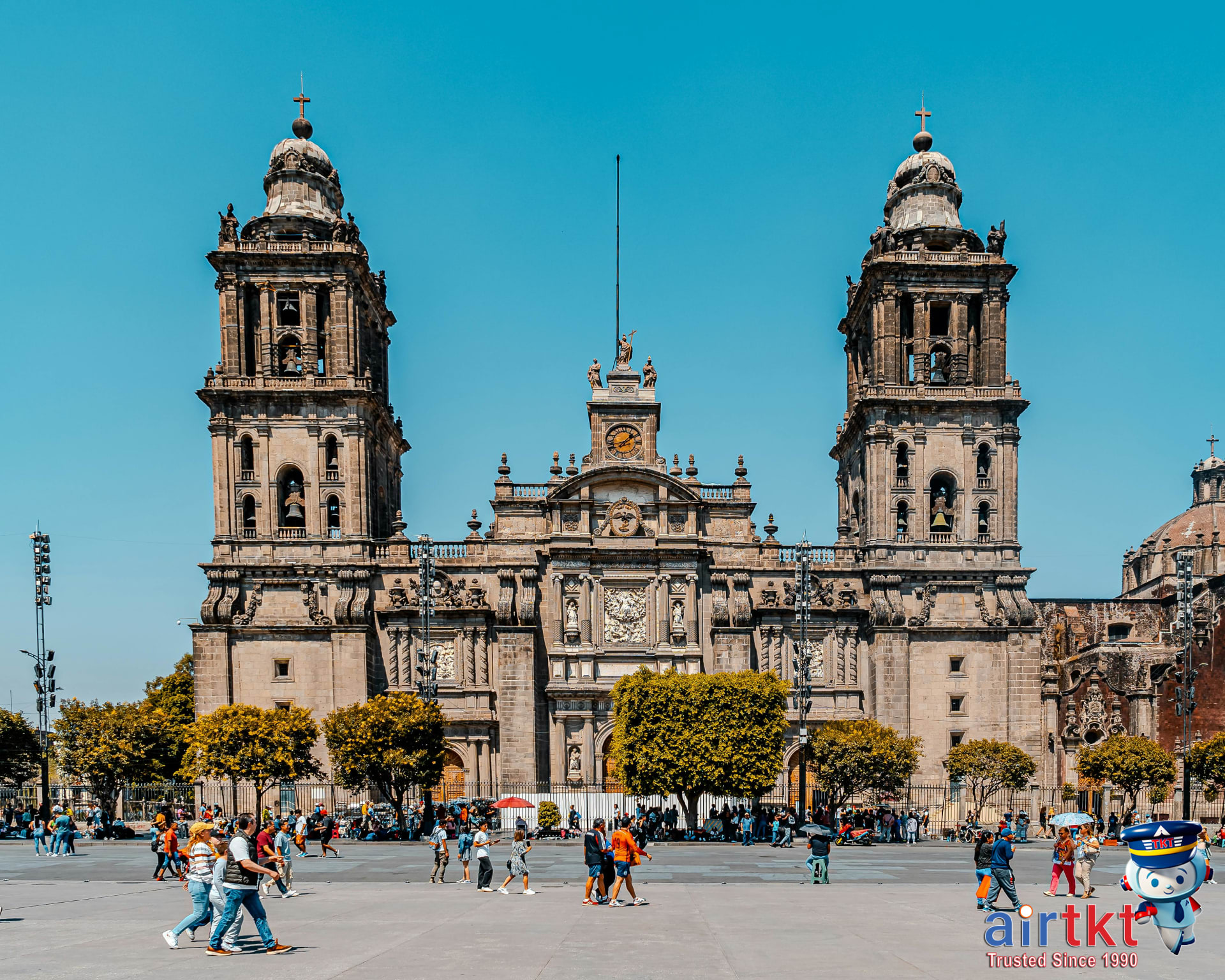
Standing proudly on the north side of the Zócalo, the Metropolitan Cathedral is the oldest and largest cathedral in Latin America. Step inside to admire its towering altars and intricate chapels—I still remember being moved by the sunbeam pouring through stained glass one quiet morning, a moment that truly deepened my appreciation for how Mexican history blends faith, art, and daily life. There’s no entrance fee, but donations are welcome and appreciated.
National Palace: Murals & Mexican History
Across the plaza from the Cathedral sits the National Palace, home to Diego Rivera’s dramatic murals depicting Mexico from Aztec times to the revolution. They’re free to view, but you’ll need an ID to enter. Guided tours in Spanish are sometimes available—check the official tourism website or ask inside for current offerings and hours, as schedules can change.
National Museum of Art: A Cultural Gem
If you want to dive deeper into Mexican art, the National Museum of Art (MUNAL) is just a short stroll from the plaza. The museum showcases stunning collections from colonial religious paintings to early twentieth-century masterpieces. Admission is about $4.00 and visiting on a weekday usually means fewer crowds. For ticket policies and opening times, refer to the museum’s official website since details sometimes vary around local holidays.
The historic center can be overwhelming, but a little planning helps. Larger guided walking tours are available onsite or through tour companies, though I’d compare options and check current reviews before booking. For a more flexible experience, map out your priorities, arrive early, and pace yourself—there’s truly a lot to take in.
For more inspiration, check out our deeper dive into Historic Cities in Mexico for ideas beyond Mexico City. When you’re ready to book your trip, airtkt.com offers an easy flight search to Mexico City year-round.
Exploring Condesa And Roma’s Charms
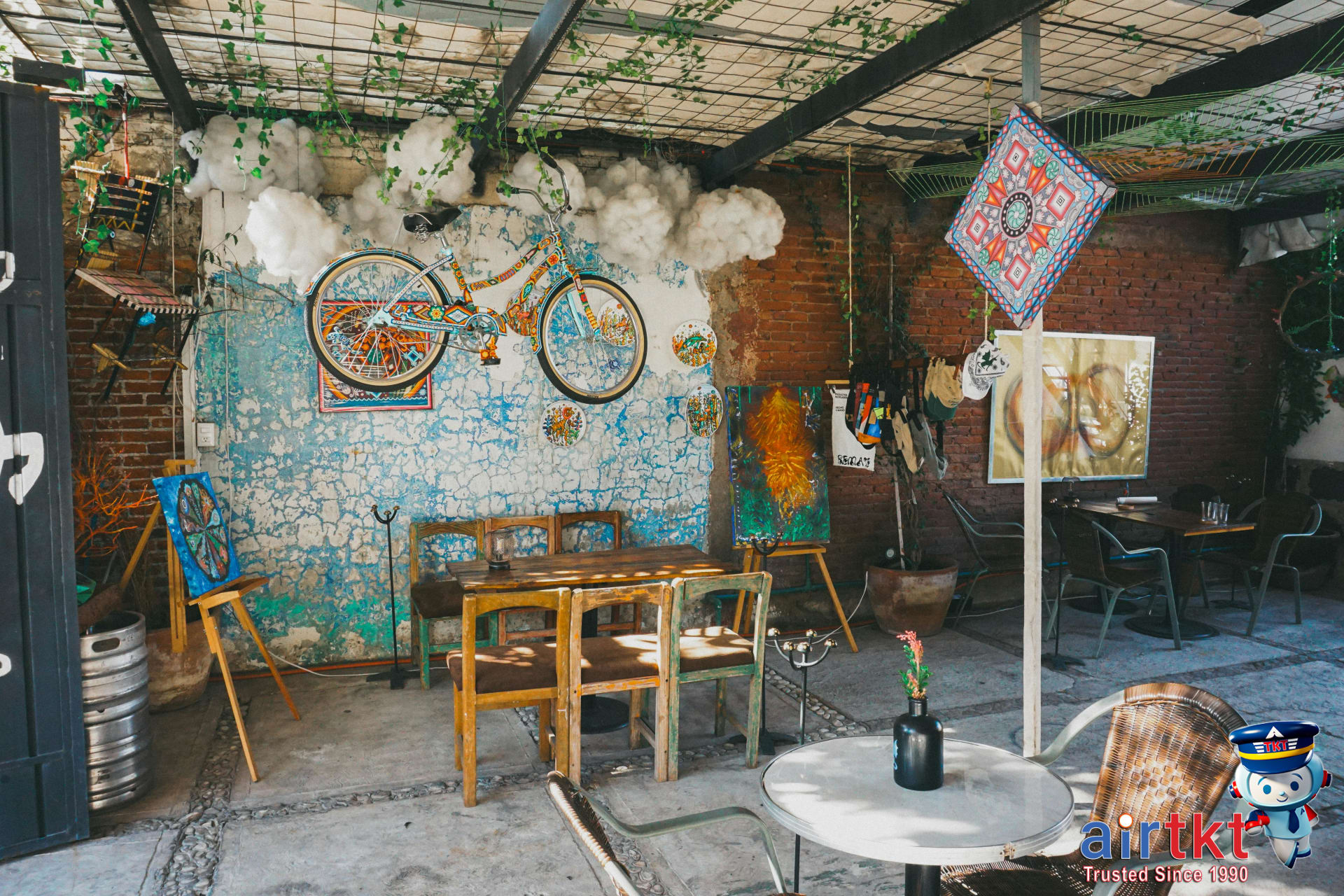
Condesa and Roma stand out as two of Mexico City’s most energetic and creative neighborhoods. Both areas are known for leafy boulevards, historic architecture, and an atmosphere that buzzes with young locals and travelers enjoying everything from art galleries to late-night eateries. Life here feels slower yet deeply urban—think people-watching from a sidewalk patio, unexpected bursts of color from murals, and small shops selling artisan shoes or one-of-a-kind gifts.
Each time I spend a day wandering Roma, dipping in and out of quirky coffee houses and admiring the street art, it feels like discovering a whole new side of Mexico City—one that blends tradition and trend with effortless style.
Parks, Cafes, and Murals
One of my favorite stops is Parque México in Condesa, a lush green heart where joggers, dog walkers, and impromptu jazz performers gather. Nearby, Parque España offers quieter paths and striking statues. For a scenic coffee break, grab a cortado at Café Toscano or local favorite Blend Station. In Roma Norte, don’t miss Panadería Rosetta’s flakey pastries or the espresso bar at BUNA.
The neighborhoods are a visual treat for street art lovers—look for colorful murals along Álvaro Obregón and Quintana Roo in Roma, or keep your eyes peeled for creative facades that change with the season. Independent bookstores like Cafebrería El Péndulo, vinyl shops, and vintage clothing boutiques mean it’s easy to spend hours browsing and people-watching.
Shopping and Local Flavors
Condesa and Roma are hotspots for boutique shopping, from Mexican design labels like Carla Fernández to jewelry and ceramics in airy galleries. Gastro-enthusiasts can sample everything from upscale tasting menus at Rosetta, to inventive tacos at Orinoco, or vegan delights at Por Siempre Vegana. Bars like Licorería Limantour shake up mezcal cocktails in settings that capture the lively, stylish spirit of CDMX’s nightlife.
Safety And Getting Around
Overall, both neighborhoods feel welcoming and walkable for visitors during the day. At night, the main avenue areas are lively, but like any big city, it’s smart to use taxis or rideshares if you’re heading home late, and stick to well-lit streets. I usually recommend keeping valuables zipped away, and I’ve found that the upbeat atmosphere makes solo and group exploring equally enjoyable.
The city’s bike share system, EcoBici, offers an effortless way to cover more ground at your own pace. If you’re curious about what makes these areas special compared to others in Mexico City, take a look at our deep dive into the best neighborhoods in Mexico City and how their food culture shapes local life.
Mexican Food Culture: Dishes and Markets
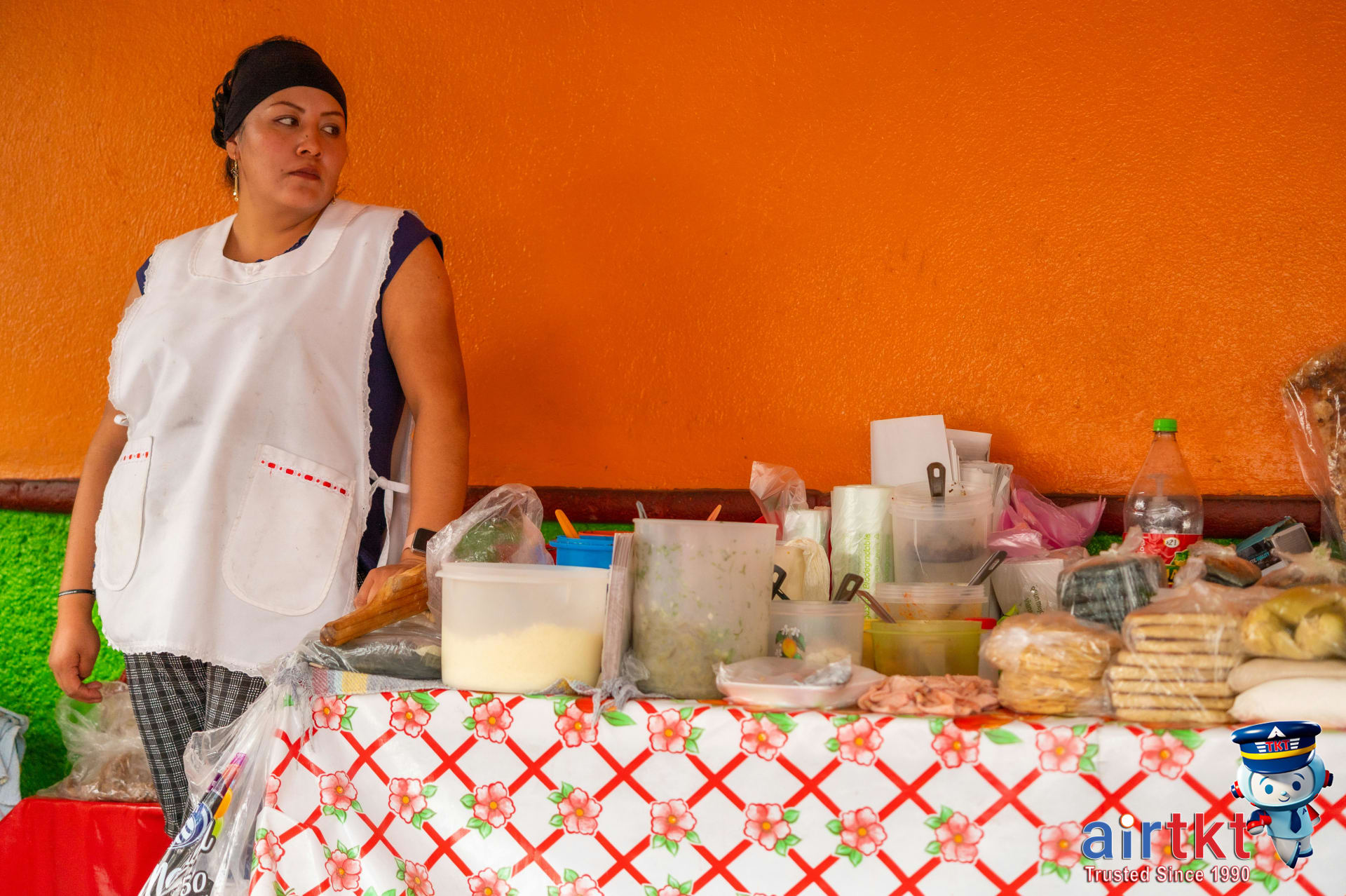
Exploring Mexico City’s vibrant food scene is a must for anyone interested in authentic flavors and local traditions. I remember tasting tacos al pastor at a bustling market stall—the combination of slow-cooked pork, tangy pineapple, and fresh salsa on a soft tortilla was so much more complex than anything I’d expected. These street eats are more than a quick bite; they’re a window into Mexico’s daily life and hospitality.
Signature Dishes to Try
Your first bites should include tacos al pastor—marinated pork shaved from a spit, usually topped with pineapple, cilantro, and onion. Don’t miss chiles en nogada, a patriotic specialty with poblano chiles stuffed with spiced meat and fruit, blanketed in creamy walnut sauce and pomegranate. Tamales are a breakfast staple, wrapped in corn husks and filled with savory or sweet fillings. You’ll also find fresh quesadillas (often using blue corn tortillas), soul-warming pozole (hominy stew), and antojitos like sopes and tostadas throughout the city.
Markets Worth Visiting
Markets are where the city’s food culture truly comes alive. If you’re after a classic atmosphere, try Mercado de Coyoacán. The fragrant aisles are lined with vendors serving hearty pozole, churros, and colorful aguas frescas. For a more modern foodie experience, Mercado Roma brings together street food traditions and contemporary gourmet trends under one roof. Both provide a delicious way to try many dishes in one stop. For the latest details and hours, check the Mercado Roma website or the Coyoacán district site before heading out.
Street Food Etiquette and Safety
Street food in CDMX is generally safe when you stick to busy stalls with high turnover—the crowds are a sign of freshness and local approval. Approach vendors with a polite greeting (“buenos días”) and patience during busy hours. If you’re concerned about hygiene, look for vendors using gloves, covered toppings, and freshly cooked ingredients. I usually recommend bringing hand sanitizer and only drinking bottled water or sealed drinks.
Affordability is another highlight—street eats rarely cost more than about $2.00 per portion, so sampling generously won’t strain your budget. For more details on food customs and tips for first-timers, check out our Mexican Cuisine Guide and Top Food Markets in Mexico City.
Staying Safe on Mexico City Transit
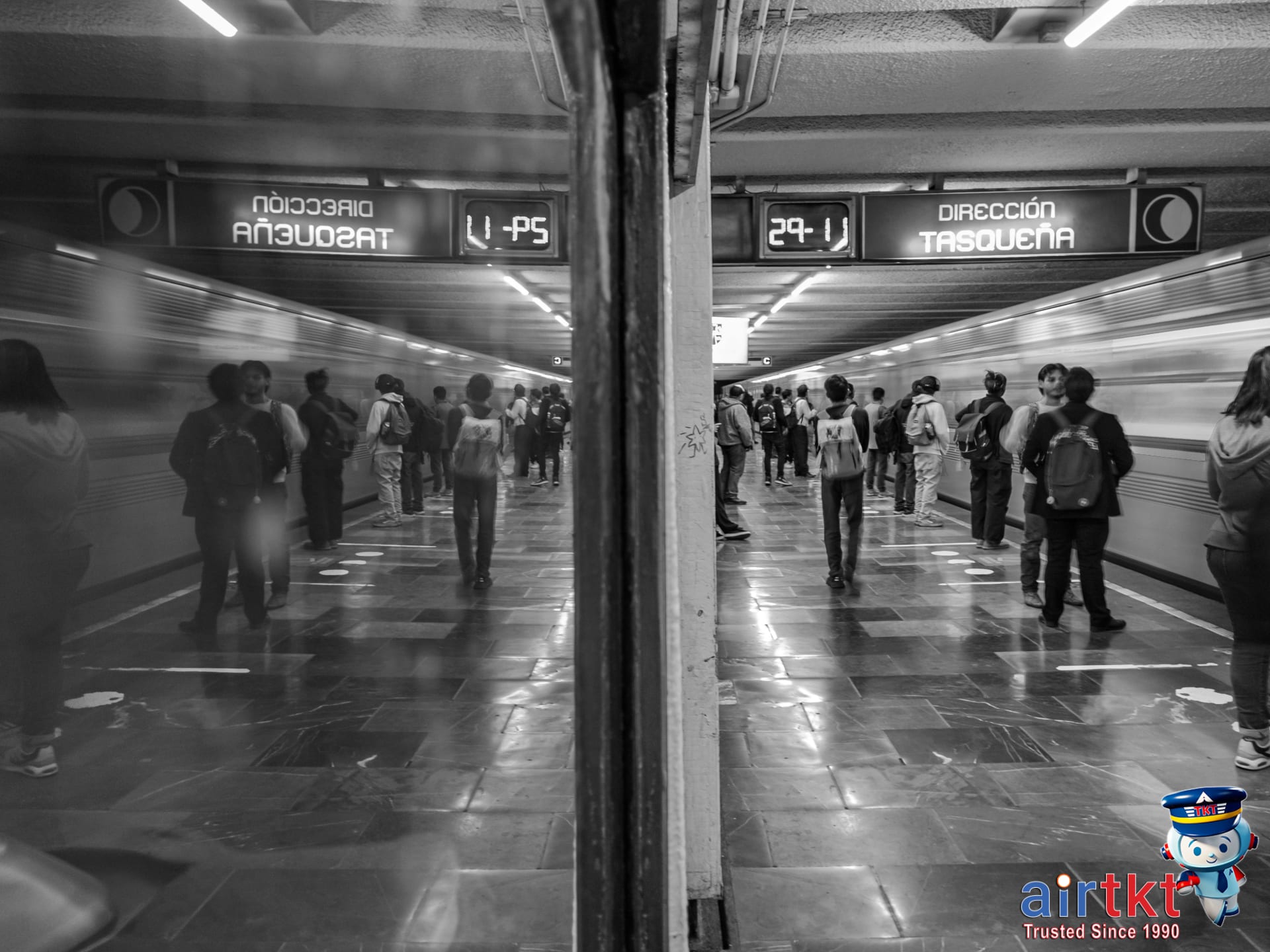
Mexico City’s Metro is the backbone of getting around efficiently, stretching across much of the city with extensive coverage. To travel on the Metro, you’ll need to buy a rechargeable Tarjeta CDMX card, available at station kiosks and vending machines. I found it helpful to load credit in advance, since each ride costs about $0.30 and lines at the ticket booth can get long during rush hour.
The Metro is an affordable and practical option, but I’d pay close attention to safety, especially if you’re riding during busy periods. Lines 1, 2, and 3 are some of the busiest, especially on weekday mornings and late afternoons. I once had to navigate the crowds at Insurgentes station during peak time, but planning ahead and keeping my bag close made the trip a lot smoother and more comfortable.
Essential Transit Safety Tips
Here’s what I recommend for a safer experience:
- Avoid the busiest rush hours if possible (typically 7–10 a.m. and 5–8 p.m.).
- Always keep your belongings close, use a crossbody bag, and keep phones or wallets out of sight.
- Stay aware of your surroundings, and when possible, use the women-and-children-only cars during peak times—they’re marked at the front of most trains.
For buses and RTP lines, board only at official stops. City buses are a budget-friendly alternative, but they also get very crowded. Stick to well-lit areas when catching a bus at night. When it comes to taxis, always use authorized “Sitio” taxis (look for clearly marked stands or order by phone/app), or try rideshare services like Uber, Didi, or Beat.
If you’re new to the city, download the official MetroCDMX app, which helps you plan routes and look up service updates. The official Metro website is another solid reference for up-to-date transit info and maps.
For deeper strategies on moving around, check out our guide on Getting Around in Mexico City.
Mexico City Travel Budget Breakdown

Setting a practical budget for your trip to Mexico City really can take the stress out of planning, and I found that breaking down expenses by category made it easier to avoid overspending. Here’s a clear look at what you might expect to pay for accommodation, food, transport, and activities across three different comfort levels.
| Accommodation | Food | Transport | Activities | |
|---|---|---|---|---|
| Budget | $18.00 | $10.00 | $2.00 | $5.00 |
| Mid-range | $65.00 | $25.00 | $8.00 | $18.00 |
| Luxury | $210.00 | $55.00 | $30.00 | $40.00 |
Affordable Travel Strategies
If you want to save money on your trip to CDMX, public transportation is a game-changer—using the metro or Metrobus costs about $2.00 a day and will get you just about anywhere worth visiting. For meals, street-food stands often serve up classic tacos or tortas for under $2.00, and sampling these always feels both authentic and easy on the wallet. Many of Mexico City’s top museums offer free admission on Sundays, so I’d always check museum schedules to plan my visits accordingly and save that ticket money for churros instead!
Tracking these categories helped me spot which days I could indulge a little and when to pull back. If you’re looking for more ways to keep spending in check, check out our guide to Affordable Mexico City Deals on AirTkt for current offers and insider pricing advice.
Practical Safety Tips For CDMX Travelers
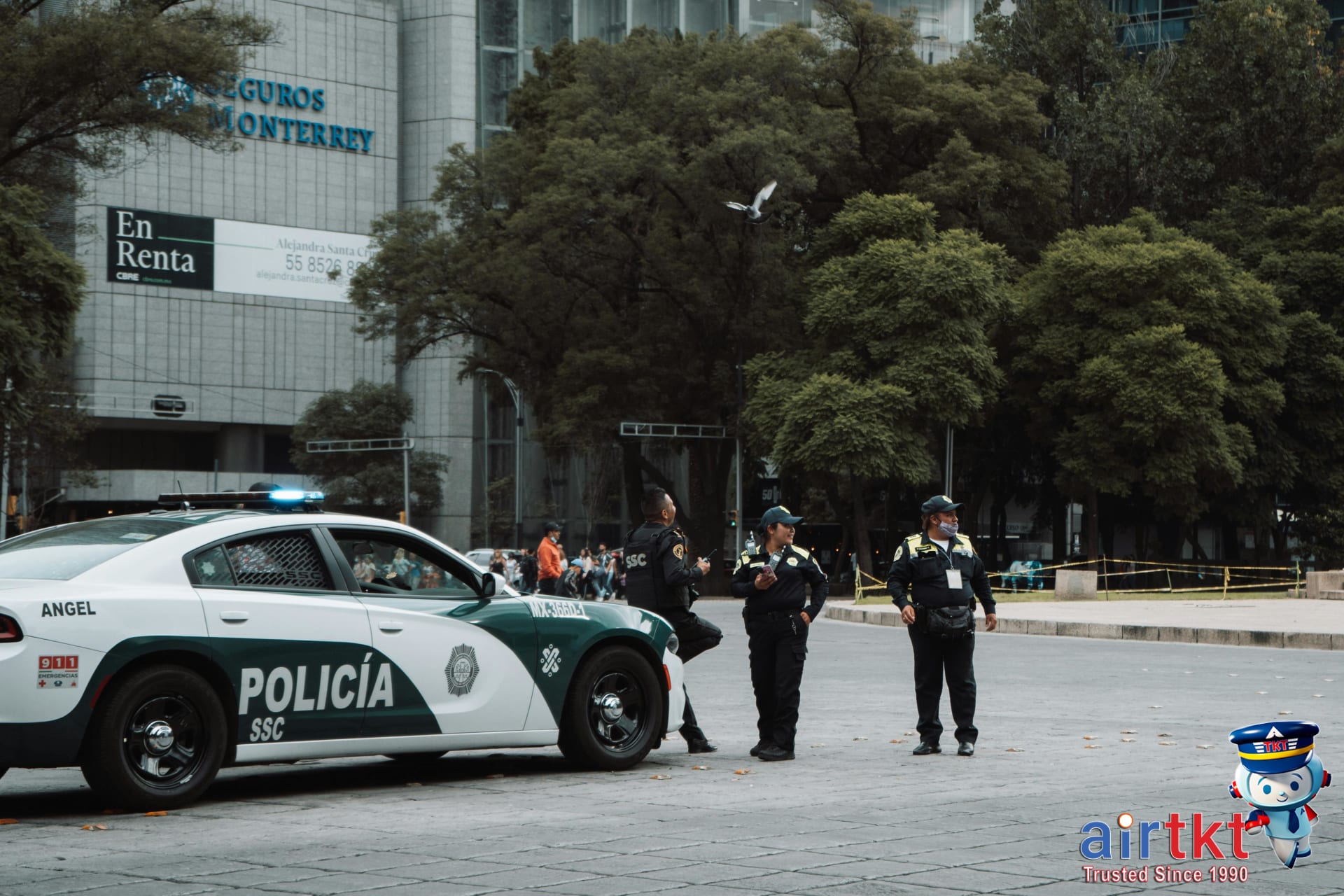
For most visitors, Mexico City (CDMX) is a vibrant, fascinating place, but it’s smart to keep your guard up without losing your sense of adventure. Petty theft remains the most common issue for tourists—especially in crowded markets, on the metro, or around must-see spots like Zócalo and Coyoacán. During my last visit, I learned firsthand how easy it is to get distracted in a busy plaza. Keeping my bag zipped and in front of me made a huge difference when navigating packed sidewalks.
Pickpocketing is often about opportunity. I always recommend staying alert in tight crowds, carrying minimal valuables, and using anti-theft bags or neck wallets. Avoid showing off expensive jewelry, electronics, or large amounts of cash in public. If you need to use your phone for maps or photos, step aside to a quieter area, away from the flow of foot traffic.
Safe Transport And Night Precautions
At night, stick to well-lit main streets and avoid isolated areas—even in popular neighborhoods. If you need a ride, use only registered taxis from official stands (called “sitios”) or reputable ride-share apps. I’d compare both options before choosing, as taxis flagged on the street have been known to cause issues in the past.
It’s also wise to plan your route before heading out, and to let someone know where you’ll be. For a more detailed approach, review a reliable airtkt.comSafety Guide for Latin America for broader travel safety strategies across the region.
Emergency Numbers And Assistance
Should you run into trouble, keep these numbers handy: dial 911 for police, medical, or fire emergencies. Most downtown police are used to assisting visitors—don’t hesitate to ask for help if you feel uncomfortable. For embassy support, the U.S. Embassy in Mexico City is reachable at +52-55-5080-2000 (check official embassy websites for current contacts for your country). Many embassies offer 24-hour emergency assistance to their citizens.
If your passport or valuables are lost or stolen, contact your embassy as soon as possible and file a police report at the nearest station. Often, showing proof of reporting the loss helps speed up replacement paperwork.
For more city-specific guidance, consult official Mexico City visitor safety resources such as cdmxtravel.com—the city’s tourist portal is regularly updated with practical info for travelers.
Mexico City Travel FAQs Answered
When I planned my own itinerary, having clear answers to these common questions really boosted my trip confidence—there’s nothing like feeling prepared as you explore a new city. Here are some of the most frequent questions I see from travelers headed to Mexico City:
- Is Mexico City safe for tourists?
Mexico City is generally safe in tourist neighborhoods such as Roma, Condesa, and Polanco, especially during daylight hours. However, stay aware of your surroundings, keep valuables secure, and use registered taxis or rideshare apps for longer trips, as pickpocketing can happen in crowded areas like the Metro or busy plazas.
- When is the best time to visit CDMX?
The most comfortable months to visit Mexico City are from March to May, when the weather is warm and less rainy. Keep in mind that local holidays, especially around Easter and September, can draw larger crowds and affect hotel availability, so plan or book early if you have set dates.
- How does the Metro work in Mexico City?
Mexico City’s Metro is an affordable and efficient way to get around the city. You can buy tickets or a rechargeable Metro card at any station. The system is color-coded by line, and trains run frequently, but be prepared for crowds during rush hours and keep your belongings close throughout your ride.
- What are must-try foods in Mexico City?
Don’t leave without sampling tacos al pastor from a street stand, tamales for breakfast, churros at a café, and fresh-squeezed juice at a market like Mercado de Coyoacán. I suggest starting with well-known spots in busy neighborhoods for both quality and safety—food tours can be a fantastic introduction as well.
- What is the daily cost budget for Mexico City?
You can get by on about $60.00 per day if you choose budget accommodation and eat at local spots, while a more comfortable daily budget with mid-range hotels and sit-down meals is closer to $130.00. Street food, public transit, and free attractions can stretch your travel dollars further in most cases.
- What transport options are available besides Metro?
Besides the Metro, you’ll find city buses, rapid transit (Metrobus), taxis, and rideshare services like Uber. For flexibility, rideshares are easy to book if you’re carrying luggage or traveling at night. Just be ready for some traffic, especially around major events or rush hour in central districts.
- Where can I find a detailed itinerary or city guide?
If you want to dive deeper, check out our Mexico City Travel Guide for a full breakdown of neighborhoods, museum info, and places to eat, or see our “Mexico City in 5 Days Itinerary” for day-by-day ideas to make the most of your visit.
Taking a few minutes to go through these FAQs helped me feel much more prepared, and I’d recommend it to any traveler before they set off for CDMX.
Final Thoughts on Visiting Mexico City
Mexico City strikes a rare balance between the wonders of the past and the vibrancy of the present. Ancient Aztec ruins sit side-by-side with world-class museums, colorful markets, and trendy barrios—while taco stands and fine dining both draw crowds every night. In my experience, the real magic comes from wandering between these different worlds, getting just as much enjoyment from a quiet park in Coyoacán as a lively evening out in Roma Norte.
Thanks to its central location and international airport, Mexico City is highly accessible for most travelers. Planning your trip feels simple when you have the right information—from understanding the metro system to choosing neighborhoods that match your vibe. Once you’ve mapped out what interests you most—be it murals, museums, street food, or nightlife—you’ll find there’s a rhythm here that makes it easy to explore at your own pace.
I keep returning to CDMX because it’s a city that always rewards curiosity, whether it’s a first visit or a return trip. When you’re ready to start looking at airfare, I’d suggest checking fares on airtkt.com—especially if you want to compare dates or try flexible routing for lower prices. With a little planning, you’ll discover just how approachable and rewarding Mexico City can be.