
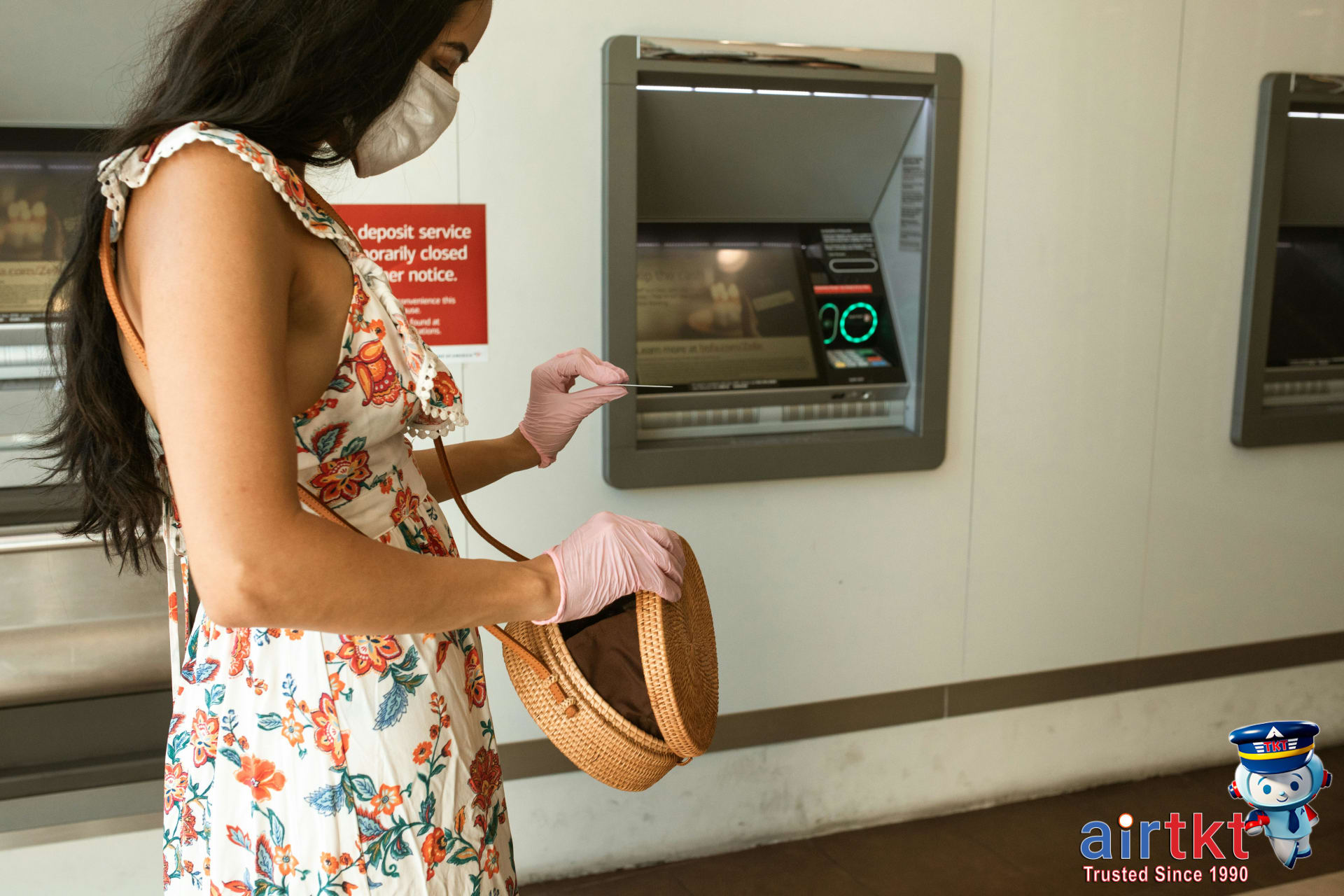
Why ATM Safety Matters Abroad
ATMs are a practical solution when traveling abroad, letting you withdraw local currency on the go. However, using an unfamiliar ATM outside your home country comes with unique risks that can catch even seasoned travelers off guard. Whether you’re in a busy city center or a tucked-away neighborhood, quick access to cash also means a few new things to watch for.
The most common threats include card skimming devices (hidden attachments that steal your card data), distractions or tactics aimed at observing your PIN, and even ATMs in locations that aren’t secure—like dimly lit streets or remote corners. I’ve noticed on my own trips that a little extra vigilance, especially when something about the machine seems off, can prevent big headaches later on. A stolen card or compromised PIN can turn a quick cash stop into a long day sorting things out with your bank.
This article will give you simple, effective steps so you can avoid these pitfalls—helping you decide which ATMs are safest, how to spot tampering, and ways to shield your PIN and card info. I usually recommend that travelers read up on general travel safety, so if you want a broader checklist for staying secure during international trips, you’ll also find helpful tips in the airtkt.com guide to essentials for safe travel abroad.
Spotting Card Skimmers at ATMs
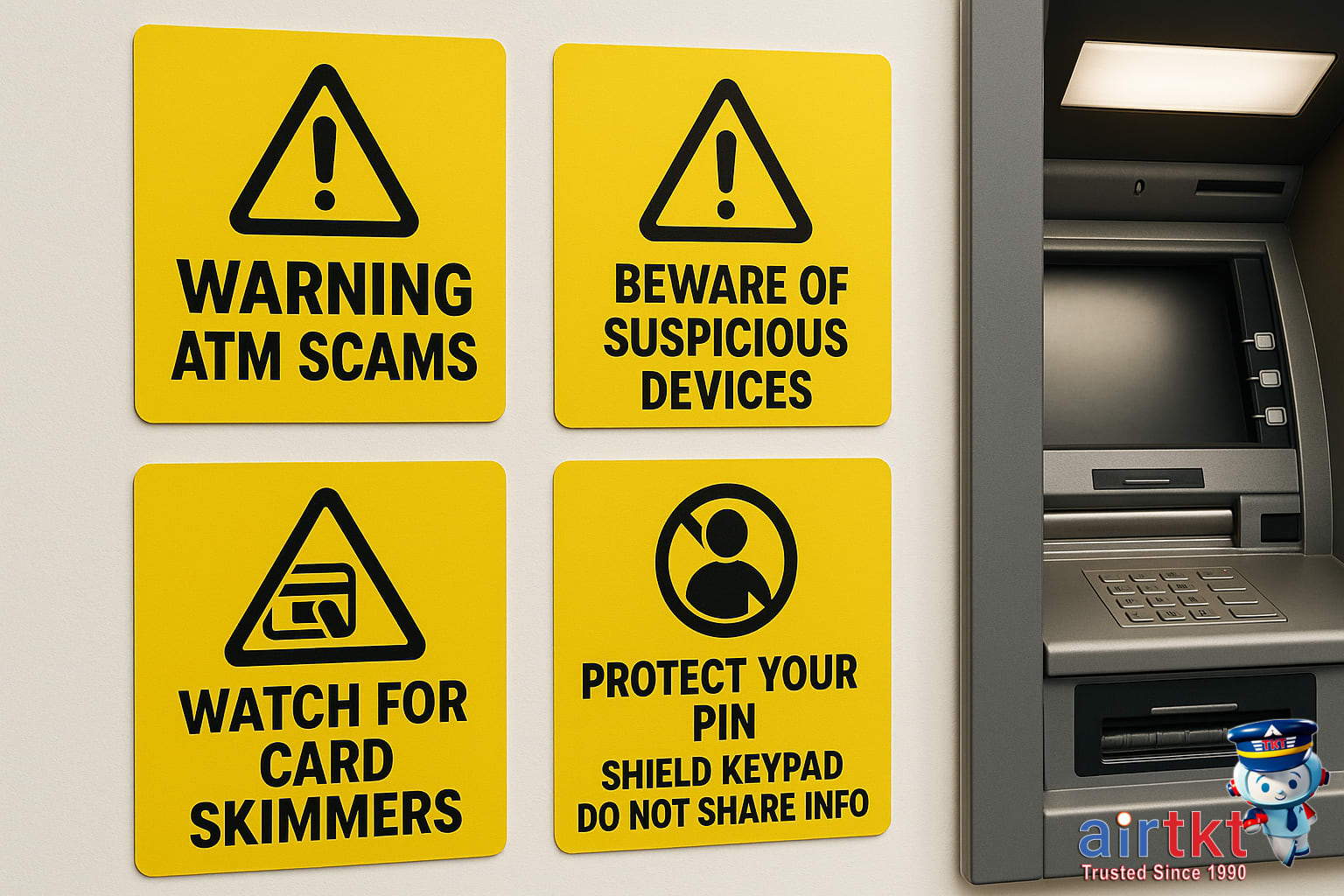
Card skimmers are sneaky devices criminals attach to real ATMs. Their goal? Steal your card information as you try to withdraw cash. Skimmers can capture your card data, and paired with a hidden camera or keypad overlay, they may snag your PIN too. These setups are often so subtle that many travelers don’t even realize anything happened until fraudulent charges appear later.
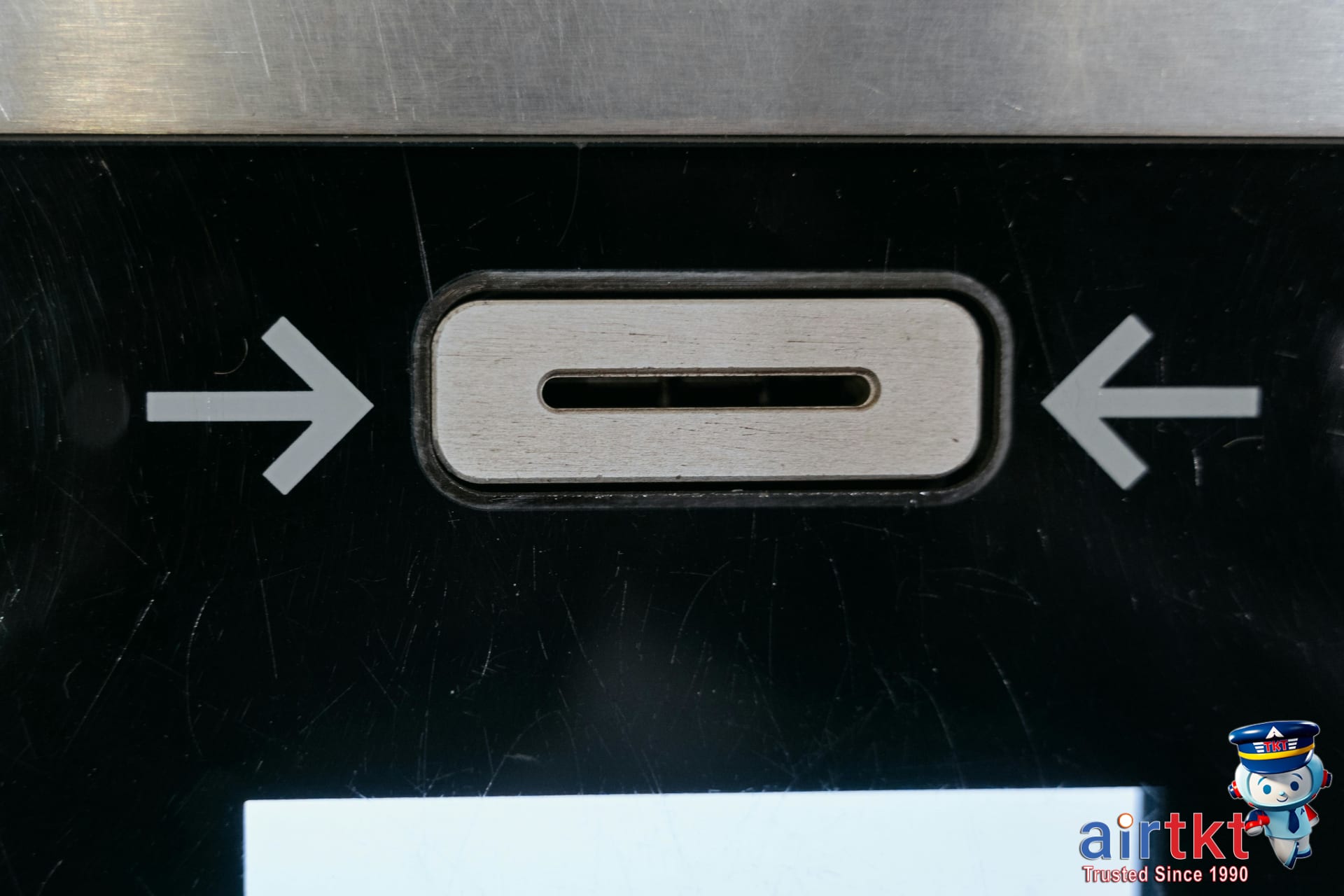
Typical skimmers are fitted right over the card slot, making them look like a natural part of the ATM—just slightly bulkier. Inspect the slot closely. Watch for anything that looks loose, poorly aligned, oddly colored, or is made of a different plastic than the rest of the machine. Many criminals also hide pinhole cameras above the keypad, disguised with extra molding or stickers. Some even install fake keypads that record your PIN when you type it.
I once nearly fell for a card skimmer in a busy tourist district. The card slot seemed just a bit wobbly, and the surface was shinier than the rest of the machine. Trusting my gut, I walked away and alerted security. Ever since, I give every ATM a quick inspection, especially overseas or at standalone machines.
Common Skimmer Setups
- External card reader overlays: These sit on top of the real card slot—look for anything loose or sticking out.
- Pinhole cameras: Check for tiny lenses near leaflet holders or fake plastic paneling close to the keypad.
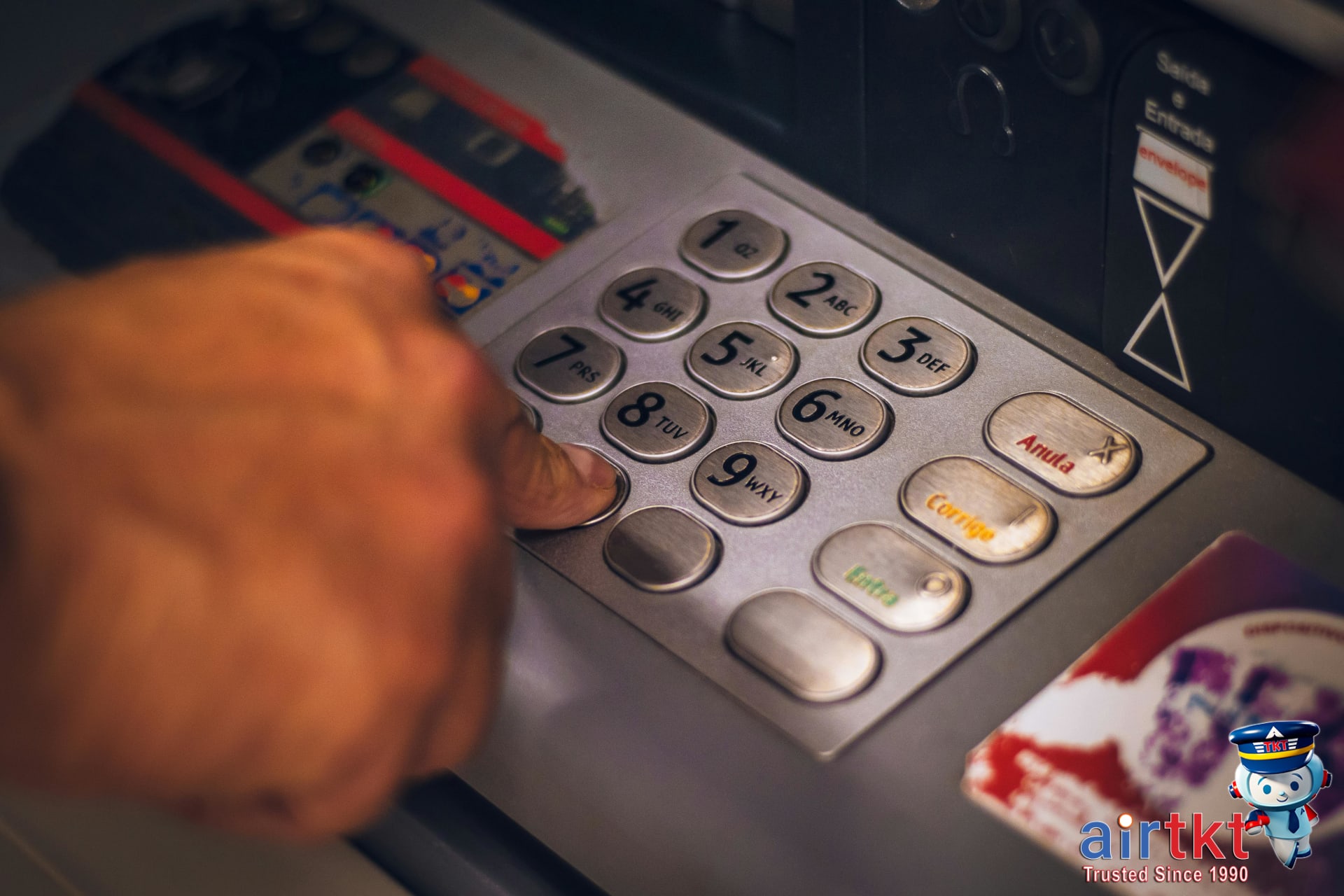
- Fake keypads: A secondary layer on the keypad can record your PIN; if keys feel unusually thick, it could be a sign.
Staying cautious at the ATM can prevent a stressful headache later. If the ATM doesn’t look right, find a different machine—preferably one inside a well-lit bank lobby. For extra detail on real-world card scam dangers and what to watch for, you can also read this practical guide on airtkt.com about common travel scams and staying safe with your cards abroad. For an official overview of ATM skimmers and photos of typical devices, the U.S. Secret Service offers a downloadable travel tip sheet on card skimming.
How To Choose Safe ATM Locations
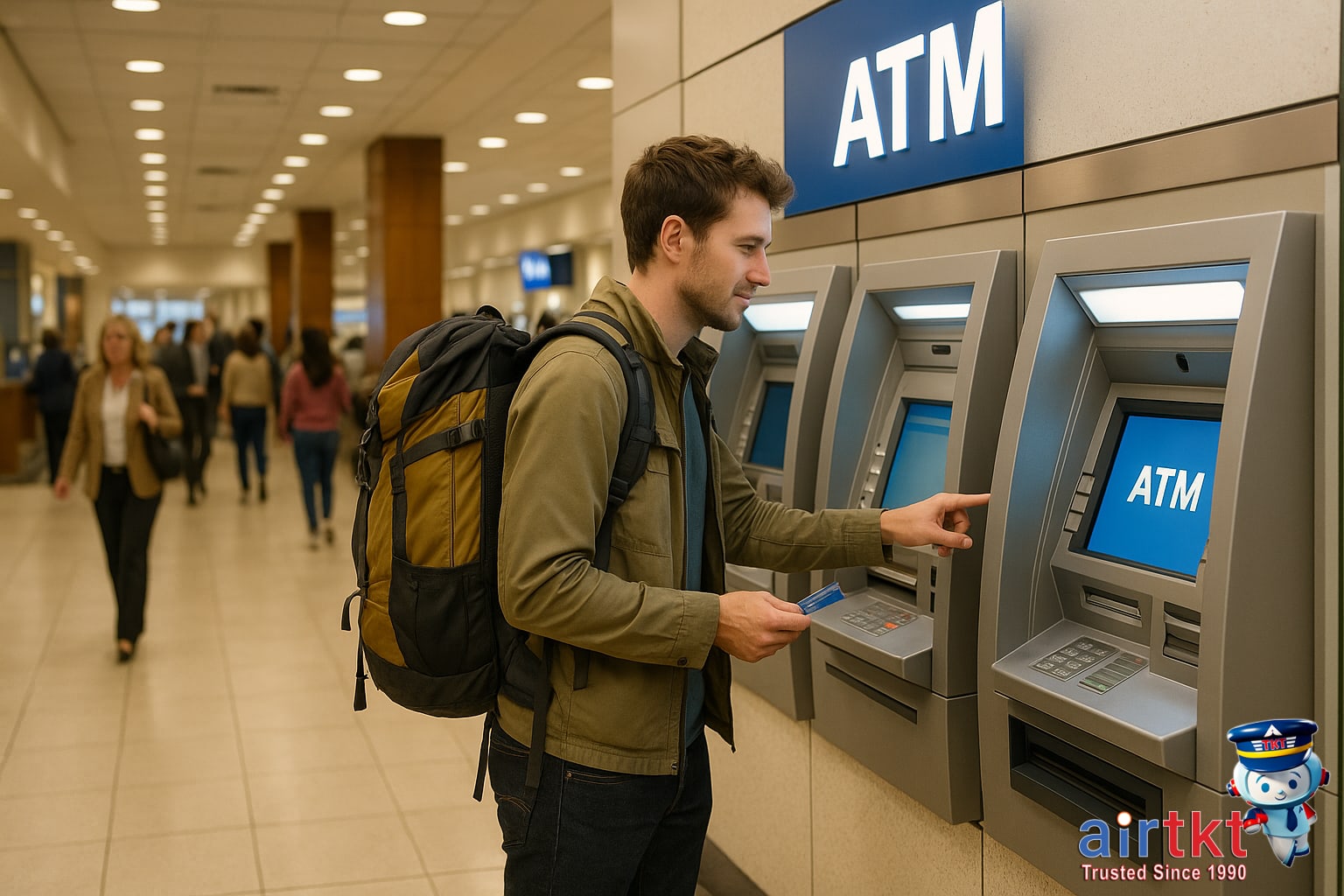
Finding a safe ATM while traveling requires paying close attention to your surroundings. I always prefer ATMs inside busy bank lobbies rather than street machines for added safety. These locations tend to have security cameras, and sometimes staff or guards on hand, which can reduce the risk of skimming devices or theft.
Indoor bank branch ATMs are generally your safest bet. Big banks and shopping malls often have well-lit ATM areas with constant foot traffic and clear surveillance. This reduces the chance of anyone tampering with the machines or targeting customers. If you’re in a rush, it’s still wise to look for an ATM inside a convenience store or at an airport before using one that’s completely outdoors.
Indoor vs. Outdoor ATMs
Standalone outdoor ATMs, especially those in dimly lit or isolated areas, carry a much higher risk. Thieves can target these spots precisely because there are fewer people around. In my experience, even during the day, I steer clear of any ATM that feels hidden or unattended by security personnel. Unless there are clear signs of monitoring, I’d rather take a longer walk to a bank branch than use an outdoor machine in a random parking lot or side street.
Spotting Security Measures
When scoping out an ATM, check if there are security cameras and make sure the area is busy. ATMs with active surveillance and visible guards or plenty of foot traffic discourage most would-be criminals. If you’re traveling after dark, stick to locations that are both well-lit and busy—even if it costs you a few extra minutes.
Some travelers like to keep their ATM visits to business hours or when banks are open. If anything feels off—such as someone loitering too close or watching others use the machine—just walk away and try a safer location. For more tips on protecting yourself abroad, see our guide to staying safe in foreign cities.
Protecting Your PIN and Cash
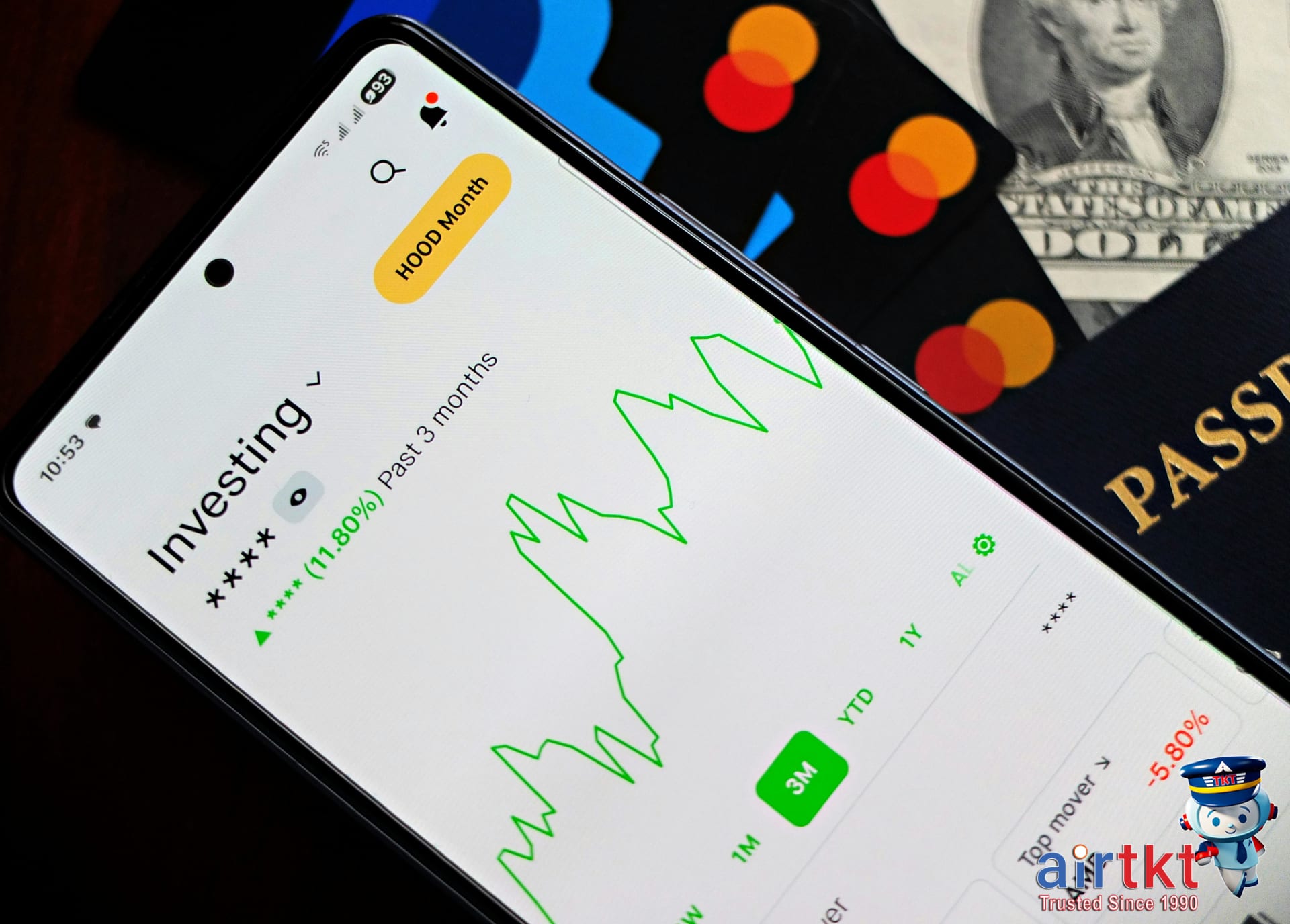
Shielding your PIN and handling cash discreetly is one of those travel habits that can save you a world of trouble. I’ve made it a rule to always use my free hand as a shield when I enter my code, especially after nearly having someone glance over my shoulder at a busy train station. You never really know who’s nearby or watching, and a little extra caution goes a long way.
When using an ATM, always cover the keypad—either with your hand, wallet, or even your body—so nobody behind you can see the numbers you type. It’s smart to scan your surroundings first. If there’s a long line, or if the ATM faces a busy street or walkway, I’d look for another machine with a bit more privacy. Shoulder surfing is a real threat, especially in crowded travel hubs or tourist hotspots.
Once you’ve made your withdrawal, don’t count your cash or organize it in public view. Slip the bills immediately into your wallet or money belt before leaving the machine, and take a moment to tuck any receipts away as well. Lingering at the ATM while distracted by your cash can make you an easy target for quick snatch thefts. For more practical tips on currency safety—like using money belts and decoy wallets—check out our broader guide on travel money safety and avoiding pickpockets.
How Technology Can Improve ATM Safety
Gone are the days when ATM safety meant just covering your PIN. Now, technology gives travelers powerful new ways to protect their money abroad. Mobile banking apps, virtual cards, and security-minded accessories can all help you outsmart modern threats—often before they even affect you.
Mobile Alerts and Card Controls
Most major banks let you enable instant notifications through their apps, so every ATM transaction triggers a pop-up or SMS. I personally appreciate getting a real-time alert every time my card is used—on more than one occasion, it’s let me spot suspicious activity immediately while traveling. Many apps also let you lock your card instantly from your phone, which can be a lifesaver if your wallet disappears or your card’s skimmed.
Virtual Cards and Contactless Withdrawals
Some banks and travel-friendly fintech firms now offer digital cards for ATM use. Virtual cards shield your real account number and can often be set to expire after a single use. In certain countries, ATMs even support contactless withdrawals—just tap your phone or card, so you never insert anything that could be skimmed. While this isn’t available everywhere, places with newer ATM networks often have these features, so check before you travel.
RFID-Blocking Wallets for Extra Protection
Pickpocketing isn’t the only threat—so-called “skimming” or radio-frequency theft can happen with a card still in your pocket. Slim RFID-blocking wallets or card sleeves are a simple extra layer, keeping your card details invisible to anyone with wireless scanning tools. I keep one in my travel kit and it’s helped me feel more secure, especially in busy transit areas.
To dig deeper into travel tech and smarter banking tips, airtkt.com regularly publishes guides comparing the latest safety tools and secure banking options for globe-trotters.
If you want more on this, security experts at Consumer FTC highlight how using transaction alerts and app locks strengthens your defense against ATM fraud.
How To Avoid Common ATM Scams
Using ATMs while traveling can make things convenient, but travelers are frequent targets for scams. Some of the most common ATM scams include fake keypads, card trapping devices, and social engineering—each can catch even savvy travelers off guard. Knowing the signs of trouble will save you a lot of stress (and possibly your funds).
Spotting Fake Keypads And Card Traps
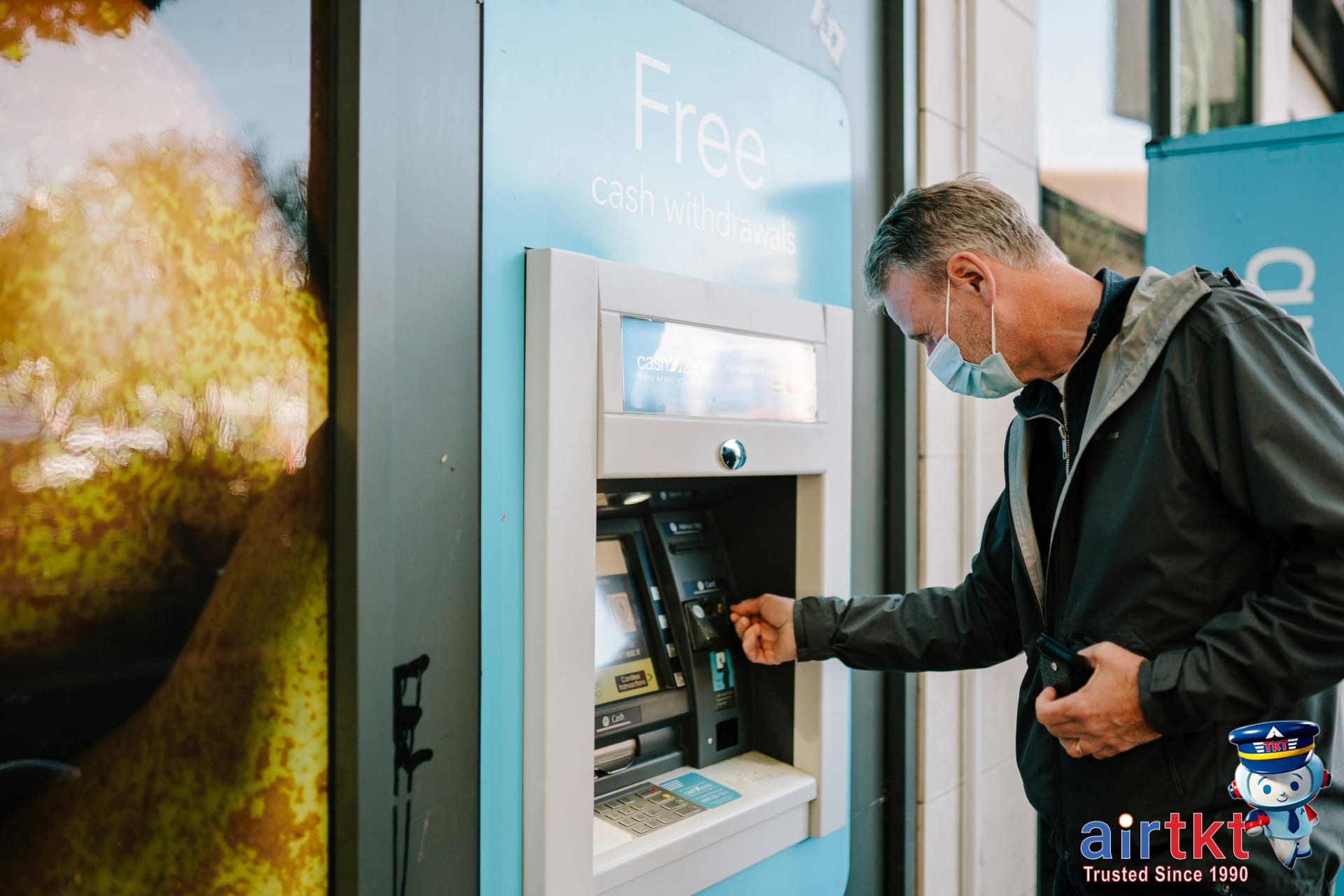
Start by checking the ATM’s card slot and keypad before you insert your card. Scammers sometimes attach a fake fascia or card retainer to capture your card, or overlay a false keypad designed to steal PINs. If you notice anything loose, mismatched, or bulky—like an odd-looking keypad or a slot that doesn’t match the ATM’s design—trust your gut. I felt uneasy when an ATM didn’t return my card immediately, so I stopped and reported it instead of trying again; it’s better to be cautious than risk a compromised card.
Social Engineering At The ATM
Social engineering scams around ATMs usually involve people standing too close or offering unsolicited help. For example, someone might distract you with questions or bump into you during your transaction, while an accomplice tries to steal your card or see you enter your PIN. Protect your pin from prying eyes, refuse help from strangers, and if anyone nearby makes you uncomfortable, cancel your transaction and find another machine.
Reporting And Responding To Issues
If an ATM swallows your card, sends repeated error messages, or just feels “off,” do not attempt another transaction at the same machine. Notify the bank or local authorities immediately. Quick reporting not only helps you, but also protects future travelers from falling victim. For broader safety tips, I’d recommend reading up on travel scam prevention guides or checking out emergency travel safety resources.
What To Do If You Encounter A Skimmer
Stumbling across a suspicious card reader—whether at an ATM, a ticket machine, or a fuel pump—can unsettle even experienced travelers. The most important thing is to stay calm and not use the compromised machine. If you spot a device that looks tampered with, loose, or oddly attached, step away immediately and keep your card in your pocket. Don’t confront anyone nearby, especially in unfamiliar places—you’re better off moving to safety and acting discreetly.
Report The Problem Fast
Take a moment to snap a discreet photo of the suspicious device. This is concrete evidence you can share with both local law enforcement and your bank. Approach a nearby business or safe public area before making calls. I remember spotting a skimmer at an off-the-beaten-path ATM once—I took a quick photo, then found a café with Wi-Fi to call my bank and local police, which meant my card was canceled before anything could be stolen.
Report the incident promptly to the non-emergency police number and request a report if possible—many countries have tourist police or dedicated financial fraud units. Next, call your bank’s 24-hour fraud line (the number is usually printed on your card or available through the bank’s website). Explain your suspicion, share your evidence, and immediately request a card block or replacement if needed. Many banks also recommend monitoring your account for any unusual transactions that could surface hours or even days later. If you see charges you didn’t make, inform your bank’s claims department and ask about compensation procedures—refund timelines and documentation requirements vary by issuer.
Protect Yourself Going Forward
Going forward, regularly check your transaction history online or via your banking app. Some banks and travel security organizations—like the U.S. Department of State and major credit networks—provide timely updates and instructions on dealing with ATM fraud in various countries. It’s wise to set up instant transaction alerts whenever possible to catch unauthorized activity quickly. For broader travel safety strategies, airtkt.com offers practical tips and emergency advice to help you handle unfortunate situations on the road.
Budget Table for ATM Usage Abroad
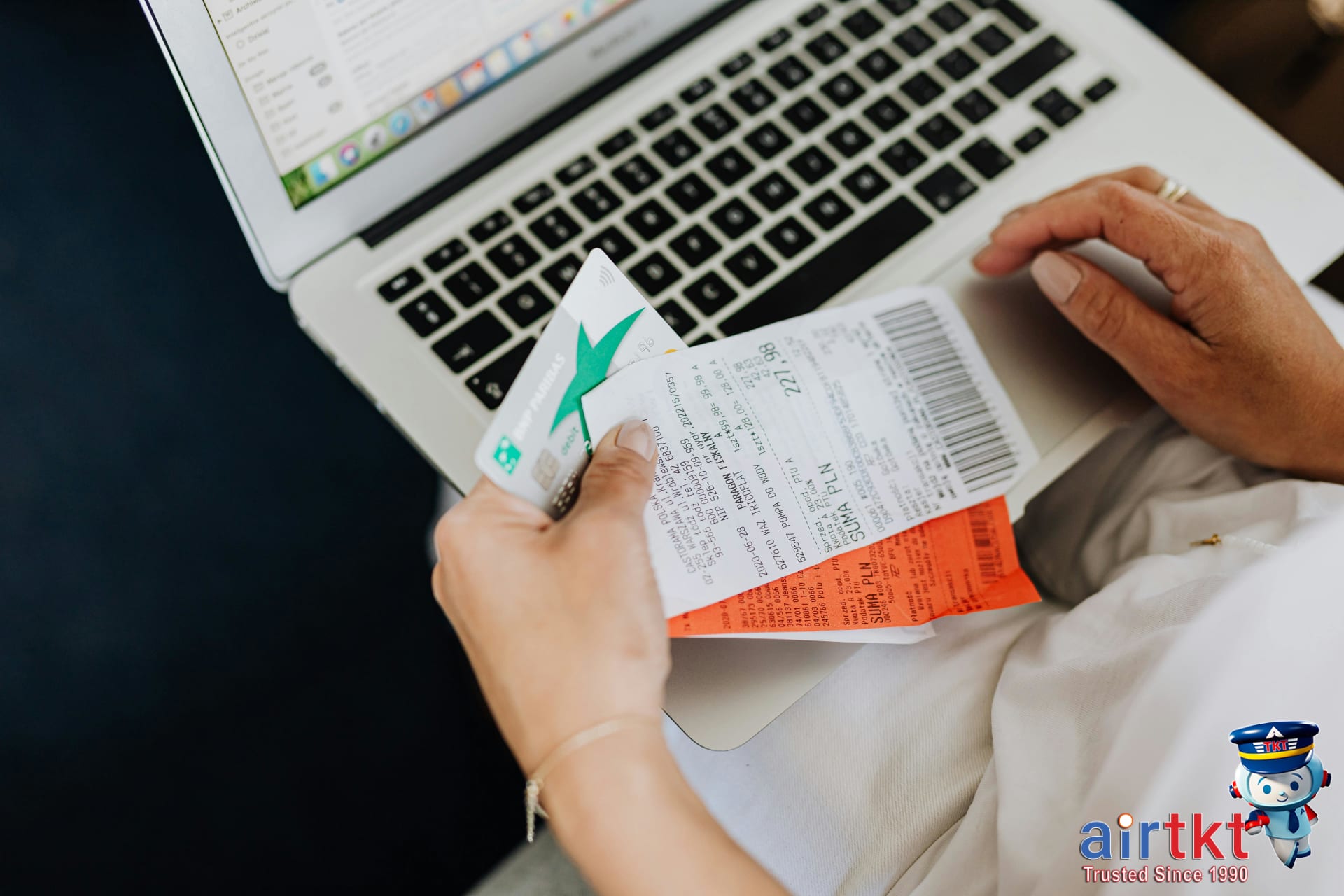
Keeping track of ATM withdrawal fees while traveling can make a real difference in your trip budget. To help you plan, here’s a look at representative travel costs—including ATM-related expenses—across three spending levels. This breakdown covers accommodation, food, transport, and activities, helping you anticipate cash needs and minimize surprise fees.
| Accommodation | Food | Transport | Activities | |
|---|---|---|---|---|
| Budget | $30.00 | $15.00 | $7.00 | $10.00 |
| Mid-range | $80.00 | $40.00 | $20.00 | $30.00 |
| Luxury | $200.00 | $100.00 | $50.00 | $90.00 |
Minimizing ATM Fees
Frequent international ATM withdrawals can quickly eat into your travel funds due to both local and home bank charges. I’ve saved money by limiting ATM visits and using travel-friendly credit cards for purchases whenever possible, reserving cash for situations where cards aren’t accepted. Planning daily expenses in advance can help you withdraw a larger, single amount (while still considering safety), reducing cumulative fees.
Smart Payment Strategies
To get the most from your travel budget, combine ATM use with no-foreign-fee debit or credit cards. Many mid-range and luxury travelers find it more convenient and cost-effective to rely on cards for accommodation and bigger purchases, keeping cash for small vendors or tips. If you’re looking for additional tips, check out our travel budgeting guides that dive deeper into cost-saving payment methods and strategies.
Frequently Asked Questions About ATM Safety
- How can I spot ATM skimmers when traveling?
To detect ATM skimmers abroad, look closely for anything unusual around the card slot or keypad—such as attachments, loose pieces, or bulky components. Gently wiggle the card reader, and avoid ATMs with crooked or misaligned parts. I always check for small hidden cameras on the machine itself before inserting my card.
- What are the safest ATM locations outside your home country?
The safest ATMs are typically inside bank branches, airports, or secured shopping centers. Indoor locations with security cameras and staff nearby greatly reduce your risk of theft or tampering. Outdoor standalone machines on quiet streets or remote areas are more vulnerable to skimming and pickpocketing.
- How can I keep my PIN secret while using ATMs?
Cup your hand over the keypad as you enter your PIN, even if no one else is around. Shielding your PIN blocks hidden cameras and prying eyes. Also, memorize your PIN instead of writing it down, and if the ATM looks suspicious, walk away and find another.
- What should I do if my card is retained by an ATM abroad?
If an ATM keeps your card, immediately contact your bank’s emergency helpline to report the issue and block the card. Avoid accepting help from strangers nearby. Use your bank’s app or website to locate a nearby branch or trusted contact point for further assistance if needed.
- Are foreign ATMs safe to use for withdrawing cash?
Most foreign ATMs in reputable banks or airports are safe, but always inspect them for signs of tampering. Use machines in well-lit areas and avoid isolated spots. I’ve found that researching ATM safety tips before trips, like those in this FAQ, makes the process less stressful and much safer.
- How can I avoid ATM fees while traveling internationally?
To reduce ATM fees, use global-bank partner ATMs, or check if your bank refunds international withdrawal charges. Withdraw larger amounts less frequently to minimize transaction costs. Before your trip, review your bank’s foreign ATM policies and fee structures, so you’re not caught off guard by unexpected charges.
- Why should I check ATM safety tips before my trip?
Checking up-to-date ATM safety tips helps prevent theft, fraud, or card issues abroad. Reviewing official resources and FAQ sections boosts your awareness of current scams and precautions. Reading FAQs helped me notice important details I would’ve missed if I’d just relied on travel instinct alone.
Final Reminders for ATM Safety Abroad
As you plan your travels, a quick recap of ATM safety can go a long way. By keeping an eye out for common scams—like card skimmers—choosing well-lit, bank-affiliated ATMs, and always shielding your PIN, you’ll cut your risk of inconvenient or costly issues. In my own travels, sticking to these simple practices has helped me feel much more relaxed every time I need cash in a new country.
Traveling smart really does start before you even step on the plane. A bit of preparation—like scoping out ATM locations in advance or rehearsing how you’ll protect your card—pays off with greater peace of mind on the road. I’d suggest setting aside a few minutes to review travel safety essentials, so you’re not caught off guard by anything unexpected.
If this guide was helpful, you might want to browse the travel safety resources on airtkt.com before your next trip. Being proactive means you can focus more on seeing the sights, rather than worrying about your wallet.