
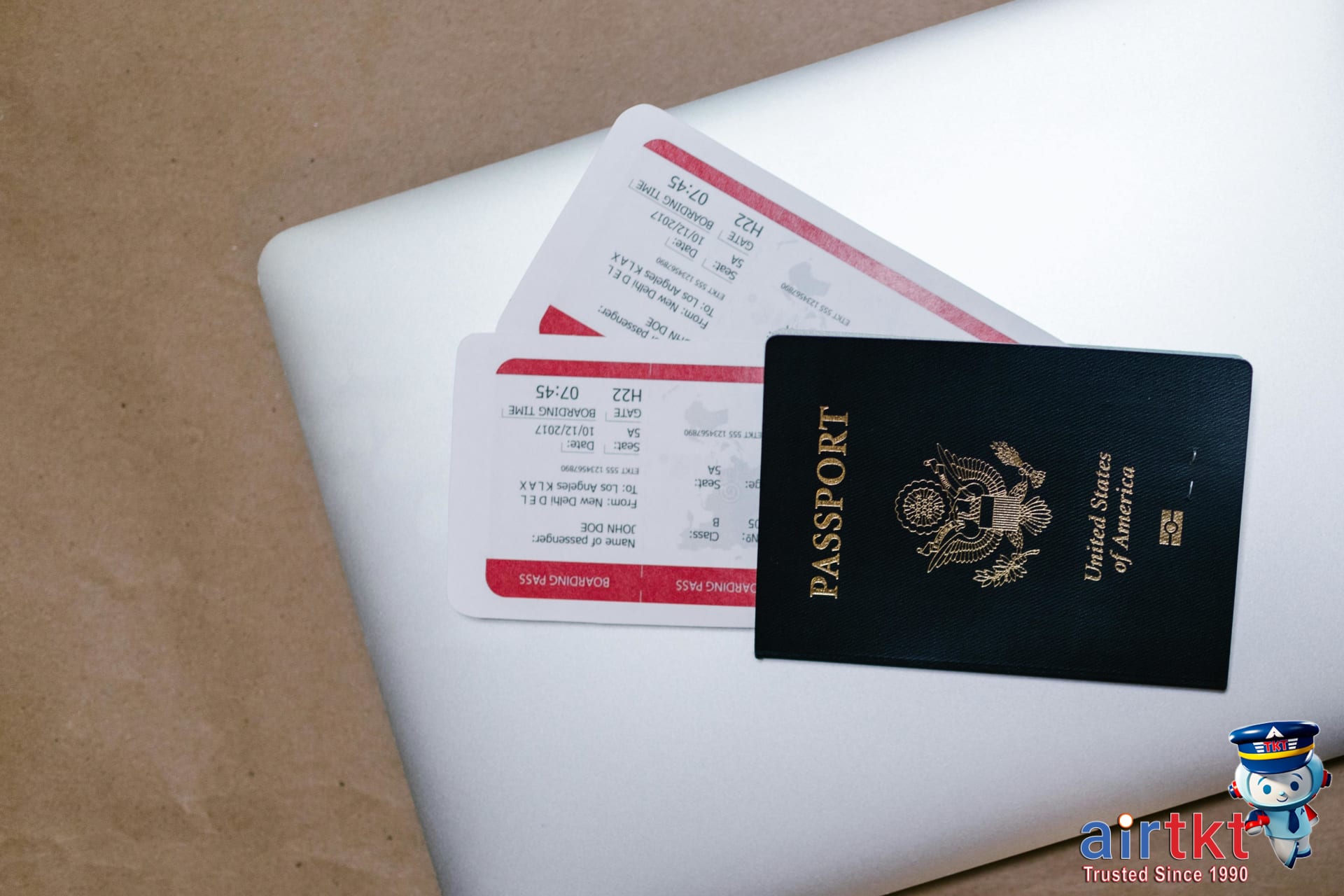
Why Booking Timing Matters For Airfare

The timing of when you book your flight can make a real difference in the price you pay. Airfare can change rapidly—sometimes even within a single day—so knowing how far in advance to search can help you snag better deals. Generally, you’ll often hear about two main strategies: advance booking and last-minute booking.
Advance booking means purchasing tickets several weeks or even months before your departure date. Travelers rely on this method to lock in lower fares, especially for popular routes or peak travel seasons. Last-minute booking, on the other hand, is for those who wait until closer to the travel date—hoping for discounted fares that airlines occasionally release to fill empty seats.
In my experience, starting to monitor fares early always gives you more power as a traveler. I’ve noticed that by using fare tracking tools and checking prices weeks ahead, I can spot unexpected dips or patterns that help me decide when to book. This is especially easy with fare search engines like the one on airtkt.com, which helps you compare deals in real-time and see flexible date options.
Benefits of Booking Early

Booking your flight in advance almost always gives you the upper hand—especially during busy periods like holidays or major local events. When you plan ahead, you typically get a wider selection of flights, better departure times, and, in many cases, lower fares compared to booking last minute. High demand dates, such as Christmas or long weekends, fill up fast, so early planners often snag the more affordable tickets and their preferred seats.
I remember booking a trip home for Thanksgiving several months ahead and easily saved about $120.00 versus what friends paid who waited until October. There’s also the peace of mind—once your reservation is set, you can focus on planning the rest of your journey instead of refreshing fare pages in panic as prices rise each week.
Early booking isn’t always necessary for every trip, but it’s most useful if you’re traveling during peak season, heading to destinations with limited flights, or attending special events. If you’ve got specific seat preferences (like an aisle up front or extra legroom), these tend to be available only to those who reserve early. Last-minute bookings might leave you with fewer flights to choose from, less convenient schedules, or undesirable connections.
One tip I’d share is to always compare your options by searching for fares across flexible travel dates. airtkt.com makes this easy with Flexible Date Search, helping you spot those low-fare combinations days or weeks out. I’d recommend taking advantage of it before committing to fixed travel dates.
When to Expect Last-Minute Deals

Last-minute flight deals definitely exist, but knowing when and how they appear can save you from disappointment or a needlessly expensive ticket. Airlines often slash fares just before departure to fill empty seats, especially for routes with lots of unsold inventory. You’re more likely to see these offers during off-peak travel periods, like slower midweek days or outside of holiday seasons, when demand drops unexpectedly.
On the other hand, waiting until the last minute is risky. Major holidays, high-traffic routes, or flights during peak vacation times rarely see deep fare drops. In fact, prices can spike and seat choices quickly vanish. I’ve booked a flight at the eleventh hour before—what I learned is that while the price was surprisingly good, my seat selection was extremely limited, and I had to be flexible about my travel times.
If you plan to hunt for last-minute fares, it’s smart to use tools designed for these quick searches. Services like airtkt.com offer real-time fare alerts and a dedicated last-minute section, which takes the guesswork out of spotting genuine deals. But I’d still treat last-minute booking as a backup plan rather than a routine strategy—especially if your schedule isn’t flexible.
How Flight Prices Fluctuate

Watching flight prices bounce up and down can feel mystifying, but there are specific, predictable forces at work behind the scenes. The most influential factor is demand—higher demand for certain dates or routes nearly always means higher ticket prices. For example, prices usually increase around holidays, major events, and school vacations, while less popular travel windows offer lower fares.
Airlines use advanced pricing strategies, constantly adjusting fares based on how many seats they’ve sold, how much competition exists on a route, seasonal patterns, and even booking timing. They monitor competitor pricing, so if one carrier drops its fare, others may respond quickly. In my experience, the biggest price swings often happen right when a flight is first loaded into the system and again in the days leading up to departure, so I always watch these windows closely.
Seasonality plays a big role too—summer and winter holidays see spikes, while shoulder seasons can bring some bargains. Meanwhile, the ideal booking window can vary, but airlines tend to offer their cheapest fares a few months in advance. That said, last-minute deals occasionally pop up if a flight still has plenty of empty seats.
I make it a habit to check flight prices at different times of day and on various days of the week. I’ve found fares sometimes drop late at night or midweek, so a bit of flexibility and repeated checking can lead to real savings. If you love digging into trends, I’d recommend reading up on airfare pricing cycles, which you’ll find in the related article about airline pricing insights. It’s helpful to spot patterns, but I never assume a deal will last for long—acting quickly when a fare looks unusually low is usually the best move.
Best Practices for Booking Flights

Booking flights can feel like gambling with timing and options, but a strategic approach makes all the difference. Over many trips, I’ve found that combining early searches with last-minute checks—and always considering nearby airports—usually gets me a much better fare than picking the first decent price I see. If you’re looking to stretch your travel budget, use this practical checklist to approach flight booking more like a pro and less like a guesswork game.
Flight Booking Checklist
- Start Early, but Not Too Early: Begin monitoring fares several months ahead if possible, especially for international or peak season routes. Avoid booking the very first fare you find—prices can dip before rising closer to departure.
- Set Fare Alerts and Monitor Tools: Use airfare tracking alerts and tools like airtkt.com‘s Lazy Fare and Nearby Airport Search to watch for price drops or cheaper cities nearby.
- Stay Flexible with Dates and Times: Departures midweek often cost less than weekends. Flexible Date Search is very effective, so check several dates for the lowest possible fare.
- Compare Multiple Airports: Big metropolitan areas often have two or more airports—always check fares for each. I once saved over $100.00 by flying out of a smaller regional airport a little farther from home, and airtkt.com‘s Nearby Airport Search made finding that option much easier.
- Check Last-Minute Deals—Cautiously: For some domestic or off-peak routes, unsold seats can mean cheaper last-minute fares. Don’t rely solely on this, but it’s worth a look if your plans are flexible.
- Get Human Support If Needed: Sometimes fare rules or itinerary logistics are confusing. Take advantage of 24×7 phone-assisted support for questions or complex bookings.
We’d treat these steps as essentials, whether booking a family vacation or a spur-of-the-moment getaway. Mixing early fare watching with a final sweep for last-minute drops has routinely landed me better deals than leaning on just one approach.
Flight Booking Budget Planning Tips

Understanding exactly how airfare choices impact your travel funds lays the groundwork for a more balanced trip experience. Booking flights early through a site like airtkt.com often frees up extra money for other parts of your adventure. In my own planning, locking in a lower airfare meant I could splurge on a unique local food tour instead of sticking to basic meals. It’s all about strategically choosing where to allocate those savings.
Here’s a simple breakdown to show how your base travel budget might look, depending on your comfort and style goals. Remember, money saved on flights doesn’t have to disappear—it can elevate meals, excursions, or a better hotel room.
| Accommodation | Food | Transport | Activities | |
|---|---|---|---|---|
| Budget | $35.00 | $15.00 | $8.00 | $12.00 |
| Mid-range | $80.00 | $30.00 | $18.00 | $28.00 |
| Luxury | $220.00 | $55.00 | $40.00 | $65.00 |
When you book your flight at the right time, you’re not just trimming the airfare expense—you’re actively shaping what your day-to-day spending can look like, from where you sleep to how you explore. If I find myself saving $100.00 or more on my flight, I might decide that money will cover a memorable guided experience, a room upgrade, or simply let me relax over a few nice coffees. If you want a comprehensive guide to stretching your travel budget, check out our budget travel blog content for more ideas on practical planning and saving throughout your trip.
How To Use AirTkt Booking Tools

If you’re looking for practical ways to save on flights and simplify your travel planning, the booking tools at airtkt.com offer a helpful toolkit. I’ve personally found that these features saved me both money and time on my last international trip—especially when my original travel dates were flexible and I was open to alternate airports.
Lazy Fare Tool Basics
Lazy Fare is a unique option that automatically searches for creative multi-stop flight combinations, revealing cheaper alternatives that most booking engines skip. It works by piecing together routes with layovers that keep costs down—so you can fly further for less without paying for extended stopovers. I usually recommend toggling Lazy Fare when your primary route looks too pricey; sometimes it turns up surprising savings.
Flexible Date Search
One of the first features I check is Flexible Date Search. It displays a calendar of airfares around your chosen dates, letting you see which day offers the lowest fare. When my own schedule had some wiggle room, this tool helped me pick flights on slightly different days and immediately spot connections that were around $90.00 less than my initial dates. Just select “Flexible Dates” before you search to activate this option.
Nearby Airport Search
If you live in a region with several airports—or just want every possible savings angle—Nearby Airport Search is a must. It automatically scans airports within a reasonable distance of your chosen destination and departure city. I’d compare both primary and secondary airport results before booking; sometimes the drive to a nearby airport means real savings or more convenient departure times.
Real-Time Fare Comparison
One standout feature for me was the real-time fare comparison tool on airtkt.com. After entering route and travel dates, you’ll instantly see multiple fare options, updated live across hundreds of airlines. This side-by-side view makes it much easier to judge if a “deal” is genuinely the best option available or just average. If you want a full rundown, check the AirTkt tools overview page for step-by-step instructions.
Get Personalized Support
Don’t forget that if you need extra help, you can contact airtkt.com’s 24×7 phone support at any stage of your booking. I’ve called their agents in the past, and they provided practical suggestions on combinations I hadn’t considered. For more info on this option, see their customer support page.
Common Booking Mistakes to Avoid

Booking flights online should feel empowering, but all too often, travelers fall into the same avoidable traps. I’ve learned the hard way: slip-ups at checkout or ignoring a key detail can come back to haunt you, whether that means paying more than you intended or ending up with unchangeable plans.
The first major mistake is waiting too long to book. Procrastinating in hopes of a last-minute deal can result in higher prices or even missing out on your preferred flights. In my experience, hoping for prices to drop has rarely paid off—once, I waited too long and ended up booking an inconvenient overnight itinerary just to stay within my budget. Now, I try to set a booking window and stick to it.
Another pitfall is ignoring price alerts or flexible tools. Platforms like airtkt.com offer alerts and flexible date searches, but many travelers, myself included at times, brush these off in the rush. That’s a missed opportunity for real savings and better choices, especially if your travel dates have some wiggle room.
Inflexible plans can also hurt your wallet. If you’re only willing to fly at specific times or from a single airport, you might overlook cheaper routes. Sometimes, a nearby airport or shifting your departure by a day could save you a significant amount.
Lastly—and perhaps most crucial—skipping over fare rules and cancellation policies is a recipe for regret. Non-refundable fares, change penalties, and restrictions are all easy to gloss over when you’re excited about a trip. Before you click confirm, it’s worth a moment to carefully review the fine print or check the airtkt.com cancellation policy page for guidance. I once learned this lesson after booking a sale fare that couldn’t be changed without a steep penalty when my plans unexpectedly shifted.
Flight Booking FAQs Answered Clearly

- When is the best time to book flights for lowest prices?
Many travelers find that booking flights several weeks in advance tends to produce lower fares for most routes. Prices can jump as departure dates approach, especially for popular travel periods. Watching price trends and using fare alerts can help you pick a good window to secure the best airfare.
- Are last-minute flight deals actually cheaper?
Last-minute airfare deals occasionally appear, but they’re not reliable for most travelers. In my experience, waiting until the final week before departure often means paying higher prices or getting limited choices. Flexibility with your travel dates or airports gives you the best shot at unexpected savings.
- Does booking way ahead always guarantee the best airfare?
Booking very early sometimes results in better prices—especially for peak travel seasons—but not always. Airlines may adjust fares based on demand, so it’s possible for prices to dip later. I’d recommend checking fares periodically and setting fare alerts before locking in your ticket.
- What tools help find cheap flight tickets?
Fare comparison websites, flexible date search tools, and airfare tracking apps are all useful when you’re looking for deals. On airtkt.com, tools like Lazy Fare and Nearby Airport Search help you discover the best airfare by exploring alternate airports and multi-stop routes that cost less.
- How can I increase my chances of getting the best airfare?
Flexibility is a huge advantage: try adjusting your departure dates, being open to nearby airports, and booking flights mid-week. Consider setting price alerts and using flexible search tools, so you’ll see when a price drops and can grab a fare before it goes back up.
- Is it better to book flights directly with airlines or through agencies?
Both options have pros and cons. Online travel agencies such as airtkt.com provide broader fare comparisons and extra savings features. Airlines might offer direct perks. I usually compare both before booking to see where the savings and convenience are strongest for my trip.
- Do flexible dates really lower flight prices?
Yes, being flexible with your travel dates often reveals cheaper fares. Airfare can vary by day of the week and even by hour. Using flexible date search tools, you might spot price differences of $100.00 or more depending on when you depart or return, which can really add up for families.
Choosing the Right Timing Strategy
Finding the sweet spot between planning ahead and pouncing on last-minute airfare deals is really what sets experienced travelers apart. Throughout this guide, I’ve highlighted how booking early gives you the broadest selection—especially for those popular travel windows and busy routes. But maintaining a little flexibility in your dates or destination is just as valuable, since it lets you act quickly whenever sudden price drops appear.
The user-friendly tools on airtkt.com make this balancing act a whole lot easier. I especially like the Flexible Date Search and the Nearby Airport Search: they take just seconds to use but often spotlight fares I wouldn’t have found otherwise. The Lazy Fare feature is another favorite if you don’t mind a short layover and want to keep costs down. Applying these strategies has radically cut my airfare on more than one occasion—I once booked an overseas flight for about $320.00 less by combining Flexible Date Search and checking alternate airports.
If you’re ready to put these timing strategies into practice, I usually suggest starting with a quick search on airtkt.com—just to get a baseline for fares on your preferred route. After that, use the site’s tools to test different dates and airports until you spot a deal that feels right for you.