

Save on Airport Transfers with Transit
Getting to and from the airport can cost more than you expect—especially in big cities where rideshares and taxis have become increasingly expensive. It’s common to see surge pricing on rideshare apps during busy flight times. That $25.00 rideshare can unexpectedly turn into $45.00 or more, and taxis rarely offer much relief. Instead, savvy travelers often turn to public options like trains, subways, or airport buses as a wallet-friendly alternative.
Public transit systems in major cities such as New York, London, or Tokyo often connect directly to airport terminals. These routes are clearly marked on city transit map apps—look for icons or line names mentioning the airport. I’ll admit, the first time I realized how much money I saved by hopping on the city subway straight to the airport, it really changed how I plan every trip. The cost difference lets you spend those extra dollars somewhere more fun—like a meal or a museum ticket at your destination.
To find your best route, download the official city transit app or use widely trusted tools like Google Maps or Citymapper. Enter your departure point and the name of the airport, then look for public transit directions. Most apps highlight airport lines or special express buses, so you can spot your options fast and see approximate travel times.
If you’re pairing your savings on transport with a discounted flight, it’s worth checking out the deals available on the airtkt.com flight deals page. Combining a cheap fare with an affordable airport transfer is one of the easiest ways to stretch your travel budget without sacrificing comfort.

Top Public Transit Options to Airports

Getting to and from the airport is often easier—and more budget friendly—when you use public transit. Major cities around the world now offer a mix of airport trains, subway connections, and express buses. Trains and subways often provide the fastest way to reach downtown, connecting key stations directly with airport terminals. Airport express trains, like those in London, Hong Kong, or Chicago, are designed with wide aisles and luggage racks, making travel with suitcases straightforward. Many European and Asian hubs offer similar services, so you’ll rarely need to wrestle large bags up a staircase. Subways that serve airports (like those in New York or Tokyo) typically run frequently, so you won’t wait long if you just missed a train. For budget-conscious travelers, city buses and coach shuttles remain a solid option—especially when airport trains aren’t available or when your accommodation is far from the main rail line. In my experience, catching the subway to the airport in a big city takes away a lot of stress: I boarded, stashed my suitcase nearby, and enjoyed a smooth ride all the way to the terminal without worrying about traffic or high taxi fares.
Accessibility and Convenience
Airport rail and metro systems are generally built with travelers in mind. Step-free access, escalators, and elevators are common features at major terminals, so even oversized luggage isn’t a big obstacle. Airport buses are also designed to be accessible, with wide doors and space for bags—although you may need to double check if traveling during busy commute hours. Service frequency is a big plus: trains and subways often run every 10–15 minutes through most of the day, while buses may run less frequently but still provide reliable connections. I’d compare both options before choosing, especially if your hotel is located far from the city center or isn’t well connected by rail.
Smart Payment Options
Most public transit systems support reloadable cards—like New York’s MetroCard, London’s Oyster, or contactless tap cards—along with mobile payment apps. These save time at ticket machines, often provide fare discounts, and cut down on single-use paper tickets. Even if you’re just passing through, grabbing a reloadable card or downloading an app makes airport transfers and city travel much smoother. For more details on navigating transit in major cities, check out our airtkt.com blog tips for New York, London, and beyond.
Navigating Ticketing and Fares for Airport Transit
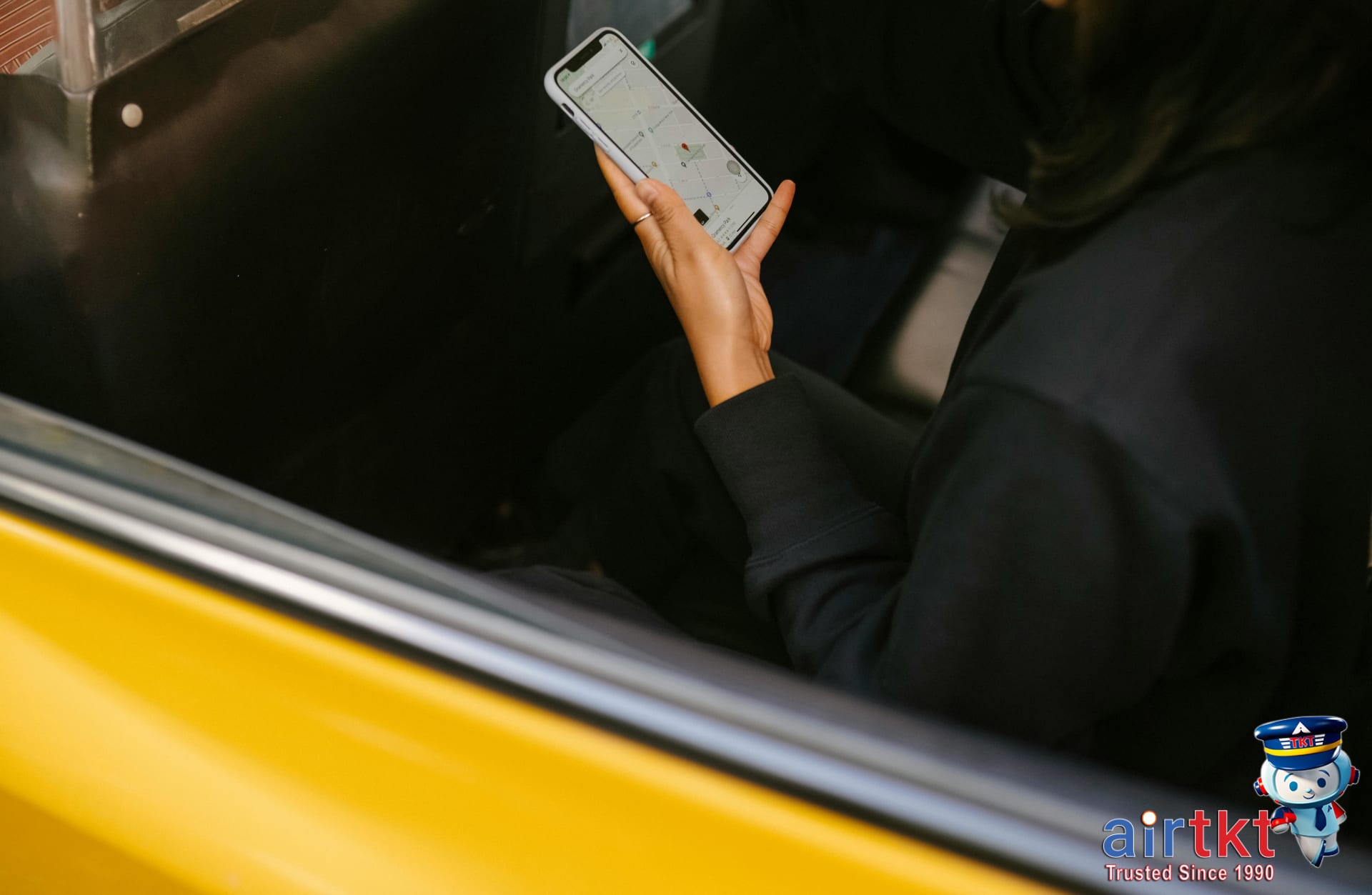
Airport transit fares can be surprisingly complicated if you’re not prepared, and it’s easy to spend more than you need to. Most airports offer at least a few options: single-use tickets, multi-ride passes, daily unlimited cards, and in many cases, an extra airport surcharge. If you’re planning a return trip or just traveling through a city for the day, understanding these choices up front can help you keep your budget in check.
Single fares are the simplest option—buy a ticket, hop on, and go. However, these are also usually the priciest per ride. Around major hubs, I’ve noticed a single airport train ticket can cost about $12.00, and there’s often a separate “airport access” fee embedded. The better bet for frequent travelers or those aiming to save is a day pass or city travel card, which typically includes airport journeys. These passes can be purchased at airport kiosks or online before your trip, so I always make a point to check the airport’s transit site for up-to-date pass pricing before I travel.
One big mistake I see travelers make is buying single tickets at a service desk while in a hurry, only to realize later a 24-hour transit pass would’ve cost just a bit more and covered unlimited rides—including airport routes and local connections. In my experience, double-checking the difference in ticket types and checking for hidden airport fees before heading to the airport station has saved me both time and a few dollars. If you’re already booking your flight through a resource like airtkt.com to score affordable airfare, a little planning with your airport transit tickets can deliver even more value.
Some cities now offer combo deals—ride from the airport plus free local transit for a certain window. Check if online ticketing is available; not only does this skip queues after a long flight, but some cities offer online discounts or special mobile fares for airport transit.
Comparing Public Transit Versus Taxi Costs

Getting from the airport to your hotel can be one of the priciest—and most overlooked—aspects of travel. In major cities across the globe, opting for public transit instead of a taxi or rideshare can easily save you a substantial chunk of change. For example, a typical airport taxi fare in New York City comes in at about $70.00 into Manhattan, while the AirTrain and subway combination costs around $12.00. That’s a savings of nearly $58.00 on your first ride alone. Internationally, London’s Heathrow Express runs about $32.00 per person to Paddington, compared to a black cab, which usually costs about $90.00. Even short-haul trips in Los Angeles, Chicago, or Paris often demonstrate similar trends—public transit slashes your commute costs by $30.00 or more per trip.
I still remember comparing options before my last trip to San Francisco—a $50.00 cab ride versus just over $11.00 to hop on BART. Once I realized the savings, making the switch to public transit was an easy call. Those extra dollars add up for meals, museum tickets, or even another excursion along your route.
Beyond saving money, the environmental advantages are real. Mass transit systems move thousands of people each day using lower energy per passenger than cars or taxis. So, by skipping the solo cab, you’re also reducing your carbon footprint—an easy win for sustainable travel.
If you want a real-time snapshot of costs, I usually advise using mobile fare comparison tools ahead of time. On airtkt.com, you’ll find a fare comparison feature that doesn’t just help with cheap flights—it also makes it simple to estimate your airport transfer options and budget accordingly. This kind of planning can be the difference between a splurge and a small, smart saving.
Transit Comfort and Luggage Tips
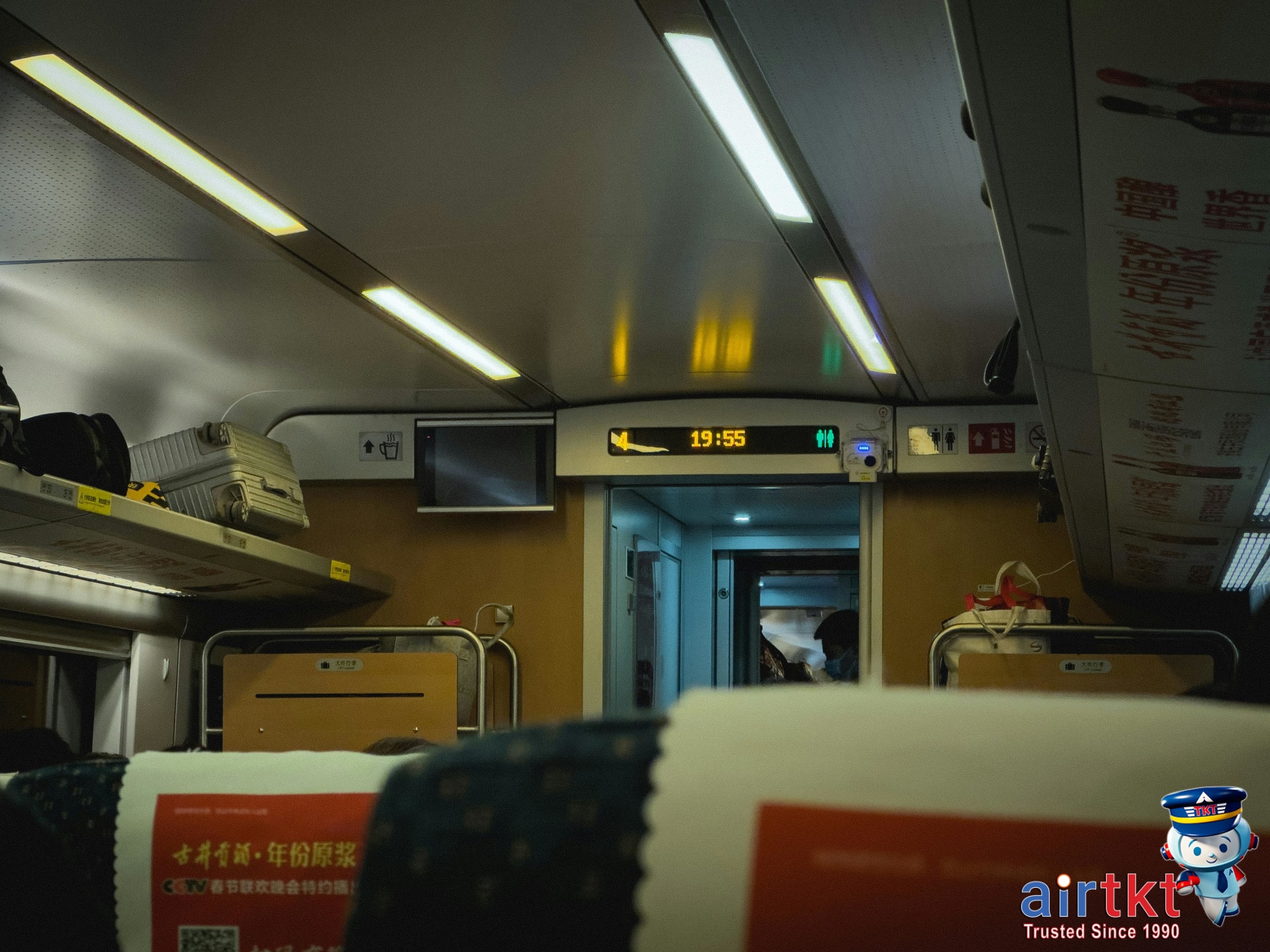
Negotiating public transportation with luggage can turn a simple airport run into a balancing act, especially if you’re squeezed onto a crowded subway or city bus. Station entrances, escalators, and narrow aisles are rarely designed for large suitcases, so I’ve learned that a few simple tweaks can make the journey much less stressful.
One of my main strategies is to travel during less congested times. If I’m catching a train or heading to the airport, I almost always opt for an early morning departure just to grab a seat and get my luggage settled near me before the crowds pour in. That extra room makes a world of difference for comfort and peace of mind—even more so if I’m carrying multiple bags or a carry-on with a delicate item.
When you can’t avoid peak hours, look for transit lines and vehicles that offer luggage racks, dedicated storage spaces, or wider aisles. Many airport express trains come with these built-in amenities, and some city buses even have fold-up seats or standing areas designed for bags. I’d compare available lines in advance to see which offers luggage-friendly carriages—even a little extra space can spare you the hassle of bumping into fellow passengers.
It’s helpful to keep bags well-zipped and close to your body on crowded transit, not just for convenience but also for security. Try to pack so you can quickly slide your bag into a luggage rack or under your seat without blocking aisles. The less you have to rearrange, the easier your ride will be—something I’d treat as a planning checkpoint, not a last-minute detail.
How Families Save on Airport Transit
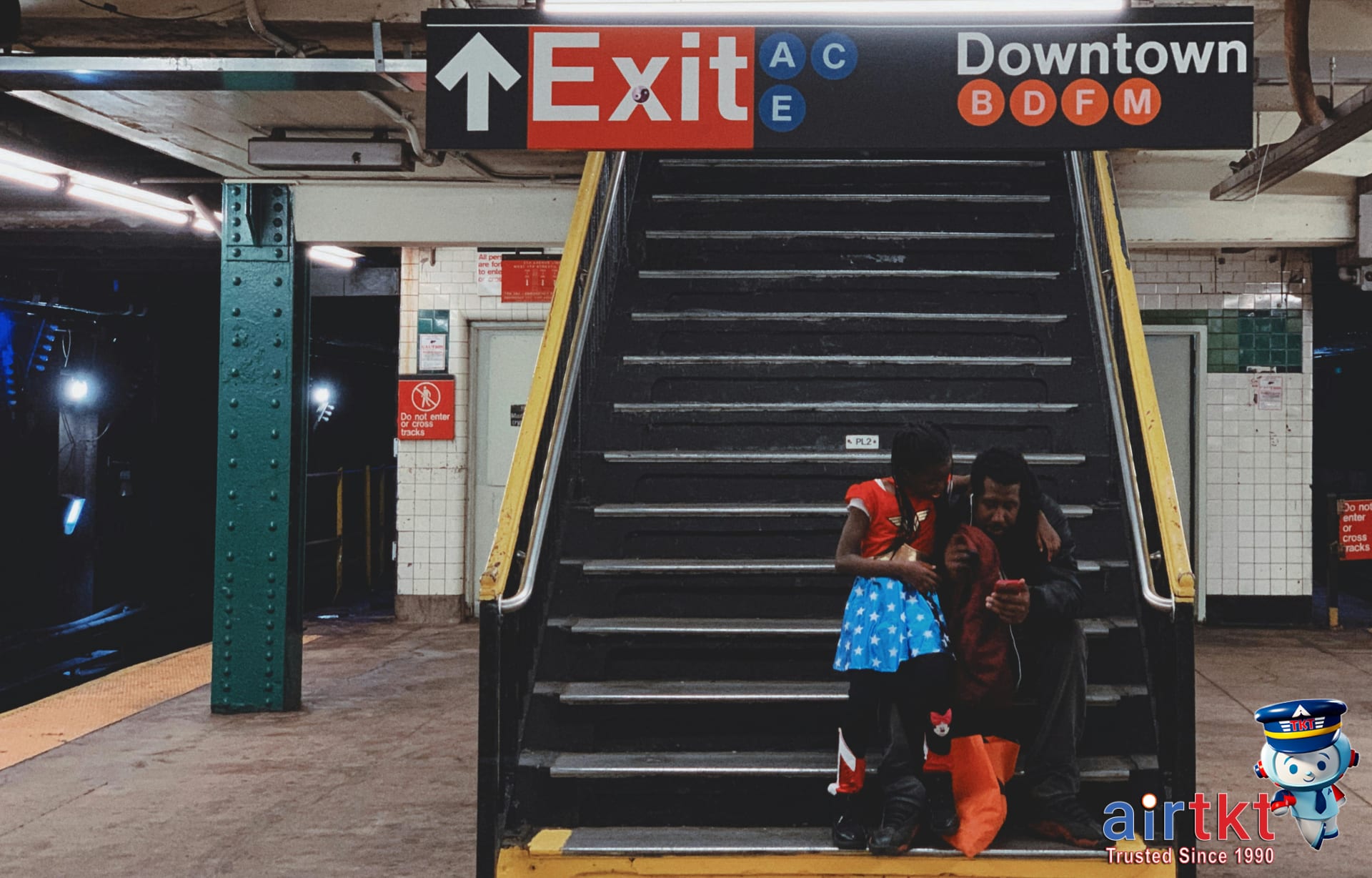
Getting a family or group to the airport can quickly add up if you rely on taxis, rideshares, or airport shuttles, especially in big cities. Public transit offers a much more budget-friendly way to reach major airports. Many metropolitan subway, train, or bus systems are designed with groups in mind, making them especially practical for families ready to save on transportation costs.
City transit systems like those in New York, London, and Paris often provide special group tickets or family passes—sometimes allowing two adults and up to three children to travel together for one set fare. In my experience, taking the subway with my family in cities like New York not only cut our transportation expenses by about half, but also let us avoid the stress of navigating traffic and parking. It’s a relief to bypass unpredictable taxi fares and have everyone together on a predictable schedule.
When traveling with kids and luggage, I’d recommend checking in advance for dedicated airport lines, elevators, and accessible entrances—features now standard on many systems. Some cities even allow children under a certain age to ride free when accompanied by an adult. Look for clearly marked family fare options at ticket kiosks or transit websites, as these passes can be a real game changer for group travel budgets.
Don’t forget to check for group or family discounts for airport express buses as well. Many airport coach lines sell discounted family tickets online, which can add up to meaningful savings for trips between city centers and terminals. If you’re headed out with strollers or extra bags, try to avoid rush hours for more space and less hassle boarding.
Major City Airport Transit Routes
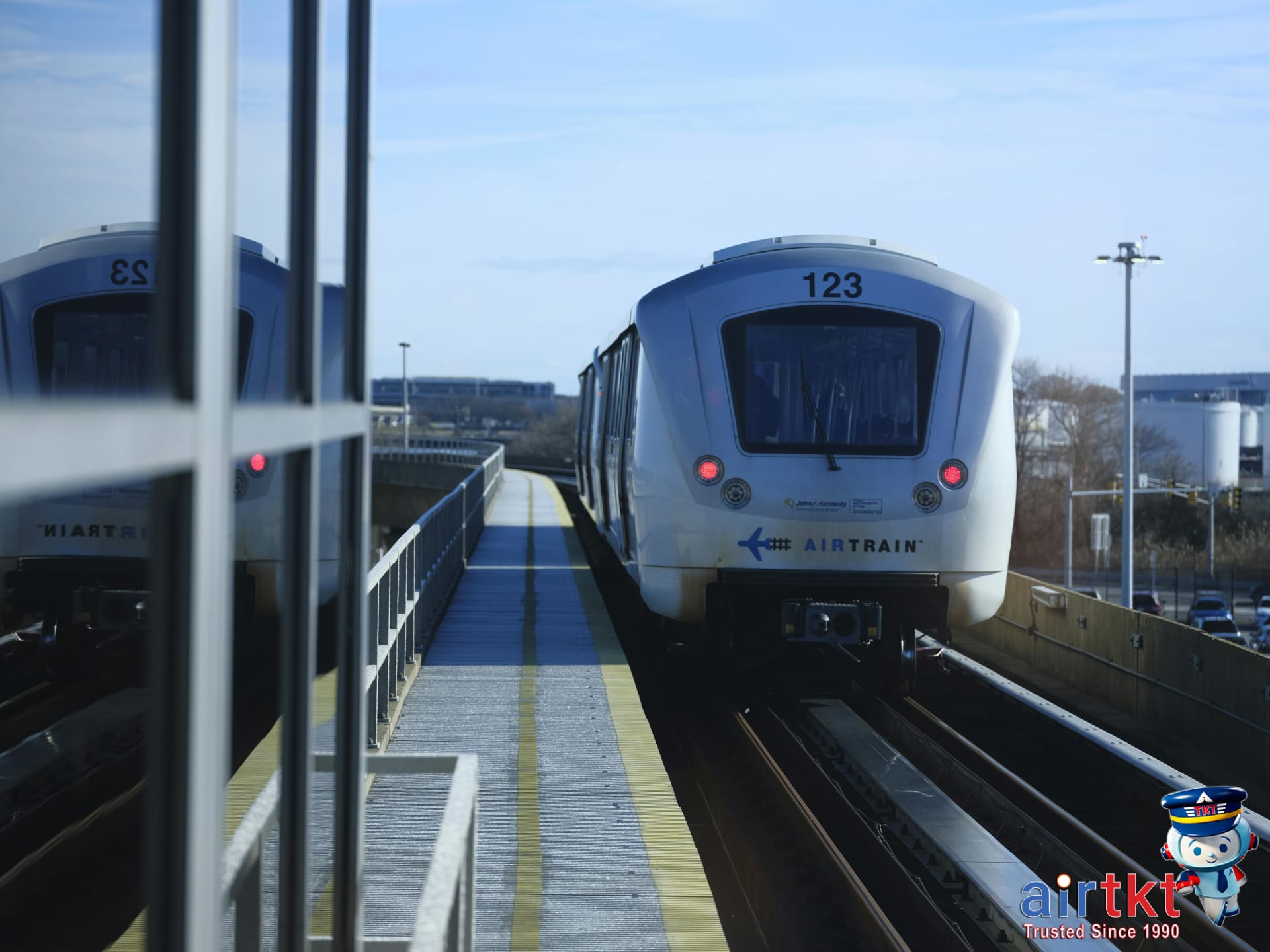
Getting from the city center to the airport can be one of the trickiest parts of any trip, especially in busy metropolitan areas. Here’s a quick rundown of the main public transit routes to major airports in cities where many travelers begin or end their journeys. I’ve found that pre-checking these routes—even if you think you know them—can sometimes save you a lot of time and stress.
New York City Airports
For JFK, the AirTrain connects at both Jamaica and Howard Beach subway stations—just remember you’ll need your MetroCard for transfer and the AirTrain fare is paid on arrival at the terminal. For LaGuardia, the Q70 SBS bus connects from several subway stations in Queens, while Newark Liberty is linked by NJ Transit trains to the AirTrain Newark. Don’t forget: weekend or nighttime service changes are common, so check for updates before you set out.
Los Angeles International (LAX)
LAX is served by the Metro C Line with a dedicated shuttle bus (G Shuttle) connecting the Aviation/LAX station to the terminals. There’s also the FlyAway express bus service from key points like Union Station and Hollywood. Whether you opt for rail plus shuttle or a direct bus, factor in LA traffic if it’s rush hour. New construction at LAX frequently impacts drop-off points and shuttle lanes.
London Heathrow and Gatwick
Heathrow is a straight shot from central London via the Piccadilly Tube line, but Heathrow Express from Paddington is much faster if you don’t mind a higher ticket price. Gatwick is usually best reached by the Gatwick Express or Southern Rail services from Victoria Station. Local buses serve both airports but are slower and limited overnight.
Tokyo Haneda and Narita
The Tokyo Monorail from Hamamatsucho whisks you to Haneda quickly, while the Keikyū Line is another good option. Narita is farther out; use the Keisei Skyliner from Ueno or the JR Narita Express from Tokyo Station for the fastest trip. If you’re leaving early morning or arriving late night, verify timetable adjustments due to maintenance or weather.
Paris Charles de Gaulle and Orly
CDG connects with Paris by RER B commuter train, which stops at several points in central Paris. For Orly, take the Orlyval light metro from Antony station on the RER B line, or use the Orlybus from Denfert-Rochereau. Strikes, maintenance, and special events can change routes on short notice—real-time alerts make a big difference here.
If you want more details on local transport options and city logistics, check out airtkt.com’s city travel guides. Being prepared can mean you don’t miss your flight—or discover an easier route you didn’t know about.
Budget Planning for Airport Transit Trips
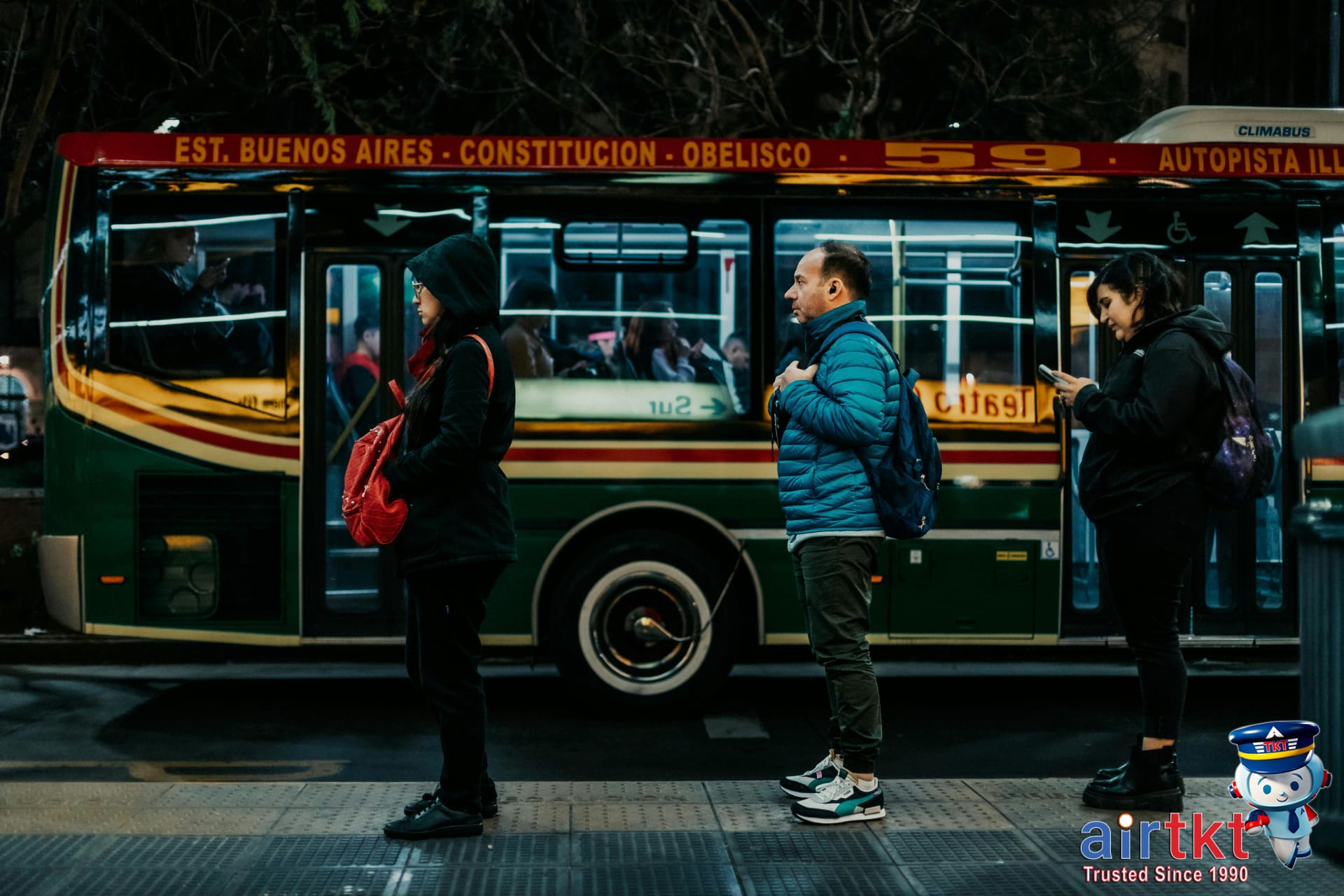
Smart airport transit choices can make a surprising difference in how you allocate your travel funds. By spending less getting between the airport and your accommodation, you can redirect those savings toward experiences that matter most—whether that’s a memorable dinner, entry to a museum, or stretching your stay an extra night. Personally, I often opt for a reliable train or shuttle to the city, which means I can splurge guilt-free on local cuisine or a unique activity later in my trip.
Here’s a breakdown of estimated daily expenses, ranging from budget-friendly to luxury style, to illustrate how small decisions on airport transit affect your overall spend:
| Accommodation | Food | Transport | Activities | |
|---|---|---|---|---|
| Budget | $35.00 | $18.00 | $10.00 | $15.00 |
| Mid-range | $80.00 | $40.00 | $22.00 | $30.00 |
| Luxury | $200.00 | $90.00 | $70.00 | $70.00 |
As you can see, shifting from a taxi to airport rail or bus could mean an extra $10.00 or $22.00 daily to upgrade dining options or choose an activity you’d otherwise skip. For me, using public transit frees up enough cash for an impromptu guided tour or an evening out.
Common Questions About Public Transit to Airports
- How much can I save by taking public transit to airports?
Choosing public transit instead of taxis or rideshare can save you a noticeable amount, especially in larger cities. For example, an airport train or bus ticket typically costs about $10.00, compared to a taxi fare around $45.00. Savings vary by city, but public transit is almost always the cheaper choice.
- Is public transit to airports usually safe, even with luggage?
Most airport transit services prioritize security and are considered safe during operational hours. Airport trains and express buses often offer designated storage for luggage and security cameras on board. Use common sense—watch your belongings and avoid empty train cars late at night for added peace of mind.
- What cities offer the best public transit connections to airports?
Major airports in cities like London, Tokyo, Paris, New York, and Hong Kong and others have well-established, reliable rail or express bus links. These options are convenient and tend to run frequently throughout the day. Connections can be direct, or may involve a quick transfer, depending on the city.
- How do I buy tickets for public transit to airports?
You can usually buy airport transit tickets at station kiosks, from ticket machines, or via official mobile apps. Many services now use QR codes or digital tickets, so be sure your phone is charged. I recommend saving a screenshot or printing your QR code in case you lose internet access at the station.
- Does public transit take much longer than a taxi or rideshare?
Airport trains and express buses often run on set schedules and can avoid much of the traffic that slows down cars during rush hour. While travel time depends on your starting point, transit generally adds just 10–20 minutes. Check for schedule frequency before your trip to avoid unnecessary waiting.
- What if my flight is early or late—does public transit run 24 hours?
Some airport routes, especially in bigger cities, operate 24 hours a day, but many shut down at night or have limited frequency in the early morning. Double-check the first and last departures for your travel date. If you’re arriving or leaving very late, alternative options may be necessary.
- Are there discounts on public transit for airport trips?
Some airport buses and trains offer discounts for students, seniors, or children, and cities may have special day passes covering airport routes. Ask at the ticket counter or check the transit website for details. Group passes or family tickets can often cut the per-person cost if you’re traveling together.
If you have more questions, check the airtkt.com customer support and FAQ page for additional travel tips and help with common concerns.
Why Public Transit Improves Airport Travel
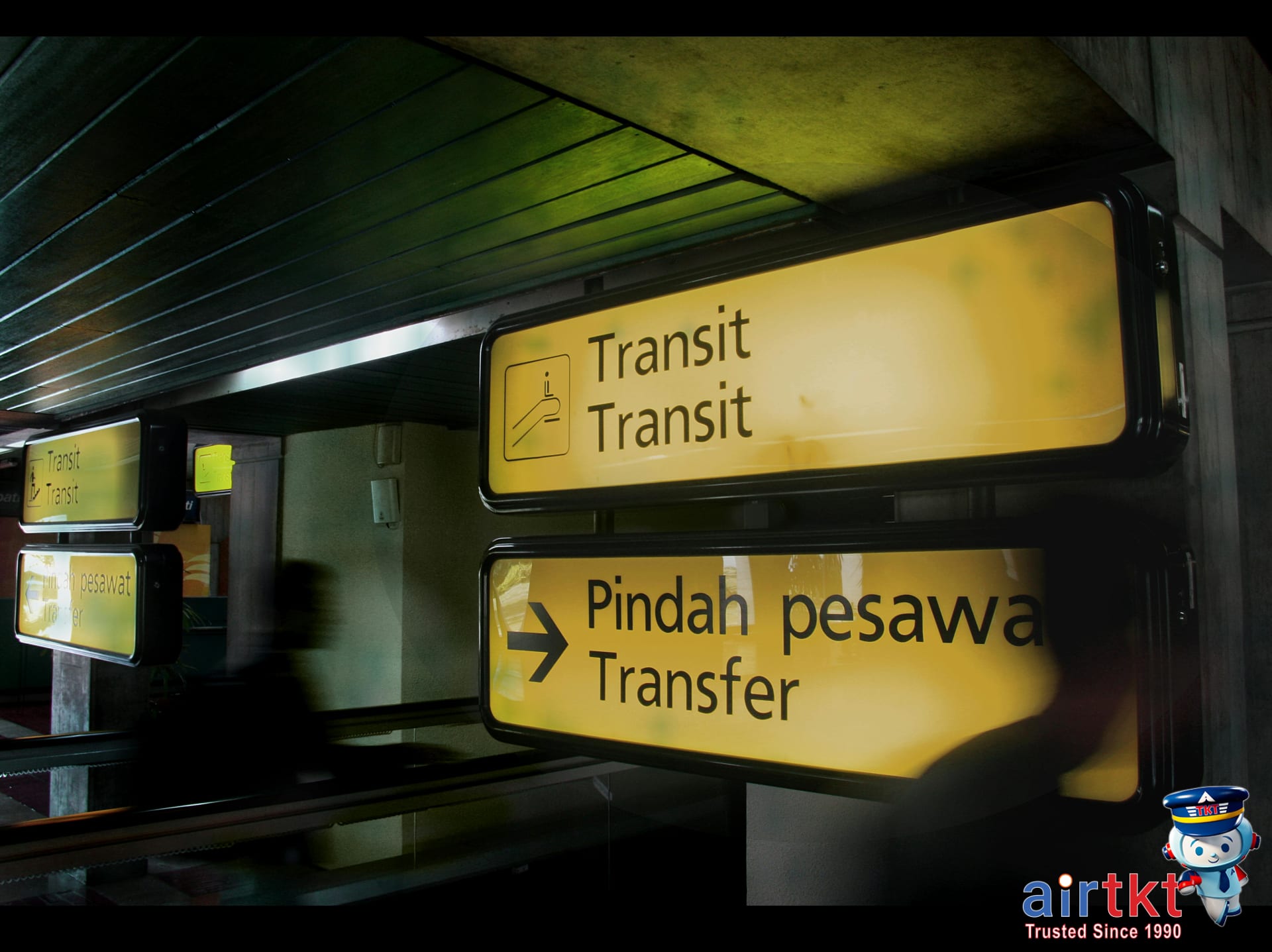
Reflecting on the benefits of airport public transit, two things consistently stand out: savings and reduced travel stress. Every time I’ve chosen public buses or trains instead of a private ride or taxi, I’ve walked away with extra dollars for my trip—and avoided the scramble of heavy traffic or pricey parking garages. For anyone looking to make the airport journey smoother and easier on your wallet, public transit delivers both.
There’s also the daily practicality: stations are usually linked directly to terminals, and schedules tend to be reliable. Convenience multiplies when you don’t need to coordinate pick-ups or stop for fuel. While there’s always an initial learning curve (figuring out which route or ticket to buy), the habit quickly pays off. I’d challenge any traveler planning their next flight—domestic or international—to look up local transit options instead of heading straight for a rideshare. Bringing public transit into your airport routine might help you spot savings or efficiencies you didn’t expect.
Worried about heavy bags? Packing light—and using a rolling carry-on—can make a huge difference in comfort. Streamlining your luggage makes boarding a train or bus far less of a headache. Personally, I’ve found a lighter load leads to a less stressful and even more enjoyable trip from start to finish.
If you’re exploring new destinations or just want to stretch your travel budget a bit further, booking tools on airtkt.com can help you compare fares and consider nearby airports that pair well with convenient transit lines. It’s one more step toward taking control of both your travel costs and your airport experience.