

Why Choose All-Inclusive Resorts
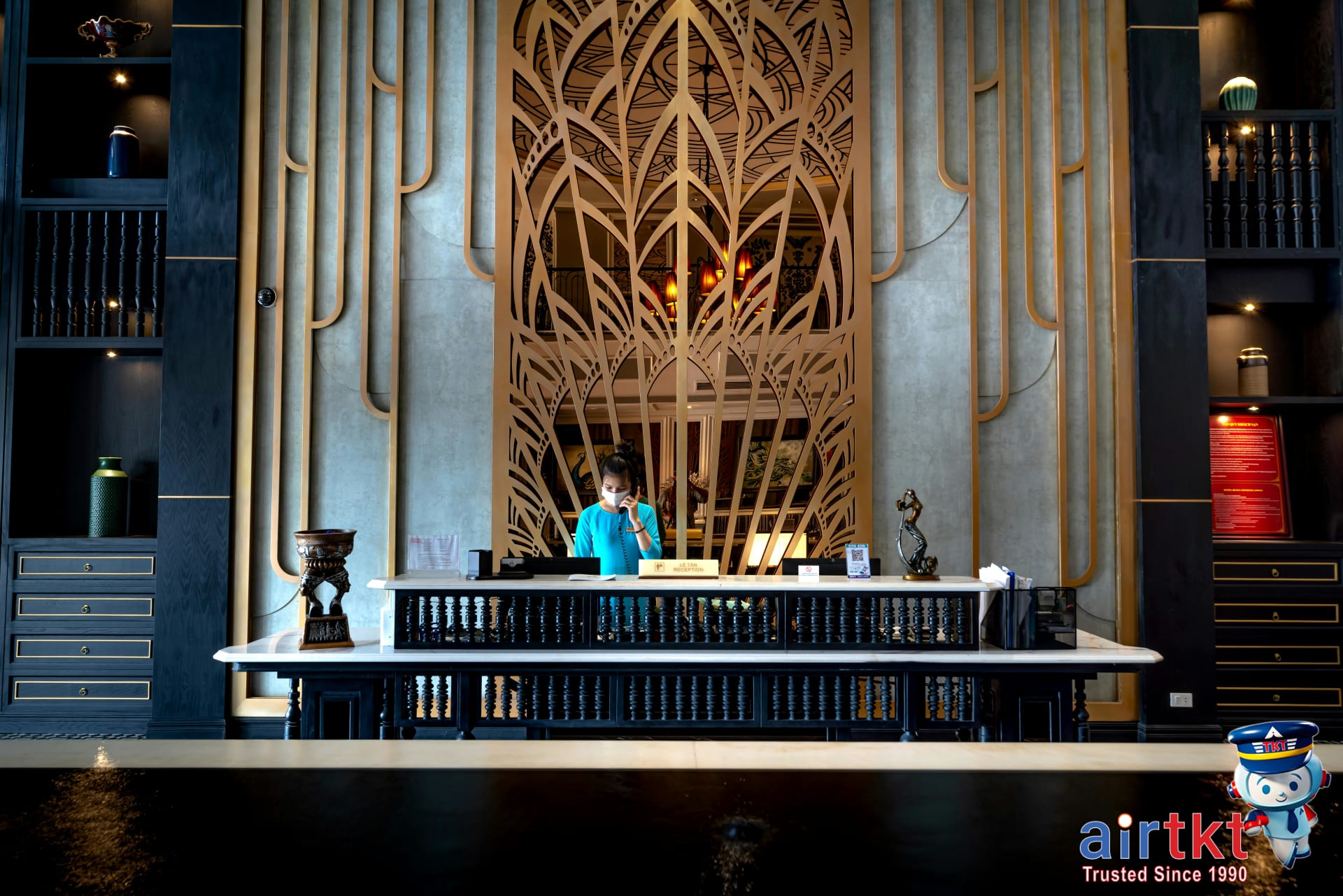
All-inclusive resorts are popular for a reason: these properties bundle your accommodations, meals, beverages, and many activities into a single upfront rate. Typical offerings may include buffet and à la carte dining, unlimited non-alcoholic and sometimes alcoholic drinks, daily entertainment, kids’ clubs, and access to pools and fitness centers. This structure makes it easier for travelers to relax and enjoy their stay, rather than constantly reaching for their wallets or tallying up expenses.
One of the biggest advantages is convenience. You know what to expect before you arrive, and for those who dislike budgeting every meal or deliberating over daily plans, all-inclusives make vacation feel more like an escape. Upfront pricing can also mean real cost savings, especially if you plan to make full use of the included amenities rather than eating out or booking excursions a la carte. When I first started evaluating all-inclusive resorts, I was admittedly curious whether the “all-in” label would actually save money compared to piecing everything together on my own.
It’s worth mentioning that not every all-inclusive package is the same. Some resorts may exclude high-end restaurants, certain alcoholic beverages, premium activities, or excursions—so always check exactly what’s covered. I usually recommend travelers read the fine print and policy pages before they commit, which is why I find resources like the airtkt.com hotel booking tips especially helpful. This can prevent those awkward surprises—like unexpected charges for spa access or off-site adventures—when you thought it was all taken care of.
When All-Inclusive Resorts Save Money

If you’re traveling with kids or you genuinely plan to use most of a resort’s amenities, all-inclusive packages can offer real savings and a more relaxed vacation. For families in particular, the biggest cost wins often come from bundled meals, snacks, soft drinks, and the priceless inclusion of childcare or supervised kids’ clubs. Knowing you won’t get surprised by a hefty restaurant bill or activity fee can make a world of difference to your wallet and your peace of mind.
All-inclusive resorts typically roll together your room, all meals and beverages (often including alcoholic drinks), a wide range of activities—think snorkeling, tennis courts, evening shows—and sometimes even airport transfers. For guests who love to be active or want to sample everything on property, having these costs paid upfront can be a game-changer. If you’ve got picky eaters or teens with bottomless appetites, the “eat as much as you want” buffet format is a real bonus.
I’ve personally seen how these bundled costs make vacation budgeting less stressful. On a recent trip, the inclusive package kept add-on expenses low and let us fully enjoy the activities and dining without constantly weighing the value of each option. It also made the trip easier to plan, since we already knew what was covered.
Scenarios Where Value Shines
- Families: Childcare, children’s entertainment, and all-day snacks keep both kids and parents happy and make the upfront price pay off quickly.
- Social travelers: If you plan to take every aqua aerobics class, try paddle boarding, and hit every dinner show, all-inclusives deliver the most value when you’re an active participant.
- Budget planners: Those who want predictable expenses benefit from knowing their major trip costs are already paid, with fewer surprise charges at checkout.
It’s worth thinking about your own travel style before you book. If you know you’ll mostly explore off-property or snack lightly, all-inclusives might not always pencil out. However, for travelers aiming to take advantage of most meals, activities, and childcare options—in other words, “full users”—the value often speaks for itself.
For those looking to combine flights and resorts, checking out vacation package deals on airtkt.com can sometimes add even more bundled savings to your trip.
How All-Inclusives Can Overcharge You
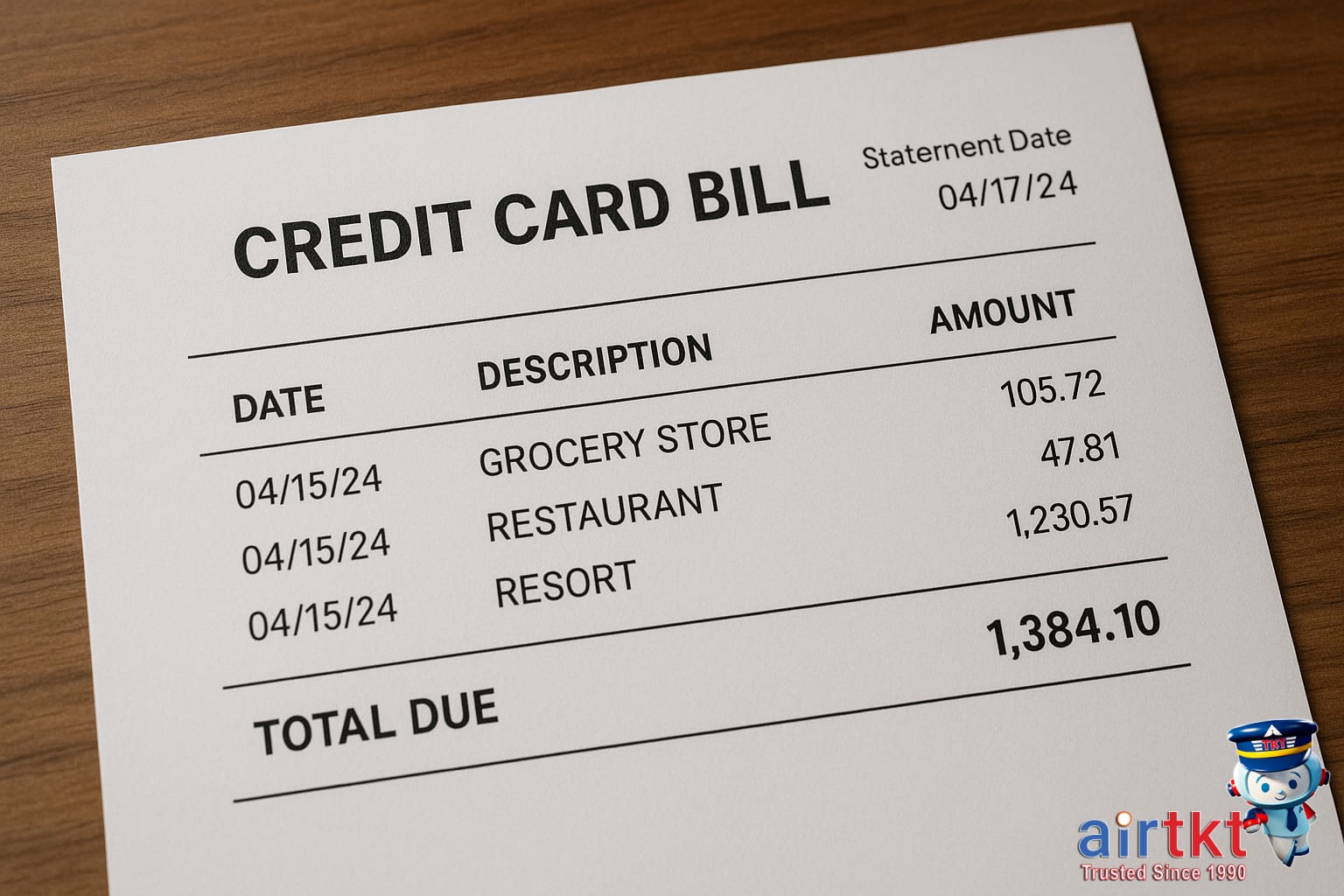
All-inclusive resorts can sometimes hit you with charges that don’t exactly match the “all” in all-inclusive. Hidden fees, limited included dining options, and expensive add-ons can quietly drive up your final bill. For example, premium restaurants on the property might only be available for an extra fee, or certain drinks and branded spirits may not be covered unless you upgrade your package.
I’ve noticed on more than one trip that even with an “all meals and drinks included” promise, I ended up surprised by charges for specialty coffees, room service, or poolside snacks that weren’t actually included. It’s also common for resorts to tack on resort fees or “service charges” at checkout, well after you’ve put away your wallet and paid the main bill.
Common Resort Add-Ons
- Upgrade fees for ocean views or premium rooms
- Extra charges for à la carte dining or theme nights
- High-cost airport transfers or shuttle services
- Mandatory resort fees, often labeled as “service charges”
- Added taxes or “environmental” surcharges
These extra costs aren’t always clearly disclosed, and it’s easy to assume they’re covered when you see the word “all-inclusive.” If you’re curious about how some travel companies deal with these kinds of issues, you might want to check out airtkt.com’s guide on spotting hidden fees. Asking for a detailed resort cost breakdown before booking can save you from sticker shock later.
Accommodation Quality and Variety Explained

All-inclusive resorts cover a wide spectrum when it comes to accommodation quality. You’ll find everything from simple, functional rooms with the essentials up to luxurious suites featuring private plunge pools, ocean views, and high-end finishes. The variety is bigger than many first-timers expect, and the biggest difference is often in the details—think bedding, space, balcony size, and even perks like stocked minibars or rainfall showers.
Room quality can shape your whole experience, not just your sleep. A basic room might be fine if you plan to spend all your time by the pool or exploring the grounds, but if you crave privacy, relaxation, or extra amenities, upgrading may be worth every dollar. In my own travels, I’ve checked into basic resort rooms that felt crowded and offered only a small window, while elsewhere a splurge on a junior suite gave me a spacious layout, a balcony with a hammock, and truly plush touches. The upgrade definitely changed the feel of the vacation.
Quality also fluctuates by destination and price tier. Resorts in places like Mexico’s Riviera Maya or the Dominican Republic typically give you more space and newer furnishings for the same cost than those in high-demand Caribbean islands. Even within the same resort, the difference between entry-level and styled-up rooms can be dramatic—it’s why I always encourage looking at detailed room descriptions and guest-uploaded photos before booking. Picking the right room type is one of the most important decisions for comfort, and it’s smart to compare options and weigh what matters most for your stay.
For more on making smart accommodation choices, you can check out the airtkt.com hotel selection tips before you decide.
Dining and Drink Choices Explained
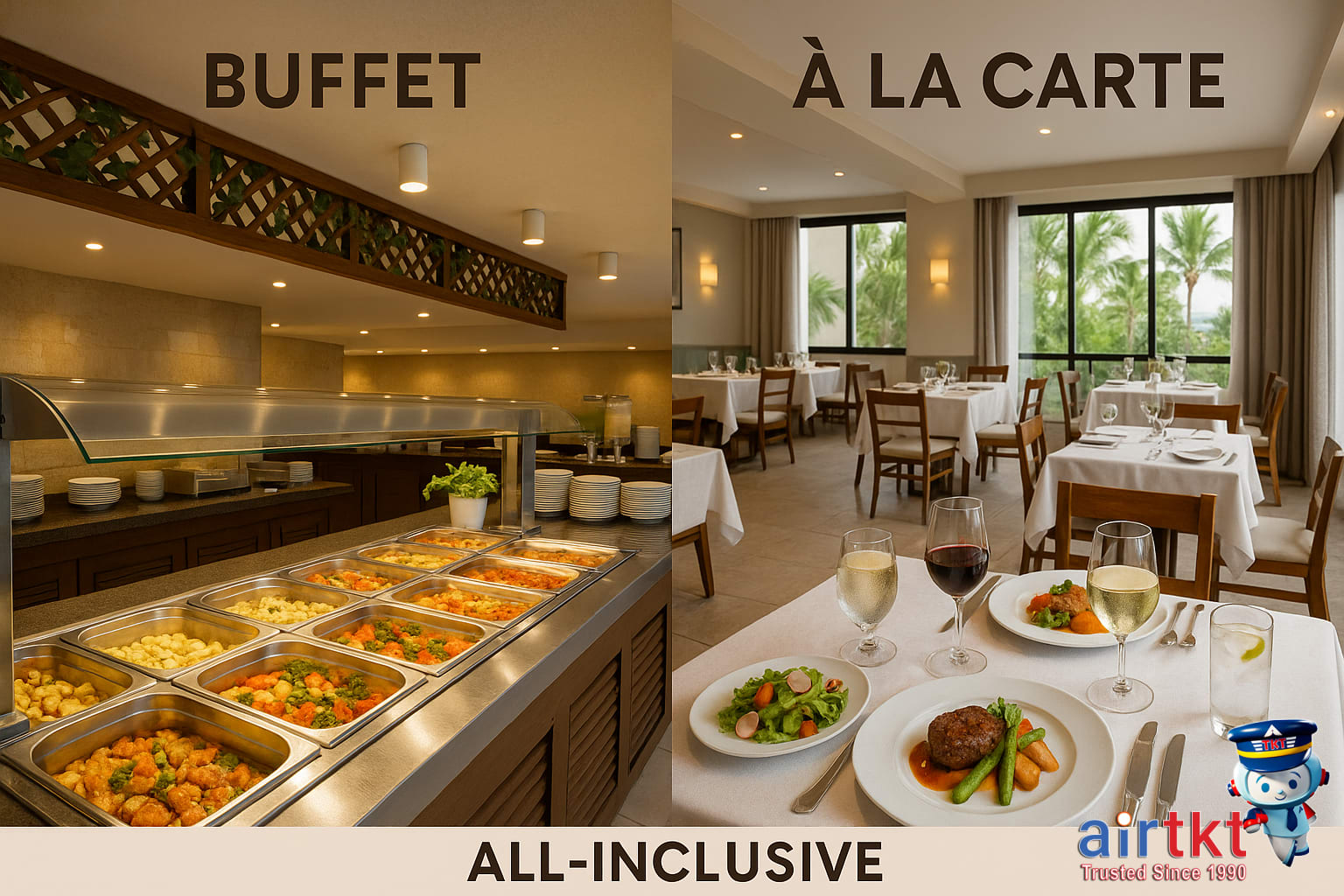
Many all-inclusive resorts really stand out—or sometimes disappoint—when it comes to dining and drink options. Typically, you’ll find sprawling buffets where you can craft exactly the meal you want, along with at least a few specialty restaurants offering cuisine like Italian, Asian, or steakhouse-inspired menus. These à la carte spots are usually where the kitchen team gets creative and the atmosphere feels a little more special. Bars are plentiful, too, from poolside cocktails to espresso bars all included in your stay. Most packages cover domestic spirits, wine, and basic cocktails, while higher-end inclusions might offer imported labels or craft drinks.
Why Meal Variety Matters
A wide range of dining options isn’t just about avoiding food boredom—it can transform your resort experience. Guests often judge value by quality and variety: the more choices you have beyond the buffet, the more flexibility you enjoy. In my experience, I’ve had resorts where every evening felt like a new food adventure, sampling different themes and restaurants. On the flip side, I’ve also stayed places where only one restaurant operated each night, making the week feel repetitive fast.
How Specialty Dining Works
It’s common for resorts to require an advance reservation for specialty restaurants, and some charge extra—especially for premium or “chef’s table” experiences. You might only be able to book a set number of specialty dinners during your stay. This is one area travelers should clarify early. Before booking, I usually check exactly what’s included, since limits or surprise fees can take away from that “all-in” feeling. If you’re looking for upgrades or custom meal plans, airtkt.com regularly shares details on dining packages worth reviewing before you settle your plans.
Hidden Costs to Watch For

One thing I’ve learned from booking all-inclusive getaways is that hidden fees can quickly push your “all-in” price much higher than you expected. Even if your package promises meals, drinks, and activities, resorts often exclude several extras that aren’t obvious when you first book your trip.
Common Resort Fees and Charges
Typical hidden costs at all-inclusive resorts include:
- Resort fees: These daily surcharges often cover access to amenities you might not even use.
- Premium activities: Things like golf, spa treatments, motorized water sports, or guided tours are rarely included, so you’ll pay extra for each one.
- Wi-Fi charges: Some resorts limit free internet to the lobby or specific areas, charging about $10.00 per day in-room.
- Upgraded dining or drinks: Specialty restaurants and top-shelf alcohol may carry separate charges, sometimes about $30.00 per meal at exclusive venues.
- Gratuities: Even if some tips are bundled in, it’s customary to tip about $2.00 per bag for porters or $5.00 for spa staff.
- In-room services: Expect an added fee for room service, minibar snacks, or late check-outs, sometimes around $15.00 per order or hour.
In my experience, I’ve been surprised at checkout by unexpected resort fees and add-ons that inflated my final bill by far more than I’d budgeted for. Hidden costs like these can sneak up on even seasoned travelers, and it’s especially frustrating if you thought everything was already paid for in your package.
How to Budget for Extras
I usually recommend treating the package price as a starting point and planning for about 10–20% extra for “hidden” expenses. This way, you won’t be caught off guard by daily resort fees or surprise charges for activities you want to try. If you’re looking for more detail, my go-to resource is the airtkt.com guide on travel fees and taxes, which breaks down these common fees and helps clarify what’s included—and what’s not—before you commit.
Best Booking Strategies For All-Inclusives

To snag the best value at an all-inclusive resort, I’ve learned that timing really does matter. Booking several months ahead—especially if you’re eyeing popular travel seasons—almost always helps secure better rates. If you have flexibility, watching for mid-week departures or off-peak dates can shave a noticeable amount off your final bill.
Don’t forget to use those discount codes and loyalty points you’ve been accumulating. I always double check for email or SMS-exclusive deals before I finalize my booking—sometimes those limited-time codes can save you about $50.00 or more on a single reservation. If you’re part of a rewards program (whether with airtkt.com or your credit card company), combining offers can really add up to bigger savings.
Compare Rates With Smart Tools
In my own experience, using the fare search tools on airtkt.com has paid off more than once. I’ve found lower bundle prices for all-inclusive packages by setting Flexible Date Search to catch cheaper departure days, and the Nearby Airport Search has revealed hidden options I wouldn’t have seen otherwise. When you check the airtkt.com discount offers and seasonal sales pages, you’re tapping into rotating deals not always advertised elsewhere.
- Set fare alerts for your preferred destinations
- Try multiple date combinations for extra price drops
- Use filters for just all-inclusive packages for a faster scan
By stacking these strategies together, I’ve personally been able to book resort stays for less—sometimes getting perks like complimentary airport transfer or an upgraded room just by being early and thorough with my search.
Budget Planning Table for Resorts

Planning your budget for an all-inclusive resort vacation can feel overwhelming, but having a clear comparison of actual costs by category can make all the difference. Below is a resort budget table that breaks down typical prices for each tier—Budget, Mid-range, and Luxury—across accommodation, food, transport, and activities. All figures are in fixed U.S. dollar amounts so you can see what to expect at a glance, without the confusion of ranges or plus signs.
| Budget | Mid-range | Luxury | |
|---|---|---|---|
| Accommodation | $90.00 | $210.00 | $480.00 |
| Food | $25.00 | $55.00 | $115.00 |
| Transport | $18.00 | $45.00 | $120.00 |
| Activities | $20.00 | $55.00 | $180.00 |
How To Use The Table
Review each category in the table to estimate your likely total per day. If you primarily want to splurge on activities but keep your accommodation modest, you can mix and match tiers to build your own customized budget. In my case, using budget planning tools to visualize spending by category really helped me manage my vacation expenses and prioritize where I wanted to splurge.
If you want even more advice on trimming travel costs, I suggest checking out the resources on airtkt.com—their travel cost saving articles are a solid starting point for getting practical ideas suited to your trip style.
Common Questions About All-Inclusive Resorts
- Do all-inclusive resorts save money?
All-inclusive resorts can save money if you plan to use most included amenities like meals, drinks, and on-site entertainment. In my experience, travelers who take full advantage of the offerings often find the price worthwhile, but those who want to explore local dining might spend less outside the resort.
- What hidden costs should I expect?
Some common extra charges at all-inclusive resorts include specialty dining, premium alcohol, spa treatments, excursions off the property, and certain water sports. Always review your package details and ask about added taxes or resort fees before booking so you’re not caught off guard at checkout.
- Does all-inclusive include tipping?
Tipping policies vary by resort. Sometimes gratuity is included, but at many destinations, it’s customary to tip service staff directly. For example, I usually budget about $2.00 per bag for bellhops and around $5.00 per day for housekeeping, unless staff tell me gratuity is covered.
- Are all-inclusive resorts good for families?
Many all-inclusive resorts are family friendly, offering kids’ clubs, pools, and activity programs. If you’re traveling with children, I recommend checking if childcare, children’s meals, or kids’ programming are covered in your rate so you know what’s included and what requires an extra charge.
- Can you leave all-inclusive resorts?
Yes, you’re allowed to leave the resort to explore local sights, restaurants, or tours. Excursions organized through the resort are convenient but can cost extra. Some guests save by booking independent local tours, but it’s essential to check safety and transportation options before heading out.
- How do I find the best all-inclusive resort deals?
To find worthwhile deals, compare resorts online during sales, sign up for travel provider emails, and book well ahead if possible. A common question I see is how to choose between inclusive packages—look for clear descriptions of what’s covered, and consider booking with sites like airtkt.com for bundled savings.
Smart Ways To Book Your Resort
As you get ready to choose a resort, it’s worth taking a moment to weigh the true value of an all-inclusive package versus the total cost. Consider what’s realistically included—meals, drinks, activities—and if those match your travel style. In my own planning, I’ve felt more assured about booking after pausing to break down the actual benefits versus the price tag. It helped me spot areas where a resort’s bundled perks truly made sense—and where I might be paying for extras I wouldn’t use much.
It’s easy to get caught up in dreamy amenities, but I recommend being honest about what will matter most to you on the trip. Using the booking tools on airtkt.com—like flexible date and airport searches—adds another layer of control. These tools let you compare options side by side and make sure you actually get the value you want, not just the package that looks most appealing at first glance.
As you map out your vacation, keep expectations grounded and stay open to adjusting your plans based on what you’re actually likely to enjoy (and use). Don’t feel rushed—the best decisions often come after assessing your priorities and seeing how different offers stack up using trusted resources. Having airtkt.com ready in your bookmarks can save time and make future vacation research a lot smoother.