
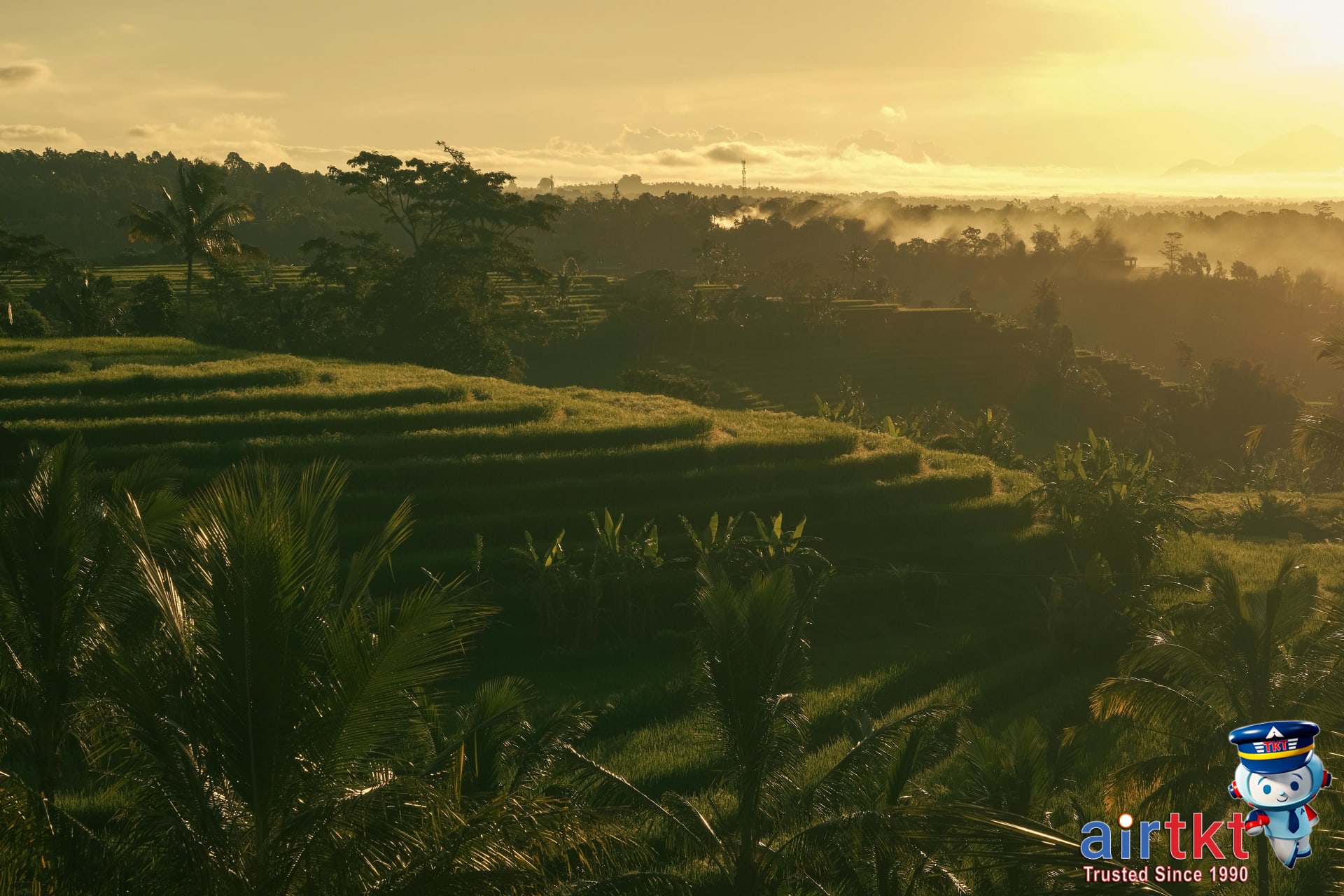
Introduction to Bali for First-Time Travelers
Bali’s appeal spans dense jungles, terraced rice fields, and vibrant beaches, blending natural beauty with rich cultural traditions and adventure opportunities. Travelers lodging in Ubud or Seminyak find a striking mix of Hindu temples, surfing spots, and lively markets. You’ll get a deep look into the island’s top 10 must-see attractions—including skip-the-line tips for Uluwatu Temple and the Sacred Monkey Forest Sanctuary—to help you save time while soaking it all in.
Cultural basics matter here: simple gestures like a soft greeting and modest dress at temples go a long way. I’ll share essential Bahasa Indonesia phrases and etiquette guidelines before you land. Transport options range from scooters and taxis to affordable shuttle services linking safe neighborhoods like Canggu and Sanur. Expect a suggested 7-day itinerary balancing relaxation with active exploration.
Budget-wise, daily expenses hover between $40 and $70 depending on your style, including meals, transport, and mid-range accommodations. Booking flights and hotels is smoother using airtkt.com, which compares over 470 airlines and offers exclusive rates with 24/7 phone support if you want real-time help. That’s a solid starting point to map out your Bali escape with confidence.
Top 10 Must-See Attractions in Bali with Skip-the-Line Tips
Bali packs a punch with iconic spots every traveler should visit. But crowds can be brutal, especially at sunset or during peak season. Here’s the lowdown on ten must-see places, plus exact tips to dodge lines and long waits.
Uluwatu Temple
Perched on a steep cliff 70 meters above the Indian Ocean, Uluwatu Temple offers cliffside sunset views that are nothing short of spectacular. Beyond the scenery, catch the traditional Kecak fire dance performed nightly in the open-air amphitheater. Crowds gather quickly around 5:30 PM.
Skip the line: Arrive before 4 PM to explore the temple grounds relatively solo. Buying tickets online cuts 10-15 minutes off the queue. Consider booking a guided tour from Denpasar to secure a front-row seat for the dance. The dry months from May to September have clearer skies for sunsets.
Ubud Monkey Forest
The Sacred Monkey Forest Sanctuary in Ubud is a dense jungle alive with over 1,000 Balinese long-tailed macaques roaming freely. The forest feels sacred—with ancient temples hidden under thick greenery—and the monkeys’ playful antics make for fun, unpredictable photo ops.
Skip the line: Weekday mornings, especially right at opening time (8:30 AM), have noticeably fewer visitors. Tickets can be bought at the entrance or online; the latter is faster. Watch your belongings—monkeys have learned to spot cameras and sunglasses for a quick grab.
Tegallalang Rice Terraces
The cascading green steps of Tegallalang are the poster child for Bali’s rice terraces. The sweeping paddies make for Instagram-worthy shots and peaceful walks along narrow pathways lined with local art stalls.
Skip the line: Early morning between 7 and 8 AM avoids the cluster of tourists flooding in after 9 AM. Entrance is a small fee paid at the gate, no advanced tickets needed, but hiring a local guide while walking helps you understand the unique Subak irrigation system. The dry season keeps paths less muddy.
Mount Batur Sunrise Hike
Climbing Mount Batur before dawn rewards you with a sunrise above clouds and a panoramic view of Bali’s volcanic landscape. The ascent takes 2–3 hours, typically starting around 2 AM to reach the summit by 6 AM.
Skip the line: Book your trek with a reputable guide or tour operator beforehand to avoid last-minute waits at base camps. Groups tend to start in waves, so joining a small-group tour limits crowding on narrow trails. Peak hiking season is April to October.
Seminyak Beach
Seminyak’s wide sandy stretch mixes laid-back vibes with lively beach bars and restaurants. It’s famous for its vibrant nightlife, modern eateries, and golden sunsets over the ocean.
Skip the line: No tickets here, but head out midweek afternoons or early evenings for fewer crowds. Weekends get packed with locals and tourists. If you want popular spots like Potato Head Beach Club, reservations help you grab good views without the wait during sunset.
Tanah Lot
The ocean temple of Tanah Lot rests on a rocky outcrop surrounded by waves, best admired at sunset. The shrine is one of Bali’s most photographed—and busiest—destinations.
Skip the line: Visiting early morning (7-8 AM) gives you calm seas and fewer visitors. Tickets can be purchased online or at the entrance; online saves time by bypassing ticket counters. Dry months offer better chances for unobstructed sea views.
Besakih Temple
Known as Bali’s largest and holiest Hindu temple, Besakih sits on the slopes of Mount Agung and comprises over 80 individual shrines. Its grand scale and spiritual significance attract many devout pilgrims and curious travelers alike.
Skip the line: Guided tours arranged in advance speed up entry and provide cultural insights you won’t get solo. It opens at 8 AM—arriving just after opening avoids mid-morning tour group rushes. Avoid the mountaintop mist by visiting outside high rainy season months (November-February).
Waterbom Bali
Waterbom Bali ranks among the top waterparks in Asia, combining thrilling slides with lush tropical landscaping. It’s ideal for families but also singles and couples looking for a fun break from temple hopping.
Skip the line: Buy tickets online through the official site or apps like Klook for instant entry. Early weekdays, particularly mornings, are less crowded. The park is open year-round but busiest between July and August school holidays.
Nusa Penida Island
Nusa Penida delivers rugged cliffs, pristine beaches, and some of Bali’s best snorkeling spots—like Crystal Bay and Manta Point. Day trips from Bali often include snorkeling or exploring the island’s famous Kelingking Beach viewpoint.
Skip the line: Book fast boat tickets from Sanur online early to guarantee your spot. Hire local drivers in advance to avoid waits on arrival. Visiting on weekdays outside school holiday weeks avoids overcrowded beaches. Dry season months, especially late April through September, offer calmer seas.
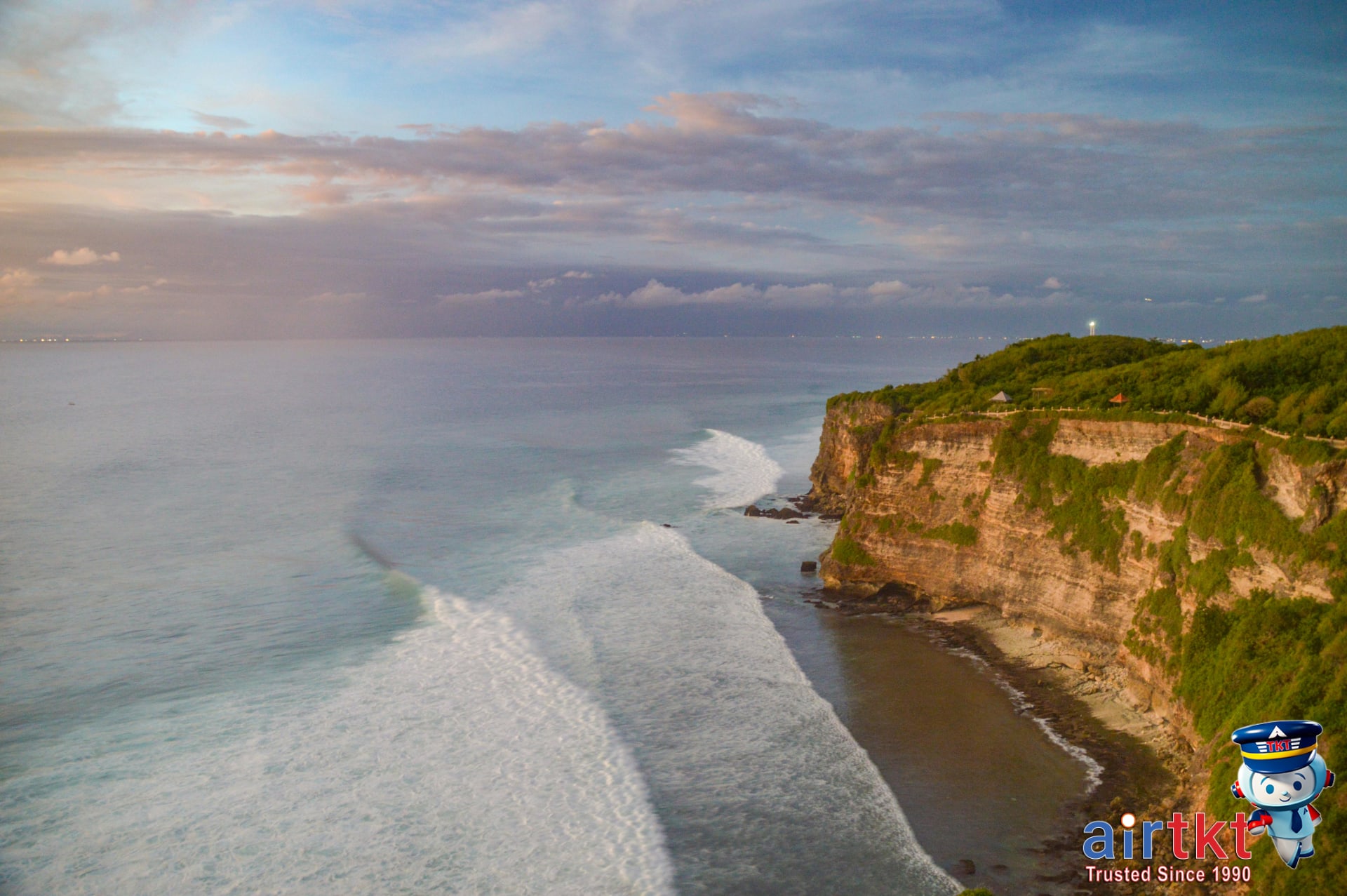
Planning these visits can get overwhelming, but tools from airtkt.com help secure flights, tours, and local transport fast—so you spend less time in lines and more time exploring Bali’s magic.
Cultural Etiquette Essentials for Respectful Bali Travel
Respecting Balinese customs makes a huge difference in your travel experience—and it shows locals you appreciate their culture. Here’s what you need to know before you step off the plane.
Temple Attire: Dress modestly. That means covering shoulders and knees. Many temples require sarongs and scarves, which are usually available for rent or purchase at entrances for about 30,000 IDR ($2.10). Bali-based travel blogger Dita Wirawan shared on her Instagram in January 2026 that buying a sarong near Ubud saved her both time and money, compared to overpriced temple vendors.
Behavior During Ceremonies: Keep noise to a minimum. Ceremonies like Galungan involve solemn rituals where loud talking or flash photography disrupts the spiritual atmosphere. On March 2025, Canadian tourist Chris Miller posted on TripAdvisor that observing quietly during a Kuningan ceremony near Sanur deepened his appreciation for Balinese spirituality.
Greeting Norms: Traditional greetings involve a slight bow with palms together at chest height—a gesture called “Salam.” While a handshake is common, especially in urban areas like Denpasar, locals appreciate efforts to use Salam paired with “Om Swastiastu,” meaning “peace and greetings.” This phrase is versatile and respectful across social settings.
Social Etiquette: Remove your shoes before entering homes and some shops. Public displays of anger are frowned upon and can be seen as disrespectful. In March 2026, expat yoga instructor Maya Johnson in Canggu noted that friendly smiles go a long way in smoothing interactions even when there’s a language barrier.
Tipping: Not obligatory but appreciated. Offering 5-10% in restaurants is common. For hotel staff or drivers, small amounts like 20,000 to 50,000 IDR ($1.40–$3.50) show gratitude. On a recent Bali trip report posted on Reddit, software engineer Rahul Patel from Bangalore found it helpful to carry small bills for tipping, avoiding awkward exchanges.
Bargaining Tips: Haggling is expected in markets like Ubud Art Market but keep your tone friendly. Start by offering about 50-60% of the asking price and be willing to settle around 70-80%. Aggressive bargaining can offend. In November 2025, Filipino traveler Lea Santos wrote on Facebook that smiling and complimenting items helped her negotiate better deals without friction.
Religious Sensitivities and Taboos: Avoid touching people’s heads or pointing your feet at religious statues. Discussions around politics or religion may spark uncomfortable debates. In February 2026, AirTkt flagged a flash sale that included tours focused on cultural immersion—reminding travelers to prioritize respectful behavior at sacred sites.
Quick Cultural Checklist:
- Wear modest clothes at temples—cover shoulders and knees; rent sarongs on-site.
- Observe ceremonies quietly; no flash photography or loud talking.
- Greet with “Om Swastiastu” and the Salam gesture when appropriate.
- Remove shoes indoors; avoid showing anger publicly.
- Tip 5–10% at restaurants; small bills for local staff.
- Bargain with respect—start low but stay friendly.
- Respect religious objects; avoid taboo topics in conversation.
Knowing and following these simple customs can change your Bali trip from touristy to truly immersive. I track promotions for flights and deals through airtkt.com, which often flags discounted fares to Denpasar around major festivals—perfect timing to experience authentic Balinese culture without risking a cultural misstep.
Basic Balinese and Indonesian Phrases Every Traveler Should Know
Knowing just a handful of local phrases can transform your trip to Bali or Indonesia. Start with greetings like “Selamat pagi” (Good morning) and “Terima kasih” (Thank you). These simple words open doors and bring smiles from locals.
Asking for directions often trips people up, but you don’t need much. Saying “Di mana …?” (Where is …?) followed by a place name works well. For example, “Di mana pasar?” means “Where is the market?” Easy, right? Combine that with polite gestures, and you’ll navigate streets and villages with more confidence.
Ordering food? Politeness matters. Use “Tolong” (Please) before your request, like “Tolong nasi goreng” if you want fried rice, Bali’s classic. Popular dishes such as “Satay” or “Bebek betutu” (smoked duck) are often recognized. Practice the soft tones of “ng” in “nasi” and the clear syllables in “goreng” — Balinese and Indonesian phonetics mostly match their spelling.
Emergencies come without warning—memorize “Tolong!” (Help!), “Dokter” (Doctor), and “Saya sakit” (I’m sick). Even if you can’t hold a conversation, these phrases get you through immediate needs with locals or medical staff.
Pronunciation tips: keep it simple and relaxed. Each vowel sounds more like Spanish than English—“a” is “ah,” “e” is “eh,” and “i” is “ee.” No stress on particular syllables; speak evenly. There’s no tricky intonation, so focusing on clear, separate sounds will get you understood.
For ongoing learning, apps like Duolingo offer Indonesian courses starting at beginner levels, great for practicing on the go. Offline phrasebooks also come in handy when Wi-Fi is spotty in some rural villages. I track new phrases and occasional promos on airtkt.com to prepare before trips.
Currency and Payment Guide for Bali Visitors
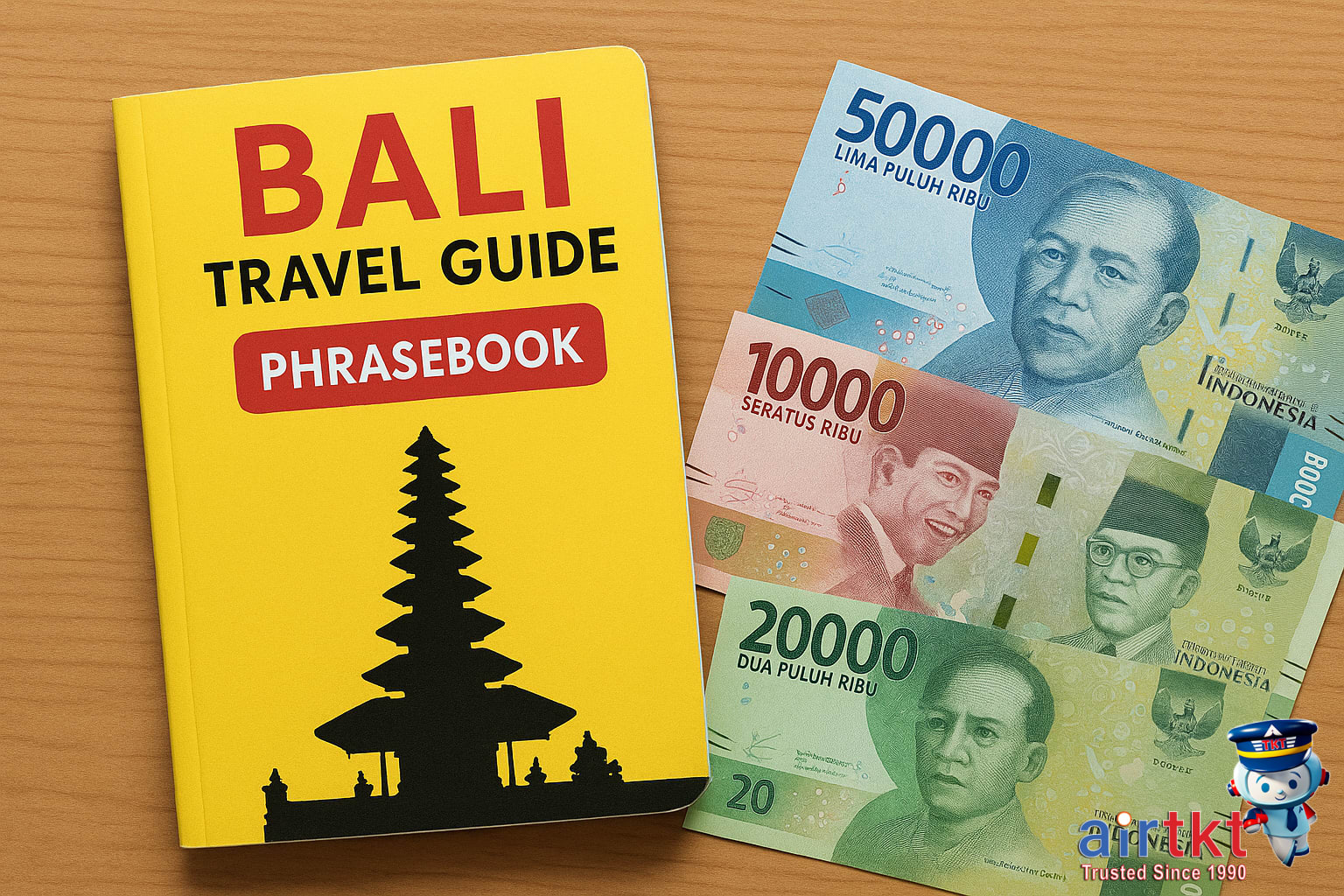
The currency in Bali is the Indonesian Rupiah (IDR). Banknotes commonly used range from 1,000 IDR to 100,000 IDR, with 10,000, 20,000, and 50,000 notes seen most often. Coins are less frequent in daily transactions, but you might encounter 500 and 1,000 IDR coins in small-change scenarios.
Exchanging money at official money changers in Denpasar or tourist hubs like Seminyak and Ubud usually gets you better rates than airport counters. For instance, in February 2026, the exchange rate at Bali’s Ngurah Rai International Airport was about 14,450 IDR per USD, while reputable money changers offered closer to 14,800 IDR per USD. Avoid street vendors offering “too good to be true” rates—scams involving counterfeit bills are common and hard to spot if you’re unfamiliar with Rupiah’s security features.
Cash remains king across Bali, especially in local markets, warungs, and rural areas. That said, credit cards (Visa and MasterCard predominately) are accepted in many mid-range and upscale hotels, restaurants, and shops in tourist centers. Mobile payment apps like GoPay and OVO have gained wider acceptance since late 2025 but expect limited usage outside urban zones. I recently saw a Kuta coffee shop decline a mobile payment attempt simply because their connection was spotty.
ATMs are plentiful near major tourist areas and shopping malls. Machines operated by BCA, Mandiri, and BNI banks are most reliable. A withdrawal fee typically ranges from 10,000 to 20,000 IDR per transaction, plus your home bank’s international fee if applicable. For safety, use ATM locations inside shopping centers or hotel lobbies and avoid standalone street machines especially after dark.
The deal is, counterfeit money traps still catch travelers out. One common scam involves vendors switching genuine notes with fakes during payment. Always count your change carefully and consider using a counterfeit detection pen—available in Bali’s convenience stores. Also, when paying with cards, verify the total before authorizing and, if possible, opt for chip-and-PIN rather than magstripe transactions.
Looking ahead, Bali’s digital payment adoption is growing but not universal. According to a January 2026 report from Indonesia’s Central Bank, mobile payments now cover about 40% of all retail transactions in Bali’s main tourist districts, up from 25% in 2024. Still, keep enough cash on hand to avoid issues, especially at beach stalls, taxis, or smaller accommodations that lack digital setups.
I track exchange trends and payment options regularly through airtkt.com, which flagged a recent promo for fee-free ATM withdrawals in Bali’s top banks—a handy heads-up for visitors wanting to minimize extra costs.
Getting From Ngurah Rai Airport to Bali’s City Centers
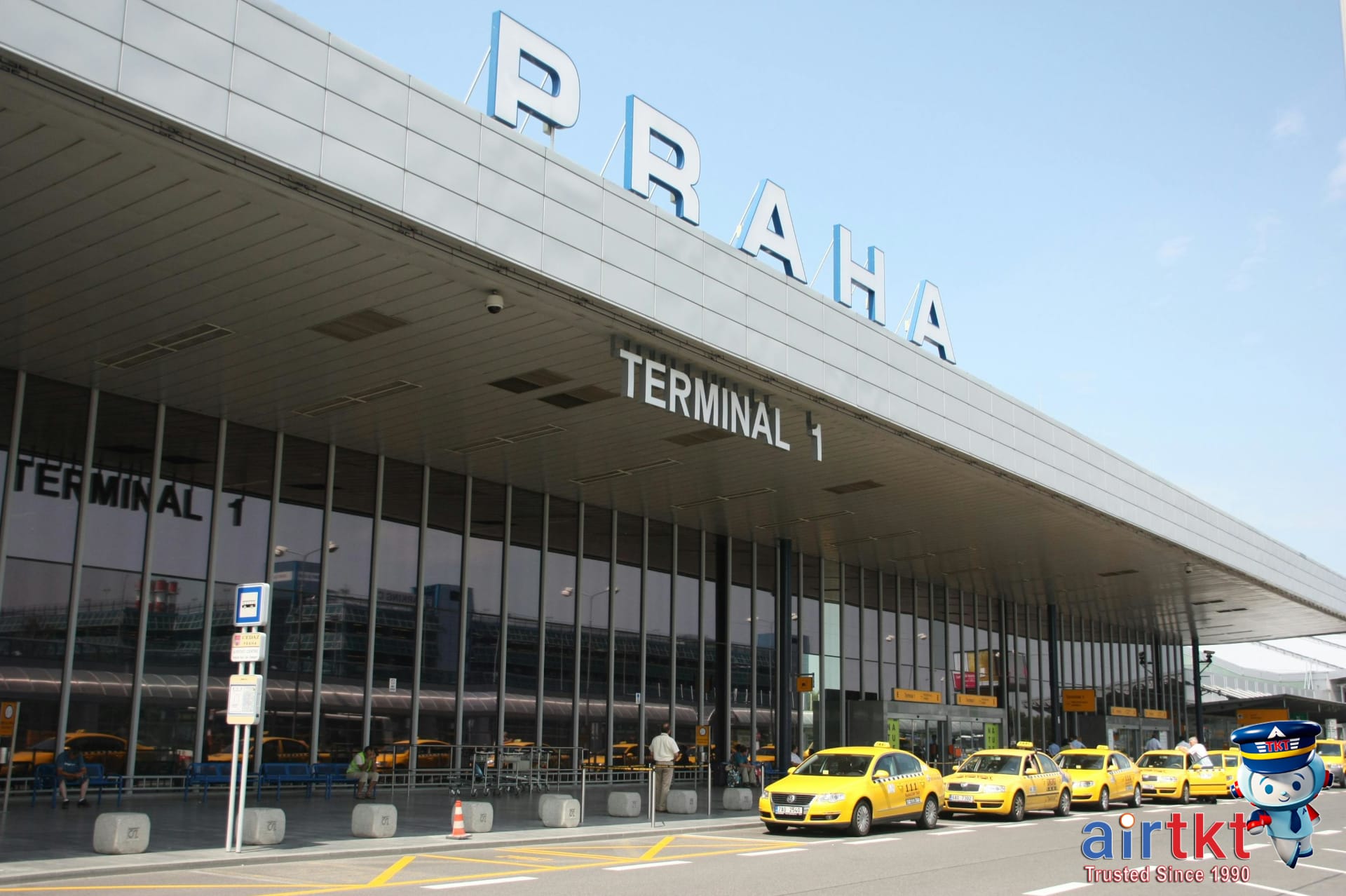
Ngurah Rai International Airport (DPS) sits about 13 km south of Denpasar, making it the primary hub for arriving in Bali. Choosing the right transport depends on your budget, comfort preference, and destination — whether you’re heading to Seminyak, Ubud, or Kuta.
Airport shuttles provide an affordable option, typically priced around IDR 70,000 to 100,000 (~$4.50 to $6.50) per passenger for routes to popular areas like Seminyak. These fixed-route vans run every 30–60 minutes but lack flexibility if your hotel isn’t on the shuttle path. Travel time usually falls between 30 to 60 minutes, depending on traffic.
Metered taxis operate outside the arrivals terminal; expect fares around IDR 150,000 (~$9.75) to Seminyak or IDR 250,000 (~$16.50) to Ubud. Insist on using the official Blue Bird Taxi fleet, which posts fares at the meter to avoid inflated fixed-price quotes common elsewhere. For example, Lina Widjaja, a UX designer from Jakarta, posted on Reddit in February 2026 that her ride to Ubud cost IDR 275,000 after meter confirmation, beating the fixed-price offer of IDR 400,000.
Ride-hailing apps like Gojek and Grab offer door-to-door convenience with transparent pricing. You’ll need airport Wi-Fi or local SIM activation to order after landing. Rates average IDR 120,000 (~$7.80) to Seminyak, with wait times typically under 15 minutes. These services also often provide helmets and meet you at designated pickup zones, making them a reliable choice for solo travelers or small groups.
Private transfers booked in advance deliver premium comfort and stress-free arrival, ranging from $35 to $70 depending on vehicle type and distance. For instance, Mark Taylor, an IT consultant from Melbourne, booked a private SUV transfer to Ubud in January 2026 for $55 via a partner listed on airtkt.com, arriving promptly with a driver waiting at baggage claim. These bookings guarantee no price surprises or haggling.
Safety-wise, stick to licensed providers—Blue Bird, official shuttles, or reputable app services. Avoid accepting rides from touts inside the terminal. If in doubt, airtkt.com recommends arranging transfers ahead or verifying driver details upon pickup.
Bottom line: expect 30–90 minute trips depending on vehicle type and traffic. Budget travelers often choose shuttles or meter taxis, while travelers prioritizing convenience or traveling with luggage may prefer ride-hailing or private transfers. Checking current rates before departure can keep your ride predictable and easy.
Safe Neighborhoods and Accommodation Areas in Bali
Seminyak attracts travelers who want lively beach days paired with an active nightlife and upscale dining. With trendy clubs and luxury beachfront resorts, it’s a top choice for those seeking comfort and social scenes in one spot. This area tends to be busier, which isn’t for everyone, but safety here is generally strong thanks to regular patrols and sprawling private compounds.
Ubud offers a stark contrast—a peaceful vibe centered around culture, art markets, and yoga retreats. Artists and wellness seekers champion this town for its serene rice terraces and handmade crafts. Accommodations range from boutique guesthouses to tranquil villas tucked among greenery. Crime rates stay low here, though travelers should still use basic precautions like securing valuables, especially at crowded markets.
Canggu has grown into a hub for digital nomads and surfers who crave cafés, co-working spaces, and consistent waves. The neighborhood blends a laid-back atmosphere with creative energy. Here you’ll find everything from mid-range hotels to stylish boutique villas. Transport links to central Bali spots like Ubud or Seminyak involve 20–30 minute scooter rides or taxis, making it accessible yet slightly removed from tourist crowds.
Sanur caters to families and those after calm beaches and a slower pace. The shores are gentler, perfect for kids or travelers wanting less hustle. Hotels in Sanur offer a mix of budget-friendly guesthouses and comfortable mid-tier resorts. Safety is reinforced by its reputation as a quiet residential area, with low reported incidents of petty crime.
The overall crime rate in Bali remains low, especially in these popular neighborhoods. Pickpocketing and petty theft make up the majority of claims, usually avoidable by common sense—like limiting night walking alone or securing belongings. Balinese communities and local authorities take tourism seriously, reflected in visible police presence near major beaches and market districts.
Accommodation options run the gamut across Bali. Luxury villas with private pools and staff can run from $150 to $450 per night in places like Seminyak and Canggu. Mid-range hotels typically charge between $45 and $120, offering comfort without breaking the bank. Budget travelers can find guesthouses and homestays for as low as $10–$25 per night, especially around Ubud and Sanur.
Accessibility by road is decent between these neighborhoods, though traffic jams around Seminyak can stretch short trips. Many travelers rent scooters, but taxis and app-based rides remain reliable. I track promo fares and accommodation deals through airtkt.com, where last-minute offers often pop up on accommodation packages that cover these areas.
Suggested 5-7 Day Bali Itinerary for First-Time Visitors
Day 1 and 2 are all about soaking up Bali’s cultural heart in Ubud. Start by exploring the sacred Pura Taman Saraswati temple, then wander through the Tegallalang rice terraces, a 15-minute drive north from central Ubud. Allocate about 2 hours here to enjoy the views and snap photos. For lunch, try Bebek Bengil’s crispy duck, followed by a stroll through Ubud Market where you can pick up local crafts and textiles. Evenings work well for a traditional dance performance at the Ubud Palace, usually starting around 7:30 PM. Plan on 20-30 minutes travel time between sites on Day 1.
On Day 2, visit Goa Gajah (the Elephant Cave) in the morning, arriving before 10 AM to avoid crowds. Nearby is the Puri Saren Royal Palace, worth a quick stop. Spend your afternoon at the Monkey Forest, but keep your belongings secure—wild macaques are notoriously mischievous. Dinner at Locavore in Ubud, booked in advance, delivers a farm-to-table experience focusing on Indonesian flavors.
Day 3 pulls you outdoors for the Mount Batur sunrise hike. Start around 2 AM from Ubud to reach the base by 3:30 AM. The 2-hour hike culminates at the summit for a sunrise view around 6:15 AM — worth hauling yourself out of bed. Afterward, relax at Toya Devasya hot springs for 2 hours. Expect about 2.5 hours total travel between Ubud, the volcano, and the springs. For dinner, try Warung Batur Sari near Kintamani for local dishes on the way back.
Days 4 and 5 switch gears to beach time at Seminyak or Sanur. Seminyak is livelier with beach clubs and nightlife, while Sanur offers calmer shores and family-friendly vibes. Rent a scooter or take a taxi; Ubud to Seminyak is roughly 1 hour (37 km), while Sanur is about 45 minutes (32 km). Water activities like stand-up paddleboarding or snorkeling gear rentals cost roughly $15-$25 for a half-day session. Dinner options in Seminyak include Motel Mexicola for a festive atmosphere or any beachfront seafood grill in Sanur.
Day 6 is perfect for a Nusa Penida island day trip — think towering cliffs and snorkeling with manta rays. Ferries leave Sanur at 8 AM, arriving in about 45 minutes. Join a guided boat tour covering spots like Kelingking Beach, Broken Beach, and Crystal Bay; tours typically last 8-10 hours and cost approximately $80 including lunch and snorkeling gear. Prepare for substantial walking and uneven terrain; wear sturdy shoes or aqua socks.
Day 7 calls for slower pacing: sleep in, then hit Seminyak’s shopping spots like Seminyak Village or Biasa ArtSpace. Grab lunch at Cafe Organic, known for healthy bowls and smoothie combos. Wind down with a sunset cocktail at Potato Head Beach Club, booking a table for 5 PM to catch the view. Finish with a farewell dinner at Sarong, one of Bali’s top-rated fine dining spots in Seminyak.
Travel tips: Distances on Bali can take longer than expected due to traffic, especially between 5 PM and 8 PM near tourist hubs. Budget 30-45 minutes longer than Google Maps suggests. Meals average $7-$25 per person depending on venue; street food options remain excellent and affordable. Booking ferry and tour tickets a day ahead via platforms like airtkt.com helps secure reliable schedules and better prices.
Realistic Budget Planning for First-Time Bali Visitors
Daily expenses in Bali vary widely depending on your travel style. Here’s a realistic breakdown to help first-timers budget effectively.
Accommodation: Budget guesthouses in areas like Ubud or Canggu typically cost between $15 and $30 per night in March 2026, often including Wi-Fi and basic amenities. Mid-tier hotels range from $45 to $90 nightly, offering pools and breakfast. Private villas, popular among small groups, start around $120 per night but can exceed $300 during peak seasons like July.
Food: Eating at local warungs costs roughly $2–$5 per meal. These spots serve authentic Indonesian dishes like nasi goreng or mie goreng for steeply lower prices than tourist restaurants charging $8–$15 per dish. For dinner, touristy spots in Seminyak or Kuta will likely run $12–$25 per person including drinks.
Transport: Daily scooter rentals average $6–$8. Taxis’ day rates with a meter usually start at $25 for multiple short trips around Denpasar or beaches. Private drivers hired for full-day tours often cost between $40 and $60, giving you flexibility and local insights.
Activities: Entrance fees for temples and cultural sites are usually $2–$7. Guided tours, such as Mount Batur sunrise treks, cost between $40 and $70 including transport and gear rental. Water sports and spa treatments run $30 to $80 depending on service.
Seasonality affects these costs significantly. Bali’s high season from July to August and mid-December to January sees airfare and accommodation spike by 25–40%. For example, a round-trip flight booked from Los Angeles to Denpasar in July 2025 averaged $1,120 via airtkt.com searches, compared to $780 in March 2026. Hotel prices follow the same pattern. Traveling in the shoulder months like April or September can cut expenses noticeably.
Stretching Your Budget: Avoid tourist traps in Kuta or Seminyak by choosing local eateries or markets. Buying bottled water and snacks in bulk at convenience stores reduces daily costs by around $2–3. Booking accommodations and flights 60+ days in advance using tools like airtkt.com’s flexible date search helps spot lower rates. Lastly, consider off-peak travel outside school holidays to see prices drop by up to 30%.
Setting aside roughly $40–$60 per day covers a mix of modest lodging, meals at warungs, scooters or occasional taxis, and entry fees. For mid-range comfort, expect $90–$150 daily. Factoring seasonal price shifts ensures you’ll avoid surprises and plan a Bali trip that fits your wallet.
FAQ — Bali Travel Tips for First-Time Visitors
What are the top Bali travel tips for first-timers to avoid common mistakes?
Carry local currency (IDR), respect temple dress codes, and avoid renting motorbikes without experience. Book accommodations close to planned activities to cut travel time. Watch for sudden weather changes and stay hydrated in tropical heat. These simple steps prevent common hassles and help you enjoy Bali fully.
How to skip long lines at popular Bali attractions?
Buy tickets online in advance for places like Uluwatu Temple or Tegallalang Rice Terraces. Arrive early—7 to 8 a.m. is usually quiet—or late afternoon when crowds thin. Some tours offer “skip-the-line” options. I’ve tracked promos on airtkt.com that include priority entry deals.
When should I visit Bali for the best weather and least crowds?
April to early June and September to October balance dry weather with fewer tourists. July and August get busy, especially in southern areas. December to March is rainy season, with heavy downpours disrupting plans. Planning travel in shoulder months prevents packed beaches and crowded streets.
Why is understanding Balinese cultural etiquette important?
Balinese culture is rooted in Hindu traditions; respecting temple protocols, removing shoes, and using your right hand for giving or receiving matters. Ignoring these can offend locals and lead to restricted access. Greg Chan, a marketing manager from Singapore, shared on Reddit in Feb 2026 that a simple sarong rental saved his entry at several temples.
Can I use credit cards everywhere in Bali or should I carry cash?
Credit cards are accepted in tourist hubs like Seminyak and Ubud, but many small businesses and street vendors take only cash. ATMs are widespread but sometimes charge fees up to IDR 50,000 (~$3.50). I recommend carrying at least IDR 1,000,000 ($70) in cash for daily expenses and tipping.
What’s the safest way to get from Ngurah Rai Airport to my hotel?
Official airport taxis and app-based rides like Grab provide secure transport. Taxi counters inside claim flat rates—typically IDR 150,000–250,000 ($10.50–$17.50) to southern resorts. Avoid unlicensed drivers outside arrivals. Booking a hotel shuttle ahead through airtkt.com or the hotel site adds peace of mind.
How do I budget effectively for a week-long trip to Bali?
Budget around $700–$900 for midrange comfort, including accommodation ($40/night), meals ($15/day), transport, and activities. Luxury stays push this higher, while backpackers can manage on $350. Tracking deals on airtkt.com helped me save $120 last November on airfare, freeing budget for cultural tours.
Conclusion: Confidently Plan Your Bali Trip with AirTkt
Bali combines stunning beaches, rich culture, convenient transport, and diverse neighborhoods—all at a variety of budgets. From Ubud’s serene rice terraces to Seminyak’s lively bars, you’ve got options that suit every traveler’s style. Keep a respectful attitude toward local customs and prioritize safety to make your experience smoother and more rewarding.
Booking your flights and hotels through airtkt.com simplifies the process. Their intuitive tools, like Flexible Date Search and Nearby Airport Search, helped me find a $423 round-trip from Los Angeles to Bali for travel in September 2025. Plus, exclusive deals and 24/7 customer support mean you have assistance whenever you need it, without surprises.
The deal is, with the right planning and reliable support, your Bali adventure will be truly unforgettable. I track flight promos and last-minute savings on airtkt.com so I never miss a chance to save while securing the best itinerary.
See what we can offer for your travel needs airtkt.com.
References
For accurate travel planning on Bali, the official Indonesia tourism site offers detailed destination info at indonesia.travel. Updates on local tourism policies and events can be found at the Bali Tourism Board’s homepage, balitourismboard.org. Arrival and departure logistics are clearly outlined at bali-airport.com.
Cultural guidance, including Balinese etiquette essentials, is available on Indonesia Investments at indonesia-investments.com. For budgeting, Numbeo provides up-to-date cost of living data specifically for Denpasar (March 2026): meals averaging $3.25, local transport under $1.10 per trip.
International travel document requirements are confirmed at the IATA Travel Centre as of February 2026 at iatatravelcentre.com, with TSA and FAA regulations supporting U.S. outbound processes.
I keep tabs on fare deals and policy updates through airtkt.com, which flagged a recent fare drop on flights to Bali in January 2026—helped me lock in savings with full confidence.