
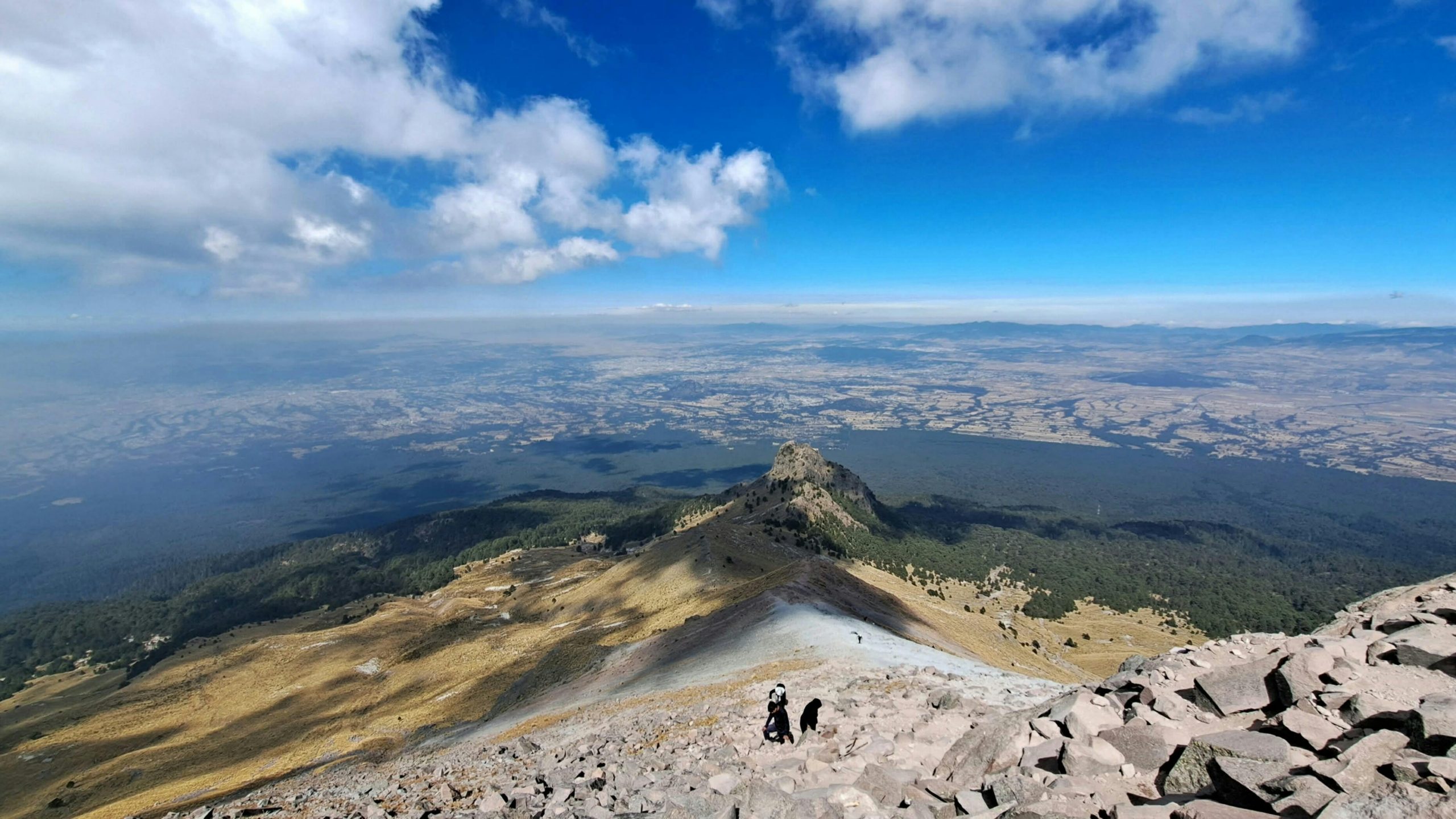
Explore Top Global Hiking Destinations
Hiking has surged in popularity worldwide, captivating adventure travelers seeking both physical challenges and immersive nature experiences. From casual day walks to strenuous multi-day expeditions, hiking offers a diverse way to explore the planet’s spectacular landscapes while boosting fitness. This surge reflects a growing desire to reconnect with the outdoors, challenge personal limits, and discover hidden gems on foot.
This article aims to serve as your trusted guide by highlighting some of the world’s premier hiking destinations. Each featured trail includes key information on what makes it unique, the difficulty level to expect, and the best seasons to plan your visit. Whether you’re a beginner looking for scenic strolls or an experienced trekker seeking rugged terrain, you’ll find valuable insights to tailor your next hiking adventure.
The variety of hiking experiences across the globe is truly vast. Iconic treks like the Inca Trail or the Tour du Mont Blanc attract those craving cultural immersion alongside nature. Vast national parks offer wildlife-rich trails ranging from easy loops to steep climbs. Ancient pilgrimage routes such as the Camino de Santiago blend history with spirituality. Meanwhile, remote wilderness areas challenge hikers with raw, untamed environments where preparation is key.
Exploring these diverse trail types not only satisfies different fitness and interest levels but also broadens your perspective on nature, culture, and history. With the right planning, hiking can open doors to transformative journeys, combining adventure travel with breathtaking scenery and personal growth.
Discover Torres del Paine Trails, Chilean Patagonia
Torres del Paine National Park in Chilean Patagonia is a breathtaking playground for outdoor enthusiasts, famous for its dramatic granite towers, glacial lakes, and expansive Patagonian steppe. This UNESCO Biosphere Reserve boasts cobalt-blue lakes and ancient glaciers that create a stark contrast against rugged mountain peaks. Visitors are drawn to its raw, unspoiled beauty and diverse landscapes that shift from icy terrains to windswept plains.
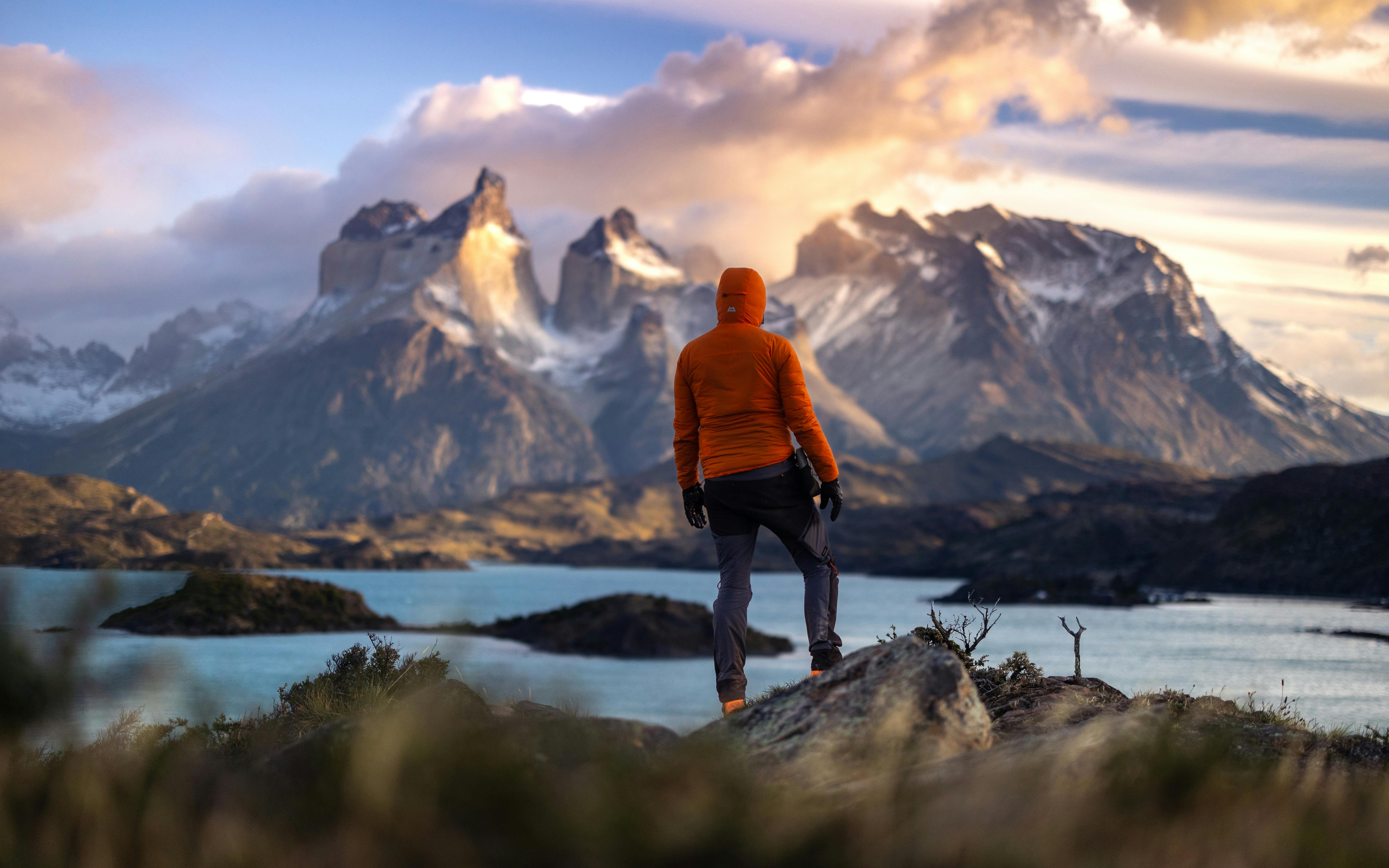
Two iconic hiking routes define the Torres del Paine experience: The W trek and the longer Circuit Trail. The W trek is a 4 to 5-day route showcasing the park’s must-see sights, including the towering Paine Massif, the shimmering Grey Glacier, and the emerald waters of Lake Pehoé. It’s popular for its scenic highlights and accessible length, perfect for moderate hikers looking for stunning vistas.
The Circuit Trail, nearly double the distance, offers an immersive 7 to 10-day journey encircling the entire Paine Massif. This more challenging path delves deeper into remote regions, featuring varied landscapes like lenga forests, swift rivers, and expansive open steppe. The Circuit demands endurance but rewards with solitude and panoramic views rarely encountered on shorter treks.
Trail conditions range from moderate to challenging depending on the section. Rugged terrain includes rocky paths, steep ascents, and river crossings. The region’s famously unpredictable weather can bring sudden storms, strong winds, and chilly temperatures year-round. Hikers must be prepared for rapid changes and physically demanding segments, making proper gear and fitness essential for a safe trek.
Over recent years, Torres del Paine has faced significant natural challenges, including devastating fires and harsh storms. These events have impacted trail accessibility and vegetation, leading to increased conservation efforts. Park authorities and local organizations focus on trail restoration, erosion control, and visitor education to preserve the fragile ecosystems.
Conservation initiatives also promote sustainable tourism, encouraging hikers to minimize their footprint by following marked paths and carrying out all waste. Maintaining the park’s pristine environment ensures that future generations can continue to experience the awe-inspiring landscapes that Torres del Paine offers.
Trekking Everest Base Camp, Nepal
The Everest Base Camp trek starts from the mountain airstrip town of Lukla, winding through picturesque Sherpa villages such as Namche Bazaar and Tengboche. Along the route, trekkers are immersed in vibrant Sherpa culture, with traditional monasteries and prayer flags punctuating the dramatic Himalayan backdrop. Panoramic views of snow-capped peaks like Ama Dablam and Lhotse keep spirits high, making this challenging journey visually rewarding.
Altitude is one of the most significant concerns on this trek. Starting at 2,860 meters (9,383 feet) in Lukla and ascending to the Base Camp at 5,364 meters (17,598 feet), proper acclimatization is essential. Trekkers should adopt a gradual ascent strategy, including rest days to allow the body to adjust and reduce the risk of Acute Mountain Sickness (AMS). Hydration, balanced nutrition, and avoiding overexertion are crucial for coping with thinner air and colder temperatures.
The trek is classified as strenuous, demanding strong endurance due to steep elevation gains, uneven terrain, and cold-weather exposure, especially above 4,000 meters. Trekkers face days of 5–8 hours walking, often under unpredictable weather conditions that can include snow and icy winds. Proper gear, warm clothing, and preparation for physically taxing days are musts for a safe and successful trek.
Optimal trekking seasons are the pre-monsoon months of March to May and post-monsoon from September to November. These windows offer stable weather, clear skies, and ideal visibility of the iconic peaks. Avoiding the monsoon season (June–August) is advisable due to heavy rainfall, slippery trails, and increased risk of landslides.
The 2015 Nepal earthquake impacted sections of the trail, leading to closures and extensive damage. Since then, continuous trail maintenance and rebuilding efforts have ensured safer passage. Guide agencies and local authorities emphasize safety, including avalanche risk awareness and infrastructure improvements along the route.

Experience Pacific Crest Trail Adventures, USA
Stretching nearly 2,650 miles from the sun-soaked deserts of Southern California through the lush forests of Oregon to the rugged peaks of Washington, the Pacific Crest Trail (PCT) offers one of America’s most iconic hiking experiences. Spanning three states, this trail showcases incredible ecological diversity, taking adventurers across a sweeping range of landscapes and ecosystems, each distinct and breathtaking in its own right.
The elevation along the PCT varies dramatically, starting near sea level and rising to over 13,000 feet in the Sierra Nevada mountains. Hikers traverse dense pine and fir forests, cross arid desert expanses with sagebrush and wildflowers, and navigate alpine meadows beneath snow-capped volcanoes like Mount Rainier. This variety not only provides stunning vistas but also challenges hikers with changing weather and terrain conditions.
Trail difficulty fluctuates considerably depending on the section. The southern desert stretches test endurance with long waterless segments and high temperatures, while the Sierra and Cascades offer steep climbs and unpredictable mountain weather. This range of challenges makes the PCT accessible to different types of hikers. Thru-hikers can embark on the full journey, typically taking 4 to 6 months, while others may prefer short sections that suit weekend trips or day hikes, enjoying portions of the trail without committing to the entire length.
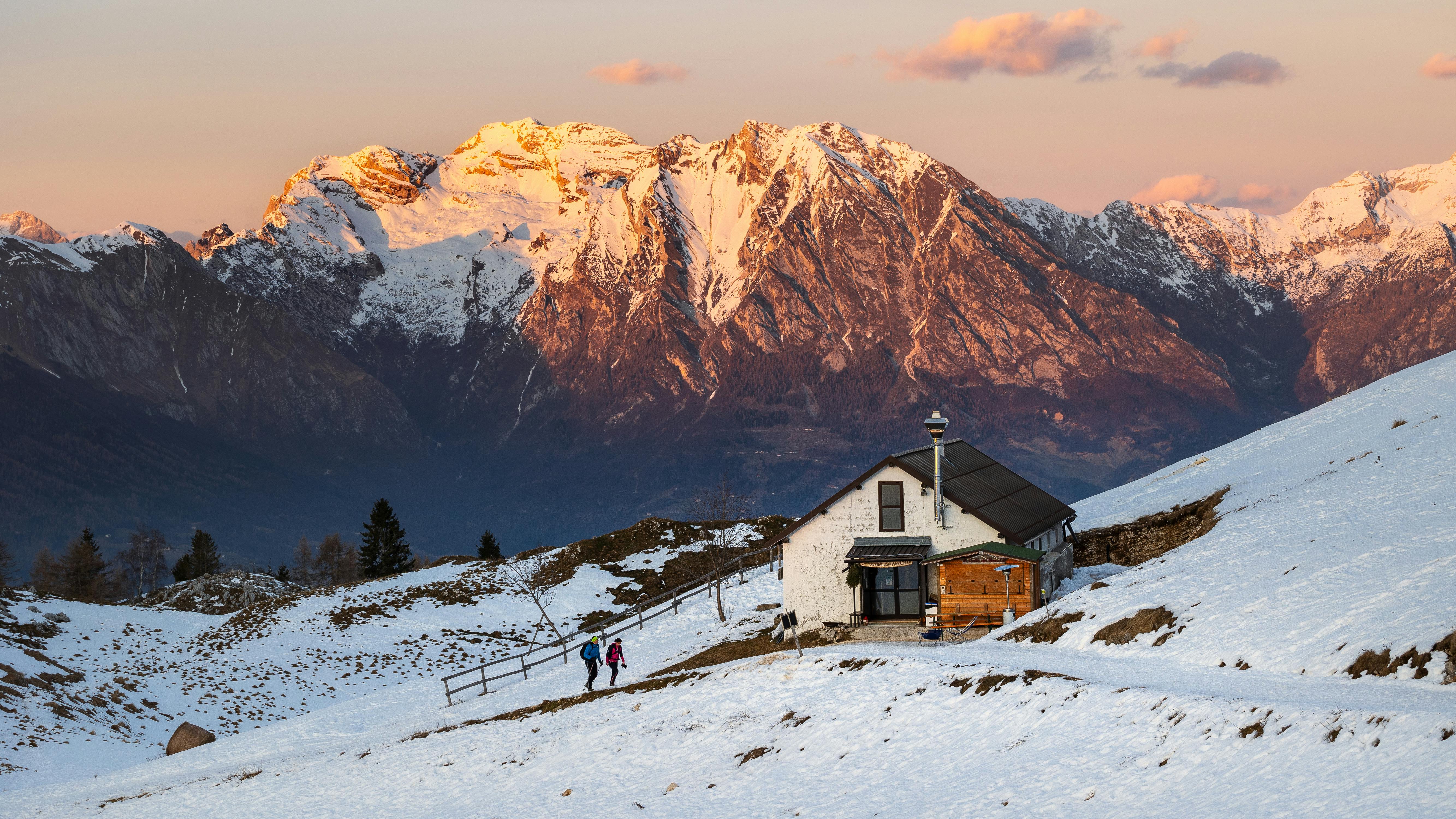
Choosing the right season is crucial for a successful Pacific Crest Trail adventure. The ideal window is generally from July through September when snowmelt has cleared mountain passes and the weather remains relatively stable. Early season hikes risk deep snow in the higher elevations, while late season may bring early snowfall. Summer’s longer daylight hours and warmer temperatures also improve safety and comfort, especially on exposed mountain sections.
Planning your PCT hike with the right timing and trail section can open the door to unforgettable wilderness experiences. Whether you’re chasing a multi-month thru-hike or a short nature escape, the Pacific Crest Trail’s vast, varied geography promises something for every outdoor enthusiast.
Walk the Historic Camino de Santiago, Spain
The Camino de Santiago, also known as the Way of St. James, is a legendary pilgrimage route that has drawn travelers and spiritual seekers for over a thousand years. Originating in medieval Europe, the Camino leads to the shrine of the apostle Saint James the Great in Santiago de Compostela. Today, it blends rich cultural heritage with a deeply personal journey, attracting tens of thousands of pilgrims annually from around the globe.
The most popular route, the French Way (Camino Francés), stretches approximately 490 miles (790 kilometers) from Saint-Jean-Pied-de-Port in France to Santiago de Compostela in northwestern Spain. This route offers well-established infrastructure, including albergues (pilgrim hostels), cafes, and marked trails, making it accessible for walkers at varying experience levels. Multiple variations of the Camino also branch out across Spain and neighboring countries, allowing flexibility depending on your time and interests.
Trail conditions on the Camino are generally manageable. Most paths are well-maintained, featuring gentle ascents and descents with some moderate sections, especially near the Pyrenees at the start of the French Way. This accessibility makes the trek suitable for all ages, from young adults to seniors, provided they have a moderate fitness level. Signage is clear and abundant, typically marked by the iconic yellow scallop shell arrows, which guide pilgrims every step of the way.
Planning your walk during spring (April to June) or fall (September to October) is ideal to enjoy mild temperatures and avoid the peak summer crowds. During these seasons, the weather is comfortable for walking long distances, and accommodations are less crowded, enhancing the contemplative experience of the pilgrimage.
Explore Iconic Global Hiking Regions
Beyond the well-known trails, the world offers a treasure trove of iconic hiking regions that cater to all levels and interests. From rugged peaks to desert canyons, each destination presents unique challenges, landscapes, and seasonal tips to help you plan the perfect trek.
Patagonia Beyond Torres del Paine
Patagonia’s allure extends far beyond the famed Torres del Paine National Park. The Fitz Roy massif near El Chaltén offers some of South America’s most dramatic trekking routes, weaving through glacial valleys, jagged peaks, and crystal-clear lakes. Popular treks like the Laguna de los Tres or the Huemul Circuit vary in difficulty but are accessible for moderately fit hikers. The best season to hike Patagonia is during the Southern Hemisphere’s summer, from November to March, when trail conditions are more stable and daylight extends longer. Winds can be fierce, so be prepared with appropriate gear.
New Zealand’s South Island Great Walks
New Zealand’s South Island features a celebrated network of Great Walks, known for lush rainforests, alpine passes, and pristine coastlines. Trails like the Routeburn Track and the Kepler Track are supported by well-maintained hut systems, allowing multi-day treks in comfort while immersing hikers in stunning natural beauty. These trails are generally rated moderate, suitable for hikers seeking scenic variety without extreme technical challenges. The ideal hiking season spans from late October to April, avoiding heavy snow and maximizing access to all facilities. The South Island’s accessibility from cities like Queenstown and Christchurch simplifies logistics for international visitors.
Nepal’s Broader Himalayas: Annapurna and Langtang
Nepal’s Himalayas are synonymous with epic trekking adventures beyond the Everest region. The Annapurna Circuit, stretching over diverse climates and cultural zones, offers a formidable challenge with high passes like Thorong La (5,416m). It demands good acclimatization but rewards hikers with unparalleled mountain views and rich cultural encounters. Slightly less strenuous but equally scenic is the Langtang Valley trek, famed for its rhododendron forests and remote mountain villages. Optimal trekking time runs in two windows: pre-monsoon (March to May) and post-monsoon (September to November), when weather remains clear and stable with moderate temperatures.
Utah Canyon Country and Zion National Park
For those seeking dry, dramatic landscapes, Utah’s Canyon Country and Zion National Park present mesmerizing hiking opportunities among vibrant red rock formations, slot canyons, and vast desert landscapes. Trails such as Angels Landing and The Narrows offer thrilling experiences ranging from steep climbs to river wading. Most hikes are accessible year-round, but spring and fall provide the most comfortable temperatures, avoiding the intense summer heat. Winter trails remain accessible but require caution due to icy conditions in shaded canyon areas.
Swiss Alps Alpine Trails
The Swiss Alps represent the pinnacle of alpine hiking diversity, offering everything from gentle valley walks to demanding high-altitude routes. Trails weave past shimmering glaciers, quaint chalets, and lush meadows, with options suited to all skill levels. The section around the Jungfrau region and Zermatt provides breathtaking vistas of iconic peaks like the Eiger and Matterhorn. High alpine hiking is best from June to September when the snow melts and mountain huts reopen. Winter months attract snowshoers and ski trekkers but require advanced skills and equipment.
Hiking FAQs: Essential Tips and Advice
Best Top Hiking Destinations for Adventure Travelers
Some of the most sought-after top hiking destinations include:
- Everest Base Camp, Nepal: Iconic for stunning Himalayan views and cultural immersion.
- Torres del Paine, Chile: Known for dramatic Patagonian landscapes and challenging terrain.
- Camino de Santiago, Spain: Famous pilgrimage route with rich history and varied difficulty.
- Pacific Crest Trail, USA: A vast trail offering scenic diversity from deserts to alpine terrain.
Preparing Physically for Challenging Hikes
To tackle demanding treks like Everest Base Camp or Torres del Paine, focus on building stamina, strength, and cardio fitness. Regular aerobic exercises like jogging or cycling improve endurance. Incorporate hill walking or stair climbing to mimic trail conditions. Don’t forget core and leg-strengthening workouts to handle uneven terrain and heavy backpacks.
Gradual training—starting months ahead—helps reduce injury risk and boost confidence on the trail.
Booking Timing for Flights and Permits
For popular and remote hiking spots, early booking is essential. Flights to top hiking destinations can fluctuate, but generally, booking 3–6 months in advance secures better prices and availability. Permit requirements vary greatly:
- Everest Base Camp: Permits needed, book months ahead through authorized channels.
- Torres del Paine: Some areas require park entrance tickets or camping permits, often available online.
- Camino de Santiago: No permit needed, but accommodation fills quickly in peak season.
Check official websites and local regulations well before your trip.
Importance of Acclimatization for High-Altitude Treks
Acclimatization helps the body adjust to lower oxygen levels at high altitudes, reducing risks of altitude sickness. On trails like Everest Base Camp, take rest days to allow your blood oxygen levels to stabilize. Symptoms such as headaches, nausea, and dizziness signal when it’s essential to slow down or descend. Adequate hydration and avoidance of alcohol are also critical during this process.
Hiking Portions of the Pacific Crest Trail
You don’t need to thru-hike the entire Pacific Crest Trail (PCT)—many hikers enjoy day hikes or section hikes. Planning smaller segments can offer a taste of this iconic trail without committing months. Use local maps and shuttle services to access trailheads. This flexible approach suits travelers with limited time but a desire for diverse landscapes and wildlife encounters.
Avoiding Difficulties on Pilgrimage Routes
On pilgrimage routes like the Camino de Santiago, avoid common challenges by:
- Wearing well-broken-in footwear to prevent blisters.
- Packing light to ease carrying loads over long distances.
- Starting early to avoid afternoon heat and crowds.
- Staying in trusted accommodations known for welcoming pilgrims.
Recommended Gear Essentials for Varied Environments
Gear varies depending on climate and trail difficulty, but essential items include:
- Sturdy waterproof hiking boots
- Layered moisture-wicking clothing
- Backpack with proper fit and capacity
- Navigation tools such as maps or GPS devices
- First aid kit and sunscreen
- Sufficient water storage and purification solutions
Adjust gear based on environment: insulation for cold high-altitude treks, sun protection for desert sections, and rain gear for wet climates.
Maximize Hiking Trips with AirTtkt
From Himalayan peaks to lush Appalachian trails, the world offers a fascinating range of hiking experiences suited for every type of adventurer. These diverse landscapes—from rugged mountains and serene forests to volcanic islands and expansive deserts—present varying levels of challenge. Planning your trip according to the best travel windows is key: spring and fall often provide mild weather and fewer crowds, while some tropical destinations are ideal during dry seasons. Timing your visit ensures not only safety but also the most rewarding views and wildlife encounters.
Physical preparation is equally essential. Conditioning your body in advance and packing the right gear can greatly enhance your enjoyment while minimizing fatigue or injury. Understanding the specific demands of each trail, such as altitude, terrain, and length, allows you to tailor your training and equipment for the journey ahead. Adequate preparation makes even the toughest hikes accessible and enjoyable.
Here’s where AirTtkt becomes an invaluable ally in your adventure planning. The platform’s real-time fare comparison feature helps you identify the most affordable flights to both popular and remote hiking destinations worldwide. By providing access to exclusive discounted rates and flexible booking options, AirTtkt takes the guesswork out of airfare, allowing you to secure the best deals without endless searching.
Beyond competitive prices, AirTtkt delivers convenience through 24/7 customer support and phone-assisted reservations. This continuous assistance ensures that any last-minute changes or travel concerns are promptly resolved, especially important when coordinating trips to less accessible natural areas. This peace of mind allows you to focus on preparing for your hike rather than stressing over flight logistics.
Maximizing your hiking adventure involves thoughtful planning—from selecting the right trail and travel window to properly preparing your body and gear. With AirTtkt, you gain a trusted partner that simplifies getting there affordably and efficiently. Start planning your next hiking trip today and experience the thrill of nature with confidence and ease.