
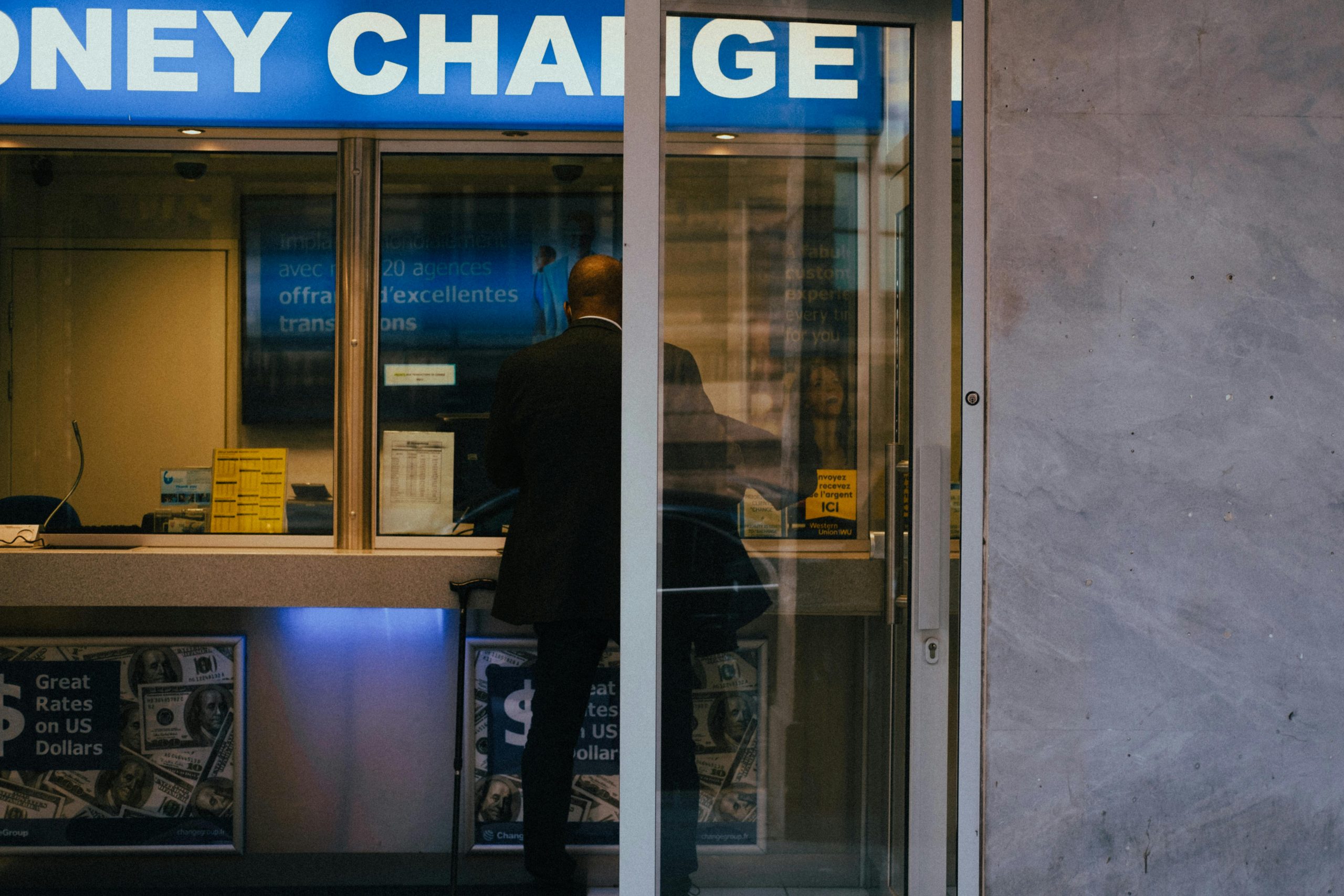
Why Best Currency Exchange Rates Matter
Understanding currency exchange rates is crucial for any traveler focused on budgeting smartly. Exchange rates fluctuate continuously based on global economic factors, political events, and market demand, influencing how much your money is worth abroad. Even a small difference in the exchange rate can significantly impact your travel expenses when converted over several transactions or large sums.
The cost of currency exchange isn’t just about the rate itself—it also includes additional fees imposed by banks, currency exchange bureaus, and credit card companies. These fees can range from 1% to 5% or more of the total amount exchanged and quickly add up, eroding your travel budget. Choosing the best rates and minimizing fees ensures you retain more of your money for experiences, accommodation, or dining while overseas.
Consider this example: Exchanging $1,000 at a rate of 1 USD to 0.85 EUR yields €850. However, if the rate drops to 0.82 EUR or if a 3% fee applies, you might effectively receive only about €801 or less after fees. The €49 difference may seem small but translates to missed meals, tours, or souvenirs during your trip. Multiply this impact across multiple trips or with larger amounts, and the loss becomes substantial.
Many travelers fall into common pitfalls such as exchanging money last-minute at airports, which often offer unfavorable rates and high commissions. Others may rely on credit cards without understanding dynamic currency conversion, which can lock in poor rates and hidden fees. Being aware of these traps helps mitigate unnecessary expenses.
Trusted organizations like the International Air Transport Association (IATA) and renowned travel finance experts emphasize researching exchange rates in advance and using reputable sources for conversion. Monitoring rates through official financial websites or currencies’ app tools before and during your trip can make a notable difference in your spending power.
When combined with flight and accommodation savings found on platforms like AirTtkt, securing the best currency exchange rates becomes another essential step towards traveling smarter. Minimizing losses due to poor conversion choices amplifies your overall ability to enjoy your destination without overspending or running short on funds.
Use Destination ATMs for Better Rates
Withdrawing cash from local ATMs abroad is often the smartest way to get the best exchange rates on your money. Unlike currency exchange booths or airport counters, which typically include a markup on the interbank rate, ATMs usually dispense cash at rates closer to the true market value. Banks calculate withdrawals based on the interbank exchange rate—the rate banks use to exchange currency amongst themselves—resulting in better value for travelers. This approach means your travel budget stretches further when you access cash directly from destination ATMs.
However, international ATM withdrawals commonly involve certain fees. Most banks charge a foreign transaction fee, typically between 1% to 3% of the withdrawn sum. On top of that, the ATM operator abroad may levy a usage fee, which can range from $2 to $5 per transaction. Before you travel, it’s important to check with your bank about their international withdrawal fees, daily withdrawal limits, and any partnership networks that might waive charges for certain ATMs. Planning ahead can help you avoid unexpected costs.
To understand the impact of fees versus exchange markups, consider this example: exchanging $300 at an airport booth with a 10% markup could cost you roughly $30 extra, while withdrawing the same amount from an ATM might incur a $5 bank fee plus a $3 ATM fee, totaling $8. This difference shows how ATM withdrawals can save you money even after factoring in usage fees.
For instance, instead of withdrawing $50 multiple times and paying repeated $3 fees, taking out $200 once can reduce total withdrawal costs substantially. Just remember to keep your cash secure if you take out a larger amount. Also, be mindful of your bank’s daily withdrawal limits, which may restrict large transactions.
Using ATMs abroad comes with safety concerns, most notably ATM skimming—where criminals install devices to steal card data. To stay safe, use ATMs located in well-lit, secure areas such as bank branches or shopping centers rather than isolated or street-side machines. Always shield your PIN when entering it and periodically check your bank statements for unauthorized activity during and after your trip.

Avoid Airport Currency Exchange Counters
When preparing for international travel, one costly mistake is relying on airport currency exchange counters. These booths often offer the worst exchange rates coupled with the highest fees, draining your travel budget before you even leave the terminal. Due to convenience and captive clientele, airports charge premium prices, making it expensive to convert money there compared to other options.
For example, airport exchanges typically add service fees ranging from 5% to 15%, alongside poor conversion rates that favor the counter more than you. In contrast, banks and ATMs usually provide rates closer to the official market value with much lower transaction fees. A traveler might receive $0.85 per euro at an airport booth, whereas a bank or ATM could offer $0.92 or better, resulting in significant savings on larger sums.
Because of these disparities, it’s wise to limit airport currency exchanges to emergency amounts only—just enough to cover immediate expenses like transportation or snacks upon arrival. Avoid doing a full currency conversion at the airport as it will cost you substantially more than other methods.
Planning ahead to exchange currency before your trip is the smartest approach. Visit your local bank or a reputable currency exchange service ahead of time to secure favorable rates and avoid last-minute high fees. If you prefer cash in hand before departure, ordering foreign currency online through trusted services linked with AirTtkt can be a convenient way to lock in competitive exchange prices and have currency delivered to your home.
In summary, airport currency exchange counters are convenient but costly. By securing funds in advance and relying on banks or ATMs for currency, you preserve more of your travel budget for experiences rather than fees. Plan your money exchange carefully to keep your trip affordable from start to finish.
Pay with No-Foreign-Fee Credit Cards Abroad
When traveling internationally, avoiding unnecessary fees can significantly stretch your budget. One effective way is using no-foreign-transaction-fee credit cards. These cards eliminate the typical 1% to 3% fees charged by many issuers for purchases made in foreign currencies. By sidestepping these conversion fees, you save money on everyday expenses like dining, souvenirs, and transportation during your trip.
No-foreign-fee credit cards also enhance security. Many offer robust fraud protection and advanced alerts, giving you peace of mind while spending abroad. Plus, transactions appear on your statement in US dollars, making it easier to track and manage expenses.
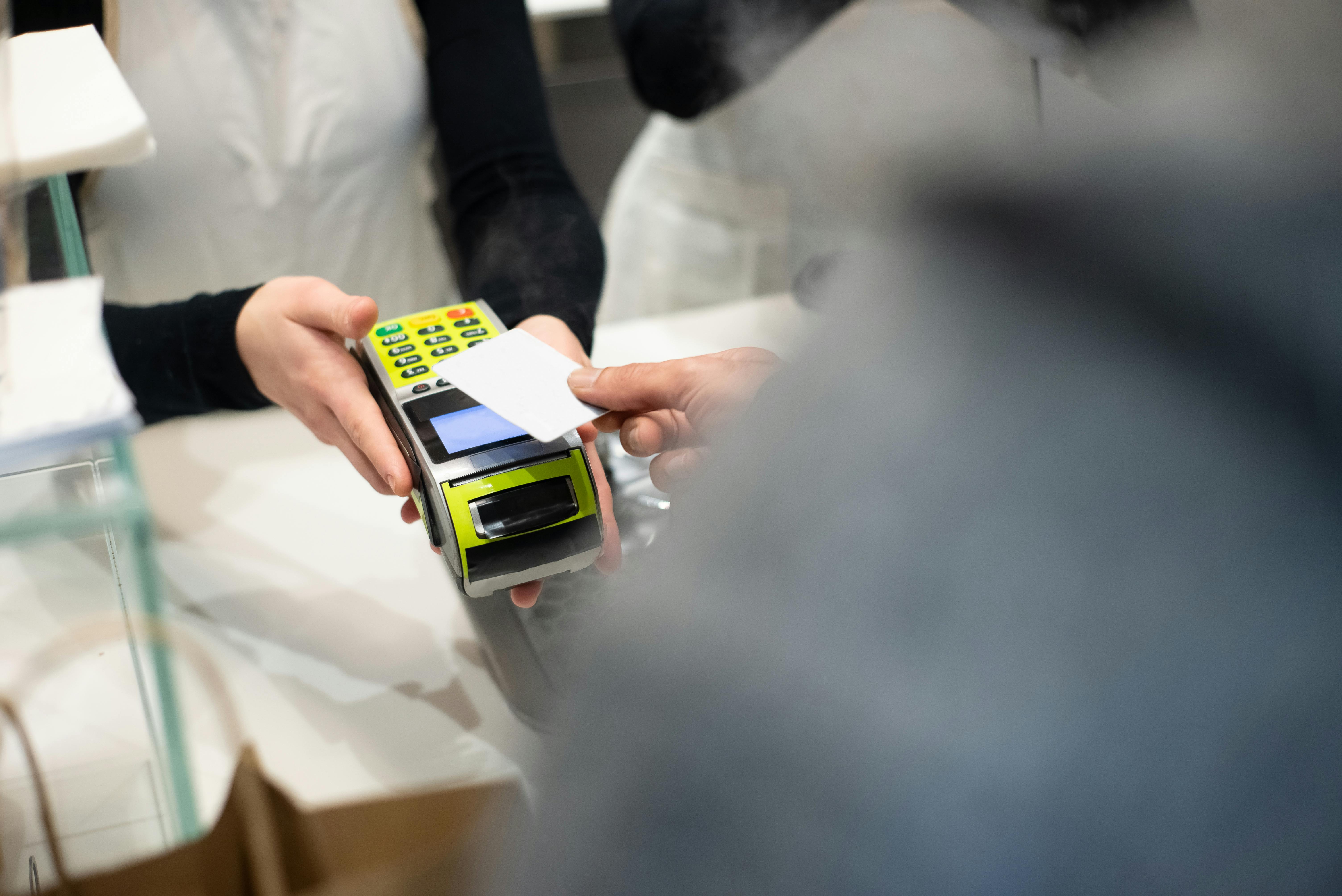
Popular Cards for International Travel
Some of the most traveler-friendly no-foreign-fee credit cards include:
- Chase Sapphire Preferred® Card: Earn rewards on travel and dining with no foreign transaction fees and primary rental car insurance.
- Capital One Venture Rewards Credit Card: Offers a straightforward rewards program and no fees on international purchases.
- American Express® Gold Card: Known for excellent travel perks and no foreign transaction fees on purchases abroad.
Choosing one of these cards can help minimize transaction costs and maximize travel benefits.
Notify Issuers to Prevent Fraud Blocks
Before jetting off, notify your card issuer about your travel plans. This simple step prevents security systems from flagging genuine foreign purchases as fraud. Without notification, your card may be temporarily blocked, causing inconvenience and potential fees for alternative payment methods.
Monitor Spending and Avoid Dynamic Currency Conversion
Keep a close eye on your transactions during your trip. Use your card issuer’s mobile app or website alerts to track spending in real-time and spot any suspicious activity quickly. Avoid opting for dynamic currency conversion (DCC) when paying abroad. While tempting for its “convenience” of showing charges in US dollars, DCC usually comes with poor exchange rates and hidden fees. Always choose to pay in the local currency instead.
Avoid Dynamic Currency Conversion Fees
Dynamic Currency Conversion (DCC) is a service offered by some merchants or ATMs that allows you to pay in your home currency instead of the local one while traveling abroad. Although this may seem convenient, it often comes with hidden costs. Merchants applying DCC charge extra conversion fees on top of the interbank exchange rate, making your purchase more expensive than it needs to be.
Typically, DCC markup rates range from 3% to 8% of the transaction amount, sometimes even higher. Recent regulatory updates in many countries have started to require clearer disclosures of these fees, protecting consumers by mandating that merchants inform customers of the additional cost and offer a choice. Despite these protections, many travelers are unaware of the extra charges or feel pressured to accept the local currency conversion.
Having your card issuer or bank handle the currency conversion is generally a better option. Credit card companies and banks usually provide exchange rates closer to the real interbank rate and apply far lower fees compared to merchants offering DCC. This not only saves money but also ensures better transparency and security with your transactions.
To avoid unnecessary DCC fees, always opt to be charged in the local currency whenever offered the choice. Keep an eye on payment terminals and ATMs; they often prompt you with a message asking if you want to pay in your home currency. Decline the DCC option and select the local currency instead.
Here are some best practices to steer clear of Dynamic Currency Conversion fees:
- Carefully read payment terminal prompts and decline currency conversion offers.
- Use credit cards that have no foreign transaction fees to minimize added costs.
- Inform cashiers or tellers upfront you prefer to pay in the local currency.
- Review your statements for unexpected DCC charges and dispute if needed.
By consistently choosing to pay in local currency, you can avoid inflated exchange rates and keep your travel budget intact. For travelers seeking smart, affordable booking and travel tips, AirTtkt provides expert guidance to save money every step of the way, including avoiding hidden fees like DCC.
Carry Backup USD or EUR for Emergencies
When traveling, it’s wise to carry a small amount of backup cash in widely accepted foreign currencies like US dollars or euros. These hard currencies offer a safety net in emergencies where cards might fail, ATMs are unavailable, or digital payments face technical issues. Many countries readily accept USD or EUR, making them a practical choice for backup funds while abroad.
The amount you should carry depends on your destination and trip length. For most international trips, $100 to $200 in cash is sufficient to cover immediate expenses like taxis, meals, or unexpected fees if your primary payment method encounters problems. In destinations with limited banking infrastructure, leaning toward the higher end of this range provides extra security.
Safe storage of backup cash is crucial. Divide your emergency money between different places—such as a money belt, hotel safe, and a secure pocket—to minimize risk in case of theft or loss. Avoid carrying all your backup cash in one spot. Use emergency cash only when necessary, for example, when ATMs are out of service or your cards are declined unexpectedly.
Blending cash use with digital payments strikes the best balance between convenience and security. Rely primarily on credit or debit cards for everyday purchases to reduce the risks of carrying large sums of cash. Reserve your hard currency for emergency situations, ensuring it remains untouched and ready when needed.

Use Currency Rate Apps to Stay Informed
For budget-conscious travelers, staying updated on currency exchange rates is crucial to managing travel expenses effectively. Mobile currency rate apps like XE Currency and Currency Converter offer real-time exchange rates that help you make smarter money decisions while abroad. These apps provide live updates, historical data, and customizable alerts to keep you informed of currency fluctuations anytime.
Setting up a currency rate app is straightforward. Simply download your preferred app from the app store, select the currencies relevant to your trip, and enable notifications for rate changes. Most apps allow you to convert amounts instantly by entering the value in your home currency or the foreign currency you’ll be using. This feature helps you quickly assess the cost of purchases, hotel rates, or transport fares in familiar terms.
Understanding how to interpret rate fluctuations can save you from unfavorable exchanges. Exchange rates can vary slightly throughout the day due to market demand, geopolitical events, or national monetary policies. Look for patterns or drastic drops that seem too good to be true—these could signal scam offers or unofficial money changers inflating fees. Relying on trusted apps rather than street vendors reduces the risk of unfavorable rates and hidden charges.
Staying informed on currency movements abroad offers several advantages. You gain the ability to time your currency exchanges optimally, avoiding excessive fees and unfavorable conversion rates. Moreover, tracking rates helps you budget daily expenses better, ensuring your trip stays within financial expectations. Being proactive also prevents surprises when settling bills or withdrawing cash, giving you peace of mind during your travels.
Currency Exchange Tips FAQ
Can I use my regular bank ATM card overseas without high fees?
Using your regular bank ATM card abroad often comes with foreign transaction and withdrawal fees. Check with your bank before traveling to understand fees and international partnerships. Choosing a bank that reimburses ATM fees or has global alliances can reduce costs and provide better currency exchange rates.
How do no-foreign-transaction-fee credit cards work when traveling?
No-foreign-transaction-fee credit cards waive the typical 1-3% fee on purchases abroad. They use interbank currency exchange rates without added markup, making them cost-effective for expenses while overseas. These cards are ideal for travelers seeking to avoid extra costs on daily spending during international trips.
When should I convert currency before my trip?
Converting currency before traveling is best when rates are favorable or if you want cash on hand immediately. If you’re traveling to less common destinations, having some local currency helps avoid poor currency exchange rates and high fees from airport or hotel exchanges.
Why is dynamic currency conversion a bad idea?
Dynamic currency conversion lets you pay in your home currency but usually offers poor currency exchange rates with added service fees. Opt to pay in local currency instead to save money and avoid unnecessary markups often hidden in this convenience.
What apps are best for checking currency exchange rates?
Apps like XE Currency, OANDA, and Currency Converter offer real-time currency exchange rates. They help travelers track fluctuations and decide when to convert money, giving insight into costs before buying or withdrawing foreign currency abroad.
How much emergency cash should I carry abroad?
It’s wise to carry a modest amount of emergency cash—enough for immediate expenses like transport or meals. Around $100-$200 in local currency usually suffices without exposing you to risks of carrying excessive cash and losing out on better currency exchange rates via cards.
Can I avoid all foreign transaction fees when traveling?
While fully avoiding all foreign fees is tough, using no-foreign-transaction-fee credit cards and global ATM networks helps minimize costs. Planning ahead and monitoring currency exchange rates ensures you don’t overspend on conversions or fees during your trip.
Save Money with Smart Currency Practices
Traveling abroad brings excitement and discovery, but managing your money wisely overseas can make a big difference in your budget. To save costs and avoid unnecessary fees, it’s essential to plan a smart currency strategy before your trip. Start by using destination ATMs carefully—opt for those affiliated with major banks to get fair exchange rates and minimal withdrawal fees. Avoid exchanging currency at airports, as rates there tend to be less favorable and often come with high commissions.
Choosing credit or debit cards without foreign transaction fees can further trim your expenses. Many banks offer cards designed for travelers, so look for those that waive the usual 2-3% charges. Additionally, be wary of dynamic currency conversion (DCC) at the point of sale, where merchants convert your purchase into your home currency at unfavorable rates. Always request to pay in the local currency to dodge this hidden cost.
Carrying a small amount of emergency cash is wise for situations where cards aren’t accepted. However, keep amounts reasonable to reduce risks. To stay ahead, monitor real-time exchange rates with currency apps—this helps you decide when to exchange money or make purchases for the best value.
Applying these practical tips not only preserves your travel budget but also streamlines your financial transactions, letting you enjoy your trip with confidence and fewer hassles. By planning your currency needs carefully, you minimize surprises and get more value from every dollar spent abroad.
For more budget-friendly travel tools, affordable flight options, and expert guidance, explore AirTtkt. Making smart currency choices combined with savvy booking strategies will help you travel smarter and spend less.