
Help First-Time Travelers Avoid Common Mistakes
Traveling for the first time can be a thrilling experience, yet it often comes with unexpected challenges that catch beginners off guard. Without prior knowledge, first-time travelers commonly face pitfalls such as overpaying for flights, misunderstanding baggage rules, or mismanaging time at airports. These issues are usually avoidable with a bit of preparation, but the steep learning curve can turn what should be an exciting journey into a stressful ordeal.
Being informed before your trip is the key to traveling smarter. Preparation helps you plan more efficiently, avoid unnecessary expenses, and enjoy a smoother travel experience. For example, knowing how to compare real-time fares effectively or understanding how to spot hidden airline fees can save you significant money. Similarly, familiarizing yourself with airport procedures and baggage allowances reduces delays and prevents surprises at check-in.
At AirTtkt, we understand that knowledge is your greatest travel asset. Our mission is to empower travelers with the information and tools needed to book confidently and affordably. By learning from common beginner mistakes, you can take control of your journey right from the start, ensuring each trip is more cost-effective and less stressful than the last.
In the next sections, we’ll walk through ten common mistakes that many first-time travelers make, paired with practical solutions to avoid them. Whether it’s choosing the wrong flight, miscalculating travel times, or overlooking travel documentation, these tips will help you travel with greater ease and confidence.
Avoid Overpacking Heavy Luggage
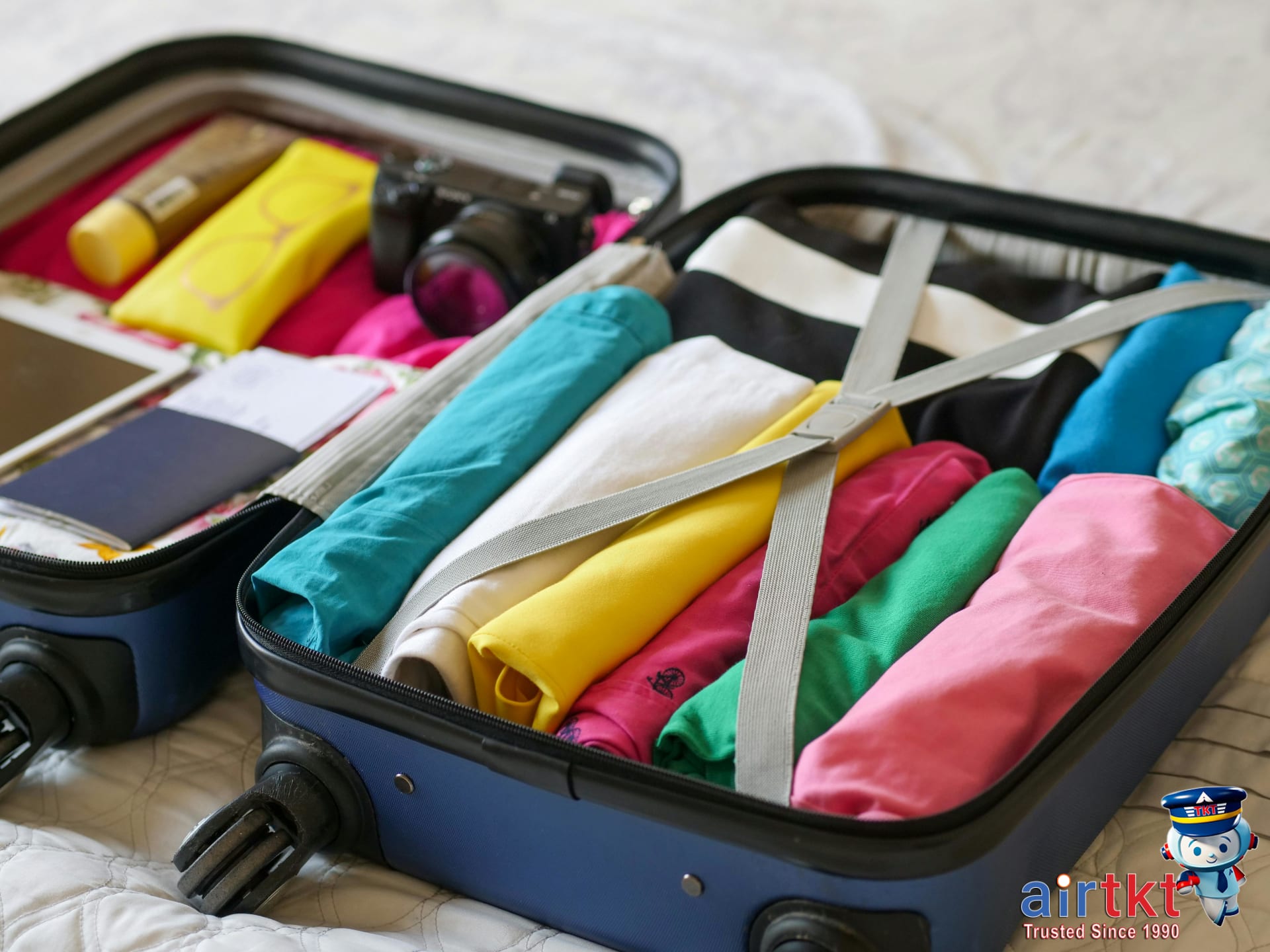
One of the most common mistakes new travelers make is overpacking heavy luggage. It may seem convenient to bring everything “just in case,” but packing more than necessary invites a series of problems. Overpacking often leads to steep airline fees for exceeding weight limits, making your trip more expensive before it even begins. Carrying bulky, heavy bags can also limit your mobility, slow down your transit through airports, and create unnecessary stress as you wrestle with baggage restrictions.
Most airlines have strict baggage policies, with weight limits typically ranging from 15 to 23 kilograms (33 to 50 pounds) for checked bags, and 7 to 10 kilograms (15 to 22 pounds) for carry-on luggage. When you exceed these limits, fees can range from $50 up to $200 or more per bag—costs that add up quickly, especially on round-trip flights or family travel. Some budget airlines enforce even lower weight thresholds and charge aggressively for overweight bags. Knowing and adhering to these rules saves both money and hassle.
To pack lighter and smarter, consider these effective strategies:
- Opt for versatile clothing: Choose clothes that mix and match easily, work for multiple occasions, and dry quickly. Neutral tones and layering help minimize the number of items you need.
- Use packing cubes: These compartments organize your clothes efficiently, compress bulk, and make it easier to find essentials without unpacking everything.
- Create an essentials-only checklist: Focus on what you absolutely need, including travel documents, a few changes of clothes, toiletries in compliant containers, and electronics plus chargers.
A prioritized packing list might look like this:
- Travel documents, money, and phone
- Underwear and socks for each day
- 2–3 versatile outfits for day and evening
- Light jacket or sweater
- Toiletry essentials (toothbrush, toothpaste, minimal skincare)
- Necessary electronics and chargers
- Packable shoes or sandals
By limiting your luggage to the essentials, you can avoid overweight baggage fees, speed up your airport experience, and enjoy your trip with less baggage burden. Packing lighter means more freedom to explore and less worry about logistics.
Check Visa Requirements Early
One of the most common pitfalls for international travelers is overlooking visa requirements, which can lead to embarrassing denied boarding or refused entry at the destination. Visa-related travel failures not only disrupt plans but can also incur significant extra costs and delays. To avoid these setbacks, it’s crucial to research visa policies well before booking your flight or making any final arrangements.
Your first step should be to seek official and up-to-date visa information. The most reliable sources are government websites of the country you plan to visit and their embassies or consulates. These sources provide authoritative details on visa types, eligibility criteria, fees, and application procedures. Avoid relying on third-party or unofficial sites that may have outdated or inaccurate information.
Timing is another essential factor in the visa process. Some visas require applications weeks or even months ahead of travel, especially for countries with strict or complex entry rules. For example, the United States, China, and Russia often need early submissions with thorough documentation. To avoid last-minute complications, start your visa research as soon as your travel dates are confirmed, ideally at least 8 weeks before departure.
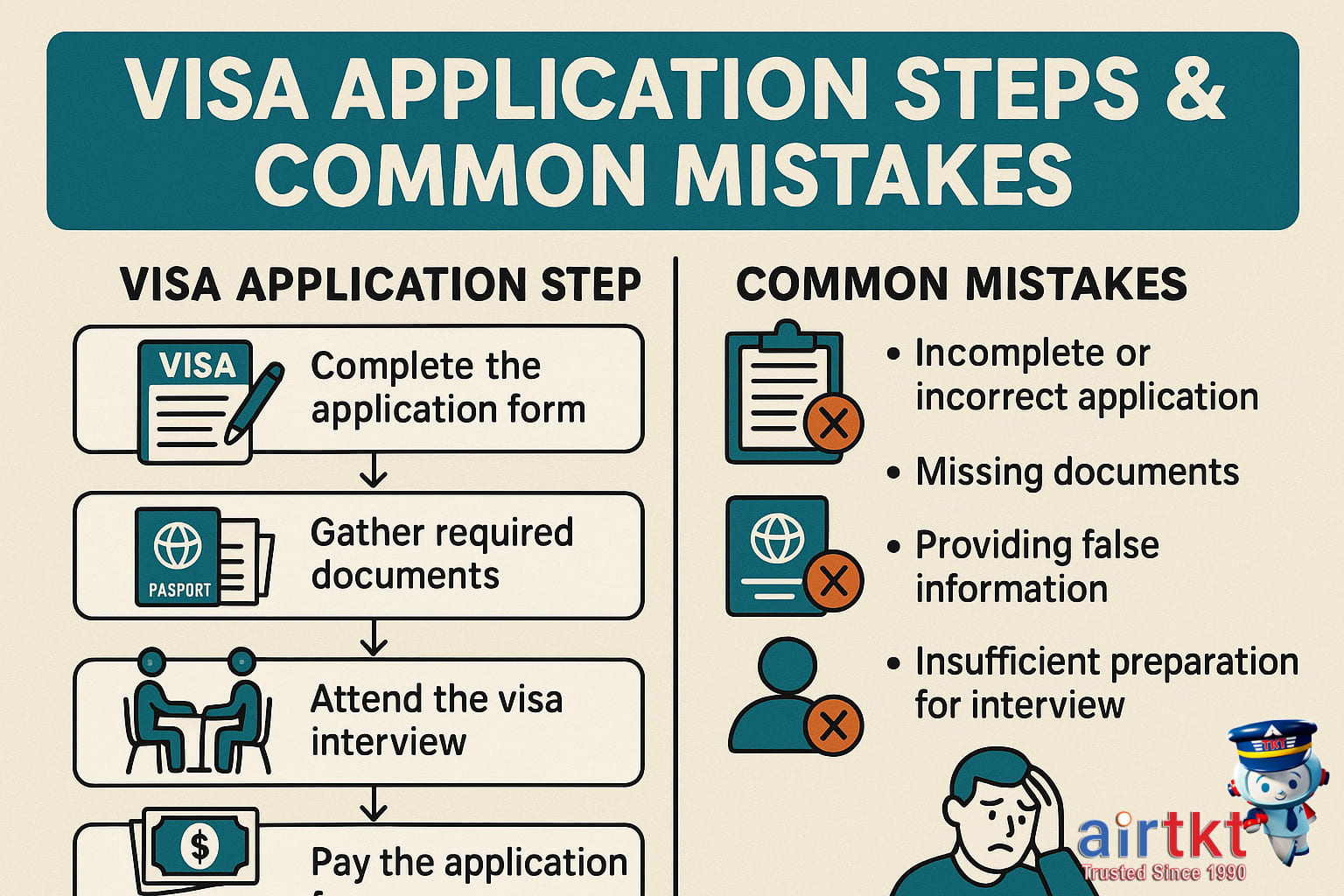
When preparing your visa application, having the correct documents ready is crucial. Here is a checklist of commonly required documents:
- Valid passport with at least six months’ validity beyond planned stay
- Completed visa application form specific to the destination country
- Recent passport-sized photographs matching embassy guidelines
- Proof of onward or return travel, such as flight bookings
- Evidence of sufficient financial means during the stay
- Letter of invitation or hotel reservations
- Travel itinerary or detailed plans
- Payment proof for visa fees
Certain destinations enforce particularly strict or intricate visa policies that travelers should note:
- United States: Requires detailed application forms and often an in-person interview
- China: Demands thorough documentation and may require invitation letters
- Russia: Needs invitations from authorized organizations and registration upon arrival
- India: Offers e-Visas but mandates early applications to avoid rejection
- Brazil: Has varying rules depending on nationality, with recent complex updates
By checking these visa requirements early, you significantly reduce the risk of surprises at the airport or border. This approach lets you confidently book cheaper flights and secure better deals through AirTtkt without worries about entry issues. Starting your visa process well in advance ensures smoother travels and peace of mind from takeoff to arrival.
Avoid Overly Tight Travel Schedules
When planning your trip, it’s tempting to pack every moment with activities to maximize your experience. However, overly tight travel schedules often lead to stress and frustration rather than enjoyment. Juggling too many attractions in a single day can result in rushing through sites without truly appreciating them, and worse, missing out entirely due to unexpected delays or fatigue.
Travel logistics such as transit times, security checks, and waiting periods consume more time than many anticipate. For example, a short flight may include hours of check-in and layovers, while public transportation may be unpredictable. Fatigue from constant movement also slows your pace, affecting your enthusiasm and ability to focus. Ignoring these factors can derail your carefully laid plans.
Creating buffer zones in your itinerary allows flexibility to adapt to delays or simply take a well-deserved break. Leaving free periods refreshes your mind and body, enabling you to engage deeply with your surroundings. Prioritize must-see highlights rather than ticking off every attraction. Quality experiences at fewer locations often leave more lasting memories than hurried visits to many.
Consider these contrasting examples:
| Aspect | Packed Itinerary | Balanced Itinerary |
|---|---|---|
| Number of Activities per Day | 6-7 major sites | 3-4 key attractions |
| Time for Transit and Rest | Minimal, rushed transitions | Buffer periods of 1-2 hours |
| Overall Stress Level | High, due to tight timing | Low, more relaxed pace |
| Experience Depth | Surface-level visits | In-depth engagement |
The balanced itinerary offers room to adjust plans, savor moments, and recover energy, making travel far more enjoyable. Instead of cramming your days from dawn to dusk, focus on what truly matters. This approach lets you embrace serendipity—unexpected discoveries and spontaneous opportunities—that a rigid schedule would overlook.
Manage Jet Lag and Time Zone Effects
Jet lag occurs when your body’s internal clock, or circadian rhythm, is thrown off by rapidly crossing multiple time zones. Common symptoms include fatigue, difficulty concentrating, irritability, headaches, and disturbed sleep patterns. These physical effects stem from your body struggling to sync with the new local time, causing discomfort that can dampen your travel experience.
To reduce jet lag, start adjusting your sleep schedule a few days before departure. Gradually shift your bedtime and wake-up time closer to your destination’s time zone. This pre-trip adjustment eases your body into the new rhythm and lessens abrupt shock upon arrival. Staying well hydrated by drinking plenty of water during your flight also helps, as dehydration can exaggerate fatigue and headaches.
Exposure to natural light plays a key role in resetting your internal clock. After arrival, spend time outside in the daylight, especially in the morning if traveling east, or late afternoon if heading west. This helps realign your circadian rhythm to the new environment and promotes better sleep at night.
Allow yourself rest days after long-haul flights. Instead of diving into a packed itinerary immediately, pace your activities to give your body time to adapt. Prioritize lighter sightseeing or leisurely exploring local spots in the first days. Restful downtime combined with nutritious meals supports recovery and maintains your energy throughout your trip.
Embrace Local Food to Enhance Travel
One of the most enriching ways to immerse yourself in a new destination is through its local cuisine. Tasting regional dishes offers a unique window into the culture, history, and traditions of the place you’re visiting. Beyond just nourishment, food connects you to locals’ everyday lives and celebrations, turning your trip into a deeper, more memorable experience.
Sampling traditional foods can reveal flavors and cooking techniques you won’t find back home. From street food stalls to family-owned restaurants, each bite offers an authentic story of the community. Travelers who embrace local dining often come away with a greater appreciation for the destination’s identity and warmth.
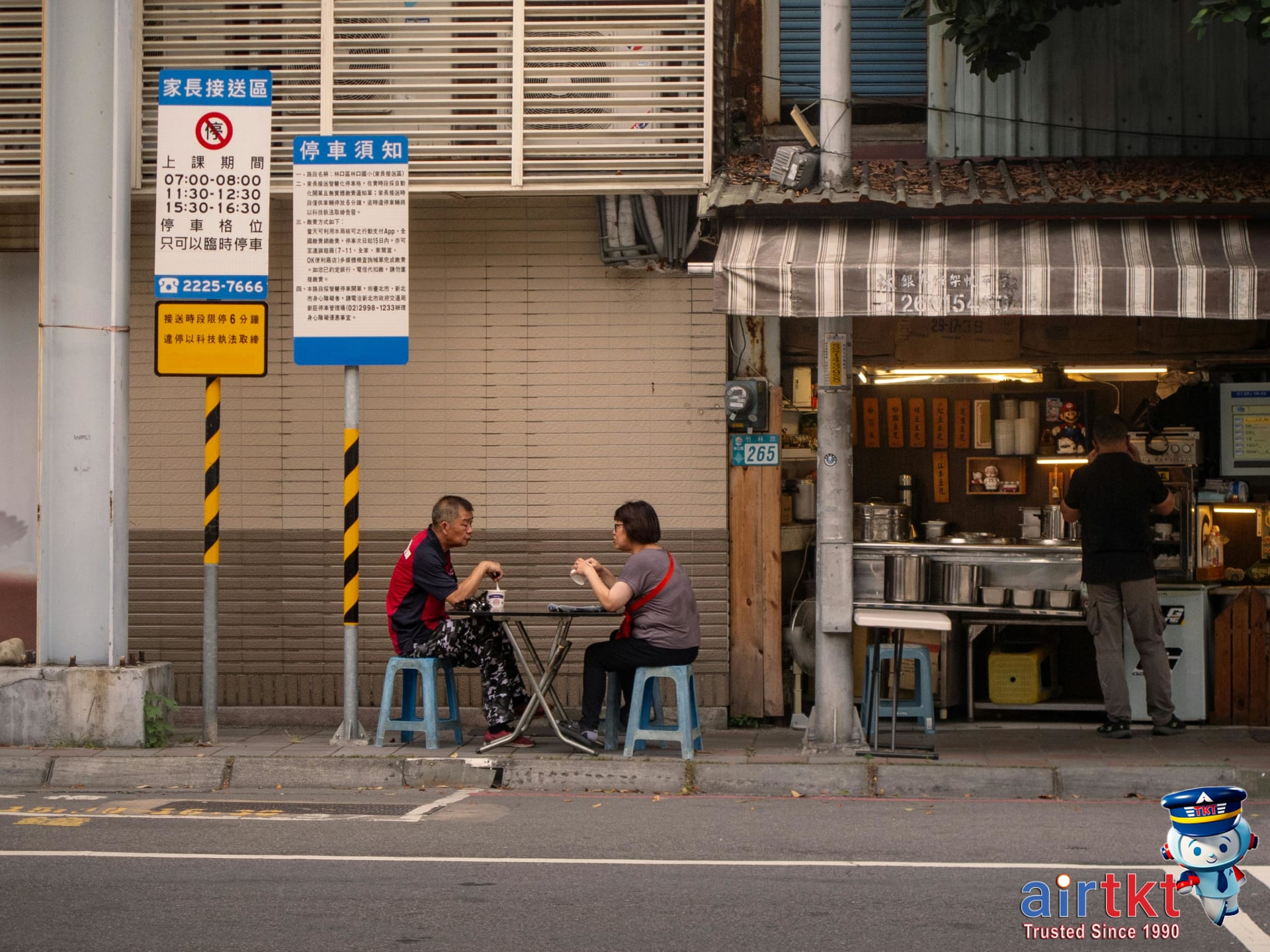
However, many hesitate due to concerns about unfamiliar foods. Allergies, unfamiliar ingredients, or worries about hygiene can make trying local dishes intimidating. It’s natural to fear adverse reactions or uncomfortable experiences with strange flavors. But with some practical precautions, you can enjoy local eats safely and confidently.
First, always communicate your dietary needs clearly. Learn key allergy words in the local language or carry a translation card explaining your restrictions. This simple step can prevent accidental exposure and ease anxiety when ordering.
Next, prioritize reputable eating spots. Look for places busy with locals, which often indicates good hygiene and trusted quality. Tourist reviews, recommendations from AirTtkt, or hotel staff suggestions can guide you to safer choices.
Start your culinary adventure with milder dishes or those closest to familiar ingredients. Gradually explore more adventurous flavors, giving your palate time to adjust. Ask servers about ingredients beforehand—locals usually appreciate your curiosity and can suggest favorites suited to your taste and safety.
By embracing local food thoughtfully, you deepen your cultural immersion and create vibrant travel memories. It not only supports local businesses but enriches your journey with authentic flavors that stay with you long after you return home.
Carry Cash Alongside Cards
While cards have become the dominant payment method worldwide, relying solely on them can sometimes lead to unforeseen complications, especially when traveling internationally. Not all destinations or vendors accept card payments, and even where cards are accepted, processing issues or network outages can leave travelers stranded without access to funds. Tourists visiting remote areas, markets, or small businesses often encounter vendors who prefer—or only accept—local cash, making it essential to carry some physical currency.
Carrying a modest amount of local cash ensures you are prepared for emergencies, small purchases, and vendors who operate offline. This cash buffer is particularly useful for tipping, paying for transportation like taxis or bus fares, and buying snacks or souvenirs in places where cards aren’t practical. However, it’s wise to avoid carrying excessive cash to reduce the risk of loss or theft.
To keep your cash secure and easily accessible, divide it into smaller amounts and store them in different places, such as a money belt, a secure pocket, or your day bag. Consider using RFID-blocking wallets to protect against electronic theft and always be discreet when handling money in public. This careful approach minimizes risks and ensures peace of mind while exploring unfamiliar environments.
When it comes to exchanging money, prioritize safety and favorable exchange rates by using reputable sources. Banks and official currency exchange offices at airports are generally reliable, though airport rates can sometimes be less advantageous. Avoid exchanging cash on the street or through unverified agents, as this can lead to scams or counterfeit bills. It’s also helpful to familiarize yourself with the local currency’s denominations and security features before traveling to spot any suspicious notes.
Additionally, mobile payment apps or prepaid travel cards can supplement your cash and card options, but having some physical currency remains a wise backup. Many experienced travelers recommend combining prepaid cards, credit/debit cards, and a manageable amount of local cash to navigate the diverse payment landscape of global travel with confidence.

Notify Banks of Travel Plans
One of the most overlooked travel preparations is informing your bank about your upcoming trip. When you use your credit or debit card abroad without prior notice, your bank’s fraud detection systems may flag those foreign transactions as suspicious. This often results in your card being temporarily blocked, causing unnecessary stress and payment interruptions while traveling.
Banks monitor transaction patterns to protect you from fraud. If they see a sudden purchase thousands of miles away from your home location, they might assume your card details have been stolen. To avoid this, it’s essential to register your travel plans with your bank before departure. This simple step lets them know when and where to expect foreign purchases, reducing the chance of your card being declined unexpectedly.
Contacting your bank’s customer service is usually straightforward. Many banks allow you to set up travel alerts online through your account portal or mobile app. When doing so, provide specific travel dates and destinations. Some banks even let you list multiple countries if you’re on a multi-stop itinerary. Keeping these details updated helps banks distinguish legitimate charges from potential fraud attempts.
Aside from notifying your bank, it’s wise to continuously monitor your card activity while abroad. Many banks offer real-time transaction alerts via text or email, allowing you to quickly spot any unusual activity. Setting up these notifications can give you peace of mind and prompt action if unauthorized charges occur.
It’s also smart to carry alternative payment methods beyond your primary cards. Consider bringing a backup credit card from a different issuer or a prepaid travel card loaded with a set amount of cash. Having multiple options prevents you from being stranded due to an unexpected card block or network issue.
Overall, proactively notifying your bank of your travel plans can save you from frustrating disruptions and ensure your payments go through seamlessly. For booking affordable flights and managing your travel smartly, trust AirTtkt to provide helpful tips and deals tailored to hassle-free adventures.
Use Travel Insurance for Peace of Mind
Travel insurance is a crucial tool that shields you from unexpected risks that can arise before or during your trip. Whether it’s a sudden illness, a canceled flight, or lost luggage, having the right coverage can save you from significant financial loss and stress. Many travelers overlook this essential step, but insurance offers a safety net that helps you navigate uncertainties with confidence.
There are three primary types of travel insurance coverage to consider. First, medical coverage protects you if you experience health emergencies while away from home, including hospital stays and urgent care. This is especially vital for international travel where your regular health insurance may not apply. Next, trip interruption or cancellation insurance reimburses you if your trip is cut short or canceled due to reasons like illness, weather, or sudden work obligations. Lastly, baggage loss and delay coverage compensates you if your luggage is lost, stolen, or delayed, helping you replace essentials while you wait.
Choosing the right policy means comparing plans carefully. Look closely at what is included and excluded, such as pre-existing conditions or high-risk activities. Some policies may not cover certain countries or types of travel, so read the fine print. It’s best to purchase your travel insurance soon after booking your trip—early coverage ensures that unexpected cancellations or issues occurring before departure are protected.
Travel insurance is not just an added expense but an investment in peace of mind. Knowing you have support for medical care, trip changes, or lost belongings frees you to focus on enjoying your journey. Take time to research and select a policy that suits your travel style and destination needs, ensuring every adventure is as worry-free as possible.
Prepare for Airport Security and Procedures
Navigating airport security can be one of the most stressful parts of travel, but with the right preparation, you can clear screenings smoothly and save valuable time. Familiarize yourself with the standard Transportation Security Administration (TSA) rules before arriving at the airport to avoid unexpected hassles.
When it comes to liquids, TSA restricts containers in carry-on bags to 3.4 ounces (100 milliliters) or less each. All these containers must fit comfortably in a single, clear, quart-sized plastic bag, which must be removed from your carry-on during the screening process. This rule is crucial for compliance and speeding up your security check.
Electronics larger than a cell phone, such as laptops and tablets, generally need to be taken out of their cases and placed separately in bins for screening. It’s best to have these devices easily accessible in your carry-on to avoid delays. Additionally, certain items, both in carry-on and checked luggage, are prohibited—for example, sharp objects, flammable liquids, and most sporting goods. Check the TSA’s official website or AirTtkt for the latest list of banned items.
Organizing your travel documents before reaching the checkpoint is another key to fast processing. Have your boarding pass and government-issued photo ID (driver’s license or passport) ready and easily reachable. This practice avoids fumbling through bags, which can hold up the line. Clear presentation of these documents to TSA agents helps maintain smooth flow and minimizes wait times.
Airport security can often have unpredictable wait times, especially during peak travel seasons or heightened security alerts. It is strongly recommended to arrive at least two hours before domestic flights and three hours before international departures. This buffer accounts for possible queues or additional screening checks that occasionally arise.
Besides timing, dressing simply can aid quicker screening. Wear easily removable shoes and limit wearing metal accessories to reduce the chance of setting off metal detectors. Also, prepare to remove belts, jackets, and laptops when requested to streamline the process.
By understanding TSA policies, organizing your documents, and allowing ample time, you ensure a hassle-free security experience. For affordable flights and smooth travel planning, visit AirTtkt, your trusted source for budget-friendly travel bookings worldwide.
Learn Local Customs and Language Basics
Understanding local customs and basic language skills significantly enhances your travel experience. Respecting cultural norms prevents misunderstandings and fosters positive interactions with locals, making your trip smoother and more enjoyable. Simple acts like greeting someone correctly or following local etiquette can open doors and show appreciation for the host culture.
Before arriving at your destination, take some time to learn common greetings and useful phrases tailored to frequent travel situations. For example, mastering how to say “hello,” “thank you,” “please,” and “excuse me” in the local language immediately shows respect. Phrases like “Where is the bathroom?” or “How much does this cost?” can also be incredibly helpful for navigating daily activities. Greeting someone with a friendly smile and a culturally appropriate salutation creates a warm connection right away.
Researching local customs is equally important. Each destination has its own set of social rules regarding tipping, dress codes, gestures, and behavior. For instance, in some countries tipping is expected and greatly appreciated, while in others it may be considered rude or unnecessary. Dress codes can vary widely—what’s acceptable attire in a beach town might be inappropriate in a temple or religious site. Understanding these nuances helps you avoid unintentionally offending anyone.
Some key etiquette areas to explore include:
- Tipping practices: Know when and how much to tip, or if tipping is discouraged.
- Dress norms: Identify respectful clothing choices, especially in religious or formal settings.
- Social behaviors: Learn appropriate gestures, eye contact rules, and ways to show gratitude.
- Dining etiquette: Discover whether you should wait to be seated, use certain utensils, or how to handle bills.
By integrating language basics with cultural understanding, you not only show respect but often enrich your travel moments with genuine connections and meaningful experiences. Remember, preparation in these areas is a small investment for a more memorable and hassle-free journey.
Frequently Asked Questions About Travel Pitfalls
Can I avoid overpacking on every trip?
Yes, overpacking is avoidable by planning your outfits based on weather and activities. Stick to versatile clothing, use packing cubes, and limit shoes. Creating a checklist tailored to your trip helps you resist adding unnecessary items and reduces travel mistakes related to baggage hassle.
What is the best way to check visa requirements?
Always check visa requirements directly on the official embassy or consulate website of your destination. Reliable government sources provide up-to-date information, avoiding costly travel mistakes. You can also consult trusted travel platforms like AirTtkt for helpful links and reminders.
When should I notify my bank before traveling abroad?
Notify your bank at least one week before departure. This prevents fraud alerts from freezing your card when you use it overseas. Timely notification helps avoid payment issues and travel mistakes that could disrupt your trip and cause unnecessary stress abroad.
Why is trying local food important during travel?
Sampling local cuisine enriches your travel experience by connecting you with the culture and traditions of the destination. It’s also a fun way to create lasting memories beyond typical sightseeing, making your trip unique and helping avoid the mistake of missing authentic local flavors.
How do I prevent jet lag effectively?
Adjust your sleep schedule a few days before travel to match your destination’s time zone. Stay hydrated and avoid caffeine or alcohol during flights. Exposure to natural daylight upon arrival also helps reset your internal clock, reducing jet lag and improving your overall travel comfort.
What happens if I ignore airport security rules?
Ignoring security rules can lead to delays, fines, or denial of boarding. It compromises safety and can even result in legal consequences. Staying informed and following TSA guidelines helps you breeze through security, preventing travel mistakes that could ruin your trip’s start.
Can travel insurance save me money in emergencies?
Yes, travel insurance can save money by covering unexpected medical expenses, trip cancellations, or lost luggage. It acts as a financial safety net, minimizing out-of-pocket costs and preventing travel mistakes related to underestimating the risks of unplanned emergencies.
Travel Smarter by Avoiding Common Mistakes
Travelers often encounter avoidable pitfalls that can turn an exciting trip into a stressful experience. Recapping the ten common mistakes we discussed: booking flights too late or too early, neglecting flexible dates, overlooking baggage fees, failing to use trusted booking sites, ignoring travel insurance, mismanaging airport arrival times, underestimating layover durations, skipping visa checks, missing hotel deal options, and not tracking fare drops. Each mistake has a simple solution that can save money, time, and frustration.
Awareness is the key to avoiding these traps. A bit of preparation—such as comparing fares on multiple days, checking baggage policies beforehand, and confirming visa requirements—empowers you to make smarter decisions. Being proactive helps you sidestep unexpected expenses while ensuring smoother travel logistics. For instance, accounting for longer layovers can prevent missed connections, and using flexible dates often reveals hidden ticket discounts.
To make this process easier, consider using AirTtkt. It is a trusted online travel booking platform designed to help you find affordable flights with the confidence that you’re getting the best available deal. AirTtkt offers real-time fare comparisons, exclusive discounts, and an intuitive booking system tailored for travelers who want hassle-free planning. Alongside flight bookings, it also provides valuable travel resources that guide you through common challenges like baggage rules and airport procedures.
Leveraging a platform like AirTtkt not only secures competitive airfares but also streamlines your entire trip preparation. Their 24/7 customer support ensures assistance whenever you need it, minimizing travel stress. Plus, with phone-assisted reservations, you have personal help to finalize details—perfect for last-minute bookings or complicated itineraries.
In summary, mastering these travel basics and using reliable tools like AirTtkt can transform your trips from stressful to seamless. Smart planning reduces expenses and enhances your travel experience, making every journey more enjoyable and wallet-friendly.