
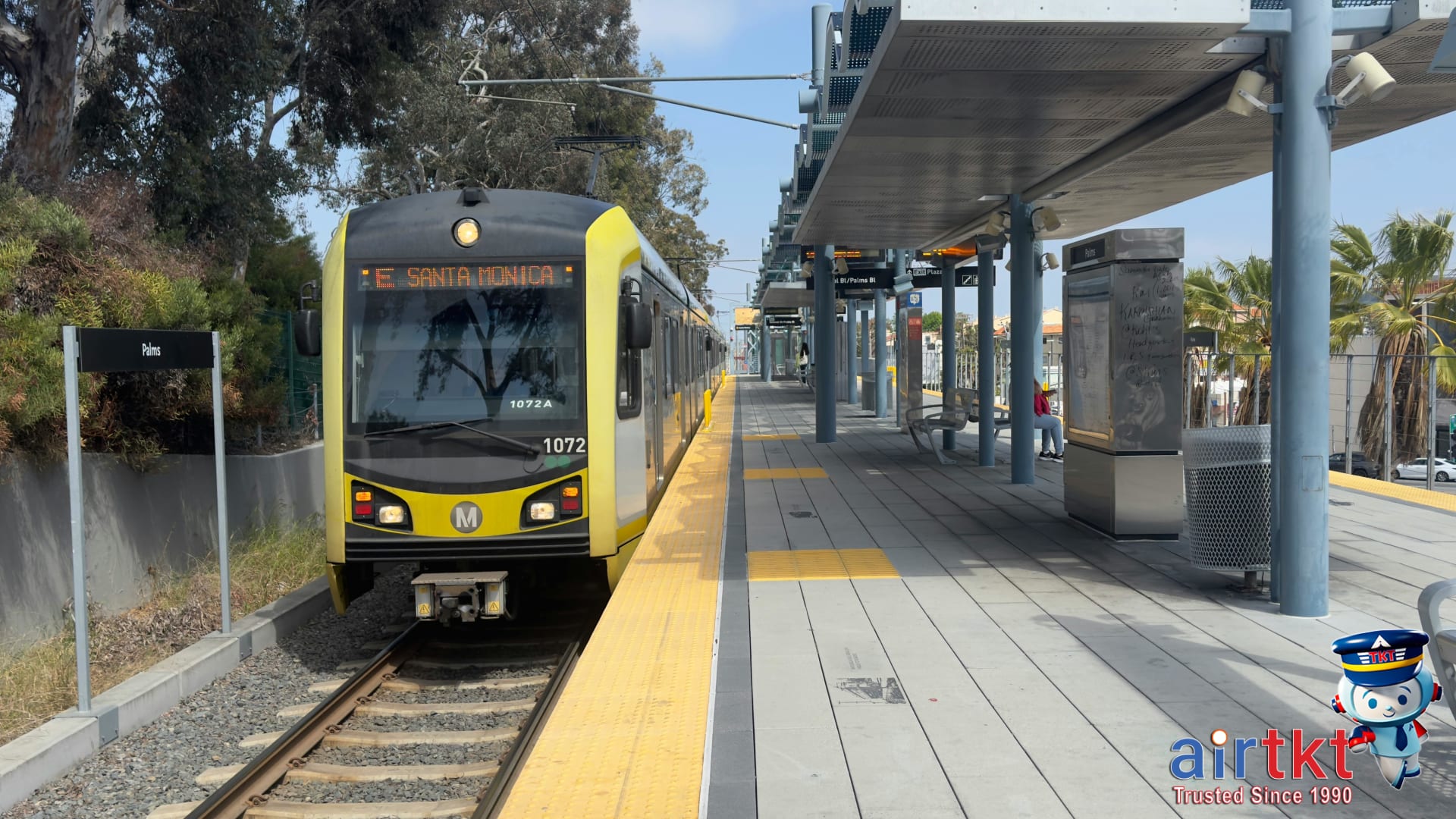
Getting Around With LA Metro Rail
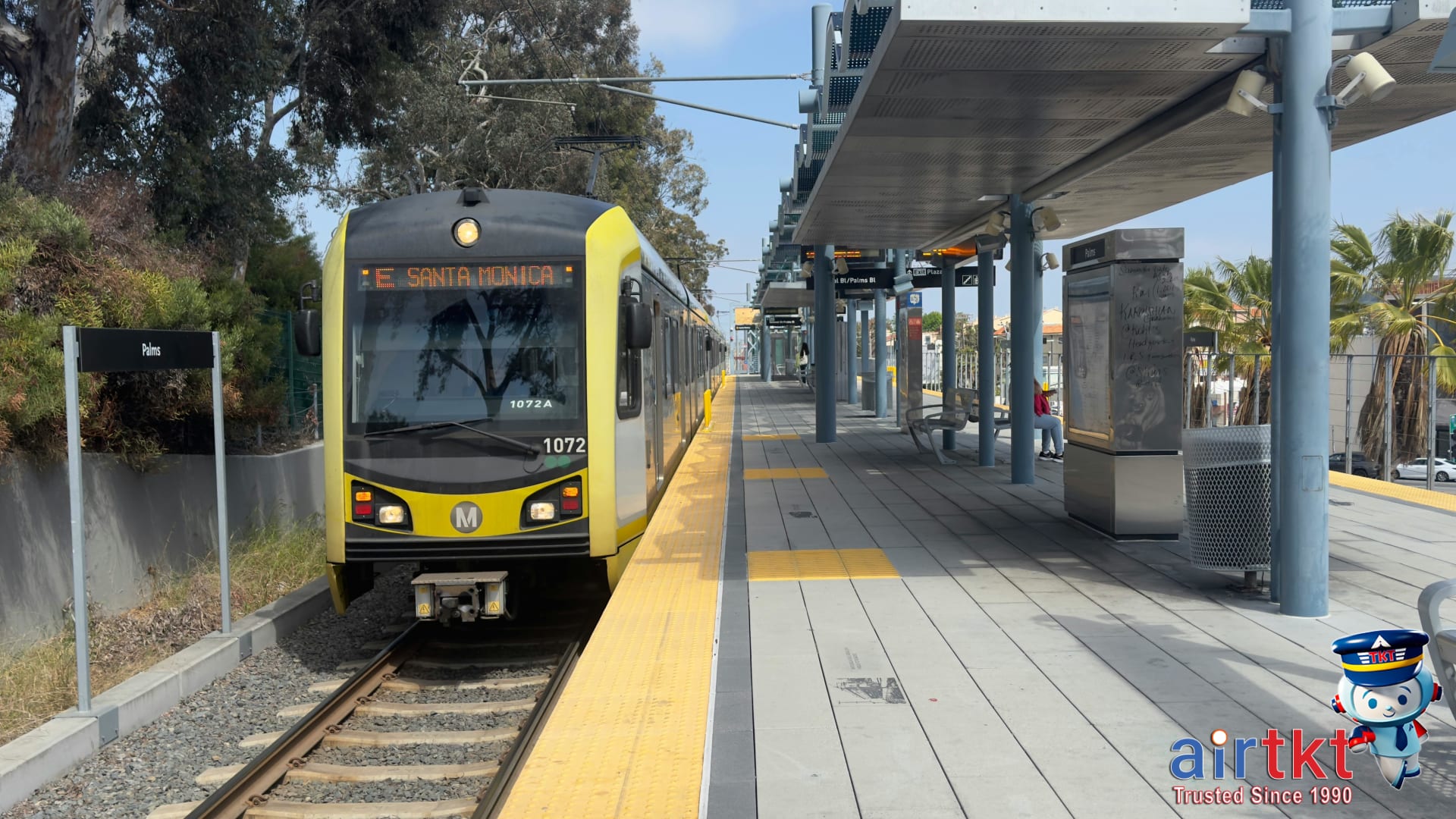
Los Angeles can feel enormous, but the Metro Rail system makes the city much more manageable. The network includes six main rail lines: Red and Purple (subways), and Gold, Blue (now called A Line), Expo (E Line), and Green (light rails). These lines connect key districts like Hollywood, Downtown, Culver City, Long Beach, Santa Monica, and Pasadena, with Union Station serving as a central hub for easy transfers.
I’ve found that using the Metro Rail is one of the fastest ways to skip LA’s notorious traffic and reach places like Downtown or Hollywood, especially if you’re heading out for major events or exploring several neighborhoods in one day. There’s a learning curve, but you’ll save a surprising amount of time when you skip the freeways during rush hour.
Buying And Using TAP Cards
Before hopping on a train, you’ll need a TAP card—LA’s reusable fare card. You can buy one from vending machines at every major station. Just tap your card at the platform gates before boarding. Reloading is straightforward: use cash or card at the station, or add fare through the TAP app if you prefer planning ahead. Generally, a single ride is about $1.75, and day passes cost around $7.00, so it’s budget-friendly if you’re riding more than a couple times a day.
When And Where To Ride Safely
While the Metro Rail is convenient, timing and route choice matter. Peak hours are roughly 7–9 a.m. and 4–7 p.m. on weekdays, when trains fill up with commuters. If you’re new to the system, I recommend traveling outside these windows. Some subway tunnels—especially certain stretches on the Red and Purple Lines late at night—can feel less comfortable if you’re alone. Stick to well-lit platforms and consider riding above-ground light rail lines after dark for more peace of mind. It’s always a good idea to check the Metro website for any service updates or maintenance, as schedules sometimes change.
For visitors planning to fly into the city and use the rail system, you can browse airtkt.com for the latest flight options to Los Angeles. It’s a handy first step as you map out your trip and public transit connections.
Getting Around With LA Metro Buses
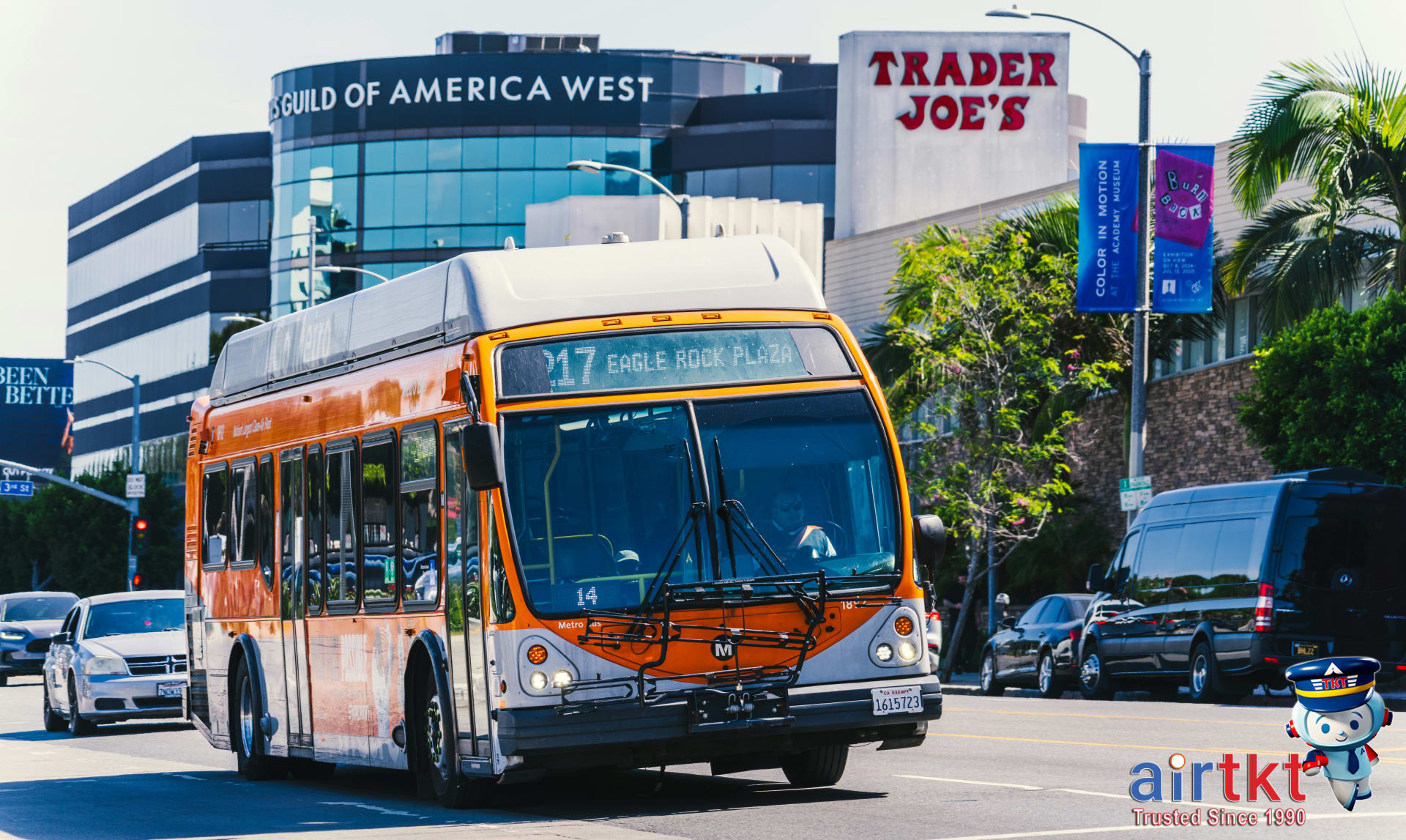
LA Metro buses reach corners of the city that the rail system simply doesn’t cover, making them a smart tool for exploring everything from major attractions to neighborhood gems. With hundreds of routes throughout Los Angeles, the bus network picks up where the Metro Rail leaves off, offering reliable alternatives for those last-mile connections—especially useful when destinations lie blocks or miles away from any train station.
I learned—after planning a few overly ambitious train-only itineraries—that combining Metro bus routes with the rail lines saves a surprising amount of time and walking. If you’re headed somewhere like Griffith Park or the Getty Center, for example, a bus leg will likely be part of your journey. The seamless transfer between bus and rail is straightforward, and if you’re using a TAP card, there’s no need to worry about separate payments; just tap on each mode as you go.
Metro Bus Frequency And Planning
Most Metro Rapid and major Local routes arrive every 10–20 minutes during peak times, while some community lines run less frequently, especially at night or on weekends. I’d always check the next scheduled arrival with a real-time tracking app rather than assuming the bus will match the printed timetable—this simple habit has saved me from long curbside waits and missed connections more than once.
If you’re mapping out your day, use the Metro Trip Planner or, even better, the Transit app for up-to-the-minute updates and route suggestions. The buses supplement the rail system effectively, making it possible to reach further-flung museums, markets, and neighborhoods without an expensive rideshare. This is especially handy if your accommodation isn’t close to a rail stop or you want the flexibility to hop between joints without heading back downtown.
For travelers wanting local tips and more ways to streamline their trip across Los Angeles, there’s a dedicated city guide on airtkt.com with recommendations tailored to all sorts of interests and neighborhoods.
Smart Rideshare Strategies in LA

Rideshare services like Uber and Lyft really shine in Los Angeles, especially when you’re navigating neighborhoods that aren’t well connected by Metro or traveling during late-night hours. In my experience, rideshare becomes the better option when I’m heading home after public transit stops running or venturing to a part of the city where buses are infrequent. Rideshare apps provide the flexibility LA’s spread-out layout sometimes demands—and door-to-door convenience after a long day can be worth the extra cost when you factor in time and safety.
When Rideshare Makes Sense
LA is notorious for its sprawling geography and variable public transport coverage. If you need to get somewhere that’s miles from the nearest subway stop or you’re out after midnight, rideshares often fill the gaps. It’s also practical if you’re traveling with friends and can split a fare, making the ride more economical.
How to Save on Rideshare
I’ve found that choosing carpool or “shared” rides can cut costs significantly—especially during non-peak times. Ordering a ride just before or after peak commute hours can shave a few dollars off the trip, since LA’s surge pricing can sneak up on you after events or during rush hour. Before booking, I always check for promo codes within the app, as new user or limited-time discounts pop up often. One small but effective habit is confirming both apps for pricing before committing, since fares can vary across platforms.
Surge Pricing and Promo Codes
It pays to keep an eye on surge pricing—which is triggered by high demand. If you can wait ten or fifteen minutes, fares sometimes drop back toward normal. Always check for any available promo codes in your account before you book. Entering a bonus code can bring a ride from pricey to reasonable, especially during major city events.
Combining Rideshare and Public Transit
One clever approach is using public transport for the “long haul,” then hailing a rideshare for the last leg. This combo tends to be far cheaper than taking a car the entire way, especially when traveling from the airport or for destinations just beyond easy transit access. If you’re tempted to rent a car and want another flexible option, check out airtkt.com for affordable car rental deals in LA.
Budgeting For LA Transportation Costs

Knowing what to expect from Los Angeles transport—and factoring it into your travel budget—can help you avoid last-minute surprises. Here’s a breakdown of typical daily costs for accommodation, food, transport, and activities across three common travel budget tiers. I like to see how public transit compares to rideshare or car rentals, since this is where the biggest cost gaps show up for most visitors.
| Budget | Mid-range | Luxury | |
|---|---|---|---|
| Accommodation | $45.00 | $130.00 | $390.00 |
| Food | $22.00 | $60.00 | $200.00 |
| Transport | $8.00 | $32.00 | $100.00 |
| Activities | $20.00 | $60.00 | $210.00 |
How Transport Fits Your LA Budget
If you’re keeping expenses in check, public transit is the backbone of a realistic LA budget. A fixed daily fare using Metro buses and rail lines runs around $8.00 when you use a multi-day pass, which adds up noticeably less than even basic rideshares—where a single short trip can rival a whole day of bus and subway rides. For those with more flexibility or aiming for convenience, mid-range travelers might divide spending between day passes and the occasional rideshare or car rental, especially if planning longer day trips or heading to places where buses don’t reach frequently. The luxury bracket often factors in daily car rentals or more regular rideshares, which is reflected in the much higher daily estimate above.
Save With Multi-Day Transit Passes
I usually recommend multi-day Metro passes to travelers who expect to use public transit more than a couple of times per day, especially if you’re visiting for three days or longer. Not only do you sidestep the hassle of cash fares, but you also lock in savings compared to paying for each ride individually. If your LA plans spread from Santa Monica to Hollywood, I’d compare the all-in cost of getting a three- or seven-day TAP card to see which pass covers your must-see list for less.
It helps to mix modes: even a couple of longer rideshare trips paired with all-day bus and subway travel won’t blow your budget. Planning ahead lets you see when a fixed-rate pass makes more sense versus the convenience of a private ride, something I always check before finalizing my own travel plans.
Planning Your LA Public Transit Routes

Getting around Los Angeles on public transit can feel overwhelming at first, but I’ve found that using a combination of Google Maps and official Metro apps takes a lot of stress out of the process. The key is knowing how to blend Metro rail, buses, and rideshare services for the route that’s right for you—especially since LA’s sprawling layout often means no two trips look exactly alike.
Using Apps for Smarter Planning
Start with Google Maps: tap the “Transit” icon after entering your start and end points to view Metro rail and bus routes all in one place. I typically toggle on the transit layer and let the app suggest several options, including walking directions to and from stations. The LA Metro official app and third-party transit apps can also help by showing real-time updates, estimated arrival times, and alerts about service changes. Double-checking both helps avoid last-minute surprises.
Mixing Metro, Bus, and Rideshare
Most days, you’ll want to combine travel modes. For instance, when I need to get from Hollywood to Santa Monica, I usually start on the Metro Red Line, transfer to a bus near Downtown, and catch a rideshare for the last leg if my final stop is far from a transit station. Planning each step beforehand ensures I’m not left scrambling at the transfer point, especially if weather or crowds add unexpected delays. If you’re tackling LA for the first time, I’d recommend comparing a route with just Metro against one that mixes in a bus or rideshare—you’ll usually save both time and money by adapting to the realities of LA traffic.
Timing Your Trips to Avoid Delays
I make it a habit to check my route at a few different times before I go—transit schedules can shift a lot during rush hour or late at night. If your day is flexible, try planning your trips for mid-morning or early afternoon; you’ll often avoid packed trains and lengthy bus waits this way. Also, factor in a little buffer time if you need to arrive somewhere on schedule, as LA’s network can be unpredictable when events or construction pop up.
If you’re looking for more in-depth advice on using LA’s system, I’d check any dedicated local transit guides featured elsewhere on the site, especially for major events or visitor itineraries.
Accessibility on LA Metro and Buses
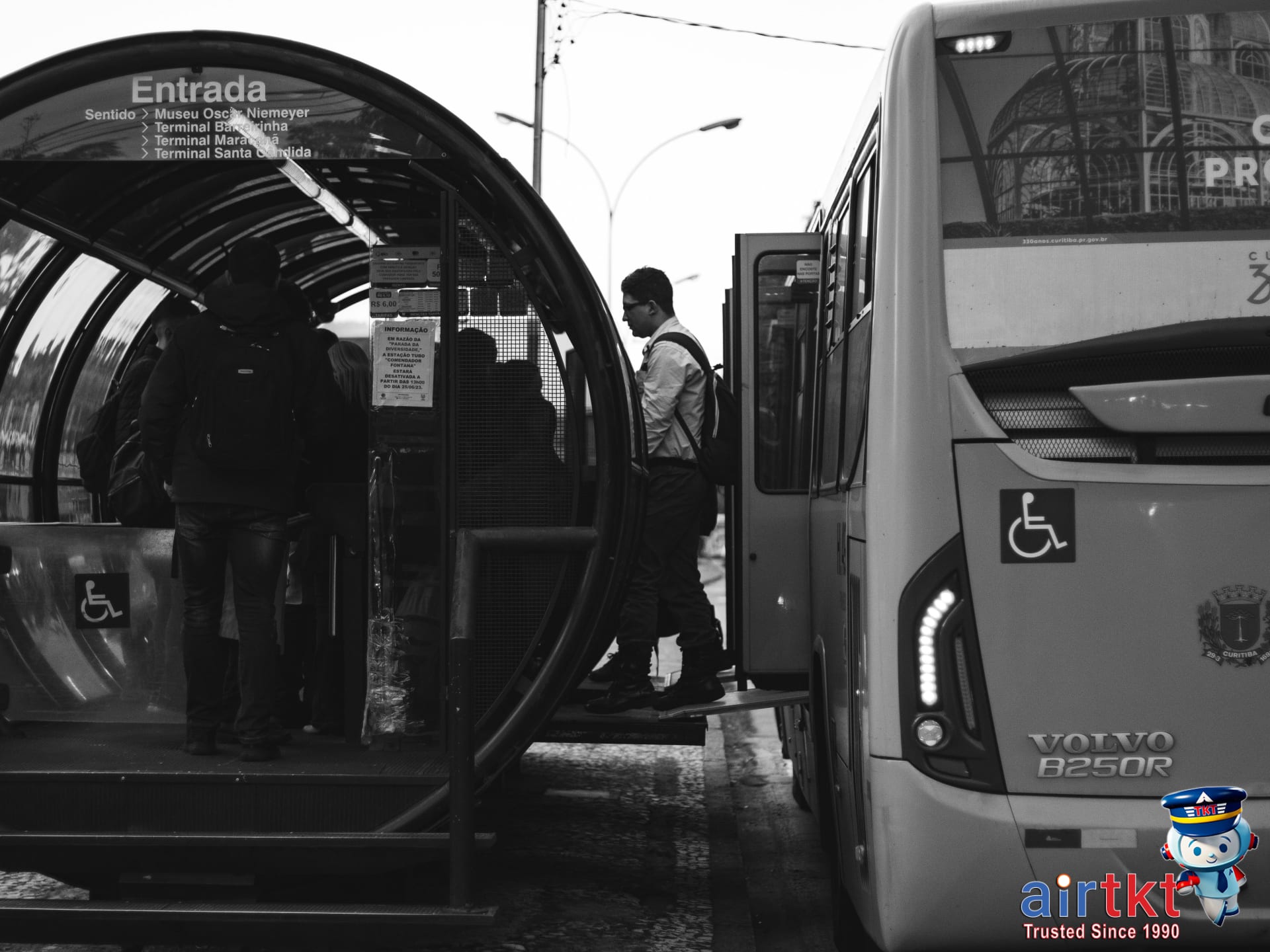
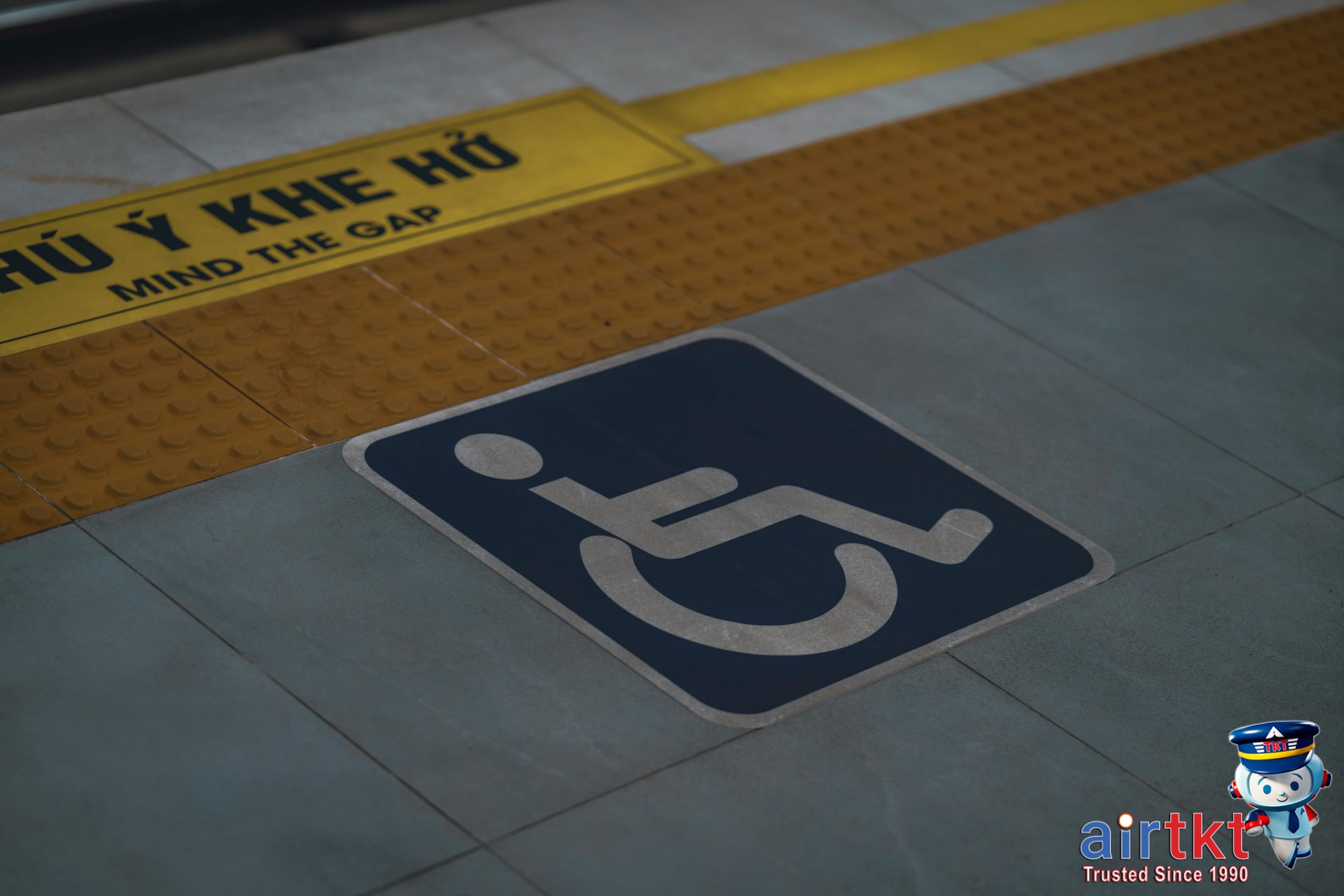
Los Angeles Metro has made genuine strides in supporting travelers with disabilities and mobility needs. All Metro Rail stations are built with elevators, ramps, and detectable warning surfaces for those using wheelchairs, walkers, or canes. Metro buses have low floors, deployable ramps, and priority seating near the front doors, making it possible for most mobility devices to board without issue. Priority seating is clearly marked to help travelers who need it.
If you need a little extra help—say, with a wheelchair or a large mobility scooter—I recommend confirming your route’s accessibility features ahead of time. Metro’s customer service team can answer questions about station layouts and bus accessibility, and they can also provide information about temporary elevator outages. I once took the extra step to call Metro before traveling with a friend who uses a power wheelchair, and I found their staff refreshingly responsive and practical. We planned station changes to avoid elevator repairs and got tips for the smoothest bus boarding process.
To double-check your travel plans, you can contact Metro’s accessibility hotline or look up station details online. If you’re flying in from out of town, a quick call can eliminate any guesswork and help coordinate smooth transitions between airport transit lines and local buses.
It’s reassuring to know that Metro operators are trained to assist with ramp deployment and can help you get settled in priority seating. If you need more structured advice, many travelers find practical mobility tips in the travel resources at airtkt.com, especially when combining transit with flights or accommodations. Overall, planning ahead will help you feel welcomed and supported while relying on LA’s public transportation system.
Staying Safe on LA Public Transit
Los Angeles public transit can be a convenient way to get around, but it pays to prioritize your safety whether you’re on a Metro train, bus, or using a rideshare app. Most travelers experience uneventful journeys, but there are a few common sense habits I always use to avoid unnecessary risks—especially during late hours or when traveling alone.
General Tips Across Metro and Buses
For Metro rail and buses, I usually plan my trips for daylight hours when there are more riders around. Staying in well-lit, busier areas at stations or stops helps minimize solo time. Once on board, I keep my bag zipped and held securely—nothing grabs attention faster than a wallet or phone casually displayed. I recommend sitting near the driver or conductor when possible, and never leaving your bag unattended at your feet.
Using Rideshare Apps Safely
When it comes to rideshares such as Uber or Lyft, their built-in safety features really come in handy. I always double-check the car’s license plate and driver’s name before getting in. Most apps offer a “share your trip” feature; I send my live trip status to a trusted contact so someone always knows my location and route in real time. These small steps give me extra peace of mind between destinations.
Caution With Valuables and Personal Space
Keeping belongings secure is a must on busy LA transit routes. While riding, I avoid pulling out cash or expensive electronics. Headphones go in only one ear so I can hear what’s happening around me. If someone makes me uncomfortable or there’s an incident, I exit at the next well-populated stop or seek out Metro staff. These little routines have become second nature for me over time.
If you want more tips, look for our city-specific travel safety guides here on airtkt.com. Every step you take to stay aware on public transit really does add up.
Avoiding Crowds and Rush Hours

If your plans are flexible, traveling on public transit outside the typical rush hours can save you a lot of stress. Most city rail and bus lines reach their peak between 7:00–9:00 a.m. and 4:30–6:30 p.m., when commuters crowd vehicles and platforms. I’ve noticed that hopping on a Metro line just after the morning rush, usually around 9:30 or 10:00 a.m., makes finding a seat and some breathing room much easier.
On busier routes, like those connecting city centers with business or entertainment districts, the difference is noticeable. Early morning and late afternoon trips can feel packed, sometimes forcing you to stand shoulder-to-shoulder. Moving your journey to mid-morning or early afternoon usually means fewer passengers, less waiting, and a more relaxed experience—even on popular lines.
If you’re aiming for a smoother ride, I suggest planning around these peak periods. For sightseeing, shopping, or airport transfers, shifting your schedule by just an hour or two can spare you the bustle. In my experience, platforms are quieter, announcements are clearer, and you don’t have to jostle your way in or out of the train car. I’d also recommend checking the city’s transit or event calendars, as special events or unexpected closures can sometimes cause spikes in crowd levels outside normal times.
For those who prioritize comfort, an off-peak strategy pays off. It also lets you better enjoy the trip—whether it’s for people-watching, reading, or simply winding down. If you’re new to the area, your first travel day is a good time to test out different time slots and see what feels most comfortable for you.
Environmental Impact of LA Transit
Taking public transit in Los Angeles is one of the simplest ways we can cut our own carbon footprint. LA’s Metro trains and buses move thousands daily, reducing the number of private vehicles clogging the city’s already-busy roads. Fewer cars on the road means fewer emissions—public transit is just more efficient. In fact, I’ve noticed that whenever I choose Metro over my car, I spend less time idling in traffic and am doing my part for cleaner city air.
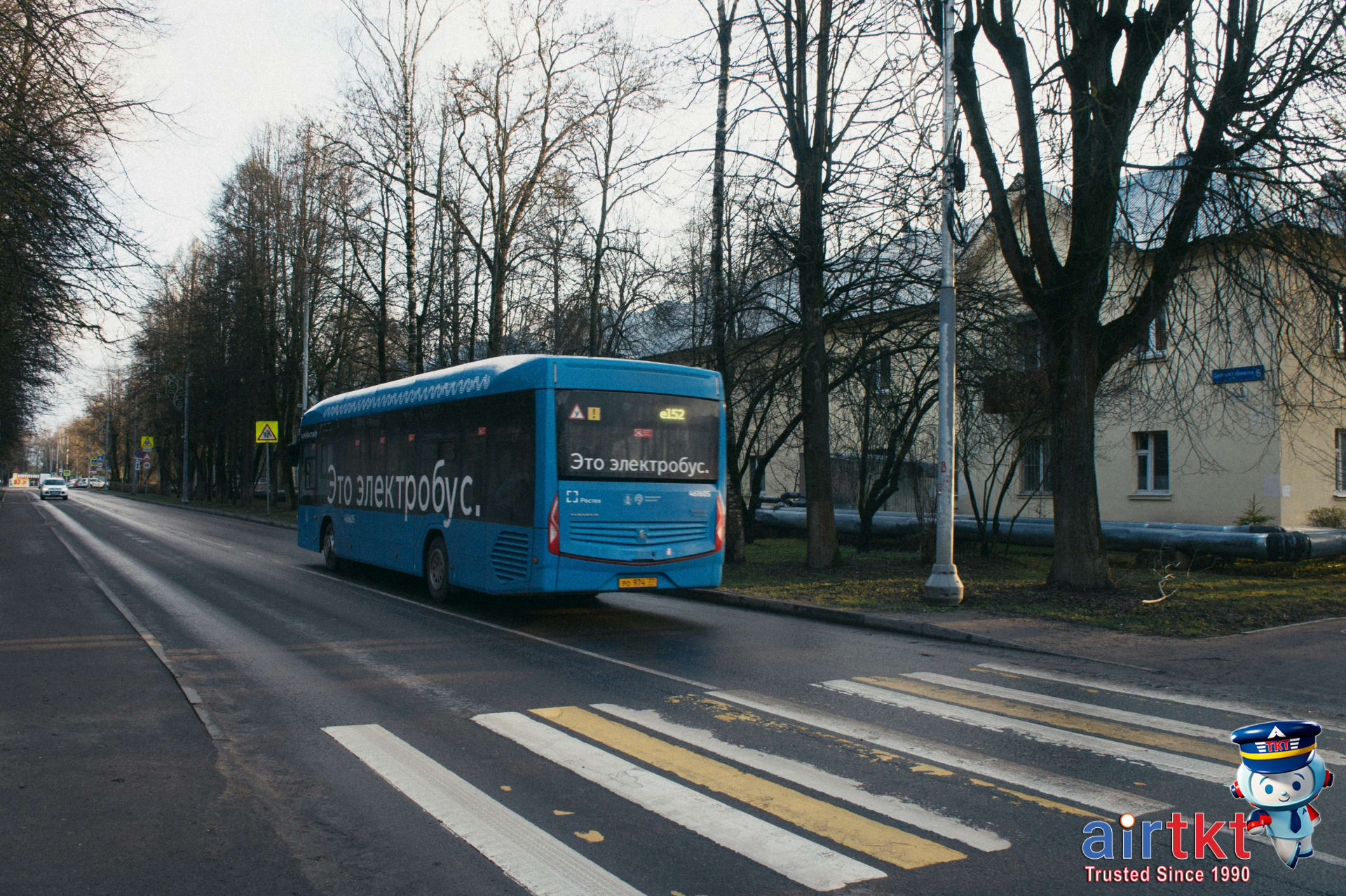
For travelers trying to minimize environmental impact, making the shift from car rides to Metro services or electric buses really does add up. Metro trains are electric, and more of LA’s buses now run on electricity or alternative fuels. That’s a big improvement over single-occupancy vehicle trips, which account for a large percentage of urban emissions per passenger. I usually recommend checking public transit options before defaulting to a rental car—especially if your trip keeps you within LA’s central areas where Metro coverage is strong.
Electric Rideshares Support Sustainability
These days, even rideshare apps in LA offer electric vehicle (EV) options. If you need to take a rideshare, look for “green” or “electric” car choices on the app. This is a small change but can lower your trip’s emissions, especially compared to a traditional rideshare or taxi. Choosing these options, or combining them with Metro, is an easy way to travel more lightly. I find it reassuring that LA’s growing commitment to electric rideshares shows real progress toward cleaner city travel.
If eco-friendly travel is important to you, it’s worth checking out some dedicated resources on airtkt.com—their eco-friendly travel guides highlight more sustainable options in cities like LA and beyond.
FAQs on Los Angeles Public Transport
- How do I buy Los Angeles public transport passes?
You can buy a TAP card, which is used for Metro buses and trains, at ticket vending machines in Metro stations, many convenience stores, and online through the official TAP website. Loading value or passes onto the card is straightforward, and staff are usually available to offer help if it’s your first time.
- Is LA public transportation safe at night?
Public transportation in Los Angeles can be used at night, but riders should stay alert, avoid empty train cars, and keep valuables tucked away. If traveling late, I’d recommend sitting near the driver or in cars with other passengers for added peace of mind. Most stations are equipped with security cameras.
- Can I use rideshare apps with public transit?
Yes, you can easily connect rideshare apps such as Uber or Lyft with Metro trips, especially when traveling to or from stations not close to your destination. Consider using scheduled pickups for smoother transfers, and rideshare pooling can help lower your costs if timing isn’t too tight for your plans.
- Are LA Metro buses and trains wheelchair accessible?
Most LA Metro buses and trains are wheelchair accessible. Vehicles typically feature low floors or ramps, and stations often include elevators and tactile paving for those with mobility and visual needs. Service animals are permitted, but always check for route-specific updates before you travel to avoid unexpected barriers.
- Where can I plan my Los Angeles transit routes?
The Metro Trip Planner on the Metro website is helpful, or use apps like Google Maps for comprehensive route planning across LA. These tools factor in real-time arrivals, service changes, and multiple modes including Metro, DASH, and connecting buses, simplifying your day’s itinerary and reducing transfer confusion.
- How do I pay for a single Metro ride?
Paying for a single ride involves tapping your loaded TAP card at the gate or farebox before boarding. If you don’t have one, ticket machines at stations sell TAP cards pre-loaded for immediate use. Cash fares on buses are accepted but having exact change is recommended to avoid any boarding delays.
- What should I do if my TAP card is lost?
If your TAP card is registered online, you can report it lost and transfer the remaining balance to a new card for a small fee. If unregistered, unfortunately, balances usually can’t be recovered. It’s worth registering your card for peace of mind and to simplify resolving these issues if they arise.
Key Takeaways On LA Transit Choices

Wrapping up, public transportation in Los Angeles—whether it’s the Metro rail, city buses, or reliable rideshare—proves you don’t need a car to explore the city affordably. I’ve found that riding LA Metro or hopping a well-timed bus is often faster and much less stressful than dealing with notorious LA traffic behind the wheel. The Metro gets you across stretches of the city for about $2.00 per ride, and combining that with a rideshare, for neighborhoods not directly on the transit lines, gives you both flexibility and savings.
The biggest advantage here is cost-effectiveness; compared to parking fees and high gas prices, you’ll keep more of your travel budget for food, attractions, and unique LA experiences. Plus, the frequent service on main Metro and bus routes makes them suitable for spontaneous city exploring. I’ve been genuinely surprised by how accessible and convenient the whole network feels—especially once you get comfortable using transit apps for live schedules and quick trip planning.
If you want to maximize your time (and minimize headaches), I’d definitely recommend using a combination of transit modes. Downloading mobile apps like Metro’s official Trip Planner or ride-hailing services really streamlines the process, so you always know your next step, even if service changes or traffic pops up. You can also find more guidance and trip-planning tips through airtkt.com if you’re coordinating your flights and hotel alongside your local LA travel.
Once you experience LA’s transit options firsthand, you may discover—as I did—that getting around this sprawling city is more straightforward than its reputation suggests. All it takes is a little planning and a willingness to try out the system for yourself.