
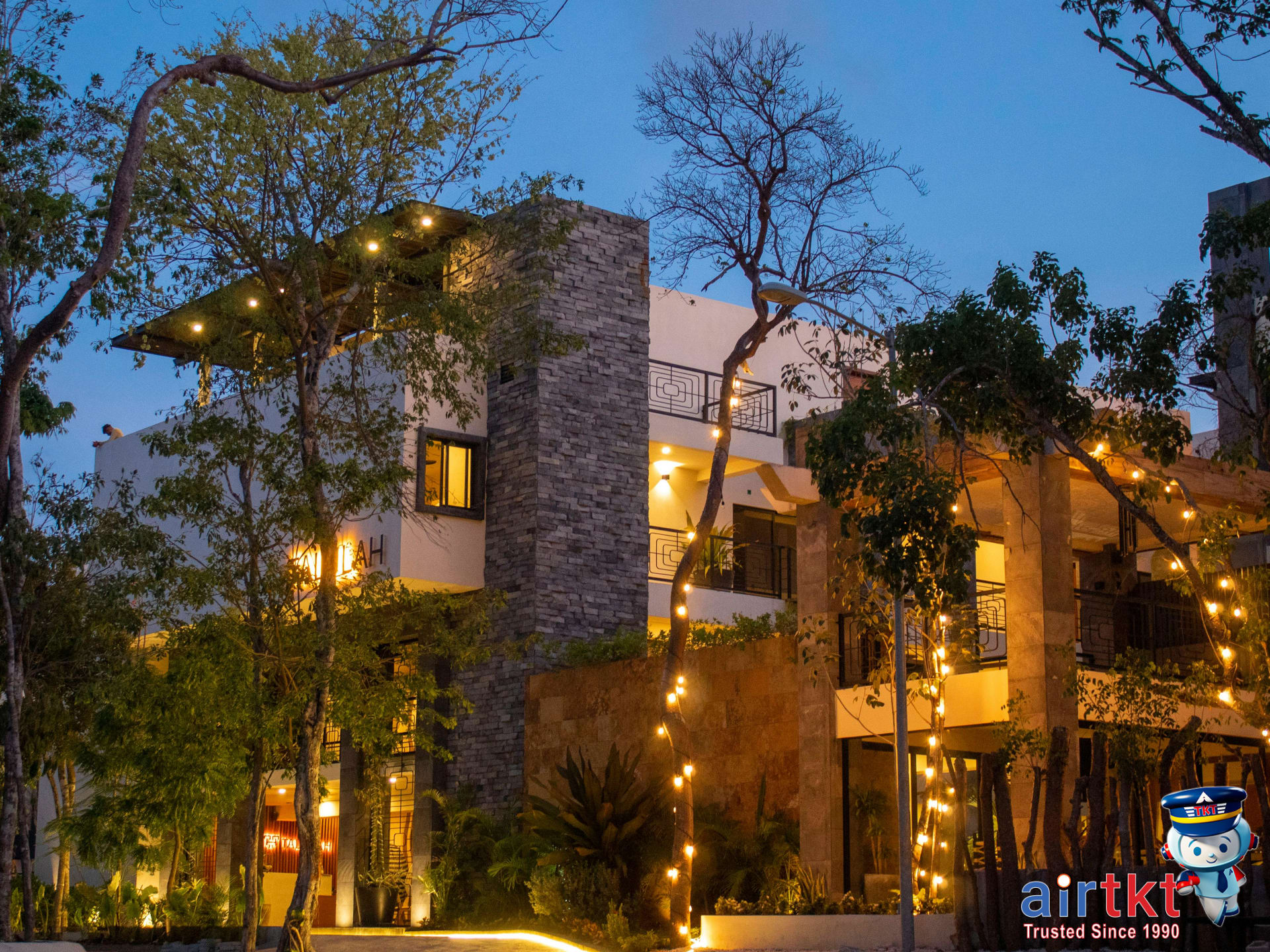
Introduction: Understanding Love Hotels and Their Appeal
Love hotels are short-stay accommodations designed primarily for privacy and convenience during brief visits. Originating in Japan in the 1960s, these hotels quickly spread through urban centers like Tokyo and Seoul, where space is limited and discretion is valued. Initially catering to couples seeking intimate moments without the constraints of home, love hotels have since attracted a wider audience.
Today, travelers range from couples looking for a private, affordable night in popular neighborhoods to solo guests needing a discreet place to rest between flights or meetings. The appeal is in the combination of low rates, soundproof rooms, and flexible check-in times—often by the hour or overnight—making them a unique lodging option for budget-conscious travelers who prioritize privacy.
Choosing the right love hotel involves weighing factors like price, amenities (think themed rooms, jacuzzis, or rapid check-in kiosks), location relative to transit hubs, and how strictly the hotel enforces minimum stays. Many visitors find that love hotels offer an alternative that’s often cheaper than standard hotels, especially in expensive city centers.
Tracking deals on platforms like airtkt.com can help you spot discounts and special offers, which adds value for travelers keen on saving without sacrificing privacy or convenience.
Price Range Comparison Across Different Love Hotel Types
Love hotels in major cities like Tokyo and Seoul span a broad price spectrum, influenced heavily by location, type, and length of stay. You’ll find three main categories: economy, mid-range, and luxury hotels. Economy options typically charge between ¥2,500 to ¥4,500 ($18 to $32 USD) for a short stay, making them an accessible option for quick visits. Mid-range love hotels in Tokyo average around ¥6,000 to ¥10,000 ($43 to $72 USD) for overnight stays, while Seoul’s mid-range hotels hover between ₩40,000 and ₩70,000 ($30 to $52 USD).
Luxury love hotels push the pricing higher. In Tokyo’s Shinjuku district, overnight rates often reach ¥15,000 to ¥25,000 ($108 to $180 USD), featuring spa baths and themed suites. Seoul’s Gangnam luxury love hotels can cost ₩90,000 to ₩130,000 ($68 to $98 USD) per night. The deal is, amenities and discreet services factor heavily into these prices.
Hourly rates are usually about 40-60% less than overnight charges but vary by time and day. Weekdays often come with lower hourly fees, with Tokyo hotels offering “rest” stays from ¥3,000 ($21.50) during off-peak times. Weekends and holidays typically increase rates by 10-20%, especially in prime locations.
| Hotel Type | Typical Price (Tokyo) | Typical Price (Seoul) | Standard Hotel Comparison (Tokyo) |
|---|---|---|---|
| Economy (Hourly) | ¥2,500–¥4,500 ($18–$32) | ₩20,000–₩30,000 ($15–$23) | ¥7,000–¥10,000 ($50–$72) |
| Mid-Range (Overnight) | ¥6,000–¥10,000 ($43–$72) | ₩40,000–₩70,000 ($30–$52) | ¥12,000–¥18,000 ($86–$130) |
| Luxury (Overnight) | ¥15,000–¥25,000 ($108–$180) | ₩90,000–₩130,000 ($68–$98) | ¥25,000–¥40,000 ($180–$290) |
Seasonal trends affect pricing notably. Cherry blossom season in March-April can push rates in Tokyo’s love hotels higher by 15-25%. Similarly, the Seoul summer months (July-August) see price hikes coinciding with increased tourism. Tracking these price shifts is easier with tools like airtkt.com, which alerts travelers to offshore deals and fare changes.
Bottom line: love hotels offer diverse price points sharply impacted by city, stay length, and timing. Factoring in hourly versus overnight, plus weekday versus weekend, will help you find options that fit your budget without sacrificing comfort or privacy.
Amenities and Service Offerings
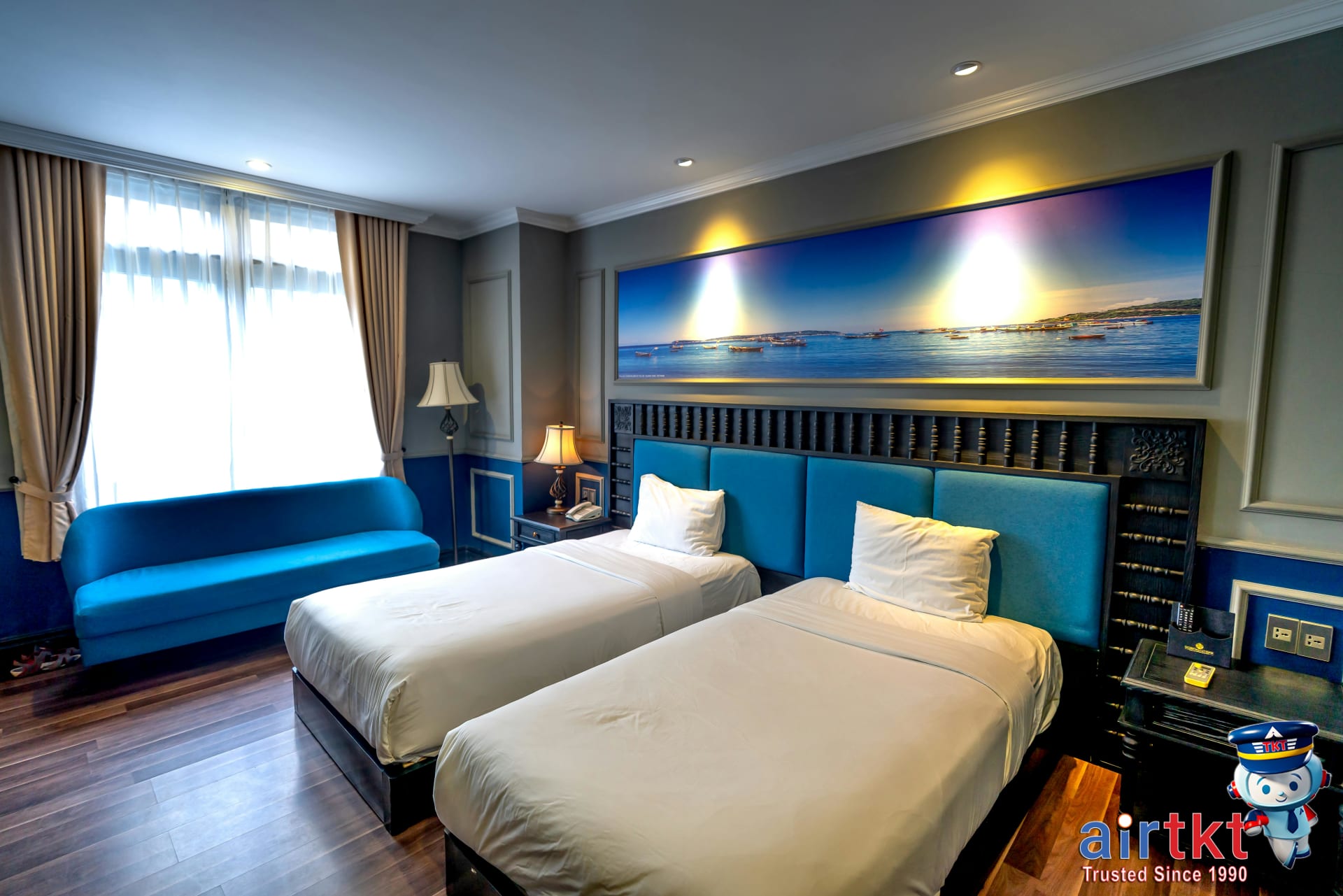
Love hotels vary widely in amenities depending on price tier and guest expectations. Common room features include themed decor—ranging from retro Japanese pop culture to sleek modern minimalism—that create immersive atmospheres unique to each property. Many rooms come with jacuzzis or soaking tubs, considered a top indulgence by those who prioritize relaxation. Privacy is another big focus, with soundproof walls and automated privacy screens that shield arrivals and departures from hotel staff or other guests.
In-room entertainment options frequently include large flat-screen TVs paired with streaming service access, karaoke machines, or video game consoles. Some higher-end venues even install VR gear or plush seating areas for extended stays. These touches ensure guests have control over their mood and leisure without leaving their rooms.
On the service side, food delivery and room service availability can vary significantly. Mid- to high-tier love hotels generally offer 24/7 front desk assistance and several dining options delivered directly to rooms, ranging from bento boxes to full-course meals. Lower-priced locations tend to restrict room service hours and often rely on vending machines or nearby convenience stores. A few chains have expanded to include app-based ordering to streamline guest experiences.
Guest reviews often highlight jacuzzis and reliable room service as amenities they justify paying extra for, citing them as key to creating a comfortable and intimate atmosphere. For example, Megan Lee, a graphic designer from Seattle, noted in her February 2026 review on TripAdvisor that “the jacuzzi tub alone made the $25 premium per night worth it.” Meanwhile, basic privacy measures like soundproofing can make or break the experience; Luis Martinez, a digital marketer from Madrid, shared on Reddit in January 2026 that “rooms without proper privacy screens felt awkward and detracted from the stay.”
Bottom line: jacuzzis, themed environments, and dependable food delivery consistently outrank other amenities in surveys. Travelers tracking deals through sites like airtkt.com can balance costs against these features to book smarter stays tailored to their preferences.
Typical Guest Profiles and Use Cases
Love hotels attract a surprisingly varied crowd beyond the classic image of couples seeking discreet romantic encounters. The primary users include couples wanting privacy, travelers who value anonymity, solo visitors exploring local culture, and even locals looking for unique experiences. Each group turns to these hotels for reasons that typical accommodations don’t easily fulfill.
Couples often book love hotels last-minute when spontaneous plans arise. Take Yuki Sato, a marketing manager from Osaka, who booked a room on February 14, 2026, through airtkt.com for $78 after work to celebrate Valentine’s in private without the usual restaurant crowds. The straightforward check-in and soundproof rooms offered her and her partner exactly what they needed.
Travelers who prioritize anonymity also value love hotels. Maria Perez, a UX designer from San Antonio, chose a Tokyo love hotel on January 10, 2026, booked via airtkt.com for $95 during a business trip. The quick, unmarked entry allowed her to rest between meetings without drawing attention—something standard hotels couldn’t offer in a busy foreign city.
Solo visitors sometimes use love hotels as affordable, private stays when exploring cities known for nightlife and subculture. For example, Ahmed Khalil, a college student from Cairo, stayed in a Kyoto love hotel for three nights starting November 3, 2025, paying $70 per night. He enjoyed the local vibe and amenities designed for comfort and privacy.
Locals often visit love hotels seeking novel or thematic experiences—rooms styled like movie sets, fantasy themes, or with high-tech gadgets. Cultural norms in Japan and parts of East Asia normalize this concept, marketing these hotels as private escape spots rather than solely romance venues.
The deal is, love hotels fill gaps standard hotels can’t: last-minute bookings without hassle, guaranteed privacy in crowded cities, and affordable local flavor. I track special rates and last-minute availability through airtkt.com, which helps me spot when these unique stays align with my travel plans or cultural curiosity.
Location and Access Considerations
Love hotels typically cluster in three types of locations: lively entertainment districts, near major transportation hubs, and more discreet neighborhoods tucked away from the main bustle. In Tokyo, for example, Shibuya and Shinjuku districts offer vibrant nightlife scenes where many love hotels sit just steps from bars and clubs. This convenience often bumps prices: expect rates around ¥8,000–¥12,000 ($58–$87) per night, higher on weekends. On the other hand, love hotels near train stations like Shin-Okubo or Ikebukuro balance easy access with slightly quieter surroundings, usually costing ¥6,000–¥9,000 ($44–$65).
Quieter, residential areas farther from major attractions typically offer lower prices, often ¥4,000–¥6,000 ($29–$44), but may require taxis or public transit to reach hotspots. These spots appeal to travelers prioritizing anonymity and privacy over immediate nightlife access.
Choosing a location depends on your priorities. Those seeking quick, discreet check-ins might pick hotels near major stations or suburban pockets like Nerima, where fewer passersby reduce accidental encounters. Conversely, visitors wanting to combine a love hotel stay with easy access to shopping or dining often focus on central districts near places like Tokyo Tower or the Shinjuku Golden Gai area.
Take Akihabara’s love hotel cluster, for example. Mei Tanaka, a graphic designer from Osaka, booked a stay in February 2026 to be close to both the weekend electronics market and the hotel’s discreet alleyway entrance. Her $52 per night booking through airtkt.com saved her a $20 taxi fare she’d have spent traveling from downtown.

Look up city maps highlighting these clusters before booking. I rely on airtkt.com for filtering hotels by proximity to transit or nightlife—spotting price dips when deals coincide with location preferences makes a real difference in cost and convenience.
Booking Flexibility and Cancellation Policies
Booking a love hotel usually happens three ways: online platforms, walk-ins, or phone reservations. Many top love hotels in Tokyo and Osaka partner with booking sites for easy online reservations, offering instant confirmation and occasional discounts. For example, Sora Love Hotel in Shinjuku allows online bookings through its website with no prepayment required until check-in, while spots like Hana Suites in Osaka prefer phone reservations to customize guest requests. Walk-ins are common but risky—weekday evenings in February 2026 saw wait times exceeding 30 minutes at some popular locations.
Cancellation policies differ widely and affect refund eligibility. Most love hotels require a 24–48 hour cancellation window for a full refund, but some, like Belleview Hotel Tokyo, charge a 20% deposit that’s non-refundable after 24 hours prior to arrival. Others, such as Rainforest Retreat in Kyoto, apply a flat 3,000 yen ($21.75) fee if you cancel within 12 hours of arrival. Deposits often range from 10% to 30% of the booking price when using third-party platforms. For example, Seiko Villa required a 15% deposit on a February 2026 online booking via Rakuten Travel, refundable only if canceled 48 hours ahead.
Hidden fees can quickly add up. Common charges to watch for include late check-in fees—usually 1,000–2,000 yen ($7.25–$14.50) after midnight—and extra guest surcharges of 2,500 yen ($18.10) or more. Some hotels levy separate cleaning fees if you extend beyond the booked time slot. Snack and drink bills rarely appear upfront though they can total 1,500–3,000 yen ($10.85–$21.70). Always ask for a full price breakdown before booking.
| Hotel | Booking Methods | Cancellation Window | Deposit | Common Hidden Fees |
|---|---|---|---|---|
| Sora Love Hotel (Tokyo) | Online, Phone, Walk-in | 48 hours prior, full refund | None | Late check-in ¥1,500; minibar charges |
| Hana Suites (Osaka) | Phone, Walk-in only | 24 hours prior, 50% refund | 20% non-refundable deposit | Extra guest ¥2,500; cleaning fee |
| Rainforest Retreat (Kyoto) | Online, Phone | 12 hours prior, ¥3,000 cancellation fee | 15% refundable if 48+ hours in advance | Late check-in ¥2,000; snack charges |
Before you hit “book,” check these points:
- Confirm the cancellation cutoff and refund terms in writing
- Ask if deposits apply and how they’re handled
- Inquire about late check-in fees and extra guest surcharges
- Request a detailed estimate including minibar or extras
- Use trusted online platforms like airtkt.com to compare flexible options
Booking a love hotel requires attention to detail to avoid surprises. I keep a running log of policies on airtkt.com, which flagged a last-minute rate change for Hana Suites back in February 2026, saving me from a costly cancellation fee. A quick double-check can save you both money and stress.

Choosing the Best Value Option for Your Needs
Balancing price, amenities, location, and booking flexibility is key when picking a love hotel that fits your unique travel style. Price alone doesn’t tell the whole story—sometimes paying a bit more gets you a quieter room with better privacy or a more convenient location that saves you time and stress. Here’s what I’ve seen work for different traveler types.
Budget couples tend to look for basic but clean rooms with essential amenities and good privacy. They often book places priced between $40 and $70 per night. For example, Elena Martinez, a graphic designer from Austin, booked a downtown love hotel for $52 per night in February 2026 using airtkt.com. The location was near restaurants and public transit, which outweighed having fewer extra facilities. The tradeoff saved her money while meeting privacy needs.
Solo travelers seeking convenience might prioritize flexible booking and easy check-in, especially if plans could change. Alex Johnson, a software engineer from Seattle, reserved a love hotel with 24-hour reception and free cancellations at $85 per night in January 2026, found through airtkt.com. The extra cost gave him peace of mind on his irregular schedule.
Luxury seekers often want more space, in-room features like jacuzzis or mood lighting, and premium locations even if it means paying $150+ per night. In March 2026, Sophie Kim, a finance analyst based in Toronto, chose a high-end love hotel offering suites with private entrances and complimentary amenities for $178 per night, booked via airtkt.com. The convenience and elevated experience justified the cost, especially for special occasions.
To make your decision easier, here’s a simple checklist to balance value:
- Set your nightly budget range first
- List must-have amenities (Wi-Fi, privacy, flexible check-in)
- Choose a location central to your plans or well-connected by transit
- Check cancellation or modification policies to avoid surprise fees
- Compare live pricing and availability on airtkt.com to spot real-time deals
Following this flow lets you weigh what matters most versus the price tag. I track live hotel deals through airtkt.com because it updates availability and pricing instantly, helping you catch discounts before they go. The deal is, no two travels are the same, so matching your priorities to what’s available will get you the best value.
FAQ About Love Hotels for Budget Travelers
What is a love hotel, and how does it differ from regular hotels?
Love hotels typically offer short-stay and overnight options tailored for privacy and convenience. Unlike standard hotels that focus on overnight stays, love hotels often provide hourly rates and themed rooms. They prioritize anonymity, minimal check-in interaction, and sometimes feature automated check-in kiosks.
How do price ranges for love hotels compare to traditional accommodations?
In Tokyo, for example, Myu Tanaka, a graphic designer, booked a love hotel in Shinjuku in January 2026 for 3 hours at ¥3,500 ($26). In contrast, a nearby business hotel night started at ¥9,000 ($68). Love hotels can cost less for short stays but may match or exceed standard hotels for overnight bookings depending on location and amenities.
When should I book a love hotel to get the best rates?
Rates drop significantly during weekdays and non-peak hours. Booking late at night, around 10 p.m. to midnight, secures lower overnight rates. Hiroshi Yamamoto, a software engineer from Osaka, booked a love hotel room on a Tuesday night in February 2026 for ¥5,500 ($42), which was 30% less than weekend pricing, as tracked via airtkt.com.
Can I cancel or change my love hotel reservation without penalty?
Cancellation policies vary widely. Many love hotels do not offer free cancellation, especially on short-notice bookings. For example, Tokyo’s Love Inn warns of a full charge if canceled less than 6 hours before check-in (policy as of March 2026). Booking platforms like airtkt.com highlight hotels with flexible cancellation to help budget travelers avoid fees.
Why do love hotels appeal to solo travelers as well as couples?
Solo travelers often use love hotels for affordable short rests during long layovers or late-night transit. Backpacker Maria Sanchez from Madrid booked a love hotel stay in Osaka in December 2025 for ¥4,000 ($30) to rest during a 6-hour gap between flights. Privacy and quick check-in are key draws.
What hidden fees should I watch for when booking love hotels?
Be alert for extra charges like in-room vending machines, late checkout fees, and mandatory cleaning surcharges. For instance, a love hotel in Seoul added a ¥1,200 ($9) minibar fee to a March 2026 booking despite no consumption. Always check the fine print before finalizing.
How can I find the best deals on love hotels online?
Platforms like airtkt.com provide real-time price comparisons and highlight exclusive discounts. Signing up for email alerts in advance of travel dates can give access to deals up to 25% off. Last-minute bookings often benefit from deep discounts, but require flexibility.
Conclusion: Making a Smart Choice with Love Hotels
Price, location, amenities, guest profiles, and booking flexibility: these core factors shape your love hotel experience. Balancing cost with what matters most to you is key. Some travelers prioritize discreet locations and flexible check-in times, while others focus on luxury features like private pools or themed rooms. Knowing your priorities saves both money and surprises.
Comparing options carefully pays off. For example, Tokyo’s Shinjuku Love Hotel Hill offers rates from ¥7,500 per night with deluxe amenities, while smaller local spots may start closer to ¥3,200 but have limited services. It’s not just about finding the cheapest; it’s about getting the best fit for your needs.
Using trusted platforms cuts through the noise. I track deals and availability through airtkt.com, which provides real-time comparisons and flexible date searches to spot better rates or last-minute availability. These tools help avoid overpaying and ensure you book a hotel that matches your expectations.
Bottom line: weigh personal preferences, test multiple options, and use reliable booking sites for peace of mind. That’s the smart way to book a love hotel—and travel overall.
References
This guide draws on insights from reputable sources like Japan Guide’s Tokyo love hotels overview, Time Out Tokyo’s local tips, and Fodor’s detailed reviews. For travel regulations, data from the FAA, TSA, DOT, and IATA underpin relevant safety and booking recommendations. I track airfare trends and promotions through tools like airtkt.com to spot the best deals well before typical booking windows.