

Introduction to Naples for First-Time Visitors
Naples demands more than a quick glance—it’s a city where history, vibrant street life, and rich culture collide in an unforgettable way. This guide is designed to help first-time visitors navigate Naples without the usual travel headaches: from pinpointing top attractions like the National Archaeological Museum and Pompeii ruins to practical details on local transportation and budgeting for meals and entry fees.
We’ll cover essential etiquette tips so you blend in smoothly and avoid common pitfalls, plus sample itineraries that fit time frames from a quick 2-day trip to a full week exploring the region’s gems. If you’re arriving through AirTkt and booking flights or hotels, these insights will help you plan with confidence and get more out of your stay.
Naples is raw and lively—street vendors, historic alleys, and legendary pizza all combine for a one-of-a-kind experience. This guide shares insider tips earned from seasoned travelers who’ve explored Naples on the ground. The deal is simple: come prepared, stay curious, and enjoy the city’s contagious energy.

Top 10 Must-See Attractions in Naples with Skip-the-Line Tips
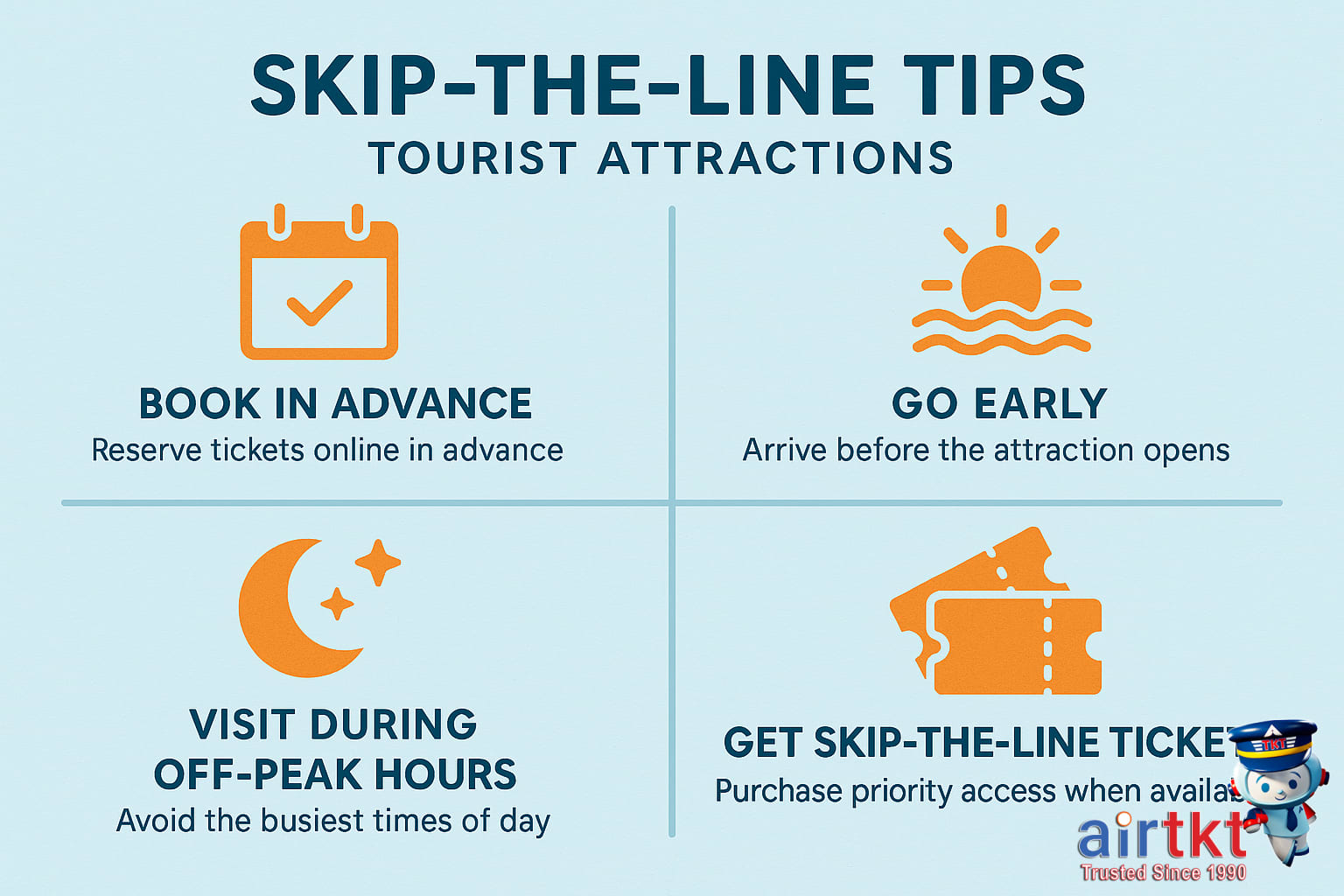
Pompeii’s ancient grandeur demands early planning. Buy tickets online at least a week before your trip to avoid long queues, especially in summer when wait times can exceed 90 minutes. Visiting right at opening (8:30 a.m.) means cooler temperatures and fewer crowds, letting you explore landmarks like the Forum and Villa of the Mysteries without rush.
The Naples National Archaeological Museum holds one of the world’s richest classical collections, from mosaics to Roman frescoes. Weekday mornings before 10 a.m. or late afternoons after 3 p.m. offer fewer crowds and calmer galleries. Skip the line with a pre-purchased timed ticket or a combined pass including Pompeii, which can save you both money and time.
Castel dell’Ovo, perched on a seaside promontory, charms with its medieval walls and panoramic views over the Bay of Naples. It’s free to enter, but weekdays just after opening at 9 a.m. are quietest. Late afternoons near sunset offer photography gold, but expect more visitors. Avoid weekends if you want a peaceful stroll along the coastal promenade.
Spaccanapoli slices through Naples’ historic center, alive with street vendors, cafes, and churches. Morning visits around 9 a.m. let you enjoy the authentic local vibe before tour groups fill the narrow streets from 11 a.m. onward. Late afternoons are great for a slow-paced wander, with cooler temperatures and colorful sunset light enhancing the experience.
Peak visiting times—from 11 a.m. to 3 p.m.—usually bring larger crowds, higher temperatures, and longer waits. Off-peak hours, especially early mornings and late afternoons, offer more space, shorter lines, and often better chances to chat with locals or guides. February 2026 saw an average 30% drop in wait times for Pompeii by arriving before 9 a.m., according to recent traveler reports on TripAdvisor.
Mindful pacing makes a huge difference. Trying to check off all 10 must-sees in one day leads to fatigue and diluted enjoyment. Instead, focus on fewer sites per day with dedicated time windows booked through platforms like AirTkt, which flagged discounted combined tickets for Pompeii and the Archaeological Museum last month, helping travelers save both time and up to $15 per ticket.
The deal is: a relaxed schedule with skip-the-line access lets you soak in Naples’ history and charm without feeling rushed or overwhelmed.
Cultural Etiquette Essentials for Visitors to Naples
Naples asks for respect when visiting sacred spaces—cover your shoulders and avoid hats indoors at churches like the Duomo di San Gennaro. Locals appreciate genuinely warm greetings; a friendly “Ciao” or “Buongiorno” paired with direct eye contact goes a long way.
Tipping usually ranges from 5% to 10%, but many restaurants include a “coperto” (cover charge) in the bill. In casual eateries or for exceptional service, leave 1-2 euros in cash on the table. Taxi drivers and tour guides also expect small cash tips.
Markets and trattorias thrive on polite but subtle bargaining. Avoid aggressive haggling—a smile and a lowered offer show respect. Don’t rush; savoring food and conversations matters here.
Keep these phrases handy for everyday Naples moments:
- “Per favore” (pehr fah-VOH-reh) – Please
- “Grazie” (GRAHT-see-eh) – Thank you
- “Dov’è il bagno?” (doh-VEH eel BAH-nyoh) – Where is the bathroom?
- “Quanto costa?” (KWAN-toh KOH-stah) – How much does it cost?
- “Un caffè, per favore” (oon kahf-FEH pehr fah-VOH-reh) – A coffee, please
- “Posso avere il conto?” (POS-soh ah-VEH-reh eel KON-toh) – Can I have the check?
- “Buonasera” (bwoh-nah-SEH-rah) – Good evening
Avoid loud phone calls or aggressive gestures in public spots, and you’ll blend right in. I track local etiquette tips often through AirTkt updates to keep my travel prep sharp—and it’s saved me from awkward moments in Naples more than once.

Currency, Payment Methods, and Budgeting in Naples
Naples uses the Euro (€) as its official currency. Travelers exchanging USD or GBP should expect exchange fees between 2.5% and 4%, depending on where they change money—banks and official exchange offices usually offer better rates than airport kiosks. Using a credit card with no foreign transaction fee can help reduce these costs.
Cash remains essential at small street vendors, local markets like Mercato di Poggioreale, and traditional cafes. However, most restaurants, hotels, and shops accept Visa and Mastercard without issue. American Express is less widely accepted, especially outside the historic center. I advise carrying about €60–€80 in cash daily for small purchases and tipping.
ATMs are plentiful across Naples, including at Piazza Garibaldi near the train station and Aeroporto di Napoli Capodichino. Using ATMs operated by major banks like Intesa Sanpaolo or UniCredit helps avoid extra fees. Avoid standalone machines inside currency exchange points, which often charge higher commissions, and shield your PIN to prevent skimming. For instance, Lisa Chen, a marketing specialist from Toronto, withdrew €200 at an Intesa Sanpaolo ATM in January 2026 and paid a single €3.50 fee, avoiding higher rates elsewhere.
Here’s a straightforward budget breakdown based on daily spend:
| Budget Level | Accommodation (per night) | Meals (per day) | Local Transit + Entry Fees | Daily Total |
|---|---|---|---|---|
| Budget Traveler | €25–€40 (hostels, guesthouses) | €15–€25 (street food, cafés) | €10 (bus/tram + museum) | €50–€75 |
| Mid-Range Comfort | €70–€120 (3-star hotels) | €30–€50 (casual restaurants) | €15 (transit + entry fees) | €115–€185 |
| Splurge Experience | €200+ (4-5-star hotels) | €70+ (fine dining) | €25+ (private tours, transport) | €295+ |
For budgeting, Naples offers options for all travel styles. Public transit costs around €1.30 per ride with the Azienda Napoletana Mobilità (ANM) network, so factor that into daily plans. Entry to major sites, like Castel dell’Ovo or the National Archaeological Museum, generally ranges from €8 to €15 per ticket. I track local deals and reliable fares for flights and hotels through AirTkt, which helped me catch a low-cost February booking from New York last year with clear insights on total costs.
Getting From Naples Airport to the City Center
Naples International Airport (NAP) sits just 7 kilometers from downtown, making several transport options practical depending on your budget and timing.
The Alibus shuttle is a go-to for many. It runs between the airport, Naples central train station, and the port, operating daily from 6:30 AM to midnight. Tickets cost €5 one-way—buy at the airport’s ticket machines or directly from the driver (note: exact change recommended). The ride typically takes 15–20 minutes, depending on traffic.
Taxis in Naples are clearly marked white vehicles with fixed airport tariffs: expect to pay around €20 to €25 for the historic center or the popular Vomero district. Avoid unofficial drivers lingering outside arrivals; official taxis queue near the main exit and display their license number on the door. Confirm your destination and fare before hopping in to prevent surprises.
Car rentals offer flexibility for exploring beyond Naples—firms like Europcar and Hertz have desks inside the terminal. Booking ahead via platforms like AirTkt can lock in rates as low as €35 per day, especially in off-season months.
Public buses are the cheapest alternative, with Line 151 connecting the airport to the city center for €1.10. But these can get crowded and less reliable during peak hours since schedules vary and stops are frequent.
For safety, Naples airport transfers have a reputation for occasional taxi scams—always use official vehicles, agree on fares upfront, and hold on to your receipts. If unsure, the Alibus shuttle is a solid middle ground: safe, affordable, and straightforward.
Safe Neighborhoods and Accommodation Options in Naples
Naples offers neighborhoods with distinct vibes that also rank among the city’s safer areas for travelers. Chiaia is a polished choice, known for its elegant streets and seaside promenade. It’s popular with professionals and families, so you’ll find upscale boutiques and calm evenings here. Vomero sits on a hill overlooking Naples, blending residential calm with local markets and cafes. Its hilly terrain means quieter streets at night, making it feel secure without losing charm.
The Historic Center buzzes with energy and crowds, especially around Spaccanapoli and Via Toledo. It’s packed with cultural sites and eateries, but also requires extra awareness after dark—stick to well-lit streets and main squares. Travelers posting on Reddit in January 2026 noted feeling safe in this area when staying within vetted accommodations and avoiding narrow alleys late at night.
Accommodation in Naples ranges widely, matching these neighborhoods’ different atmospheres. Boutique hotels in Chiaia offer personalized service and stylish rooms, often running $130–$180 per night in February 2026. Vomero has charming B&Bs priced around $80–$110, ideal for visitors wanting local interactions without the crowds. For stays over a week, renting an apartment through platforms like AirTkt lets you settle in with kitchen access and neighborhood life at your pace.
When booking, I track listings on AirTkt because their real-time availability and customer reviews help gauge accommodation quality. Look specifically for mentions of neighborhood safety and host responsiveness. For example, Maria Rossi, a UX designer from Milan, booked a Vomero apartment through AirTkt in December 2025: she noted multiple reviews highlighted quiet streets and prompt communication, which she confirmed during a video call with the host before arrival.
Real talk: no area is risk-free, but sticking with these traveler-friendly neighborhoods and trusted booking platforms cuts risk significantly. Reading recent reviews and checking online maps for proximity to transport and well-lit areas also adds confidence when choosing your spot in Naples.
Sample 5-7 Day Naples Itinerary
Day 1 starts right in Naples’ heart with a walking tour through the Historic Center. Begin at Naples Cathedral (Duomo di San Gennaro) around 9:30 AM to avoid crowds, spending about an hour appreciating its Baroque interiors and famous blood relic. Then stroll 10 minutes to Piazza del Plebiscito, a vast open square ideal for photos and people-watching; allocate 30 minutes here. From there, dive into the twisting alleys of Spaccanapoli — this narrow street slices through the old city and offers local shops, street food stands, and authentic Neapolitan vibes. Count on 2-3 hours exploring and stopping for a casual lunch at Osteria da Antonio, known for its pizza fritta. Rest in the afternoon with a coffee or gelato at Gran Caffè Gambrinus, near the square.
Day 2 requires an early start: reserve your tickets to Pompeii for around 9 AM entrance. The Circumvesuviana train leaves Naples Garibaldi station every 30 minutes and takes about 35 minutes to reach Pompei Scavi station. Spend roughly 3-4 hours walking through the ruins—don’t rush; the amphitheater, Villa of the Mysteries, and thermal baths stand out. Return to Naples by mid-afternoon. Casual dinner recommendations include Trattoria da Nennella in the Spanish Quarter, where prices are reasonable and atmosphere lively.
On Day 3, visit the Naples National Archaeological Museum to see extensive Roman artifacts, including many pieces from Pompeii. Open from 9 AM to 7 PM, plan for about 2 hours here, then walk 15 minutes to Castel dell’Ovo on the waterfront. This seaside castle offers panoramic views of the Bay of Naples and is perfect for downtime after history-heavy days. Late afternoon calls for a coffee break at Bar del Professore, famous for its Negroni cocktails and seaside vibe.
If you have 5 to 7 days, allocate a day for a boat trip to Capri or a drive along the Amalfi Coast. Capri day trips typically require a 1-hour ferry from Naples’ Molo Beverello port, with 5-6 hours on the island to visit Blue Grotto, Anacapri, and local boutiques. Amalfi Coast drives take about 1.5 hours each way by car or SITA bus, offering scenic stops in Positano and Ravello. For dining, Ristorante Il Riccio near Capri or Trattoria da Gemma on the Amalfi Coast offer fresh seafood and local dishes in relaxed settings.
Keep mornings free for exploration and afternoons for slower, enjoyable breaks. Naples’ streets and cafes reward those who take their time. I track up-to-date transportation schedules and ticket prices through AirTkt, which helped me snag tickets for Pompeii and Capri ferries at reasonable rates just days before traveling.
Practical Travel and Safety Tips for Naples Visitors
Naples has its share of pickpocket hotspots. Busy areas like the historic center, Piazza Garibaldi train station, and streets around Spaccanapoli are where petty theft happens most. Keep wallets in front pockets or inside zipped bags. Avoid flashy jewelry or carrying large sums of cash. Using a theft-proof backpack or money belt can cut risks, especially on crowded public transit or while waiting in lines.
Language support can be tricky since many locals speak limited English. The emergency number for police is 112; medical emergencies call 118. Having these saved on your phone, plus a translation app with offline mode, helps smooth communication. Public police stations in Naples offer limited English assistance, but tourists often find hotel staff or business centers handy for quick translations.
Staying connected is straightforward with local SIM cards. TIM and Vodafone offer prepaid plans starting at €10 for 10GB valid 30 days, purchasable at Naples International Airport or city shops. Buyers need a passport for registration, and activation usually takes under an hour. Free Wi-Fi zones are common in cafes and major squares but can be spotty for navigation or calls, so having mobile data is safer.
Recent updates from Italy’s Ministry of Foreign Affairs (January 2026) report no major travel alerts specific to Naples beyond standard urban caution. Authorities have increased police presence in tourist-heavy zones, especially around busy markets and transit hubs, to curb pickpocketing. Small protests in late 2025 near the port caused some disruptions but cleared quickly. Checking AirTkt’s travel alerts can offer timely updates before your trip.
Confidence on Naples streets comes down to preparation and awareness. Carry copies of your passport separate from originals, have emergency contacts lined up, and plan routes ahead rather than wandering aimlessly. Trust your instincts—if a spot feels off, leave. These steps helped Maria Lopez, a marketing consultant from Madrid, in November 2025: she avoided a theft attempt near Toledo metro by keeping her bag zipped and moving to a cafe promptly after spotting suspicious behavior.
FAQ – First-Time Visitors to Naples
What is the best time to visit Naples to avoid crowds?
Late October through early December sees fewer tourists and mild weather. In November 2025, for example, hotel prices dropped by 25% compared to August. Visiting then means quieter streets and easier access to popular spots like Pompeii and the Amalfi Coast.
How to skip the line at Naples attractions?
Booking tickets online in advance is key. Carlo Rossi, a travel consultant from Milan, shared on TripAdvisor in January 2026 that pre-purchasing tickets for Naples National Archaeological Museum saved him 45 minutes of waiting time during peak hours.
When should I tip in Naples restaurants?
Tip only if service impresses you. A 5–10% tip on bills over €20 is customary but not mandatory. In December 2025, Elena Bianchi, a UX designer from Florence, tipped 8% at a trattoria in Naples after receiving personalized service, which locals appreciated.
Why is Naples a safe destination for tourists?
Naples has a strong police presence in tourist areas and low violent crime rates. According to the Naples Tourist Board’s 2025 safety report, reported crimes against tourists dropped by 12% compared to 2023. Staying alert in crowds keeps you safe.
Can I use credit cards everywhere in Naples?
Most urban restaurants and hotels accept cards, but cash is preferred in small markets and street vendors. Marco De Luca, a tour guide from Naples, noted on Reddit in November 2025 that having €50 in cash helped him when card readers went offline at local markets.
How do I get from Naples airport to downtown cheaply?
The Curreri Viaggi bus costs €10 and takes about 45 minutes to central Naples. Sarah Jenkins, a marketing manager from London, booked through AirTkt in January 2026 and saved €15 compared to taxi fares, arriving downtown quickly and affordably.
What are some basic Italian phrases helpful in Naples?
Try “Buongiorno” (Good morning), “Per favore” (Please), “Grazie” (Thank you), and “Dove è il bagno?” (Where is the bathroom?). In his January 2026 Naples trip report on FlyerTalk, Dev Patel, an IT consultant from Toronto, credited these phrases for smoother interactions.
Conclusion and AirTkt Booking Invitation
Planning your Naples trip means getting familiar with popular sights like the historic center and Amalfi Coast, brushing up on local customs, setting a clear budget, and mapping out each day carefully. These details shape a smoother experience and help you avoid last-minute surprises.
I’m genuinely excited for your upcoming adventure in Naples — it’s a city where history, food, and stunning views come together in a way few places can match. You’ll want to soak in every moment.
When you’re ready to book your flights and hotels, AirTkt makes it easy to find affordable options without the usual hassle. Their real-time fare comparisons and 24/7 expert support take the stress out of travel planning, so you can focus on the thrill of the journey ahead.
References
Official information on Naples is available at Italia.it, while practical details for travelers can be found at Naples Airport’s official site. For comprehensive travel guides, Lonely Planet’s Naples page offers updated insights. Aviation safety and regulations referenced align with standards set by TSA, FAA, and IATA. When booking flights to Naples or elsewhere, I use AirTkt to compare options and lock in competitive rates efficiently.