
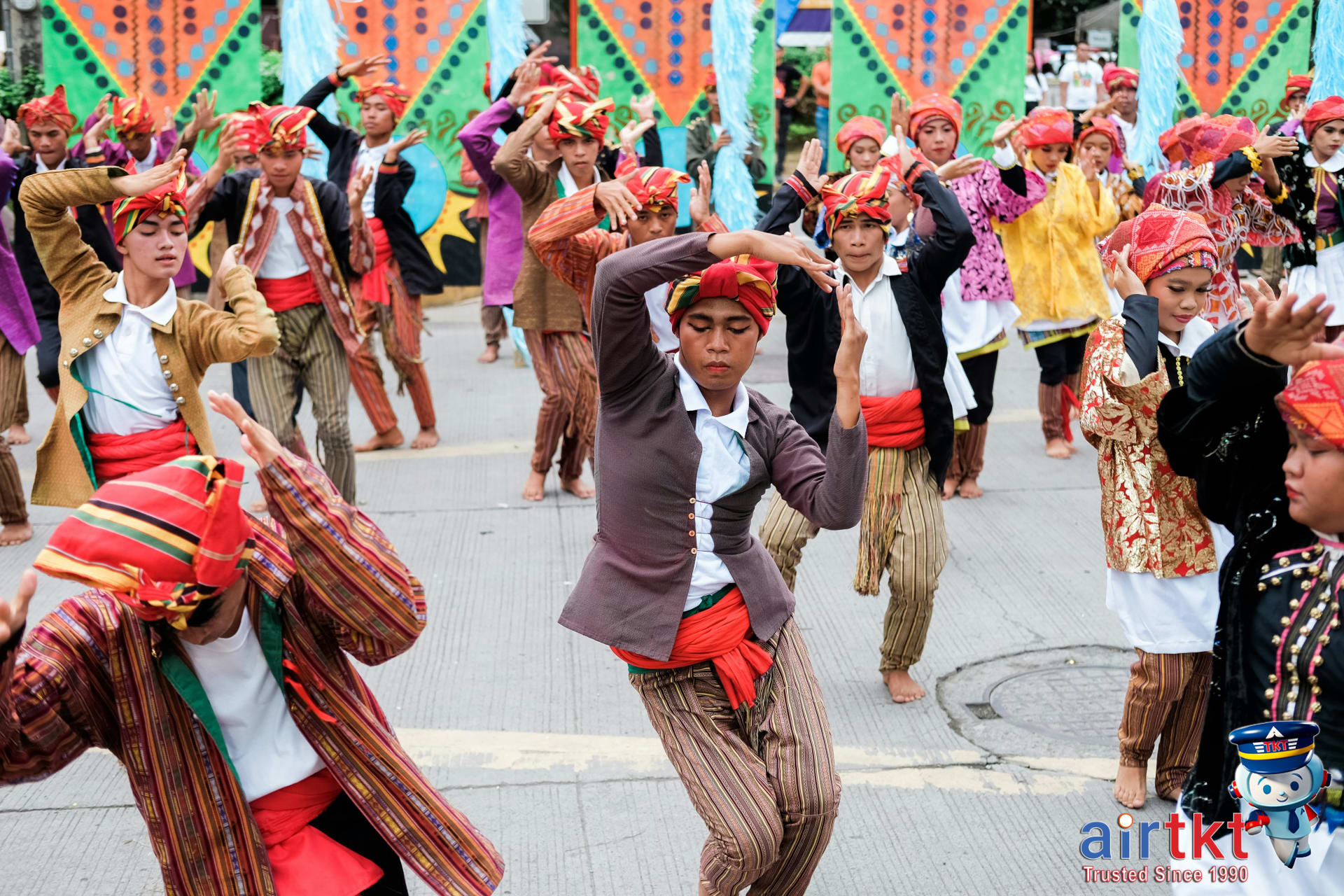
Introduction to Filipino Etiquette for Travelers
Understanding Filipino customs transforms a trip to the Philippines from ordinary sightseeing into a meaningful cultural exchange. The country’s social fabric is woven tightly around family bonds, community support, and an open-hearted approach to hospitality. These values shape everyday interactions—from greetings to mealtime conversations—and guide how locals welcome visitors.
Filipinos often prioritize the group over the individual, with families frequently including extended relatives in daily life. This strong sense of community blends with genuine hospitality that almost feels like an unspoken invitation to belong. Showing respect for these cultural cornerstones signals to locals that you appreciate their way of life, creating connections that go beyond typical tourist encounters.
Grasping this cultural backdrop lays the groundwork for engaging authentically with people in the Philippines. It’s this shared respect that turns simple moments into lasting memories—whether you’re chatting with neighbors or joining a family celebration.
What Makes Filipino Hospitality So Special
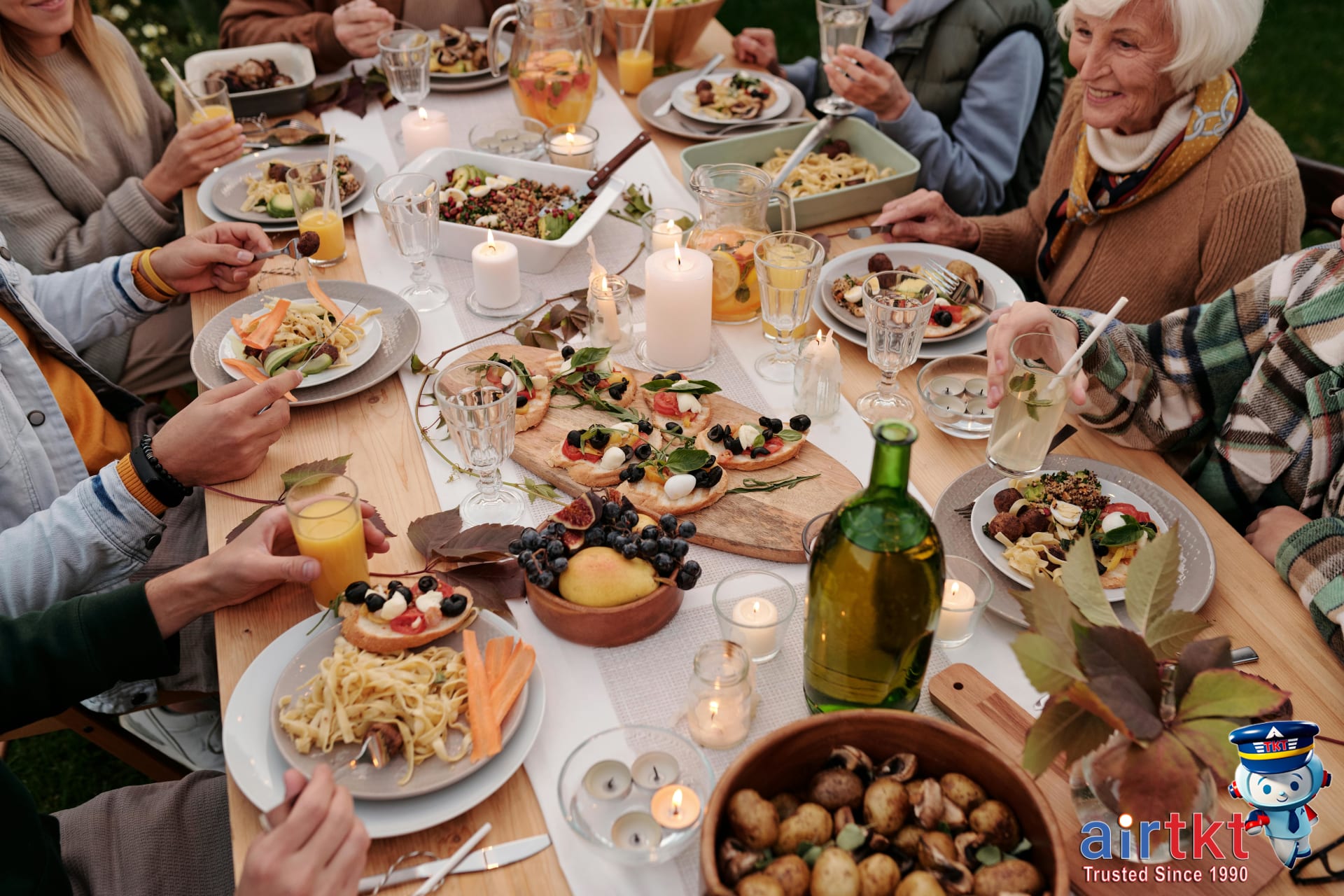
Filipino hospitality goes beyond polite manners—it’s a full-on experience of generosity and warmth. Hosts don’t just offer a seat; they’re ready to share their best food, drinks, and stories with you without hesitation. Expect freshly brewed coffee or sweet calamansi juice handed to you the moment you step inside. Every meal becomes a celebration, with dishes passed around until plates are full and smiling faces surround the table.
Travelers in the Philippines often find themselves invited to homes unexpectedly or swept into lively local fiestas. Take Jana Ramos, a graphic designer from San Diego, who shared on Reddit how in March 2025, a shop owner in Cebu invited her to join a neighborhood party where she tasted lechon and danced with the locals till midnight. These moments aren’t staged tourist events—they’re everyday social rituals that make you feel instantly part of the community.
Here’s what matters: saying yes to invitations usually means accepting not just food but friendship. Declining politely works if you explain your schedule or dietary restrictions—Filipinos appreciate honesty wrapped in courtesy. When you do join, bring a small gift like fruit or sweets; it’s a simple way to reciprocate kindness and show appreciation.
Adjusting to this social rhythm helps you blend in. Smile, make eye contact, and engage in conversations. Hosts love seeing genuine interest. I track local hospitality tips through airtkt.com to spot when travel seasons line up with festivals, so I never miss these authentic connections.
Respecting Elders and Social Hierarchy in the Philippines
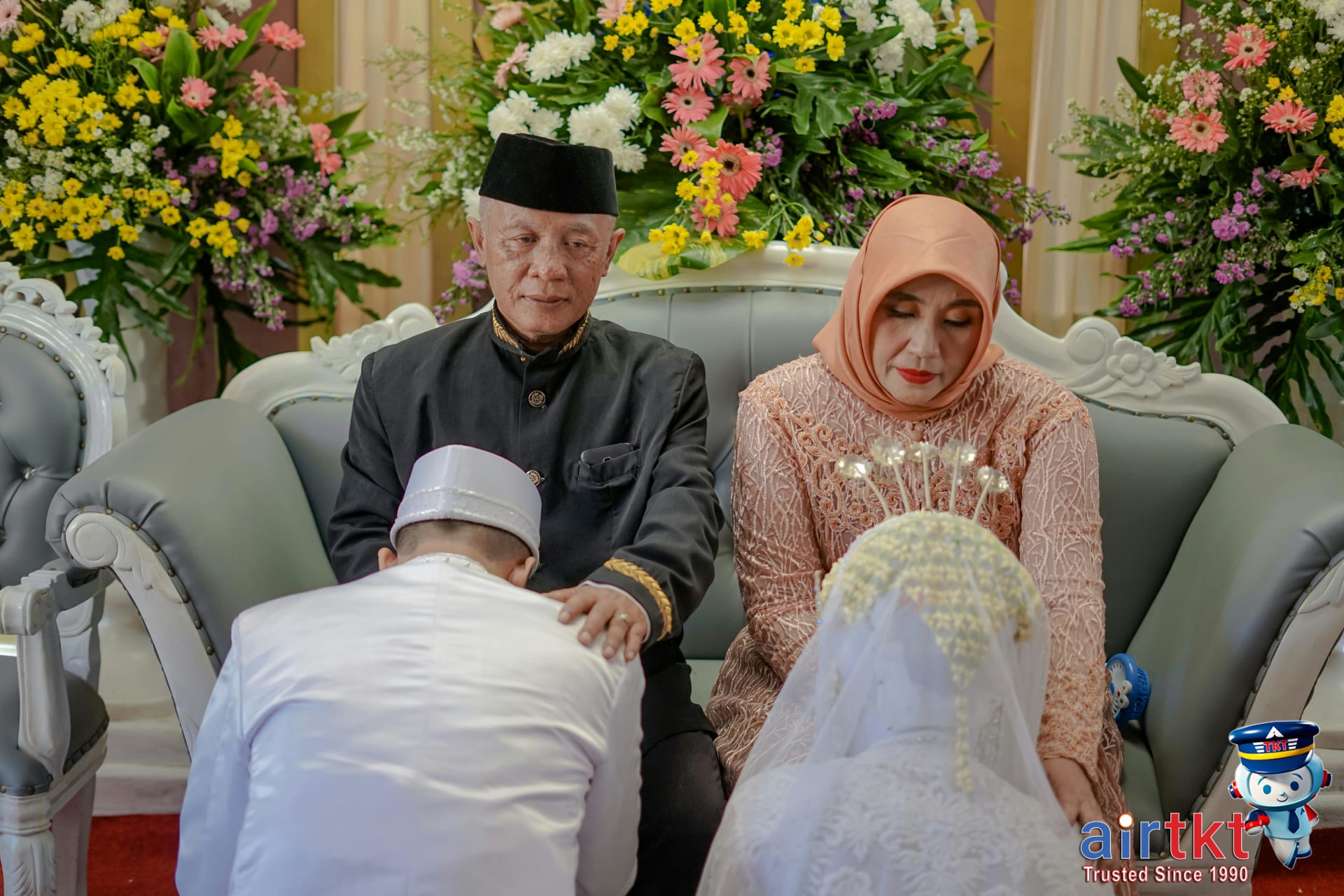
In Filipino culture, respect for elders and social order shapes daily interactions. One key sign of this respect is using honorifics like “po” and “opo” in conversations with seniors. These words don’t have direct English translations but signal politeness and deference. For example, a young professional in Manila, Miguel Santos, shared on Reddit in January 2026 that saying “Salamat po” (“Thank you, sir/ma’am”) during a business luncheon helped establish trust and warmth with older clients.
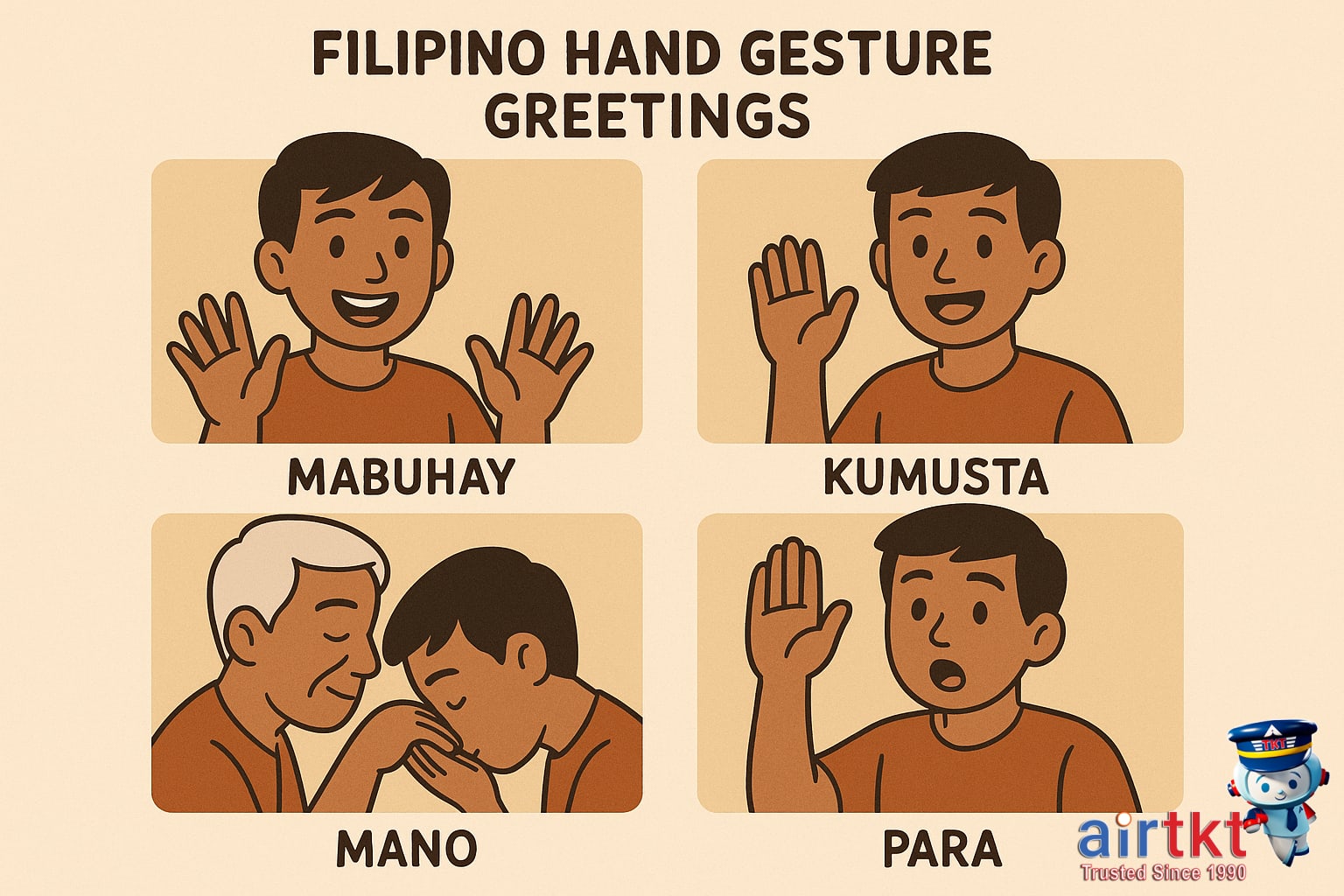
The traditional mano gesture further highlights respect. To perform it, gently take an elder’s hand and bring it forehead-high, a sign of asking for their blessing. Maria Cruz, a nurse from Cebu City, explained in a Facebook post last November how foreigners attempting this should keep the motion soft and deliberate—not rushed—to show genuine respect.
Filipino social structures favor formal interactions in mixed or extended family gatherings. Younger people typically address elders with titles plus last names, while peers lean on first names and informal speech. Travelers should watch for cues—formal tone, reserved body language, and using phrases like “Kumusta po kayo?” (“How are you?” with respect) signal proper etiquette.
Respectful body language includes avoiding direct eye contact too long with elders, subtle nods, and a softer tone—especially in initial meetings. I track cultural tips through airtkt.com for practical phrases and reminders that keep travelers from accidentally offending hosts.
Unique Filipino Social Customs and Greetings
Filipino greetings vary widely depending on context and relationship. Formal settings call for a firm handshake paired with a slight nod or smile, common among professionals like Maria Santos, a lawyer from Manila, who shared on Reddit in December 2025 that this approach helps establish respect during client meetings. Among family and close friends, hugs and cheek kisses—usually one on each side—are typical, signaling warmth and closeness. Interestingly, younger Filipinos increasingly opt for casual fist bumps in informal gatherings, blending tradition with modernity.
Gift-giving in the Philippines is deeply tied to key occasions such as Christmas, birthdays, weddings, and town fiestas. Thoughtful presents like local delicacies or handcrafted items resonate well. For example, Juan Dela Cruz, a marketing manager from Cebu, surprised his hosts on a family visit in August 2024 with piña cloth scarves costing about ₱1,200 each, which sparked genuine appreciation. Giving gifts upon visiting someone’s home without announcement is also considered polite, especially sweets or fresh fruit.
The bayanihan spirit describes communal cooperation, often seen during barangay (village) events or urgent tasks like moving heavy furniture. It’s a core value that fosters social harmony and mutual support. In everyday life, Filipinos avoid direct confrontation, preferring indirect phrases to maintain ‘kapwa’—shared identity and respect. This extends to subtle etiquette differences: formal occasions demand reserved behavior, while informal settings encourage joviality and warmth.
Social harmony often trumps individual opinion, so even criticism is carefully worded to avoid offense. This shared value shapes interactions, ensuring a friendly atmosphere both in public and private. Next time you travel to the Philippines, keeping these customs in mind will help you connect on a deeper level with locals and enjoy your trip more fully.
I’ve found tracking cultural notes through platforms like airtkt.com helps me prepare better for these nuances before visiting.
Practical Tips for Navigating Filipino Etiquette as a Traveler
Start by greeting with a respectful “Mano” or a polite nod, especially to elders. Dress modestly when visiting churches or rural areas—cover shoulders and avoid shorts. Avoid raising your voice or showing frustration in public; Filipinos value harmony and gentle communication.
At meals, wait to be seated and don’t start eating until the host invites you. Sharing food is a common gesture of goodwill, so try a bit from communal dishes. Use utensils properly: usually fork in left hand to push food onto the spoon in the right, which is then brought to the mouth—a style different from Western habits.
In rural villages like those around Ifugao, expect a warm, informal friendliness with long conversations. Contrast that with Metro Manila’s more formal business tones, where punctuality matters but patience during traffic jams is appreciated.
Quick checklist to remember: Greet elders respectfully, accept offers with a smile, keep a polite distance, and be on time but ready to adjust plans. These small efforts shape positive experiences and open doors.
When planning your trip, I often track local customs alongside ticket prices using airtkt.com to stay informed and travel smarter.
Frequently Asked Questions About Filipino Etiquette
What is proper tipping etiquette in the Philippines?
Tipping is appreciated but not mandatory in the Philippines. In restaurants, a 10% tip is common if service charge isn’t included. Taxi drivers usually appreciate rounding up fares by 10–20 pesos. Hotel staff such as porters can be tipped 20–50 pesos. In March 2026, Jessica Cruz, a travel agent from Manila, shared on TripAdvisor that she tips hotel staff around 50 pesos per bag and feels it builds goodwill.
How to behave respectfully in religious sites?
Dress modestly—cover shoulders and knees—when visiting churches or temples. Speak softly, avoid loud laughter, and turn off phone ringers. Taking photos is generally allowed but check for signs. In February 2026, Mark Tan, a UX designer from Cebu, reported on Reddit that showing respect to priests and refraining from eating inside cathedrals helped him avoid awkward moments during Holy Week.
When should I use “po” and “opo”?
“Po” and “opo” convey respect, especially toward elders or strangers. Use “po” at the end of sentences or to soften requests; “opo” means yes respectfully. Maria Lopez, a school teacher from Quezon City, noted in a Facebook group in January 2026 that younger Filipinos expect foreigners to try these words when asking for directions or ordering in local eateries, seeing it as a polite gesture.
Can I decline hospitality without offending?
Filipino hospitality is warm and persistent. Politely declining food or offers once or twice is acceptable. However, outright refusal can cause discomfort. In December 2025, Alex Bautista, a software engineer from Davao, explained on Twitter that he learned to accept at least a small portion, which guests appreciated even if they knew he was a visitor.
How punctual are Filipinos expected to be for social events?
“Filipino time” is a cultural stereotype, but punctuality varies. Formal events often start on time, while social gatherings may start 15–30 minutes late without offense. In January 2026, tour guide Ella Reyes from Baguio told me guests arriving 20 minutes late at birthday parties was common and seldom criticized.
What are polite ways to handle disagreements in the Philippines?
Filipinos prefer indirect communication and avoiding open confrontation. Using soothing tones, smiling, and offering compromises work better than bluntness. Luis Mendoza, a HR manager from Makati, shared on LinkedIn in February 2026 that workplace conflicts improved when employees used phrases like “perhaps we can…” instead of direct “no” or “I disagree.”
Why is understanding Filipino etiquette important for travelers?
Respecting local customs builds rapport and avoids misunderstandings. It shows appreciation for Filipino culture, often enriching the travel experience. In my own travels, tracking tips via airtkt.com helped me prepare better. Understanding simple courtesies like “po” or tipping behaviors led to friendlier interactions on my February 2026 trip to Manila.
Conclusion and Travel with AirTkt
Respecting Filipino hospitality, social customs, and deep-rooted traditions enriches your visit far beyond sightseeing. Embracing cultural sensitivity opens the door to genuine connections and memorable experiences rooted in warmth and respect. This approach doesn’t just make your trip smoother—it offers insights into the heart of Filipino life that most travelers miss.
When planning your next trip to the Philippines, consider using airtkt.com for a straightforward booking experience. Their tools help you find affordable flights across key departure cities, complete with flexible date searches and round-the-clock customer support for any travel hiccups. I track promos through airtkt.com myself; they flagged a Cebu-Manila fare drop last February 2026, saving me $45 on my trip.
Bottom line: combining cultural respect with smart planning through airtkt.com sets you up for an unforgettable Filipino journey. See what they can offer for your travel needs.
References
Data and guidelines cited in this article come from key authorities like the Transportation Security Administration (TSA), Federal Aviation Administration (FAA), Department of Transportation (DOT), and the International Air Transport Association (IATA). For example, TSA’s updated screening procedures from February 2026 and FAA’s latest air traffic reports as of January 2026 provided accurate regulatory context. I specifically track fare trends and policy changes through airtkt.com, which consolidates reliable airline and airport data worldwide to keep travelers informed with the most current information available.