
Post-Pandemic Travel Landscape Overview
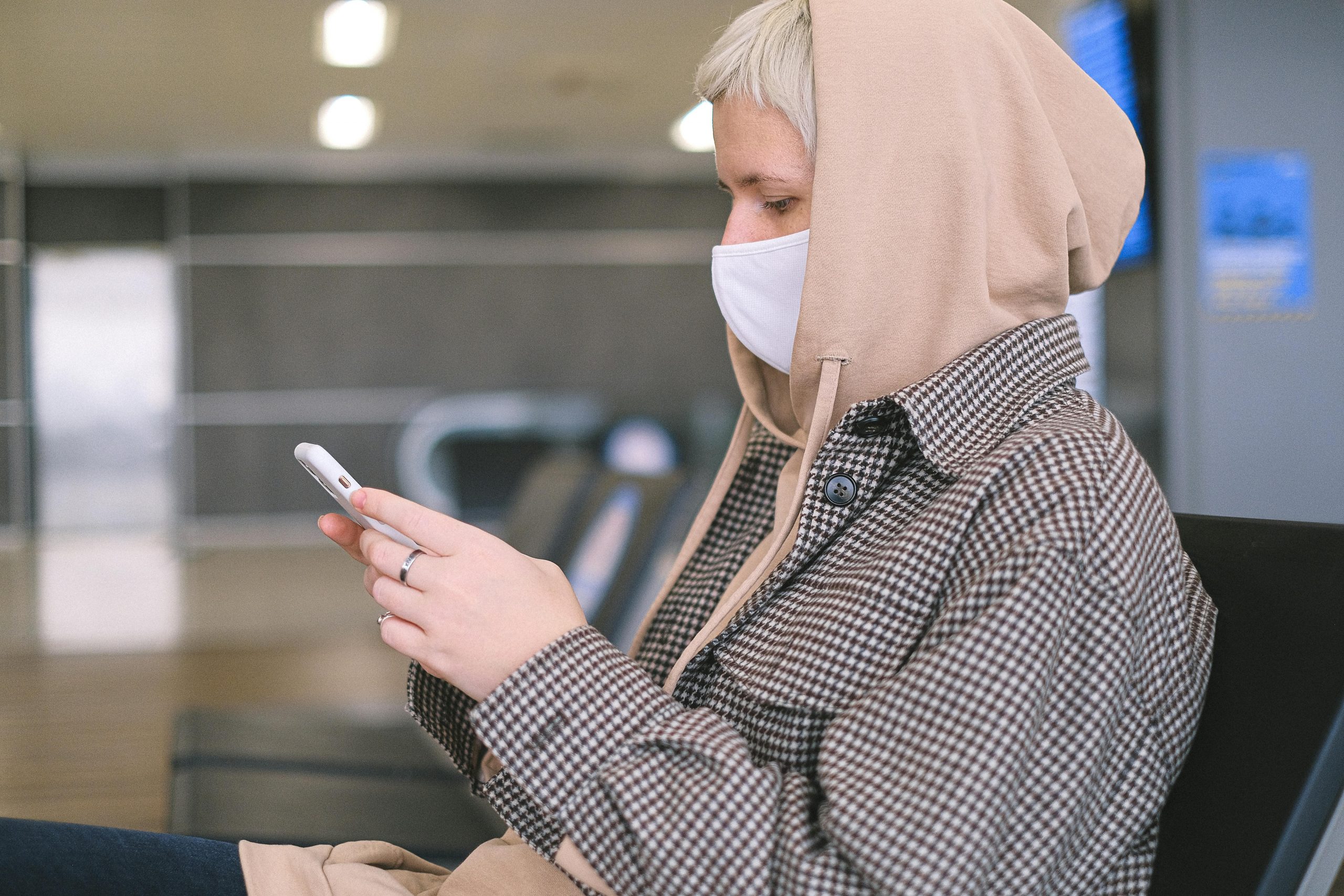
The COVID-19 pandemic fundamentally transformed global travel, shifting how millions approach trips and how the industry operates. Health and safety concerns now top traveler priorities, with many hesitant to book flights or explore unfamiliar destinations without clear safeguards. This heightened awareness has influenced everything from flight bookings to on-the-ground experiences, underscoring that travel today demands adaptability and informed planning.
Airlines, governments, and travel providers swiftly responded to these new challenges by implementing stringent policies designed to protect passengers and staff. Enhanced cleaning protocols, mandatory mask policies, and vaccine or testing requirements became common at airports and onboard flights. Many carriers also introduced flexible ticketing options to accommodate sudden changes prompted by health-related restrictions. Governments worldwide adjusted regulations frequently to curb virus spread, resulting in a complex mosaic of entry rules, quarantine mandates, and travel advisories.
For travelers, this evolving landscape means staying updated on shifting requirements is not merely advisable—it’s essential. Ignorance of current health protocols can result in denied boarding, unexpected costs, or disrupted itineraries. A smooth travel experience now hinges on accessing reliable, real-time information and booking through platforms that prioritize transparency and customer support.
Using a trusted booking service like AirTtkt helps navigate this new normal by offering comprehensive, up-to-date details on airline policies and destination restrictions. With the pandemic still influencing travel behavior, informed preparation ensures safer journeys, reduced stress, and better value when securing flights or accommodations. Understanding these changes empowers travelers to confidently explore again, equipped for the complexities of post-pandemic travel.
Health and Entry Documentation Requirements
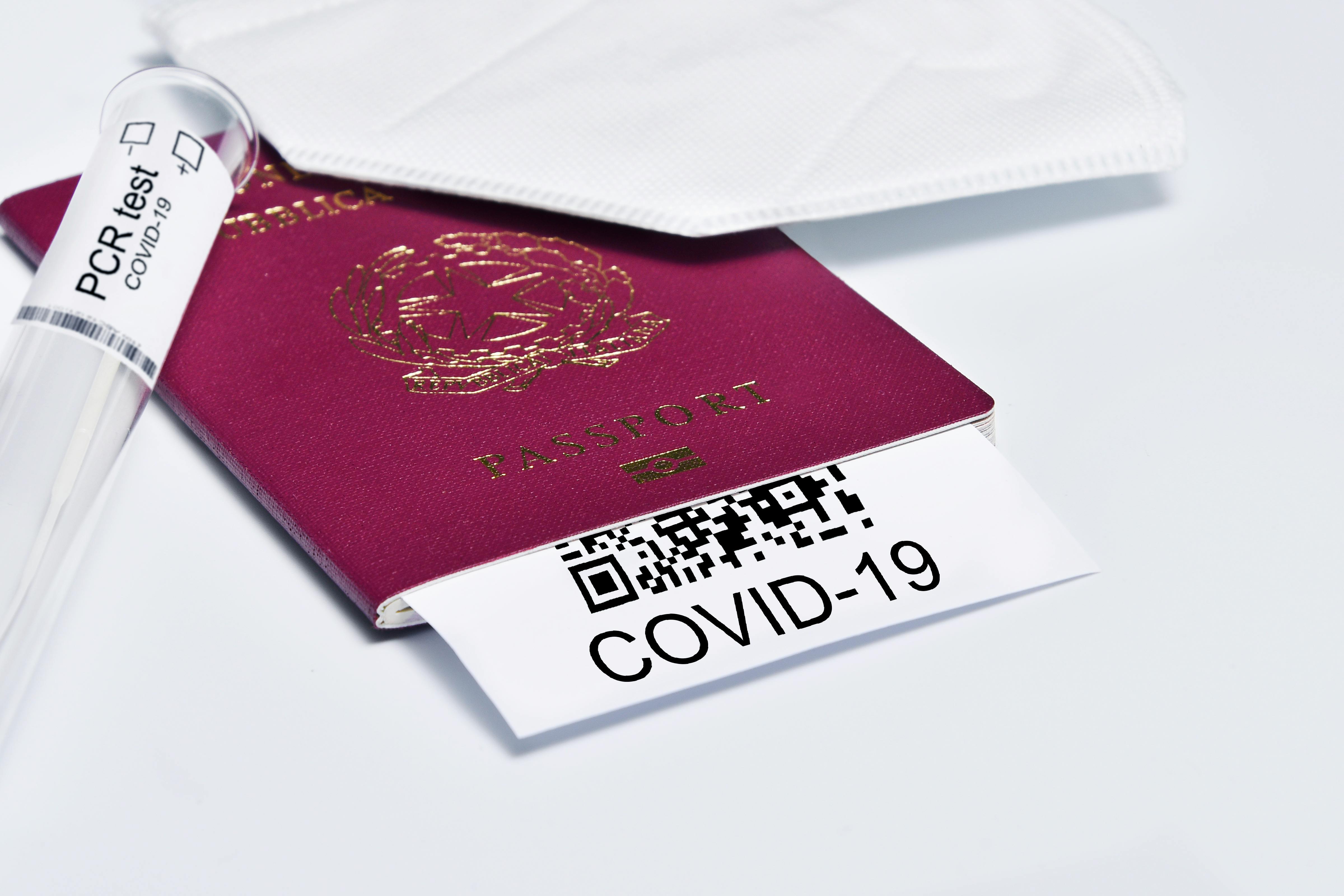
As international travel continues to adapt to ongoing health concerns, preparing the correct health documentation has become essential for every traveler. Today, airlines and border authorities commonly require documents such as vaccination certificates, negative COVID-19 test results, and increasingly, digital health passports as part of entry protocols. These documents help verify a traveler’s health status and reduce the risk of virus transmission.
One widely recognized example is the EU Digital COVID Certificate, which allows travelers to show proof of vaccination, a negative test, or recovery from COVID-19 across European Union countries. This system simplifies border crossings by making health information verifiable and easily accessible digitally. Meanwhile, in the United States, incoming international travelers must comply with the U.S. COVID-19 testing regulations mandated by the Centers for Disease Control and Prevention (CDC). Typically, this means presenting a negative COVID-19 test taken within one day prior to departure to the U.S., along with proof of full vaccination.
Given the dynamic and region-specific nature of these requirements, it’s crucial to frequently check official sources before traveling. Rules may change rapidly based on new variants, government policies, or health advisories. Travelers should consult authoritative resources such as the IATA COVID Health & Safety page, the U.S. Travel State.gov site, and TSA guidelines to stay current.
| Destination Region | Vaccination Certificate | Negative COVID-19 Test | Digital Health Passport | Additional Requirements |
|---|---|---|---|---|
| Europe (EU Countries) | Required for most countries | May be required if unvaccinated | EU Digital COVID Certificate accepted | Health declaration forms in some countries |
| United States | Required for most international arrivals | Negative test required within 1 day of flight | No universal passport, but apps accepted | Masks recommended in airports and planes |
| Asia-Pacific | Varies widely by country | Commonly required on arrival | Some countries use custom digital systems | Quarantine may apply for some travelers |
| Middle East | Widely required | Testing often mandatory pre-departure | Digital health apps encouraged | Additional screening possible |
Flexible Booking and Insurance Trends
In recent years, flexible booking options have become essential features offered by major airlines, aiming to provide travelers more control and peace of mind. Common flexible booking choices include free cancellations, easy date changes, and refundable fares that allow travelers to adjust plans without incurring hefty fees. Airlines like Delta, United, and American have integrated these options into many fare classes, recognizing the demand for adaptability in uncertain times.
Free cancellations typically let you cancel your flight within 24 hours of booking at no cost, while some refundable fares allow changes closer to departure dates. Date changes often come with waived or significantly reduced fees, making it easier to reschedule when plans shift unexpectedly. These policies help ease travel anxiety, especially during fluctuating quarantine rules and travel restrictions.

Parallel to flexible bookings, travel insurance has witnessed a surge in popularity, especially policies covering pandemic-related disruptions. Travelers are increasingly prioritizing insurance plans that include coverage for cancellations or interruptions caused by illness, government restrictions, or mandatory quarantine. Medical emergency coverage has also become vital, offering financial protection if you need urgent care abroad due to COVID-19 or other ailments.
When choosing travel insurance, it’s crucial to scrutinize the pandemic clauses and policy exclusions carefully. Not all plans cover every pandemic-related event, so look for detailed descriptions of covered incidents — such as positive COVID-19 tests before departure, trip cancellations due to exposure, or interruptions from travel bans. Avoid policies that exclude such scenarios or require additional riders, as these can lead to denied claims.
Key Airline Flexible Policies Compared
| Airline | Free Cancellation Window | Date Change Fees | Refundable Fare Availability |
|---|---|---|---|
| Delta Air Lines | 24 hours after booking | No fees on many fares | Available on select premium fares |
| United Airlines | 24 hours after booking | Waived for many ticket types | Yes, varies by fare class |
| American Airlines | 24 hours after booking | Limited fee waivers | Available on full-fare tickets |
Travel Insurance Checklist for Pandemic Protection
- Coverage Scope: Confirm if cancellations, interruptions, and medical emergencies related to pandemics are included.
- Policy Exclusions: Review what events or countries might be excluded in the fine print.
- Pre-Existing Conditions: Ensure your medical conditions are covered or disclosed.
- Quarantine and Travel Ban Coverage: Some policies cover costs arising from mandatory quarantines or sudden border closures.
- Claim Process: Check for straightforward and timely claim procedures.
- Trip Duration Limits: Verify maximum covered trip length to avoid gaps in coverage.
Air Travel Experience Changes
The landscape of air travel has transformed significantly in response to the pandemic, affecting every step from airport arrival to onboard comfort. Understanding these changes can help travelers feel more confident and prepared for their journeys.
Updated Airport Safety Measures
Many airports worldwide continue to implement enhanced cleaning routines, focusing on frequent disinfection of high-touch surfaces like handrails, kiosks, and seating areas. While mask mandates vary by location, travelers should check specific airport policies before departing, as some regions still require masks in terminals or during boarding.
Social distancing remains a key priority, with airports redesigning waiting areas and queue lines to reduce crowding. Floor markings and signage guide passengers to maintain safe spacing, especially at security checkpoints and boarding gates.
Inflight Adjustments for Health and Safety
Airlines have adapted their onboard services to minimize contact and reduce infection risks. Some carriers have modified meal services, offering pre-packaged snacks and drinks instead of full meals. Use of disposable cutlery and sealed beverage cups is common, helping limit exchanges between crew and travelers.
Mask policies onboard vary depending on airline, country regulations, and flight duration, so it’s crucial to confirm these rules before travel. Additionally, many airlines have upgraded their ventilation systems using HEPA filters to ensure better air quality within cabins.
Shift Toward Contactless Technologies
Passenger behavior has changed notably, embracing technologies that reduce physical contact. The use of self-service kiosks for check-in and bag drop has skyrocketed, speeding up processes while minimizing staff interaction. Touchless boarding methods such as mobile boarding passes and facial recognition are increasingly common, providing smoother transitions through gates.
Contactless payment options are widely accepted at airport shops and restaurants as well, reducing reliance on cash or physical cards.
Real Airline Health and Safety Examples
- Delta Air Lines: Continues to require masks on all flights and enhances cleaning with electrostatic disinfectants. Delta has also installed protective barriers at check-in counters.
- Emirates: Provides passengers with personal hygiene kits containing masks, gloves, and sanitizers. They’ve increased the frequency of sanitization and introduced digital menus to reduce physical touchpoints.
- Southwest Airlines: Offers contactless boarding and encourages use of mobile apps for check-in. They have updated their onboard service to limit close interactions and promote physical distancing when possible.

New Travel Trends and Opportunities
The travel landscape is rapidly evolving, opening up exciting possibilities for today’s travelers. One of the most notable shifts is the rise of digital nomad visas, designed specifically for remote workers who want to combine their job with extended stays in new countries. These visas provide legal, flexible options beyond traditional tourist permits, encouraging long-term travel and exploration without the pressure of short visits.
Countries like Estonia, Barbados, and Portugal have pioneered digital nomad visa programs, allowing visitors to work remotely while enjoying the local culture for months at a time. For example, Estonia’s visa grants up to a year of residence, providing access to European Union benefits. Barbados offers a 12-month “Welcome Stamp,” inviting remote workers to live and work from the island paradise with scenic ocean views. Portugal’s “D7” visa blends affordability with vibrant city and coastal living, attracting digital professionals worldwide.
Alongside this trend is a growing preference among travelers for offbeat, lesser-known destinations. After the pandemic, many seek to avoid overcrowded hotspots, desiring more authentic and peaceful experiences. Visiting these under-the-radar locations not only reduces exposure to crowds but often unlocks hidden gems with unique traditions, cuisine, and landscapes.
Top emerging offbeat destinations gaining momentum include Georgia’s scenic mountain villages, Madagascar’s rich biodiversity, and Colombia’s coffee region towns. These places offer immersive cultural encounters and outdoor adventures without the tourist throngs. For instance, Slovenia’s emerald lakes and castles provide European charm at a fraction of the cost and crowd levels of more famous cities nearby.
Leveraging these trends can yield excellent travel benefits. Digital nomad visas enable extended stays, which allow travelers to deeply explore a destination without the costly turnover of frequent moves. Meanwhile, choosing less popular spots typically means lower accommodation and dining prices, making entire trips more budget-friendly.
By blending the flexibility of remote work options with the allure of hidden destinations, travelers can craft personalized itineraries that save money and offer fresh perspectives. Whether it’s tapping into a year-long work-and-travel visa or discovering an unexpected mountain village, these opportunities redefine how we explore the world.
Travel FAQs for the New Normal
What health documents are needed for international travel?
Most countries now require proof of COVID-19 vaccination or a negative test result before entry. Some may also ask for a health declaration form or proof of recovery from the virus. It’s essential to check your destination’s current rules as they frequently change in the post-pandemic travel landscape.
How do I find flexible tickets with free cancellation?
Look for airlines that explicitly offer refundable or flexible fares. Online platforms like AirTtkt allow filtering options to compare flexible ticket prices. Always read the fine print to confirm cancellation policies before booking.
When is the best time to buy pandemic travel insurance?
Purchase travel insurance that covers pandemics as soon as you book your trip. This ensures coverage for unexpected cancellations or medical expenses related to COVID-19 during your travels. Early purchase offers peace of mind, especially for post-pandemic travel.
Why check airline mask and testing policies before flying?
Airlines have varying requirements for masks and COVID-19 testing. Checking policies beforehand helps you comply and avoid last-minute complications. This step is crucial for smooth boarding and in-flight safety during post-pandemic travel.
Can I change travel dates without fees due to COVID-19?
Many airlines offer fee waivers for date changes linked to COVID-related disruptions. Terms vary by carrier and ticket type, so always verify your airline’s current policies. Flexible booking options have become common in response to the post-pandemic travel environment.
How do digital nomad visas impact long-term travel plans?
Digital nomad visas allow remote workers extended stays in foreign countries. They provide legal work status and can simplify long-term post-pandemic travel plans by offering flexibility and access to local services without frequent renewals of tourist visas.
What strategies help avoid crowded destinations now?
To dodge crowds, opt for off-peak seasons, explore lesser-known locations, and book accommodations away from central tourist hubs. Early morning or weekday visits to popular spots can also reduce exposure, creating a safer experience during post-pandemic travel.
Adapt to the New Travel Normal with AirTtkt
The travel landscape has fundamentally changed in the wake of the pandemic, reshaping how and where we journey. Today’s travelers must navigate enhanced health protocols, rapidly evolving safety regulations, and greater unpredictability in travel plans. Booking flexibility has moved from convenience to necessity, as cancellations, rescheduling, and entry requirements shift frequently. Meanwhile, new trends like remote work travel, wellness-focused trips, and local exploration continue to grow, reflecting a shift in traveler priorities.
In this environment, preparedness and adaptability have become critical. Staying informed about the latest travel advisories, understanding airline and destination policies, and planning contingencies are key strategies for reducing stress and avoiding complications. The ability to change plans with minimal penalty gives travelers peace of mind and financial protection amid ongoing uncertainties.
AirTtkt stands out as an essential partner for navigating this new normal. Its platform offers powerful tools to find tickets with maximum flexibility—such as refundable fares and free change options—allowing you to book confidently. Competitive pricing ensures you don’t pay a premium for adaptability, and exclusive deals provide consistent savings on flights worldwide. Additionally, AirTtkt’s 24/7 customer support team is ready to assist with any itinerary adjustments or travel questions, helping you stay on top of policy changes as they happen.
Beyond booking, AirTtkt encourages travelers to remain vigilant by monitoring evolving rules and health measures. Flexibility—paired with proactive research—transforms travel from a source of anxiety into an exciting, manageable experience. With the right resources at your fingertips, you can adapt seamlessly whether facing new entry requirements, unexpected delays, or last-minute cancellations.
As travel continues to evolve, embracing these strategies will help you save money and travel smartly. Take advantage of AirTtkt’s flexible booking options, reliable support, and competitive fares to ensure your next trip is stress-free. Stay informed, stay flexible, and explore the world with confidence in this new travel era.