

Understanding Spirit’s Ultra-Low Fares
Spirit Airlines is well-known as an ultra-low-cost carrier (ULCC), and that means their ticket prices often start at some of the lowest rates you’ll see anywhere. They use what’s called a “bare fare” pricing model: your base ticket covers just your seat and a personal item, with just about everything else—carry-on bags, checked bags, seat selection, snacks, and more—added as separate fees. I have to admit, the first time I saw Spirit’s base fares, I was amazed at how little they were charging, but quickly realized that the extras can really impact the final total.
This bare fare approach works if you want ultimate control over your travel costs, but it also means the final price can creep up if you aren’t careful. Every fee is itemized separately rather than bundled in the ticket cost, and in my experience, this is where travelers sometimes get caught off guard—especially if they aren’t used to ULCCs. Knowing exactly what’s included and what’s not before you buy can save you both money and stress down the line.
To fully understand the cost of your Spirit flight, always check the fare breakdown before you book. If you want more ways to strategize and keep the total price manageable, I’d suggest exploring these practical booking tips from airtkt.com.
How Spirit’s Bare Fare Pricing Works
Spirit’s Bare Fare might look like a bargain at first glance, but it’s important to break down what you’re actually paying for. The base fare really does only get you a seat on the plane with a personal item—essentially, a small backpack that fits underneath the seat. That’s it.
Almost everything else is considered an add-on and has a cost. If you need to bring a carry-on bag or checked luggage, expect to pay an extra fee for each. Want to pick a specific seat in advance, sit up front, or have extra legroom? Those are optional fees too. You’ll also see charges for early boarding, printing your boarding pass at the airport, snacks, and drinks. I learned the hard way which fees can actually be avoided and which are hard to escape—once I realized that, it became easier to really save money on Spirit flights.
Mandatory vs Optional Fees
Some fees are purely optional, like paying to choose your seat or getting priority boarding. You can skip these if you’re okay with a randomly assigned seat and standard boarding. However, baggage fees are only optional if you can truly travel with just a personal item. If you need more space, those bag fees are essentially mandatory—since you won’t be able to bring larger bags on board without paying. Be mindful—Spirit even charges more if you add bags or select extras after booking or at the airport, so planning ahead is usually best.
I usually recommend running your booking through Spirit’s fare calculator or using the tools at airtkt.com before you pay. That way, you’ll have a clear picture of your real total cost and can budget for the fees you actually need, not just the ones the airline highlights.
If you want broader tips for cutting airline costs, check out our guide on avoiding common airline fees. Skipping unnecessary extras can make all the difference on a strict travel budget.
Booking Tips and Timing for Savings
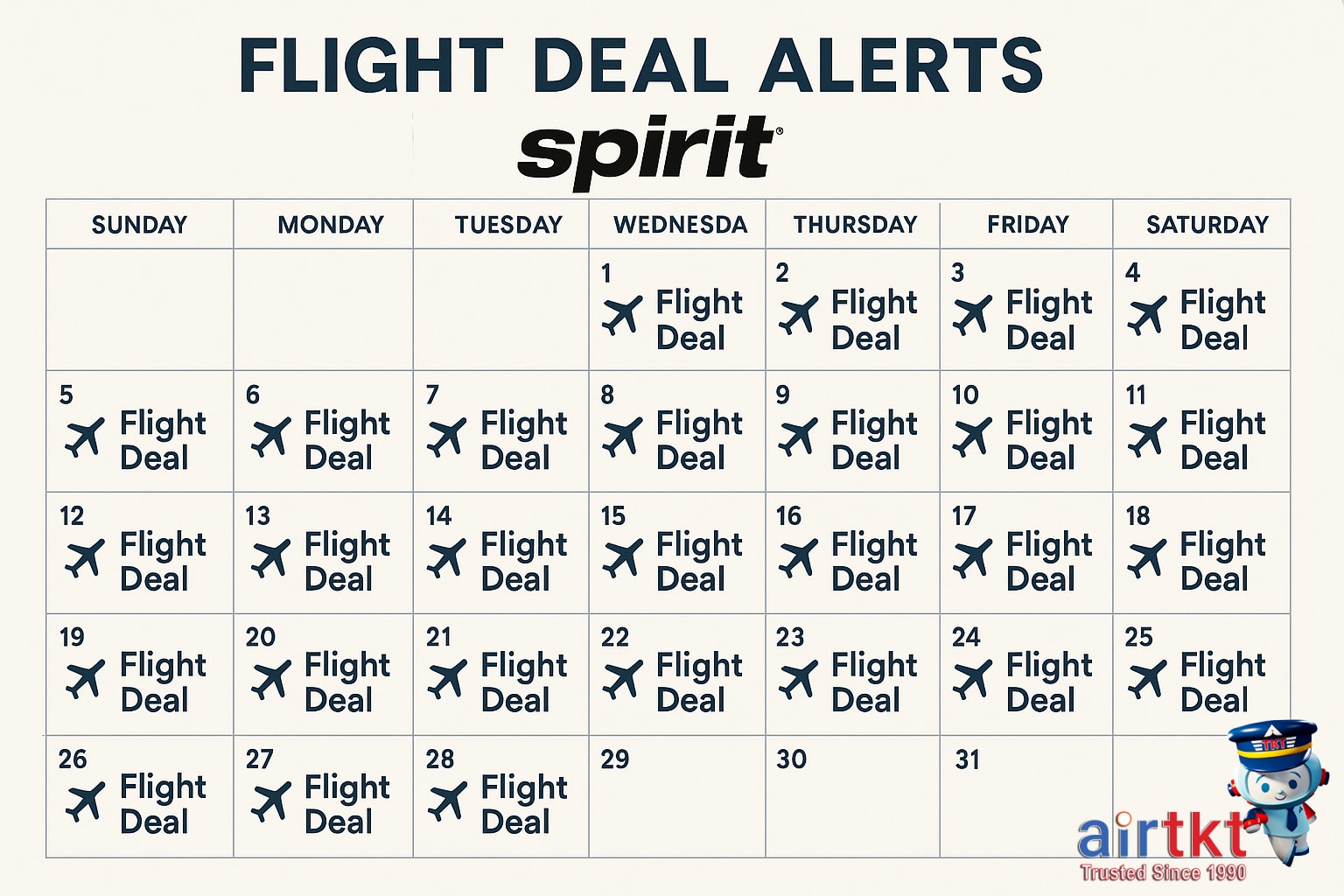
Timing really does matter when you’re trying to get the lowest fares on Spirit Airlines. In my experience, booking flights midweek—especially on Tuesdays and Wednesdays—usually means you’ll catch the best prices. Airfare tends to rise as you approach weekends and holidays, so the earlier you start watching fares, the better your odds will be.
airtkt.com makes it much easier to spot these deals using their flexible date search feature. I used flexible date searches and alerts to snag the cheapest Spirit fares on short notice, which let me see which days truly had the lowest rates instead of guessing. This is particularly helpful if you’re open to shifting your travel by a day or two; sometimes those minor adjustments can save you a surprising amount of money.
Another tip: Set up price alerts for your route. Spirit’s fares can change quickly, and the best ones don’t always last long. By activating alerts—either via email or through the tools built into the flexible date search—you’ll get notified as soon as fares drop, giving you a crucial head start on limited-time discounts. Booking tools like those at airtkt.com help you compare not just days, but nearby airports, as well.
If you see a good fare, don’t wait too long—Spirit’s lowest prices are often for a small number of seats. By combining a midweek search, date flexibility, and price alerts, you’ll put yourself in the best position for savings.
How to Minimize Baggage Fees
Spirit Airlines’ fees for baggage can add up faster than most travelers expect. Their approach is simple: you get one free personal item that fits under the seat (think a small backpack or purse), but almost everything else—carry-on bags, checked bags—comes with a charge. Spirit’s carry-on fee is typically higher than the checked bag fee, and both can jump if you wait to pay at the airport. In many cases, you’ll pay about $35.00 or more each way for a standard carry-on and about $30.00 for one checked bag, depending on your destination and when you buy.
The difference between a personal item and a carry-on is stricter on Spirit than most carriers. The personal item must fit their exact size limit (usually 18″x14″x8″)—and they do check. If you show up with anything bigger, Spirit will charge you at the gate, and those fees are even steeper. In my experience, traveling light with just a personal item saved me over $50 on baggage fees for a single round trip compared to bringing a standard carry-on bag.
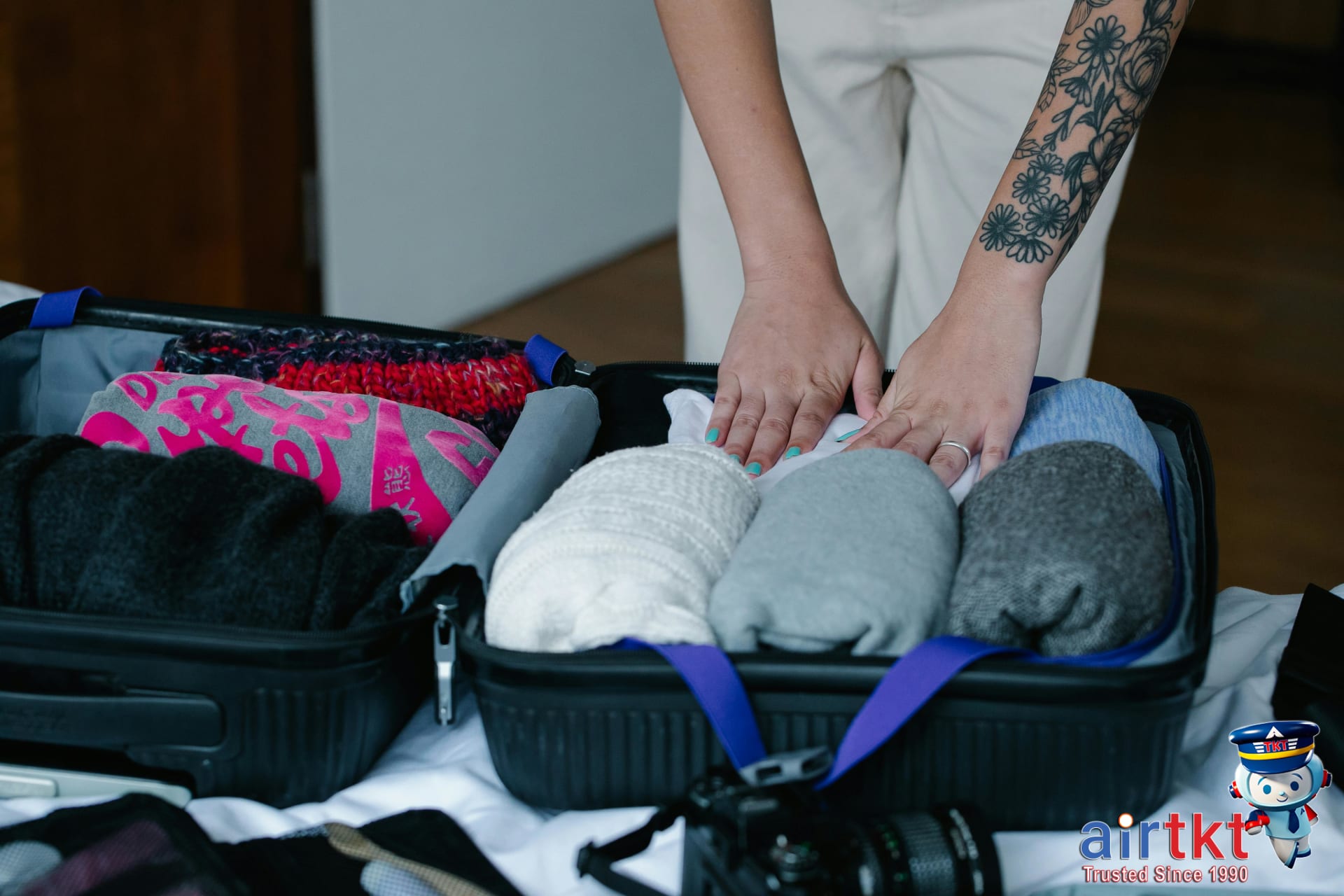
If you can pack light, I recommend rolling your clothes and choosing compact toiletries to make the most of your personal item space. Planning a mix-and-match wardrobe is another trick I use—this lets me travel for days with just a small backpack. And don’t forget: you can always layer a jacket or wear your bulkiest shoes to free up luggage space.
Navigating Seat Selection and Add-ons
Spirit Airlines keeps its base fares low by separating add-on services from your ticket price. When you book, you’ll see extra charges for picking a standard seat, securing more legroom, getting priority boarding, or grabbing a snack. These add-ons can quietly add up, so it’s smart to know where your money goes and decide what truly matters for your trip.
Seat selection is probably the most talked-about Spirit add-on. You’ll pay about $12.00 for a basic advance seat pick, while more legroom or up-front seats typically run higher. You can skip the fee and be assigned a random seat at check-in for free. Sometimes I pay for seat selection if I value comfort on a long flight, but more often I’m happy to keep that money in my pocket and take whatever seat I get.
Want to board early? Priority boarding usually costs around $7.00 and can help if overhead bin space is important. Otherwise, you board with the crowd at no added cost. In-flight snacks and drinks cost extra too—expect to pay about $4.00 for a soft drink and a small snack combo. Spirit doesn’t offer complimentary beverages or snacks, so if you’re looking to save, consider packing a snack or eating beforehand.
All add-ons are charged per person, per flight segment. I’d compare both convenience and budget when deciding: on short flights, most add-ons feel skippable, but for longer journeys or if traveling with kids, spending a few extra dollars could be worth it.
Spirit Online Check-In And Fee Avoidance
If you’re flying Spirit, your check-in method isn’t just a detail—it’s a crucial decision that directly affects your wallet. Spirit charges an additional fee if you check in at the airport counter, so using their online check-in is the best way to skip those surprise charges. Online check-in opens 24 hours before your scheduled departure and closes 1 hour before your flight. You can log in on their website or, what I find even more convenient, use Spirit’s mobile app to check in and download your boarding pass instantly. I always check in online well before the cutoff and saved a hefty fee using Spirit’s app on my last Spirit trip.
If you forget to check in online, expect to pay about $25.00 at the airport counter just for the agent to print you a boarding pass. That charge is per person, per segment, and it can add up quickly—definitely not a small hit to your travel budget for something you could easily handle ahead of time from your phone or laptop. If you don’t want to use the app, printing your boarding pass at home or at a kiosk (often for a smaller fee) also helps you dodge the counter charge. Personally, I’d suggest you make online check-in your baseline habit anytime you fly Spirit, since their policies don’t leave much wiggle room for forgetfulness.
How To Find Ultra-Low Spirit Fares
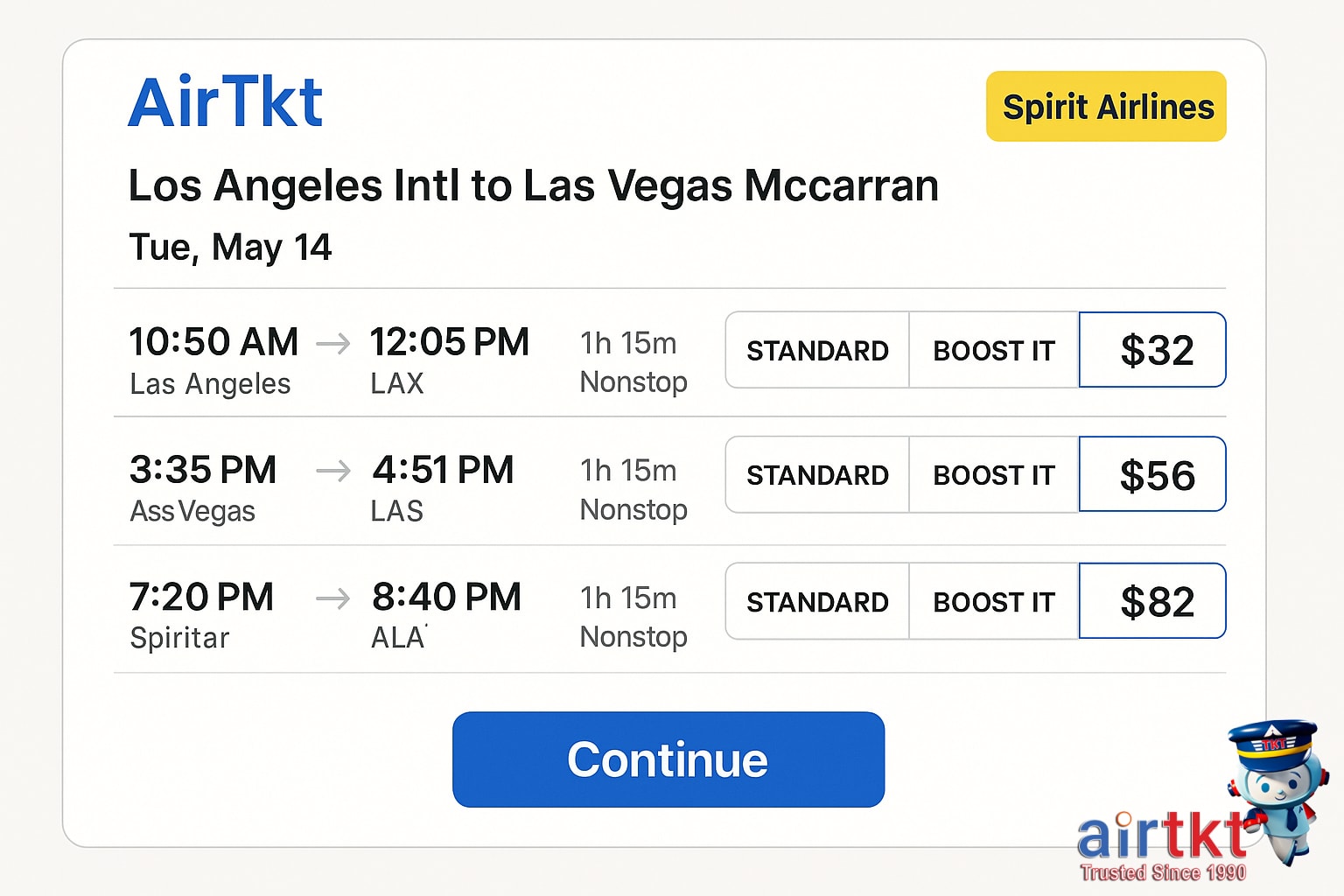
When you’re aiming for the lowest fares on Spirit Airlines, using the right booking tools can make all the difference. On airtkt.com, you’ll find a suite of features designed to uncover every possible savings opportunity. Personally, I found comparing Spirit fares on airtkt.com easy and saved significantly using their tools.
Compare Fares the Smart Way
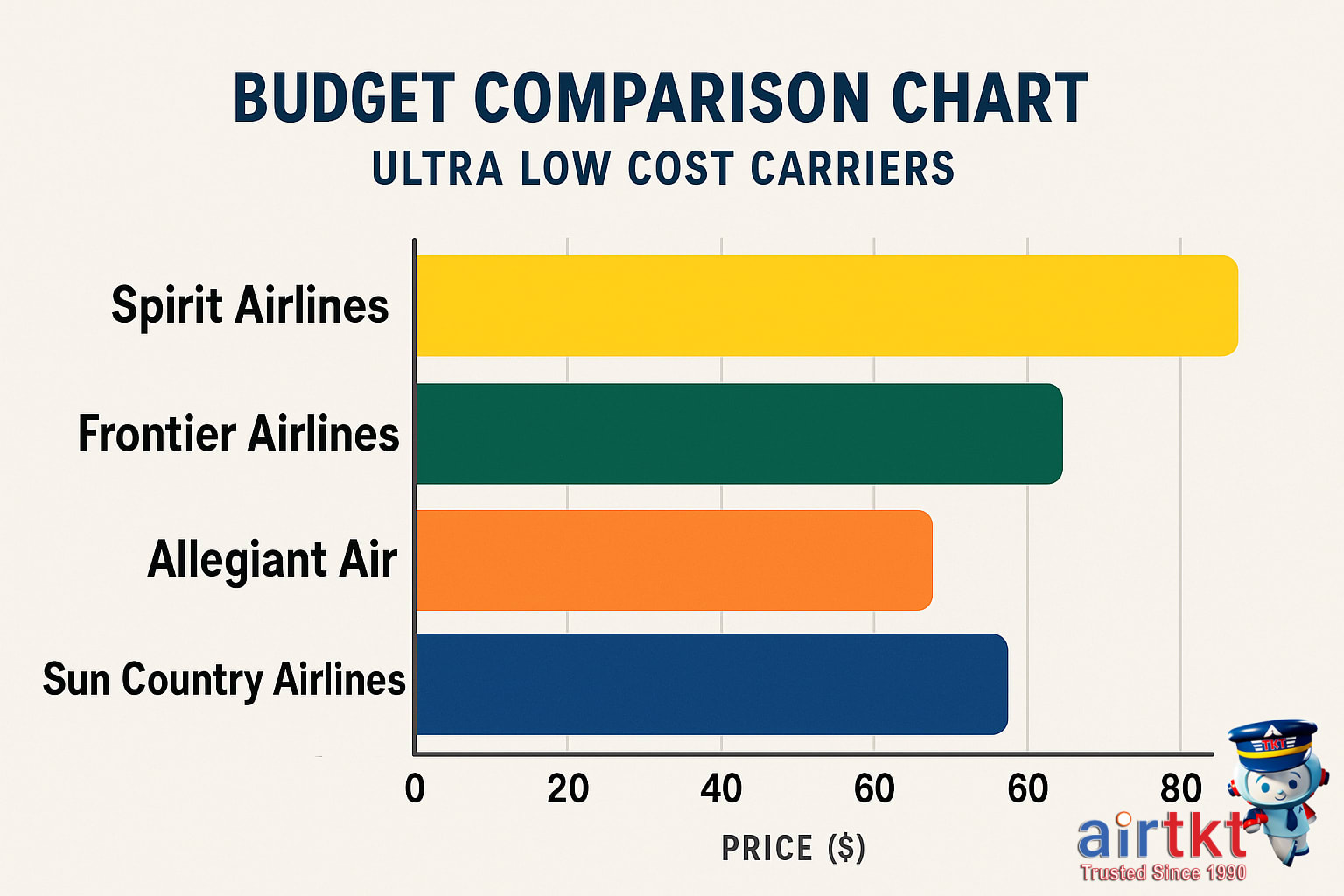
First, airtkt.com makes it simple to see Spirit flights alongside other ultra-low-cost carriers. Their real-time fare comparison gives you a clear picture, so you’re never left wondering if you missed a better price just a day or two off your intended dates.
Use Lazy Fare for Hidden Deals
Lazy Fare is one feature I always recommend trying. It shows multi-stop combinations that often cost less than direct options—without needing complicated manual searches. In my experience, routes with a brief layover can mean real dollars saved, especially on price-sensitive airlines like Spirit.
Nearby Airport Search Expands Options
If you can be flexible with your departure or arrival airport, the Nearby Airport Search is a goldmine. Sometimes, flying from or into an alternate airport just a few miles away knocks a surprising amount off the fare. I’d compare both my main and nearby airports before booking—sometimes, the difference is enough to pay for airport transfers or a nicer meal on the road.
Flexible Date Search for Lower Prices
Don’t forget to try the Flexible Date Search, especially if your travel plans aren’t locked to a specific day. Seeing a week’s worth of fares lets you spot which days Spirit Airlines offers the absolute cheapest flights. Shifting your trip by 24 hours can be the easiest way to save more than you expect.
When you’re ready to book, head straight to the Spirit Airlines booking page on airtkt.com for direct access to these ultra-low fares and all booking tools in one place.
Spirit Trip Budget Planning Table
One of the most effective ways to set realistic expectations for your Spirit trip is by laying out your estimated expenses in a simple budget table. I rely on budget tables like this to ensure I don’t overspend on my Spirit trips, especially since small extras (like baggage fees or in-airport meals) can add up fast if you’re not careful. Below, you’ll find a practical breakdown of estimated costs across accommodation, food, transport, and activities, grouped by the most common travel spending tiers. These numbers are fixed for easy planning—they’re meant to give you a concrete starting point whether you’re traveling on a shoestring, treating yourself to a few upgrades, or going for a more luxurious journey altogether.
| Budget | Mid-range | Luxury | |
|---|---|---|---|
| Accommodation | $45.00 | $120.00 | $290.00 |
| Food | $18.00 | $42.00 | $90.00 |
| Transport | $14.00 | $32.00 | $95.00 |
| Activities | $10.00 | $40.00 | $130.00 |
It’s always smart to keep a little buffer above these numbers for emergencies or spontaneous upgrades. Also, some Spirit routes may have cheaper transport and activity options, but this table captures a realistic daily average to help you avoid surprises. Use it alongside planning tools on airtkt.com to compare flight costs and spot savings opportunities throughout your trip.
Spirit Airlines Fees FAQ Guide
- What are the main fees on Spirit Airlines?
Spirit Airlines charges separate fees for optional services. Expect to pay for carry-on bags, checked bags, seat selection, onboard refreshments, and sometimes for printing boarding passes at the airport. In my experience, baggage and seat selection fees are what catch most travelers by surprise, so always check them in advance.
- How can I save on baggage fees with Spirit Airlines?
You’ll usually pay less by purchasing baggage online right after booking, instead of waiting to add bags at the airport. Spirit’s fees for carry-on and checked luggage are typically lower when paid early. Double-check your bag size before leaving home to avoid extra charges at check-in.
- When is the best time to book Spirit Airlines flights?
Booking early tends to secure lower base fares with Spirit Airlines, but special sales sometimes pop up for last-minute travel. I’ve noticed that mid-week bookings, especially on Tuesdays and Wednesdays, often have better prices than weekends, but it’s always smart to compare several days if your travel dates are flexible.
- Are Spirit Airlines seats included in the base fare?
No, Spirit Airlines assigns seats randomly for free, but you’ll need to pay an extra fee if you want to choose your seat in advance. The price depends on your seat’s location in the aircraft. If sitting together is important, I’d recommend budgeting for this extra cost.
- What is included in Spirit Airlines’ ticket price?
The base fare on Spirit Airlines covers only your personal item—such as a small backpack or purse—that fits under the seat. Everything else, like carry-on and checked bags, seat assignments, and snacks, costs extra. Be sure to budget for these add-ons when estimating your trip’s total cost.
- Can I avoid Spirit Airlines change or cancellation fees?
If you cancel within 24 hours of booking and your flight is more than seven days away, you may not incur a change or cancellation fee. Otherwise, changes and cancellations usually bring a fee. Reading Spirit’s latest policy before booking will help you avoid surprises if your plans shift.
- Does Spirit Airlines offer discounts or promo codes?
Spirit Airlines frequently offers promotional sales, discount codes, and exclusive deals for email subscribers. Check their official site, look out for seasonal specials, and consider signing up for fare alerts. Sometimes third-party booking platforms like airtkt.com highlight extra savings you might not spot directly.
Final Tips for Smart Ultra-Low-Cost Travel
Making the most of ultra-low-cost airlines like Spirit comes down to being intentional at every step of your journey. Start by managing fees: always check baggage rules before booking, prep your carry-on to avoid surprise charges, and use Spirit’s online check-in to skip unnecessary costs at the airport. It’s easy to underestimate add-ons, but in my experience, reviewing every fee option helps you avoid common pitfalls.
Beyond fees, use every booking tool at your disposal. Platforms like airtkt.com let you search flexible travel dates and nearby airports—these two steps can mean major savings. When you’re open to alternate routes or small shifts in your calendar, deals tend to surface that you won’t see on traditional search engines. I usually experiment with the Flexible Date and Nearby Airport features, especially if my travel plans aren’t locked in stone.
And don’t forget the everyday details: pack snacks to skip pricey in-flight options, print or download your boarding pass before heading to the airport, and double-check your booking for any potential missed charges before you pay. A little preparation keeps those “hidden” expenses from creeping in.
After learning these tips, I feel more confident flying Spirit while keeping costs low. Ultra-low-cost travel takes a bit of extra prep, but it can be genuinely rewarding for budget-minded travelers willing to plan ahead. If you want to keep up with Spirit fares and industry changes, I’d keep an eye on airtkt.com for ongoing flight deals and updates—it’s my main checkpoint before locking in a ticket.