

Importance of Travel Budgeting
Many travelers find themselves overspending during trips, often leading to financial stress that overshadows the joy of exploration. Studies show that over 60% of leisure travelers exceed their planned budgets, primarily due to underestimating costs or unexpected expenses. Recognizing this common challenge highlights why effective travel budgeting is essential for a smooth and enjoyable journey.
Travel budgeting starts with understanding the main expense categories you’ll encounter. Typically, these include:
- Flights: Airfare is often the largest single cost. Securing affordable tickets can save hundreds or even thousands of dollars.
- Lodging: Accommodation expenses vary widely, from budget hostels to luxury hotels. Booking strategically can make a big impact.
- Food: Dining options range from quick street meals to fine dining experiences—planning meals helps keep costs in check.
- Local Transportation: Includes taxis, rideshares, public transit, or car rentals—each with different budget implications.
- Sightseeing and Activities: Entrance fees, tours, and entertainment often add up but are critical to the travel experience.
Without a clear budget, travelers risk overspending in any of these areas. Poor financial planning can lead to last-minute compromises on accommodations or skipping activities to save money, ultimately diminishing the trip’s enjoyment.
Creating a realistic budget provides crucial financial control and peace of mind. When you allocate funds consciously, you reduce uncertainty and avoid surprises that cause stress. Budgeting ahead allows you to prioritize must-have experiences and find ways to save on less important costs. For instance, advancing your flight search with platforms like AirTtkt can reveal exclusive discounted fares, making airfare more manageable within your budget.
Moreover, travel budgeting empowers you to track expenses during the trip, helping you stay aligned with your financial goals. This discipline translates to confidence—knowing you can enjoy your travels fully without worrying about unexpected bill shocks at home.
Estimating Major Travel Costs
Understanding the key expenses of a trip is essential for planning and budgeting effectively. Travel costs can vary dramatically based on your destination, travel style, and duration. This section breaks down the primary costs—flights, lodging, food, transportation, and sightseeing—to help you set realistic expectations and avoid surprises.
Flight Costs and Influencing Factors
Airfare typically constitutes a significant portion of travel expenses. Prices fluctuate depending on seasonality, airline competition, route popularity, and how far in advance you book. For example, domestic flights within the US can range from $100 to $400 for round trips, while international fares often start at $500 and can exceed $1,200 depending on destination and class.
Budget Tip: Use platforms like AirTtkt to compare real-time fares and secure exclusive discounts, ensuring you pay the lowest possible price.
Comparing Lodging Options
Your accommodation cost depends heavily on the type of lodging and destination. Budget travelers might opt for hostels or motels, where nightly rates range from $20 to $60. Mid-range hotels offer comfortable amenities with prices typically between $80 and $200 per night. Luxury hotels or resorts, especially in popular tourist hotspots, can cost upwards of $300 per night.
For instance, a three-star hotel in a European city might average $150 per night, while a similar hotel in Southeast Asia could be as low as $50. Consider alternatives like vacation rentals or boutique inns for unique stays that fit your budget.
Daily Food Expenses by Destination and Dining Style
Food expenses vary widely based on dining preferences and location. In major cities like New York or London, budget travelers can expect to spend around $10-$20 per meal at casual eateries, while dining at mid-range restaurants costs about $30-$50 per person. Street food and fast-casual options often reduce daily food costs to $20-$40.
In contrast, destinations such as Mexico City or Bangkok offer delicious street food for as little as $3-$7 per meal. Planning your dining based on local cuisine and venues helps balance quality and cost.
Local Transportation Costs: Public Transit vs. Car Rentals
Getting around your destination efficiently is another key budget factor. Public transportation is often the cheapest option, with single fares ranging from $1 to $3 in most cities. For example, a weekly metro pass in a European capital might cost $25-$40, offering unlimited rides conveniently.
Renting a car gives flexibility but increases costs significantly. Daily rental fees typically start at $40-$50, excluding fuel and insurance. In rural or less accessible areas, car rentals might be essential but remember to factor in parking fees and tolls.
Estimating Sightseeing and Attraction Fees
Entry fees for popular attractions add to your daily expenses. Museums and historic sites in Europe might charge $10-$25. Iconic landmarks like the Statue of Liberty or the Louvre have ticket prices around $20-$30. Meanwhile, national parks in the US often require entrance fees of $15-$35 per vehicle.
Many cities offer tourist passes that bundle multiple attractions at discounted rates, providing great value if you plan several visits.

Adding Financial Buffer for Surprises
When planning a trip, anticipating every expense can be tricky. Unexpected costs—like sudden medical needs, last-minute itinerary changes, or replacing lost items—can quickly disrupt your budget. To stay prepared, it’s essential to include a financial buffer in your travel planning. This extra cushion will ensure you can manage unforeseen expenses without stress.
Common surprise expenses often include:
- Medical emergencies: Minor injuries or sudden illnesses may require doctor’s visits, medications, or even emergency transportation.
- Itinerary adjustments: Delays, cancellations, or spontaneous changes can lead to extra transportation or accommodation fees.
- Lost or stolen belongings: Replacing essentials such as luggage, passports, or electronics can be surprisingly costly.
Financial experts typically recommend adding a buffer of 10–20% on top of your base travel budget. For example, if your planned expenses are $1,000, including an additional $100 to $200 for unexpected costs can safeguard your trip and peace of mind.
Besides budgeting extra cash, travel insurance plays a crucial role in managing risks. Selecting comprehensive insurance tailored to your destination minimizes out-of-pocket surprises. When choosing coverage, consider:
- Medical coverage: Verify that emergency medical and evacuation services are included, especially if traveling internationally.
- Trip interruption protection: Look for insurance that covers changes or cancellations due to unforeseen events.
- Lost baggage compensation: Ensure your policy provides reimbursement for lost or delayed luggage.
- Policy exclusions and limits: Read fine print carefully to understand what scenarios are covered and any financial limits.
Sources like the Travel Insurance Association and USA Today Travel offer up-to-date guidance on selecting suitable policies and managing travel risks effectively.
Money-Saving Tips Planning Trips
Starting your trip planning with money-saving strategies can significantly lower your overall travel expenses. One of the most effective tactics is setting flight price alerts through platforms like AirTtkt. These alerts notify you instantly when prices drop on your preferred routes, allowing you to book at the best possible rates without constantly monitoring flight listings yourself.
Travel rewards points and frequent flyer miles also play a pivotal role in cutting costs. By accumulating and redeeming these points, you can reduce or even eliminate the price of flights. Many airlines and credit cards partner with AirTtkt for seamless integration, making it easy to track and apply your rewards directly during the booking process.
- Flight Price Alerts: Automate notifications for fare drops on preferred flights, ensuring timely bookings.
- Rewards Programs: Utilize airline miles or credit card points to offset ticket costs.
When it comes to booking timing, it’s essential to compare early bookings versus last-minute deals. Early bookings typically capture lower prices since airlines release discounted seats months in advance. For example, booking a transatlantic flight three to five months ahead might cost $450, while waiting until a week prior could jump that price to $700 or more.
Conversely, last-minute deals sometimes offer surprise savings, especially if airlines are looking to fill seats close to departure. However, this approach is risky and less reliable, mainly during peak travel seasons. According to recent travel data, early bird bookings offer consistent savings, with price alert subscribers reducing their airfare costs by an average of 15% compared to non-subscribers.
Another effective way to save is by choosing off-peak travel dates. Flights during weekdays or outside holiday periods often see sharply reduced fares. For instance, flying on a Tuesday or Wednesday can save travelers up to 20-30% compared to weekend journeys. Off-peak seasons also bring fewer crowds, enhancing your travel experience while saving money.
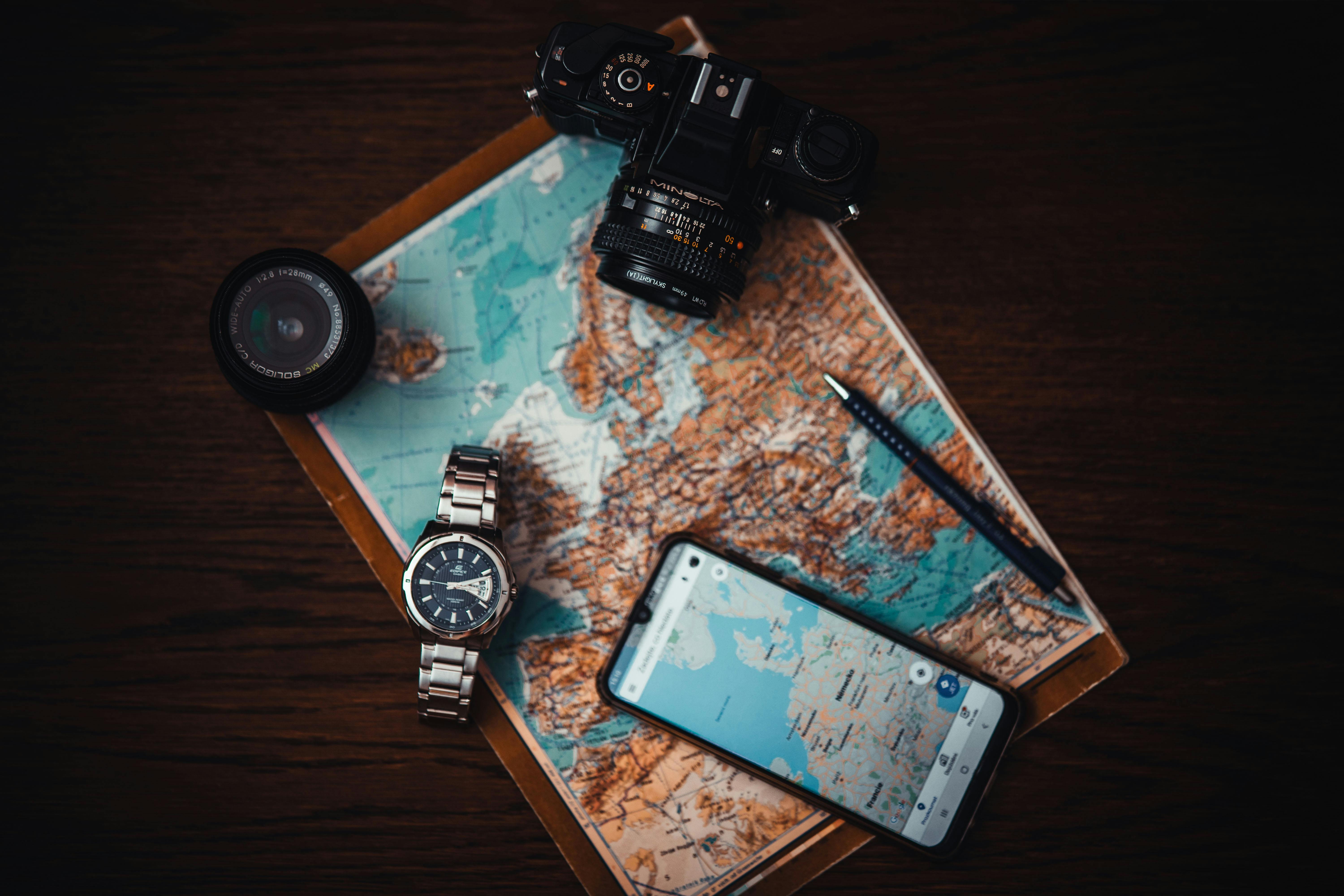
Leveraging technology like AirTtkt’s flight price alerts combined with strategic timing—such as early booking and avoiding peak dates—creates a powerful formula for budget-conscious travelers. By integrating rewards points and considering last-minute options carefully, you gain a flexible and cost-effective approach to travel planning.
Maintain Budget While Traveling
Sticking to your travel budget while on the go requires active expense monitoring and smart spending choices. Fortunately, modern tools and mindful habits can help you keep control of your finances during your trip without sacrificing your experience.
Top Mobile Apps for Expense Tracking
Using a reliable expense tracking app is one of the most efficient ways to monitor daily spending. Apps like Mint, TravelSpend, and Trail Wallet let you easily log transactions, categorize expenses, and set budget limits. Many of these apps offer offline modes, so tracking remains seamless even without Wi-Fi.
- Mint: Synchronizes with bank accounts and credit cards for automated tracking.
- TravelSpend: Designed specifically for travelers, supports multiple currencies and trip sharing.
- Trail Wallet: Intuitive interface with quick expense entry and customizable categories.
Regularly updating your expenses in these apps helps you identify overspending early and adjust habits before costs spiral.
Cost-Saving Behaviors to Adopt
Small lifestyle adjustments can drastically reduce travel expenses without impacting enjoyment. For example, grocery shopping instead of dining out for every meal can cut food costs by 40–60%. Local markets also offer authentic fresh produce and create a more immersive travel experience.
Opt for public transportation or bike rentals instead of taxis or rideshares to save money and explore cities from a more local perspective. Many destinations offer daily or weekly transit passes that are budget-friendly and convenient.
- Buy snacks and drinks at supermarkets rather than tourist spots.
- Use refillable water bottles to avoid buying bottled water repeatedly.
- Choose walking tours or self-guided explorations to save on guided tour fees.
Common Spending Pitfalls and How to Avoid Them
Travelers often overspend due to impulse buying, hidden fees, and unplanned activities. Avoid these traps by setting a daily cash allowance and mentally prioritizing your spending categories.
Watch out for souvenir shops near major attractions—prices are often inflated. Instead, explore local markets or shops away from tourist centers. Also, be mindful of inflated costs at airport eateries and convenience stores; packing snacks can be a great way to sidestep these expenses.
Lifestyle Tips That Fit Any Travel Budget
Travel doesn’t have to break the bank regardless of your budget size. Here are some lifestyle tips that work universally:
- Pack Light: Avoid checked baggage fees by traveling with carry-on only.
- Plan Off-Peak Activities: Many museums and attractions offer discounted or free entry on specific days or times.
- Stay in Alternative Lodging: Consider hostels, guesthouses, or short-term rentals instead of hotels.
- Prioritize Experiences Over Shopping: Focus on local events, street food, and cultural activities rather than shopping sprees.
Adopting these habits ensures you enjoy your trip fully without losing track of your budget.

Sample Trip Budget Breakdown
Planning a mid-range 7-day trip requires a clear understanding of how expenses accumulate. Below is a detailed budget breakdown illustrating typical costs for flights, accommodation, food, transportation, sightseeing, and a financial buffer. This example demonstrates budgeting in practice, helping you allocate funds effectively while maintaining flexibility.
| Expense Category | Estimated Cost ($) | Percentage of Total Budget (%) |
|---|---|---|
| Flights (round-trip) | 450 | 30 |
| Accommodation (mid-range hotel) | 420 | 28 |
| Food and Dining | 210 | 14 |
| Transportation (local transit, taxis) | 105 | 7 |
| Sightseeing and Activities | 175 | 12 |
| Buffer (emergencies, extras) | 140 | 9 |
| Total Budget | 1,500 | 100 |
Flights: Securing Affordable Airfares
The largest portion of this budget, about 30%, is allocated to round-trip flights costing approximately $450. This estimate assumes a moderately priced domestic or nearby international flight booked in advance via a platform like AirTtkt. Prices fluctuate depending on the season, destination, and booking timing, so flexibility in travel dates can unlock significant savings.
Accommodation: Balancing Comfort and Cost
Accommodation represents 28% of the total budget with a projected expense of $420 for a 7-night stay. This assumes staying at a mid-range hotel or well-rated Airbnb averaging $60 per night. This approach prioritizes comfort and convenience without stretching finances, but travelers can adjust by opting for budget hostels or luxury hotels depending on their preference.
Food and Dining: Savoring Local Flavors
Food costs are estimated at $210, which averages to $30 per day. This balances casual dining options, occasional splurges on local cuisine, and self-catering opportunities like groceries or street food. Eating where locals eat often reduces costs while offering authentic experiences. Flexibility here lets you prioritize either frugality or indulgence.
Transportation: Navigating Your Destination
Local transit, rideshares, taxis, or rental car expenses are budgeted at $105 or 7% of the budget. This estimate assumes using public transport for daily travel and occasional taxis for convenience. Adjustments depend on the destination’s infrastructure; some cities might require more transport spending, while others are walkable and reduce this cost.
Sightseeing and Activities: Exploring Attractions
Allocating $175 to sightseeing covers entrance fees, guided tours, and recreational activities. This allows for a mix of popular paid attractions and budget-friendly or free experiences like parks and local markets. Prioritizing activities based on interest and cost ensures maximum enjoyment without overspending.
Buffer: Preparing for Unexpected Costs
Setting aside a $140 buffer—roughly 9% of the budget—is a smart way to handle unforeseen expenses such as last-minute changes, tips, or small emergencies. Having this cushion prevents disruptions and gives you peace of mind throughout the trip.
Travel Budgeting FAQ
How to estimate total travel costs accurately?
Begin by listing all major expenses: flights, accommodation, meals, transportation, activities, and souvenirs. Research average prices for each category and factor in local taxes or fees. Use travel budgeting tools or spreadsheets to sum these estimates and adjust for trip length. This method provides a realistic overview, helping avoid surprises.
What is the best way to add a financial buffer to a budget?
Add a buffer by increasing your estimated budget by 10-20%. This safety margin covers unexpected expenses like delayed flights, currency fluctuations, or emergency purchases. Keeping extra funds accessible ensures stress-free travel, enabling you to handle surprises without compromising your plans.
When should I set flight price alerts for optimal savings?
Set price alerts about 2 to 3 months before your intended departure date, especially for domestic flights. For international travel, begin monitoring 3 to 6 months ahead. This timing gives you enough lead time to track fare trends and snag the best deals when prices dip. Using platforms like AirTtkt streamlines this process.
Why is maintaining a budget during travel important?
Sticking to a budget prevents overspending and anxiety. It keeps your trip financially sustainable and allows you to enjoy experiences without guilt over depleting funds. Maintaining awareness of your expenses helps prioritize spending on what matters most and avoid debt accumulation during or after travel.
Can I use travel rewards points for lodging costs?
Yes, many rewards programs allow redemption of points for hotel stays. Some credit cards and airline loyalty schemes partner with hotel chains or booking websites. Check if your program supports lodging redemption to maximize your savings. This strategy can significantly reduce accommodation expenses.
How can I avoid overspending on food while traveling?
Plan meals in advance by researching affordable local eateries and markets. Prioritize trying local street food or casual dining rather than upscale restaurants. Buying groceries for simple meals or snacks can also reduce costs. Tracking daily food expenses helps stay within budget and avoid impulsive splurges.
What apps help track travel expenses effectively?
Apps like Trail Wallet, Expensify, and Trabee Pocket are popular for monitoring spending on the go. They allow you to categorize expenses, set daily limits, and generate reports. Using these tools alongside booking platforms like AirTtkt helps maintain a clear financial overview throughout your trip.
Confident Travel with Smart Budgeting
Travel budgeting is the cornerstone of a stress-free and enjoyable trip. By carefully planning your expenses—from flights to accommodations and daily spending—you gain control over your finances and reduce anxiety about unexpected costs. Smart budgeting not only helps you stick to your travel goals but also opens opportunities to maximize your experience without overspending.
Using intuitive budgeting tools can simplify this process immensely. Platforms like AirTtkt offer a seamless way to compare real-time flight fares and uncover exclusive discounts. These tools empower travelers to make informed decisions quickly, locking in the best prices before they vanish. Proactively managing your trip budget with such resources keeps your plans flexible yet financially secure.
AirTtkt excels by combining affordability and convenience, providing access to a vast network of flights worldwide alongside options for hotels, car rentals, and vacation packages. Its user-friendly interface simplifies the booking experience, while features like price alerts and last-minute deals ensure you never miss a bargain. With 24/7 customer support, you have dedicated assistance to navigate any booking questions or changes, giving you peace of mind.
The advantages of smart budgeting extend beyond merely finding cheaper tickets: it’s about crafting a comprehensive plan that balances cost with quality and comfort. When you track your travel expenses early and regularly, you avoid financial surprises, freeing your mind to enjoy the adventure ahead. This preparation means you can confidently explore destinations knowing your budget supports your itinerary fully.
Ultimately, thoughtful travel budgeting paired with smart booking platforms like AirTtkt transforms the way you plan trips. It brings confidence to your travel decisions and ensures your journey is both affordable and rewarding. Start exploring AirTtkt today to discover how easy and cost-effective your next trip can be.