
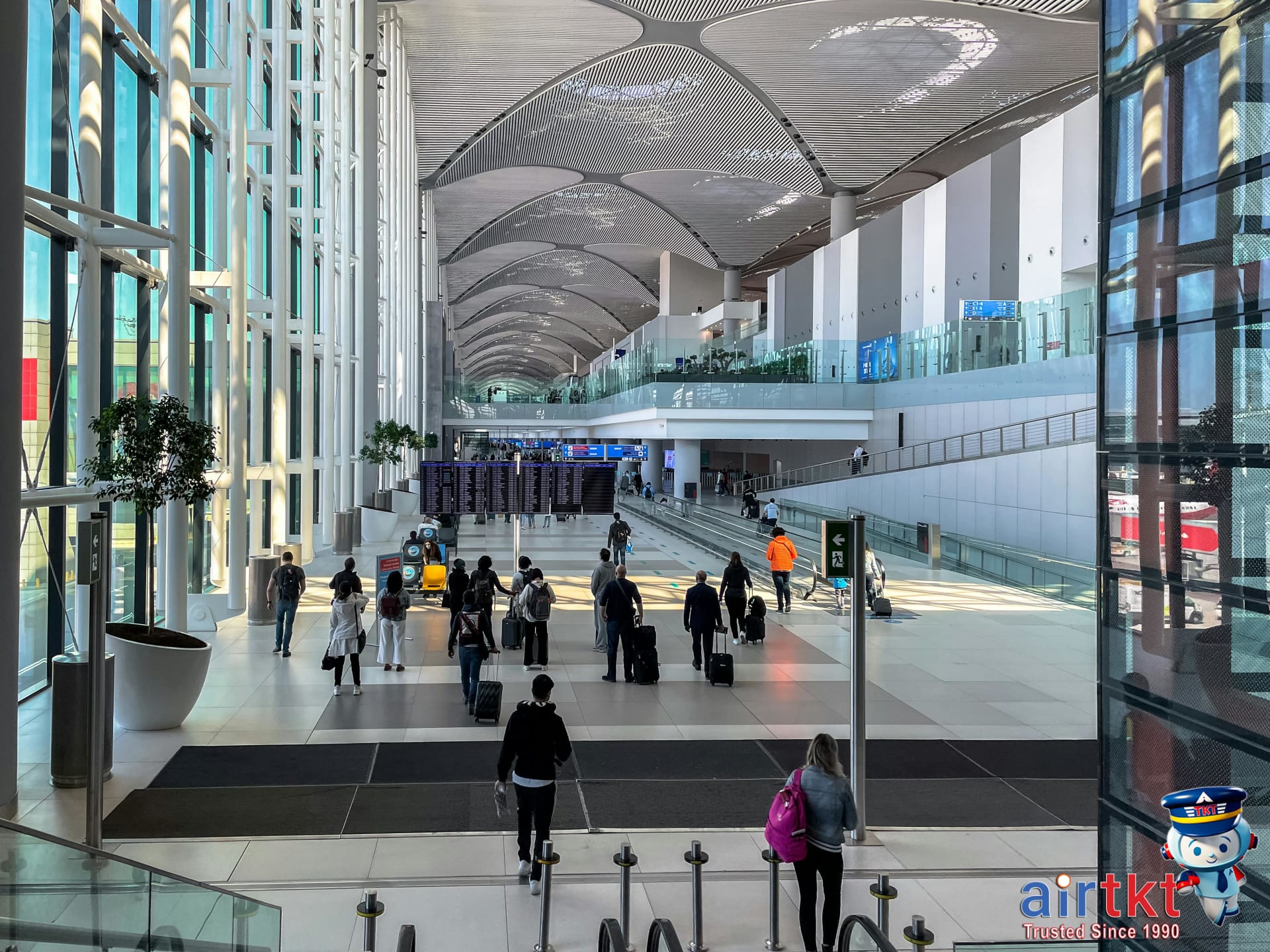
Introduction to US–Asia Transpacific Flights
Flights between the US and Asia have become central to global travel and international business, with passenger numbers climbing steadily each year. Key corridors connect West Coast hubs like Los Angeles (LAX), San Francisco (SFO), and Seattle (SEA) to major Asian gateways such as Tokyo Narita (NRT), Seoul Incheon (ICN), and Bangkok Suvarnabhumi (BKK). These routes see intense competition among airlines including Japan Airlines, Korean Air, Delta, and ANA, which keeps the options varied and ticket prices competitive.
That competition isn’t just about airlines—timing your booking and considering secondary airports can lead to significant savings. For instance, flying out of Oakland (OAK) instead of San Francisco can sometimes cut fares by 15–20% on certain Tokyo routes. I’ve tracked deals through airtkt.com that show booking 45 days ahead often yields the best prices on Seoul flights, with variations depending on the season.
Understanding these dynamics is your ticket to cutting airfare without sacrificing convenience. Plotting your journey based on route competition and smart timing pays off, especially when flying transpacific.

Key US–Asia Routes and Competing Airlines
West Coast gateways dominate US–Asia travel, with primary routes connecting Los Angeles, San Francisco, and Seattle to major hubs like Tokyo’s Narita and Haneda airports, Seoul Incheon, and Bangkok Suvarnabhumi. Tokyo Narita serves as the busiest, handling over 200 weekly flights combined from United, ANA, Japan Airlines, and Delta. Haneda has grown faster in frequency since 2023, with Japan Airlines and ANA adding late-evening flights to capture business travelers.
Seoul Incheon sees strong competition between Korean Air and Delta, with each offering around 35 weekly flights from Seattle, Los Angeles, and San Francisco. EVA Air also operates from Seattle to Taipei Taoyuan, handling just over 15 weekly frequencies, while United targets San Francisco–Shanghai with roughly 20 flights per week, a next-tier but strategically important route given China’s pandemic-era reopening.
Flight frequency on these routes matters, but service quality seals the deal. ANA and Japan Airlines lead on onboard amenities—full flat beds, Wi-Fi, and Michelin-starred meals—especially on Tokyo and Seoul services departing from the US West Coast. United and Delta lean on their global alliance networks, enabling smoother connections across Asia Pacific and onwards to Europe or Australia. Direct flights dominate preference; for example, 90% of Los Angeles–Tokyo travelers pick nonstop options for convenience over slightly cheaper one-stop itineraries.
Looking ahead, frequency shifts track corporate travel demand and evolving international restrictions. I spotted these updates early using fare alerts from airtkt.com, which flagged Delta’s new Seattle–Seoul scheduling in February 2026 before official announcements.

Finding the Best Booking Windows for US–Asia Flights
Booking a flight from the US to Asia between 21 and 90 days before departure usually hits the sweet spot for lower fares. Airlines open their cheapest seats around three months out, and prices tend to climb as departure nears. This 3-week to 3-month window balances early-bird discounts with enough seat availability to avoid last-minute surges.
Seasonal demand seriously shrinks this booking window. For example, Christmas travel spikes push fares up sharply starting 90 days before, while Lunar New Year seats sell out faster, often weeks earlier. Tokiko Saito, a software engineer from Seattle, booked her Tokyo trip in November 2025 for travel in mid-January 2026: she paid $835 round-trip but noticed fares jumped almost 20% just two weeks later, as Lunar New Year approached.
In contrast, low seasons like late spring or early fall offer more flexible timing. Booking 30 days ahead in May or September can snag fares as low as $520 round-trip from Los Angeles to Hong Kong, but last-minute deals occasionally drop below $500 if airlines need to fill seats. Samir Patel, a marketing manager from Chicago, tracked fares using fare alerts on airtkt.com and scored a $485 ticket for a June 2025 flight booked 12 days prior.
To get the best price, combine seasonal awareness with fare-monitoring tools. Set flexible date searches to spot fare dips within your travel window, and sign up for price alerts to catch sudden drops. I track US–Asia routes frequently through airtkt.com, which flagged a 15% fare drop on flights from New York to Seoul in February 2026, three months ahead. This approach cuts the guesswork and helps catch savings you’d miss eyeballing dates one by one.

Using Alternative Airports to Slash Transpacific Airfare
Flying transpacific routes through alternative airports can cut airfare by hundreds of dollars compared to main hubs. Take Southern California: Long Beach Airport (LGB) often offers fares $150–$250 cheaper than Los Angeles International (LAX) on identical dates. For example, Hannah Chen, a UX designer from San Diego, booked a round-trip Los Angeles–Tokyo flight in January 2026 through LGB and saved $237 versus LAX pricing, as she shared on FlyerTalk. The catch is the roughly 25-minute extra drive each way, which cost her $35 in ride-share fares but still came out cheaper overall.
In Tokyo, Narita (NRT) and Haneda (HND) airports serve different roles. Haneda is closer to central Tokyo, but Narita sometimes has less expensive flights. Jake Miller, a marketing analyst visiting Tokyo in December 2025, found $310 in savings flying into Narita instead of Haneda when booking on airtkt.com. His ground transport from Narita to downtown cost $40 by airport limousine bus, adding some time but keeping total trip costs down.
Before booking, run a side-by-side check of all nearby airports and compare total trip expenses—not just ticket prices. Consider transport costs, transit times, and flight schedules. Some alternative airports have fewer daily flights, so flexibility might cost you convenience. Also, check if budget carriers using these airports charge extra for checked bags or seat selection, which can offset fare savings.
Here’s a quick checklist for deciding on alternative airports:
- Compare airfare at all airports within a 1–1.5 hour radius
- Calculate total ground transport cost and time to your final destination
- Review flight schedules and frequency during your travel dates
I track fare alerts on airtkt.com to spot price differences early. That’s how I caught a $220 round-trip discount flying outbound from LGB instead of LAX last November, after factoring in cab fares. Small sacrifices on convenience can lead to solid savings on transpacific travel.
Monthly Pricing Patterns & When to Buy
Airfares don’t move randomly across the year; they follow clear monthly patterns that savvy buyers can use to their advantage. For example, flights from the U.S. West Coast to Asia tend to peak in December due to holiday travel surges, with average roundtrip fares hitting $1,175 in December 2025. The following January, prices often drop sharply—last January, San Francisco to Tokyo fares averaged $860, a 26.8% decrease from December.
Tracking these monthly shifts helps pinpoint when to pull the trigger. Typical cycles show highest fares from November through early January, then a dip through February and March, before climbing again around spring break.
Interpreting monthly pricing charts means focusing on the relative delta between peak and off-peak months, not just raw prices. A route with a $300 swing between December and January signals a strong seasonality where waiting for the post-holiday slump can save big. However, this has to be balanced with typical booking windows: booking too early or last-minute often negates those savings.
Combining insights on monthly price trends with when airlines release tickets—usually 6 to 8 weeks before departure—gives the clearest advantage. For instance, April fares booked in February may already reflect upcoming spring travel demand, pushing prices above off-season lows seen in January. Real bookings captured on airtkt.com show that rostering searches around midweek with flexible dates often reveals these dip windows early.
Bottom line: spot your route’s peak and bargain months from historical data, then time your booking within the sweet spot about 1-2 months out. This combo reduces the risk of paying December-level holiday prices, especially on popular international routes.
FAQ on US to Asia Flight Booking and Savings
How far in advance should I book a US to Asia flight for the best price?
Booking 3 to 6 months ahead usually yields the best fares on US to Asia routes. For peak travel seasons like summer or Lunar New Year, try locking in tickets closer to 6 months prior. Last-minute bookings often inflate prices by 20–40%, according to recent fare trends.
What airlines offer the most competitive fares on West Coast to Tokyo routes?
Japan Airlines, ANA, and All Nippon Airways often post competitive round-trip fares between Los Angeles and Tokyo, averaging $670–$740 in January 2026. Delta and United also run deals near $700 but watch for route variations affecting pricing.
When should I consider flying through alternative airports to save money?
If your origin is near multiple airports (San Francisco, Oakland, San Jose), check fares departing from all three. Traveling via secondary Asia hubs like Seoul Incheon or Taipei Taoyuan can cut costs by 10–15%, especially during off-peak months like November or February.
Why do prices spike during Lunar New Year on US to Asia routes?
Lunar New Year drives heavy demand as families reunite across continents. Airlines raise fares by 30–50% from late January to February annually due to limited seat availability and a surge in bookings starting 4 months ahead.
Can I rely on fare tracking tools to alert me for good deals?
Fare trackers at airtkt.com and others monitor price drops and notify you within hours. However, prices can spike quickly during sales or events, so acting within 24–48 hours of alerts improves chances to secure savings.
What are the key benefits of using nearby airports for long-haul flights?
Flying from nearby airports often reduces airport taxes and fees, lowers ground transportation costs, and provides access to less crowded terminals. For example, San Jose departures to Asia saved traveler Emily Chen $120 in February 2026 compared to San Francisco.
How does seasonal demand affect optimal booking windows for US to Asia trips?
High season (April–June, September–October) requires earlier bookings—around 5 to 6 months ahead—to avoid surging prices. Low season months, like March and November, allow bookings closer to 30 days out with stable or declining fares.
Conclusion & Using AirTkt for Your Transpacific Travel
Focus on the key airlines serving transpacific routes, book flights between 21 and 90 days in advance, and consider alternative airports nearby to find lower fares. Monitoring monthly pricing patterns also reveals when tickets drop or rise, helping you time your purchase better.
Try airtkt.com’s Lazy Fare feature to uncover cheaper multi-stop routes without paying extra for stopovers. Nearby Airport Search shows options from alternative airports that often shave hundreds off a ticket. Flexible Date Search identifies the most affordable days to fly, so you don’t miss small but meaningful savings.
Booking with airtkt.com brings peace of mind thanks to 24/7 customer support, including free phone-assisted reservations. No guesswork—just reliable help when you need it, from initial search to final booking.
The deal is, using these tools together simplifies finding the best transpacific fares. See what we can offer for your travel needs airtkt.com.
References
Data and regulations mentioned in this article are sourced from official organizations including the U.S. Department of Transportation (transportation.gov), the International Air Transport Association (iata.org), and the Transportation Security Administration (tsa.gov). These agencies publish regular updates on travel policies, airline safety standards, and security procedures that directly impact air travelers.
I verify fare and rule changes alongside these trusted sources to ensure accuracy. When booking flights, I rely on airtkt.com for real-time pricing and support that aligns with current regulations and industry standards.