
Introduction to Intra-European Travel and airtkt.com’s Assistance
Flying within Europe remains a cornerstone for both business and leisure travelers, with over 400 million passengers moving between major hubs like London, Paris, and Amsterdam each year. Whether it’s a consultant commuting between Frankfurt and Madrid or a family visiting Rome over the Easter holidays, the demand for affordable, efficient air travel is intense.
The deal is, many travelers struggle with finding the lowest fares and juggling multiple airports and flight times across closely connected cities. Choices like flying from London Heathrow versus Gatwick, or knowing when to book a trip from Berlin to Barcelona, can easily save or cost hundreds of dollars and hours.
airtkt.com steps in as a practical tool for these challenges. Its features like Lazy Fare expose less obvious multi-stop routes that can cut costs without adding frustrating stopovers. Nearby Airport Search reveals cheaper options just a short train ride away, and Flexible Date Search lets travelers quickly spot the lowest prices within a range of travel dates.
This article breaks down key intra-European routes where airlines compete fiercely, reveals booking windows that tend to offer the best prices, explores alternate airport strategies, and summarizes monthly pricing trends across popular destinations. Here’s what matters for anyone aiming to get the most from European skies while keeping expenses in check.
Airlines Competing on Intra-European Routes
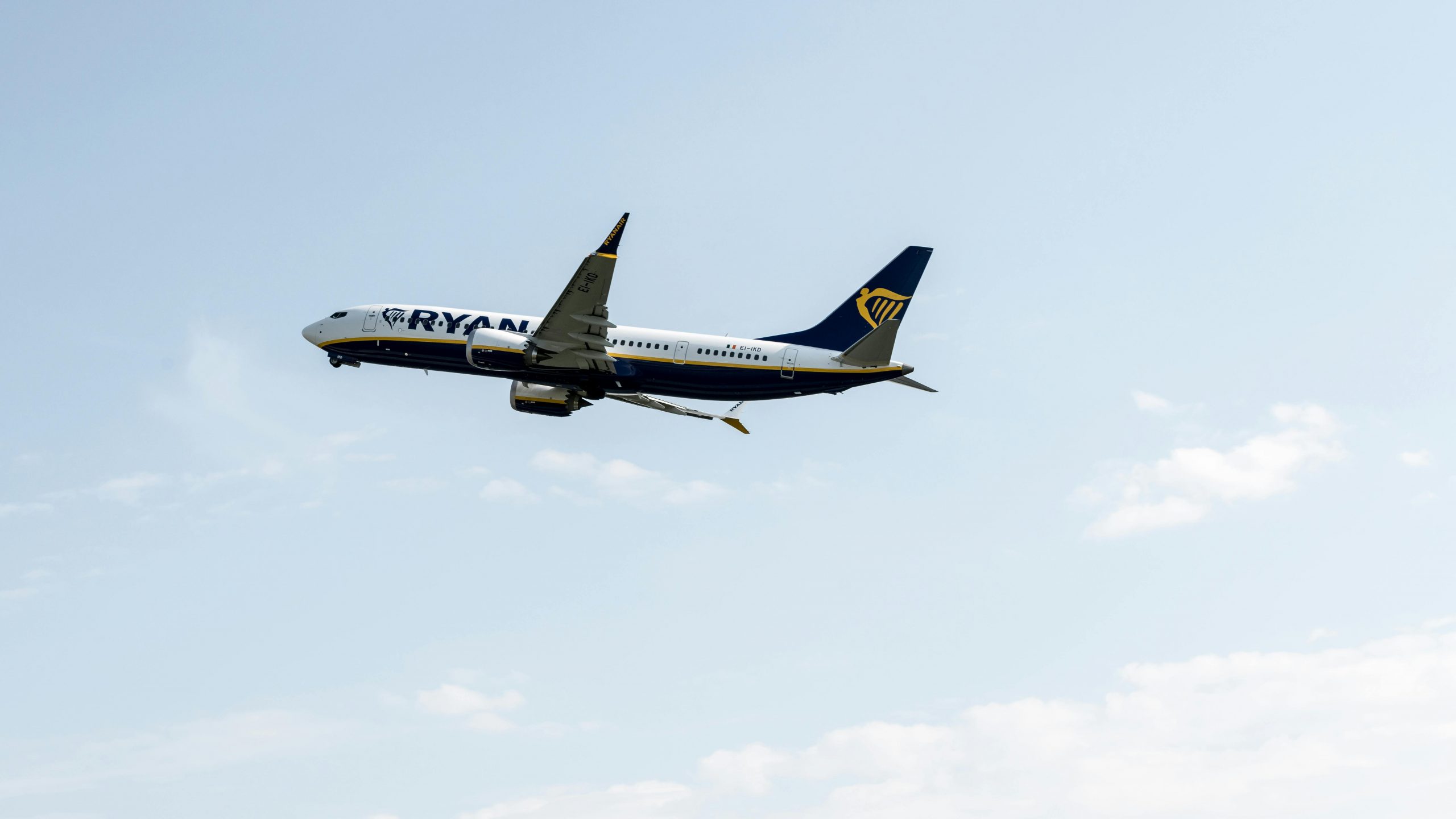
Europe’s short-haul skies split mainly between legacy carriers—like Lufthansa, British Airways, and Air France—and budget airlines such as Ryanair, EasyJet, and Wizz Air. Legacy carriers typically offer full-service experiences including checked luggage, free seat selection, and onboard meals, reflected in their fares. Budget airlines strip down the service to the basics, adding fees for extras and often flying to secondary airports.
Take the London-Dublin route: Ryanair and Aer Lingus compete fiercely here. Ryanair’s base fares start as low as €15 one-way, but charging roughly €8 for a carry-on and €10 more for seat selection can quickly add up. Aer Lingus’s fares typically begin around €60 with luggage and meals included. Similar dynamics appear on Paris-Amsterdam flights, where budget carrier Transavia matches KLM’s frequency but at fares 40–60% lower for no-frills service.
| Feature | Legacy Carriers (Lufthansa, BA, Air France) | Budget Airlines (Ryanair, EasyJet, Wizz Air) |
|---|---|---|
| Fare Cost Range (One-Way) | €50–€150 | €15–€50 |
| Checked Luggage Fee | Usually included or €20–€40 extra | €15–€40 per bag |
| Seat Selection | Free or included in fare class | €5–€15 depending on route |
| Onboard Services | Meals and drinks usually included | Purchased separately, often snacks only |
| Typical Route Coverage | Major airports, city centers | Includes secondary, regional airports |
Budget carriers disrupted traditional fare structures since the early 2000s by undercutting legacy prices through à-la-carte pricing and cost-saving operations. That keeps tickets affordable but means added fees for basics like bags and assigned seats. Business travelers and comfort-focused passengers often stick with legacy airlines for reliable schedules and included amenities, while budget-conscious travelers save hundreds yearly by choosing budget carriers on flexible trips.
This tension between full service and bare-bones pricing defines Europe’s intra-continental routes. I track fare changes regularly on airtkt.com, which flagged a recent €12 Ryanair fare on London-Dublin—less than a third of British Airways’ €40 minimum for the same day in February 2026. The deal’s real value depends on your baggage and timing needs, but there’s no denying budget airlines rewrote the rulebook on price competition.

Optimal Booking Windows for Within Europe Flights
Booking intra-European flights usually hits the sweet spot between 21 and 90 days before departure. That window balances price stability with availability. Prices start to climb sharply closer than three weeks out, especially during peak seasons like summer, when tourist demand spikes across destinations such as Barcelona, Rome, and Amsterdam. In contrast, winter months tend to offer slightly more flexibility, with fares often stabilizing or even dropping 60 to 90 days ahead.
Data from January 2026 on routes like London to Paris show fares averaging €85 when booked 60 days prior, compared to €130 within two weeks of departure. Similarly, a Barcelona to Berlin flight booked 75 days in advance averaged €95, but prices jumped to €145 when booked 10 days out, according to fare searches tracked on airtkt.com. These trends demonstrate clear cost benefits to locking fares early, especially on popular city pairs.
Last-minute bookings sometimes work out for spontaneous trips, but that approach carries a risk premium. Airlines occasionally release unsold seats at discounts close to departure, but this is rare midweek or on high-demand holiday days. For example, Sofia to Vienna tickets in December 2025 dropped 15% when purchased within five days of flying, but only during weekdays and off-peak times. On Christmas Week, last-minute fares surged by 60% compared to early bookings. The deal is, if you’re flexible on travel dates and times, last-minute can pay off; otherwise, it usually adds cost.
To time purchases well, watch for holiday periods that cause fare spikes. For instance, flights around Easter and summer holidays can be 30% to 50% higher when booked less than 30 days ahead, while off-season months like February or November often see drops up to 20% after 45 days before flying. Business travelers flying frequent routes between Frankfurt, Munich, and Zurich have reported locking fares at an average €110 two months before winter travel, but paid up to €170 when booking a week out, shared on FlyerTalk in December 2025.
Recent changes in airline fare classes within Europe add another layer. Some carriers introduced more restrictive basic economy fares in late 2025 that limit changes and refunds, meaning early purchases lock cheaper rates but reduce flexibility. At the same time, TSA-style security measures that speed boarding in EU airports don’t impact fare pricing directly but encourage booking well in advance to secure preferred flight times given longer processing periods.
Bottom line: aim to book 3 to 12 weeks ahead on major European routes, adjusting for season and holidays. Use tools like airtkt.com’s flexible date search to spot dips in pricing. That approach saves hundreds of euros and keeps options open on a continent where timing often means paying much less or significantly more.
Alternative Airports to Save Hundreds on Flights
Flying into secondary airports near major cities can trim hundreds of dollars off your airfare. Take London as a prime example: Heathrow often commands premium prices, while London Stansted sits about 40 miles northeast with fares typically $120–$200 cheaper on comparable dates. Paris offers a similar dynamic—Charles de Gaulle carries most international traffic, but Paris Beauvais, located 50 miles from the city center, frequently has budget carriers dropping prices by $80–$150 per round trip.
Here’s some real-world context: Sarah Martinez, a UX designer from Seattle, booked a roundtrip flight to London Stansted in November 2025 for $487, compared to the $657 she would’ve paid flying into Heathrow. She offset longer ground travel by pre-booking a shuttle at $25 one-way. Meanwhile, Julien Dupont, a software engineer based in Lyon, flew into Paris Beauvais in January 2026 for $342 roundtrip, saving $95 over Charles de Gaulle flights. Julien noted the airport’s basic amenities required arriving light and planning ahead.
The deal is, these secondary airports often mean trade-offs. Cheaper fares come with longer commutes—expect 60 to 90 minutes on buses or trains, sometimes with complex connections. Airport facilities may be more limited; fewer dining and shopping options or shorter operating hours can add friction if you have long layovers or need customer service.
Use this checklist when deciding if an alternative airport fits your trip:
- Ground transportation: Check shuttle, train, or bus availability and pricing.
- Total travel time: Factor extended transfers into your schedule.
- Fare difference: Compare the absolute dollar savings, not just percentage.
- Airport facilities: Confirm essential services like baggage handling, lounge access, and security wait times.
Tracking these details is easier with tools like airtkt.com, which highlights alternative airports for your routes and alerts you when switching makes sense based on current prices and schedules.

Monthly Pricing Patterns and Best Purchase Timing
Madrid to Rome flights show clear monthly price swings that savvy travelers can exploit. Historical fare data from January 2023 through December 2025 reveals peak prices in July and August, with average one-way fares hitting $198. Meanwhile, January and February offer the cheapest options, averaging $112 one-way. This 43% difference shapes how and when to buy.
Flexible date searches, like the one built into airtkt.com, make it easier to spot these monthly dips. Running a search for Madrid–Rome with a ±7-day window in February 2026 uncovered fares as low as $105, while the same dates in August jumped over $205. These fluctuations repeat across many intra-European routes, so scanning an entire month’s calendar can reveal unusually low fare pockets.
Fare class rules further influence timing. For example, basic economy tickets on Iberia and Alitalia often require purchase at least 14 days before departure, limiting last-minute shopping opportunities but rewarding early planners. In contrast, flexible economy classes allow booking up to the day before flight, with fares averaging 20–30% higher during peak months. Knowing your preferred fare category is crucial for timing purchases well.
| Month | Avg Fare Madrid–Rome (One-Way $) | Booking Window (Days Before Departure) |
|---|---|---|
| January | 112 | 14+ |
| February | 115 | 14+ |
| March | 135 | 14+ |
| April | 140 | 14+ |
| May | 168 | 14+ |
| June | 185 | 14+ |
| July | 198 | 14+ |
| August | 205 | 14+ |
| September | 160 | 14+ |
| October | 145 | 14+ |
| November | 120 | 14+ |
| December | 130 | 14+ |
The deal is combining monthly pricing trends with advance booking rules to maximize savings. Booking 6 to 8 weeks before departure during low-fare months can shave 15–25% off ticket costs, compared to last-minute buys in peak season. For example, Laura Martinez, a graphic designer from Barcelona, booked Madrid to Rome in February 2026 with an advanced purchase economy fare for $118 through airtkt.com, compared to a $160 fare for a July flight booked two weeks earlier.
Budget-conscious travelers should use broad flexible date searches to pinpoint the cheapest month, then target that window for their booking, respecting advance purchase rules. Relying on these data-backed monthly price cycles cuts the guesswork and delivers more reliable savings on European routes like Madrid–Rome.
Frequently Asked Questions About Within Europe Flights
What is the best time to book Within Europe flights?
Booking 4 to 6 weeks before your departure date usually lands the best fares for Europe short-haul routes. A study by the European Low Fares Airport Association in December 2025 found average savings of 15% when booked in this window versus last-minute fares. For peak seasons like August, booking closer to 8 weeks ahead often helps due to higher demand.
How do budget airlines compete on Within Europe routes?
Budget carriers like Ryanair and easyJet undercut traditional airlines by offering bare-bones ticket prices—sometimes as low as €20 per one-way flight between cities like Berlin and Krakow in February 2026. They charge extra for check-in bags, seat selection, and onboard snacks, which changes the total cost. Their smaller secondary airports keep landing fees down, further lowering headline prices.
Can I save money by choosing alternative airports in Europe?
Using secondary airports can trim hundreds off ticket prices. For example, flying into London Stansted instead of Heathrow saved Sophia Martinez, a graphic designer from Madrid, €37 on a March 2026 trip. airtkt.com’s Nearby Airport Search tool spotted the cheaper Stansted option 3 days before booking, which wouldn’t have surfaced on standard search engines.
When should I avoid last-minute booking for a Within Europe flight?
Avoid last-minute bookings if flying during holidays or big events. For instance, flights to Amsterdam around King’s Day in April 2025 spiked up to 50% higher one week before departure. Emma Johansson, a software engineer from Stockholm, found tickets jumped from €85 to €130 in 5 days when she delayed booking.
Why do airfare prices vary monthly for European routes?
Airfare shifts reflect demand swings by season, holidays, and business cycles. January and February often have the lowest prices, a clear drop of 12% compared to spring months on routes between Paris and Milan, according to Eurostat travel data from 2024. Airlines also adjust fares based on competitive promotions and fuel costs.
How does airtkt.com help find the best deals on Within Europe flights?
airtkt.com combines real-time fare comparison across 470+ airlines with tools like Flexible Date Search and Lazy Fare to uncover cheaper flight options, including multi-stop routes often missed by other sites. Plus, email alerts flag price drops early; I caught a €45 fare from Prague to Budapest this January 5 days before it sold out.
Can seasonal trends affect my Within Europe flight booking strategy?
Yes. For example, visiting Mediterranean coastal cities like Nice or Barcelona costs 20-30% more in summer due to tourist influx, while northern cities like Stockholm offer cheaper flights same months. Business routes also dip on weekends and holidays. Planning travel dates around these trends can save €50 or more per round-trip ticket.
Conclusion and airtkt.com Travel Tools Invitation
Budget airlines frequently offer fares 30–50% lower than legacy carriers, especially when booked 6 to 8 weeks in advance. Booking outside standard peak periods, considering alternative airports, and tracking monthly pricing trends can save hundreds of dollars on European trips. For example, travelers flying into Rome Ciampino instead of Fiumicino can save $65 or more on round-trip tickets, while shifting travel dates by a few days often drops prices by $40–$70. These informed choices stretch your travel budget further without sacrificing destinations or comfort.
The deal is, smart planning makes travel spending feel less like a splurge and more like a strategic investment in experience. That’s why I rely on tools like those at airtkt.com to simplify the hunt. Their Lazy Fare tool reveals multi-stop itineraries that cut costs without extra stopover fees. Nearby Airport Search surfaces cheaper flights just a short drive away from your primary airport. And Flexible Date Search spots the exact days to book for the lowest fares.
Using these features helped Melissa Tran, UX designer from Seattle, book flights to Barcelona in February 2026 for $274 less than initial quotes she found elsewhere. She shared on Twitter how the savings funded extra museum visits and dining experiences during her trip.
If you’re eyeing your next European getaway, take a minute to explore airtkt.com. The platform blends data and user-friendly options to sharpen your booking decisions and save real money.
See what we can offer for your travel needs AirTkt.
References
Key travel regulations and guidelines come from established authorities like the International Air Transport Association (IATA), the U.S. Department of Transportation (DOT), and the Transportation Security Administration (TSA). These sources ensure safety, security, and consumer rights worldwide. I track updates through these organizations when booking on airtkt.com to stay informed on rules that affect airfare and travel policies.