
Importance of Carrying a Travel First Aid Kit
Traveling often brings unexpected challenges, including minor health issues like cuts, headaches, insect bites, or stomach discomfort. Carrying a basic travel first aid kit allows you to address these common problems quickly and effectively, preventing them from ruining your trip. Having easy access to essentials like bandages, antiseptic wipes, and pain relievers means you can avoid unnecessary delays or costly visits to local clinics in unfamiliar places.
Beyond physical care, a travel first aid kit offers invaluable mental peace. Knowing you’re prepared for minor emergencies increases your confidence and sense of safety, especially when navigating crowded airports or remote destinations. This readiness reduces anxiety, making your travel experience smoother and more enjoyable.
At AirTtkt, we understand that practical safety is just as important as finding affordable flights and accommodations. That’s why our expert travel advice goes beyond bookings to include tips that keep you well-prepared on the road. Our commitment is to help you travel smarter and worry less by sharing essential knowledge about packing, health, and safety.
This article will guide you through what to include in a travel first aid kit, how to pack it efficiently for any trip, and ways to customize and maintain your kit for ongoing use. By integrating these strategies, you can ensure peace of mind and preparedness wherever your adventures lead.
Essential Items to Pack in a Travel First Aid Kit
When preparing for any trip, a well-stocked travel first aid kit is a must-have for handling minor health issues, preventing infections, and managing unexpected ailments. Packing the right items ensures you’re equipped to stay healthy and comfortable no matter where you go. Below is a detailed checklist of essential items to include, with explanations and tips on adjusting quantities and medications for your destination.
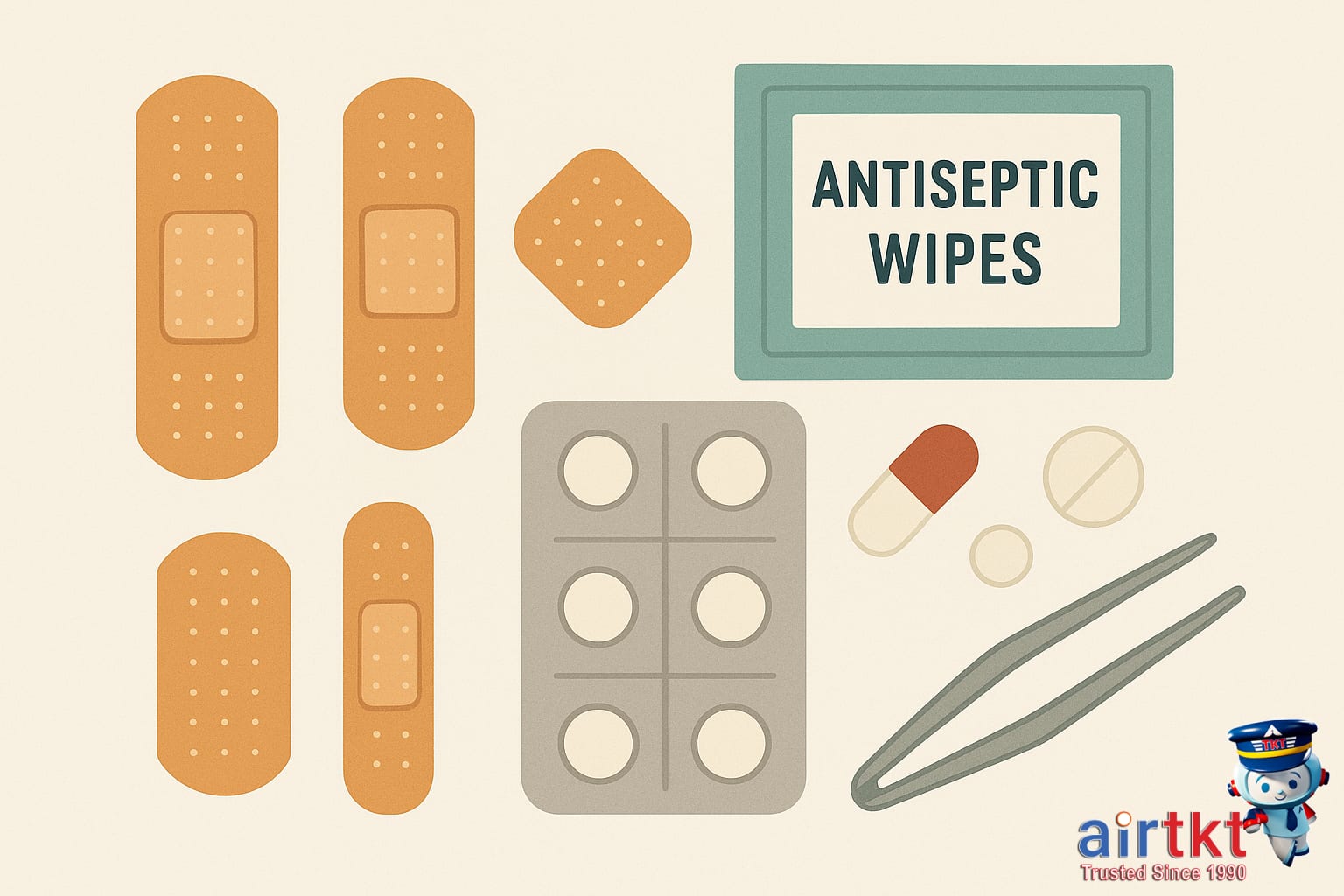
- Assorted Band-Aids: Various sizes to cover small cuts, blisters, or abrasions quickly and protect wounds from dirt and infection.
- Antiseptic Wipes: For cleaning wounds or disinfecting hands when soap and water aren’t available, helping prevent infections.
- Pain Relievers: Include acetaminophen and ibuprofen to ease headaches, muscle pain, or fever. Having both options allows flexibility based on your needs.
- Anti-Diarrheal Medication: Sudden digestive issues can strike anywhere; packing these can reduce discomfort and keep your trip on track.
- Antihistamines: Essential for allergic reactions, hay fever, or insect bites. Non-drowsy formulas are ideal for daytime use while traveling.
- Motion Sickness Pills: Prevent nausea and dizziness during flights, boat rides, or long drives, particularly on winding routes.
- Tweezers: Useful for removing splinters, ticks, or debris from the skin.
- Thermometer: To monitor your temperature if you start feeling unwell, helping you decide when to seek medical attention.
Personal Prescription Medications: Always include enough of your regular medicines to last the entire trip, plus a few extra days in case of delays. Carry copies of your prescriptions and ensure prescription labels are visible to avoid issues with customs or security checks. This reduces the risk of confiscation and helps prove legitimacy.
Adjust the quantity of these items based on the duration of your travel. For weekend getaways, minimal supplies suffice. Extended trips require larger quantities, especially for commonly used items like pain relievers and bandages.
Destination-Specific Medications: Certain locations may require additional measures—for example, malaria prophylaxis if traveling to tropical regions, or altitude sickness tablets for high-altitude destinations. Before leaving, research if your destination has seasonal health risks such as mosquito-borne illnesses or flu outbreaks and pack accordingly.
Regulatory Tips: Remember to check TSA regulations on carrying liquid medications and other medical supplies. Liquids in quantities over 3.4 ounces require special consideration, but essential medications are usually permitted in reasonable amounts if declared during screening.
Organize and Pack Your Travel Health Kit Efficiently
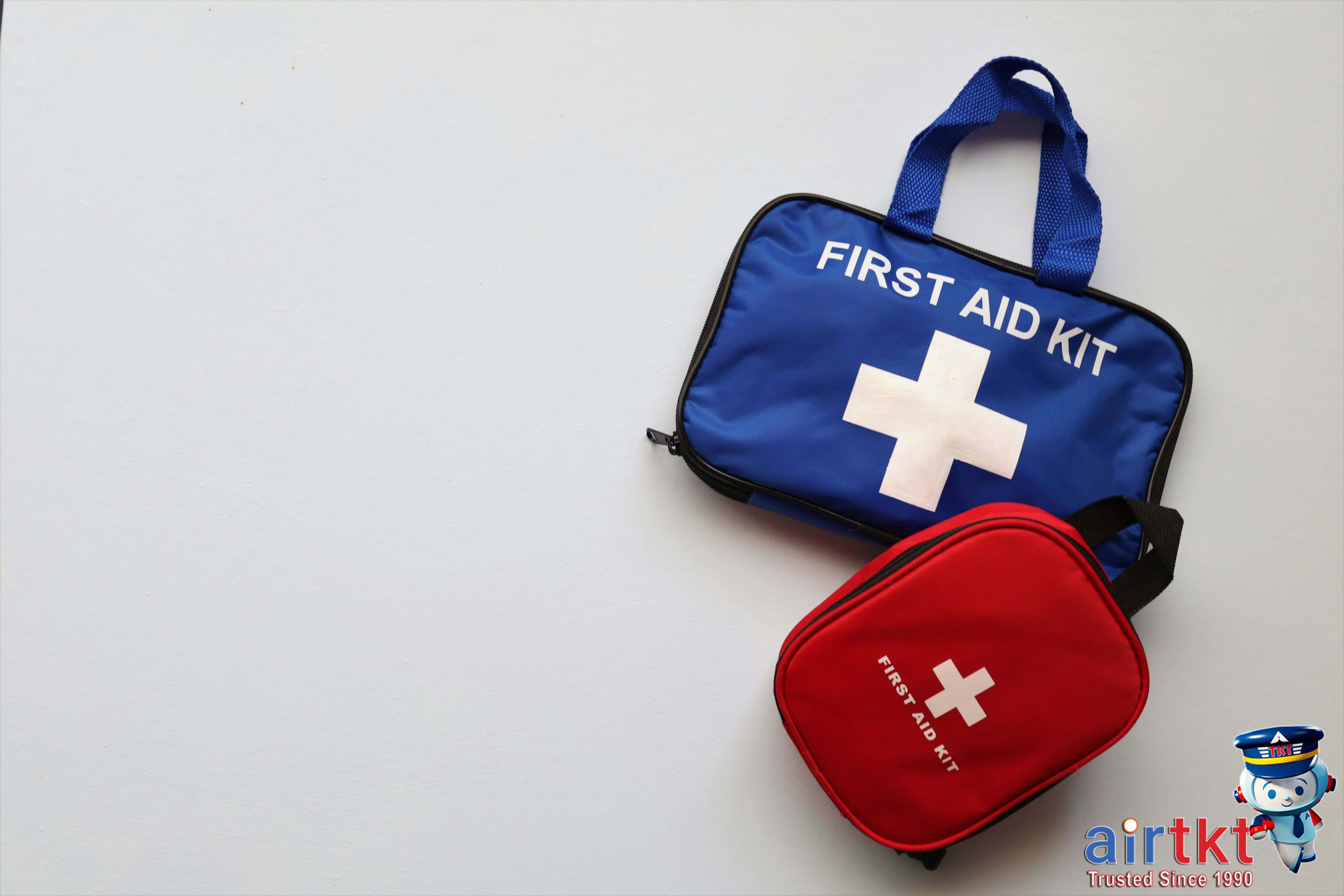
Choosing the right container for your travel health kit sets the foundation for staying prepared and stress-free during your trips. Opt for a compact, durable, and water-resistant pouch or hard case to protect your essentials from moisture, spills, or rough handling. This type of container ensures your first aid items remain intact and easily portable, without adding unnecessary bulk to your luggage.
When packing, arrange items strategically for quick access and clear visibility. Group similar things together—bandages in one section, medications in another, and tools like tweezers or scissors separately. Use small zip bags or divider compartments inside the pouch to prevent clutter and make it easier to locate what you need instantly during an emergency.
Keeping your health kit within reach is crucial, so always pack it in your carry-on bag. This approach allows you to access important medicines or first aid supplies anytime during your flight or layovers. It also avoids the risk of lost checked luggage, ensuring you have your essentials on hand when needed most.
Remember that airline policies may slightly vary, so always check specific regulations before you travel. For liquid medications exceeding the usual 3.4-ounce (100 ml) limit, obtain a doctor’s note to present during screening. This proactive preparation prevents unexpected delays or confiscation.
To keep your kit organized over multiple trips, label your pouch clearly with your contact information. Additionally, maintain a simple inventory list inside the pouch or on your phone. This list helps track which items need replenishing and ensures you never forget critical medicines or supplies.
Customize Your First Aid Kit by Trip and Destination
When preparing your travel first aid kit, one size does not fit all. Tailoring it to the specific length, climate, and health risks of your destination ensures you’re well-equipped for any minor medical issues on the road. The key is to assess your trip’s unique conditions and adjust your supplies accordingly.
Consider Trip Duration and Environment
The length of your trip heavily influences what you need to carry. For short weekend getaways, a basic kit with essentials like bandages, antiseptic wipes, and pain relievers is usually sufficient. However, for longer trips, you’ll want to increase quantities and include additional items that help manage prolonged exposure to environmental factors.
Climate plays a vital role too. Traveling to hot, humid locations means including hydration aids like oral rehydration salts or electrolyte powders to prevent dehydration. Cold destinations require balms for chapped skin and warming packs. If heading to high altitudes, pack remedies to counter altitude sickness symptoms such as headaches, nausea, or dizziness.
Add Destination-Specific Medications
Some regions pose unique health challenges that call for specialized medications. For example, if you’re visiting tropical or subtropical areas, consider carrying malaria prophylaxis pills after consulting a healthcare provider. Mosquito repellent with DEET or natural alternatives is also essential in these zones.
For travelers with allergies, customize your kit with antihistamines or epinephrine auto-injectors, depending on severity. It’s wise to research common allergens at your destination—like pollen in spring or specific foods—and pack accordingly.
Address Regional Health Concerns
Some places have specific health risks that necessitate tailored preparations. At high altitudes, symptoms like breathlessness or headaches might require medicines like acetazolamide. In areas prone to stomach infections or traveler’s diarrhea, pack antibiotics or activated charcoal, but always use these under medical advice.
Be mindful of the quality of water and food in your destination. Including water purification tablets or portable filters can prevent gastrointestinal issues, especially in remote locations with limited medical access.
Checklist for Customizing Your First Aid Kit
- Duration: How many days will you be traveling? Scale supplies accordingly.
- Climate: Hot, cold, humid, or dry? Include hydration aids, sunblock, or cold-weather supplies.
- Health Risks: Malaria zones, altitude sickness, common local illnesses—include relevant medications.
- Personal Needs: Allergies, prescriptions, chronic condition medications.
- Local Medical Access: Is medical care readily available, or should you prepare for self-care?
- Water & Food Safety: Water purification options and travel-safe gastrointestinal aids.
By thoughtfully customizing your first aid kit to the specifics of your trip, you enhance your peace of mind and readiness for unexpected health events. This tailored approach complements the smart travel planning tools offered by AirTtkt, enabling stress-free adventures wherever you go.
Use and Maintain Your Travel Medicine Kit Regularly
A well-stocked travel medicine kit is a trusty companion on any journey, but to keep it effective, regular upkeep is essential. Start by scheduling routine checks— ideally every six months— to review expiration dates and the overall condition of your supplies. Many medications lose potency past their expiry, so timely replacement ensures your kit remains reliable when you need it most.
Keep track of what you use during trips. Promptly restock any medications or items you’ve depleted, whether it’s pain relievers, bandages, or antiseptics. This prevents unpleasant surprises before your next adventure and helps you avoid last-minute pharmacy runs where costs might be higher.
Proper storage is equally important at home to maintain your kit’s effectiveness. Store it in a cool, dry place away from direct sunlight and humidity, which can degrade medicines and materials. Avoid bathrooms or kitchens where temperature fluctuations and moisture are common. Using a sturdy, sealed container protects contents from damage and contamination.
Knowing how to address minor ailments with your kit’s contents adds confidence to your travels. For common issues like headaches or fever, use over-the-counter pain relievers as directed on the label. Clean minor cuts or scrapes gently with antiseptic wipes before applying adhesive bandages to reduce infection risk. For upset stomachs, antacids or electrolyte packets can help restore comfort and hydration. Always follow dosage instructions carefully to avoid complications.
While a travel medicine kit can handle many minor health issues, it’s crucial to recognize its limits. Your kit is a supplement— not a substitute— for professional medical care. If symptoms worsen or persist, seek qualified medical attention promptly. Carry travel insurance and know local emergency numbers wherever you go to stay prepared for unexpected health needs.
Frequently Asked Questions About Travel First Aid Kits
How to pack a travel first aid kit efficiently?
Pack your travel first aid kit by prioritizing compact, versatile items that cover common emergencies. Use small resealable bags to organize bandages, antiseptics, and medications. Include multi-purpose tools like tweezers and scissors, and make sure everything fits securely in a waterproof case for easy access during your trip.
What is the most important item in a travel first aid kit?
While several items are essential, adhesive bandages rank as the most important because minor cuts and scrapes happen frequently. Pair them with antiseptic wipes to prevent infection. Also, consider including pain relievers and any personal prescription medications that address your specific health needs.
When should I update or replace items in my travel first aid kit?
Review your travel first aid kit before every trip, replacing expired medications and used supplies. Ensure bandages are intact and antiseptic wipes remain moist. Updating your kit annually or after each use helps maintain its effectiveness and readiness for emergencies.
Why is carrying a travel first aid kit important for international trips?
Travel first aid kits provide immediate care options, especially where medical facilities may be distant or language barriers exist. They help manage minor injuries and illnesses, reducing the need for costly or complicated medical visits abroad, and contribute to a safer, more confident travel experience.
Can I bring prescription medicines in my travel first aid kit on a plane?
Yes, you can carry prescription medicines in your travel first aid kit when flying. Keep them in their original labeled containers along with your doctor’s prescription or a medical note. Check TSA and airline guidelines to ensure compliance with security regulations and avoid issues during screening.
How to adjust a travel first aid kit for different climates or destinations?
Adapt your travel first aid kit based on destination-specific needs. For tropical climates, include insect repellent and sunscreen. In colder regions, pack lip balm and moisturizing lotion. Consider medications for altitude sickness if traveling to higher elevations or anti-diarrheal remedies for regions with uncertain water quality.
What should I do if I need medical help beyond the travel first aid kit?
If your condition exceeds the scope of your travel first aid kit, seek professional medical attention immediately. Know the local emergency numbers of your destination and locate nearby clinics or hospitals. Travel insurance that covers medical emergencies can offer valuable support during such situations.
Peace of Mind with a Well-Prepared Travel First Aid Kit
Having a compact, thoughtfully assembled first aid kit is an essential part of traveling smart and safe. It not only addresses minor medical needs promptly but also boosts your confidence to handle unexpected health issues on the road. From small cuts and headaches to allergic reactions and stomach upsets, a well-prepared kit means you’re ready for common situations without scrambling for help in unfamiliar places.
Customizing your first aid kit is key. Use the checklist provided earlier to include items tailored to your destination, activities, and personal health requirements. Regularly check expiration dates and replenish supplies before each trip to maintain its effectiveness. This ongoing attention ensures your kit stays reliable, giving you peace of mind wherever you go.
At AirTtkt, we value practical travel advice just as much as delivering unbeatable booking solutions. Our guides are designed to empower travelers like you with useful tips and checklists that simplify preparation and reduce stress. Whether you’re booking affordable flights, hotels, or car rentals, AirTtkt supports your journey with a focus on safety and smart decision-making.
Explore AirTtkt to find the best deals and resources tailored to your travel plans. By combining our expert travel tips and user-friendly platform, you can travel confident, prepared, and at great value—all while having instant access to customer support that keeps your experience smooth from booking to arrival.