

Rent Cars Abroad with Confidence
Exploring a new country by car is an unmatched way to experience local culture and hidden gems beyond the usual tourist routes. Renting a car abroad offers travelers exceptional freedom to set their own schedule, visit off-the-beaten-path destinations, and enjoy the journey at their own pace. Unlike relying on public transport or guided tours, having your own set of wheels opens doors to spontaneous adventures and personalized travel plans.
However, navigating the world of international car rentals can feel overwhelming without the right information. From understanding legal requirements to insurance nuances and driving customs, each destination presents its own challenges. That’s why this article is designed to equip you with the essential knowledge to rent cars abroad confidently. By knowing what to expect and how to prepare, you’ll avoid common pitfalls and focus fully on enjoying your trip.
We will cover crucial topics such as obtaining an International Driving Permit (IDP), obtaining appropriate insurance coverage, familiarizing yourself with local driving laws, and practical tips to streamline your rental experience. Whether it’s your first time renting internationally or you want to sharpen your approach, these insights will help you make informed choices.
Empower yourself with the right tools and guidance to make your international car rental smooth, safe, and stress-free. With the support of AirTtkt and these expert tips, you can confidently plan your next adventure on four wheels—ready to explore every corner without surprises.
International Driving Permits and Licensing Rules
An International Driving Permit (IDP) is a legal document that translates your domestic driver’s license into multiple languages, facilitating easier recognition and compliance with foreign traffic laws. It functions as a supplementary credential alongside your valid home country license, allowing you to drive legally in many countries without the need for obtaining a local license.
Though an IDP is widely recognized, it is not a standalone license. Travelers must carry both their domestic driver’s license and the IDP to avoid complications. This requirement ensures that the permit is only a translation and verification tool, not a replacement for your original driving credentials.
Countries that commonly require an IDP include the United States, Canada, Japan, Brazil, and many others outside of the European Economic Area (EEA) and Association of Southeast Asian Nations (ASEAN). Within the EEA—comprising most European Union countries and a few others—and ASEAN countries, your domestic license is often sufficient, making the IDP unnecessary in these regions.
The rules and validity of IDPs are governed by three international conventions: the 1926 Paris Convention, the 1949 Geneva Convention, and the 1968 Vienna Convention. The 1968 Vienna Convention is currently the most widely adopted, dictating that an IDP is typically valid for one to three years, depending on the issuing authority and the traveler’s license validity. This international framework standardizes IDPs to ensure mutual recognition among signatory countries.
Obtaining an IDP is usually a straightforward process handled by authorized automobile associations. For example, in the United States, the American Automobile Association (AAA) issues IDPs. Applicants need to provide a valid U.S. driver’s license, two passport-sized photos, and a completed application form. The fee ranges around $20, and the permit is often issued immediately or within a few days. Similar agencies exist in other countries, such as the Canadian Automobile Association (CAA) or the RAC in the UK.
Given that international driving regulations can change, it is essential for travelers to verify the current list of countries requiring an IDP before their trip. Official resources, such as government travel sites or reliable automobile clubs, provide updated information. Checking these ensures compliance, avoiding potential fines or legal issues while abroad.

Compare Insurance and Credit Card Coverage
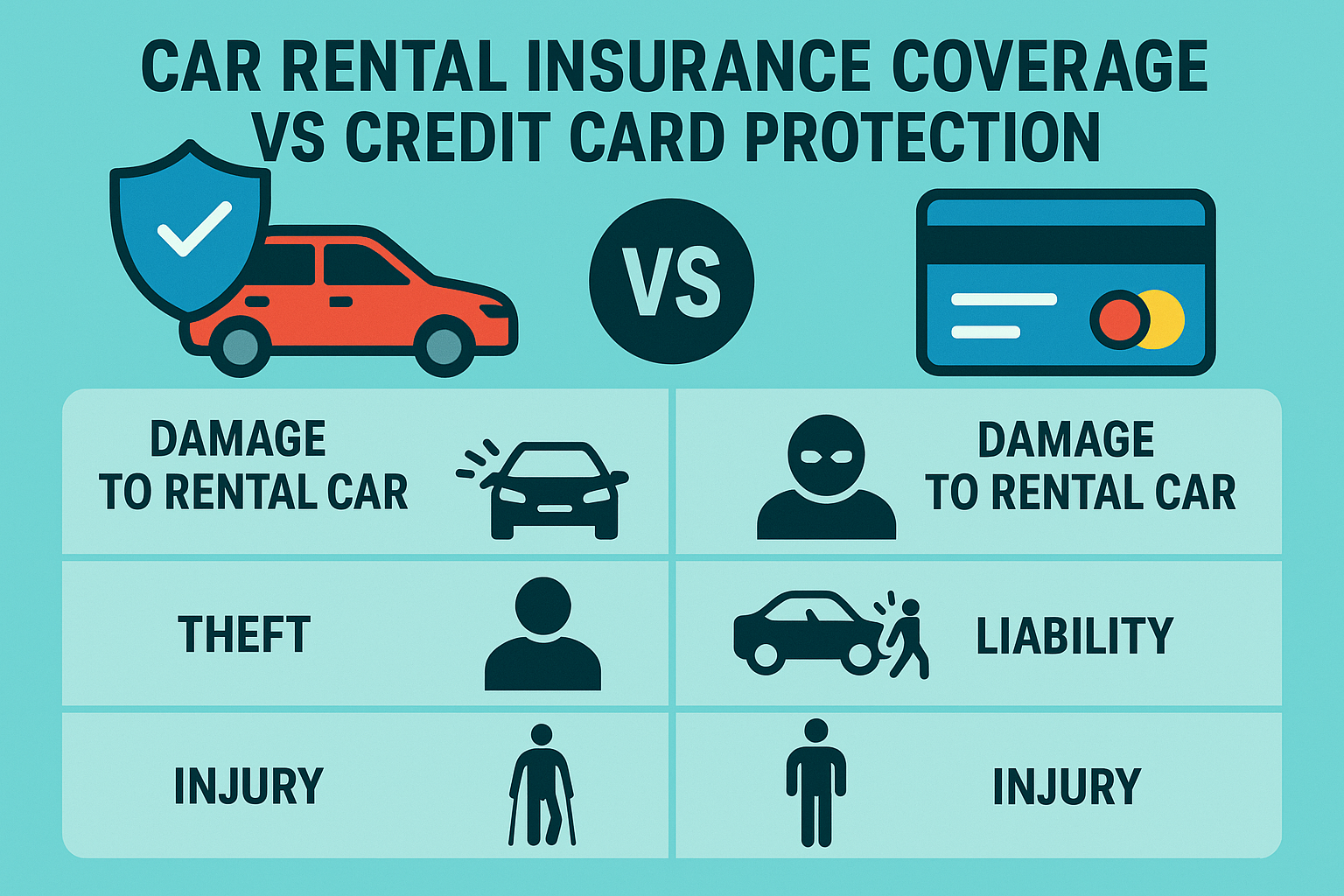
When renting a car internationally, understanding your insurance options is crucial to avoid unexpected expenses. The most common car rental insurance types include Collision Damage Waiver (CDW), liability insurance, and theft protection. CDW covers damage to the rental vehicle in case of an accident, while liability insurance protects you if you cause damage to other people or property. Theft protection safeguards against loss due to the vehicle being stolen. These coverages can typically be purchased directly from the rental agency, but costs vary widely depending on the country and rental company.
Many credit cards offer rental car insurance as a complimentary benefit, but it usually acts as secondary coverage. This means it kicks in only after your personal auto insurance pays. Some premium cards provide primary coverage outside your home country, which is ideal for international travel. However, credit card insurance policies often exclude certain vehicles like luxury cars, trucks, or rentals longer than a specified duration, typically 15 to 30 days.
Travelers should be cautious about potential coverage gaps. For example, credit card insurance might not cover liability or personal injury. Some cards exclude coverage in specific countries or if you decline the rental company’s CDW. To avoid surprises, contact your card issuer before your trip to understand the exact terms, verify which countries are covered, and confirm any required steps like paying for the rental entirely on the card.
| Coverage Type | Rental Agency Insurance | Credit Card Insurance | Cost |
|---|---|---|---|
| Collision Damage Waiver (CDW) | Comprehensive coverage for vehicle damage | Usually covered (secondary), some offer primary coverage | $10–$30/day depending on location |
| Liability Insurance | Often mandatory; covers bodily injury/property damage | Rarely covered; liability usually excluded | Varies; often included or $7–$15/day |
| Theft Protection | Covers vehicle theft and associated loss | Generally covered under CDW benefit | Included in CDW or extra fee |
| Personal Injury Protection | Optional; covers medical expenses for driver/passengers | Not covered | Varies; optional add-on |
Recent updates in international rental insurance terms emphasize greater clarity around coverage restrictions and exclusions. Some credit card providers have tightened rules due to rising claims, such as limiting which countries qualify or requiring additional documentation at rental pick-up. Always review the most current policy details, as these can change without much notice.
Essential International Driving Rules
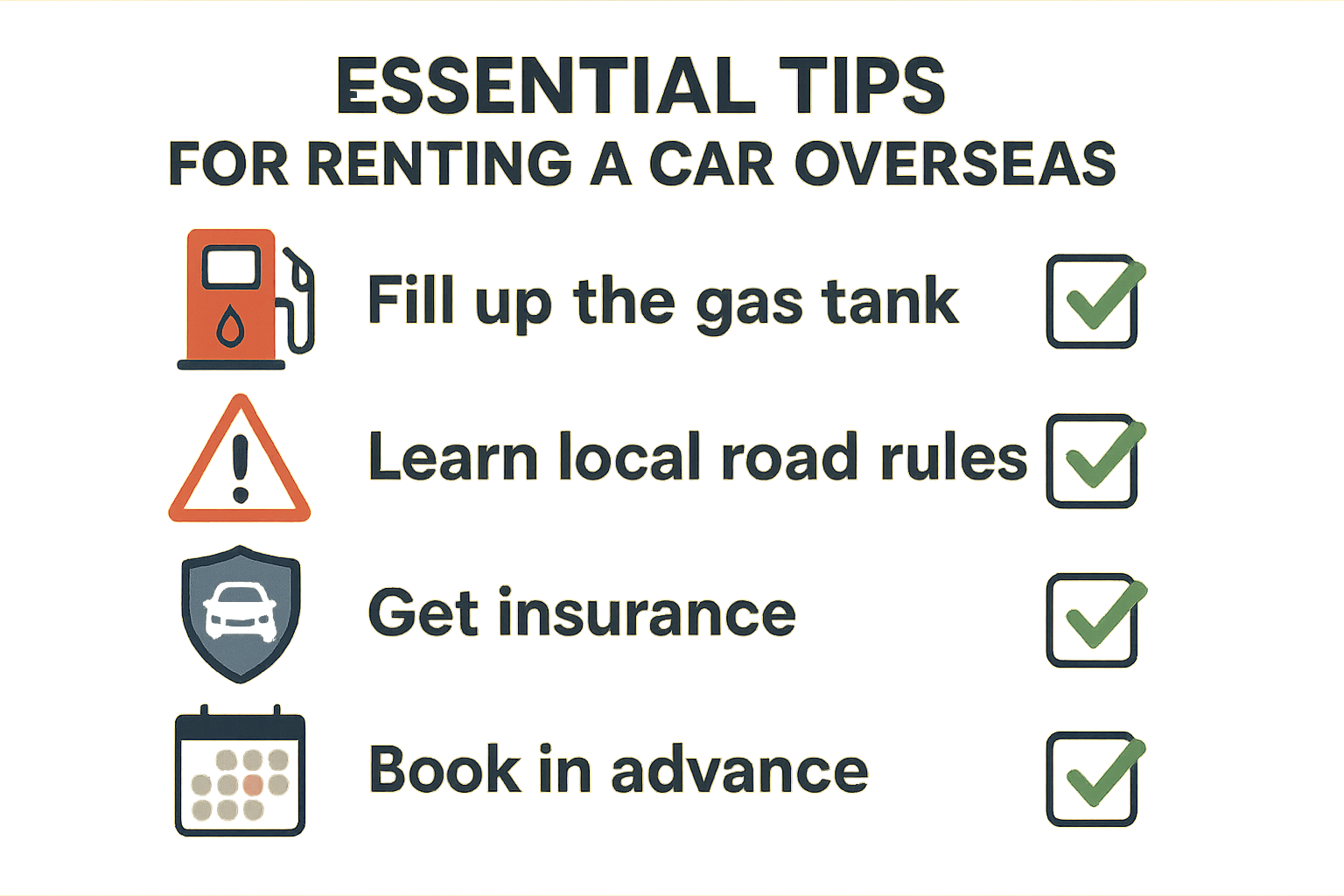
When driving abroad, understanding local road rules is vital for both safety and legal compliance. One of the most noticeable differences is which side of the road vehicles drive on. Countries like the United Kingdom, Japan, and Australia require driving on the left, while most of Europe and the Americas drive on the right. This fundamental variation demands extra caution, especially at intersections and roundabouts.
Beyond which side to drive, many countries enforce specific legal requirements. For example, some nations mandate carrying high-visibility safety vests in case of emergencies. In places such as France and Spain, you must have one in your vehicle at all times. Additionally, equipment like warning triangles or special headlamp adapters may be necessary depending on local regulations.
Highway toll systems also differ internationally, ranging from traditional toll booths to electronic payment methods like RFID tags or pre-paid cards. Familiarize yourself with these systems before hitting the road to avoid fines. In Italy and Portugal, for instance, toll roads are common, while in some Asian countries, you may prepay via apps or at roadside stations.
To navigate these complexities, using GPS devices or smartphone apps suited for international driving conditions is indispensable. Tools like Google Maps and Waze offer country-specific routing, but dedicated navigation apps tailored for foreign traffic laws provide extra guidance, including speed limits and lane usage alerts.
Let’s look at specific examples of notable rule differences from popular travel destinations:
- United Kingdom: Drive on the left side; strict penalties for mobile phone use without hands-free devices; roundabouts have specific yielding rules.
- Japan: Drive on the left with narrow roads; seat belts are compulsory in both front and rear seats; toll roads often require electronic ETC cards.
- Australia: Drive on the left; some remote areas enforce speed limits with cameras; wearing high-visibility vests is mandatory if stopping on highways.
Because traffic laws can frequently change, verify the latest rules and requirements before traveling. Official government and tourism websites offer updates, while car rental companies often provide country-specific driving guides. AirTtkt encourages every traveler to research these details to ensure a smooth and safe driving experience abroad.
Practical Tips for Smooth Overseas Rentals
Renting a car overseas offers great freedom, but it also requires careful planning to avoid disputes and unexpected expenses. One of the smartest steps is photographing the vehicle’s interior and exterior both before and after use. This visual proof helps protect you from false damage claims when you return the vehicle.
When it comes to fuel, you’ll often face two options: filling the gas tank yourself before returning or purchasing a prepaid fuel package. Filling up on your own usually saves money, but it requires you to find a nearby gas station and fill the tank to the agreed level. Prepaid fuel offers convenience but can be more expensive, so weigh your schedule against costs carefully.
Understanding your rental contract is crucial. Look out for mileage limits, which vary by country and provider. Exceeding these limits can incur heavy fees. Local driving restrictions—such as prohibited areas or mandatory environmental zones—should also be reviewed to avoid fines. Finally, be aware of penalty fees for late returns, additional drivers, or cross-border travel.
Carrying an emergency kit tailored to the local conditions enhances safety. In colder regions, include warm blankets and ice scrapers; in warmer climates, water and sun protection are essentials. A basic toolkit, flashlight, and first aid supplies are universally recommended.
Handling toll payments abroad can be tricky. Some countries require electronic passes, while others rely on cash. Research ahead to understand the toll system where you’re renting. For parking, cities often have different rules and fees. Apps or local advice can help you find legal spots easily and avoid fines or towing.
FAQ about International Car Rentals
Renting a car abroad can add freedom and flexibility to your trip, but it also raises many common questions. Here are straightforward answers to help you navigate international car rentals with confidence and avoid surprises.
Can I drive abroad with just my home country license?
In many countries, a valid driver’s license from your home country is enough to rent and drive a car. However, this varies depending on where you’re traveling. Some countries require an International Driving Permit (IDP) in addition to your license. Always check the local requirements before you travel to prevent fines or rental issues.
What is an International Driving Permit and when do I need one?
An International Driving Permit is a translation of your home license into multiple languages, recognized worldwide. It’s usually required when traveling to countries with different alphabets or languages. If your destination requires it, obtain an IDP from your local automobile association before leaving. It’s a simple document that helps local authorities verify your driving eligibility.
How does car rental insurance differ overseas?
Rental insurance overseas can be more complex than at home. Basic coverage usually comes with the rental, but it may have high deductibles or exclude certain risks. Many travelers purchase additional protection plans or check if their personal auto insurance or travel insurance covers international rentals. Review the terms carefully to avoid unexpected expenses.
When should I rely on credit card coverage for rental cars?
Many credit cards offer rental car insurance as a cardholder benefit, usually covering collision damage and theft. Relying on this coverage can save money but requires you to pay with the card and decline the rental company’s insurance. Confirm what your card covers internationally and understand any exclusions or claim processes before declining additional coverage.
Why is photographing the rental car important?
Taking clear photos of the rental car before driving off documents any existing damage. This protects you from being blamed for dents, scratches, or other issues discovered when you return the car. Capture images of all sides, the interior, and tires to ensure your security deposit isn’t unfairly withheld.
Can I use automatic vs manual cars abroad?
Many countries primarily rent manual cars, which can be challenging if you only drive automatics. Automatic cars are usually available but at a higher cost and with limited selection. If you prefer automatics, reserve early. Understanding your options avoids inconvenience and ensures you’re comfortable behind the wheel.
What safety equipment is usually required by law?
Foreign countries often require specific safety gear to be carried in rental cars, such as reflective vests, warning triangles, or first aid kits. These requirements vary widely, so familiarize yourself with the local laws of your destination. Rental companies sometimes provide this equipment, but you may need to bring or buy it yourself to comply.
Rent Cars Abroad with AirTkt Ease
Renting a car internationally unlocks unparalleled freedom, flexibility, and adventure for travelers eager to explore at their own pace. Whether navigating quaint villages or cruising along breathtaking coastlines, having your own vehicle lets you tailor your journey without relying on fixed schedules or crowded tours. This independence turns ordinary trips into memorable experiences filled with spontaneous detours and hidden gems.
Before you hit the road, it’s essential to prepare carefully. Securing the correct driving permits ensures your legality and peace of mind. Double-check that your insurance coverage is valid for international rentals to avoid unexpected expenses. Familiarize yourself with local traffic rules and driving customs to stay safe and respectful on foreign roads. Finally, conduct a thorough inspection of the rental car for any pre-existing damage—taking photos and noting concerns protects you from disputes later.
For a seamless car rental experience, leverage AirTtkt’s intuitive platform. Their real-time search tools provide competitive rates across top rental companies, letting you compare options easily and secure the best deals. With AirTtkt’s expert 24/7 customer support, you’ll have assistance whenever needed—turning potentially complex bookings into simple, stress-free transactions. From selecting the right vehicle to confirming your reservation, their streamlined process empowers confident planning.
Embrace the freedom of driving abroad with smart preparation and trusted support. By combining thorough readiness with the convenience and reliability of AirTtkt, your international car rental will be a smooth, enjoyable part of your travel adventure.