
Why Managing Your Food Budget Matters When Traveling
When planning a trip, travelers often focus heavily on booking affordable flights and hotels through platforms like AirTtkt, but managing your food budget is just as crucial for keeping overall costs in check. Meals can quickly add up, especially in popular tourist destinations where dining prices vary significantly. For example, an average breakfast might cost $5 in Southeast Asia, $10–$15 in Europe, and upwards of $20 in major U.S. cities. Understanding these differences early helps travelers set realistic daily spending limits and avoid unexpected expenses.
Food expenses are a core part of your trip budget, complementing other savings you secure on flights and accommodations. Even if you snag a great deal on airfare with AirTtkt, unchecked dining costs can erode those savings. Strategically managing how and where you eat ensures your funds last longer and your itinerary stays within budget. This also enables you to allocate more money toward experiences or souvenirs without financial stress.
Beyond the financial aspect, budgeting food wisely impacts your health and overall enjoyment. Eating cheaply doesn’t mean sacrificing nutrition or taste. Planning meals tailored to your destination’s local offerings can enhance your travel experience, exposing you to authentic flavors while keeping your wallet happy. Smart food choices support energy levels for sightseeing and help avoid costly last-minute indulgences at tourist traps. By balancing cost and quality, you get the best of both worlds.
In this article, we will explore practical strategies that empower you to eat well on a budget without compromising your travel experience. From understanding regional food cost patterns to smart purchasing and dining habits, our tips will help you make the most of every meal during your trip. Combining these with AirTtkt’s affordable flight and hotel deals gives you a winning formula for stress-free, budget-savvy travel.
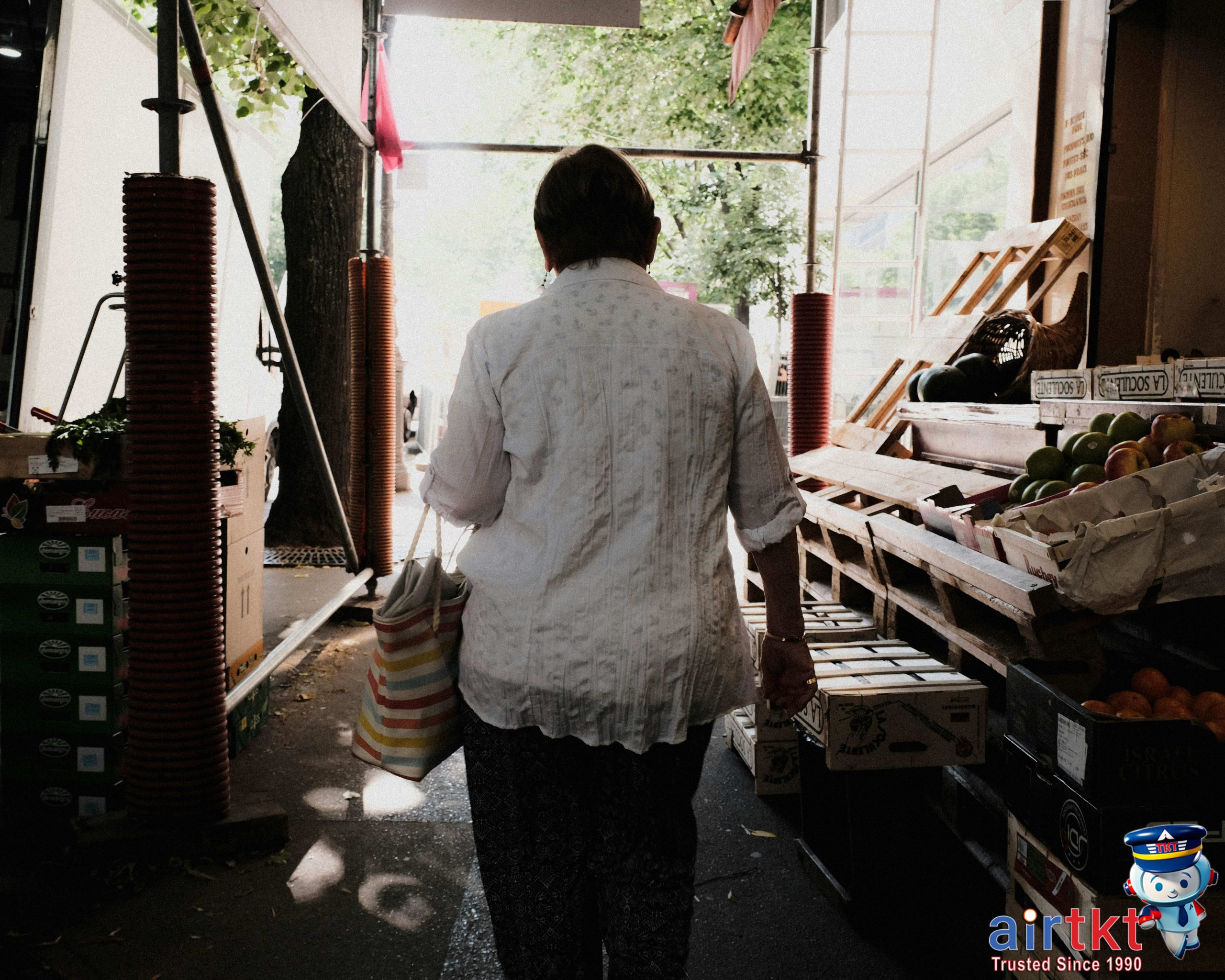
Shop Local: How Markets and Grocery Stores Save You Money
One of the smartest ways to stretch your travel budget is by shopping at local markets and grocery stores. These spots not only offer fresh, affordable food options but also give you a genuine taste of the destination’s culture. For budget travelers, a quick market breakfast or an energized snack can be both economical and delightful.
Common affordable market foods vary by region but often include fresh fruits like bananas, mangoes, and apples; local bread and pastries; and ready-to-eat treats such as empanadas, samosas, or rice cakes. In many places, you’ll find inexpensive dairy options, nuts, and street vendors selling savory snacks ideal for breakfast or mid-day bites. These choices provide excellent nutrition without breaking the bank, compared to pricier café meals.
To get the best value and highest quality, focus on seasonal and local produce. Seasonal fruits and vegetables are usually harvested at their peak, so you’ll enjoy better flavor and lower prices. Plus, supporting local farmers helps the community and ensures your food travels a shorter distance, often making it fresher. Ask vendors about their daily or weekly specials and keep an eye out for colorful, firm produce without bruises or soft spots.
Packing and carrying market buys during travel days is easier than you might think. Lightweight, reusable shopping bags or insulated lunch totes work well to keep food safe and organized. If you plan a day of sightseeing after shopping, a small cooler bag can keep perishables like cheese or yogurt fresh. Also, bring along some napkins, plastic utensils, and small containers to repack any loose items, which will save money and reduce waste.
Safety is essential when enjoying fresh market foods abroad. To avoid foodborne illnesses, buy from vendors with high turnover—this usually means the food is fresh. Choose items that are cooked or peelable, like fruits and vegetables, rather than those served raw and exposed for long periods. Drinking bottled or filtered water when washing produce or preparing cold snacks is also recommended. Lastly, trust your senses—if the food or vendor setup feels unhygienic, it’s better to find an alternative.
Shopping local for meals not only saves money but invites you to experience authentic flavors and connect with the culture in a way restaurants often can’t match. Whether grabbing a fresh fruit salad for breakfast or a savory pastry for an afternoon snack, markets and grocery stores are essential allies for traveling smart and budget-friendly.
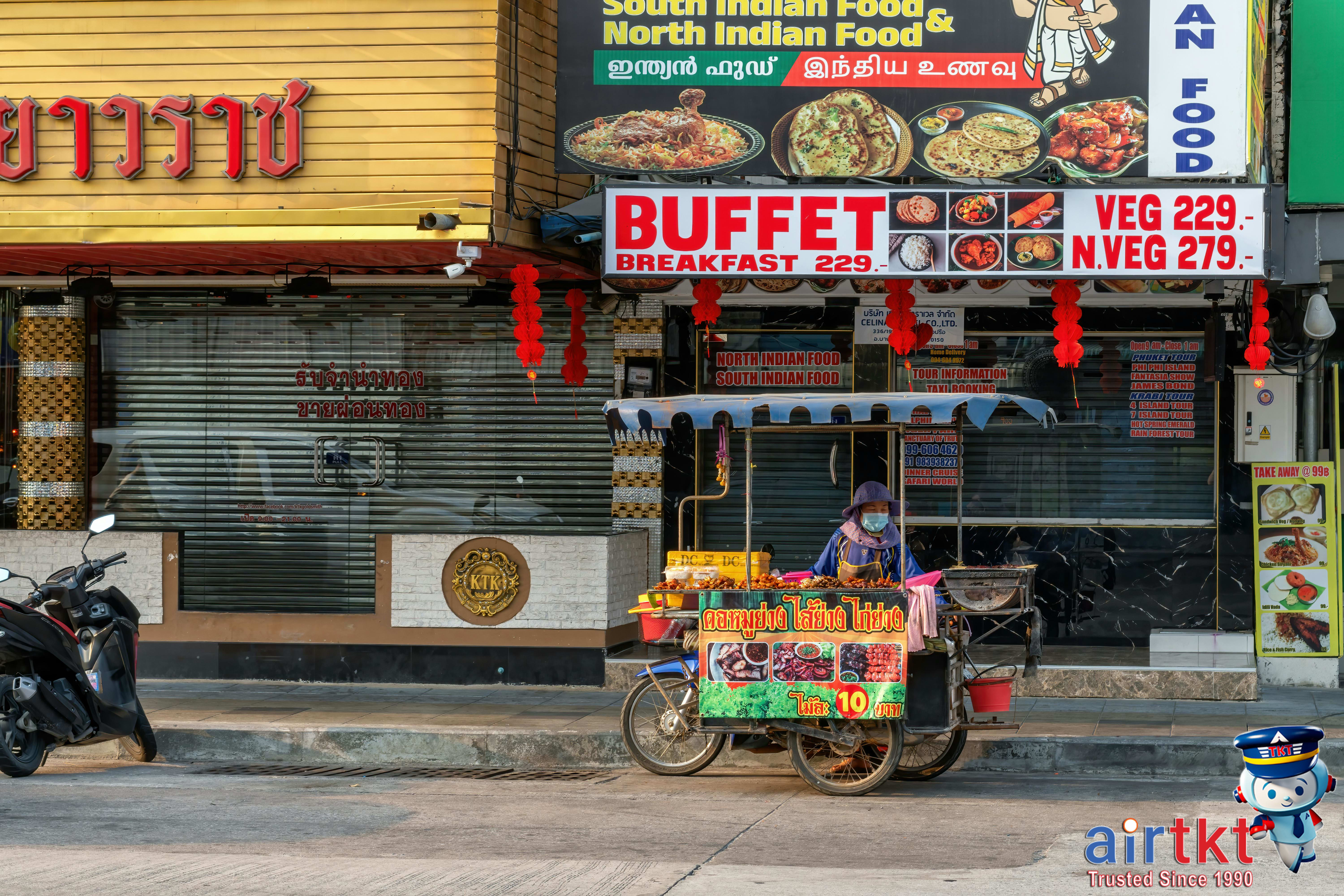
Street Food Adventures: Cheap, Authentic, and Delicious
Sampling street food is one of the most affordable and immersive ways to experience local culture. From sizzling skewers in Southeast Asia to savory empanadas in South America, street vendors offer authentic dishes packed with flavor at a fraction of restaurant prices.
Across continents, popular street foods paint a vivid picture of regional tastes. In Thailand, pad Thai cooked fresh on a hot griddle is a must-try. Mexico’s bustling streets serve tacos al pastor with marinated pork and fresh cilantro. Meanwhile, in Morocco, fragrant spiced lamb kebabs and freshly baked flatbreads are staples. Even in Europe, vendors sell delights like Belgian waffles or Italian arancini, making street food a truly global adventure.
Choosing reputable street vendors is key to enjoying these treats safely. Look for bustling stalls with a steady stream of locals—this often signals good taste and fresh ingredients. Vendors who prepare food in front of you, using clean utensils and gloves, reduce the risk of contamination. Avoid stalls where food sits out too long or where there’s poor sanitation. Trust your senses: fresh aromas and visible cooking usually indicate better hygiene.
Balancing authenticity with safety means being adventurous but vigilant. Ask locals or fellow travelers for recommendations, and start with popular items that have a strong reputation. If you have a sensitive stomach, begin with cooked foods rather than raw offerings like salads or sashimi. Carry hand sanitizer and drink bottled water to prevent any foodborne illnesses.
For example, a filling street taco in Mexico City might cost $1.50, while a fresh bowl of pho from a Hanoi cart averages around $2.50. Comparatively, dining in a mid-range restaurant in these locations often starts at $15 or more. This affordability allows you to try multiple dishes and indulge in a satisfying culinary adventure without breaking your travel budget.
Smart Drinking: Use Refillable Water Bottles to Cut Costs
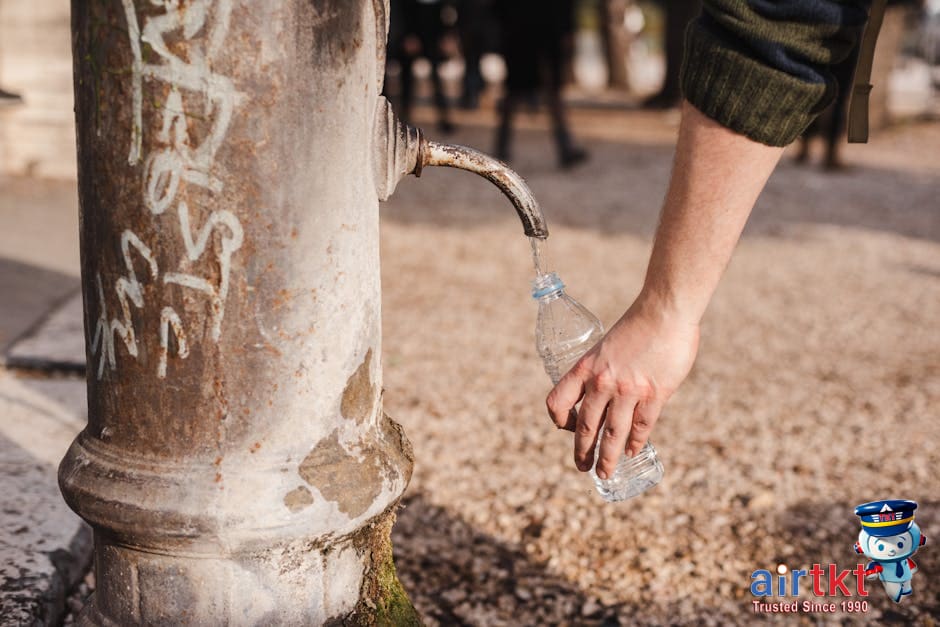
Using a refillable water bottle is one of the simplest yet smartest ways to save money while traveling. Buying bottled water repeatedly can quickly add up, especially during longer trips or in destinations where single bottles cost $1.50 to $3.00 each. By carrying a high-quality reusable bottle, you not only slash those costs but also support better health habits and minimize plastic waste’s impact on the environment.
Find Safe Refill Stations and Tap Water
Before refilling your bottle, it’s important to know where you can safely get drinking water. In many developed countries, tap water is safe to consume and can be refilled at public water fountains, cafes, or restaurants. Apps like “Refill” or local tourism websites often list refill stations, making it easy to locate clean water.
In places where tap water quality is uncertain, look for filtered water stations, grocery stores selling large reusable water containers, or pack water purification tablets. Another great tip is to ask hotel staff or locals about reliable refill options. Always err on the side of caution for your health while saving money.
Maintain Hygiene with Proper Bottle Cleaning
To avoid germs and potential illness, clean your refillable bottle regularly. Use warm soapy water daily and give it a thorough scrub every few days with a bottle brush. If your bottle is dishwasher-safe, that’s even better. For deeper cleaning, soak the bottle in a diluted vinegar or baking soda solution once a week to eliminate odor-causing bacteria.
Keeping your bottle dry when not in use also helps prevent mold buildup, ensuring every sip is fresh and safe.
How Much Can You Save?
Imagine you buy bottled water three times daily on a weeklong trip, paying about $2.50 each time. That’s $52.50 spent solely on water. Using a refillable bottle can reduce this to the negligible cost of tap water refills or filtered bottles, potentially saving over $50 per trip.
Over several trips per year, those savings multiply substantially. This easy swap adds up quickly while reducing environmental waste dramatically.
Eat Like a Local: Finding Authentic and Affordable Eateries
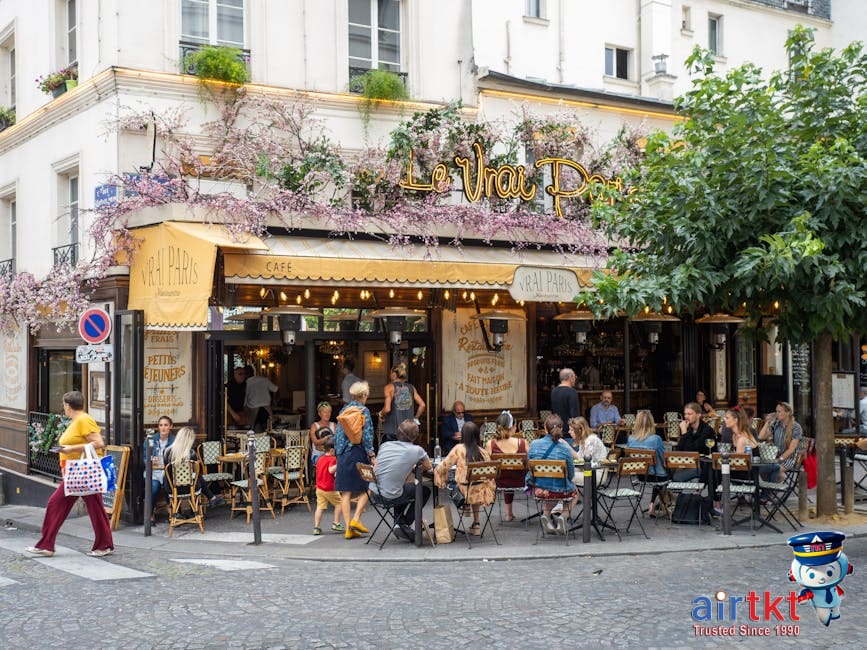
One of the best ways to experience a new destination without overspending is to eat like a local. Tourist trap restaurants often charge premium prices for generic dishes, but by choosing eateries favored by residents, you’ll enjoy authentic, flavor-packed meals that won’t break your budget. Here’s how to discover these hidden gems and savor true local cuisine.
Spotting Local Favorite Dining Spots
Start by observing where locals gather—busy cafes, bustling food stalls, and small family-run restaurants often signal great value and authenticity. Avoid places with menus in multiple languages or heavy tourist promotions. Food apps like Yelp, Google Maps, and TripAdvisor can help filter local favorites by offering user reviews focused on authenticity and value. Look for spots with consistent 4+ star ratings and comments praising traditional recipes.
Sample Authentic and Affordable Local Dishes
Each region has staple dishes that are beloved by locals and usually priced reasonably. For example, in Mexico, street tacos packed with fresh ingredients often cost just a few dollars, far less than what you’d find in touristy areas. In Italy, simple pasta dishes like cacio e pepe in neighborhood trattorias deliver authentic flavors at modest prices. Exploring these regional specialties not only saves money but deepens your appreciation of local culture.
Leverage Seasonal Hours and Happy Hour Deals
Many local eateries adapt their operating hours based on seasonal tourism and community rhythms. Visiting during off-peak hours or taking advantage of happy hour specials can unlock lower prices and smaller crowds. For example, tapas bars in Spain often offer *menú del día* (menu of the day) at lunch, featuring multiple courses and a drink for a fixed, budget-friendly rate. Checking online or asking locals about these specials ensures maximum savings.
Enhance Travel Through Dining with Locals
Sharing meals with local residents transforms dining into a cultural exchange. Whether joining a community supper, a cooking class, or a small eatery, this interaction reveals insider food tips and traditions you won’t find in guidebooks. It also supports the local economy and fosters meaningful connections that enrich your overall travel experience, proving that eating affordably can also mean eating memorably.
Accommodation Choices That Help Your Food Budget
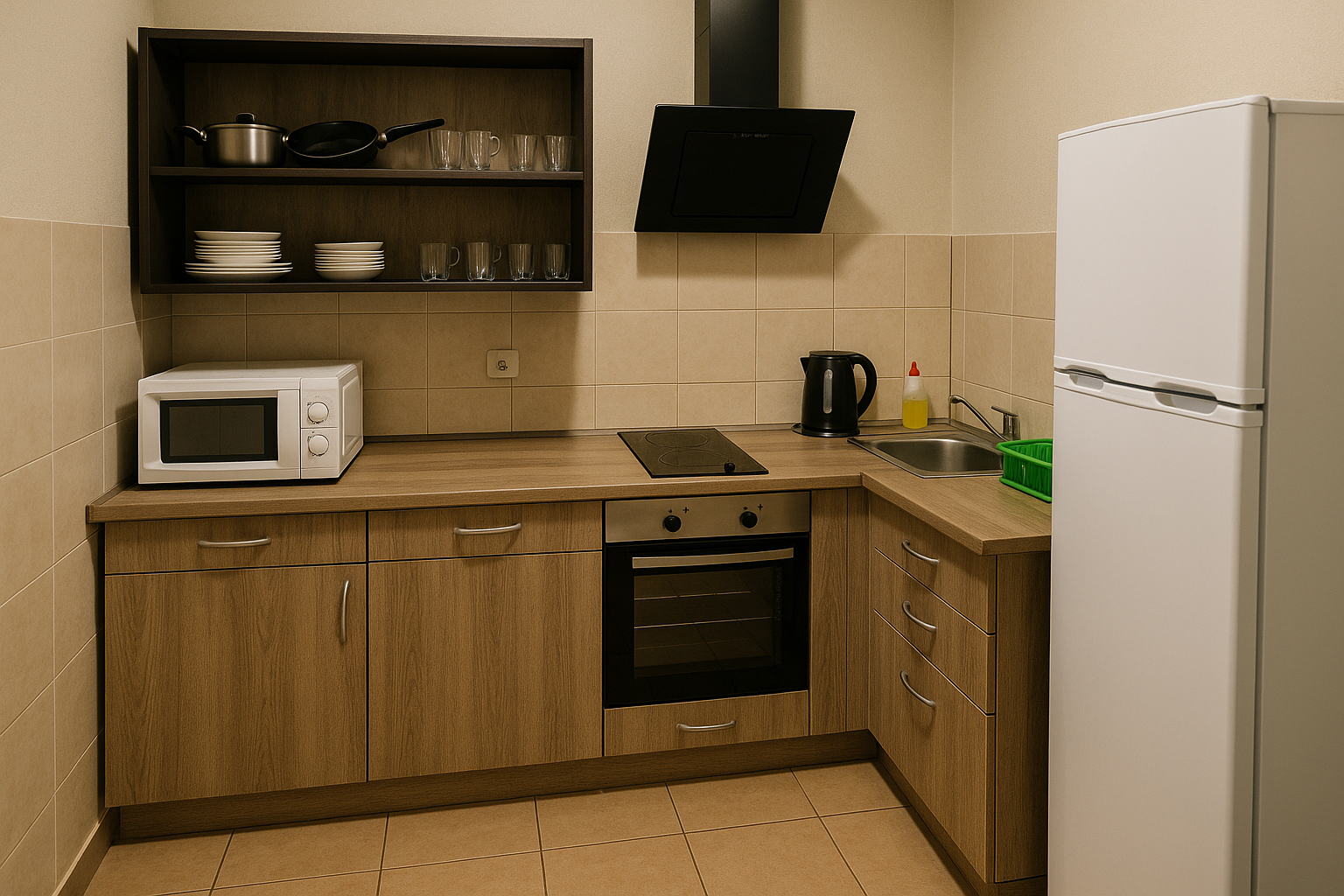
Saving money on meals can be a significant advantage when travelling, and selecting accommodations with kitchen access or free breakfast is a smart way to reduce your food expenses. Hotels, hostels, and rentals that offer kitchens or kitchenettes allow you to prepare your own meals, cutting down on costly restaurant visits and giving you control over what and when you eat.
Having a kitchen or kitchenette means you can shop at local markets or grocery stores and cook simple dishes, from breakfast to dinner. This flexibility is especially valuable for families or long-term stays where meal expenses otherwise add up quickly. Even basic kitchen setups with a microwave, fridge, and stovetop can make a big difference in your daily food budget.
Alternatively, accommodations offering free breakfast provide great value, particularly if you prefer a hassle-free start to your day. Typical complimentary breakfasts range from continental options—like pastries, fresh fruit, cereals, and coffee—to hot breakfast items such as eggs, bacon, and pancakes. This offering can save you $8 to $15 or more per person daily, making a noticeable dent in your overall trip costs.
When booking places with food amenities, ensure to check for these features:
- Kitchen or kitchenette availability with basic appliances
- Access to communal or private dining areas
- Free breakfast options and serving times
- Nearby grocery stores or markets for convenient shopping
- Availability of utensils, cookware, and dishware
While accommodations with kitchens or free breakfast may sometimes have a slightly higher nightly rate, factor in the money you’ll save from not dining out for every meal. For example, a rental priced $20 more per night but equipped with a kitchen could save you $30 daily in food costs. This trade-off often delivers the best value on budget trips.
Use Technology: Apps and Tools to Find Food Deals
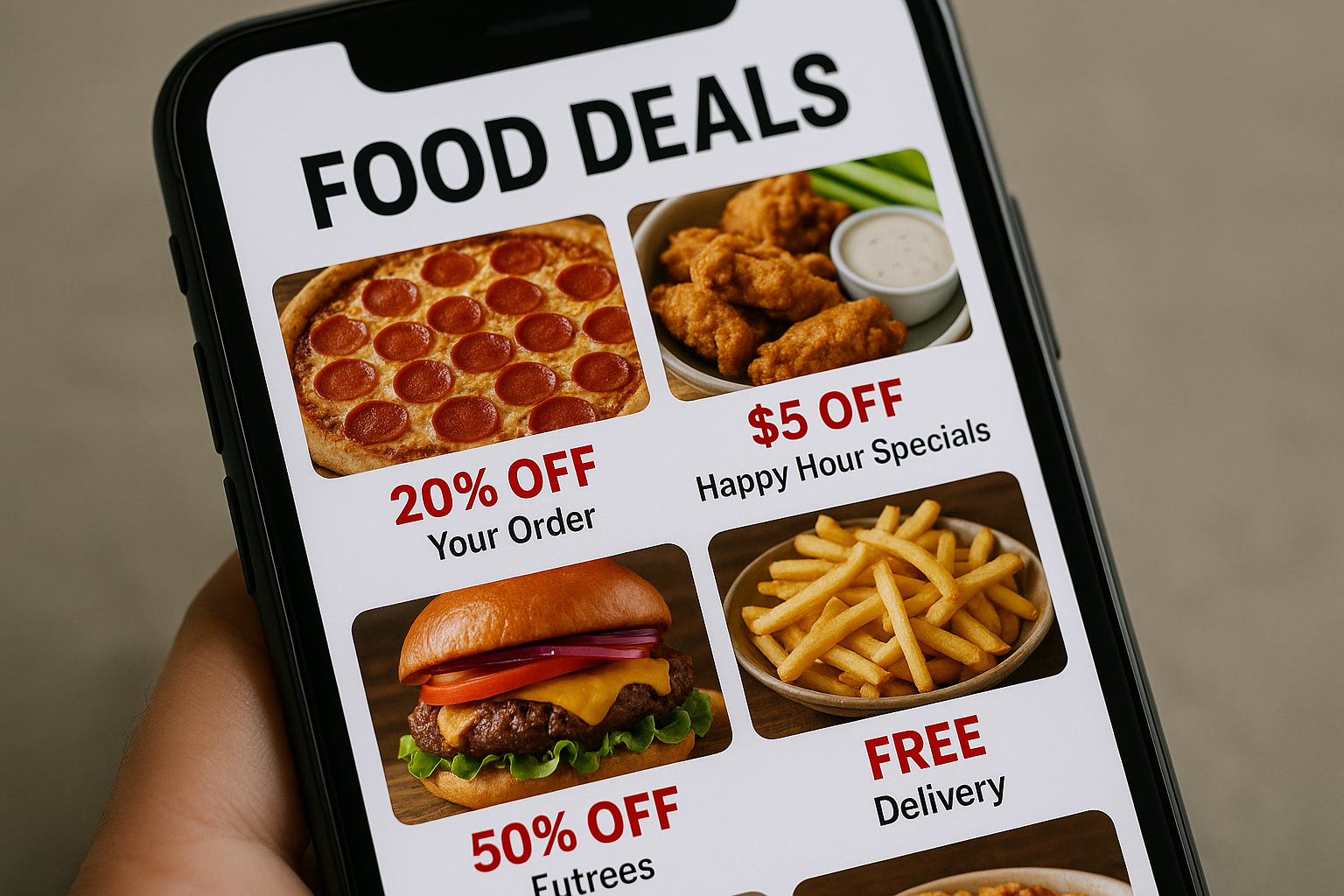
Traveling on a budget doesn’t mean missing out on great meals. Thanks to technology, you can easily locate restaurant discounts, happy hour specials, and exclusive offers worldwide. Several apps and online tools specialize in finding cheap eats wherever you are, helping you stretch your food budget without compromising on taste.
Popular Apps for Finding Cheap Eats
Some of the most trusted global apps include:
- Yelp: Beyond reviews, Yelp features daily deals and special offers from local restaurants and bars.
- Groupon: Known for massive discounts, Groupon provides coupons and promo codes for a variety of dining options.
- HappyCow: Ideal for vegetarian and vegan travelers, this app highlights budget-friendly plant-based restaurants.
- Eatigo: Book tables during off-peak hours for up to 50% off at participating restaurants in Asia.
- Too Good To Go: Fight food waste while grabbing discounted meals that restaurants want to sell quickly.
Set Alerts and Filters for Best Deals
To maximize savings, most apps allow you to set personalized alerts and apply filters based on cuisine, price range, and location. For example, enable push notifications on Groupon or Yelp to receive real-time updates on newly posted discounts near you. Using filters to limit results to “happy hour” or “lunch specials” helps uncover time-sensitive deals instantly.
Exclusive Discounts Via Apps
Many restaurants offer exclusive promotions only accessible through mobile apps. These deals may include complimentary appetizers, percentage discounts, or buy-one-get-one-free offers. For instance, some chains provide app-only coupons that unlock deeper savings not advertised elsewhere. Checking app sections dedicated to “Offers” or “Rewards” guarantees you never miss these perks.
Verify Authenticity and Validity of Deals
While apps make finding deals easy, always confirm the current validity before arriving at a restaurant. Look out for expiration dates, blackout periods, and any fine print restrictions. Reading recent user reviews on apps like Yelp also helps verify if a deal is still active and worth pursuing. When in doubt, calling the restaurant to double-check ensures a hassle-free experience.
Balancing Budget Meals with Occasional Splurges
Traveling on a budget doesn’t mean you have to miss out on memorable dining experiences. In fact, planning for the occasional splurge meal can elevate your trip, creating lasting memories without derailing your overall food budget. The key is to be strategic about when and how you indulge, balancing these treats with more affordable meal choices the rest of the time.
Start by identifying a few must-try restaurants or iconic dishes in your destination. Prioritize these special meals early on so you can budget accordingly. Booking reservations or checking menus online ahead of time helps avoid unexpected expenses and ensures you’re truly allocating funds to experiences that matter most.
To accommodate splurges without overspending, try a simple budgeting method: allocate a fixed amount daily for food, then set aside a portion of your total trip budget specifically for splurge meals. This way, you can enjoy a fancy dinner or local delicacy guilt-free while staying within your means.
On days when you plan to splurge, balance your budget by opting for lighter or more affordable meals elsewhere. For example:
- Enjoy a self-prepared breakfast or pick up fresh produce and snacks at local markets.
- Choose street food, casual cafes, or food trucks for lunches to minimize costs.
- Limit ordering drinks or desserts on non-splurge days.
These small adjustments help maintain overall food spending discipline and free up funds to indulge in a few standout meals.
Remember, food often becomes a highlight of travel. Savoring delicious meals that reflect the local culture can make your trip richer and more rewarding. Embrace these moments without guilt but with mindful spending. After all, a carefully planned splurge can turn a good trip into an unforgettable adventure.
Frequently Asked Questions About Saving on Travel Meals
How can I save money on meals while traveling without sacrificing taste?
Prioritize street vendors and small local eateries where dishes use fresh, affordable ingredients. Avoid tourist traps that mark up prices. Planning meals around local markets and preparing simple dishes in accommodations can also enhance flavor while keeping costs down.
What is the best way to find affordable and authentic local food?
Seek recommendations from locals or social media groups focused on your destination. Use food apps and travel forums to discover hidden gems with reasonable prices. Visiting local markets and avoiding areas near major tourist attractions often leads to tastier, cheaper meals.
When should I opt for accommodation with kitchen facilities to save on food?
Choose lodging with kitchen access when staying for several days or longer. Cooking breakfasts and dinners yourself can cut food expenses drastically. It also allows you to try local ingredients at your own pace and avoid pricey restaurant meals every day.
Why is using a refillable water bottle important on trips?
Refillable bottles reduce costs of buying bottled water and lessen plastic waste. Many cities have safe tap water or public refill stations. Staying hydrated without constantly purchasing drinks helps manage your daily food and drink budget effectively.
Can I still enjoy occasional splurges and stay within my food budget?
Absolutely. Balance budget meals with a few special treats by planning and adjusting other expenses. Consider sharing dishes or choosing smaller portions at pricier restaurants. This approach keeps your overall meal budget intact while savoring memorable flavors.
How do food apps help in locating discounts and happy hours?
Food apps often list real-time deals, coupons, and happy hour specials in your area. They also provide reviews and menus so you can spot affordable options. Using them strategically lets travelers tap into local discounts and make the most of their dining money.
What safety considerations should I keep in mind for street food?
Choose vendors with high turnover and visible cleanliness to lower foodborne illness risks. Consume freshly cooked items and avoid raw or undercooked foods. Carry hand sanitizer and drink bottled or purified water to ensure your street food experience stays safe.
Make Your Food Budget Work for a Memorable Trip
Traveling on a budget doesn’t mean sacrificing flavor or experience, especially when it comes to food. Below is a quick reference checklist summarizing practical tips to help you enjoy delicious meals without overspending:
- Prioritize local markets and street food for authentic, affordable meals.
- Opt for accommodations with kitchen access to prepare simple dishes.
- Split larger portions or share meals to reduce costs and try more dishes.
- Avoid dining in high-tourist areas where prices tend to be inflated.
- Take advantage of lunch specials or buffet deals for greater value.
- Carry snacks for long tours or transit days to avoid expensive impulse buys.
- Use apps and websites to find discounts or highly rated budget eateries.
Embracing the local food culture is one of the most rewarding parts of travel. Trying regional specialties not only adds memorable flavors to your journey but also connects you with the destination’s heritage. Setting a reasonable budget for these experiences lets you indulge guilt-free while staying financially smart.
It’s essential to remain flexible and focus on safety when navigating unfamiliar cuisines. Always check that food is freshly prepared and served hygienically. Keeping an open mind to spontaneous food finds or impromptu street stalls can lead to some of the most cherished memories, as long as you trust your instincts.
Travel is about exploration and enjoyment, so maintaining a smart food budget helps you experience more while avoiding unnecessary stress. Combine these meal-saving strategies with affordable travel bookings, and your trip will be both unforgettable and wallet-friendly.