
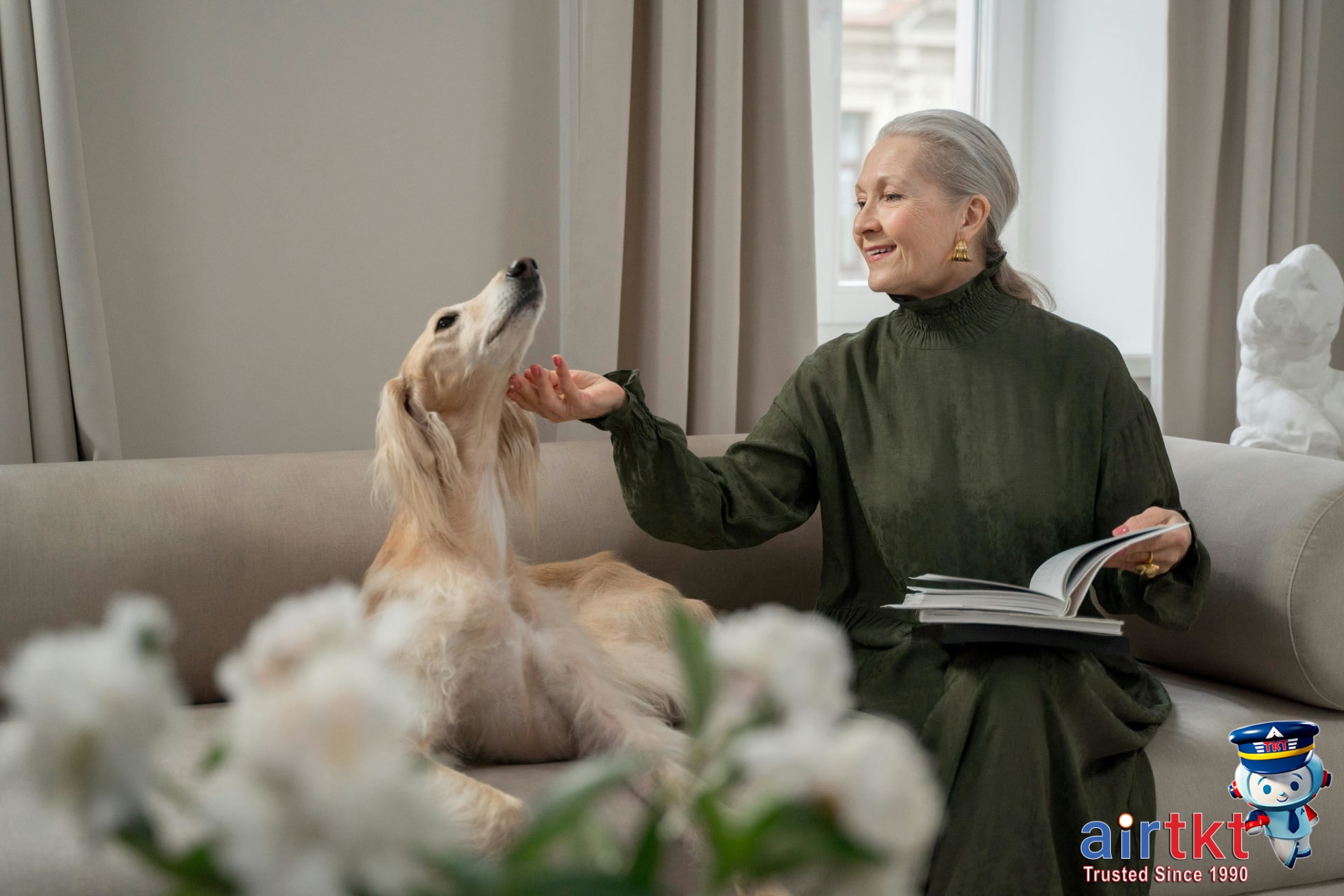
Explore Alternative Accommodation Options
When planning a trip, lodging often takes a big bite out of your budget. While hotels and traditional rentals remain popular, budget-conscious travelers are increasingly turning to alternative accommodations. These creative options go beyond the usual stay and offer unique ways to save money while enjoying authentic travel experiences.
Two standout alternatives are house sitting and home swapping. Often overlooked, these choices provide significant financial benefits compared to conventional lodging. House sitting lets you stay in someone’s home for free by caring for their property or pets, while home swapping involves exchanging homes with another traveler, eliminating accommodation costs altogether.
Besides cutting expenses, these options immerse you in local neighborhoods in a way hotels rarely can. Living in a real home means authentic interactions and a deeper cultural experience. You gain insider knowledge about the area and a cozy atmosphere that typical tourist accommodations can’t match.

In the sections that follow, we’ll dive into how house sitting and home exchanges work, the best platforms to connect travelers with hosts, and practical advice for making the most of these opportunities. We’ll explore the pros and cons of each, helping you decide if alternative accommodations fit your travel style and budget.
Define House Sitting and Its Benefits
House sitting is a unique arrangement where a person stays in someone else’s home to take care of their property and pets, usually in exchange for free lodging. This mutually beneficial setup allows homeowners to leave their homes with peace of mind, knowing responsibilities are handled, while sitters enjoy a place to stay without accommodation costs. It’s a popular option for travelers seeking immersive experiences without the typical expenses of hotels or rentals.
Typical house sitting duties involve a mix of pet and property care. Sitters often look after pets’ feeding, exercise, grooming, and companionship to keep animals comfortable during their owners’ absence. Alongside pet care, responsibilities extend to property maintenance such as watering plants, collecting mail, and sometimes minor upkeep or household checks to prevent emergencies. Ensuring the home’s security with regular presence and attention is also a key task, deterring potential break-ins or damages.
House sitting arrangements vary widely in duration. Some assignments last just a few days, while others extend across several months. This flexibility suits different travel plans and lifestyles. Globally, house sitting opportunities are abundant, especially across the UK, US, Canada, Australia, and many European countries. These regions have large communities of travel-savvy homeowners and active platforms connecting sitters with listings worldwide.
For homeowners, using house sitting services presents multiple advantages. It significantly reduces the cost and stress associated with boarding pets or hiring professional house sitters. Knowing their pets receive personalized care and that their home is monitored regularly adds emotional comfort during extended trips. For house sitters, the benefits include access to affordable or free accommodation and the chance to live like a local. This setup encourages deeper cultural immersion, often in desirable locations that might otherwise be expensive to stay in.
Several trusted platforms help connect house sitters with homeowners seeking caretakers. Leading the market, TrustedHousesitters offers a global network of verified listings emphasizing pet and home care. Other notable platforms include MindMyHouse and HouseCarers, which provide extensive listings and user-friendly search tools to find options worldwide. These services add security and transparency, offering references, verification processes, and clear terms to protect all parties involved.
Explain Home Swapping for Travel
Home swapping is a unique travel method where two parties agree to exchange homes for a specified period without any rental fees. This mutually beneficial arrangement allows travelers to stay in each other’s residences, offering an authentic living experience while eliminating lodging costs entirely. Unlike conventional vacation rentals, home swapping emphasizes trust and community, offering a cost-effective and immersive alternative for adventurous travelers.
There are two primary types of home swaps: simultaneous and non-simultaneous. In simultaneous swaps, both parties exchange homes during the same timeframe, making it a straightforward exchange. Non-simultaneous swaps, however, allow homeowners to exchange homes at different times, providing more scheduling flexibility. These swaps aren’t limited to traditional houses; participants can exchange apartments, boats, RVs, or even vacation cottages, broadening the possibilities for travel destinations and experiences.
The cultural benefits of home swapping are significant. Staying in a local’s home encourages genuine connections with communities, often leading to insider tips and opportunities to experience destinations beyond typical tourist spots. Economically, it offers travelers considerable savings by eliminating accommodation costs, one of the largest expenses in travel budgets. This approach aligns perfectly with budget-conscious travelers seeking meaningful and affordable experiences.
Several platforms facilitate home swapping, with HomeExchange.com being among the most popular. These platforms usually operate on a membership model, where users pay an annual fee to access the community and listings. The sites offer detailed profiles, secure messaging, and review systems to foster trust and ensure reliability among participants. Some platforms also feature point systems for non-simultaneous swaps, providing added flexibility.
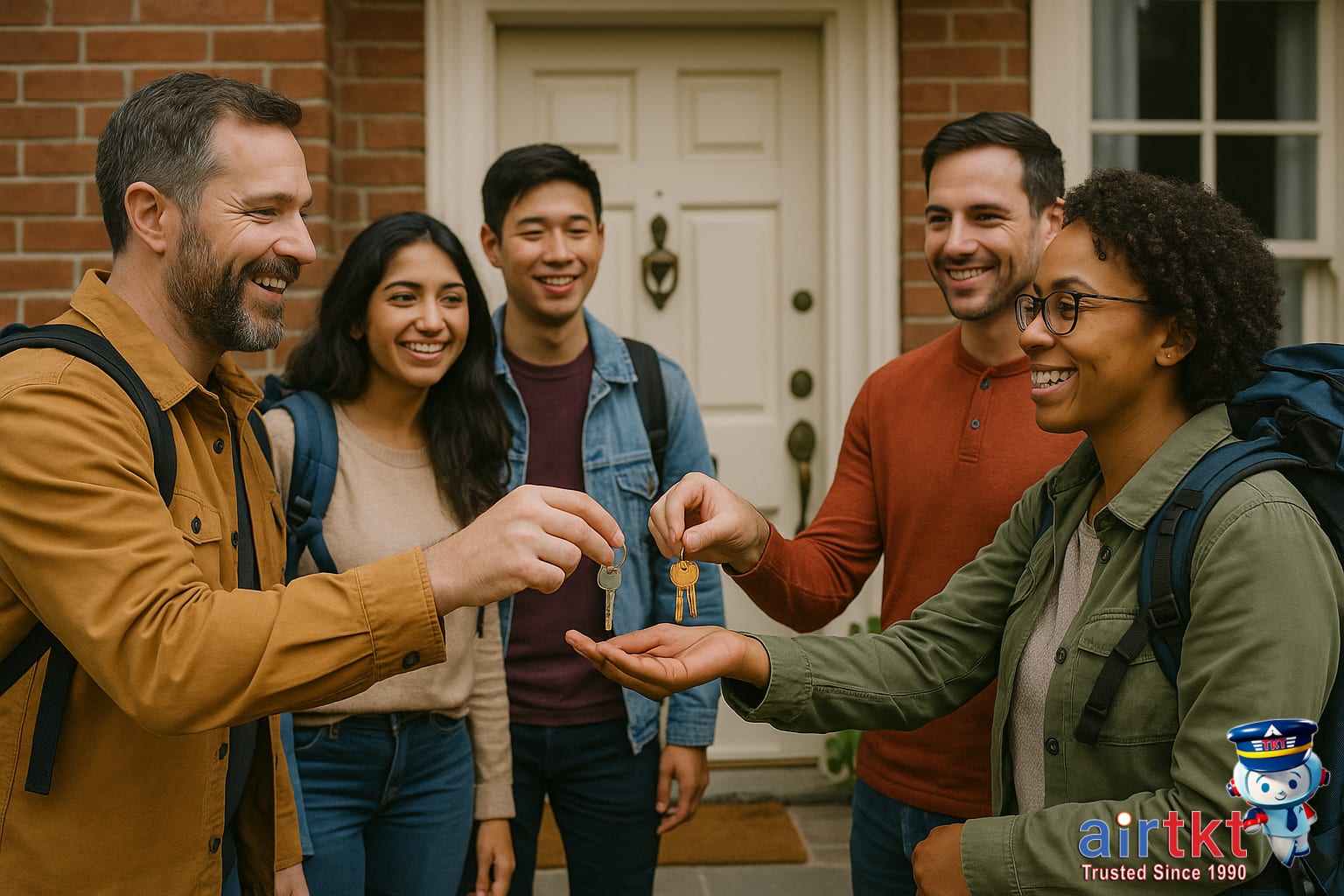
The concept of home swapping dates back to 1953 when holidaymakers in Europe sought affordable ways to travel by trading homes. Originally an informal practice among acquaintances, it grew steadily through word-of-mouth until the rise of internet platforms revolutionized home exchange. Today’s online marketplaces streamline matching processes, verify memberships, and provide comprehensive resources that attract a diverse global community.
Demographically, home swapping appeals mostly to families, retirees, and adventure-seekers interested in immersive local experiences. Building trust is a cornerstone of the practice—participants often exchange detailed references, photos, and even conduct video calls to ensure comfort and confidence before confirming exchanges. This emphasis on trust and transparency distinguishes home swapping from other lodging options, making it a rewarding choice for travelers seeking authenticity and savings.
Review Popular Platforms and Starting Steps
For travelers seeking affordable stays, house sitting and home swapping platforms open doors to unique experiences worldwide. Among the most trusted options, TrustedHousesitters specializes in pet care assignments, connecting sitters with hosts needing responsible companions. With an extensive global network, it appeals to animal lovers eager to explore new places while staying rent-free.
HomeExchange offers a different approach—home swapping between members. Users trade residences for agreed periods, making travel economical and immersive. The platform boasts a vibrant community and supports a broad range of locations, from urban apartments to beach houses.
Regional alternatives also flourish. For instance, Purposebnb thrives in Europe, and platforms like Nabity serve North America with specialized offers. Selecting the platform that suits your travel goals and style influences your success.
Membership models vary but generally involve annual fees. TrustedHousesitters charges around $129 annually, while HomeExchange requires a $150 yearly membership or a points-based system. These fees fund verification processes and guarantee platform security, immensely impacting your booking credibility.
Verification includes ID checks, references, and sometimes video interviews. Hosts trust verified profiles, often prioritizing them during selection. Thus, investing in membership and completing verifications boosts your chances considerably.
Starting is straightforward yet requires attention to detail:
- Register: Choose your platform and create an account using valid credentials. Prepare to upload identification documents for verification.
- Set up your profile: Highlight reliability, pet experience (if applicable), and personal interests. Include clear photos and positive references or testimonials.
- Search listings: Use filters for location, dates, and type of assignment. Bookmark appealing opportunities.
- Apply thoughtfully: Tailor each application to the host’s profile. Mention why you’re a great fit, referencing shared interests or careful house care.
Effective communication with hosts or exchangers is essential. Respond promptly, clarify expectations, and confirm arrangements before finalizing. Transparency about travel plans and personal qualities can ease hosts’ concerns and build trust.
Weigh Pros and Cons of Alternative Lodging
Alternative lodging options like house sitting and home swaps are becoming popular among budget-conscious travelers seeking unique experiences. These options offer several significant benefits that can make travel more affordable and authentic. First, they provide substantial accommodation savings, eliminating or drastically reducing hotel costs — a major expense in any trip. This is especially advantageous for long-term travelers who want to stretch their budgets without sacrificing comfort. Additionally, staying in a local home allows travelers to immerse themselves in the day-to-day rhythm of the community, gaining an authentic perspective that typical tourist accommodations rarely offer.
However, these lodging choices come with challenges. Travel date inflexibility is a primary concern since availability depends on homeowners’ schedules, limiting spontaneous planning. Many arrangements also include responsibilities, such as pet sitting or property upkeep, which require commitment and can disrupt a leisure-focused trip. Trust and security present another hurdle; welcoming strangers into personal homes—or staying in unfamiliar places—can raise safety questions. Finally, alternative lodging can reduce the spontaneity of travel, as host expectations and logistical demands might restrict your freedom to explore at will.
To mitigate these drawbacks, several practical strategies can be employed. Clear and thorough communication before confirming an arrangement is essential. Defining expectations about duties, schedules, and house rules can help avoid misunderstandings. Travelers should always verify references or use reputable platforms with review systems to build trust. Purchasing travel insurance that covers unexpected cancellations or issues can safeguard your investment and peace of mind. Setting realistic expectations about flexibility and preparedness for minor inconveniences will make the experience smoother and enjoyable.
By carefully weighing the advantages against these challenges and employing practical risk reduction methods, travelers can confidently explore the benefits of house sitting and home swaps. These alternative lodging options open doors to affordable, immersive experiences—perfectly aligned with smart travel planning through AirTtkt.
Provide Tips for Success and Safety
Ensuring a positive lodging experience starts with thorough preparation and trust-building between hosts and guests. Before booking, spend time researching your host or guest by checking reviews, ratings, and verified profiles on trusted platforms. Building this trust minimizes surprises and fosters a respectful environment.
Clear communication is essential. Draft a written agreement outlining each party’s responsibilities, house rules, cancellation policies, and any expectations regarding shared spaces or amenities. This proactive approach can prevent misunderstandings and create a seamless stay for everyone involved.
Travel insurance is an often-overlooked safety net. Opt for policies that cover alternative lodging if your original accommodation falls through due to unforeseen circumstances. This extra protection offers peace of mind during your trip and guards against potential financial loss.
Before finalizing any booking, familiarize yourself with the hosting platform’s policies on cancellations, refunds, and dispute resolution. Additionally, review local regulations governing short-term rentals to ensure compliance and avoid legal complications.
Checklist: Do’s and Don’ts for Safety and Etiquette
- Do verify the host’s identity and confirm the property address before arrival.
- Do communicate clearly through the booking platform to keep records of conversations.
- Do respect house rules and neighbors to maintain peaceful relations.
- Do keep emergency contact numbers and local embassy info handy.
- Do inspect the accommodation upon arrival and report any issues immediately.
- Don’t share personal check-in details with strangers or outside the official platform.
- Don’t let guests outside the agreed number stay overnight without permission.
- Don’t ignore your intuition—if something feels off, reconsider the booking.
Frequently Asked Questions About House Sitting and Home Swaps
What is house sitting and how does it work? House sitting involves staying in someone’s home temporarily while they are away, taking care of the property, pets, and plants. In exchange, you get free accommodation. It’s a win-win arrangement that saves money for travelers and offers peace of mind for homeowners.
How to start with home swapping for travel? To begin home swapping, join a reputable platform where you create a detailed profile listing your home and travel preferences. You then search for compatible swaps, communicate with prospective partners, and arrange mutually convenient dates. Verification and clear communication help ensure smooth exchanges.
When should I consider house sitting for long-term travel? House sitting is ideal for long-term travel when you want to reduce accommodation costs and experience local living authentically. It’s especially suitable if you can commit to a few weeks or months and enjoy pet care duties, making it a budget-friendly option for extended trips.
Why is trust important in house sitting and home exchanges? Trust is vital because homeowners are letting strangers into their private spaces and entrusting their belongings and pets. Similarly, travelers rely on hosts to honor agreements. Transparent communication, references, reviews, and verification procedures build this essential trust.
Can I find house sitting gigs internationally? Absolutely. Many global house sitting websites connect travelers with homeowners worldwide, offering opportunities across continents. International house sitting lets you explore new cultures affordably while caring for homes and animals abroad.
How do I ensure safety during a home swap? Prioritize safety by using established platforms like AirTtkt partners for verified listings. Always communicate clearly, verify identities, and agree on terms in writing. Before arrival, research the neighborhood and have emergency contacts accessible to minimize risks.
What costs are involved besides membership fees? Beyond platform membership fees, minor expenses may include travel costs to and from the property, pet care supplies, utilities, and occasional home maintenance during your stay. Unlike hotel stays, these costs are generally lower, contributing to overall savings.
Encourage Considering House Sitting and Home Swapping
For travelers aiming to stretch their budgets while diving deep into local cultures, house sitting and home swapping stand out as exceptional accommodation choices. These options not only reduce lodging expenses but also prime you for immersive, authentic experiences unavailable in traditional hotels. By caring for someone’s home or trading residences with another traveler, you develop genuine connections and often receive insider tips about your destination.
Approach these alternative stays with an open mind, especially if you’re new to them. Testing short-term house sitting gigs or trial home swaps can ease any concerns and build your confidence. This flexibility allows you to dip your toes into the lifestyle without committing fully, making the transition smooth and enjoyable.
Trust plays a pivotal role in these arrangements. Both parties benefit from clear communication and establishing reliability early on, which fosters lasting positive relationships and repeat opportunities. The flexibility inherent in these arrangements also lets you adapt to changing travel plans without hefty penalties.
Pairing house sitting or home swapping with affordable flights amplifies your overall savings, making exploration more accessible than ever. Explore the competitive airfare options at AirTtkt to complement your flexible accommodation choices and unlock a new level of budget travel freedom.