
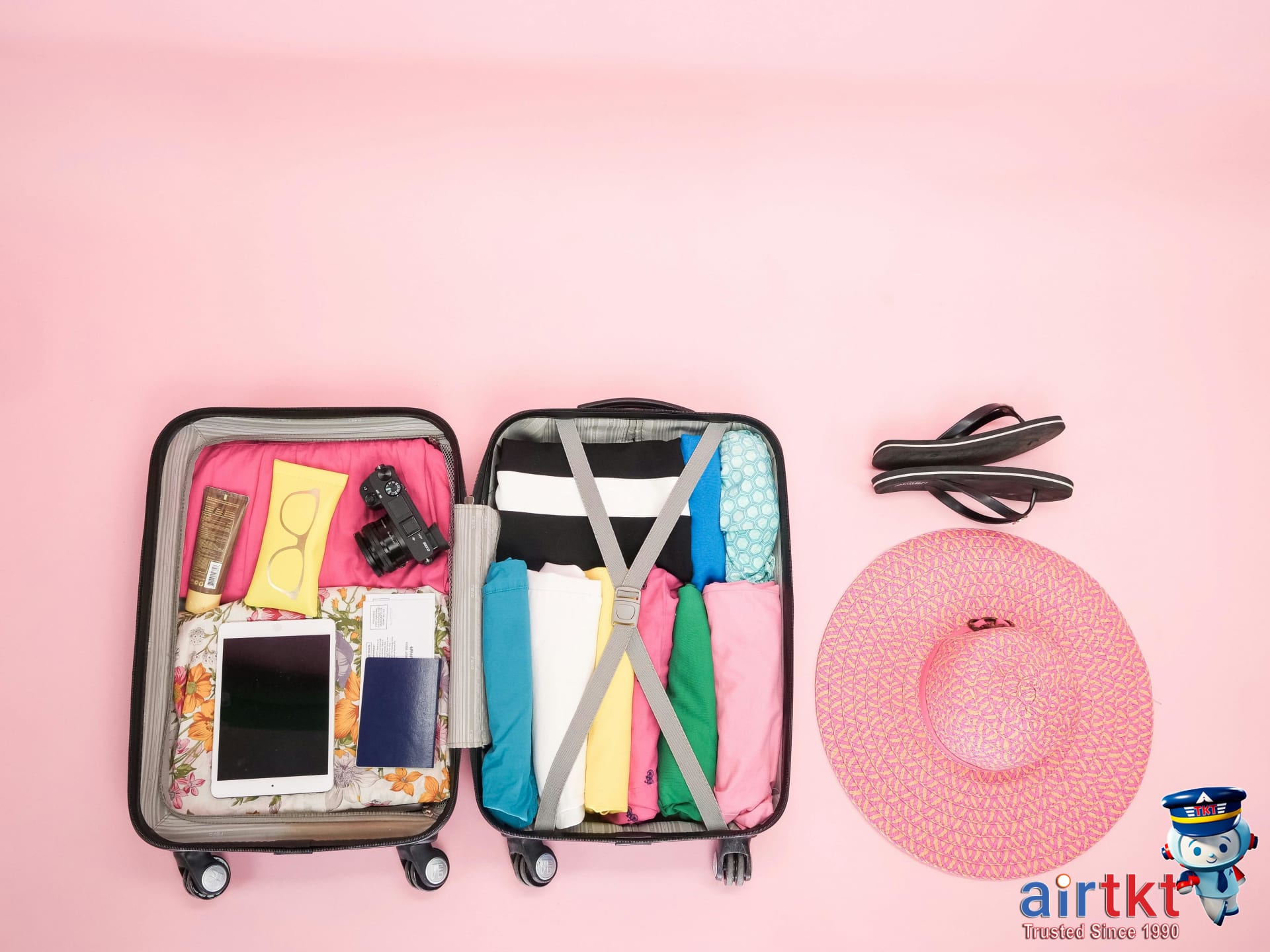
Digital Nomad Packing Essentials Overview
The digital nomad lifestyle embodies freedom, flexibility, and the ability to work remotely while exploring the world. Whether you’re coding from a beachside café or designing graphics in a mountain cabin, your ability to move quickly and work efficiently is paramount. That’s why packing isn’t just about fitting items into a suitcase — it’s a strategic element of sustaining productivity and happiness on the road.
Packing efficiently means minimizing bulk without sacrificing the tools and comforts you need to perform your best. For digital nomads, this balance enables seamless transitions between destinations, reduces travel stress, and helps keep work uninterrupted. Every item you pack serves a purpose, from your tech gear to clothing choices, ensuring you’re ready for both professional demands and new cultural experiences.
In this article, you’ll gain access to an expertly curated checklist specifying essential items for digital nomads, complete with guidance on recommended quantities to avoid overpacking. We’ll dive into trusted brands across a range of budgets, helping you choose reliable gear tailored to your style and needs. Understanding TSA compliance is also key to effortless airport security clearance — expect tips on what to pack, what to declare, and how to prepare your carry-on smartly. Finally, we’ll share proven packing strategies that maximize space and keep your belongings organized, so each move feels light and manageable.
Behind the scenes, AirTkt plays a crucial role in supporting digital nomads by making travel booking straightforward and affordable. With access to over 470 airlines and a powerful fare comparison engine, AirTkt helps you find the best routes and prices that fit your nomadic lifestyle. Flexible date searches, nearby airport options, and exclusive discounts mean you can secure travel plans that align with your work schedule and budget. Plus, their round-the-clock customer support ensures you can get assistance anytime, anywhere.
By combining smart packing techniques with the efficiency and savings of AirTkt, you’ll be fully equipped to embrace the digital nomad journey with confidence and ease. Let’s get started on building your ultimate packing plan, designed to keep you productive and mobile no matter where your work takes you.
Complete Digital Nomad Packing Checklist
Packing smart is critical for digital nomads who juggle work and travel. This detailed checklist organizes essentials by category and trip length, ensuring you carry just what you need without excess weight. Emphasizing versatile, multifunctional items helps minimize your load and stay organized.
Essential Tech Gear
- Laptop: 1 device suitable for your workload. For trips under 2 weeks, a lightweight ultrabook suffices; longer stays benefit from more powerful machines.
- Chargers & Cables: Bring 1 main charger plus 1 backup cable for each device.
- Travel Adapters: At least 1 universal adapter covering all major plug types.
- Portable Wi-Fi Device: 1 device; essential for reliable internet anywhere.
- External Hard Drive/SSD: 1 for backups and extra storage.
Clothing Essentials
- Layering Pieces: 3–5 lightweight shirts/blouses to mix and match.
- Bottoms: 2–3 pants/shorts adaptable for work and casual wear.
- Outerwear: 1 packable jacket or sweater for changing climates.
- Undergarments: Enough for 7 days; laundry is generally accessible.
- Footwear: 1 pair versatile sneakers and 1 pair sandals or flats.
Personal Care Items and Documents
- Toiletries: Travel-size shampoo, soap, toothbrush, toothpaste, and deodorant.
- Medications: 1–2 weeks’ supply, plus a small first aid kit.
- Important Documents: Passport, visas, digital and physical copies of reservations, travel insurance, and identification.
- Wallet: Minimal cash plus at least 2 credit/debit cards.
Accessories
- Headphones: 1 pair noise-cancelling or earbuds for focus and entertainment.
- Power Banks: 1–2 portable chargers depending on daily device use.
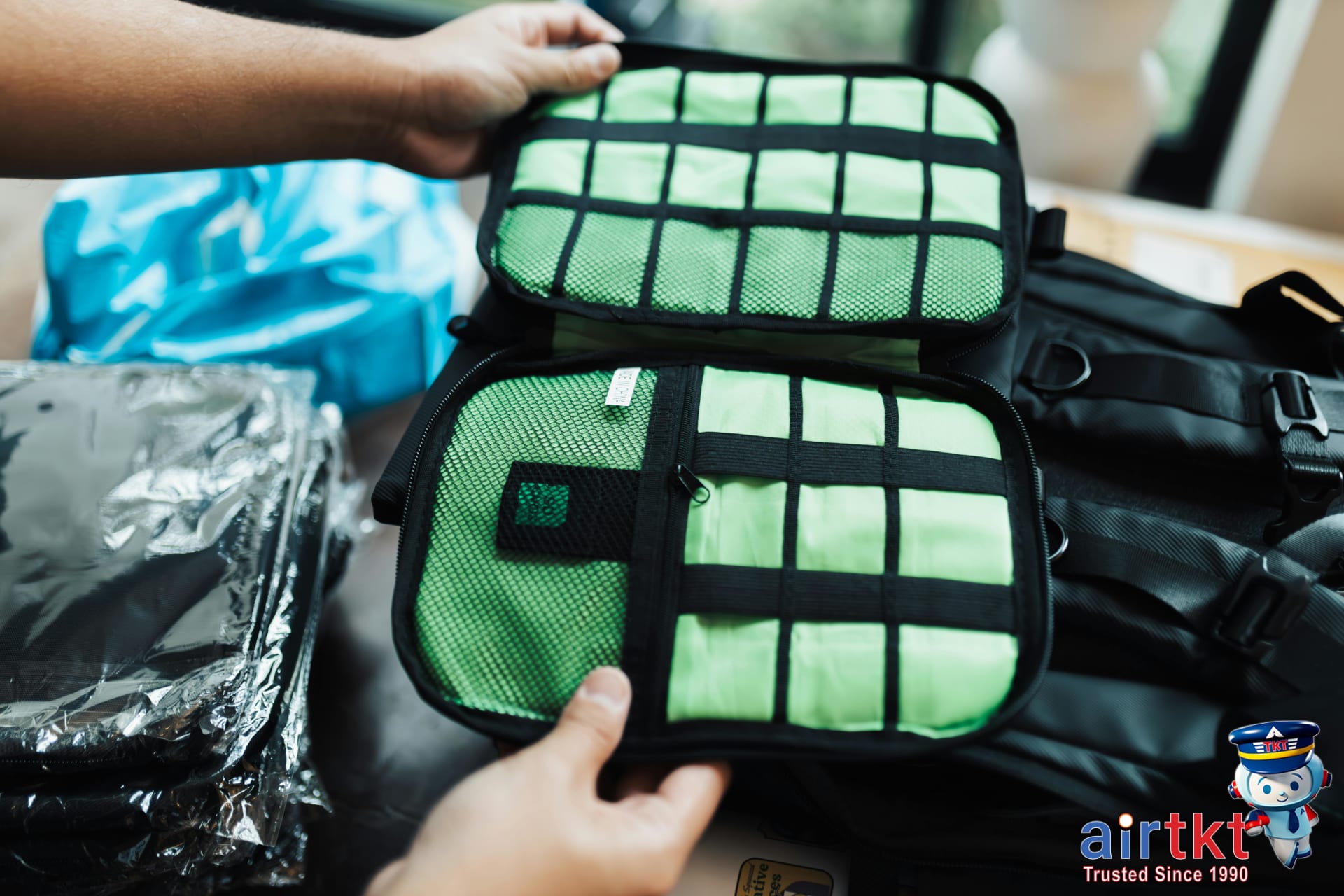
- Organizers: Packing cubes, cable organizers, and a slim laptop sleeve to keep gear compartmentalized.
- Reusable Water Bottle: 1 lightweight, collapsible bottle.
Brand Recommendations by Budget
| Category | Budget | Brands | Pros | Cons |
|---|---|---|---|---|
| Backpacks | Budget | Osprey | Durable, affordable, functional compartments | Less sleek design |
| Backpacks | Mid-Range | Nomatic | Modern, versatile, water-resistant | Higher cost, heavier |
| Backpacks | Premium | Timbuk2 | Stylish, lifetime warranty, innovative design | Pricey |
| Laptops | Budget | Acer Swift 3 | Affordable, lightweight, solid performance | Average battery life |
| Laptops | Mid-Range | Dell XPS 13 | Powerful, compact, excellent display | Expensive |
| Laptops | Premium | MacBook Pro | High performance, robust OS, great battery | Costly, limited ports |
| Portable Wi-Fi | Budget | GlocalMe G2 | Affordable, pay-as-you-go data | Limited max speed |
| Portable Wi-Fi | Mid-Range | Skyroam Solis | Global coverage, easy setup | Moderate cost |
| Portable Wi-Fi | Premium | Netgear Nighthawk M5 | Fast 5G speeds, reliable | Expensive upfront |
Space-Saving Packing Methods for Nomads
Maximizing luggage space while staying organized is essential for nomads constantly on the move. One of the most effective packing techniques is rolling clothes instead of folding. Rolling minimizes wrinkles and compresses fabric tightly, freeing up more suitcase room. Combining this method with pack cubes creates compartments that keep clothing neat and accessible. For longer trips or bulkier items, vacuum bags can reduce volume dramatically by removing excess air around clothes.
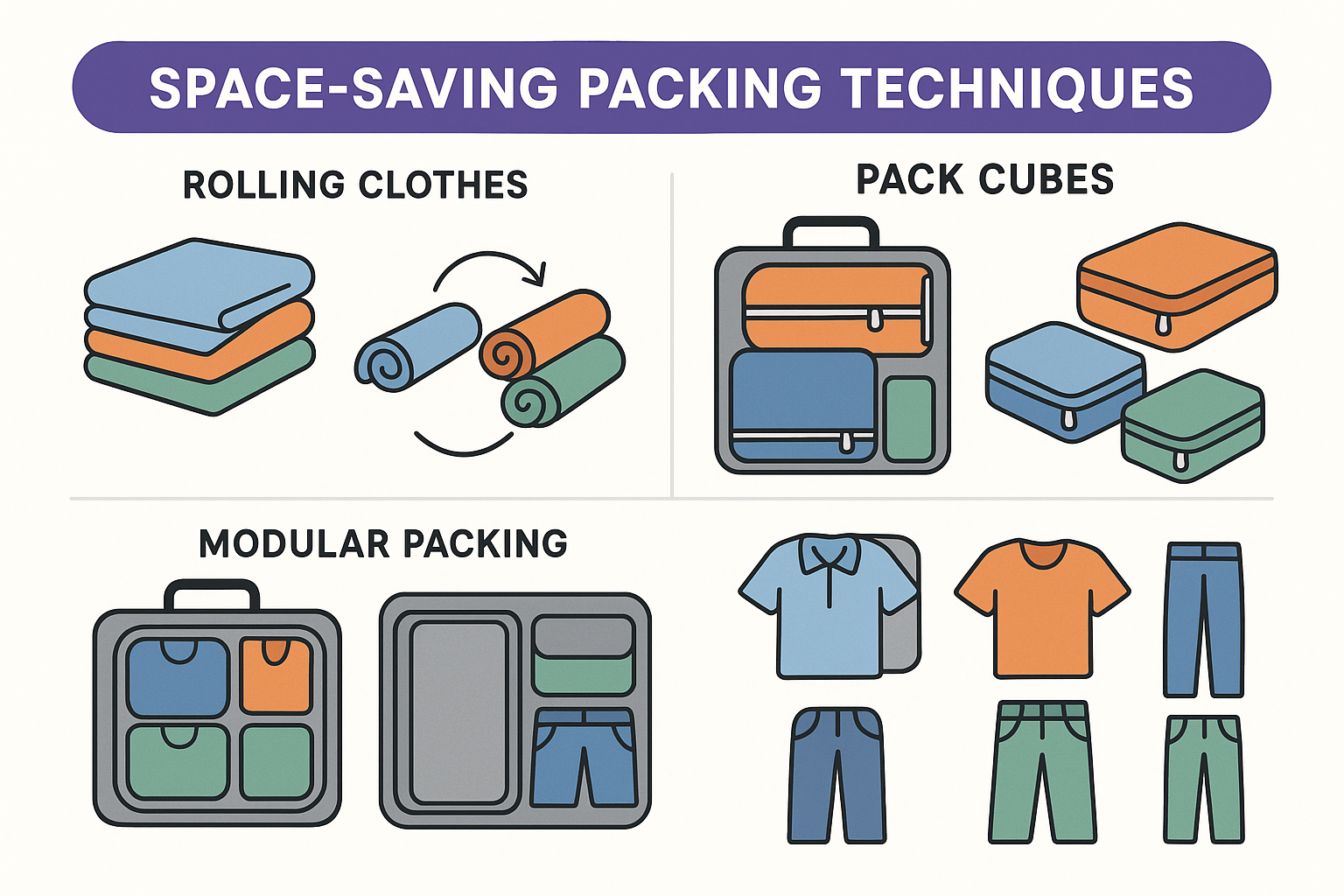
Modular packing systems bring efficiency beyond just clothing. By grouping tech gear—chargers, headphones, adapters—and apparel into separate, labeled pouches, you streamline access and protect delicate items. Use padded organizers or small cases to avoid tangles and damage to cords and devices. Similarly, apparel can be segmented by activity or weather, making it easier to adapt your wardrobe on the fly.
Versatility is key when selecting clothing for nomadic travel. Opt for pieces that mix and match well, are lightweight, and serve multiple functions. Layering is your best friend—think breathable base layers, insulating mid-layers, and waterproof outer layers—to accommodate both warm and chilly climates without overpacking. Choose neutral colors and wrinkle-resistant fabrics to maintain a polished look with minimal effort.
Packing multiple electronic devices safely is easier with thoughtful arrangement. Place heavier items like laptops or tablets near the suitcase base, cushioned by softer items such as sweaters to absorb shocks. Keep smaller devices and accessories in separate compartments or zippered pockets. Don’t forget to carry power banks and universal adapters in an accessible spot for quick charging on the go.
Seasonal changes greatly influence packing strategy. For warm destinations, emphasize moisture-wicking fabrics, sun-protective hats, and compact swimwear. Conversely, colder climates require thermal wear, insulated gloves, and a durable jacket that packs down small but provides enough warmth. Always check the forecast and local conditions so you can tailor your packing list without adding unnecessary bulk.
TSA Compliance Tips for Digital Nomad Travelers
As a digital nomad, navigating TSA security checks efficiently ensures a smoother travel experience and less stress. Familiarity with TSA’s rules on liquids and electronics is crucial, especially with updates for 2026. Here’s what you need to know to stay compliant and keep your workflow uninterrupted.
Understand TSA Liquid Restrictions
TSA limits carry-on liquids, gels, creams, and sprays to containers of 3.4 ounces (100 milliliters) or less. These containers must fit into a single, quart-sized, clear plastic zip-top bag per traveler. This rule applies strictly—even if the container isn’t full. Be mindful that exceptions exist only for medications, baby formula, and breast milk, which should be declared at security checkpoints.
Remember that this quart-sized bag must be removed from your carry-on and placed in a bin during screening for faster processing. Overpacking liquids or forgetting this step is one of the main reasons digital nomads face delays at checkpoints.
Screening Procedures for Electronics
Electronics such as laptops, tablets, and portable Wi-Fi devices typically require separate screening. TSA officers ask travelers to remove these items from carry-on bags and place them in bins for X-ray inspection. Due to the prominence of sensitive electronics in digital nomad setups, proactive separation speeds up the line.
However, TSA’s updated policies for 2026 introduce a new “Trusted Traveler” program expansion, allowing eligible passengers to leave electronics in bags during screening in certain airports. To take advantage, enroll early in TSA PreCheck to enjoy streamlined security.
2026 TSA Regulatory Updates Impacting Carry-Ons
- Enhanced 3D X-ray scanners deployed in major airports enable quicker liquid and electronic screenings.
- New allowances for lithium-ion batteries require them to be carried in hand luggage only, with terminals covered to prevent short circuits.
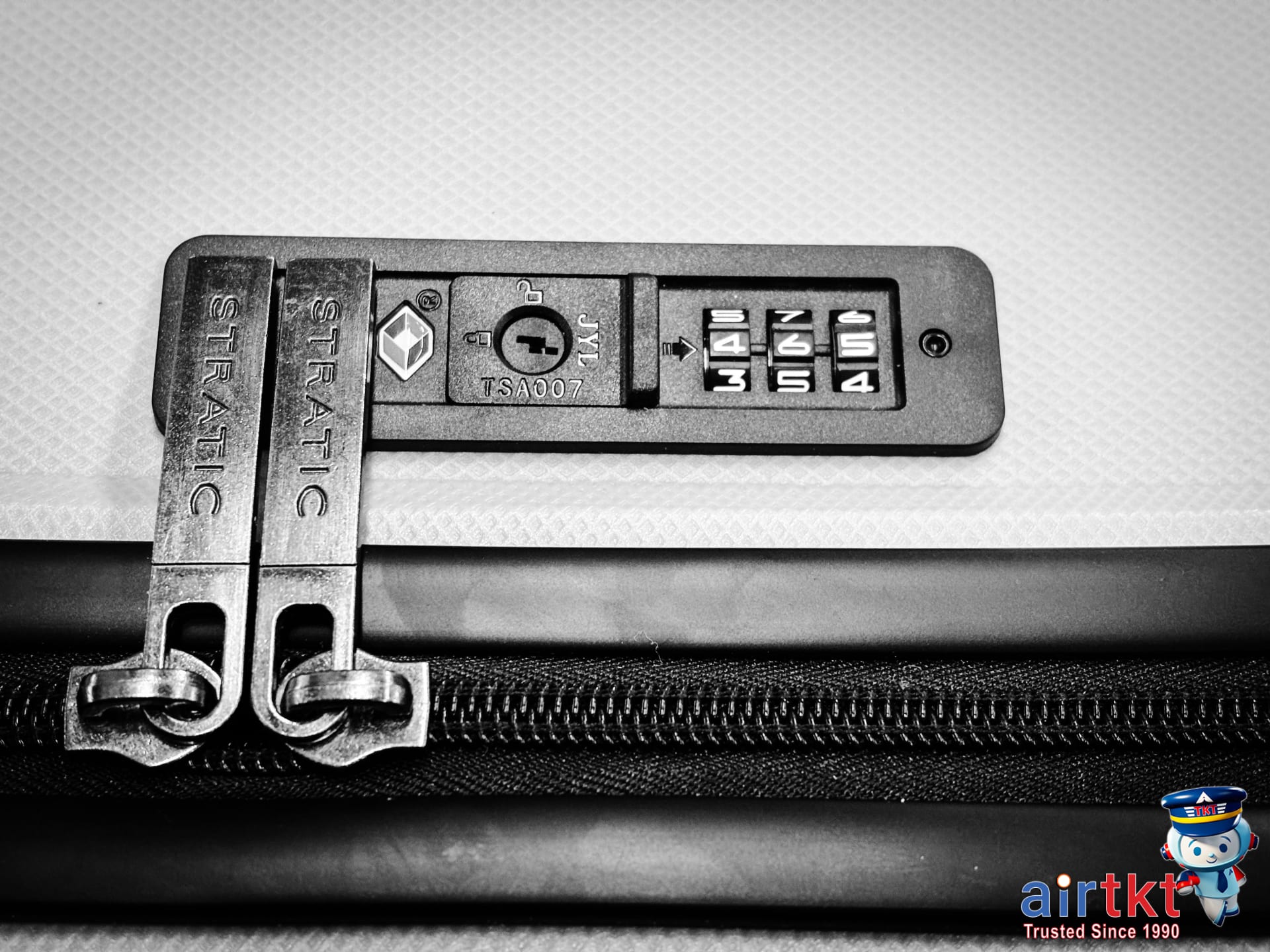
- Increased enforcement of TSA-compliant locks on carry-ons, such as TSA-recognized zipper locks, to guarantee accessibility without bag damage.
- Improved guidelines on travel-size toiletries and the digital submission of declarations to reduce wait times.
Essential TSA-Compliant Packing Checklist
- Liquids: Pack all containers ≤3.4 oz (100 ml) inside one quart-sized clear zip-top bag.
- Electronics: Prepare to remove laptops, tablets, and portable Wi-Fi devices separately unless TSA PreCheck applies.
- Batteries: Keep lithium-ion batteries with terminals insulated in carry-on bags only.
- Locks: Use TSA-recognized locks on checked luggage to avoid forced openings.
- Documentation: Have valid ID and boarding pass ready for identity verification.
Optimizing Weight Distribution and Carry-On Use
Proper weight distribution in your carry-on luggage isn’t just about compliance with airline policies—it significantly enhances your travel comfort. A well-balanced bag reduces strain on your shoulders and back, making airport navigation smoother and less tiring. Distributing heavier items closer to your body’s center, near the bottom middle of the suitcase or backpack, helps maintain stability and ease while carrying.
This concept applies whether you’re using a rolling carry-on or a backpack: avoiding lopsided loads prevents unnecessary discomfort and reduces the risk of injury during your journey.
Choosing Compliant Carry-On Dimensions
Most major airlines accept carry-ons measuring up to 22 x 14 x 9 inches (56 x 36 x 23 cm), which usually fits in overhead bins. Budget carriers often have tighter restrictions, sometimes limiting carry-ons to around 21 x 15 x 7 inches or imposing weight caps ranging from 7 kg (15 lbs) to 10 kg (22 lbs). For example, airlines like Spirit or Ryanair enforce stricter size and weight limits, so double-check these before packing.
Knowing your airline’s specific carry-on rules in advance—information easily found on AirTtkt—helps avoid surprises at the gate and extra baggage fees. Opt for lightweight luggage to maximize your packing without exceeding limits.
Organizing Electronics and Essentials for Easy Access
Smart packing arrangements expedite security checks and keep your devices safe. Designate separate compartments or pouches for electronic equipment such as laptops, tablets, and chargers. Choose bags with padded laptop sleeves and quick-access external pockets for passports, boarding passes, or wallets.
Keep frequently used items, like headphones or travel documents, near the top of your carry-on. Using cable organizers prevents chargers and cords from tangling, saving time and hassle at checkpoints. Separating liquids and toiletries in a clear, zippered bag also guides security screenings smoothly.
Preventing Overweight Carry-On Charges
Carry-on overweight fees are common pitfalls, especially when travelers try to squeeze extra items onboard. To stay within limits, weigh your bag before heading to the airport. Portable luggage scales are affordable and invaluable tools to avoid last-minute repacking.
Consider wearing your bulkiest clothing on the plane—jackets, boots, or heavy sweaters—to reduce carry-on weight. Packing versatile clothing items that layer easily can help minimize the overall volume and weight of your luggage.
Fix Common Packing Errors Digital Nomads Make
Packing efficiently is vital for digital nomads aiming to balance work and travel seamlessly. However, several recurring mistakes often disrupt this balance, affecting travel comfort and productivity. Among the most common errors are overpacking, forgetting essentials, poor organization, and neglecting airline regulations.
Overpacking is perhaps the biggest culprit. Lugging around excessive baggage slows movement, incurs extra fees, and complicates transit through airports. Forgetting key items—like chargers, adapters, or important documents—can halt work or create unnecessary stress on the road. Disorganized packing leads to wasted time hunting for essentials, while ignoring airline baggage rules can result in unexpected penalties or delays.
To counter these, a strategic approach to packing helps significantly. Start by creating a detailed checklist tailored to your destination, work needs, and trip duration. Prioritize versatile clothing that layers well and serves multiple purposes. Keep all tech accessories consolidated in a single pouch and periodically audit them to avoid carrying outdated or unnecessary gear.
Experienced nomads emphasize the value of minimalist packing. Jamie Chen, a remote software developer, recalls, “I used to pack everything ‘just in case,’ which slowed me down and drained energy. Now, I focus on what I truly need, and it has transformed my travel experience.” Another pro tip is to review airline baggage policies before every flight to avoid surprises.
Organizing your belongings with packing cubes or zippered compartments also streamlines airport security checks and everyday access. Regularly reassess your travel kit every few months—not only to replenish essentials but to remove items you no longer use.
Addressing these common pitfalls leads to smoother transit, fewer distractions, and better productivity on the road. By prioritizing what truly matters and preparing proactively, digital nomads can focus more on their work and less on logistical hassles.
Digital Nomad Packing FAQ
How to pack light without sacrificing essentials?
Packing light means focusing on versatile, multi-use items. Choose lightweight clothing layers and essential tech gear that serve multiple functions. Prioritize compact chargers and travel-sized toiletries. Avoid duplicates by planning outfits and work tools carefully to maintain efficiency without excess weight.
What is the best tech gear to carry?
Essential tech includes a lightweight laptop or tablet, universal adapter, portable charger, noise-canceling headphones, and a secure external hard drive. Prioritize compact and durable devices that support your workflow. Don’t forget USB-C cables and a device organizer for quick access.
When should I repack or refresh my gear?
Repack and assess gear before each trip, ideally a week ahead. Refresh worn-out items and update software regularly to avoid malfunctions. Seasonal wardrobe swaps and gear upgrades should align with your travel schedule to stay prepared and comfortable.
Why is TSA compliance crucial for nomads?
TSA compliance helps avoid delays and confiscations at security checkpoints. Packing according to TSA rules ensures smooth screenings, especially for electronics and liquids. This saves time, reduces travel stress, and keeps your essential devices safe during flights.
Can I bring all my electronics in carry-on luggage?
Yes, carry-on luggage is preferred for electronics to prevent damage or loss. Keep batteries under airline limits and remove laptops during security scans. Packing electronics in padded compartments offers additional protection during transit.
How to optimize backpack space for trip lengths?
For short trips, pack only essentials using packing cubes to compress items. Longer trips require modular packing: separate work gear from clothing, and plan laundry. Adjust your backpack’s interior organization to fit the trip duration without overpacking.
What common packing mistakes do nomads make?
Common errors include overpacking, neglecting TSA rules, and forgetting chargers or adapters. Many overlook weather-appropriate clothing and backup storage. Avoid these by planning strategically and creating checklists to ensure all essentials fit light and travel-ready.
Efficient Digital Nomad Packing with AirTkt Support
Traveling as a digital nomad demands a balance of preparedness and efficiency. Throughout this article, we’ve highlighted fundamental strategies: ensuring your packing checklist is accurate, employing space-saving techniques, strictly following TSA regulations, managing luggage weight smartly, and sidestepping common packing errors. These essentials pave the way to hassle-free journeys, allowing you to focus on work and exploration without baggage worries.
Implementing these tips will streamline your travel experience significantly. By carefully selecting what to pack, you maximize your mobility and flexibility—key assets for any nomad. Prioritize versatile clothing, essential gadgets, and travel documents, while keeping your load light and compliant with airline rules. This approach reduces stress at the airport and helps you avoid unexpected fees or delays.
AirTkt stands ready to elevate your travel planning with its powerful platform. Offering competitive prices across a vast network of airlines and routes, AirTkt ensures you find the best deals tailored for your nomadic lifestyle. Whether booking last-minute flights or planning complex multi-stop journeys, their flexible search tools unlock affordable options that fit your schedule and budget.
Beyond savings, the 24/7 expert support at AirTkt provides unmatched confidence during booking and throughout your travels. Should any hiccups arise, real human agents are available anytime to assist with changes, cancellations, or special requests, making your travel as seamless as possible.
By combining efficient packing habits with the comprehensive resources of AirTkt, digital nomads can embrace every journey fully prepared and well-supported. Your next adventure awaits—equip yourself smartly and travel confidently.