
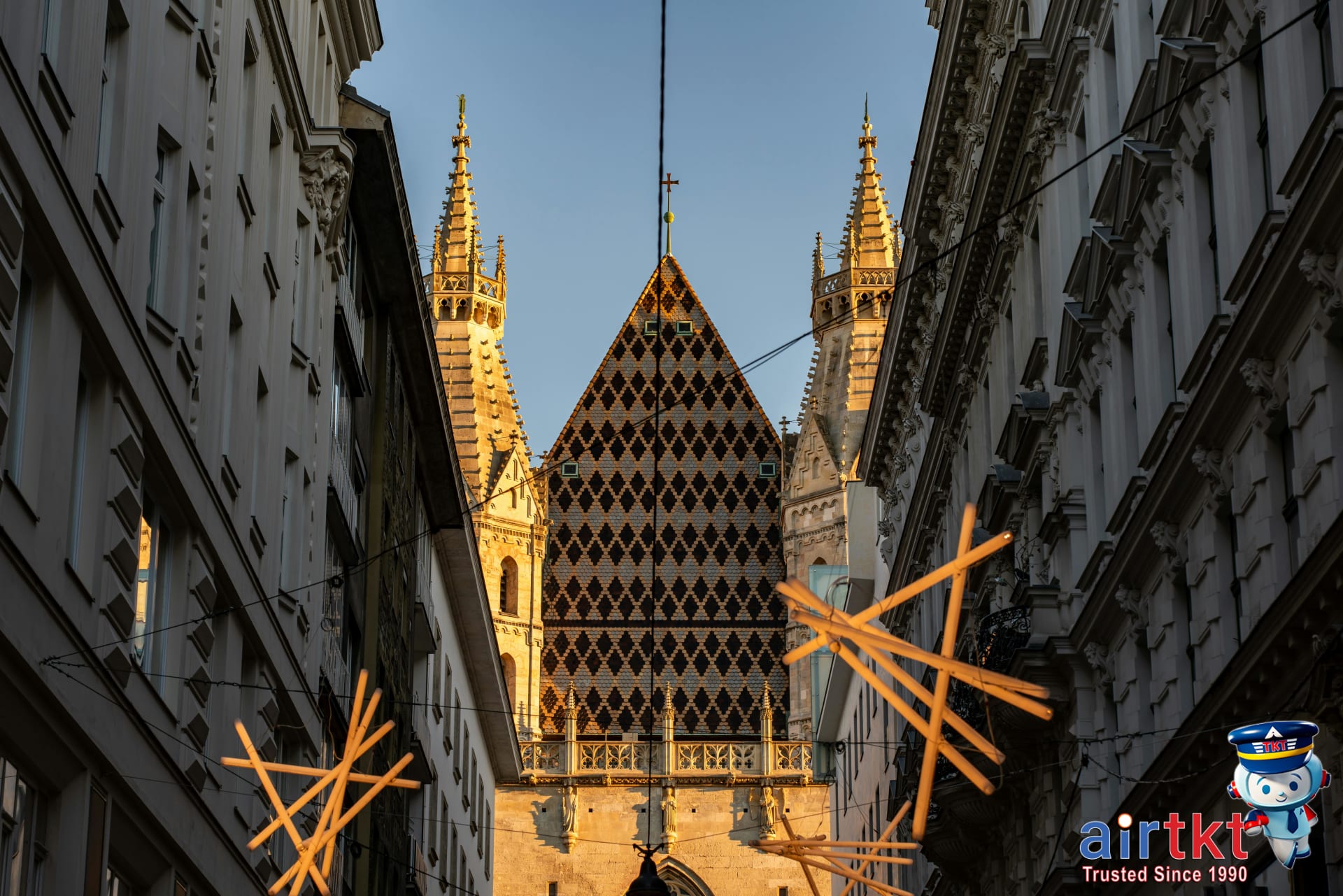
Discover Vienna for First-Time Visitors
Vienna, the capital of Austria, stands as one of Europe’s most culturally rich and historically significant cities. Known for its grand palaces, classical music legacy, and vibrant arts scene, Vienna effortlessly blends imperial elegance with modern charm. This city has nurtured legendary composers like Mozart and Beethoven, and its museums and theaters continue to celebrate centuries of artistic excellence. Walking through Vienna’s streets offers a journey into a world where past and present harmonize beautifully, making it an essential experience for first-time travelers seeking more than just a typical city break.
Recent statistics underscore Vienna’s rising appeal, with over 17 million visitors recorded in the past year alone. This robust tourism reflects Vienna’s standing as a top destination for travelers worldwide who are drawn to its unique mix of architectural wonders, cultural events, and world-class dining. In fact, Vienna consistently ranks highly in global livability and travel satisfaction surveys, confirming its reputation as a must-visit city for culture lovers and history enthusiasts alike.
When planning a trip to Vienna and Austria in general, it helps to keep some travel basics in mind. Austria experiences a temperate continental climate, meaning winters can be cold with snow, especially from December through February, while summers are warm and pleasant, ideal for sightseeing. The official language is German, but English is widely spoken throughout tourist areas, making communication straightforward for international visitors. Vienna International Airport (VIE) is the primary gateway for air travelers and offers excellent connectivity along with efficient transport links directly into the city center. Public transportation in Vienna is renowned for being punctual, clean, and comprehensive, covering metros, trams, and buses that make navigating the city easy and convenient.
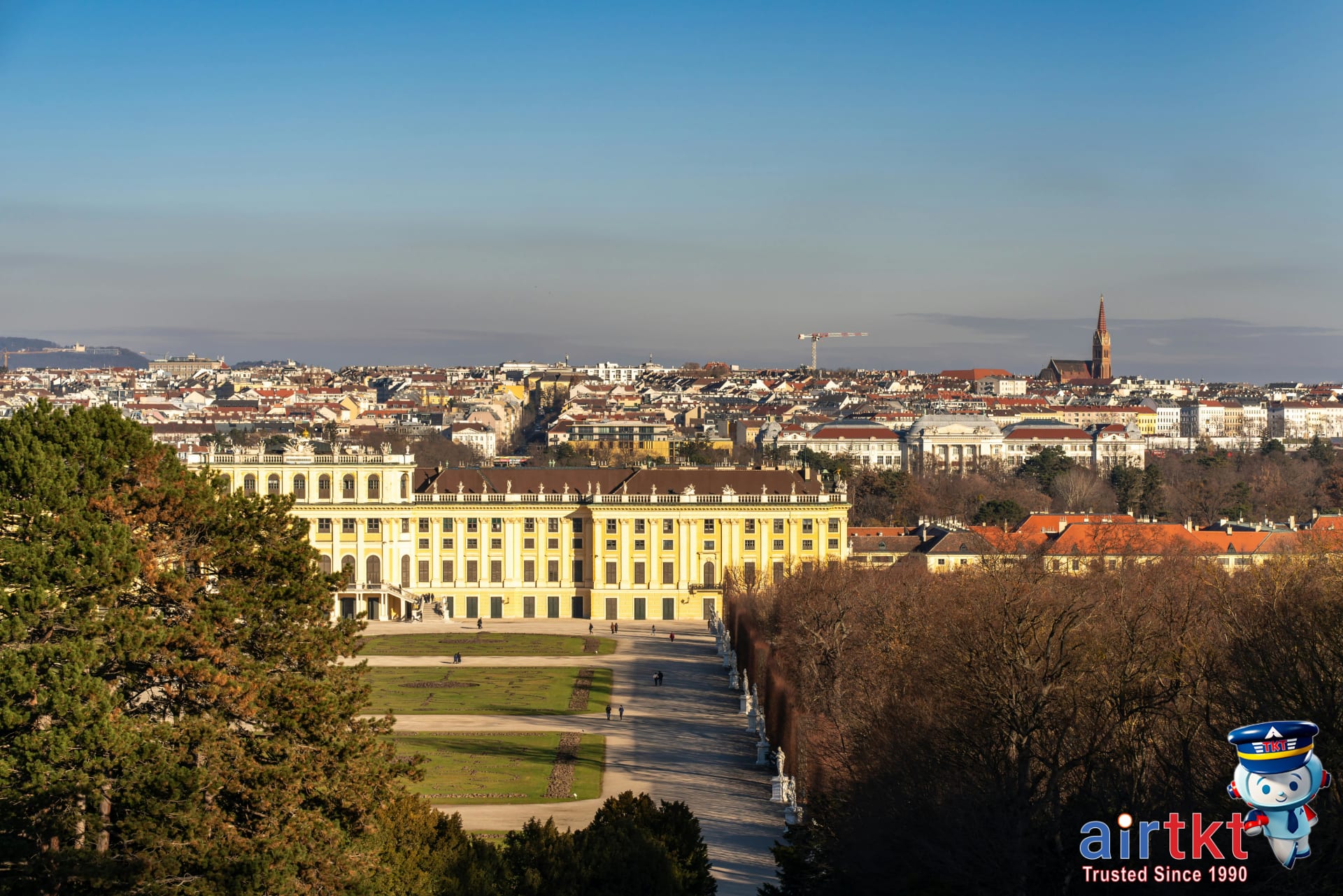
What makes Vienna particularly ideal for first-time tourists is its accessibility and variety. From Baroque palaces like Schönbrunn and the Hofburg to vibrant markets and cozy coffeehouses, this city offers a diverse portfolio of experiences that cater to all interests and travel styles. Visitors can immerse themselves in art at the Belvedere Palace, enjoy classical concerts in historic venues, or simply stroll through picturesque neighborhoods that showcase Vienna’s signature blend of old-world charm and contemporary life. The city’s walkability combined with its efficient public transit means newcomers can explore with minimal hassle, ensuring a smooth and enjoyable introduction to Austrian culture.
For travelers eager to discover Vienna’s magnificence without the stress of complicated logistics, booking through AirTtkt provides access to competitive flight deals, easy hotel booking, and additional travel services all in one place. With tools designed to find affordable options and a customer support team available around the clock, AirTtkt helps ensure your first visit to Vienna is as seamless and memorable as possible.
Explore Top 10 Must-See Vienna Attractions
Vienna offers a rich tapestry of history, culture, and art through its iconic attractions. To make the most of your visit, here are the top ten must-see sites, with practical tips on skipping lines, the best times to visit, combo ticket options, accessibility, fees, and suggested daily itineraries.
- Schönbrunn Palace
This former imperial summer residence is a breathtaking baroque palace with stunning gardens. Visit early morning or late afternoon to avoid crowds. Skip-the-line tickets are available online, often bundled with the Vienna Pass for savings. Accessibility is good, with elevators and ramps. Entrance fee: around $25 for a Grand Tour. - St. Stephen’s Cathedral
The heart of Vienna, this gothic masterpiece boasts panoramic city views from its tower. Visit early in the day or just before closing to dodge peak times. Tower access requires ticket purchase; free entry to the cathedral. Accessible for most, though the tower climb involves stairs. - Belvedere Palace
Home to Gustav Klimt’s iconic “The Kiss,” Belvedere combines art and architecture. To skip lines, buy timed tickets online. It’s a short walk from the city center, accessible with ramps. Entry fee: about $20 with available combo passes including the Lower Belvedere and gardens. - Hofburg Imperial Palace
The former imperial palace complex offers museums and the Spanish Riding School. The Imperial Apartments and Sisi Museum are best visited midweek mornings. Skip-the-line passes and combo tickets covering multiple museums are ideal here. Most areas are wheelchair accessible; entry fees range from $15 to $25. - Vienna State Opera
Experience elegant architecture and world-class performances. Guided tours are less crowded in early afternoon. Booking skip-the-line tours online allows quick entry. Accessible seating is available. Ticket prices vary hugely depending on events; tours cost about $12. - MuseumsQuartier
This vibrant cultural complex houses several museums, including the Leopold Museum and Mumok. Visit weekdays or late afternoons to skip lines. Access is wheelchair-friendly, and combo tickets offer entrance to several museums at discounts. Entry fees average $15 per museum. - Prater Park
Known for its iconic Ferris wheel, this park offers free access, with optional rides requiring tickets. Visit during weekdays or early evenings for smaller crowds. It is fully accessible and free to enter, making it perfect for relaxed sightseeing after museum visits. - Spanish Riding School
Famous for classical dressage and Lipizzaner stallions, tickets sell out quickly. Book skip-the-line tickets well in advance on official websites or through combo passes covering Hofburg attractions. The venue is wheelchair accessible. Prices start around $30 for performances. - Kunsthistorisches Museum
The art museum displays impressive collections of paintings and antiquities. Early opening hours are the best time to avoid crowds. Online timed tickets help skip lines. The museum includes ramps and lifts for accessibility. Entrance fee: approximately $22; combo passes include Naturhistorisches Museum. - Naschmarkt
Vienna’s famous open-air market is perfect for food lovers. It’s busiest at midday; visit mornings or late afternoons to enjoy a more relaxed atmosphere. Entry is free, and accessibility is good with wide aisles. Try local delicacies or coffee in nearby cafés for an authentic experience.
For efficient daily schedules, consider grouping nearby sites. For example, start your day at Schönbrunn Palace, then visit Belvedere Palace in the afternoon. Another effective route covers St. Stephen’s Cathedral, the Hofburg Imperial Palace, and the Spanish Riding School in one day, as these are clustered in the city center.
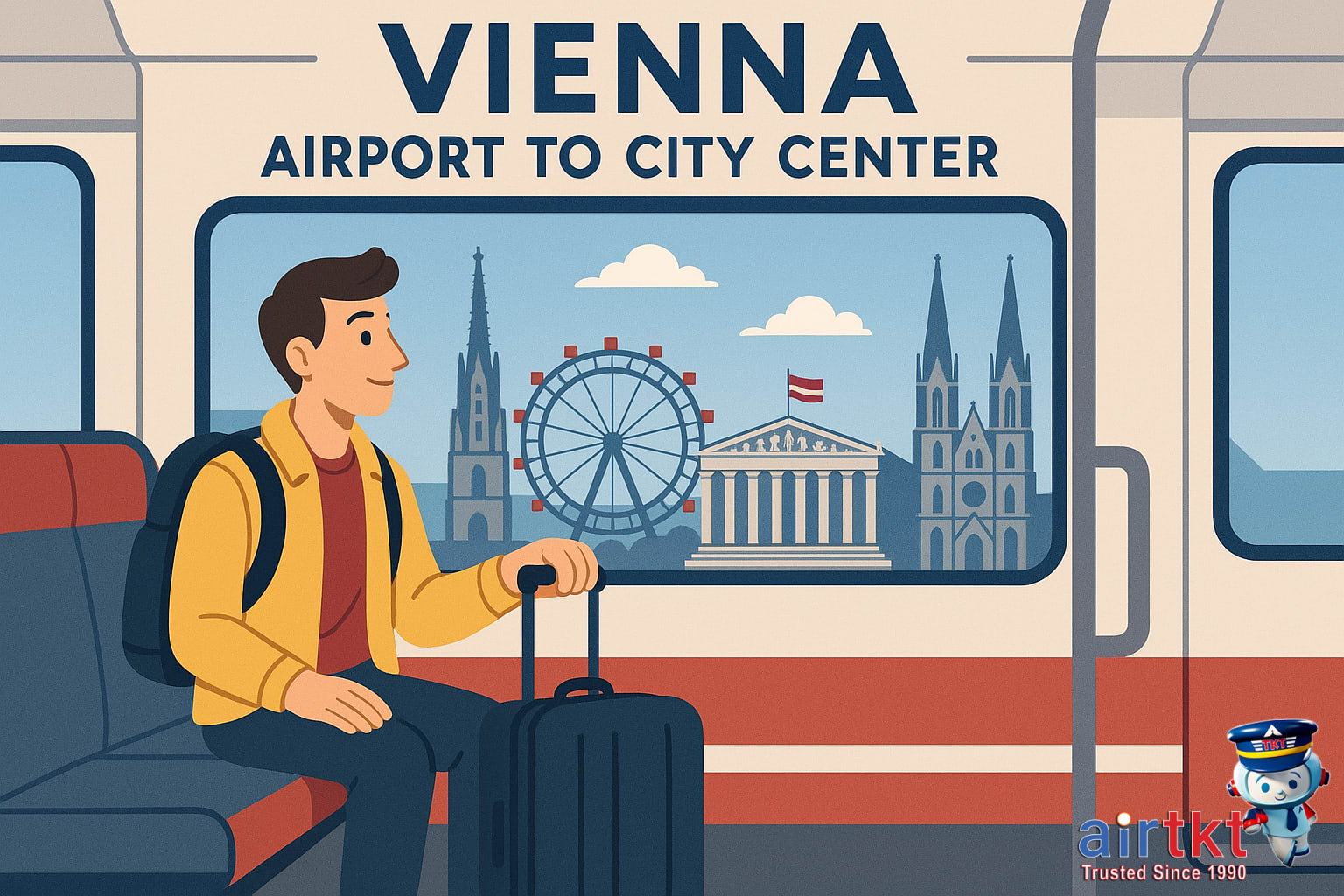
Choose Best Airport to City Transfer Options
Travelers landing at Vienna International Airport have several convenient options to reach the city center. The right choice depends on your budget, travel time, luggage, and comfort preferences. Understanding the available transport modes helps you plan your journey seamlessly.
City Airport Train (CAT): Fast and Comfortable
The City Airport Train (CAT) is a premium, non-stop service running between Vienna International Airport and Wien Mitte station in downtown Vienna. It takes just 16 minutes, making it the quickest transit option. CAT trains depart every 30 minutes, starting early morning until around midnight.
Tickets cost $13.60 one-way and $24.00 round-trip. The trains are modern and spacious, with dedicated luggage racks and free Wi-Fi, perfect for travelers with bulky suitcases seeking comfort. Tickets can be purchased online via the official CAT website, at ticket machines, or directly on the train. Early booking is recommended to guarantee seats during peak hours.
S-Bahn Train: Affordable and Frequent
The S-Bahn (S7 line) also connects the airport to Wien Mitte and other central stations but is cheaper and slower than the CAT. The journey takes approximately 25 minutes and costs about $4.50 per ticket. Trains run every 30 minutes throughout the day.
S-Bahn trains provide standard seating with some standing room and limited space for luggage compared to CAT. Tickets are available at ticket machines or via the Austrian Federal Railways app. This option suits budget-conscious travelers who don’t mind a slightly longer trip and modest luggage space.
Buses: Flexible Routes, Variable Times
Several bus lines serve Vienna International Airport, such as the Vienna Airport Lines (VAL) buses that connect to various city locations. Travel times vary from 20 to 45 minutes depending on the route and traffic. Prices range from $8 to $11 one-way.
Buses are equipped with luggage compartments but can be less comfortable during rush hour or heavy traffic. Timetables and ticket purchases are available online, at airport counters, or on board. Buses offer a direct option if your final destination is not immediately adjacent to a train station.
Taxis and Rideshares: Door-to-Door Convenience
Taxis provide the most flexible and comfortable transfers, especially if traveling with heavy or multiple bags. A taxi ride to Vienna’s city center takes about 20–30 minutes, depending on traffic, and typically costs around $45-$60. Rideshare services like Uber may be slightly cheaper and can be booked via their apps.
Both options operate 24/7 with stands located just outside the arrivals hall. While pricier, these offer privacy, direct routes, and the option to travel anytime without waiting. Confirm fares upfront or via app estimates to avoid surprises.
Booking Tickets and Checking Schedules
- CAT tickets: Buy online for discounts or via ticket machines at the airport.
- S-Bahn: Use ÖBB app or machines; combined tickets with public transport are available.
- Buses: Tickets sold on board or at airport counters; check Vienna Airport Lines for routes and times.
- Taxis/rideshares: Found at official stands and through mobile apps respectively.
Follow Essential Vienna Cultural Etiquette
When visiting Vienna, embracing local customs enhances your experience and fosters genuine connections with residents. Start with greetings: Austrians typically use a firm handshake while maintaining about an arm’s length of personal space. Avoid overly casual embraces or cheek kisses unless invited, as Viennese value polite distance. A simple “Grüß Gott” (hello) or “Servus” is appreciated when meeting locals.
Tipping in Vienna is customary but modest. In restaurants, rounding up the bill or leaving 5-10% is standard, often handed directly to the server with “Danke” rather than leaving it on the table. Taxi drivers expect small tips around 5-10% depending on service, and hotel porters usually receive $1-$2 per bag. This practice fosters goodwill and is considered respectful, not obligatory.
Dress codes reflect Vienna’s refined traditions. For religious sites like St. Stephen’s Cathedral, opt for modest attire—cover shoulders and avoid shorts. In formal venues such as the Vienna State Opera or elegant restaurants, smart casual or formal dress is preferred. Men typically wear jackets, and women choose dresses or tailored outfits, reflecting the city’s appreciation for classic style.
Conversational etiquette in Viennese cafés emphasizes courtesy and calm. Avoid loud talk or interrupting others; polite, measured speech shows respect. It’s common to engage in light, cultured topics like art, music, or history rather than personal matters with strangers. When ordering or asking questions, a quiet tone and polite phrases like “bitte” and “danke” are essential.
Overall, respectful behavior in Vienna helps visitors blend in seamlessly. Demonstrating awareness of local norms—from greetings to dress and tipping—signals appreciation for Vienna’s rich culture. These thoughtful gestures open doors to authentic conversations and a more rewarding travel experience while showcasing your courtesy as a global traveler.

Learn Basic German Phrases for Visitors
Traveling to Germany is exciting, and knowing some essential German phrases can make your trip smoother and more enjoyable. Below is a practical guide covering greetings, directions, dining, shopping, and emergency expressions—complete with pronunciations—to help you navigate everyday situations like a local.
Common Greetings and Polite Expressions
- Hallo (HAH-loh) – Hello
- Guten Tag (GOO-ten tahk) – Good day
- Guten Morgen (GOO-ten MOR-gen) – Good morning
- Guten Abend (GOO-ten AH-bent) – Good evening
- Bitte (BIT-tuh) – Please / You’re welcome
- Danke (DAHN-kuh) – Thank you
- Entschuldigung (ent-SHOOL-dee-goong) – Excuse me / Sorry
Asking for Directions and Transportation
- Wo ist der Bahnhof? (voh ist dare BAHN-hohf?) – Where is the train station?
- Wie komme ich zum Flughafen? (vee KOM-uh ikh tsum FLOOG-hah-fen?) – How do I get to the airport?
- Fährt dieser Bus nach …? (fehrt DEE-zer boos nahkh …?) – Does this bus go to …?
- Welche Linie soll ich nehmen? (VEL-khe LEE-nee zuh SOL ikh NAY-men?) – Which line should I take?
- Wie viel kostet eine Fahrkarte? (vee feel KOH-stet IE-nuh FAHR-kar-tuh?) – How much does a ticket cost?
Ordering Food and Beverages
- Ich hätte gern … (ikh HET-tuh gairn …) – I would like …
- Die Speisekarte, bitte. (dee SHPY-zeh-kar-tuh BIT-tuh) – The menu, please.
- Was empfehlen Sie? (vas emp-FAY-len zee?) – What do you recommend?
- Ich bin Vegetarier(in). (ikh bin ve-ge-TAH-ree-er/in) – I am vegetarian.
- Die Rechnung, bitte. (dee REKH-nung BIT-tuh) – The bill, please.
Shopping and Market Phrases
- Wie viel kostet das? (vee feel KOH-stet das?) – How much does this cost?
- Können Sie das günstiger machen? (KERN-en zee das GUN-sti-gur MAH-khen?) – Can you make it cheaper?
- Ich schaue nur. (ikh SHAU-uh noor) – I’m just looking.
- Haben Sie das in einer anderen Größe? (HAH-ben zee das in EYE-ner AN-dern GRUR-suh?) – Do you have this in a different size?
Emergency and Health Vocabulary
- Hilfe! (HIL-fuh) – Help!
- Rufen Sie einen Arzt! (ROO-fen zee EYE-nen ahrtst) – Call a doctor!
- Ich habe Schmerzen. (ikh HAH-buh SHMERTS-en) – I have pain.
- Wo ist die Apotheke? (voh ist dee a-po-TEH-kuh?) – Where is the pharmacy?
- Es ist ein Notfall. (es ist ine NOHT-fahl) – It is an emergency.
Formal vs. Informal Speech
German distinguishes between formal and informal address, which is important in social interactions. Use “Sie” (zee) for formal situations with strangers, elders, or service staff to show respect. The informal “du” (doo) is reserved for friends, family, and children.
When in doubt, start with the formal Sie to be polite. For example:
- Formal: Wie geht es Ihnen? (vee gate es EEN-en?) – How are you?
- Informal: Wie geht’s dir? (vee gates deer?) – How are you?
Understand Currency and Payment Methods in Vienna
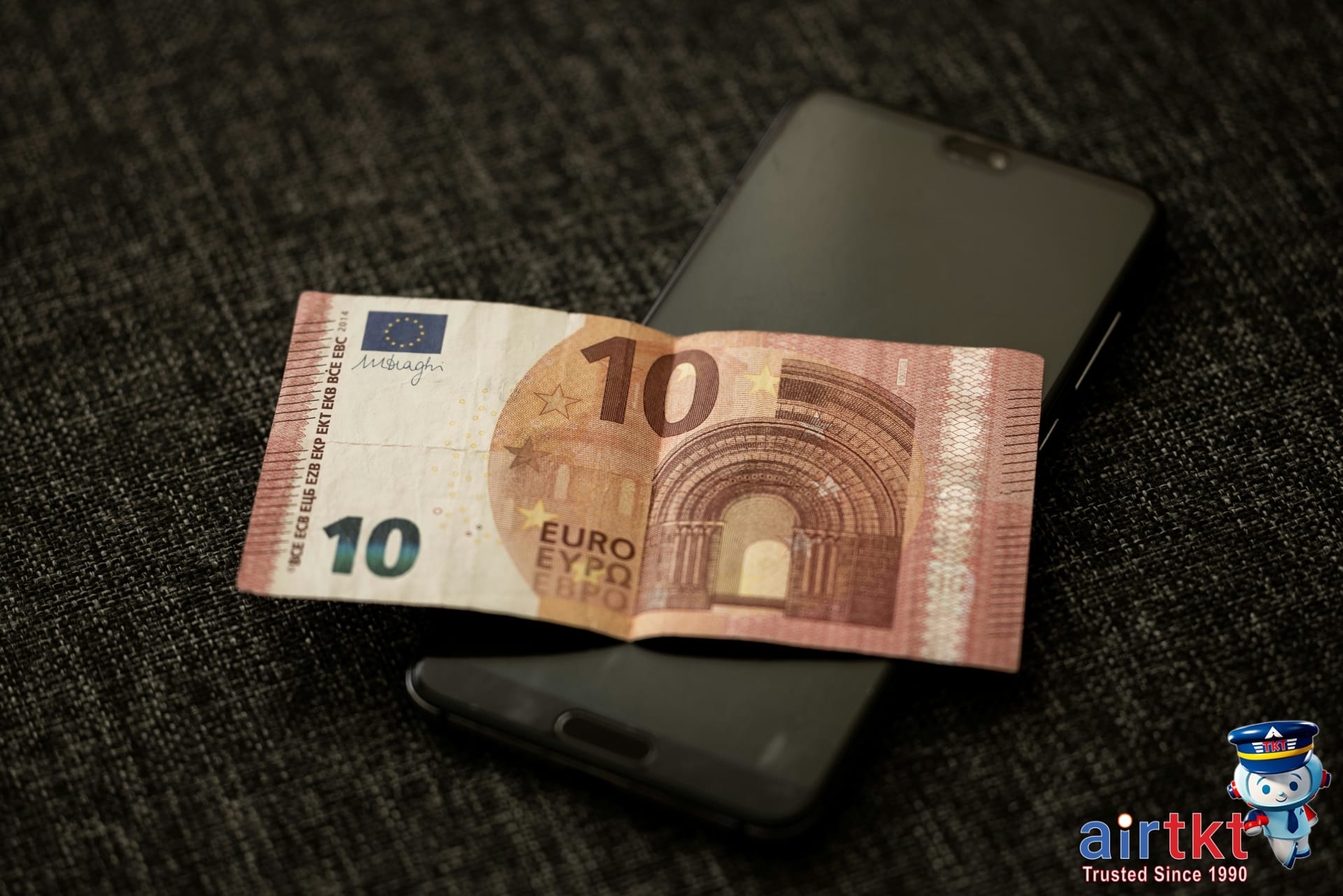
The official currency in Vienna is the Euro (€), which is widely used throughout Austria. Visitors will find Euros accepted for most transactions, from dining and shopping to public transport fares. Familiarizing yourself with the Euro’s denominations—coins range from 1 cent to 2 Euros, and banknotes range from 5 to 500 Euros—will help you handle daily expenses smoothly during your trip.
While cash remains popular, especially in smaller shops, markets, and traditional cafes, Vienna also offers broad acceptance of debit and credit cards. Visa and Mastercard are the most commonly accepted cards, and many places now accept contactless payments, making transactions quicker and more convenient. However, some smaller vendors or venues might prefer cash, so it’s wise to keep some on hand.
ATMs are plentiful across Vienna, including at the airport, train stations, and throughout the city center. Most ATMs offer options to withdraw Euros and often provide multilingual interfaces. Currency exchange offices are also available, but travelers should be cautious about unfavorable rates and hidden commission fees. It’s generally better to withdraw cash from ATMs attached to reputable banks rather than relying heavily on currency exchange shops.
To minimize foreign transaction and ATM fees, use credit or debit cards with no foreign fees. Many travelers find prepaid travel cards or bank accounts tailored for international use beneficial. Before your trip, check with your bank to understand any fees related to overseas transactions or ATM withdrawals.
Mobile wallets such as Apple Pay, Google Pay, and Samsung Pay are accepted in many establishments and offer a secure, contactless way to pay. Setting up these payment methods before travel can speed up purchases and reduce reliance on physical cards or cash. Vienna’s modern payment infrastructure ensures most cafes, restaurants, and larger retail chains support contactless and mobile payments.
Select Safe Neighborhoods to Stay in Vienna
When planning your Vienna stay, selecting the right neighborhood is essential for safety, comfort, and convenience. Some districts stand out for their traveler-friendly environments, great accommodation options, and excellent public transportation links. Four popular neighborhoods where you can feel secure and enjoy easy access to Vienna’s attractions are Innere Stadt, Leopoldstadt, Neubau, and Mariahilf.
Explore Popular Safe Neighborhoods
Innere Stadt is Vienna’s historic city center, surrounded by the famous Ringstraße. It offers a great mix of top-tier hotels, charming boutique stays, and upscale apartments. Safety here is high, with well-lit streets and a steady presence of tourists and locals alike. Staying here puts landmarks like St. Stephen’s Cathedral and the Hofburg Palace within walking distance.
Leopoldstadt, just across the Danube Canal, has transformed into a lively and safe district. Known for the Prater park and its iconic giant Ferris wheel, this area combines affordable hotels and modern apartments. Public transport is excellent, with tram and U-Bahn lines directly connecting you to the city center and beyond.
Neubau is a trendy, youthful neighborhood favored by artists and creatives. It features numerous boutique hotels and vacation rentals, surrounded by cafés, galleries, and shops. Neubau is also well served by trams and the U-Bahn system, providing straightforward access to Vienna’s cultural hubs and theaters.
Mariahilf sits southwest of the city center and is known for vibrant shopping streets like Mariahilfer Straße. It boasts a mix of mid-range hotels, guesthouses, and luxury options. The area remains safe throughout the day and evening, with good public transport connections making it easy to reach museums, palaces, and other key sites.
Safety Tips and Nighttime Precautions
Vienna is generally very safe, but it’s wise to exercise standard precautions at night. Stick to well-lit, populated streets and avoid secluded parks or alleyways after dark. Pickpocketing can occur in crowded areas, so keep valuables secure. If returning late, prefer public transportation or authorized taxis rather than walking in less familiar parts.
Some neighborhoods like Favoriten and certain parts of Rudolfsheim-Fünfhaus may feel less secure after nightfall. These areas are fine during the day for visiting or commuting but are best avoided for nighttime strolls. Always check with your accommodation for updated local safety advice.
Accommodation Types and Average Costs
In Innere Stadt, expect higher prices with upscale hotels averaging $150 to $300 per night, reflecting the prime location and luxurious offerings. Leopoldstadt and Mariahilf provide a broad range from $80 to $180, balancing quality and affordability. Neubau offers boutique stays starting at around $90, appealing to travelers seeking style and culture.
Options span from full-service hotels and boutique inns to budget hostels and furnished apartments. Many hotels near public transport hubs include amenities like free Wi-Fi and breakfast, enhancing comfort and convenience. Booking early via AirTtkt can help you secure the best rates in these sought-after neighborhoods.
Transportation Access to Attractions
- Innere Stadt: Centrally located with easy access to nearly every major attraction by foot, plus connections to U-Bahn lines U1, U2, and U3.
- Leopoldstadt: Served by U1 and U2 lines and several trams, enabling quick rides to the city center and Vienna International Airport.
- Neubau: Connected by U3 and tram lines, facilitating access to museums, theaters, and the vibrant MuseumsQuartier.
- Mariahilf: Well linked by U3 and multiple trams, convenient for shopping and museum visits.
Plan a Balanced 5-7 Day Vienna Itinerary
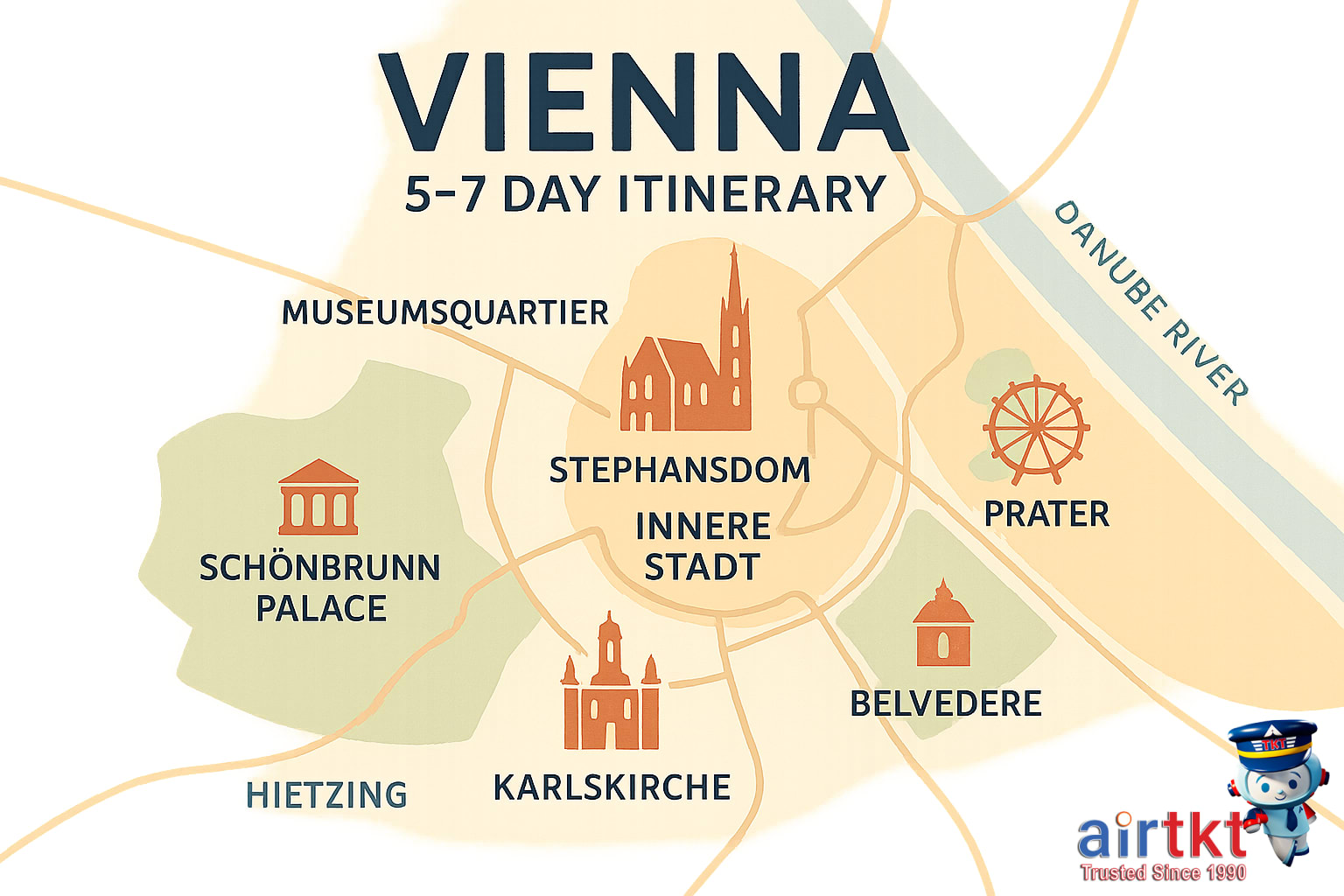
Creating an enjoyable Vienna itinerary requires balancing its world-renowned culture, stunning architecture, and vibrant local life—all while leaving room for relaxation and spontaneous exploration. This suggested day-by-day plan blends must-see attractions with neighborhood charm, diverse dining options, and downtime. Adapt it seasonally to match current opening hours and weather for the best experience.
Day 1: Classic Vienna Landmarks
Start with a visit to the majestic Schönbrunn Palace, exploring the ornate rooms and expansive gardens. Head downtown to St. Stephen’s Cathedral and stroll the historic streets of the Innere Stadt. For dining, try the traditional Viennese cuisine at Plachutta Wollzeile, famous for its Tafelspitz.
Day 2: Museum Quarter and Art Exploration
Dedicate this day to Vienna’s rich museum culture. Spend the morning at the Kunsthistorisches Museum for Renaissance and Baroque masterpieces. After a light lunch at the nearby Glacis Beisl, explore the modern collections at the Leopold Museum. Evening options include catching a classical concert at the Wiener Musikverein for an authentic Viennese experience.
Day 3: Parks, Markets, and Relaxation
Enjoy a more leisurely morning at the Belvedere Palace Gardens, then make your way to the lively Naschmarkt for lunch with international flavors. Spend your afternoon relaxing in the Stadtpark, watching locals and snapping photos of the Johann Strauss statue. Early dinner at Gasthaus Pöschl offers hearty Austrian dishes before a night-cap at a cozy wine tavern.
Day 4: Explore Alternative Districts
Venture into the vibrant Florianigasse and Neubau neighborhoods, known for boutique shops, cafes, and street art. The MQ – MuseumsQuartier offers a dynamic cultural hub with cafés perfect for people-watching. Stop by Yamm! for organic, international cuisine. Allow free time here to discover hidden galleries or simply soak up the local vibe.
Day 5: Seasonal Festivals and Outdoor Activities
Seasonal factors influence daily plans—visit Vienna in spring or summer to enjoy the Donaupark and open-air music festivals. Autumn brings lively harvest markets, while winter is perfect for Christmas markets at Rathausplatz. Plan your day around these events, fitting in visits to outdoor spaces like Prater Park for a Ferris wheel ride. Local food stalls offer warming regional treats.
Optional Days 6-7: Deep Dive or Day Trips
Use extra days to visit hidden gems like the Hundertwasserhaus or the Vienna Woods for hiking and wine tasting. Alternatively, take a day trip to nearby Salzburg or Budapest. At night, dine at Steirereck, a Michelin-starred restaurant showcasing modern Austrian fare.
This adaptable itinerary ensures a complete Viennese experience without overwhelming your schedule. A healthy mix of sightseeing, local culinary delights, cultural immersion, and downtime makes your trip memorable and restorative.
Budgeting Realistically for Vienna Travel
Planning your daily expenses in Vienna helps ensure a smooth, stress-free trip without overspending. Accommodation costs vary noticeably depending on your preferences, while food, transport, and leisure expenses add up differently. Here’s a detailed breakdown of average prices across lodging tiers, dining options, and other essentials to help you budget realistically for your Vienna visit.
Accommodation Costs by Tier
Vienna offers a range of lodging to suit all budgets. For budget travelers, hostels and guesthouses typically cost around $30–$60 per night. These offer basic facilities and convenient locations, ideal for those prioritizing savings. Mid-range hotels usually fall between $80 and $150 per night, providing comfortable rooms with modern amenities and central locations. For luxury travelers seeking upscale experiences, prices range from $200 up to $400+ per night at premium hotels and boutique accommodations.
Meal Prices for Casual and Fine Dining
Vienna’s culinary scene caters to all budgets. Casual dining at cafes or street food vendors will cost approximately $8–$15 for a meal, including popular options like schnitzel sandwiches or pastries. Mid-range restaurants generally charge $20–$40 per person for a three-course meal, offering traditional Viennese cuisine in relaxed settings. Fine dining experiences typically start at $70 per person and can exceed $150, featuring gourmet Austrian dishes paired with fine wines.
Transportation and Attraction Fees
The city boasts an efficient public transport network. A single metro, tram, or bus ticket costs about $2.50, with 24-hour passes available for around $8.50—perfect for those planning multiple trips daily. Some attractions charge entry fees, ranging from $5 for museums like the Albertina to $20 or more for larger historical sites or special exhibitions. Consider combined passes such as the Vienna Card, which can reduce overall costs and include discounts on select attractions.
Additional Expenses to Anticipate
Budget for incidental costs such as souvenirs, snacks, or minor purchases. Expect to spend $10–$30 daily on these extras, depending on your shopping preferences. Popular souvenirs include local crafts, Mozart-themed items, and coffee blends. Keep in mind that tipping is customary in Austria, usually around 5–10% of the bill.
Realistic budgeting doesn’t mean skipping out on experiences. By balancing your choices for lodging, meals, and transportation, you can enjoy all Vienna has to offer without breaking the bank. Planning ahead with these cost estimates and money-saving tips will keep your trip enjoyable and wallet-friendly.
Answer First-Timers’ Common Vienna Questions
How to skip lines at Vienna attractions? Avoid long waits by purchasing skip-the-line tickets online in advance, especially for popular spots like Schönbrunn Palace. Using timed-entry tickets from official providers or trusted platforms like AirTtkt ensures you save time and enjoy more sightseeing.
What is the best airport transfer option for travelers? For convenience and affordability, take the City Airport Train (CAT) from Vienna International Airport to the city center. It takes 16 minutes and runs frequently. Alternatively, pre-book a shuttle or taxi via AirTtkt for flexible door-to-door service.
When should I book tickets for Vienna museums? Secure tickets at least two weeks in advance during peak seasons (spring and summer). Booking early for museums like the Belvedere or Kunsthistorisches Museum helps avoid sellouts and crowded entry. Many offer online discounts when booked through official sites or AirTtkt.
Why is understanding cultural etiquette important in Vienna? Respecting local customs enhances your experience and interactions. For example, greetings are formal—use “Grüß Gott” and maintain polite manners. Knowing etiquette around dining, tipping (about 5–10%), and quiet public behavior helps first-time visitors blend in seamlessly and avoid faux pas.
Can I use contactless payments everywhere in Vienna? Most shops, cafes, and public transport accept contactless payments, including credit/debit cards and mobile wallets. However, smaller markets and some family-run businesses may prefer cash, so carry some euros as a backup for smooth transactions throughout your trip.
What neighborhoods are safest for first-time visitors? Vienna’s Innere Stadt (1st district) is the safest and most tourist-friendly with easy access to landmarks. Other secure neighborhoods include Leopoldstadt (2nd district) and Landstraße (3rd district), offering great accommodations and local charm without safety concerns.
How to plan a cost-effective Vienna trip itinerary? Combine free city walking tours with discounted museum passes and eat at local markets or heurigen (wine taverns). Use public transportation for efficient travel. Booking flights, hotels, and activities ahead on AirTtkt also unlocks the best deals, making your itinerary affordable and enjoyable.
Summarize Key Vienna Travel Tips and Use AirTkt
Visiting Vienna offers a rich cultural experience, stunning architecture, and efficient public transport that makes exploring the city a breeze. First-time visitors should prioritize iconic attractions like Schönbrunn Palace, St. Stephen’s Cathedral, and the vibrant MuseumsQuartier. Embrace the local coffeehouse culture to savor traditional Viennese pastries while soaking up the atmosphere. Getting around is convenient with Vienna’s extensive tram and subway system, so purchasing a day or week transport pass can save both time and money.
Budgeting wisely is essential for enjoying Vienna without overspending. Plan for moderate expenses on dining and tickets, and consider city passes for bundled access to multiple attractions. Staying aware of your surroundings and following standard safety tips, especially in crowded tourist areas, will ensure a secure and pleasant trip.
To maximize convenience and savings, rely on AirTtkt for all your flight and accommodation bookings. This platform simplifies the travel planning process by offering access to over 470 airlines and thousands of hotels worldwide with competitive pricing and transparent options. Using AirTtkt’s Lazy Fare tool, you can uncover cheaper multi-stop itineraries that reduce costs without unnecessary stopovers. The Flexible Date Search feature helps identify the most affordable days to fly, making your planning adaptable and budget-friendly.
Remember to prepare necessary travel documents such as valid passports, visas (if applicable), and health certifications well ahead of your departure date. Early planning not only reduces stress but can also unlock exclusive offers from AirTtkt, ensuring a smooth start to your Vienna adventure.