
Introduction to Hotel Accommodation Choices
Travelers sorting through hotel options face a wide range of choices that directly impact both budget and comfort. Picking the right type of hotel isn’t just about the nightly rate—it influences your whole trip experience. Chain hotels and boutique hotels are two common categories that demand attention because they cater to very different priorities.
Chain hotels offer predictable standards, often with competitive pricing and convenient locations. Boutique hotels, meanwhile, focus on unique design and personalized service, but they frequently carry a higher price tag. Most travelers weigh factors like cost, comfort, neighborhood, and style preferences before booking.
That’s where AirTkt comes in. Its booking platform combines transparent pricing with flexible search filters, easing the process of finding a hotel that fits your exact needs. Whether you’re chasing a budget-friendly stay or something with more character, AirTkt helps narrow options quickly without the endless tabs or confusing extras.
Defining Chain Hotels and Boutique Hotels
Chain hotels operate on a large scale, often with hundreds or even thousands of properties worldwide. Brands like Marriott, Hilton, and IHG maintain consistent branding and service standards across locations, ensuring guests know what to expect when they book. Whether you’re checking into a Marriott in New York City or a Hilton in London, the room amenities, customer service, and overall experience remain predictable and uniform.
Boutique hotels, in contrast, are typically smaller and more intimate, often with fewer than 100 rooms. These properties highlight unique or artistic design themes, reflecting local culture or the owner’s vision. A boutique hotel might be independently owned or part of a smaller group such as Kimpton or Joie de Vivre. The emphasis here is on personalized, often hands-on service that creates a distinct stay for guests rather than a standardized experience.
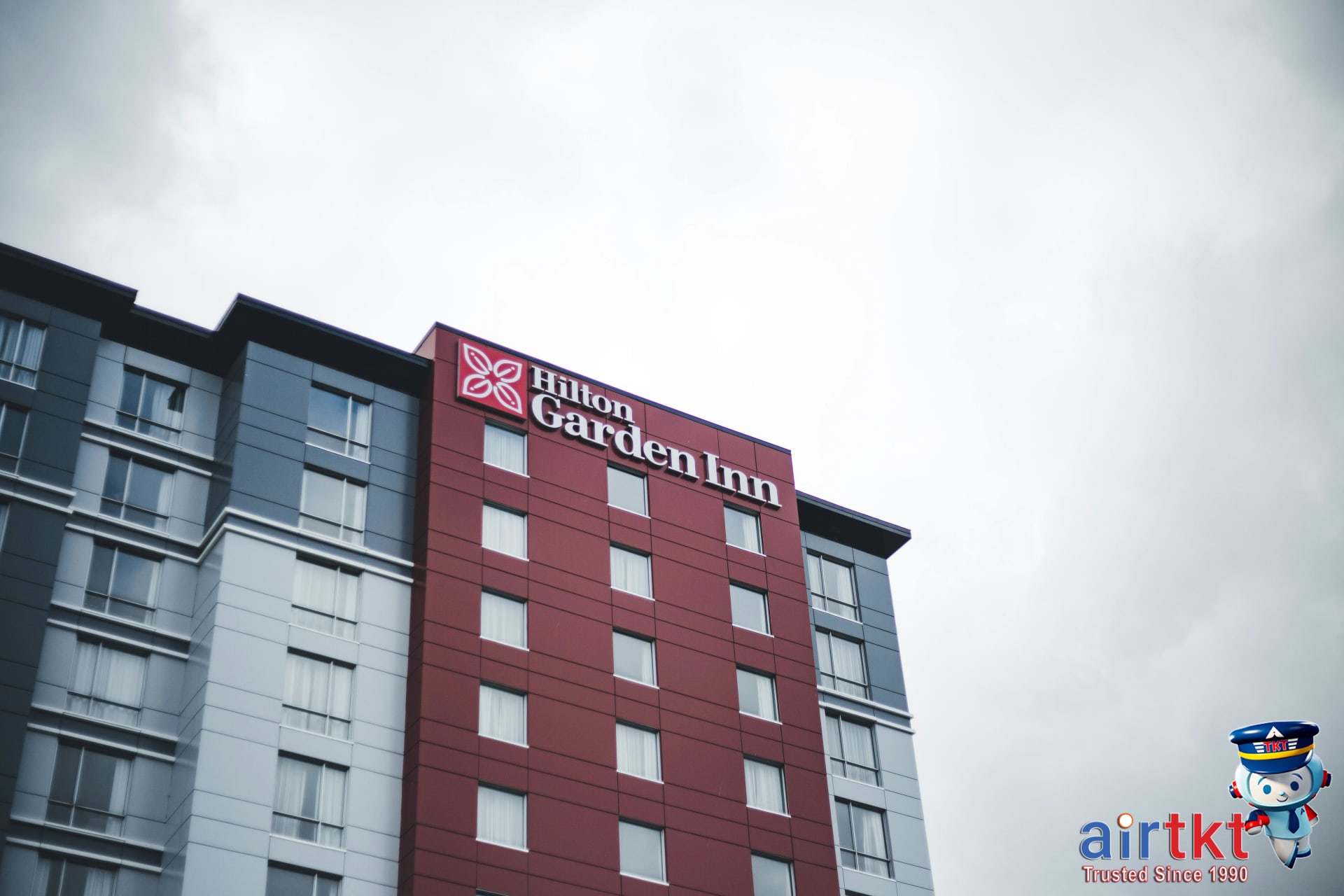
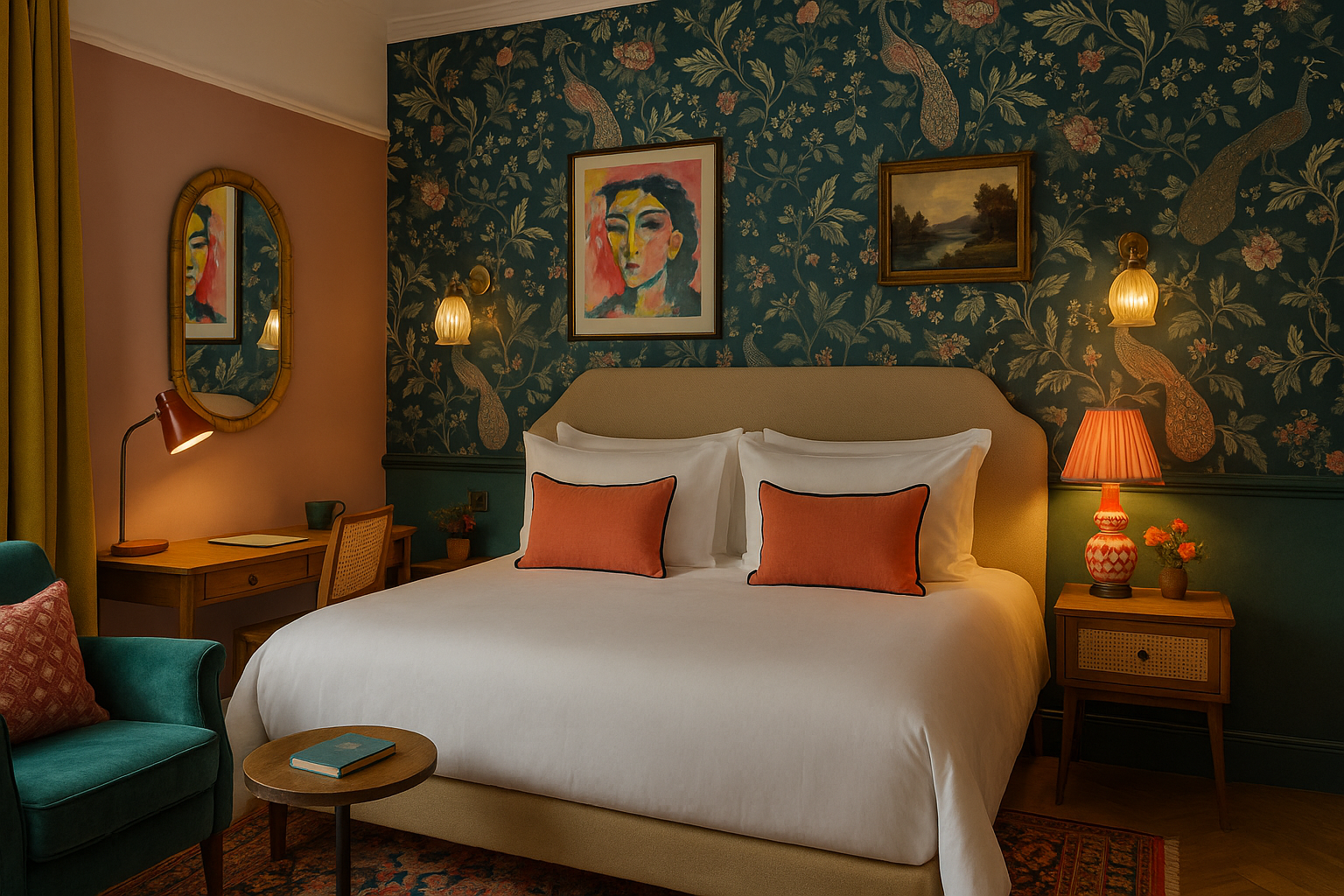
To put this in perspective, Marriott International had over 8,000 properties worldwide as of January 2026, while a typical boutique hotel chain might operate fewer than 50. Chain hotel exteriors and lobbies tend to favor recognizable, often sleek and corporate designs, whereas boutique hotels showcase eclectic architecture, vibrant colors, and intimate lounge areas designed for socializing or relaxation.
This photo (see above) contrasts a large-scale chain hotel lobby with the cozy, character-filled entrance of a boutique property. The difference in scale and style is clear and often guides traveler preference depending on their priorities for reliability or uniqueness. When searching for stays on AirTkt, knowing these distinctions helps target exactly the experience you want.
Price Ranges and Cost Factors Between Hotels
Global averages for nightly rates show clear contrasts between chain and boutique hotels. Chain hotels typically range from $120 to $250 per night, depending on the brand and location. Boutique hotels hover higher, often between $180 and $350. In major markets like New York City in January 2026, a Marriott Courtyard averages $210 per night, while the nearby Wythe Hotel in Williamsburg, Brooklyn, charges about $320.
Location drives these differences. Chain hotels placed in business districts prioritize convenience, drawing weekday business travelers willing to pay a premium. Boutique hotels tend to cluster in cultural or historic neighborhoods, attracting tourists looking for unique design and local charm. Seasonality also shifts prices: peak spring months in Paris (April to June) and summer in coastal California bring ups to 25% higher rates compared to winter low seasons.
Brand prestige factors in as well, with brands like Hilton or Hyatt offering predictable standards at moderate costs, while boutique properties leverage niche reputations to justify higher nightly rates. That said, boutique hotels often include more personalized amenities, sometimes balancing that cost for travelers valuing experience.
Hidden fees impact both types. Resort fees—ranging from $20 to $45 per night—are common at chain resorts but also appear at boutique hotels that market spa or pool access. Parking fees around downtown areas can add $30 or more daily. Expect Wi-Fi charges still sporadic in some boutique properties; chains usually include them in the base rate. Local taxes, which vary widely (from 12% in San Francisco to over 20% in Venice as of January 2026), add another layer to the final bill.
Take San Francisco in January 2026: the Union Square Hilton charges $230 base rate plus a $35 resort fee and $45 daily parking, totaling roughly $310 before taxes. The nearby Hotel Bohème, a boutique hotel in North Beach, lists $310 per night, includes free Wi-Fi, but adds $50 parking, with no resort fee. Depending on your priorities—predictability, amenities, or experience—these nuances matter.
Tracking these variables on platforms like AirTkt can help spot real-time deals and clarify total price expectations without surprises.
Amenities and Included Services Comparison
Chain hotels typically offer a familiar set of amenities designed for consistency and convenience. These include on-site gyms, swimming pools, complimentary breakfast, loyalty rewards programs, and business centers. For example, the Hilton Garden Inn in Chicago includes a 24-hour fitness center and free hot breakfast, while Marriott properties often provide extensive business facilities and digital check-in. Most of these amenities come standard with your stay, although extras like spa services or premium Wi-Fi often carry additional fees.
Boutique hotels, on the other hand, prioritize local-style decor and personalized guest experiences. Take The Williamsburg Hotel in Brooklyn, January 2026: it features curated art collections in each room and offers in-house mixology classes. While they might lack extensive gyms or buffet breakfasts, their unique amenities—such as bespoke concierge services or locally sourced welcome gifts—add richness you won’t find at standard chains. Often, fewer amenities are inclusive, with specialized experiences provided at extra cost.
The deal is, chain hotels attract business travelers and families who expect straightforward, inclusive services that support productivity and comfort. Boutique hotels tend to draw leisure travelers or creatives seeking authenticity and customization, willing to pay for added personal touches. For example, Jasmine Lee, a marketing consultant from San Francisco, stayed at a boutique hotel in New Orleans in November 2025 and highlighted the value she found in personalized city tours booked through the concierge—something rarely offered at chains.
Knowing which amenities are included and which require extra pay is crucial when booking. I track offers through AirTkt, where real-time comparisons help spot these differences before you commit. This clarity shapes expectations and ultimately how you value your stay.
Typical Guest Profiles and Travel Purposes
Chain hotels primarily attract business travelers valuing predictability and service consistency. According to a 2025 American Hotel & Lodging Association survey, 62% of business guests prioritize reliable Wi-Fi and express check-in/check-out, features commonly offered by major chains. Families also lean toward chain hotels for location convenience near attractions and amenities such as pools and free breakfast—key factors for parents juggling kids. For example, Lisa Morgan, a marketing manager from Chicago, booked a Hilton Garden Inn in Orlando in December 2025 specifically for its family-friendly facilities and proximity to theme parks.
Boutique hotels, on the other hand, appeal largely to couples and solo travelers seeking unique experiences. Couples often choose these for romantic stays with distinctive décor and intimate atmospheres, while solo travelers and culture enthusiasts prefer boutique properties that provide authentic local flavor. A 2024 Expedia study showed 48% of solo travelers aged 28-40 pick boutique hotels for immersive urban stays, citing personalized service and distinctive design as top draws. For instance, Carlos Diaz, a freelance writer from Miami, stayed at Hotel Indigo in San Francisco in November 2025 to enjoy its neighborhood vibe and art installations.
The travel purpose has a direct impact on hotel choice. Business trips usually demand efficiency, comfort, and chain-brand reliability, while leisure trips lean toward experiential stays that reflect the destination’s character. Leisure travelers booking through platforms like AirTkt frequently filter for boutique and independent hotels to match their vacation mood, whereas business bookings focus on well-known chains within easy reach of meeting venues.
Location Considerations for Hotel Choice
Chain hotels frequently position themselves near airports, major transit hubs, and business districts. This setup suits business travelers who need quick access to meetings or connections without losing time in transit. For example, the Hyatt Regency at O’Hare International Airport in Chicago offers direct airport access—perfect for consultants like Maria Lopez, who stayed there in January 2026 during a week of client visits.
In contrast, boutique hotels often settle within local neighborhoods or cultural districts. These spots attract travelers aiming to explore an area’s unique vibe and history. Take Liam Chen, a graphic designer from Seattle, who booked a room at a boutique hotel in San Francisco’s Mission District last November. He chose this location to soak in the street art and food scene during his five-day leisure trip.
That said, some properties blur these lines. The Ace Hotel New York, for instance, merges boutique aesthetics with Midtown convenience, drawing both business and creative travelers. Still, when prioritizing location, business trips favor proximity to transit and office centers, while leisure trips benefit from immersive, walkable neighborhoods.
Tracking such nuanced options is easier with resources like AirTkt, which highlights hotels by neighborhood and proximity, letting you balance convenience and experience based on your trip’s purpose.
Booking Flexibility and Cancellation Policies
Chain hotels usually require prepayment with stricter cancellation policies—often no refunds if you cancel within 48 to 72 hours of check-in. For example, Hilton’s standard non-refundable rates booked in January 2026 stipulate no refunds if canceled less than 72 hours before arrival, locking in your payment early. On the other hand, boutique hotels often allow more personalized negotiation. Olivia Chen, a graphic designer from Seattle, shared on Reddit in December 2025 that her boutique stay in Portland was able to adjust cancellation dates without penalty when travel plans shifted, thanks to direct communication with the owner.
The AirTkt platform supports travelers needing flexibility by offering 24/7 customer support to modify bookings quickly. Changing your stay dates or upgrading room types is straightforward, often done without extra fees up to a set cutoff—usually 48 hours before check-in. This beats the rigid policies you might face when booking directly through some hotel websites or third-party OTAs without live agent support.
In 2026, we’re seeing more hotels linking cancellation policies closely with airline bookings. Some airline-packaged hotel stays combine cancellation windows, where flight changes automatically affect hotel reservations. Business traveler Jason Patel from Chicago reported on FlyerTalk in January 2026 that his flight delay triggered an automatic extension of his hotel booking deadline through his airline-hotel bundled rate. This trend adds complexity but can also provide an extra layer of flexibility if you book through platforms like AirTkt, which tracks those policies dynamically and assists with adjustments.

The deal is, understanding each hotel’s policy upfront and using a booking platform with real-time support like AirTkt can save headaches when plans change last minute. In a market moving toward tighter integration with airlines, having flexible cancellation options and expert help makes a real difference.
Scenarios Offering Best Value for Budget Travelers
Chain hotels often deliver solid savings for budget travelers on short business trips or quick weekend city breaks. Take Olivia Martinez, a marketing analyst from Austin, who booked a three-night stay at the Hilton Garden Inn in Dallas last November. Her base rate was $312 plus 8,000 Hilton Honors points earned through a recent promotion posted on FlyerTalk. The combination trimmed her out-of-pocket cost to $280, including a complimentary breakfast and reliable Wi-Fi—a setup ideal for her tight schedule and basic needs.
On the other hand, boutique hotels make more sense when travelers want local charm or a memorable stay. James Wong, a software engineer from Seattle, stayed five nights at a boutique hotel in Savannah, Georgia, during his leisure trip in December 2025. He paid $675, roughly $135 per night, for a room known for its historic architecture and personalized service. This extra cost was justified by the unique experience and higher ambiance quality, which regular chain accommodations didn’t offer in that neighborhood.
Here’s what matters for budget-conscious travel decisions: trip length, purpose, and quality preference. For shorter trips focused on convenience and essential amenities, chains provide predictable value and loyalty perks that stack up. Longer or special-occasion stays often benefit from boutique hotels’ one-of-a-kind feel, even at a slightly higher price. I’ve seen travelers save $50–70 per night sticking with chains for business stays, but spend $100+ more for boutique stays that deliver local culture on leisure time.
One tip: use AirTkt to compare hotel prices including chain and boutique options side-by-side. Watching for flash sales or point promotions can shift value dramatically—even on modest budgets. Balancing price sensitivity with personal priorities will help decide where the best value lands for your next trip.
Frequently Asked Questions About Chain vs Boutique Hotels
What is the main difference between chain hotels and boutique hotels?
Chain hotels operate multiple standardized properties under one brand, offering consistent amenities and service. Boutique hotels focus on unique design, personalized service, and local character, usually with fewer rooms and distinctive themes tailored to neighborhood vibes.
How do price ranges typically compare between chain and boutique hotels?
Chain hotels usually offer a wider price range—from budget ($85/night) to luxury ($450/night). Boutique hotels tend to start around $150 and can rise above $600 per night due to their distinct style, limited capacity, and curated experiences.
When should I choose a boutique hotel over a chain hotel for my trip?
Pick a boutique hotel for immersive stays in culturally rich or trendy neighborhoods. They suit travelers wanting local flavor, design-focused stays, or personalized service. Chain hotels fit better for predictable service and business trips requiring standard amenities.
Can I find flexible cancellation policies more easily with chain or boutique hotels?
Chain hotels typically offer more flexible cancellation options, especially brands with loyalty programs. Boutique hotels vary widely; some have strict policies due to limited inventory. Checking terms on platforms like AirTkt helps spot flexible bookings.
Why do hidden fees vary between hotel types?
Chains often include resort fees or parking charges standardized across locations. Boutique hotels may add local taxes or service charges tied to on-site amenities. Fee transparency depends on property management and regional regulations, so always confirm before booking.
How does booking through AirTkt enhance my hotel stay experience?
AirTkt compares real-time rates across chains and boutique hotels, exposing exclusive discounts and last-minute deals. Its 24×7 customer support and easy cancellation filters help find bookings that match your schedule and budget, reducing surprises at check-in.
What guest profiles suit chain hotels best compared to boutique hotels?
Chain hotels attract business travelers, families, and those seeking consistent quality with loyalty rewards. Boutique hotels appeal to solo travelers, couples, and creatives valuing unique aesthetics, local culture, and quieter environments away from tourist crowds.
Conclusion and AirTkt Booking Advantage
Price, amenities, guest profiles, and flexibility shape the choice between chain and boutique hotels. Chains often offer consistent services and loyalty perks, while boutique hotels provide unique atmospheres tailored to specific tastes. Matching your hotel choice to who you are as a traveler, what your budget looks like, and the purpose of your trip matters more than just chasing lower rates.
AirTkt simplifies this decision by giving you access to a wide mix of hotel options through a user-friendly platform backed by travel experts. Whether you prefer boutique charm or the predictability of a chain, AirTkt’s tools and reliable support help you pinpoint the best match without hassle.
See what we can offer for your travel needs AirTkt.
References
Reliable travel information comes from authoritative sources like the U.S. Travel Association and official agencies such as the Transportation Security Administration (TSA). Industry updates from Hotel News Resource offer insights on lodging trends, while regulatory details are verified through the FAA, DOT, and IATA. When planning flights or accommodations, I cross-check data through AirTkt to combine these trusted references with competitive booking options.