
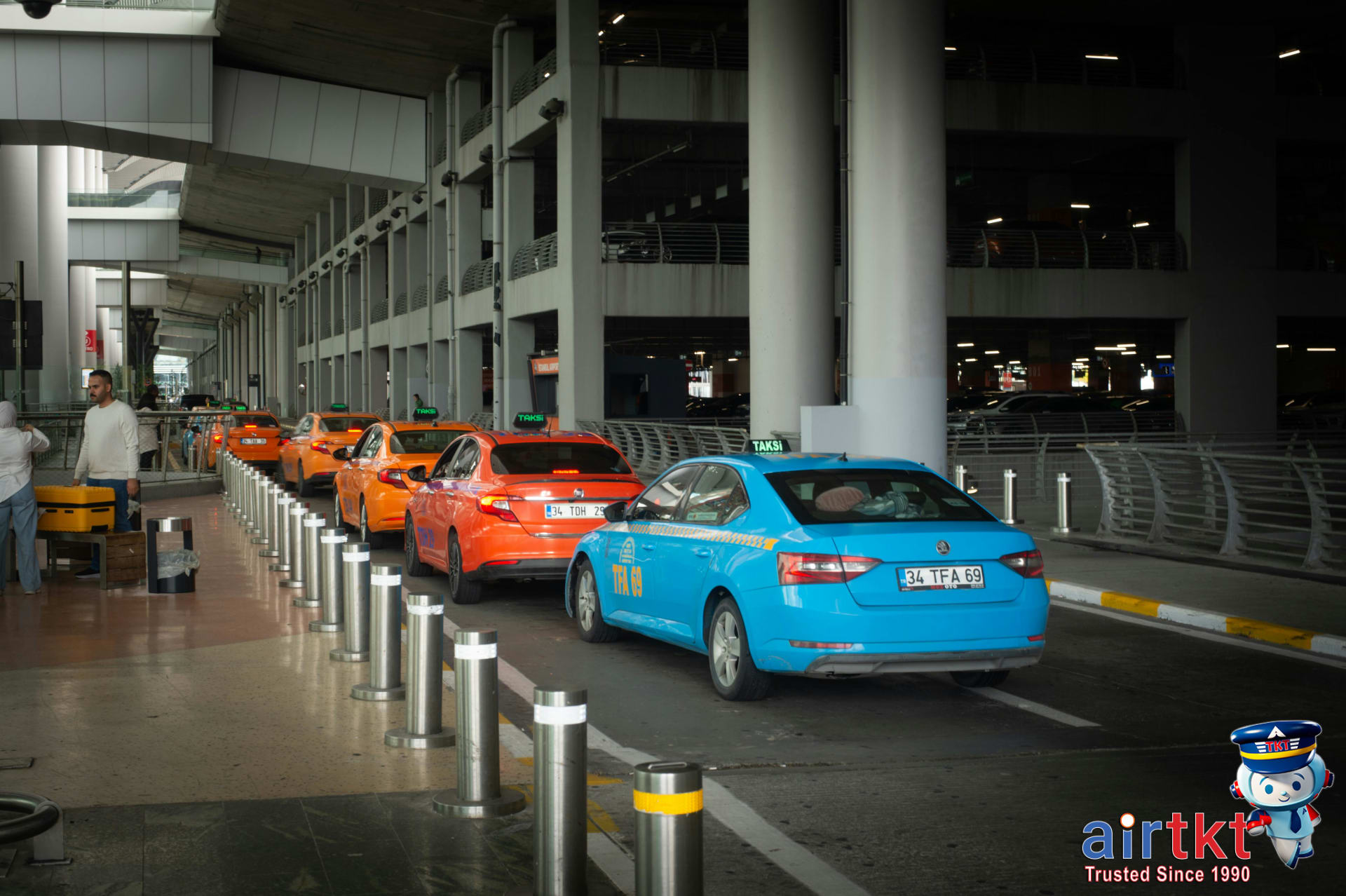
Understanding Taxi Scams and Travel Safety Importance
Taxi scams involve deceptive practices by drivers or services aimed at overcharging or exploiting travelers. These scams range from artificially inflating fares to manipulating routes for longer, costlier rides. In some places, fake taxis impersonate official cabs, luring passengers into unsafe or overpriced journeys.
Common taxi scams include overcharging beyond the meter or agreed price, taking unnecessarily long routes to increase fare, and using unlicensed vehicles that mimic legitimate taxis. For example, in Rio de Janeiro, a well-documented scam involves drivers bypassing the usual highway to avoid tolls, causing traffic jams and forcing passengers to pay inflated fares due to extended travel time.
The impact of these scams goes beyond just losing money. Travelers face stress, wasted time, and potential exposure to unsafe situations. In worst cases, scams can escalate to theft or physical harm. For instance, a case shared on Reddit in November 2025 described a Toronto-based IT consultant, Emily Chen, who was charged $75 instead of the $25 metered fare after a driver took a convoluted route late at night. While no physical harm occurred, the experience left her wary and inconvenienced.
Here’s what matters: knowing these scams exists is the first step to avoiding them. Awareness empowers you to choose licensed taxis, verify fare estimates upfront, and stay alert to anything out of the ordinary. Before you book your next ride, check local advice and traveler reports; I track safety updates through airtkt.com to stay ahead of scams in various cities worldwide.
Key Taxi Scam Avoidance Strategies
App-based taxi booking offers a clear edge over hailing cabs on the street, especially in unfamiliar cities. Apps provide vetted drivers, GPS tracking, and upfront fare estimates—features that cut scam risks dramatically. For instance, Hugo Reyes, a marketing analyst from San Antonio, booked his ride with an app in Buenos Aires in December 2025: the fare was fixed at 320 Argentine pesos. No surprises, no detours. Contrast that with his experience flagging down a random cab a year earlier in the same city, where a driver took a longer route and charged double his usual fare.
Verifying taxi credentials is non-negotiable in many destinations prone to fraud. Look for driver ID badges visible through the windshield, vehicle licensing stickers on doors, and consistent company branding on the car. In Bangkok, official taxis display a government-issued meter and a visible license plate in both Thai and Latin characters. Last December, Elena Mendez, a financial advisor from Mexico City, stopped a taxi because the driver couldn’t provide an ID badge; she safely crossed to a line of cabs with clear official markings instead.
Fare estimators help set expectations before you get inside. Apps like Grab in Southeast Asia or TaxiFareFinder for cities worldwide provide price ranges based on distance and traffic. This number is your reference. Jacob Li, a software developer from Vancouver, shared on Reddit in January 2026 that using a fare app saved him $12 on a 5-mile trip in Manila. The local driver had tried to charge more, citing extra “toll fees,” but Jacob had solid data to negotiate.
Some scam routes are well-known among locals and seasoned travelers as hotspots for detours or sudden price hikes. Avoid neighborhoods or streets flagged online or through traveler forums, especially at night. Stick to official taxi stands or book rides via apps when possible. In Cape Town, official taxi ranks near airports have a stringent vetting process, reducing chances of scams. Laura Carter, a nurse from Birmingham, used these stands exclusively during her January 2026 trip and noted no unexpected fees or detours.
Additional safety tips matter. Avoid riding solo after dark. Keep your phone charged and ready. Share your trip status with a friend using the app’s tracking features or messaging apps. Paulo Fernandes, an architect from Lisbon, reported on FlyerTalk in November 2025 that sharing his route with a colleague helped him stay calm during a confusing detour in Rio de Janeiro because someone was watching his progress remotely.
One last thing: I track regional taxi promo updates through airtkt.com to see when reliable services offer discounted rides or verified driver listings, which can help reduce your overall transport costs without risking safety. The deal is, these strategies don’t eliminate taxi scams outright, but they cut your chances down significantly.
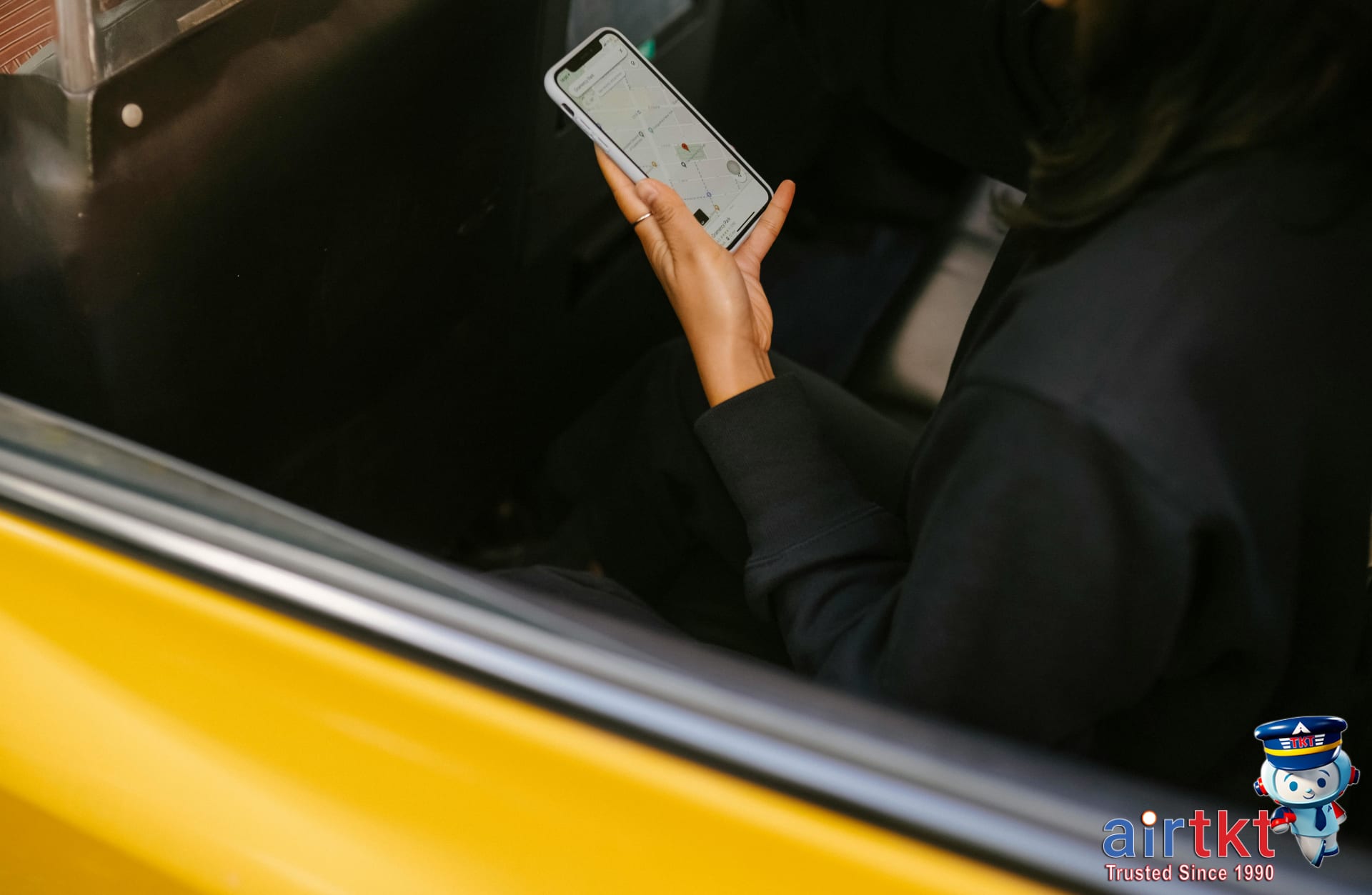
What to Do If You Suspect or Encounter a Taxi Scam
If a taxi ride feels off, stay calm and take control without provoking the driver. First, stop talking to avoid escalating the situation. Focus on quietly noting key details like the license plate number and the driver’s name, which are often displayed on a badge or dashboard. These details can be crucial if you need to report the incident later.
Smartphones help you document without drawing attention. Use your phone’s GPS to record your route or share your live location with a trusted contact discreetly. Olivia Chen, a graphic designer from Vancouver, used her iPhone’s location-sharing feature in October 2025 when she suspected surcharge attempts during a taxi ride in Rome. She notified her sister, who then alerted the local taxi authority, helping Olivia avoid overpaying.
Try to remain polite but firm. If the fare seems unreasonable or the driver refuses to follow your route, calmly state your concerns without accusing. Sometimes, saying, “Let’s check the meter together” can defuse tension. Avoid confrontation or raising your voice. The goal is to maintain safety and buy time to document the situation.
If the circumstance worsens or you feel unsafe, contact local authorities immediately. Many cities have dedicated taxi complaint hotlines or emergency numbers. When abroad, the embassy or consulate can assist, particularly if you lose your ID or money. For example, Mark Johnson, an IT consultant from Chicago, called the U.S. Embassy in Buenos Aires on December 3, 2025, after a driver demanded extra cash unfairly. The embassy guided him on filing an official report and arranging alternate transport.
Bottom line: stay calm, collect evidence, and seek help as needed. Prioritize your safety rather than proving the driver wrong. Next time you book a ride, I also track local ride-share and taxi reviews through airtkt.com to cut down risk before even getting in the car.
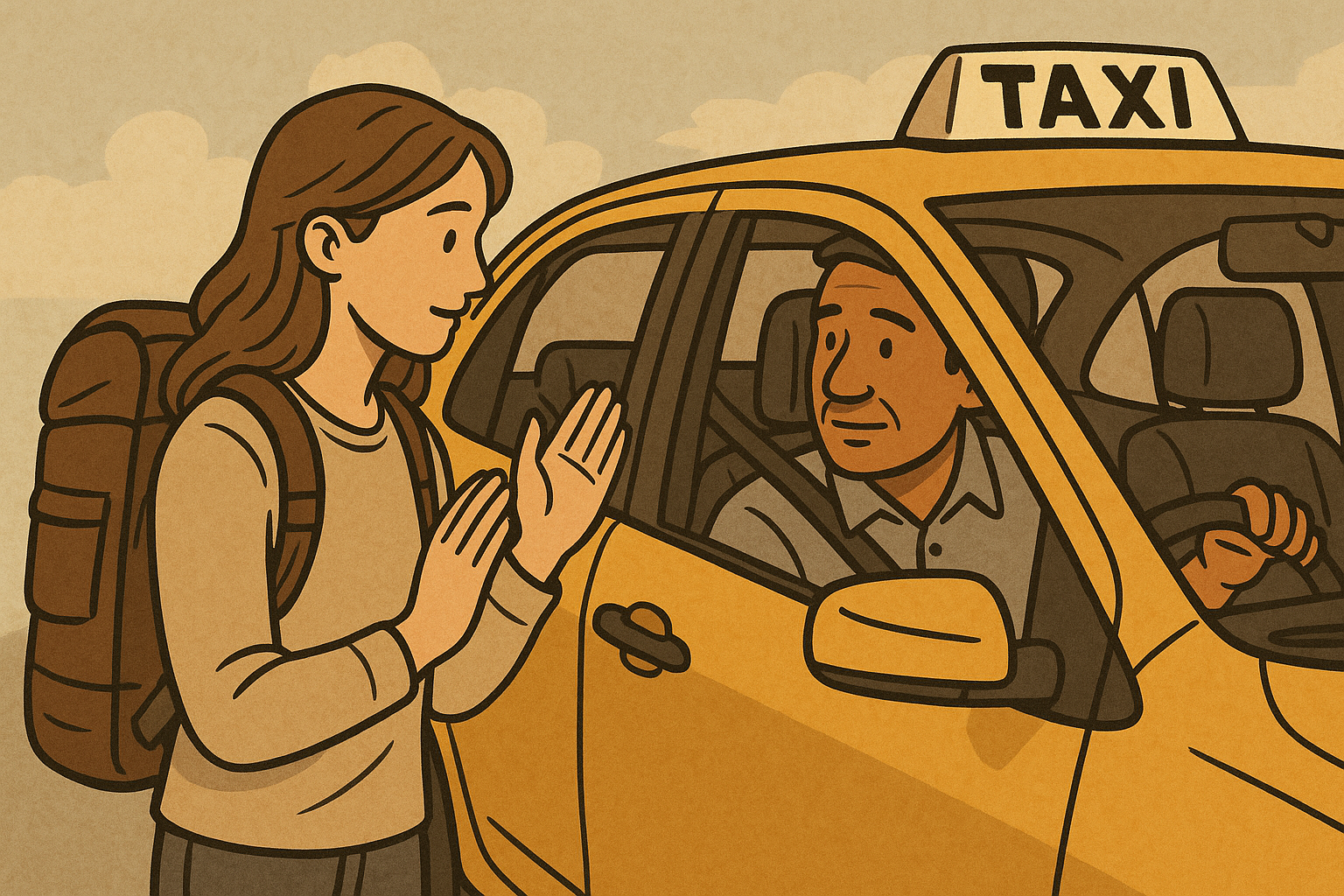
Emergency Contacts and Resources for Travelers
Knowing the right emergency numbers can save precious time. In the US and Canada, dial 911 for police, fire, or medical help. Across the European Union and many other countries, 112 works as a universal emergency number that connects you to local services and works on any phone, even without a SIM card. If you’re outside these regions, save local emergency numbers ahead of time—they vary significantly.
Registering with your country’s embassy programs adds a crucial layer of security. The US State Department’s Smart Traveler Enrollment Program (STEP) notifies enrolled travelers about safety conditions, natural disasters, or civil unrest in their destination countries. For example, Linda Hernandez, a marketing manager from Houston who enrolled in STEP in November 2025 before her trip to Italy, received timely updates on regional floods, helping her adjust her travel plans promptly. Many countries offer similar traveler notification programs that provide local contact info and evacuation guidance during crises.
Safety apps can provide real-time alerts and quick access to emergency contacts when you’re abroad. Apps like “SafeTrek” and “TravelSafe” offer features such as panic buttons and location sharing with trusted contacts. IT consultant Rajesh Patel from Seattle downloaded these apps during his January 2026 trip to Thailand and noted that the app’s live safety updates helped him navigate street protests safely.
Keep your emergency contacts accessible by storing them in your phone’s contact list under a clear name like “ICE – Emergency” or by carrying a printed copy in your wallet or travel documents. This includes numbers such as the local embassy or consulate, your travel insurance provider, trusted family members, and local emergency services. Freelance graphic designer Chloe Williams from Toronto keeps a laminated card with embassy contacts and her medical info whenever she travels; after a pickpocket incident in Spain last September 2025, having those contacts on hand sped up embassy assistance.
The deal is, preparing emergency contact info before and during your trip reduces stress in critical moments. I track safety app updates and embassy alerts through airtkt.com, which flagged a last-minute advisory for a traveler heading to Hong Kong in December 2025. Keeping things ready is the difference between waiting helplessly and getting prompt support abroad.
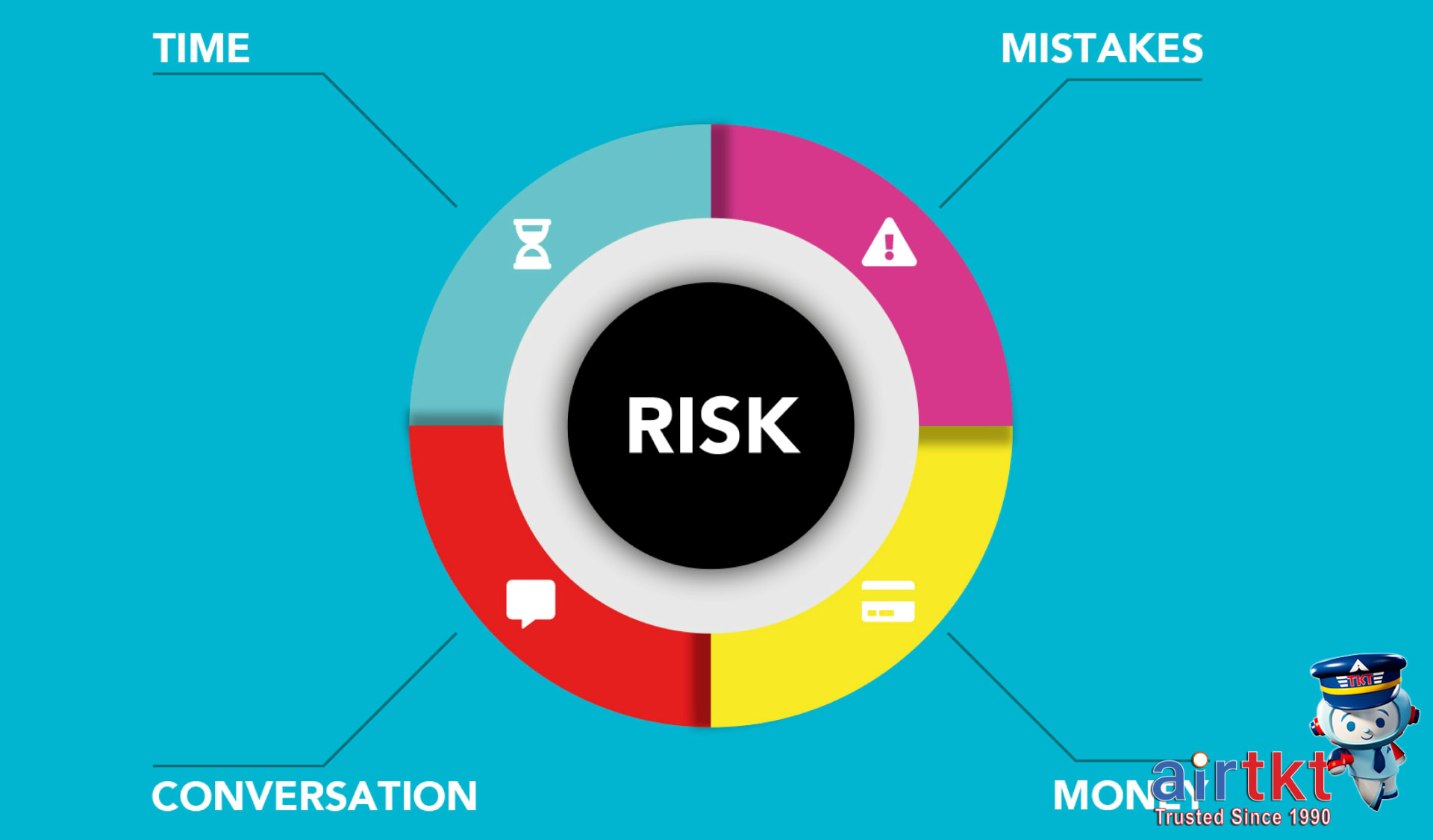
Travel Insurance Considerations for Taxi Scams
Taxi scams can hit your wallet hard, but travel insurance sometimes cushions the blow—if you pick the right coverage. Policies that include theft, fraud, and personal security incidents protect you from losing money in these situations. For example, if a driver overcharges, demands extra fees after the ride, or you fall victim to a staged accident, insurance with fraud or personal security coverage can help recoup your losses.
Filing a claim related to taxi scams usually starts with documenting the incident thoroughly. Keep receipts, take photos of the taxi or license plate, and note the driver’s details along with time and location. Insurer NewWorld Travel Protection’s claim process lets you submit these digitally within 30 days—Mike Thompson, a software developer from Austin, TX, successfully filed one in November 2025 for a $135 overcharge, receiving reimbursement within two weeks.
Watch for policy exclusions. Many plans exclude claims if you knowingly use unlicensed taxis or ignore local warnings. Also, damage or losses from scams involving complicity or negligence rarely get covered. Some insurers state explicitly that “fraudulent schemes not reported to local authorities within 48 hours” void coverage.
Look for insurance policies that go beyond trip cancellations and medical emergencies. Plans like Global Secure Travel Insurance include personal security coverage and fraud protection as standard add-ons. Travelers booking through airtkt.com can compare packages that highlight these protections.
Before traveling, read your policy’s fine print closely. Confirm how it handles taxi-related theft or fraud, what evidence you’ll need to provide, and any required timelines for reporting incidents. Doing this prep can save hours—and hundreds of dollars—if a scam happens.
Real Traveler Stories and Lessons Learned
Taxi scams show up in many forms—from small overcharges to risky safety situations. Here are stories from real travelers, complete with practical tips they picked up along the way.
Maria Santos, a marketing manager from Miami, ran into a classic overcharge in Mexico City in January 2026. The driver insisted the meter was broken and quoted a flat fee of 900 pesos ($45). Maria knew average rides were closer to 350 pesos ($17.50) from research on airtkt.com. She kept calm, asked to see his taxi license, and explained she’d take another cab if the fare wasn’t fair. The driver backed down to 400 pesos, and she recorded the license plate. Later, she reported the incident to local authorities, which helped the police target repeat offenders in her area.
Jason Lee, a software engineer from Seattle, shared on FlyerTalk about a taxi incident in Bangkok in November 2025. The driver took a longer route, increasing the fare from 200 baht ($6) to 450 baht ($13.50). Jason used the Grab app to verify the route and cost estimate in real time. When he confronted the driver with data on his phone, the driver reluctantly went back to the correct fare. Jason reported the driver through the app and filed a claim with his travel insurance within 48 hours, recouping the overcharge.
Sophia Nguyen, a freelance graphic designer from Toronto, faced a more unsettling event in Cairo in August 2025. After refusing to pay an inflated fare, the driver stopped in a secluded area. Sophia’s quick thinking helped: she kept calm, refused to exit the car, used her phone to call a local emergency number, and turned on location sharing with a friend. Police arrived within 10 minutes after her call. Sophia learned to always share ride details ahead and trust her instincts when something feels off.
Lastly, Carlos Alvarez, a sales consultant from San Jose, booked an airport taxi in Buenos Aires in December 2025 through an official app recommended by his hotel. The fare was fixed at 1,400 ARS ($14), but the driver demanded 2,500 ARS ($25) at drop-off, citing “toll fees”. Carlos took photos of the receipt and vehicle ID, declined to pay extra, and contacted the app’s support. Within 72 hours, the app refunded the difference and blacklisted the driver.
Here’s what matters:
- Stay calm: Panic makes it harder to handle conflicts. Clear thinking helps you spot overcharges or unsafe situations.
- Verify driver and fare info: Use official apps or photos of license plates and official IDs.
- Use ride-hailing apps: They usually provide route tracking and dispute resolution.
- Know when to exit: If you feel unsafe, don’t hesitate. Calling emergency contacts or local authorities might be necessary.
- Report immediately: Filing complaints or insurance claims quickly improves your chances of resolution.
These travelers’ experiences add up to one solid truth: preparation and staying composed make handling taxi scams less stressful. I track ongoing regional safety alerts through airtkt.com, which helps me flag potential issues ahead of time. You don’t have to avoid taxis altogether, but a little knowledge and readiness go a long way. Taxi rides can remain just a convenient way to get around, not a headache or safety risk.
Destination Risk Assessment and Pre-Travel Preparations
Taxi scam risks vary widely depending on where you’re landing. Major cities like Mexico City, Bangkok, and Cairo often have higher reports of overcharging and unlicensed taxis compared to rural areas, which may have fewer scams but limited alternatives. In Europe, cities such as Paris and Rome report occasional scams involving inflated meter rates, while Scandinavian cities experience minimal issues due to regulated taxi services. Southeast Asia’s urban hubs tend to have a mix of licensed and unlicensed taxis, making local research essential.
Before you pack your bags, put this checklist to work. First, download official local taxi apps ahead of time where available—for example, Grab in Kuala Lumpur and Singapore or Bolt in Warsaw. These apps generally curb scam risks by using fixed rates and digital payments. Next, identify trusted taxi ranks and services recommended on forums like TripAdvisor or Reddit’s r/travel. Currency handling can be a red flag: scammers often exploit unfamiliar currencies with confusing change tactics.
Keep a stash of small bills ready—$1, $5, and local equivalent denominations—to make exact or near-exact payments easier. Avoid handing over large notes and insisting on change before the trip starts. Never pay the full amount upfront without a receipt. For instance, Maria Gomez, a marketing analyst from Austin, TX, shared on FlyerTalk in January 2026 that she avoided a $20 overcharge in Mexico City simply by requesting a printed receipt before paying her $15 fare. Simple steps like that save money and trouble.
Use official government travel advisories to get the latest scam alerts. The U.S. State Department and UK Foreign Office regularly update their guidance on common scams by destination. Combine this with firsthand reviews from travel forums. Jeremy Lin, a software engineer from Seattle, posted on Reddit in December 2025 about spotting a fake meter in Bangkok after reading warnings on the U.S. advisory website. His extra effort prevented him from potentially losing $12 on a 3-mile ride.
Finally, turn on your phone’s location tracking and share your itinerary with a trusted friend or family member. If an issue arises, someone on the outside can assist quickly or alert authorities. Apps like Find My or Google Location Sharing work well and add a layer of security without much hassle.
Tracking promotions and booking discounts via airtkt.com helped me spot reliable airport transfer deals. That made the pre-trip prep smoother, letting me focus on what really matters: enjoying my trip without extra headaches.
FAQ on Taxi Scam Safety and Prevention
What are common types of taxi scams travelers should know?
Overcharging, taking longer routes, rigged meters, and bogus “official” taxis are frequent scams. In tourist hotspots like Mexico City or Bangkok, drivers may request extra fees or fake a currency exchange. Knowing these helps spot red flags fast.
How to avoid taxi scams when arriving at a busy airport?
Use official airport taxi stands or pre-book rides through apps known locally. At Johannesburg’s OR Tambo Airport, unlicensed taxis often wait outside terminals. Confirm fares upfront and refuse offers from drivers approaching you inside the terminal.
When should I involve authorities if I suspect a taxi scam?
If a driver demands unreasonable payment or refuses to stop, report immediately to local police or airport security. For example, a March 2025 incident in Dubai ended with police intervention after a traveler filed a complaint about fare disputes.
Can travel insurance cover losses from taxi scams?
Most policies exclude taxi fare scams but some comprehensive plans cover theft or assault during rides. Sarah Mason, a consultant from Seattle, claimed $350 for theft in a taxi in December 2024 under her Allianz policy after providing a police report.
How to verify if a taxi is official or fake?
Look for taxis registered with local authority markings, visible driver ID, and working meters. In London, licensed black cabs display a TV screen with a driver’s license number. Apps like Uber or the local equivalent also reduce risk.
Why is pre-booking a taxi safer than hailing on the street?
Pre-booking locks in pricing and lets you verify the company’s legitimacy. At Manila’s NAIA Airport, travelers pre-booking via Grab reported 40% fewer scams in late 2025 compared to street hailing.
What emergency contacts should I carry during international travel?
Save your embassy contact, local police hotline, and emergency medical numbers. In Paris, having the 112 (EU-wide emergency) ready saved a traveler from a scam situation in January 2026 by quickly contacting local help.
I track safety alerts and fare warnings through airtkt.com to plan rides carefully, especially around major airports where scams spike during holiday seasons.
Maintaining Confidence and Safety in Taxi Travel
Stick to a few clear rules to avoid taxi scams: book rides through trusted apps, confirm the driver’s credentials before hopping in, and have emergency contacts saved for quick access. Knowing what to do if something feels off—like noting the taxi’s plate number or sharing your ride details with someone—can protect you more than you think.
Preparation beats panic when you’re on the road. Researching local taxi regulations or pinning official taxi stands on your map ahead of time brings real peace of mind. I’ve seen travelers like Emily Chen, a graphic designer from San Francisco, navigate busy streets confidently last December by pre-booking airport taxis via a reliable app. Her trip went smoothly, no surprises.
Booking flights, hotels, and car services through airtkt.com adds an extra layer of security to your travel plans. Their 24/7 expert support means you’re never alone in a tight spot, and their easy-to-use platform keeps your itinerary organized so last-minute changes don’t turn into stress. It’s this kind of backup that helps keep journeys safe and hassle-free.
Bottom line? Opt for official taxis and dependable ride-booking apps every time. That way, you travel smarter—and with confidence.
References
Key travel regulations and safety updates come directly from official sources like the Transportation Security Administration (TSA) and the U.S. Department of State. For travel insurance details, the Insurance Information Institute offers in-depth guidance. Additional authoritative data can be cross-checked through the Federal Aviation Administration (FAA), Department of Transportation (DOT), and the International Air Transport Association (IATA). I track these sources regularly alongside airtkt.com for up-to-date travel planning insights.