
Why Airline Passenger Rights Matter
Understanding your passenger rights isn’t just good reading before a trip—it’s a practical tool that can make a real difference when flights go awry. Flight delays, unexpected cancellations, or being denied boarding can happen to anyone, whether you’re a seasoned traveler or just starting out with international trips.
This article is designed to walk you through the key rights you have as an airline passenger: what you’re entitled to when your flight is delayed, what happens if your trip is canceled by the airline, and what to expect if you’re bumped from a flight. I’ve encountered situations where understanding my rights helped me navigate airline issues more confidently, especially during stressful disruptions.
We’ll break down not only what rights are commonly available, but also give you practical tips on claiming compensation and how to handle paperwork during challenging travel days. If you’re still in the planning phase, check out airtkt.com’s booking tips for smarter ticket buying—being proactive is always wise.
Flight Delays, Causes, and Your Rights
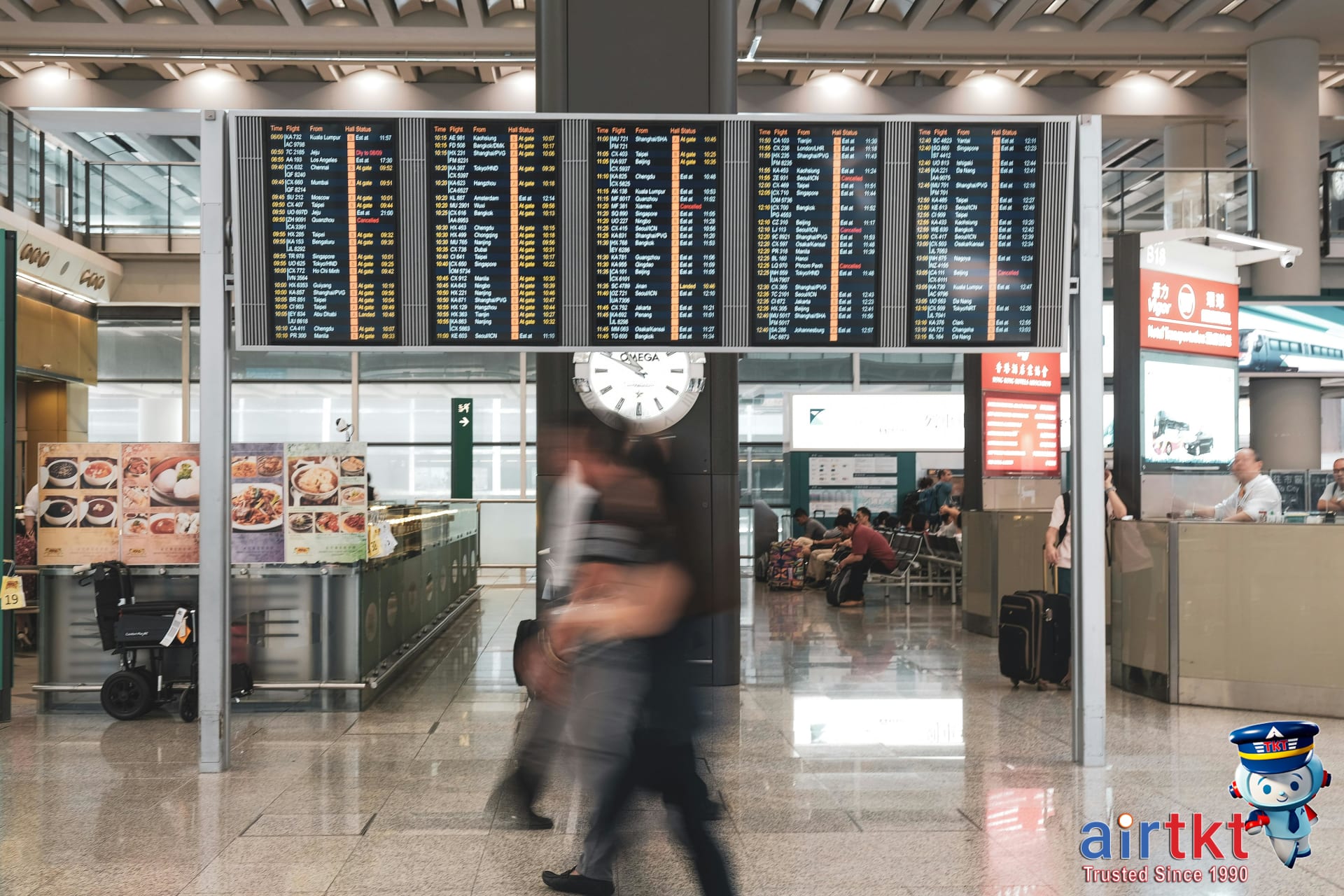
Delays are a part of air travel more often than anyone would like. Some of the most common causes include adverse weather, unexpected technical checks, crew shortages, and even congested runways or airspace. While not every delay is avoidable, knowing why they happen makes it easier to manage your expectations—and potentially your compensation claim.
If your flight is delayed significantly, compensation depends on both the airline’s policy and the regulations in place for your route. For domestic flights within the U.S., compensation isn’t guaranteed for delays unless they’re the result of the airline’s own actions (like maintenance or crew issues). However, a delay over three hours often entitles you to meal vouchers or limited reimbursement for necessary expenses, depending on the carrier. International flights are a bit different: depending on your departure or arrival country, especially in regions like the EU, strict rules can guarantee cash compensation after specific thresholds (often over three hours of delay) when the disruption is within the airline’s control.
In my experience, knowing the compensation rules ahead of time made a huge difference—when my flight was delayed, I had screenshots of airline notifications and receipts ready, which helped me seek reimbursement effectively. Monitoring your flight status in real time is key. I’d recommend using an airline’s own app or a third-party travel app to get instant updates, and always save any delay notifications, emails, or texts you receive. Documenting related expenses, such as meals bought during the wait, can also be essential if you need to file a claim later.
For more tips on proactive travel management, check out our article on managing flight disruptions or browse our travel app recommendations for real-time updates and receipts tracking.
What Airlines Owe After Cancellations
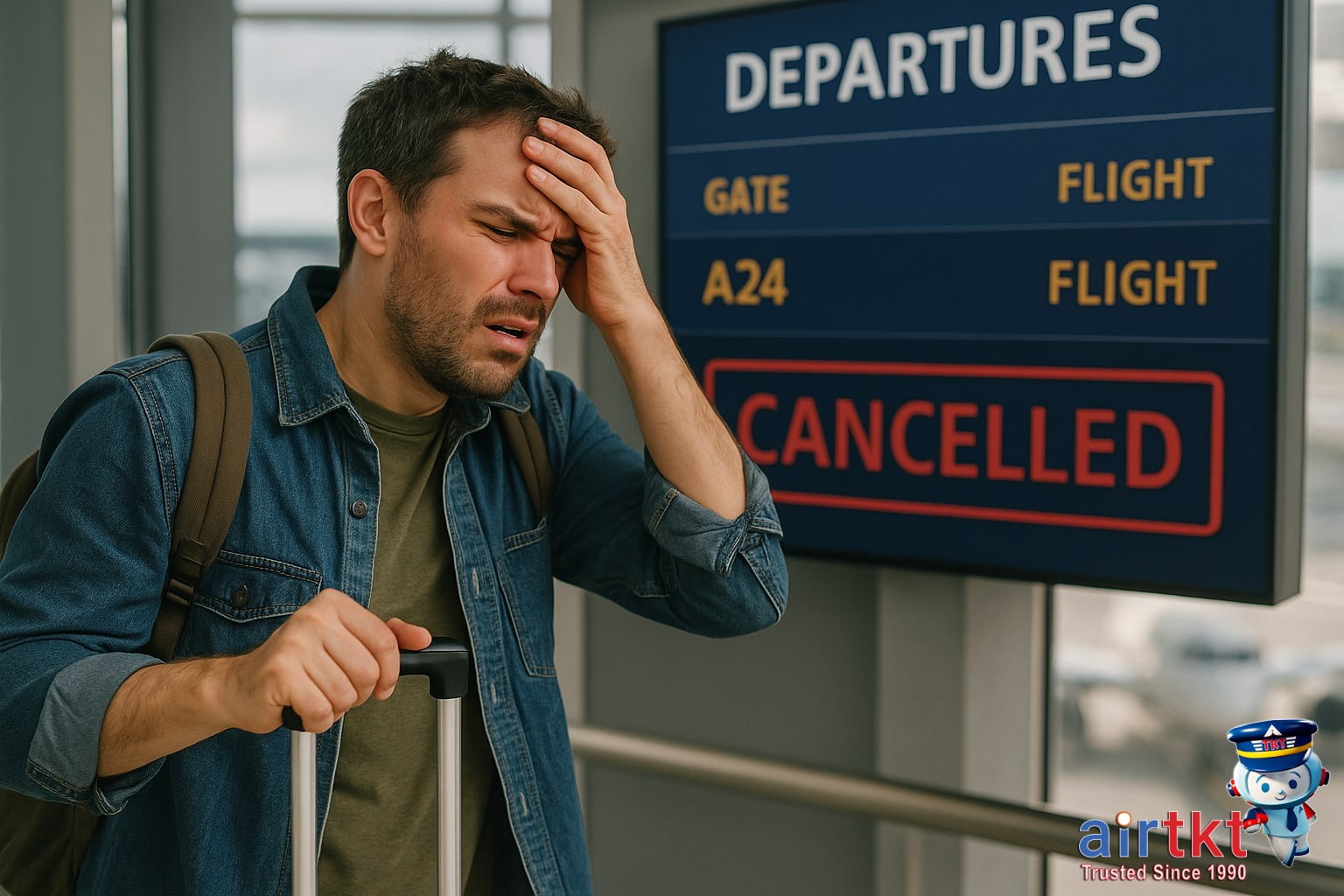
When your flight is canceled, airlines are generally required to offer you a choice: a refund for the unused portion of your ticket, or rerouting on the next available flight. In many cases, you’ll also be eligible for basic assistance such as meal or hotel vouchers if you’re stranded overnight—and I’ve found that asking for these upfront helps keep things moving.
Airlines usually notify passengers about cancellations as soon as possible, but legally required timelines can vary depending on your location and which carrier you’re flying with. For U.S. flights, there’s no minimum time limit, but airlines are expected to inform you promptly and present clear rerouting or refund options. After a cancellation, I found it helpful to immediately ask the airline for their compensation policy and any written details on next steps. It cut through confusion during a stressful delay.
Documenting and Communicating Effectively
If your flight is canceled, document every interaction you have with airline representatives—note names, times, and promises made about refunds, vouchers, or alternative flights. Keeping detailed records is crucial in case you need to escalate your situation or file a complaint later. When approaching airline customer service, remain calm and clear about what you need; I recommend requesting details in writing whenever you can (even just an email recap).
Before you travel, it’s smart to review the cancellation policy guide on airtkt.com so you know exactly what to expect if plans go sideways.
Dealing With Denied Boarding Situations
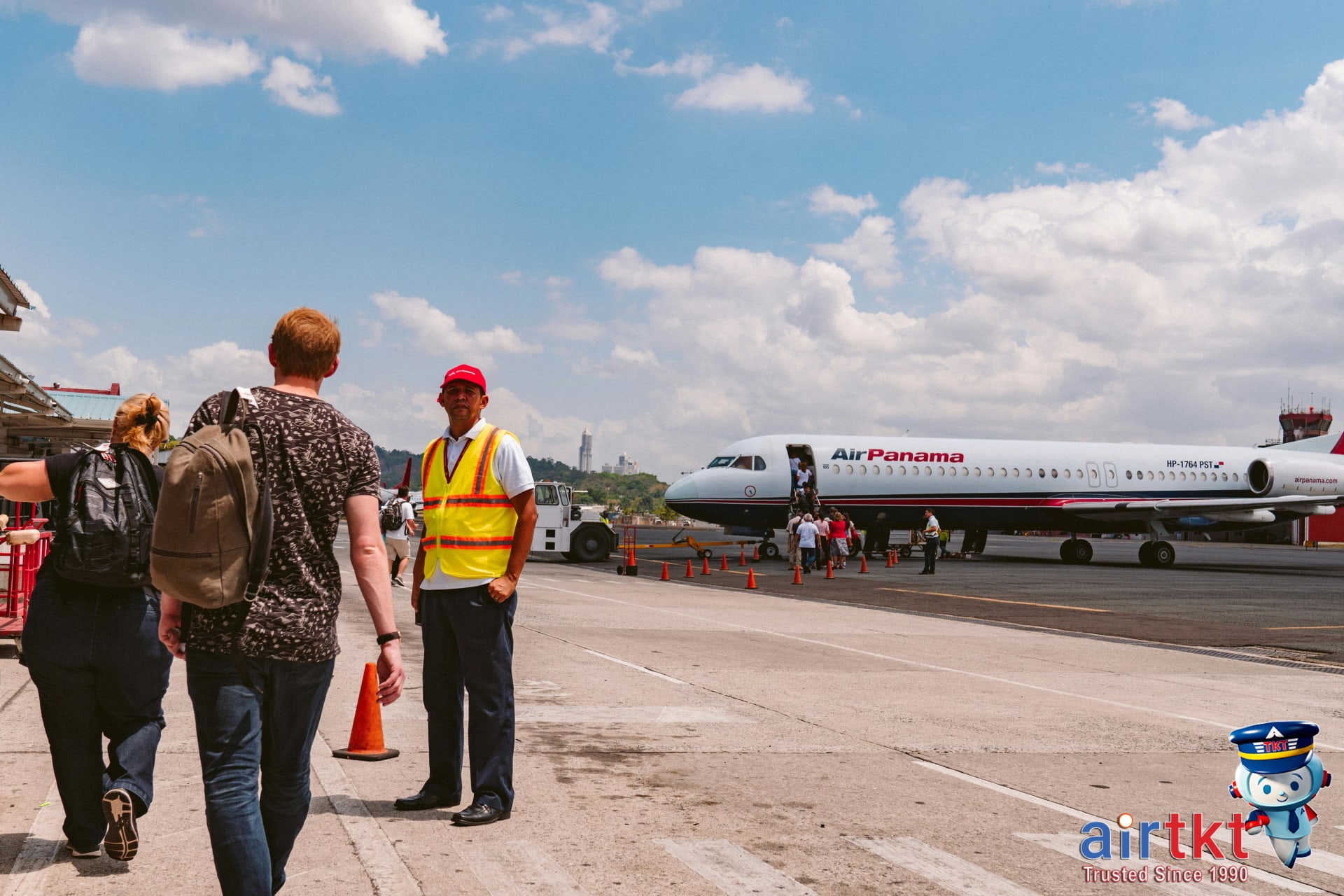
If you’re ever told at the gate that you can’t board your flight, you’re far from alone. The most common cause is overbooking—when airlines sell more seats than are available, betting on a few no-shows. Operational issues like aircraft changes or staff shortages can also lead to denied boarding, sometimes at the last minute.
When you’re involuntarily bumped, airlines are typically required to help. This might include putting you on the next available flight (sometimes even with another carrier), providing meal or hotel vouchers if your delay stretches overnight, and offering compensation—a payment that can vary based on your delay’s length and route. I once was denied boarding but knowing my rights made the process less stressful, especially when I knew to ask for clear details about the rebooking and compensation.
Don’t be shy about communicating clearly with airline staff—ask what your options are and request written confirmation of any offers or changes. Always keep your boarding pass and record your interactions, especially if you need to follow up later. For more detailed tips on overbooking situations and navigating airport procedures, take a look at airtkt.com‘s practical guide on what to expect at the airport.
It’s natural to feel frustrated, but staying calm will help you make smart decisions quickly. In my experience, making a checklist of questions before approaching the counter helped me cover all the essentials, from compensation to alternative flights, so I could focus on solutions instead of stress.
Compensation Claims Process Explained Stepwise
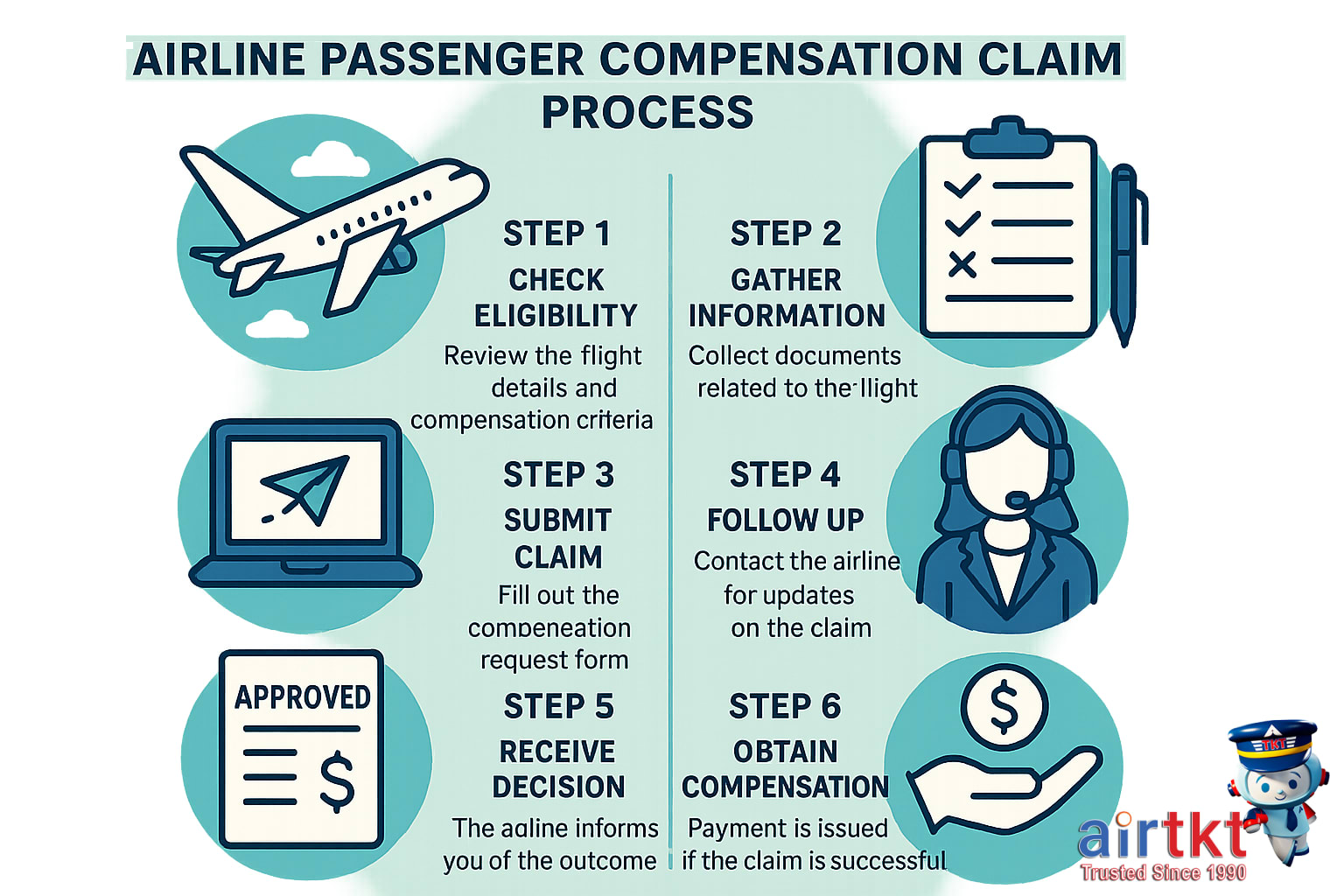
If your flight gets canceled, delayed, or you’re denied boarding, filing a compensation claim is rarely a one-click process—especially when airlines operate under different rules in the U.S. and internationally. But once I sat down, gathered my documents, and walked through each step, filing a claim became straightforward. Here’s how I typically recommend organizing your compensation claim to avoid delays and frustration:
Preparation and Document Gathering
Start by collecting and keeping digital copies of every relevant document. You’ll usually need:
- Your original boarding pass
- Travel itinerary or e-ticket receipt
- Documentation from the airline about the disruption (emails, texts, or airport notifications)
- Any receipts for expenses incurred (such as meals or overnight stays)
- Your government-issued ID
I’ve learned firsthand that having these ready—and saved as PDFs or clear photos—makes submitting the claim much less stressful.
Filing Your Claim: Step-by-Step
- Check the airline’s official compensation policy on their website or via customer service.
- Complete the online claim form or email customer support. Include all requested details and upload your documentation.
- Submit your claim promptly—some programs require this within days or weeks of the disruption.
- Track your claim reference number. If possible, keep a written record of all communication.
- Follow up consistently. Airlines can be slow to respond, especially during peak travel periods.
- If you booked via airtkt.com, check for claims assistance or reach out through their customer service page—they can help clarify next steps or liaise with airlines directly.
Processing Times and Jurisdiction Differences
Claims with U.S.-based airlines generally take longer—sometimes several weeks—since U.S. regulations offer more limited compensation than European rules. For international carriers, especially if your flight falls under EU Regulation 261/2004, processing may move faster and provide more robust compensation. Still, it’s normal for airlines to request more information or clarification before approving a claim. I’d make it a habit to check your email’s spam folder just in case the airline requests further details that stall your claim.
Tips to Maximize Your Compensation

If you’re aiming to maximize your compensation claim with an airline, a clear and well-documented approach goes a long way. When you contact the airline, start by referencing specific rules or compensation deadlines that apply—such as the airline’s own contract of carriage or guidelines set by regional authorities. State your eligibility and the reason for your claim in direct, plain language. In my own experience, I learned that clear communication significantly improved my compensation outcomes. Airlines tend to respond better when your emails or calls are organized and reference policies directly, rather than relying on emotional appeals.
Staying organized is key. Keep copies of all emails, chat transcripts, and receipts as you move through the process. Don’t forget to take notes after phone calls, including names, dates, and what was discussed. There are apps and online services that can help track your correspondences or even automate some claim requests. Services like AirHelp and Compensair, for instance, guide you through eligibility checks and keep your claim on schedule. You can also use dedicated folders or apps to store photos of documents and screenshots of your communication history.
Throughout any communication, a gentle but firm tone pays off. Be patient and remain polite, while being assertive about your rights. Escalating the issue should always be your last resort—sometimes, courteous persistence does more than a single strongly-worded letter. If you’re struggling to get the response you need or aren’t sure what to say, you might also want to check out airtkt.com’s detailed claims tips and customer service guide for extra strategies and template messages.
Budgeting for Unexpected Travel Delays
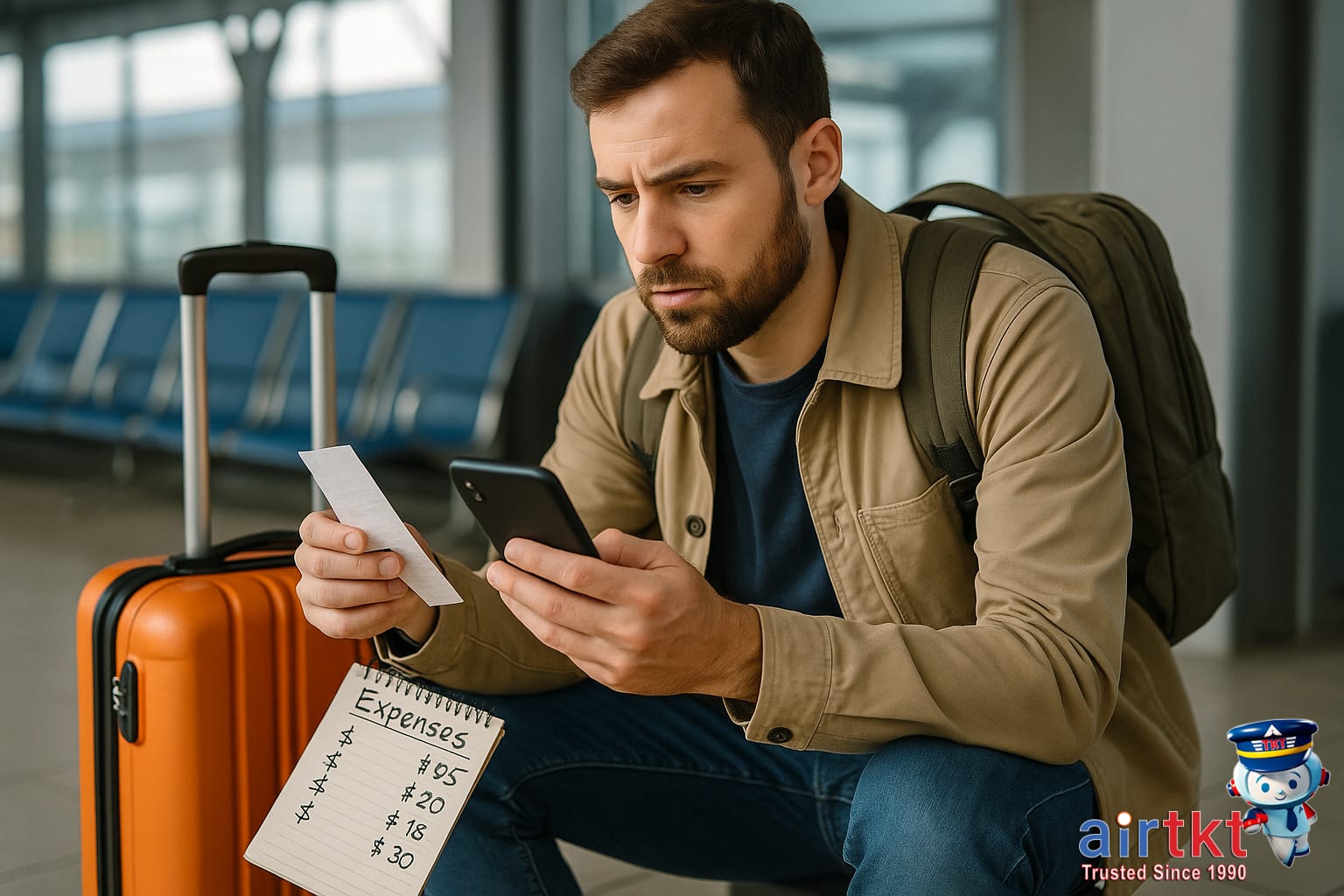
No matter how carefully you plan your trip, delays and cancellations do happen—and they almost always cost more than you expect. The smartest way to handle these bumps in the road is to budget in advance for the possibility of being stuck away from home. I’ve found that having a travel budget cushion saved me stress on a recent trip delay, letting me focus on rebooking instead of stressing about every meal and ride.
Typical Delay Expenses
When you’re delayed, the most common out-of-pocket costs are last-minute accommodation, meals, local transport, and sometimes extra activities to fill unexpected free time. Even a single night in a hotel can run higher than you’d originally planned, especially with little notice. For food, airport and late-night options are rarely cheap. Local taxis, rideshares, or public transport add up if you have to move between accommodations or terminals unexpectedly.
Plan Your Emergency Budget
A good rule is to set aside enough for at least one extra day in your destination—covering a place to stay, food for the day, and emergency transportation. Personally, I keep a dedicated “delay fund” separate from the rest of my travel money, so I know I won’t accidentally spend it elsewhere. Stashing about $150.00–$300.00 in a mix of cash and an accessible debit or credit card covers most minor disruptions, but use a fixed amount you’re comfortable with.
Insurance and Extra Protection
Travel insurance can be a lifesaver when cancellations and severe delays strike. Not all policies are equal, but those that reimburse for extra accommodation, meals, or even flight changes can greatly cushion your wallet. I always double-check what’s covered and make sure my emergency fund fills the gaps. You can compare options and common inclusions in this comprehensive airtkt.com travel insurance overview article.
| Budget | Mid-range | Luxury | |
|---|---|---|---|
| Accommodation | $60.00 | $120.00 | $250.00 |
| Food | $25.00 | $60.00 | $120.00 |
| Transport | $15.00 | $30.00 | $80.00 |
| Activities | $10.00 | $30.00 | $70.00 |
Having these figures in mind gives you a realistic target for an emergency fund. I always remind friends—budgeting for the worst rarely feels urgent until you’re sitting on the floor of an airport with limited options.
Common FAQ on Passenger Rights
I’ve often referred to FAQs when unsure about my passenger rights, especially after a flight delay or schedule change. Having clear, detailed answers like these makes it much easier to resolve travel issues and know what to expect, so I truly value keeping a list like this handy when navigating complicated situations.
- What are my rights if my flight is delayed?
If your flight is delayed, you may be entitled to certain accommodations like food or hotel vouchers, depending on the circumstances and regulations. Always check with your airline at the airport and keep all receipts if you incur extra costs, as airlines sometimes reimburse documented expenses for significant delays.
- How do I claim airline compensation for disruptions?
To claim compensation, contact the airline directly—usually through their website or customer service. Have your flight details and documentation ready. Airlines often require a formal claim form and supporting materials. In my experience, submitting your claim promptly and keeping copies of all correspondence helps speed up the process.
- What happens if I’m denied boarding?
If you are denied boarding due to overbooking, the airline must offer compensation such as vouchers or a refund, along with arranging for the next available flight. Make sure to request written details about the offer, and don’t hesitate to ask what additional benefits they provide for inconvenienced passengers.
- When should I contact the airline for cancellations?
You should contact the airline as soon as you’re informed about a cancellation or if you see a potential issue online. Promptly contacting your airline or checking their app can help you secure a rebooking faster. Don’t wait to see if a situation resolves on its own—early action can make options more flexible.
- Are compensation rules different for domestic and international flights?
Compensation rules can differ between domestic and international flights since they’re often regulated by different authorities. For example, international flights in and out of certain regions may follow stricter compensation guidelines, while domestic flights can have airline-specific policies. It’s a good idea to verify rules for your exact route before you travel.
- How long does it take to receive compensation from airlines?
Timelines for receiving compensation can vary, but airlines usually review claims within several weeks. If you haven’t received updates after submitting a claim, reach out to the airline’s customer support for status. I’ve found that keeping your reference number handy helps you get faster responses in follow-ups.
- What should I do if airline support isn’t helping?
If you feel airline support is unresponsive, try escalating your request by asking to speak with a supervisor. Sometimes using the airline’s online chat or social media channels can get a quicker answer. For additional help, travelers booking through airtkt.com can also contact their customer support and help pages directly for assistance.
Smart Flight Booking With Passenger Rights
Booking smartly isn’t just about grabbing the lowest fare—it’s also about knowing your rights as a passenger and making sure the airline’s compensation policies are on your side if things go wrong. Airlines differ in how they handle delays, cancellations, and rebooking, so I’d always recommend checking each carrier’s official policy before finalizing your flight. Some offer better payouts or re-accommodation during disruptions, which can really save you headaches on the road.
If you, like me, want simple ways to compare airlines and booking terms, using airtkt.com makes a real difference. Their tools—like Flexible Date Search and Nearby Airport Search—help you see not just a wider price range, but also options with more adaptable change and cancellation policies. I always use airtkt.com to find flights that balance price and reliable policies, which gives me peace of mind even if plans shift unexpectedly.
Don’t underestimate the value of choosing flexible tickets or adding travel insurance, either. A flexible fare typically allows you to change plans for a lower fee or even for free, and good travel insurance often covers unexpected disruptions, medical emergencies, and lost bags. These choices might cost a little more upfront, but they can prevent much bigger losses and stress if your trip gets derailed.
If you want an even more granular way to compare options and filter by flexibility, check out the flight search features on airtkt.com. They’re designed to help you spot deals that fit your travel style and give you added protection against the unexpected.
Conclusion and Key Takeaways

As we’ve covered in this guide, understanding your airline passenger rights can make a real difference when dealing with flight delays, cancellations, or denied boarding. Airlines often have specific obligations—like compensation or rerouting—that many travelers don’t realize they can claim. Staying informed is the best way to protect yourself during unexpected travel hiccups.
Knowing my rights has made me a more confident and prepared traveler, and it’s something I recommend for everyone who flies, whether you travel occasionally or often. Being proactive—always keeping your documentation and clear records of what happened—can help you resolve issues quickly and effectively if they arise. If you’re looking for more practical advice, I’d check out the travel tips section at airtkt.com for further reading.