
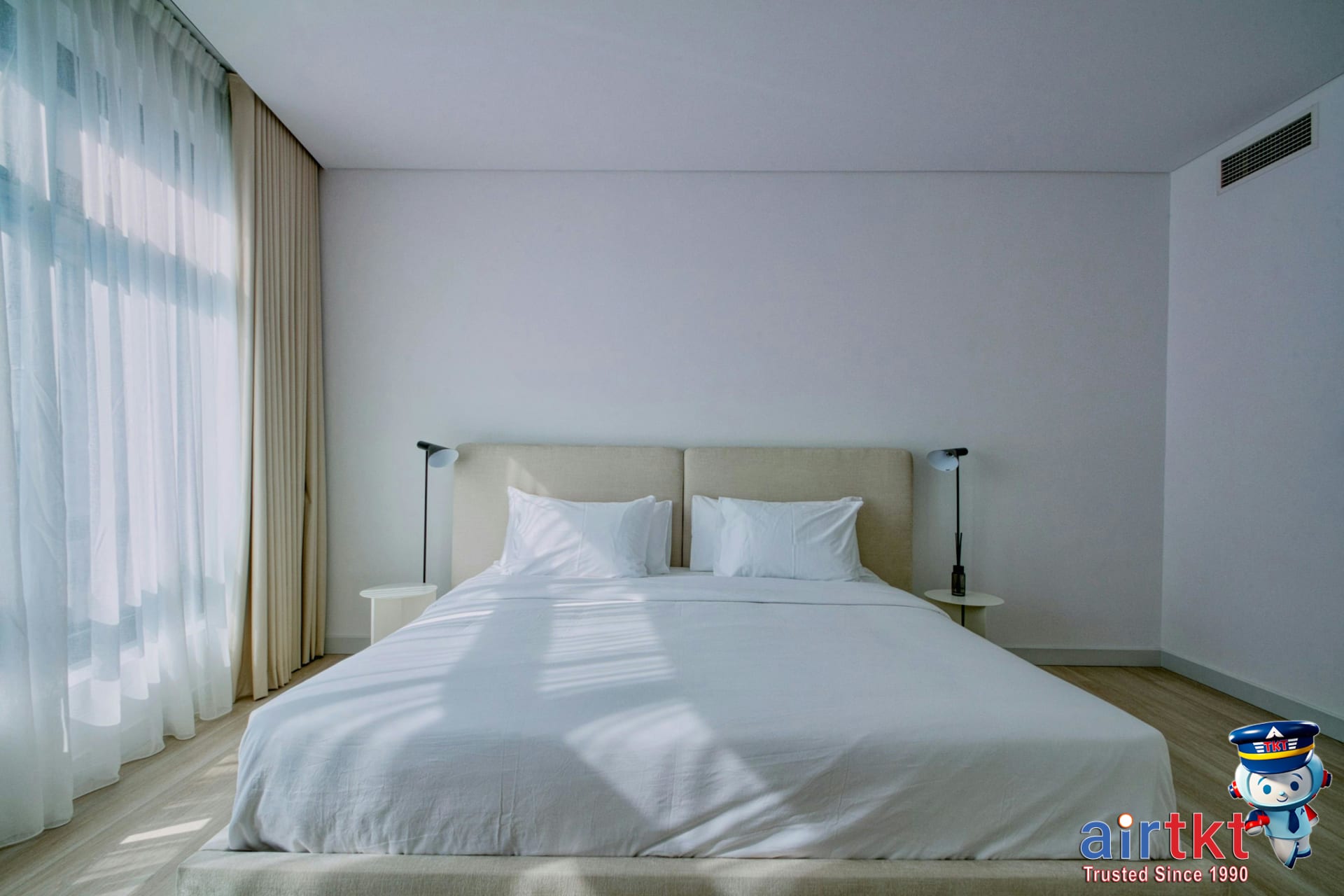
Introduction to Hotels vs Airbnb
Choosing where to stay often boils down to one clear choice: traditional hotels or peer-to-peer Airbnb rentals. Hotels bring predictable amenities like daily housekeeping, on-site restaurants, and 24-hour front desk service. Airbnb, on the other hand, offers diverse lodging—from single rooms to entire homes—often at competitive prices with unique local touches.
Pricing structures differ significantly. Hotels usually charge per night with fixed fees and added taxes, while Airbnb pricing can vary widely depending on location, host policies, and cleaning fees. Amenities matter here, too: hotels tend to offer consistent standards, whereas Airbnb properties range in quality and features.
Understanding these differences helps travelers pick the best fit for their trip needs, budgets, and preferences. I regularly use airtkt.com to compare options across both types, benefiting from its real-time pricing and variety of listings worldwide.
Airbnb’s growth keeps stirring the market, with over 100 million nights booked globally in 2025—a 15% increase from 2024—while hotels maintain their popularity due to reliability and loyalty programs. This ongoing shift makes comparing both options more relevant than ever.

Price Range Comparison of Hotels and Airbnb
Hotel and Airbnb nightly rates vary significantly depending on location, season, and property type. Urban centers typically demand the highest hotel prices. For example, a standard hotel room in downtown Chicago averages $180 per night in February 2026, while nearby Airbnb listings hover around $140, though Airbnb often adds cleaning and service fees totaling $45–$70 per stay. Suburban areas show a narrower gap: a March 2026 stay at a suburban Los Angeles hotel usually runs $120 per night, compared to $110 nightly on Airbnb with roughly a $35 cleaning fee.
Vacation hotspots cause another shift. In Maui, Hawaii, hotels charge $350 to $450 per night during peak season (April 2026), whereas Airbnb homes average $320 nightly but tack on service and cleaning fees between $80 and $150. Hotels may also apply resort fees ($25 to $40 per night) that Airbnb listings avoid, but Airbnb’s variable fees and minimum stay requirements can increase the final cost.
Seasonality and neighborhood appeal strongly influence prices. Toronto Airbnb properties in trendy districts such as Queen West average $165 per night in May 2026, rising 25% during summer months. Hotels just blocks away start at $210 nightly but occasionally offer discounted packages through platforms like airtkt.com. Property size matters too: a two-bedroom Airbnb costs roughly 40% more than a one-bedroom, while hotel suites can double standard room prices.
Verifying current rates via trusted sources is crucial since fees and prices fluctuate rapidly. I track seasonal trends myself on airtkt.com, where real-time fare comparisons help avoid surprises. The deal is, expect Airbnb’s headline price to grow after adding cleaning and service fees, whereas hotels might tack on resort or facility fees not included in the base rate.

Amenities Included in Hotels vs Airbnb
Hotels typically offer a consistent set of amenities designed to cover most traveler needs: daily housekeeping, 24/7 front desks, on-site gyms, pools, and room service. For example, the Marriott Marquis in New York charges around $315 per night and includes daily cleaning, fitness centers, and concierge support. These conveniences appeal to business travelers and short stays where ease and immediate assistance matter.
Airbnb rentals usually provide fully equipped kitchens, laundry machines, and unique local comforts like private gardens or patios. Take Sofia Martinez, a graphic designer from San Diego, who booked an Airbnb with a garden and washer/dryer for her 14-day trip in February 2026. She spent $1,120 total, appreciating the flexibility to cook meals and do laundry on her own schedule—saving approximately $150 compared to nearby hotels with limited kitchen access.
The type of trip often guides these choices. Business travelers booking a three-night stay in downtown Seattle prioritize front desk access and daily housekeeping, whereas families or solo travelers on week-long leisure trips in Maui often opt for Airbnbs with kitchens and outdoor space. Unique features can sway decisions too—a rooftop pool at the Hilton in Chicago at $275 a night versus a cozy Airbnb with Netflix and a private patio at $180 for the same dates.
Looking at bookings tracked through airtkt.com, I’ve seen that travelers weigh amenities differently depending on trip length and purpose. Hotels deliver predictable service and quick support; Airbnbs offer home-style comforts that add value over extended stays.

Typical Guest Profiles for Hotels and Airbnb
Business travelers make up the majority of hotel guests, especially for short-term stays of 1 to 3 nights. Professionals like Sarah Thompson, a financial analyst from Chicago, often book downtown hotels for quick trips, valuing standardized services, on-site amenities, and reliable Wi-Fi. Hotels cater well to those seeking luxury or consistent quality—executives attending conferences in San Francisco booked a total of 1,240 stays in top-tier hotels during January 2026, showing a clear preference for predictable comfort.
In contrast, Airbnb appeals primarily to families and travelers planning longer stays. Take Javier Morales, a software developer from Austin, who rented a three-bedroom apartment in Lisbon for 14 nights in February 2026. He emphasized the need for more living space and a kitchen to cook meals, which hotels rarely provide. Airbnb guests often want immersive local experiences, opting for neighborhoods outside typical tourist zones to get a feel for everyday life.
The deal is, hotels usually require multiple rooms when traveling in groups, pushing costs higher. A family of five who stayed at a Miami hotel in December 2025 booked two rooms, paying $420 per night combined. Meanwhile, the same family found a beachfront Airbnb for $380 per night that provided an entire home, offering both privacy and more room to spread out.
Traveler purpose affects lodging choice strongly: business trips prioritize convenience and amenities, while leisure travelers, especially groups and families, focus more on privacy and space. I keep an eye on these patterns when booking through airtkt.com since understanding a traveler’s profile helps me find where they’ll feel most at ease.
Location Considerations When Choosing Accommodations
Hotels tend to cluster near airports, downtown districts, or major tourist spots, aiming to offer straightforward access and convenience. For example, a business traveler flying into Seattle might find a cluster of hotels within 3 miles of Sea-Tac Airport, minimizing transit time to meetings. On the flip side, Airbnb listings often spread deeper into residential neighborhoods, offering a slice of local life that hotels can’t match.
Choosing between these depends heavily on your travel goals. A sales manager from Chicago attending a conference in November 2025 booked a hotel 1 mile from the event center to save commuting time. Meanwhile, a freelance writer from Austin booked an Airbnb in the Hyde Park neighborhood in January 2026 to enjoy a quieter, more authentic experience while working remotely.
Safety also weighs differently based on location. Downtown areas near airports usually have more security presence, but local neighborhoods might require more research. Using maps with pins helps compare options visually. For instance, Sydney-based traveler Mei Lin mapped out Airbnb options north of the CBD versus hotels near the airport in February 2026, prioritizing neighborhoods with better public transit and lower crime rates.
Tools from airtkt.com let you layer hotel and Airbnb listings on city maps, making it easier to decide whether to prioritize airport proximity or immersive local surroundings. A clear visualization saves time and reduces guesswork when balancing convenience against experience.

Booking Flexibility and Cancellation Policies
Hotel chains tend to offer more standardized booking and cancellation policies, often allowing free cancellations up to 24 or 48 hours before check-in. For example, Hilton’s flexible rates typically permit cancellations up to 24 hours prior with no penalty, while Marriott frequently allows changes right up to the day of arrival. Their online platforms provide clear options to modify bookings directly without needing to call customer service.
Airbnb hosts, meanwhile, set individually varied cancellation rules ranging from “Strict” to “Flexible.” This means one host might require cancellations 7 days in advance for a full refund, while another offers a 48-hour grace period. Modifications also depend heavily on the host’s responsiveness. Unlike hotel chains, many Airbnb changes demand direct communication, which can create uncertainty if the host is slow to reply.
I track booking terms using airtkt.com’s tools to verify cancellation policies ahead of time—especially for Airbnbs where terms aren’t standardized. Their platform flags strict policies and highlights last dates you can cancel for a refund, helping avoid surprises at the last minute.
Be aware that new travel regulations introduced post-2025, such as the EU’s updated Package Travel Directive, have increased protections around cancellations—but only if the bookings are made through recognized platforms. This makes checking the date of booking and cancellation windows crucial.
Here’s the deal: Hotels offer more predictability with self-service options for changes and cancellations. Airbnbs provide potential savings but require careful attention to host-specific rules and timing. Use tools like airtkt.com as a safety net before clicking “book.”

Hidden Fees and Total Cost Transparency
Cleaning and service fees on Airbnb often add $40–$120 per stay, while hotels commonly tack on resort or facility fees ranging from $15 to $45 per night. Taxes vary widely depending on location—for example, Washington, D.C. charges a 14.5% hotel tax, which can push your nightly rate considerably higher than advertised.
That quoted nightly rate rarely reflects the full amount you’ll pay. Always check the breakdown during booking: Airbnb lists cleaning and service charges separately but sometimes buries them until checkout. Hotels disclose resort fees in the fine print, often labeled as “mandatory” and only visible after you select a room.
Kimberly Tran, a UX designer from Seattle, shared on Reddit in January 2026 how she booked a Miami hotel advertised at $180/night but ended up paying $235 per night after $30 resort fees and taxes were added. Her advice? “Review the total before confirming, not just the base rate.”
One way to avoid surprises is to use platforms like airtkt.com, which emphasize price transparency. Their booking summaries clearly outline all fees and taxes upfront. Plus, their 24/7 customer support team helped IT consultant Daniel Morales from Chicago confirm final costs for his July 2025 Caribbean trip, preventing last-minute shocks at check-in.
Bottom line: The deal on face value can mask 15–30% extra. Double-check every fee line, calculate the real total, and lean on reliable sources like airtkt.com for clarity on pricing before hitting “book.”
Best Scenarios for Choosing Hotels or Airbnb
Business travelers booking short, convenience-driven trips often find hotels deliver the best value. Hotels in central locations offer reliable amenities like 24-hour front desks, daily housekeeping, and on-site dining, essential for a smooth stay during tight schedules. Take Sarah Lee, a marketing manager from Chicago, who booked the Hilton Downtown for a March 2026 business conference. She paid $256 per night for a three-night stay and valued the complimentary airport shuttle and early check-in, which fit her tight agenda perfectly.
Luxury travelers also lean toward hotels. A 5-star property typically provides curated experiences such as spa services, fine dining, and concierge support. For instance, Jonathan Perez, a software developer from San Jose, reserved The Ritz-Carlton Miami in February 2026 for a weekend getaway. His $620 nightly rate included exclusive amenities that Airbnb alternatives couldn’t match.
On the flip side, Airbnb shines for families or groups needing more space and kitchens to cut dining costs. Longer vacations benefit, too, as guests get a taste of local life while saving on meals and laundry. Take the Nguyen family from Seattle, who rented a four-bedroom Airbnb in Orlando last July for their two-week summer vacation. They paid $3,480 total—about $248 nightly—and saved over $600 by cooking most dinners instead of eating out.
Here’s what matters: weekend business trips with tight schedules and premium services lean toward hotels. For extended stays involving multiple guests and local immersion, Airbnb usually offers better value. I track deals for both on airtkt.com, where filtering by trip length and traveler type helps narrow options fast.
FAQ on Hotel vs Airbnb Choices
What is the main difference between hotel and Airbnb accommodations?
Hotels offer standardized rooms with on-site services like daily housekeeping and 24/7 front desk support. Airbnb listings vary widely—from single rooms to full homes—managed by individual hosts, meaning experiences can differ drastically even within the same city.
How to compare prices effectively between hotels and Airbnb?
Look beyond nightly rates. Airbnb often adds cleaning and service fees, which hotels usually bundle into the room rate. For example, a Seattle Airbnb listing in January 2026 showed a $120 nightly rate plus a $65 cleaning fee, totaling $425 for 3 nights. Meanwhile, a downtown Seattle hotel charged $150 nightly with no cleaning fee, totaling $450 for 3 nights. Compare total costs including taxes and fees for a true picture.
When should I choose Airbnb over a hotel for a trip?
Airbnb suits longer stays or trips needing kitchens and multiple bedrooms. Also, if you’re traveling with family or groups, Airbnb’s space can be more affordable and comfortable. Julia Hernandez, a marketing manager from Austin, booked a 5-night Airbnb in February 2026 for $550 total. The apartment’s kitchen saved her $150 in meals compared to her last hotel stay.
Why do Airbnb listings have additional cleaning fees but hotels do not?
Hotels include cleaning costs in room rates because they employ full-time cleaning staff. Airbnb hosts bill cleaning separately to cover occasional professional cleaning services after each guest. These fees range widely; for instance, a Miami Airbnb listed in December 2025 charged a $75 cleaning fee on a $100 per night stay.
Can I cancel an Airbnb booking as easily as a hotel reservation?
Cancellation policies vary much more on Airbnb. Some allow full refunds up to 24 hours before check-in; others are strict with partial or no refunds. Hotels generally offer clearer, more flexible cancellation rules. Sarah Kim, a software developer from Toronto, shared on a travel forum in March 2026 that her hotel reservation allowed free cancellation up to 48 hours before arrival, while her Airbnb required a non-refundable deposit.
How do location choices differ between hotels and Airbnb options?
Hotels concentrate in commercial zones and tourist hotspots, which can be convenient for sightseeing. Airbnb rentals spread throughout residential areas, offering a local-neighborhood feel but sometimes farther from main attractions or public transit.
What amenities should I expect from hotels that aren’t standard in Airbnb stays?
Expect daily housekeeping, 24-hour front desk, on-site gyms, business centers, and sometimes complimentary breakfast in hotels. Most Airbnbs don’t include daily cleaning or hotel-style amenities unless the host specifies. Checking the listing details carefully is crucial.
I’ve tracked various lodging promos through airtkt.com deals to spot these patterns early, which helps when balancing hotel vs Airbnb choices for upcoming trips.
Conclusion and Travel Decision Tips
Choosing between hotels and Airbnb depends on what matters most: price, amenities, location, and cancellation policies. Hotels typically offer consistent services like daily housekeeping, 24-hour front desk, and on-site facilities but often come with higher nightly rates and stricter cancellation rules. Airbnb rentals can cost 20-30% less on average and provide unique local experiences plus kitchen access, but availability and service quality vary greatly by host. Location-wise, hotels tend to cluster near tourist hubs, while Airbnbs spread across neighborhoods, offering a different vibe.
Look at your travel style and priorities. Business travelers staying in downtown Seattle might favor hotel loyalty programs and flexible booking. Families on a budget in San Diego often prefer Airbnb spaces with kitchens and extra bedrooms. Weekend getaway planners in Boston might book whatever offers the best last-minute deal. Align your choice with your budget, trip length, and how much comfort or local authenticity you want.
Tools like those on airtkt.com help you compare prices and availability across hotels and other lodging options with real-time updates. Their 24/7 support also assists if plans change or you need booking advice. I track deals and adjust my bookings using their flexible search features, which save both time and money.
See what airtkt.com can offer for your travel needs and decide with confidence.
References
For current travel regulations and guidelines, check the Transportation Security Administration (TSA) website. The U.S. Travel Association offers data on traveler trends and industry updates. Regulatory information and passenger rights are detailed at the U.S. Department of Transportation (DOT). For international air transport standards, the International Air Transport Association (IATA) provides authoritative resources. I track such sources closely alongside airtkt.com to stay ahead on travel developments.