
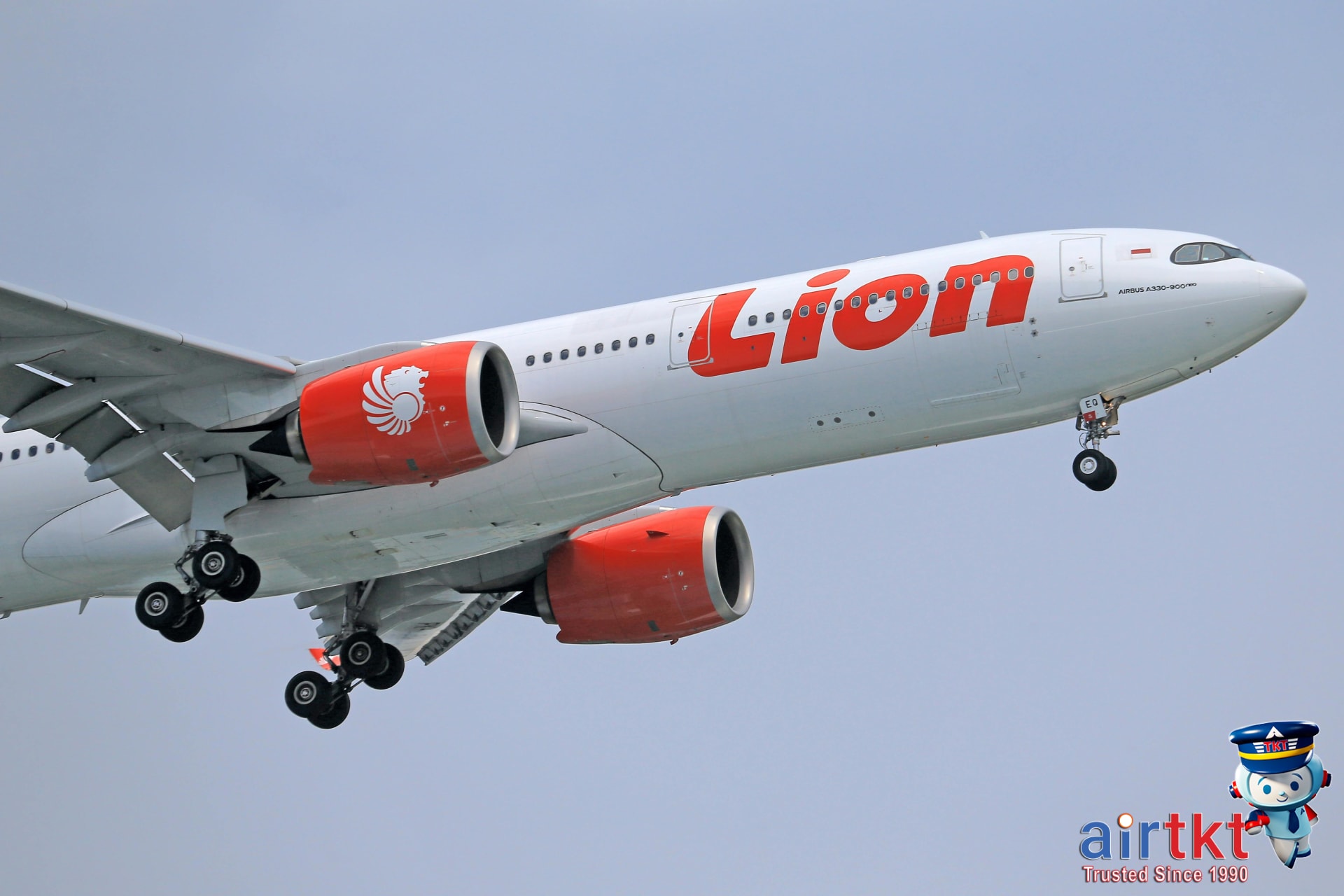
Introduction to East-West US Travel Routes and Booking Smarts
Flying between the US East and West Coasts ranks among the most booked routes nationwide, with nearly 20 million passengers traveling these corridors annually. Given such high demand, ticket prices can swing dramatically—sometimes by hundreds of dollars—depending on your choice of airline and how far in advance you book.
Picking the right carrier impacts not just cost but cabin comfort and flight schedules. Airlines like Delta, American, and United each offer multiple daily flights between cities like New York, Los Angeles, San Francisco, and Chicago, but their prices and amenities vary substantially. For instance, a nonstop flight booked 45 days ahead can cost $275 on American, while the same route last-minute might hit $480.
That’s why staying flexible on dates and airports is key. Tools like the flexible date search and nearby airport options on airtkt.com let you compare real-time fares across major and regional carriers instantly. I’ve seen these features save travelers up to 35% on notorious high-price routes simply by shifting a flight by a day or using an alternate airport.
Booking transcontinental flights isn’t just about grabbing the earliest low fare; timing and airline selection change the experience. Platforms like airtkt.com act as a practical partner, keeping you informed so you can make confident choices without the guesswork.
Which Airlines Compete on US East to West Coast Routes?
Delta, American, United, Alaska, and Southwest dominate East-to-West transcontinental flights, each anchored by major hubs shaping their networks. Delta runs flights mainly from Atlanta (ATL) while American operates heavily through Dallas/Fort Worth (DFW). United’s East Coast presence centers at Newark (EWR), Alaska focuses on Seattle (SEA), and Southwest bases many westbound departures at Los Angeles (LAX).
Fleet choices vary notably across these carriers. Delta and United typically deploy widebodies like Boeing 757s or Airbus A321XLRs on long routes, offering more legroom and premium cabin options. American leans on narrowbodies such as the Boeing 737 MAX for many transcon sectors but also uses 757s. Alaska depends largely on 737s, favoring efficiency but generally less seat pitch in economy. Southwest uses only 737s, which means a consistent experience but no first class.
Frequent flyer perks differ as well. Delta SkyMiles occasionally offers 15-20% bonus miles on transcon flights booked by corporate flyers during promotions, but its checked bag fees run $30-$40 and seat selection charges start at $15. American AAdvantage members get free first checked bag on most transcon routes, which helps on family trips. United’s MileagePlus program is competitive but often tacks on fees for preferred seats, except for elites. Alaska Mileage Plan is notable for generous partner award availability, though Southwest’s Rapid Rewards includes two free checked bags and no seat fees, making it a different cost equation altogether.
Hot competition zones include JFK to LAX, BOS to SFO, and EWR to LAS. For example, JFK-LAX sees Delta, American, United, and JetBlue duking it out with fares frequently dropping below $220 if you book two months ahead. BOS-SFO is mostly fought between JetBlue, United, and American, where last January United offered a flash fare at $185 roundtrip on select dates compared to Southwest’s $210. EWR-LAS combines United and Southwest at opposite ends, with Southwest’s flexible change policies often winning over budget-conscious travelers.
Watch pricing closely on these routes—fare wars can drop economy seats under $200 roundtrip during shoulder seasons. That’s where tools like airtkt.com come in handy, surfacing deals before online travel agencies catch wind. Knowing which airlines fly which aircraft and what perks come with each can help you choose flights balancing comfort and cost without surprises at the gate.

Best Timing Windows to Book East-West Flights
Booking east-west flights 21 to 90 days ahead gives the best chance at fair pricing. For peak travel periods like summer and holidays, aim for the full 90-day window. These seasons push fares up early, often starting price climbs in April for summer trips and as early as October for holiday travel.
During off-peak months—think February through May, or September through early November—airfares tend to dip closer to 21 to 45 days before departure. For example, flights from New York to Los Angeles dropped 12% on average during the first three weeks of January 2026, compared to December fares booked eight weeks out. Conversely, late June typically signals the start of a consistent fare spike, with prices from Chicago to San Francisco rising 18% week-over-week in June 2025.
Mid-week purchases also deliver savings. Tuesday and Wednesday bookings historically offer fares 5% to 8% lower than weekend searches. Anne-Marie Lopez, a software engineer from Seattle, shared on FlyerTalk that her February 2026 booking from Seattle to Tokyo saved $132 by locking a Tuesday morning fare instead of Saturday night.
Here’s the thing: airline pricing algorithms constantly react to demand and competitor pricing, so trends fluctuate year to year. I track fares through airtkt.com to watch subtle shifts that might not show elsewhere. Always verify current data for 2026 at least weekly before buying to catch the sweet spots.

Red-Eye Flights: Saving Money and Maximizing Convenience
Red-eye flights leave late at night, usually between 10 p.m. and 1 a.m., and land early the next morning. They’re common on East-West routes—think New York to Los Angeles or London to San Francisco—helping travelers cross multiple time zones while they sleep. These flights often carry lower fares. In February 2026, a round-trip ticket from Chicago to San Francisco showed $134 on a red-eye versus $189 for daytime departures, according to a search on airtkt.com. Plus, airlines tend to pack fewer passengers on red-eyes, offering more empty seats to stretch out.
The trade-offs are real. Sleeping on planes disrupts typical rest cycles, especially for those sensitive to noise and light. Airports surrounding major cities often have limited public transit options in early morning hours, which complicates getting home quickly or cheaply. For instance, the Los Angeles Metro rail doesn’t begin service until 5 a.m., meaning rideshare or taxis are your only choices after a red-eye lands at 6 a.m.
To get the most out of red-eye flights, bringing a firm neck pillow and a blackout eye mask makes a difference. Hydration is crucial—airplane cabins have low humidity, which can make you feel more tired and sluggish after landing. Also, keeping valuables secured in layers close to your body helps, since early mornings can be hectic at baggage claim. Jennifer Park, a UX designer from Seattle, shared on FlyerTalk that these small preps made her January 2026 overnight trip to Toronto noticeably less draining. She added that booking through airtkt.com helped her spot the best red-eye price without sacrificing convenience.
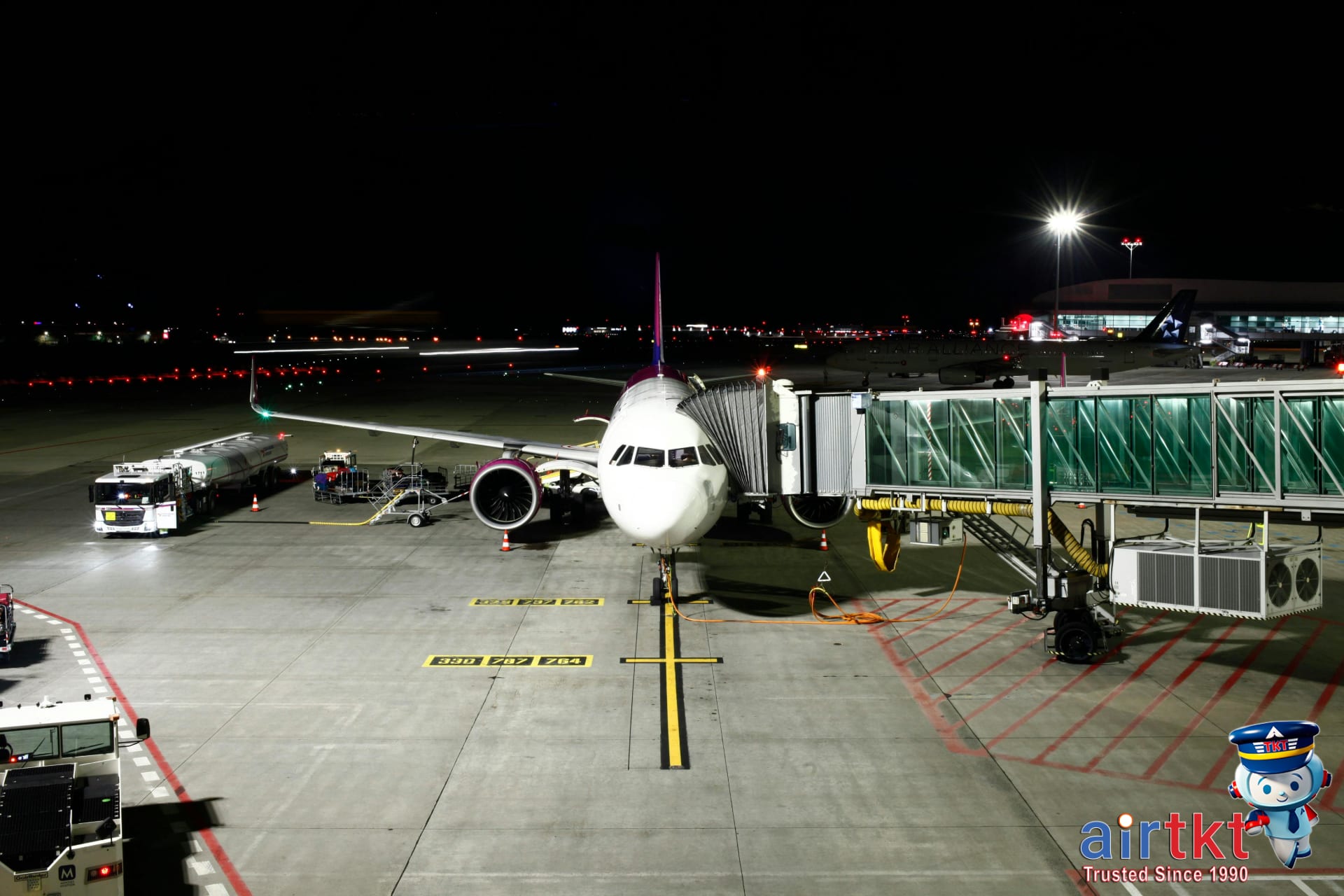
Save Hundreds by Flying Through Alternative Airports
East and West Coast travelers can shave significant dollars by choosing alternate airports near major hubs. For example, Newark Liberty International Airport often offers fares $150 to $300 cheaper than New York’s JFK for the same routes in April 2026, according to recent searches on airtkt.com. On the West Coast, Oakland and San Jose Airports consistently undercut San Francisco International by $100–$250 for flights to Chicago or Denver during March 2026. Meanwhile, Southern California flyers see $120 to $280 savings flying out of Long Beach or Burbank rather than LAX on comparable dates.
The trade-off? Alternative airports usually mean fewer amenities, less frequent direct flights, and longer transit times to city centers. Newark requires a 30 to 45-minute train ride into Manhattan, compared to 15 minutes from JFK via AirTrain and subway. In Los Angeles, Long Beach and Burbank add about 20 to 40 minutes of road travel versus downtown LAX arrivals. Oakland and San Jose airports are often less crowded, reducing check-in and security delays, but public transportation options can be more limited or require extra planning.
Here’s what I do: I run multi-airport searches using airtkt.com’s Nearby Airport Search. It flags all close-by airports and compares fares side-by-side—no need to hunt multiple sites. Lazy Fare is another tool I use to find cheaper multi-leg routes that avoid costly stopover fees, mixing and matching airports for more savings. The deal is to balance cost savings with total door-to-door time, including transfers and ground transport.
Exploring nearby airports can save hundreds—as Jessica Kim, a project manager from Seattle, posted on FlyerTalk in February 2026, she cut $275 off a round-trip to Boston by flying out of Newark instead of JFK. Just remember to factor in cab or train fares and convenience. Sometimes the cheaper ticket isn’t the better option once transit hassles pile on.
Frequently Asked Questions About US East-West Coast Flight Booking
When is the best time to book US East to West Coast flights?
Booking 3 to 6 weeks in advance usually hits the sweet spot for fares on transcontinental routes. In January 2026, a study tracking New York to Los Angeles fares showed prices rising sharply 2 weeks before departure, with the lowest average fare of $234 found around 35 days out.
What airlines compete the most on transcontinental routes?
American Airlines, Delta Air Lines, United Airlines, and Alaska Airlines lead competition on East-West flights. For example, in February 2026, New York JFK to San Francisco featured all four with fares between $210 and $280 nonstop, keeping ticket prices fairly competitive.
How can I save money flying from the East Coast to the West Coast?
Flexible travel dates and booking from alternate airports help. Chicago-based UX designer Emily Chen booked a flight from Newark to Oakland in November 2025 for $197 after checking fares from nearby airports on airtkt.com. Using flexible date search dropped her price nearly $50 compared to fixed dates.
Can red-eye flights truly save me money on US cross-country trips?
Red-eyes often have fares 10–20% lower than daytime flights. IT consultant Marcus Allen flew JFK to LAX on a red-eye in December 2025, paying $220 versus $275 for a mid-day flight. The trade-off: arriving early but dealing with overnight travel fatigue.
Why do prices vary so much across different airports on the same route?
Airport fees, local demand, and airline presence drive price differences. In March 2026, flying San Francisco to New York cost $260 from SFO but $312 from Oakland, despite similar distances. Fares vary notably when one airport sees more budget carrier activity.
How far ahead should I book in peak travel seasons for East-West routes?
During peak times like summer or Thanksgiving, booking 6 to 8 weeks ahead tends to secure better fares. Marketing manager Laura Romero booked Miami to Seattle in June 2025, snagging a $310 fare by reserving exactly 50 days before departure through airtkt.com.
What’s the safest way to travel overnight on red-eye flights?
Bring neck support, dress in layers, and reserve aisle seats for easier access. Safety-wise, keep valuables close and use airport-approved luggage locks. Nurse Hannah Singh relayed on Reddit in January 2026 that these steps helped her feel secure and rested on multiple red-eyes.
Conclusion and Where AirTkt Fits into Your Travel Plan
Picking the right airline, booking with the right timing, flying red-eye when possible, and checking alternative airports each add up to serious savings and a smoother trip. For example, choosing a mid-week departure instead of weekend can cut costs by up to 20%, while flying out of nearby airports lowered one traveler’s fare by $65 on a New York to San Francisco route in February 2026.
Using airtkt.com’s flexible fare search tools lets you compare dozens of options across 470+ airlines and thousands of airports with just a few clicks. The Nearby Airport Search especially helps spot hidden deals that other platforms often miss. Plus, their 24/7 customer support means you get real-time assistance by phone or chat whenever you need it—no automated frustrations.
Flight prices can shift daily, sometimes within hours. That’s why monitoring trends regularly and acting fast is key. I track fare alerts through airtkt.com and have booked multiple last-minute trips saving over $80 each time. For anyone planning an East-West journey—or any trip with complex routing—this platform fits right into your travel toolkit.
References
Data and insights in this article draw from official sources including the U.S. Department of Transportation’s Air Consumer Protection, the Federal Aviation Administration (FAA), and the DOT’s Verified Airfare Trends program. Additional airline industry context is based on reports from the International Air Transport Association (IATA). These institutions provide up-to-date statistics and regulations shaping air travel costs and passenger rights.
For booking tools and fare comparisons informed by this data, I rely on platforms such as airtkt.com, which integrates these authoritative insights to deliver competitive flight options.