
Introduction to Chain vs Boutique Hotels
Most travelers book either chain hotels or boutique hotels—two distinct accommodation types that shape your trip’s comfort and budget. Choosing the right hotel affects more than just where you sleep; it influences costs, convenience, and the overall experience.
Chain hotels offer standardized rooms and services found in hundreds of locations worldwide. They provide predictable quality and often competitive rates, especially useful for business travelers or anyone valuing consistency. Boutique hotels, on the other hand, tend to be smaller, independently operated properties with unique design and local character. Their charm appeals to those seeking personalized experiences over uniformity.
This article will cover key differences like price ranges, amenities offered, who typically stays at each, location advantages, and important booking factors to consider. Whether you’re after dependable familiarity or distinct vibes, understanding these hotel types helps you spend smarter and enjoy your trip more.
What Defines Chain Hotels and Boutique Hotels?
Chain hotels operate on a formula: consistent design, predictable service, and a string of locations spanning cities and countries. Think Marriott, Hilton, and Holiday Inn. These brands stick to standardized room layouts, amenities, and procedures so business travelers booking in New York have the same experience as those in Chicago or London. The appeal? Reliability and points. Frequent travelers, loyalty program members, and families prioritizing convenience often choose chains for their wide presence and well-established programs.

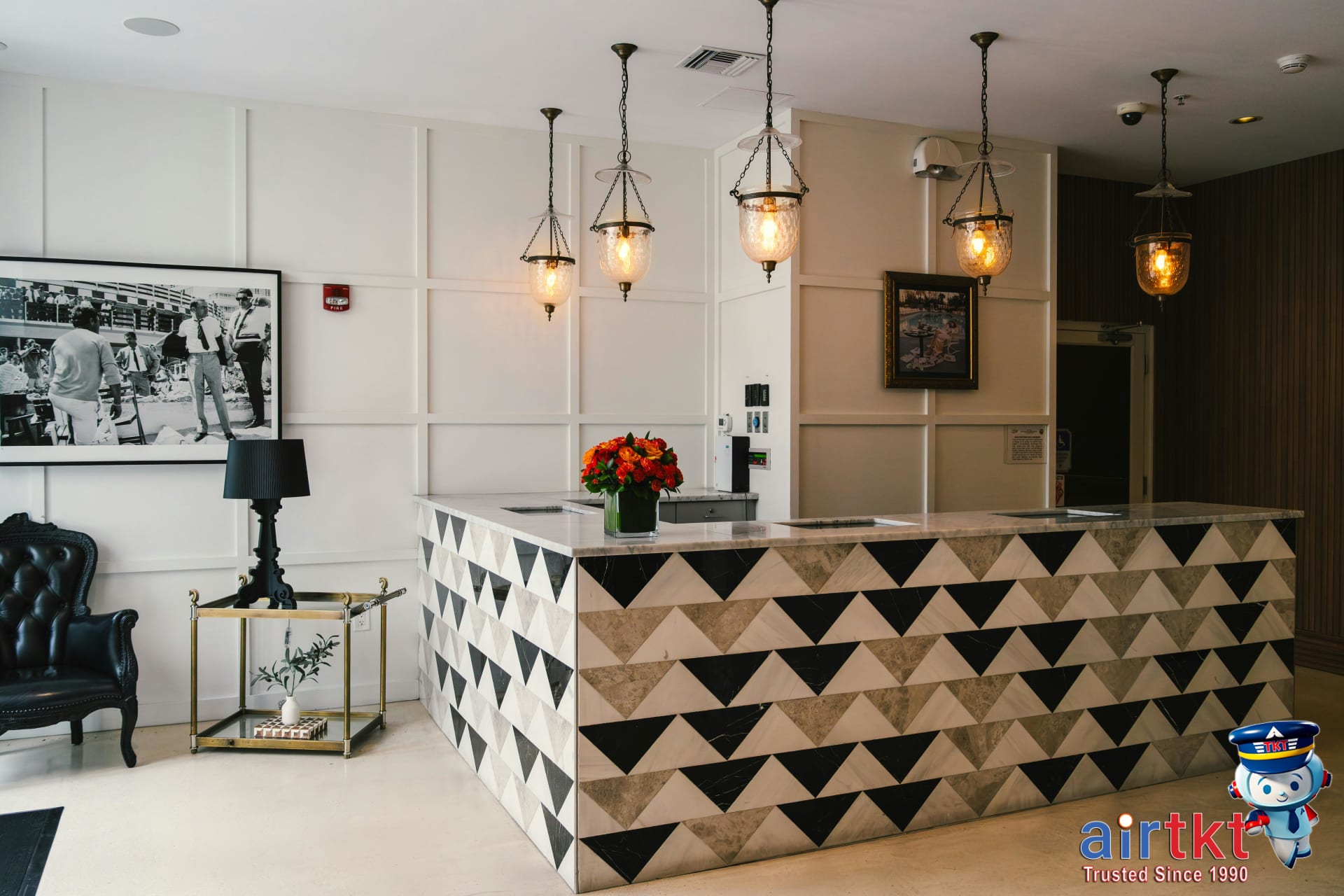
Boutique hotels break that mold. Usually owned independently or as part of a small group, these properties emphasize character and personal service. Kimpton Hotels and Ace Hotel exemplify the boutique approach by blending distinctive decor, local art, and tailored guest experiences. Smaller-scale operations encourage staff to build personal connections with guests, often offering unique lounges, bespoke menus, or neighborhood insights. These spots attract leisure travelers, couples on romantic getaways, and cultural explorers eager for a stay that feels one-of-a-kind.
The guest profiles reflect these differences clearly. Chain hotels pull in business travelers logging multiple trips a year, families needing predictable comfort, and loyalty members chasing free nights or upgrades. In contrast, boutique hotels cater to visitors who want a story or a vibe tailored to the locale—think weekenders in Portland seeking craft cocktails and original murals or couples escaping to a historic district.
Understanding these distinctions helps when planning trips. Whether you want straightforward, dependable stays or rich, localized experiences, both hotel types have clear roles. And when booking flights and hotels, tools like those at airtkt.com can help you compare options and find rates that fit your travel style.
Price Ranges and Cost Comparison
Chain hotels span a broad spectrum—from budget brands like Holiday Inn Express averaging $95 per night in secondary cities, up to luxury options like Marriott Marquis charging $425 in metro hubs. Boutique hotels tend to start higher, with many urban boutique stays falling between $180 and $350 per night, while smaller-town boutiques often land around $140 to $220.
Pricing varies sharply between urban centers and secondary cities. For example, in November 2025, Sara Kim, a graphic designer from Portland, OR, booked a boutique hotel in downtown Seattle for $320 per night, versus $185 for a chain hotel located 10 miles outside the city. In contrast, her trip to Boise, ID, the following month showed boutique and chain prices much closer—$150 versus $120 per night respectively.
Seasonality impacts both hotel types but differently. Chains tend to offer discounts in off-peak months to maintain occupancy, sometimes dropping rates by 15-25%. Boutiques, especially ones with unique design appeal, hold steadier pricing but may tack on holiday or weekend premiums of 10-20%. For example, Los Angeles boutique guest Mark Lewis paid $375 per night in July 2025, while the same property charged $315 in February.
Hidden fees can significantly raise your total cost. Resort fees, common in chain properties in destinations like Orlando or Las Vegas, average $35-$45 per night, covering amenities not included in base rates. Boutiques are less consistent; some charge service fees of 10-15% or parking fees up to $30 daily. Jennifer Ortiz, an event planner from Miami, reported on FlyerTalk paying $48 in resort and parking fees combined at a chain hotel booked in January 2026.
Always check the fine print before booking. Confirm resort fees, parking costs, and potential service charges with the front desk or on official websites. Many booking platforms, including airtkt.com, display some fees upfront, but last-minute surprises happen. Reading customer reviews mentioning fees also helps avoid unexpected charges.

Amenities and Services Offered
Chain hotels generally offer a solid set of amenities designed for consistency across locations. Expect essentials like swimming pools, fitness centers, business centers with printing facilities, on-site restaurants, and daily housekeeping. These standardized services appeal to travelers who prioritize predictability and convenience, especially frequent business guests.
Boutique hotels, by contrast, focus more on personalized services and distinct decor tailored to the locale or theme. You might find handcrafted furnishings, locally sourced bath products, or in-room minibars curated to specific tastes. The trade-off: some services may not be available at every boutique property, as their offerings often reflect the owner’s vision rather than a corporate checklist.
The deal is this: chains offer broad uniformity, simplifying expectations. Boutiques trade standardization for customization, appealing to travelers seeking a unique stay with character. Both have perks depending on whether you want reliable amenities or a memorable atmosphere.
| Amenity/Service | Chain Hotels | Boutique Hotels |
|---|---|---|
| Wi-Fi | Complimentary, usually strong and stable | Complimentary but can vary in speed/access |
| Concierge | Full-service, 24/7 at many locations | Often personalized, limited hours |
| Spa/Wellness | Common, with standard treatment menus | Less common, treatments often bespoke |
| On-site Dining | Multiple outlets, standardized menus | Smaller, chef-driven, local flavors |
| Housekeeping | Daily in-room service standard | Varies—may be less frequent or upon request |
I track these distinctions closely when booking with airtkt.com, since matching hotel style to trip purpose means saving hassle and getting exactly what I want.
Typical Guest Profiles and Usage Scenarios
Chain hotels attract a specific set of travelers who prioritize predictability and convenience. Business travelers, for example, choose chains for their consistent room quality and reliable amenities, essential when juggling tight schedules. Families often book chain hotels because they offer spacious rooms, kid-friendly facilities, and dependable services that make multi-person stays easier. Frequent guests loyal to brands like Marriott or Hilton also stick with chains to collect points and redeem rewards. Sarah Mitchell, a marketing executive from Chicago, booked a Marriott Courtyard in October 2025 to earn 12,000 points during a 5-night business trip, later redeeming those points for a free weekend stay in Orlando.
Boutique hotels, by contrast, cater to travelers seeking personalized experiences and a strong sense of place. Couples heading to cities like New Orleans or Charleston often pick boutique properties for their romantic atmospheres and unique decor. Leisure tourists craving an authentic local vibe gravitate toward small, independently owned hotels that immerse them in the neighborhood’s culture. Cultural explorers who prioritize art, design, and bespoke service find boutique options fitting their desire for memorable stays. For instance, Tom and Emma Lopez, travelers from San Diego, stayed at a boutique hotel in Charleston for their anniversary in February 2026, valuing the curated art collections and locally sourced breakfast over standard chain offerings.
Guest needs align tightly with hotel features: chains emphasize standardized service, loyalty incentives, and family-friendly spaces, while boutique hotels focus on individual attention, local authenticity, and cultural engagement. This match shapes who ends up where. When I search for accommodations on airtkt.com, considering purpose and preferences helps me filter between chain hotels for reliability and boutique hotels for character.
Location and Accessibility Considerations
Chain hotels tend to cluster near airports, highways, and central business districts. That setup caters to travelers prioritizing ease of transit—think business trips or quick layovers. For example, the Hilton Garden Inn near Chicago O’Hare International Airport offers free shuttle service and direct highway access, making transfers straightforward. Parking is usually ample and affordable, which matters if you’re renting a car.
Boutique hotels, on the other hand, thrive in historic districts and trendy neighborhoods that emphasize local culture and atmosphere. Take The Redbury in Miami’s Wynwood Arts District. It’s steps from galleries and vibrant street art but limited on parking, pushing guests toward public transit or ride-shares. These locations aren’t about quick access but immersion, often within walking distance of iconic attractions, boutique shops, and farm-to-table restaurants.
Public transportation availability varies significantly between the two. Chain hotels near airports often provide shuttles but may be farther from city metros or trams. Boutique hotels typically bank on nearby subway stops or bus lines; the Ace Hotel in Los Angeles’ Downtown Arts District is a prime example with multiple Metro lines within a half-mile radius.
Bottom line: if convenience and straightforward driving routes are your priority, chains near transport hubs deliver. If you want to soak up local vibe and walk to offbeat scenes, boutique hotels in culturally rich neighborhoods suit better. When booking, I track transit access and parking reviews on airtkt.com to avoid surprises en route or on arrival.
Booking Flexibility and Cancellation Policies
Chain hotels typically provide refundable rates and flexibility for loyalty members. For example, Marriott’s standard refundable bookings allow cancellations up to 24 hours before check-in without penalties. Hilton Honors members booking through Hilton.com often get free cancelations until the day before arrival. These policies suit business travelers or budget-conscious guests willing to pay a bit more upfront to avoid losing their entire stay cost if plans change.
Boutique hotels tend to enforce stricter cancellation rules. Many require a non-refundable deposit at booking—ranging from 25% to 50% of the total cost—especially for weekends or high-demand dates. The Kimball Hotel in Portland, Oregon, mandates a full prepayment with no refunds if canceled less than 14 days before arrival, as shared on their website in February 2026. Such policies fit travelers with fixed dates but can put a dent in budgets when plans shift unexpectedly.
Late cancellation fees vary widely: chains might charge one night’s stay for cancellations inside 24 hours, while boutique properties sometimes retain the full booking amount. Date changes can also incur fees; Hyatt charges a $50 modification fee per stay if updated within 48 hours of arrival, according to terms updated in January 2026. These fees add up fast if you’re hopping between destinations or adjusting itineraries frequently.
Before booking anywhere, I always double-check cancellation and change policies. Using airtkt.com helps—its detailed hotel pages list refundable options and policy deadlines clearly. When booking boutique hotels, I call directly or email to confirm if deposits apply and the exact cutoff to avoid surprises. Being proactive here saved Anna Garcia, a marketing analyst from Austin, $325 in lost charges last December by switching to a refundable option after an unexpected schedule shift.

Hidden Fees and Budget Impact
Resort fees, parking charges, Wi-Fi costs, service fees, and local taxes often complicate your hotel budget more than base nightly rates suggest. Chains like Marriott or Hilton sometimes tack on resort fees even in unexpected cities—Miami Beach, for example, sees fees averaging $35 nightly that some assume don’t apply outside dedicated resorts. That adds up quickly on a weeklong trip.
Boutique hotels tend to have less straightforward fee structures. Smaller operations might add charges for things like early check-in, extra housekeeping, or in-room amenities without clearly stating these upfront. A booking at The Baker St. Hotel, a boutique property in Seattle, showed a base rate of $210 on Expedia in January 2026 but only listed a $25 “service fee” during check-in, which wasn’t disclosed in the initial confirmation email—posted by guest Ryan Chen, a graphic designer from San Francisco on Reddit.
Bottom line: always inspect the full booking summary before finalizing. Don’t hesitate to contact the property directly to ask for a detailed fee breakdown. When I helped a client book a stay at a boutique in Charleston in February 2026 through airtkt.com, confirming all fees beforehand prevented a surprise $40 daily parking charge that would have blown the budget by 15%.
These fees push overall costs well beyond the advertised rate. Factoring them in early helps you compare hotel types on realistic terms. Wi-Fi might be free in a large chain but $10 per night at a smaller inn. Parking can rack up $20–$50 daily depending on location. A $30 resort fee on a $150 nightly rate equals a 20% increase. Keeping an eye on these details protects your wallet, whether you lean toward big-brand consistency or boutique charm.
When Does Each Option Offer the Best Value?
Business travelers clocking frequent trips often get more from chain hotels. Consistency across locations means no surprises on room quality or amenities—plus, loyalty programs stack up fast. Take Priya Mehta, a digital marketing manager from Seattle: in February 2026, she booked four stays at Hilton properties nationwide, spending $1,360 total and earning 18,200 points. She redeemed these for a weekend in San Diego by August, cutting lodging costs by 70%. Chains also usually provide perks like airport shuttles and guaranteed late checkout, crucial when schedules tighten.
On the flip side, boutique hotels win for romantic trips or cultural dives. Their curated decor and local ties offer a vibe chains rarely match. Jared Collins, a freelance writer from Boston, stayed at Maison Étoile in New Orleans last December for $420 across three nights. He picked the boutique for its authentic Creole atmosphere and rooftop jazz bar. This wasn’t just a stay but an experience linked to the city’s soul, which justified the price despite lacking chain rewards.
Budget and location matter too. In metropolitan hubs like New York or Paris, boutique hotels tend to cluster in less touristy neighborhoods, often giving better deals of $150–$200 per night compared to $250+ downtown chain options. Meanwhile, chains dominate airport areas and business districts. Combining flight and hotel bookings through tools such as airtkt.com can reveal savings by bundling. Their flexible date search highlights when shifting travel by a day or two cuts hotel rates by up to 15%, which compounds on airfare discounts.
In practice, I’ve seen travelers book a chain hotel offering loyalty credits for work nights, then switch to a nearby boutique for weekend exploration—balancing rewards and experience. Using platforms like airtkt.com makes comparing these options painless. Plus, fare alerts for flights sync with hotel deals, so Christopher Ramirez, an IT consultant from Dallas, snagged a roundtrip for $278 and a 3-night boutique stay at $396 in Austin last November, trimming his trip cost by 22% compared to booking separately.
Bottom line: chains shine for dependable perks and points on business travel, while boutiques offer unique settings that justify spending a bit more on leisure trips. Location and flexibility in dates play a big role, and mixing both can save you money without sacrificing comfort or style.

FAQ on Chain vs Boutique Hotels for Budget Travelers
What is the main difference between chain and boutique hotels?
Chain hotels belong to larger brands with standardized rooms, amenities, and policies across locations. Boutique hotels are independently operated, often smaller with unique designs and personalized service. For budget travelers, chains typically offer consistent pricing and familiar experiences, while boutiques may vary more in rates but provide distinct character and local flavor.
How do cancellation policies compare for budget travelers in chain vs boutique hotels?
Chain hotels usually have clearer, standardized cancellation policies—often allowing free cancellation up to 24-48 hours before check-in. Boutique hotels can have stricter or more variable rules with some non-refundable rates. Sarah Liu, a graphic designer from Boston, booked a boutique stay in January 2026 and paid $124 a night but lost 50% of her deposit on cancellation 3 days prior. Chains may be safer for flexible plans.
When should I choose a boutique hotel over a chain for value?
For stays under 3 nights in vibrant neighborhoods, boutique hotels sometimes drop prices by 10-15% during weekdays. James Patel, a software engineer from Seattle, booked a boutique hotel for $98/night in February 2026 through airtkt.com and enjoyed free breakfast and local perks not matching chain rates. If you want local experiences and don’t mind slight unpredictability, boutiques can offer more bang for your buck.
Can I expect hidden fees more in chain or boutique hotels?
Hidden fees like resort charges or parking fees appear in both but are generally more transparent in chain hotels due to corporate policies. Boutique hotels sometimes add local taxes or service fees at checkout without upfront notice. Olivia Martinez, an event manager from Miami, shared on FlyerTalk in December 2025 that a boutique hotel added a $20 “local fee” after her $110 booking, while she never saw this at chains in the same city.
How can I find the best deals on boutique hotels using online platforms like airtkt.com?
Use filters for property type and set flexible dates to spot weekday discounts—boutique hotels often release limited-time offers tied to local events. I track promos via airtkt.com alerts and caught a February 2026 deal where a downtown boutique was 18% cheaper than usual. Reading recent guest reviews helps avoid surprises, and booking refundable rates adds peace of mind.
Are boutique hotels suitable for business travel?
Boutique hotels can work for business travelers valuing quiet, characterful spaces, but they often lack consistent business amenities like conference rooms or 24/7 front desks found in chains. Emily Chen, a marketing director from San Francisco, stayed at a boutique in March 2026 for $130/night; she appreciated the vibe but had to relocate meetings due to limited workspace. Chains might better fit tight schedules.
What amenities can I typically expect from chain hotels?
Chain hotels generally include free Wi-Fi, fitness centers, business centers, breakfast options, and loyalty programs, even in budget tiers. Standardized room features like desk space and blackout curtains are also common. For travelers booking through platforms like airtkt.com, chains offer predictability, especially useful when working with expense accounts or frequent stays.
Conclusion and Booking with AirTkt
The core decision when picking flights or hotels comes down to your personal priorities: budget limits, desired amenities, convenient location, and flexible policies. Lower prices often mean fewer perks, while better cancellations or more central spots might carry premium costs. Balancing these factors based on your trip’s specific needs will help you avoid surprises and get the best overall value.
Booking through airtkt.com simplifies this balancing act. Its platform lets you compare real-time prices side-by-side and review cancellation rules clearly before you commit. Tools like Flexible Date Search uncover cheaper options on days around your preferred travel window. Nearby Airport Search can reveal alternative airports with lower fares—even if you hadn’t considered them initially.
Plus, airtkt.com offers 24/7 expert support, including phone-assisted bookings at no extra charge, which is a solid safety net if you prefer discussing your trip in detail with a real person. That kind of help can make a difference, especially for complex itineraries or last-minute changes.
If you keep your budget flexible and weigh price against convenience and policies, you’ll be able to book confidently. Check what airtkt.com can offer for your next travel plans—sometimes a simple shift in dates or airport makes a difference of hundreds of dollars.
References
The following official sources provide authoritative information relevant to air travel policies, safety regulations, and traveler rights:
- Transportation Security Administration (TSA) – Security screening procedures and prohibited items.
- Federal Aviation Administration (FAA) – Flight safety regulations and air traffic control guidelines.
- U.S. Department of Transportation (DOT) – Airline consumer protections and complaint resources.
- International Air Transport Association (IATA) – Global airline policies and industry standards.
I rely on updates from these sites to keep recommendations practical and current when helping travelers book smarter on airtkt.com.