
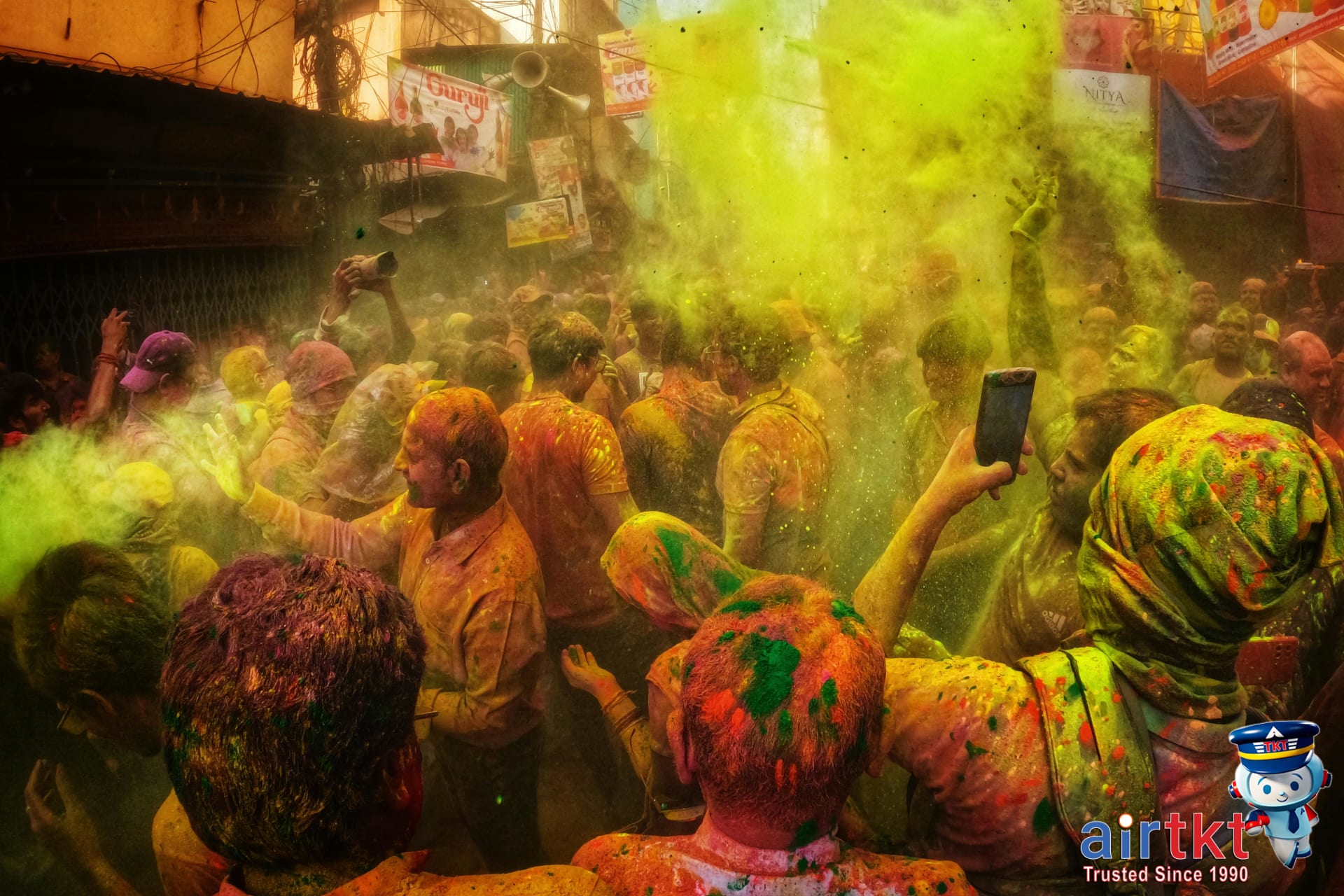
What Makes Holi Festival Unique
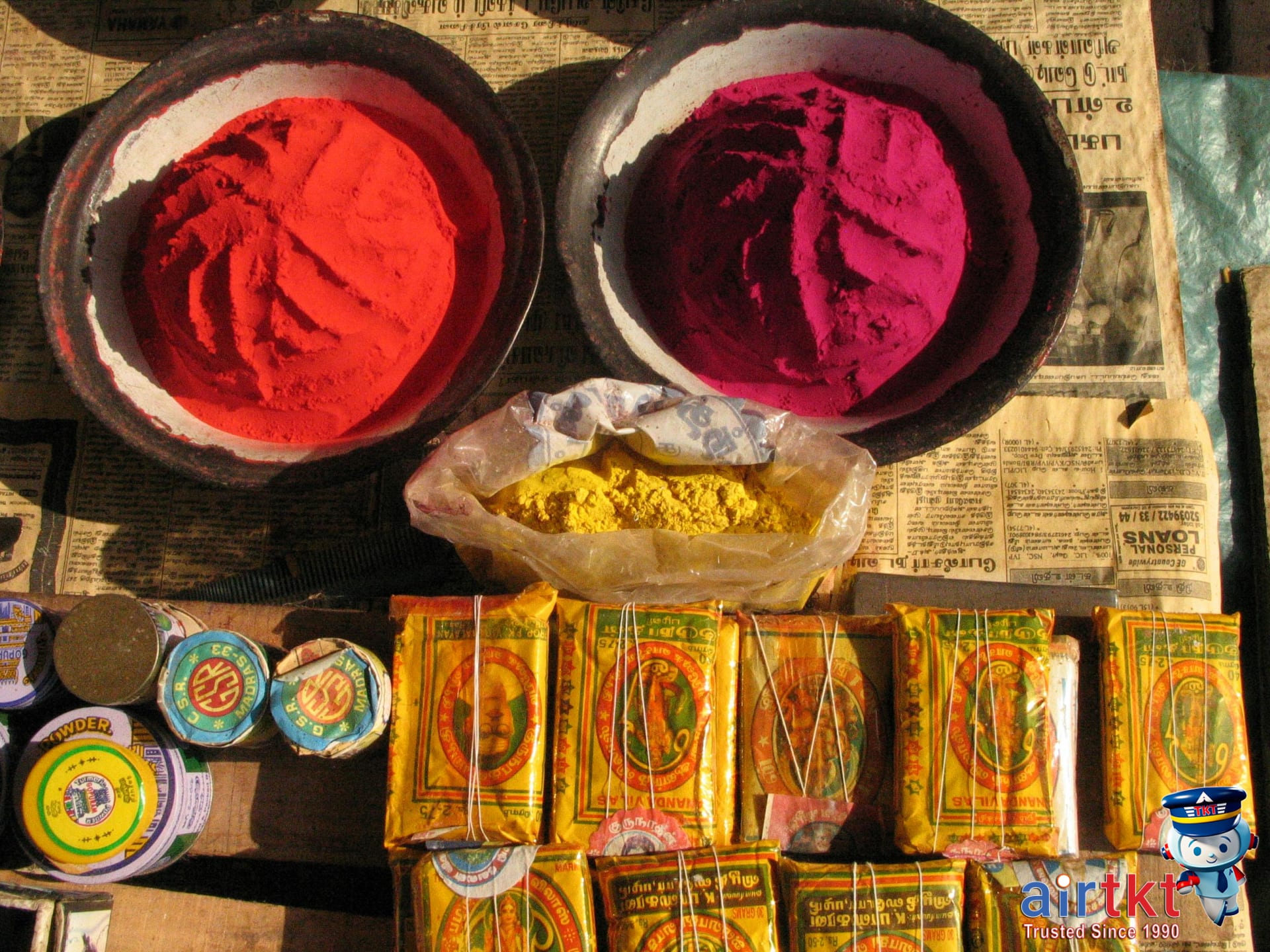
Holi, known as the Festival of Colors, marks the arrival of spring across India and celebrates renewal, joy, and the triumph of good over evil. As a Hindu festival rooted in mythology, Holi carries deep cultural and religious significance. The festivities typically begin with Holika Dahan—bonfires lit on the eve of Holi night to symbolize the burning away of negativity and the victory of positivity. The next day bursts into a joyful explosion of colors, with people gathering to playfully throw colored powders and splash water, filling streets and courtyards with vibrant hues and laughter.
Holi’s energy is infectious. I still remember stepping into a lively celebration, quickly becoming part of a swirling crowd, my clothes and hair layered in pink, yellow, and blue powder. It’s one of the few festivals where barriers seem to drop, and everyone—locals and visitors alike—joins in the fun.
While this article will focus on helping you experience Holi as a traveler, getting a sense of the festival’s origins is a great starting point. If you want an even broader insight into other Indian celebrations, I suggest checking out airtkt.com’s in-depth Guide to Indian Festivals before you dive in.
Best Holi Locations in India
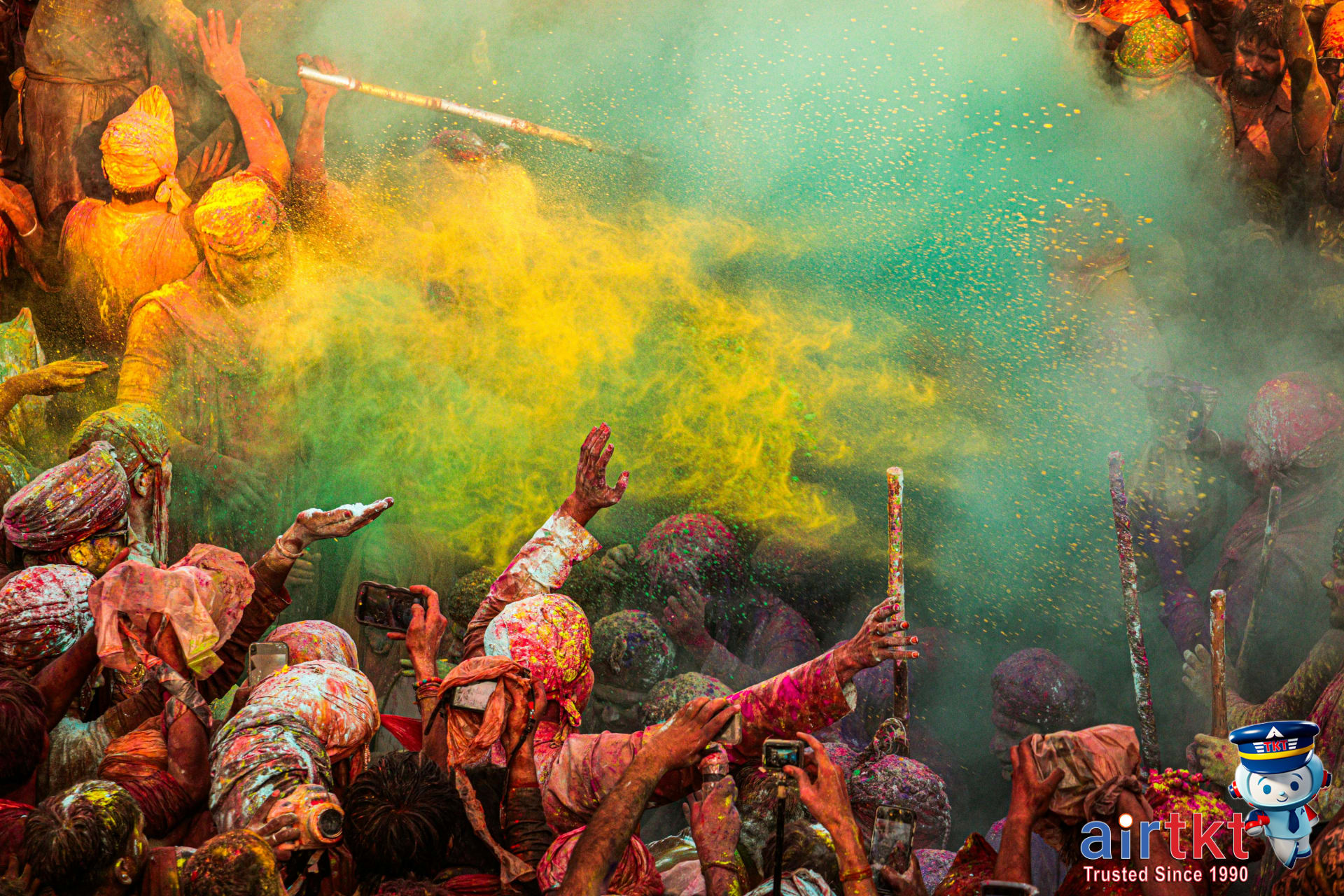
If you want to experience Holi’s wildest colors and deepest meaning, your best bet is to pick one of India’s iconic hotspots. I’ve visited a few of these legendary cities, and each one offers something special—whether you’re drawn to ancient rituals or more modern, high-energy fun. Let’s look at what makes Mathura, Vrindavan, Jaipur, and Barsana so memorable during Holi.
Mathura: Spiritual Heart of Holi
Mathura is widely seen as the birthplace of Lord Krishna, and Holi here feels deeply spiritual. Ceremonies begin days ahead with prayers in ancient temples, processions, and clouds of colored powder. When I walked through the old city during the festival, the devotion and joy were unmistakable—priests toss flower petals, drummers lead the crowds, and even locals from surrounding villages join in. If you love cultural immersion and want a sense of history, Mathura is hard to beat.
Vrindavan: Temple Festivities and Color
Just a short drive from Mathura, Vrindavan is another cornerstone of Holi magic. Temples like Banke Bihari are at the center of the action, where priests and worshippers play Holi together. Experience the Lathmar Holi here, which involves playful stick dances and spirited processions. I’d say the energy is slightly more boisterous here than in Mathura, but still rooted in tradition. For travelers keen on witnessing rituals up close, Vrindavan easily impresses.
Jaipur: The Royal Color Parade
In contrast, Jaipur throws Holi celebrations with a dazzling sense of showmanship. The Pink City’s streets come alive with drumbeats, folk dancers, and lively parades. I found the blend of local tradition and open-air street parties appealing—anyone can join public celebrations, and historical places like the City Palace offer special events. If you’re after energetic crowds and urban festivity, Jaipur is a fantastic pick.
Barsana: Playful Lathmar Holi
Barsana, near Mathura, is famous for the playful “Lathmar Holi,” where women playfully “beat” men with sticks in a tradition dating back centuries. The laughter and camaraderie here are contagious. While crowds can get packed, especially in the temple squares, you’ll witness a unique local spin on Holi you won’t find elsewhere—not just a party, but a spectacle of community spirit and humor.
If you’re planning an India trip around Holi, compare these destinations with what matters most to you: Mathura and Vrindavan lean spiritual and historic, Barsana is about tradition with a playful twist, and Jaipur sparkles as an accessible, festive city experience. For more ideas, the airtkt.com India Destination Guides cover more on where and how to celebrate Indian festivals.
Traditional Holi Rituals and Celebrations
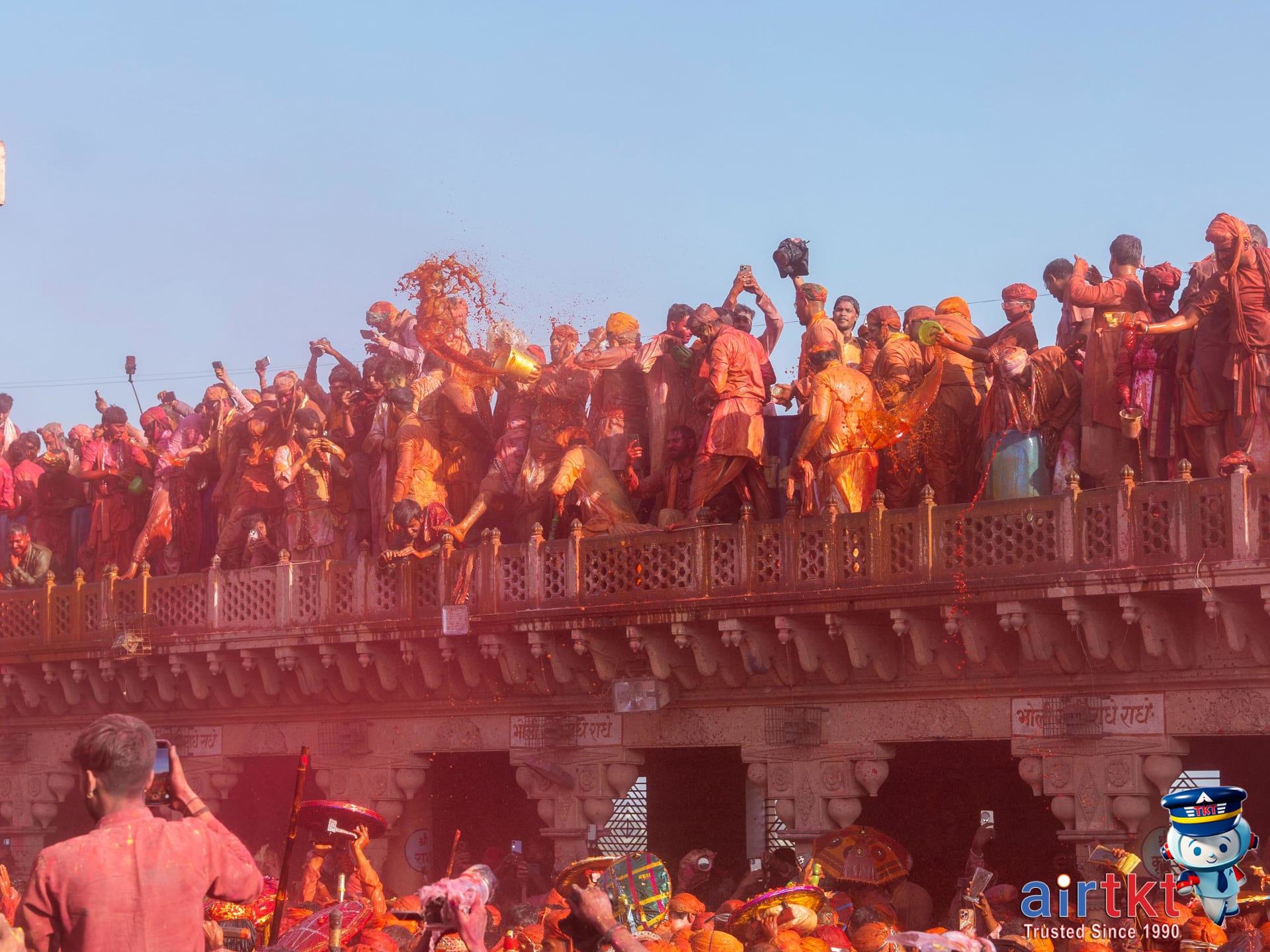
Holi is truly an explosion of tradition, community, and color. It begins the night before the main festival with Holika Dahan, where large bonfires light up streets and courtyards. This powerful ritual symbolizes the victory of good over evil, inspired by the ancient myth of Holika and Prahlad. As a visitor, watching families gather around these flames, offering prayers and sharing sweets, always feels both welcoming and deeply spiritual.
The next morning, the air shifts—this is when the real fun starts. People pour into the streets equipped with handfuls of gulal (colored powder), water balloons, and squirt guns. In my experience, the excitement is contagious, and before you know it, you’re swept up in the laughter and clouds of color. It’s all about playful chaos, but there are a couple of unspoken rules I try to remember: stick to natural dyes when possible and always check if someone wants to join in before tossing color their way.
Music and dance pulse through every corner during Holi. Whether it’s a sound system blaring Bollywood hits or drums being played live, the atmosphere encourages everyone—even shy dancers like myself—to move. Temporary dance circles form in public spaces, and strangers often become friends over a shared rhythm or a greeted “Happy Holi!” Nearby stalls and kitchens fill the air with the inviting scent of festive treats like gujiya (sweet dumplings) and thandai (spiced milk drink). Sampling these symbolic foods makes the day feel whole, especially when shared with locals or fellow travelers.
If you’re planning your trip around Holi, learning a bit of Indian cultural etiquette ahead of time goes a long way in making the celebration more enjoyable for everyone.
Essential Holi Travel Planning Tips

If you’re gearing up to experience Holi in India, nailing down your travel plans is the first essential step. Holi follows the Hindu lunar calendar and typically falls in March, but the exact dates shift every year. Since this colorful festival attracts massive crowds—both domestic and international travelers—preparing ahead makes a huge difference. I’ve found that booking flights and accommodation several months in advance made my own Holi experience far less stressful and gave me better choices, especially in cities known for major celebrations like Mathura, Varanasi, and Jaipur.
Book Flights Early For Holi
Flights around Holi get booked quickly, and last-minute options are rarely cheap. The airtkt.com platform offers some handy features: I usually start with their Lazy Fare tool to explore cheaper, flexible routes—even if it means a quick layover. Their Flexible Date Search is a lifesaver for spotting which days around the festival yield the lowest fares, while the Nearby Airport Search can help you nab savings by flying into alternates near your main destination. I’d suggest securing your tickets as soon as festival dates are announced. For more details on streamlining your booking, check out these AirTkt Booking Tips.
Reserve Accommodations With Prep
Hotels near Holi hotspots often fill up long before the festival. A little advance planning means more options and less chance of getting stuck far from the festivities. Booking through airtkt.com can help you lock in rates at your preferred location before they disappear—or spike in price.
What To Pack For Holi
The festival is famous for its bursts of colored powder and water, so don’t bring your favorite outfits. Pack older clothes that you’re comfortable getting stained. I always recommend closed-toe shoes with good traction (think old sneakers) to protect your feet in crowded, sometimes slippery streets. Add sunglasses to shield your eyes, a reusable water bottle to stay hydrated, and sunscreen for long spells outdoors. If you plan to take photos, consider a waterproof pouch or ziplock to keep your camera or phone protected from color powders and water splashes.
Holi Trip Budget Breakdown Guide
Planning for Holi is a balancing act—I always want to pack in the festivities, but not at the expense of my wallet. Comparing options ahead of time helps me prioritize where to splurge (think must-see events or a colorful stay) and where to keep things simple. Below you’ll find a practical breakdown of what a typical Holi trip can cost at different comfort levels, based on common traveler experiences and my own research.
| Budget | Mid-range | Luxury | |
|---|---|---|---|
| Accommodation | $18.00 | $55.00 | $210.00 |
| Food | $9.00 | $22.00 | $60.00 |
| Transport | $6.00 | $22.00 | $80.00 |
| Activities | $10.00 | $28.00 | $90.00 |
Holi is a season when prices can creep up quickly, especially for last-minute flights and centrally located hotels. One way I manage my spending is by using flexible tools and advance search options. Platforms like airtkt.com let you monitor deals and snag exclusive discounts during peak festival windows. That little bit of planning goes surprisingly far, whether you’re tracking fares from alternate airports, experimenting with flexible travel dates, or tapping into special seasonal offers that appear only for holidays like Holi.
If you’re looking for more ways to stretch your festival budget, check out the airtkt.com Deals and Discounts page before booking. Even a quick scan can uncover savings on airfare, hotels, and sometimes even festival activity packages—an easy win for anyone hoping to experience more of Holi without extra cost.
Where to Eat During Holi Festival
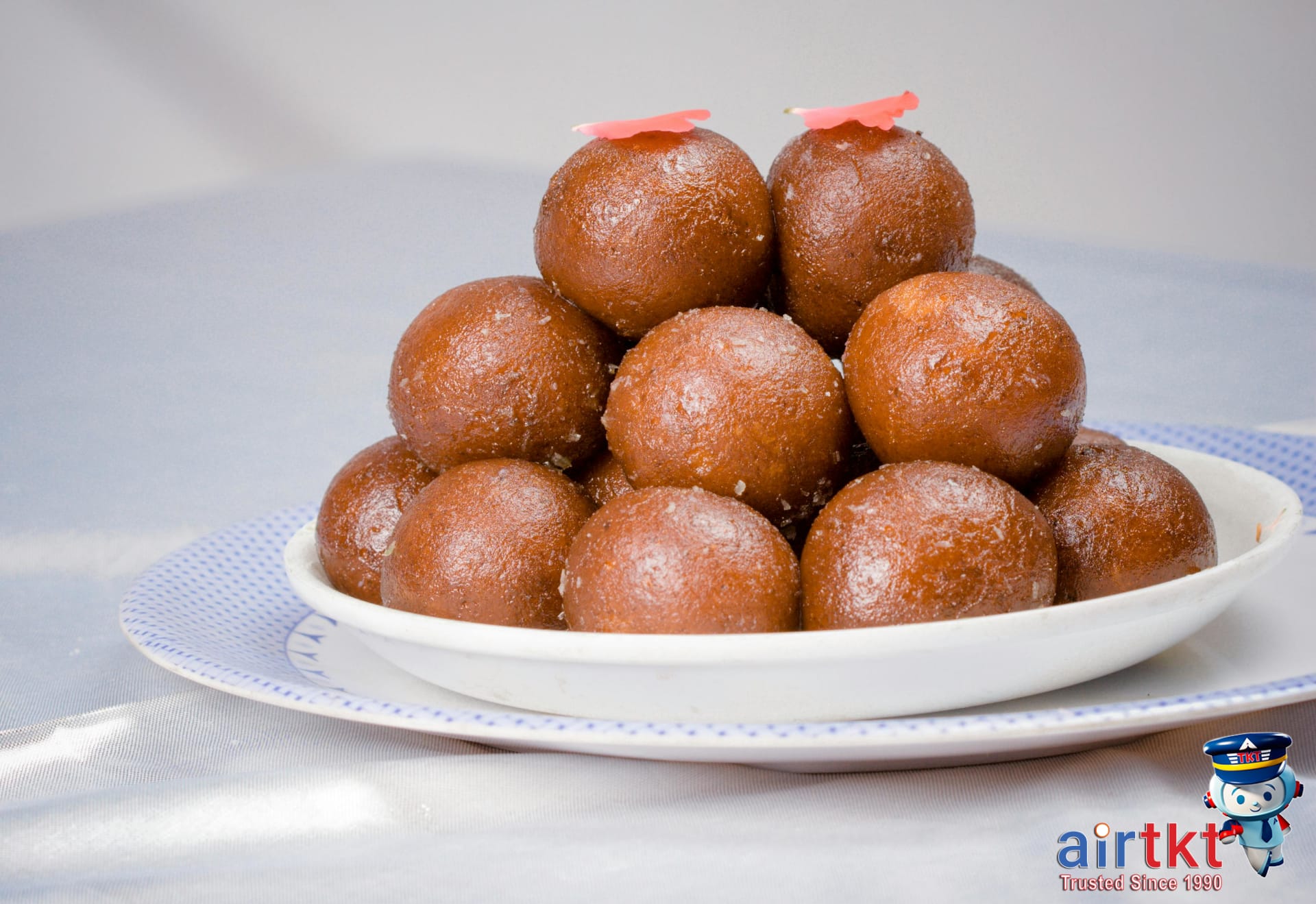
Holi isn’t just a festival of color—it’s a true celebration for food lovers. All across India, the air fills with the fragrance of fried sweets, spiced snacks, and cooling festival drinks. If you’re planning to experience Holi, sample as much as you can from the sprawling street stalls and home kitchens that become the heart of this holiday.
Gujiya, my personal must-have during Holi, is a crescent-shaped pastry stuffed with a sweet mix of khoya (milk solids), dried fruit, and coconut. You’ll see them everywhere, tempting you with their golden, sugar-kissed shells. And don’t leave without tasting thandai, a creamy chilled beverage made from milk, nuts, spices, and sometimes a hint of rose—a true respite after a day in the sun, and for me, an instant mood-lifter. Of course, there’s also the irresistible gulab jamun, soft syrup-soaked dough balls, and crunchy namkeen mixes, which bring both sweetness and a savory crunch to any Holi spread.
When I’m roaming festive streets, I always gravitate toward bustling stalls—lively places where the food moves quickly and ingredients are fresh. That’s how I discovered my favorite jalebi: the batter was fried right before my eyes, coiled into golden spirals, and dunked into warm syrup. Listening for sizzle and watching the preparation helps me pick out trustworthy vendors. For more practical advice on enjoying Indian snacks and sweets, check out our Indian Street Food Guide for tips on what—and where—to eat during festival season.
Top Safety Tips for Holi Travelers
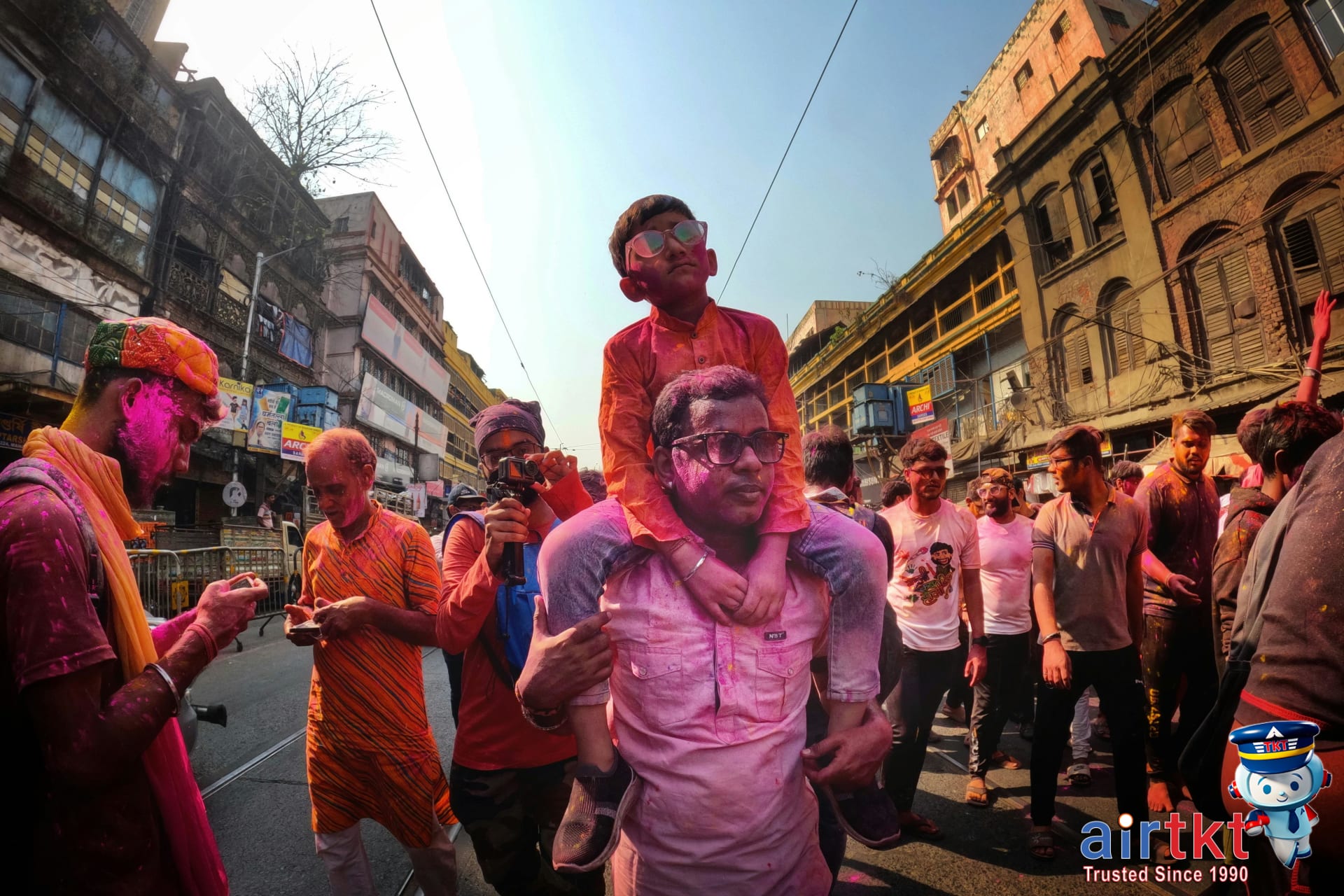
Holi’s rush of color and community spirit can be thrilling, but I can’t overstate how important it is to keep your health and safety in mind. The powders thrown during Holi are the star of the show, so start by choosing natural, skin-friendly colors. Synthetic powders sometimes contain irritants—your skin and eyes will thank you for seeking botanical or herbal options from trusted local vendors.
Shield Skin and Eyes
It’s smart to layer on light, full-sleeved clothing to reduce direct skin contact. I also suggest applying coconut oil to exposed areas; it helps prevent the colors from sticking and makes washing up far easier. Sunglasses act as an effective (and stylish) barrier for your eyes, shielding them from stray color dust. If you wear contact lenses, switch to regular glasses for the day—it’s a simple precaution but can make a big difference in avoiding discomfort or infection.
Stay Hydrated, Avoid Crowds
The energy around Holi can be contagious, and festivities often spill into packed streets and squares. I’ve learned it’s wise to keep a reusable water bottle on hand and sip regularly. Dehydration sneaks up fast, especially under the midday sun. Don’t hesitate to step back from the most congested areas if things feel overwhelming. It’s completely fine to enjoy the sidelines—sometimes, the best photos and most memorable moments are caught from a little distance away.
If you’re looking for more practical precautions and health strategies, you might want to review our Health and Safety Tips for India Travelers guide before you celebrate.
Frequently Asked Questions About Holi
- What is Holi, and why is it celebrated?
Holi is a major Hindu festival known for its colorful powder-throwing, lively music, and joyful gatherings. It’s celebrated to mark the arrival of spring and the victory of good over evil. In my experience, learning about the festival’s origins really helps deepen your appreciation for the celebrations.
- When does Holi usually take place each year?
Holi falls on the full moon day in March, though the exact date changes yearly based on the Hindu lunar calendar. I always recommend checking the festival dates for your preferred year before starting your travel planning, since celebrations can vary depending on the region.
- Where are the best places to celebrate Holi in India?
Popular destinations include Mathura and Vrindavan, both known for vibrant public festivities. Jaipur and Delhi also offer lively Holi events while providing easier flight access. Choosing your location depends on whether you want a traditional experience or easier travel connections—it’s worth comparing options to match your preferences.
- What should I wear to Holi celebrations?
Stick to inexpensive, light-colored clothing as the festival’s colored powders can permanently stain fabrics. White cotton shirts and comfortable trousers are common. I always pack a pair of sunglasses and a scarf to help protect my eyes and face from stray color during the festivities.
- Any travel safety tips for celebrating Holi as a visitor?
For visitors, staying in well-trafficked festival areas, securing valuables, and using non-toxic color powders are practical precautions during Holi. It’s best to move with a group and keep your phone protected in a zip-lock bag. Staying hydrated and setting a meetup spot with companions also help.
- How far in advance should I book flights for Holi?
I usually book flights at least a few months ahead of Holi, especially for popular Indian cities like Delhi or Mumbai, since seats fill up quickly. Using fare alerts on airtkt.com can help you spot lower prices if you’re on a flexible schedule.
Why Holi Leaves a Lasting Impression
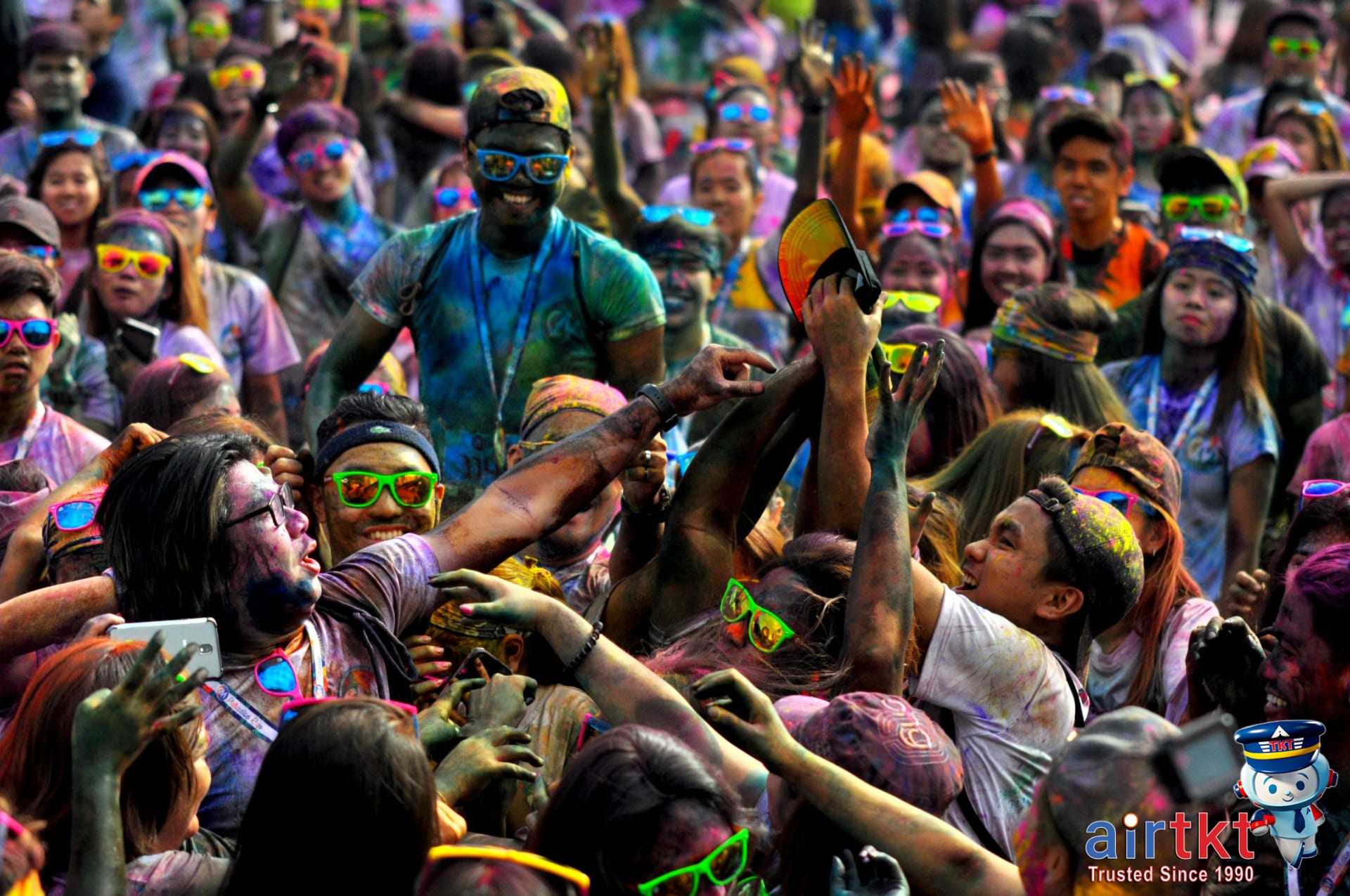
Traveling to India for Holi isn’t just about experiencing vibrant colors—it’s about diving headfirst into a cultural event that brings communities together through joy, music, and tradition. Holi sweeps you up in a whirlwind of laughter and shared celebration, making it one of those rare festivals that welcomes all, no matter where you’re from or how you travel.
What stands out for me is how Holi lingers in your memory long after the colors have washed away. There’s an openness during this festival—strangers become friends, and every street bursts with the sound of celebration. Participating felt less like being a tourist and more like sharing in a tradition that connects generations.
India’s Holi is truly a must for anyone seeking an authentic festival experience. The sensory overload, the traditions, and the spontaneous moments are what set it apart. If you’re curious about planning your own Holi adventure, I’d suggest starting with the airtkt.comIndia Travel Guide—it’s packed with details for both festivals and broader destinations.
One last word: Holi’s energy is irresistible, but it’s important to join in respectfully. Dressing modestly and being mindful of local customs not only shows respect but also helps you feel more welcome in every gathering. In a festival built on community spirit, that’s what matters most.