
What Costa Rica’s Green Season Means
If you’re planning a trip to Costa Rica, you’ll quickly hear about the “green season.” This is the local term for what much of the world calls the rainy season. In Costa Rica, the green season typically stretches from May through November. During these months, you can expect more rainfall—especially in the afternoons and evenings—while the mornings often stay sunny and bright.
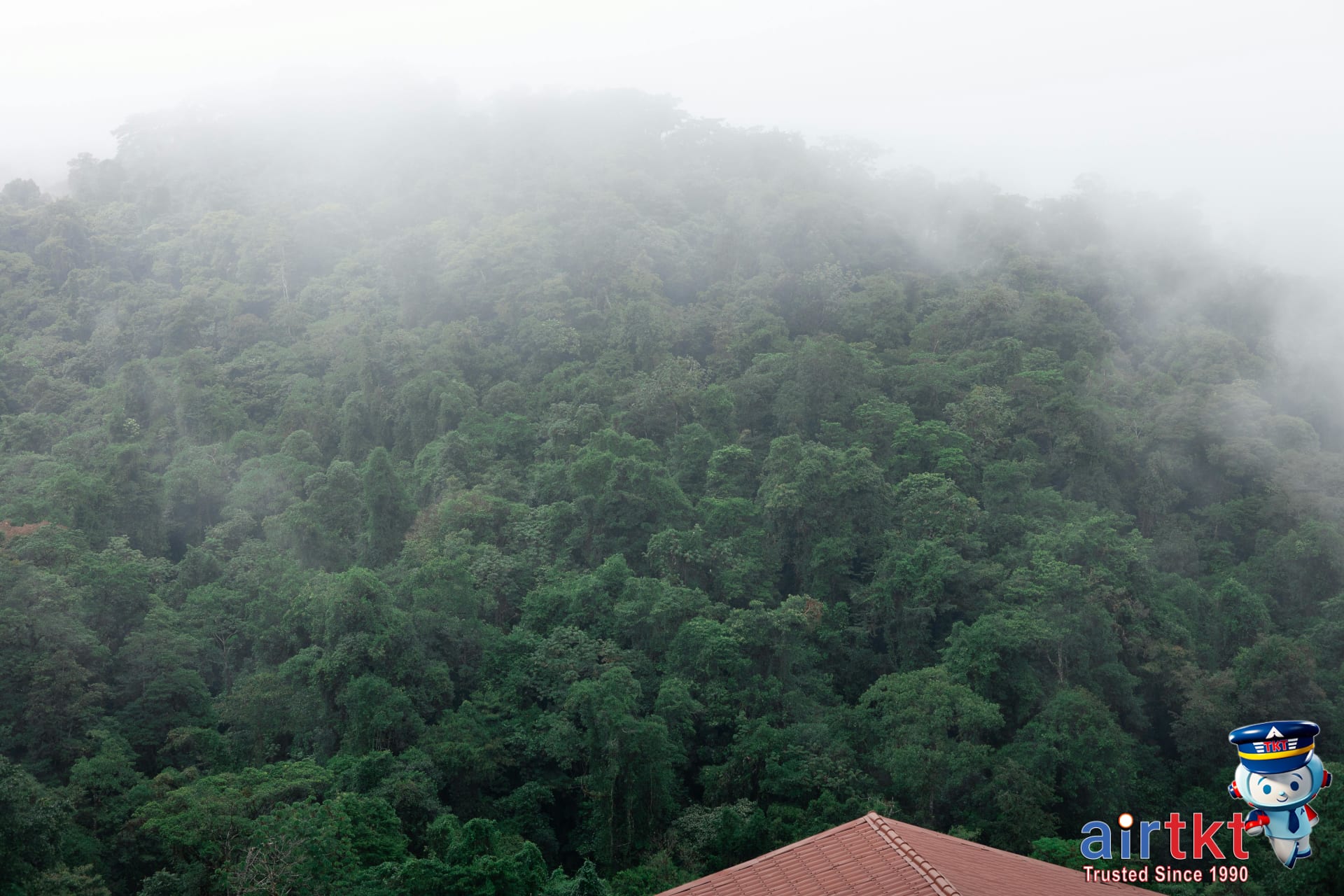
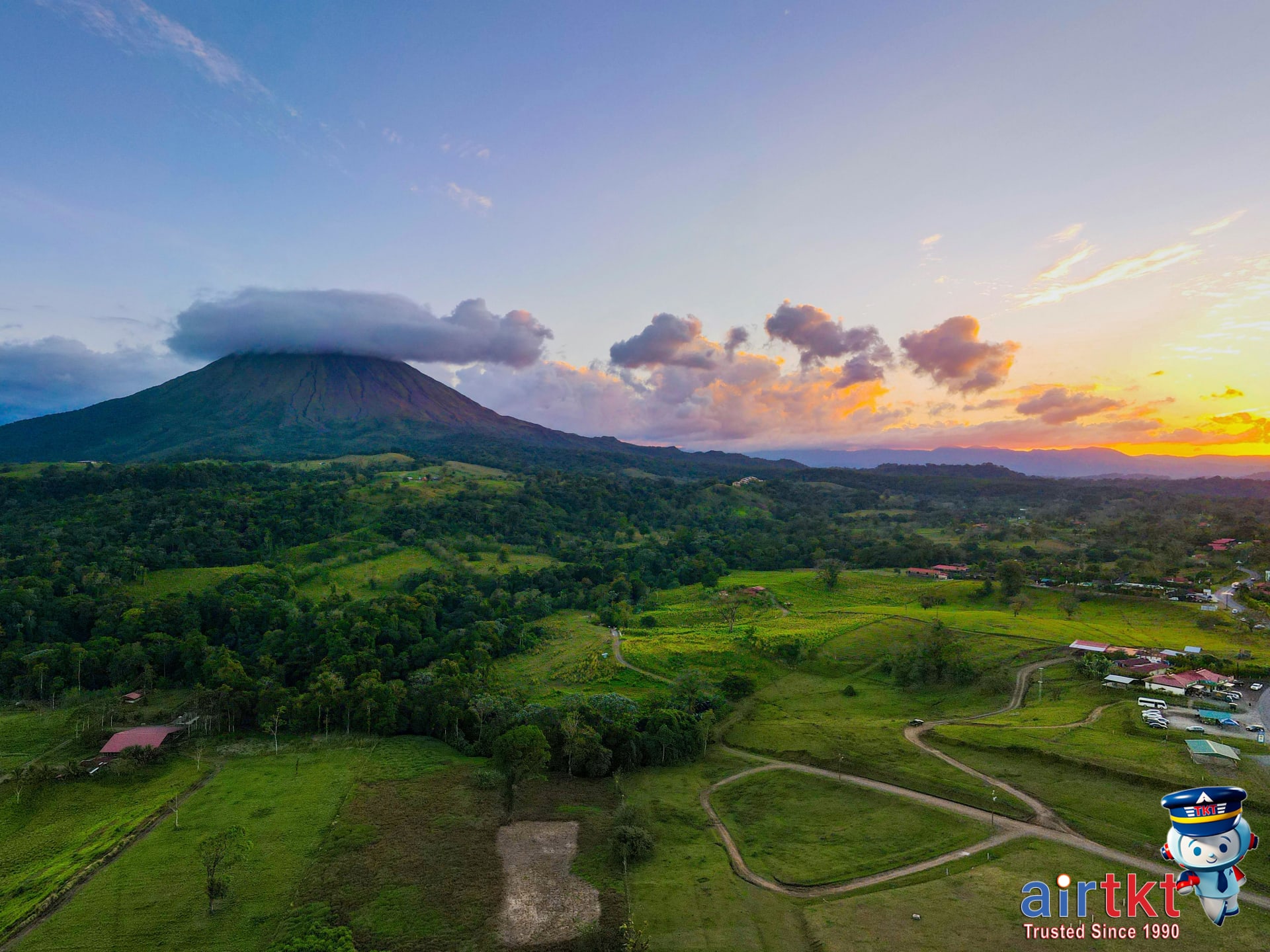
One of the unique things I’ve noticed when traveling Costa Rica during this time is how the landscape really transforms. The forests and hills look more alive than ever, with deep shades of green, blooming flowers, and rivers running strong. Waterfalls are especially stunning, and wildlife tends to be more active and visible. Because many travelers aim for the dry season, you’ll also find the green season feels quieter at top attractions and popular beaches—an appealing bonus if you like a bit more space.
For first-time visitors, the green season can be both a surprise and a highlight. The wetter weather not only rejuvenates the scenery, but also brings great value for those who don’t mind a few afternoon showers. If you’re mapping out your trip, you might want to check out a beginner’s guide to Costa Rica travel essentials on airtkt.com before you go.
Why Rainy Season Is Worth Considering
Traveling during the rainy season has taught me that some of the best travel moments happen when destinations are a little quieter. While a rain shower might seem like a drawback at first, the benefits can far outweigh the need for an umbrella. In fact, one of the biggest draws is the potential for significant savings—especially if you’re watching your travel budget closely.
You’ll notice that flights, hotels, and tours often cost less during rainy months, as demand typically drops. For example, hotels in popular spots might go for about $80.00 per night instead of their dry season price. Scoring cheaper airfare isn’t a bad perk, either. If you’re eyeing a trip now, check out airtkt.com’s best fare deals, which often feature off-season discounts hard to match at peak times.
Fewer Crowds, More Authenticity
Visiting famous landmarks and parks is just more pleasant when you’re not fighting through lines of tourists. The rainy season can transform popular sites into tranquil escapes, letting you see places the way locals do. In my experience, smaller crowds make everything—from museums to street markets—feel friendlier and more relaxed. Restaurants are less packed, and spontaneous reservations become a real possibility.
Pleasant Weather and Wildlife
Don’t underestimate what a few rain showers can bring. You’ll often enjoy cooler, more comfortable temperatures compared to the dry season’s heat. Rain can also make landscapes greener and rivers fuller, creating photo-worthy moments. Plus, certain animals are more active or easier to spot during this time—if you’re into birdwatching or hoping to see unique wildlife displays, the rainy season may surprise you.
Wildlife Viewing with Fewer Crowds
Visiting Costa Rica’s parks during the rainy or “green” season often means sharing trails with only a handful of other travelers. Some of the most visited spots, like Manuel Antonio or Tortuguero National Park, become much more peaceful as visitor numbers drop. This makes it much easier to tune in to nature’s rhythms—birdsong is clearer without the chatter of large tour groups, while quietly waiting near a river or lagoon means you’re far less likely to startle the wildlife you’re eager to see.
With lighter foot traffic, you’ll notice more wildlife behaving naturally. Frogs, for instance, thrive in the wetter months, and I’ve found Cahuita National Park particularly rewarding for spotting vibrant red-eyed tree frogs and awake poison-dart frogs—especially right after a morning rain. You’ll also increase your chances of seeing coatis, iguanas, sloths, river turtles, and a vibrant spectrum of birdlife. Birdwatchers, take note: the rainy season brings out toucans, motmots, herons, and plenty of migratory species taking advantage of the lush food supply. For inspiration on which park matches your wildlife wish list, check out our guide to Costa Rica’s top national parks.
Maximize Your Time for Wildlife
Early mornings are best for wildlife watching in Costa Rica since many animals are active before the day heats up and before the rains settle in. I usually recommend joining a guided wildlife walk around 6:00 or 7:00 a.m.—experienced guides spot elusive creatures long before I do on my own. When you’re on trails or in boats, keep noise to a minimum, never feed wildlife (it disrupts their behavior and diet), and always respect their space. A little patience goes a long way here, and it pays off quickly with memorable, up-close encounters.
Budget-Friendly Options and Discounts
One of the best-kept secrets in travel is how much you can save during the green season. Hotels and eco-lodges often slash their rates, and you’ll frequently find rooms that usually go for much higher available for about $60.00 per night at reputable mid-range stays. Booking local tours and guided experiences can also be less expensive — I’ve personally saved roughly 30% on a zipline adventure and had smaller group experiences because demand was lower.
If you’re looking to stretch your budget even more, keep an eye out for special promotions around local holidays. Many Costa Rican hotels and tourism boards run campaign-specific deals, so signing up for regional tourism emails or checking discount boards can pay off. I usually recommend travelers check these before booking directly, since I’ve seen last-minute offers drop a night’s stay to about $40.00 or bundled packages with activities thrown in.
Advance Bookings Save More
Flights and car rentals are generally cheaper when you book several weeks ahead. Many major airlines lower their fares during the green season, especially if you’re flexible with dates. For my last trip, booking flexible flights on airtkt.com dropped my fare by about $120.00 compared to waiting until closer to departure. Car rental companies also tend to have lower daily rates, and you’ll often pay around $25.00 per day if you reserve early rather than at the counter.
How to Find Hidden Local Deals
Local deals are everywhere if you know where to look. Supermarket bulletin boards, hostel event flyers, and community Facebook groups can all clue you in to discounts on everything from guided hikes to surf lessons. I’ve found excellent savings — like a waterfall tour with lunch included for around $35.00 — just by asking locals or surf shop owners about current deals.
Lush Landscapes and Natural Beauty
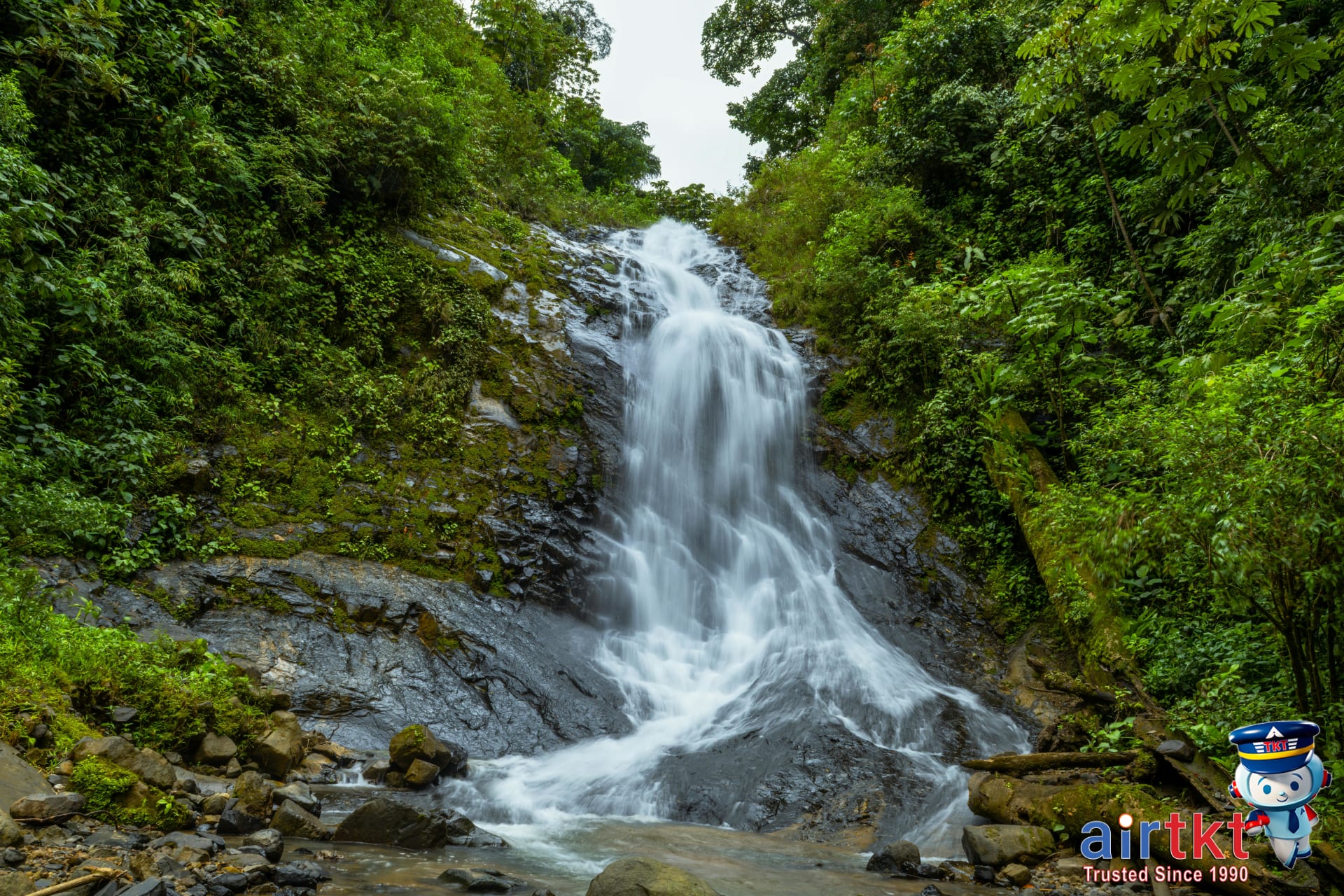
When the rainy season sweeps across Costa Rica, the transformation of its landscapes is nothing short of extraordinary. The hillsides and valleys turn a dazzling green, with rainforest canopies growing denser and more vibrant. You’ll hear the rush of swollen rivers, the distant song of frogs, and the gentle patter of rain on enormous leaves. Waterfalls, which sometimes slow to a trickle in the dry months, suddenly roar back to life, cascading down cliffs with mesmerizing power.
One of my favorite places to witness this seasonal spectacle is the Nauyaca Waterfalls. During the green season, the falls are especially thunderous, surrounded by a lush carpet of moss and wildflowers—truly one of Costa Rica’s must-see spots if you love dramatic natural scenery. The rainy months also coax out rare blooms like orchids hidden deep in the cloud forests, and vibrant heliconias and gingers light up the ground beneath the trees. It’s worth bringing a camera: after a rainfall, the leaves glisten, water droplets catch the slanting sun, and mist hangs along the valleys for spectacular photos you just won’t get in the dry months.
Nature Walks in the Rain
Trails wind through thick jungle, and morning walks reveal trees dripping with moisture and birds emerging to feed. You might spot eye-catching red-eyed tree frogs closer to the trails, and it’s common to find mushrooms and unusual fungi thriving on fallen logs. In my experience, even popular nature reserves feel quieter—many travelers avoid a bit of mud, which makes for more peaceful hikes. If you want inspiration for your own adventure, I’d recommend checking out a dedicated photo gallery or nature trail guide before you travel, so you know what to look for when you head out.
Eco-Tourism Opportunities in Green Season
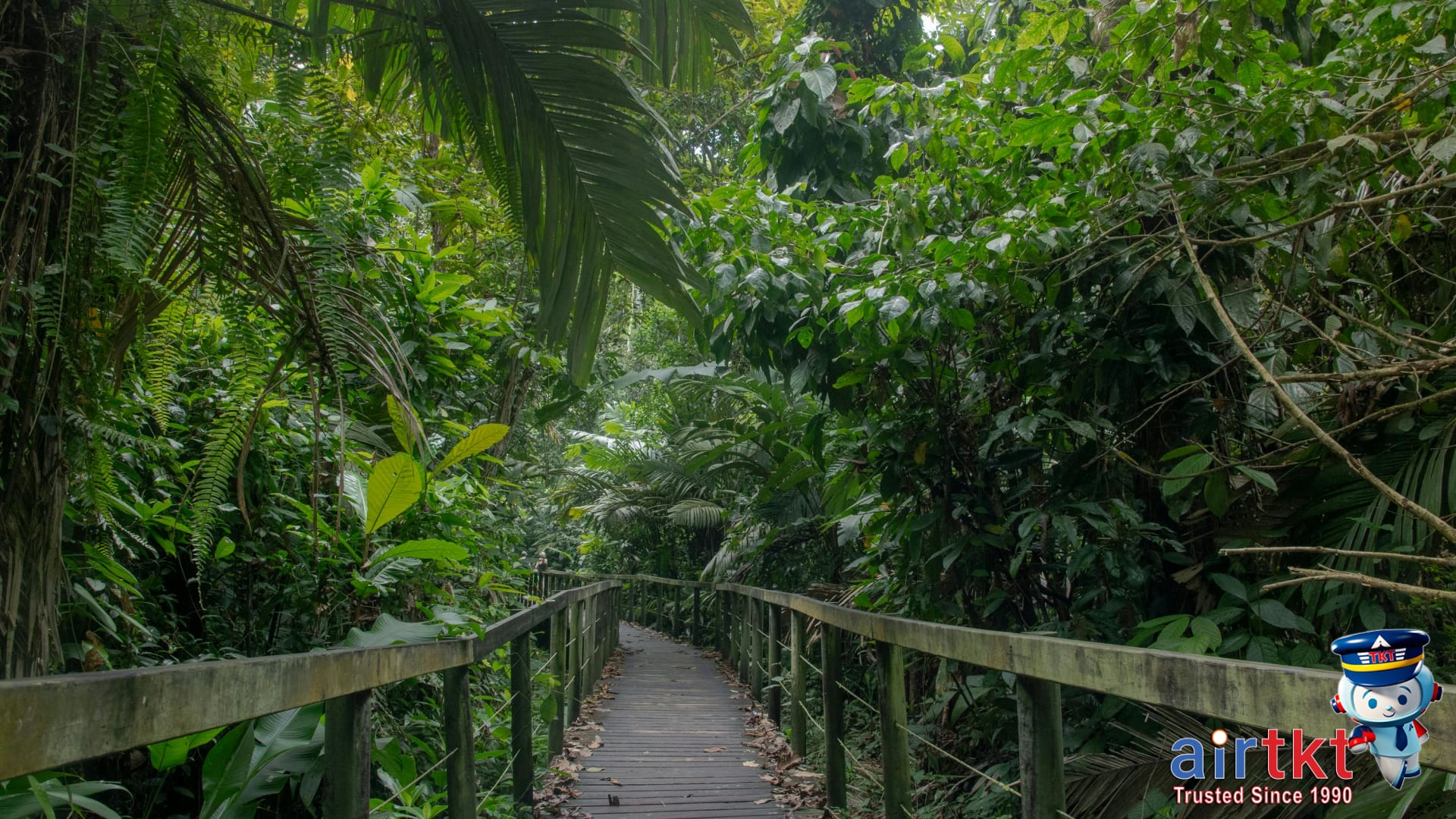
Green season in Costa Rica is a fantastic time to experience eco-tourism at its most vibrant. The rain brings the rainforest alive—everything is lusher, wildlife is abundant, and there’s a different kind of magic on guided hikes or during nighttime turtle nesting tours. In my experience, joining a conservation-focused turtle nesting walk was the most memorable way to witness nature’s drama, all while contributing to real preservation work.
Popular eco-activities include guided treks through mist-draped cloud forests, birdwatching in rich habitats, and hands-on days with local reforestation teams. Turtle nesting tours, especially on the Pacific and Caribbean coasts, are led by conservation groups from May through early fall. You’ll learn about endangered species like the Olive Ridley or leatherback turtles and, if conditions are right, help monitor nests or protect hatchlings as they make their way to the sea.
Responsible travel is key during the rainy season when trails can be fragile. Certified eco-lodges, such as Rancho Margot or Lapa Rios, operate year-round and invest in both conservation and community projects. For excursions, consider local guides and tour companies with sustainability certifications, such as the Costa Rican Certification for Sustainable Tourism (CST). These organizations minimize environmental impact and promote local stewardship—including limits on group sizes, eco-friendly transport, and low-impact activities.
If you’re aiming to travel mindfully, research ahead and seek reputable providers who are transparent about their environmental policies. I usually check for up-to-date information on waste management, water conservation, and community engagement before booking a stay or activity. For more tips, you might want to read our full guide on sustainable travel in Costa Rica.
Practical Travel Tips for Rainy Weather

Rainy season travel isn’t something to dread—if you’re prepared, it can actually be pretty enjoyable. The right clothing really does make all the difference. Waterproof jackets with hoods, lightweight rain pants, and shoes made from quick-dry or water-resistant materials are must-haves. I learned the hard way in Costa Rica that packing just one rain jacket wasn’t nearly enough; now, I always include a couple of quick-dry layers and a backup pair of socks.
Footwear deserves some special attention. Waterproof hiking shoes or sandals with good grip not only keep your feet dry but help prevent slips on muddy trails and slick city streets. If you’ll be out in heavy downpours, consider packing a pair of anti-blister socks as well. For everyday wandering, tuck a compact umbrella and a packable poncho into your day bag—they’re lightweight and can save your plans from getting derailed.
Timing is everything during the rainy season. In many places—like tropical destinations—the rain tends to fall mostly in the afternoon. Schedule outdoor excursions and sightseeing for earlier in the day, then use the wetter hours for museum visits, cozy cafés, or a well-deserved nap. I’d suggest checking local weather patterns for your destination before making any fixed reservations, as flexible planning means fewer weather headaches and more spontaneous fun.
Don’t forget about your electronics. Waterproof cases or sealable plastic bags will protect your phone, camera, and passport from accidental splashes. Even a small stash of silica gel packets helps cut down on moisture if things do get damp inside your bag. It’s smart to store backup chargers or power banks somewhere dry, in case you have to wait out a storm in your hotel or a bus station.
If you’re looking for a more detailed breakdown, check out my packing list for rainforest travel for extra ideas that work in most rainy destinations.
Costa Rica Green Season Budget Planning
Planning your Costa Rica green season trip means understanding what your daily budget can really get you. You don’t need to spend a fortune to enjoy lush rainforests, empty beaches, and vibrant markets, but your experience will differ based on how—and where—you choose to spend. Here’s a breakdown of realistic costs and what to expect at each tier, plus tips for making your dollar stretch further during the green season.
| Accommodation | Food | Transport | Activities | |
|---|---|---|---|---|
| Budget | $35.00 | $12.00 | $9.00 | $15.00 |
| Mid-range | $80.00 | $25.00 | $27.00 | $50.00 |
| Luxury | $210.00 | $65.00 | $90.00 | $120.00 |
What’s Included at Each Tier
At the budget level, you’ll usually get a basic room or hostel bed, simple but hearty local meals, public buses, and self-guided or small-group tours. Going mid-range often means boutique hotels, a mix of local and international restaurants, some private transfers, and guided day tours with added comfort. Luxury travelers can expect resort suites, gourmet dining, private SUVs or domestic flights, and custom activities like private wildlife excursions.
Stretching Your Green Season Budget
Green season (May to November) is when Costa Rica is especially kind to value-seekers. Discounts on rooms and activities are common, and you’ll have more negotiating power for tours or car rentals. I found I could stretch my trip longer by picking accommodation deals and skipping some big-ticket excursions, which let me make the most of my green season visit.
To save even more, try:
- Eating at family-run sodas instead of tourist restaurants
- Using shared shuttles or public transport instead of taxis
- Prioritizing free activities like hiking local trails or visiting public beaches
- Snapping up early-bird hotel specials—see airtkt.com‘s hotel booking tips article for detailed guidance
FAQs About Green Season Travel

- Is it safe to travel to Costa Rica during green season?
Green season in Costa Rica is generally safe for travelers, but I’d pay close attention to local weather updates since afternoon rains are common. It’s smart to check the road conditions, especially in rural or mountainous areas, and plan extra travel time just in case.
- What should I expect weather-wise during green season?
You can expect showers most afternoons, with mornings usually sunny or partly cloudy. The rain brings out lush scenery and cooler temperatures. I always recommend packing a reliable rain jacket, as weather can shift quickly—and planning outdoor activities for earlier in the day.
- Are flights and hotels cheaper during green season?
Flights and hotels are often more affordable during Costa Rica’s green season. I’ve found that many accommodations offer off-peak rates, and you might see lower airfare deals using flexible search tools on sites like airtkt.com. Just plan ahead, since holiday periods can still fill up quickly.
- What are the best activities in rainy season?
Some of the best activities in Costa Rica’s green season include white-water rafting, wildlife watching, and soaking in natural hot springs. The rain fills rivers and waterfalls, making them impressive. I prefer guided hikes early in the morning, when wildlife is more active and rain is less likely.
- Are certain regions drier or better for travel?
The Caribbean coast and northern lowlands generally get less rain during the green season. If you want better odds of dry weather, consider areas like Tortuguero or Guanacaste. I usually compare forecasts across regions before booking, since “green season” patterns can shift from year to year.
- Will attractions or tours be closed in green season?
Most major attractions and tours remain open during the green season, though some smaller operators may pause or adjust schedules if storms are severe. I check directly with tour providers and have a backup plan ready, just in case weather temporarily disrupts certain activities.
- How can I prepare for unpredictable weather on my trip?
I learned that packing quick-dry clothes, sturdy footwear, and a waterproof bag keeps you ready for sudden downpours. Always have a flexible itinerary, so if one plan gets rained out, you can switch to another. Staying adaptable really makes green season travel less stressful.
Answering these common questions helped me feel more prepared before my first green season trip to Costa Rica. If you’re still curious about broader travel considerations, you’ll find even more details in our Costa Rica travel FAQ and Weather Guide.
Why Visit Costa Rica’s Green Season
Costa Rica’s green season doesn’t just mean rain—it’s a chance to experience quieter trails, vibrant jungle landscapes, and friendlier prices. You’ll spot more wildlife (from monkeys to resplendent quetzals), support local communities in a less crowded time, and take advantage of more affordable hotels and activities.
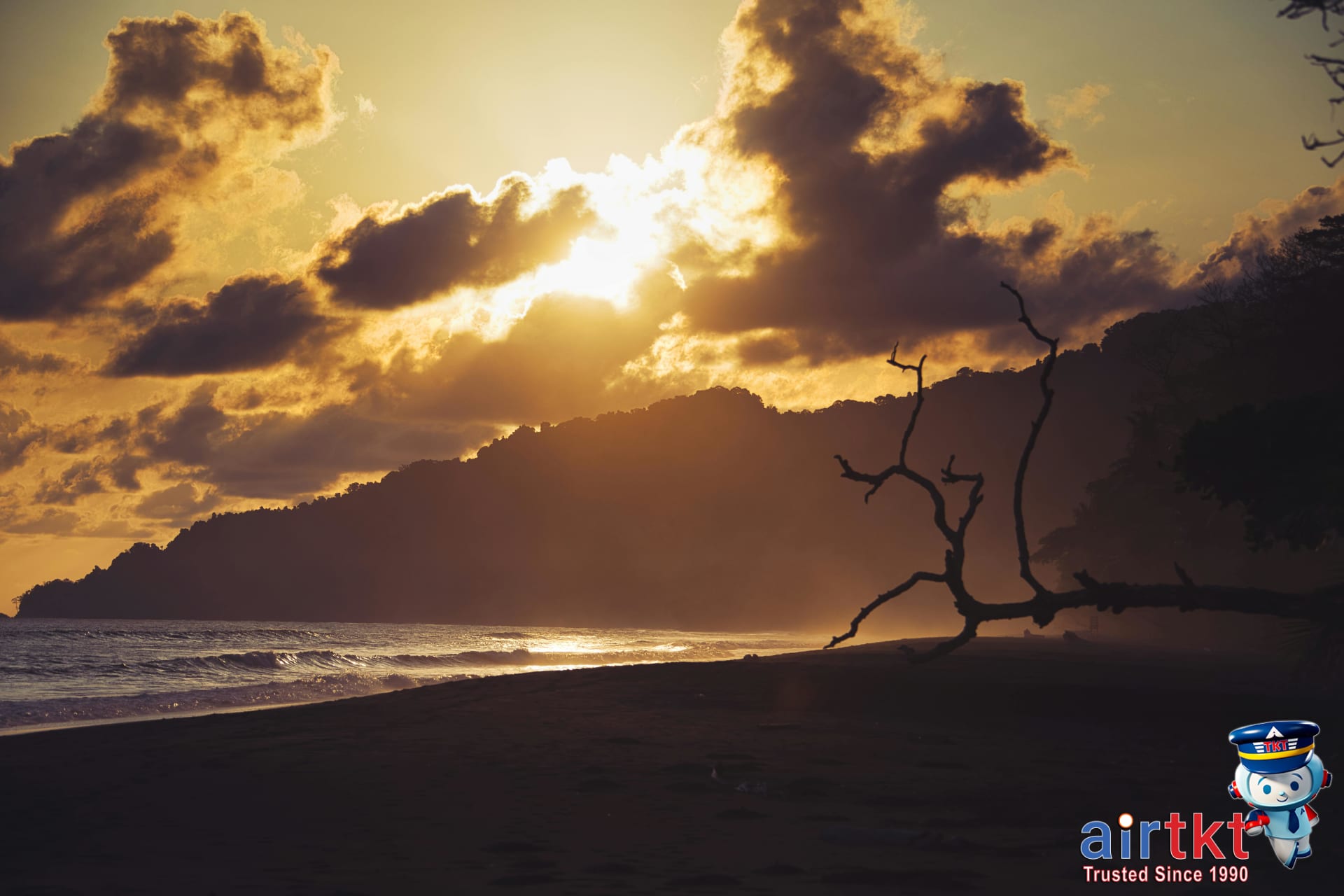
If you pack the right rain gear and keep your itinerary flexible, those afternoon showers rarely disrupt plans for long. In my experience, the dramatic sunsets and misty mornings of the green season are what make Costa Rica unforgettable. Plus, it’s easier to truly connect with the country’s natural beauty when there are fewer tour buses lining every park entrance.
If you’re considering a trip, don’t overlook searching for flights and hotels during this season—using airtkt.com’s flexible date search makes it easier to compare affordable travel windows. The rainy months offer a different rhythm that rewards those who come prepared and open-minded.