
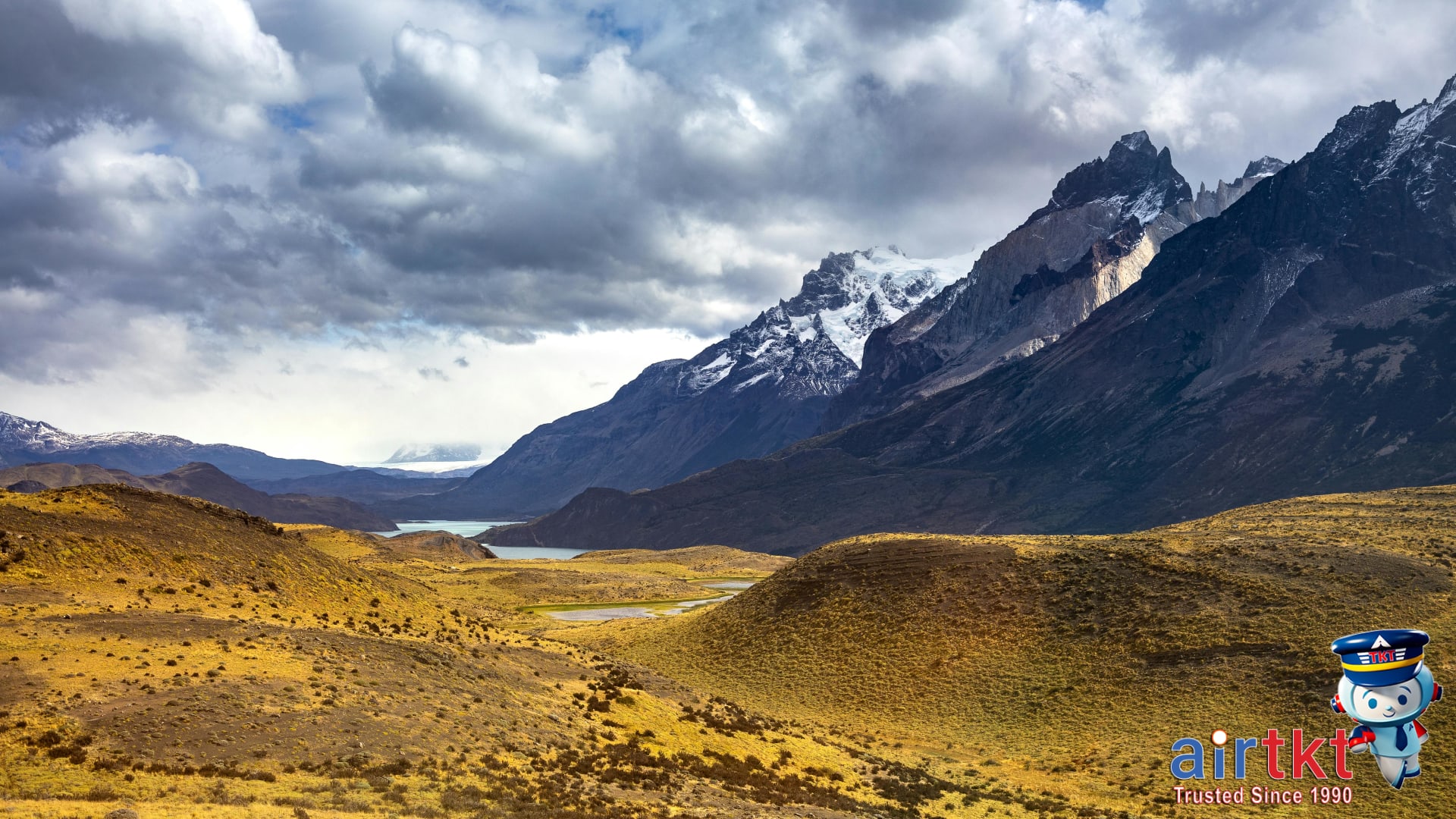
Patagonia’s Geography: Iconic Natural Highlights
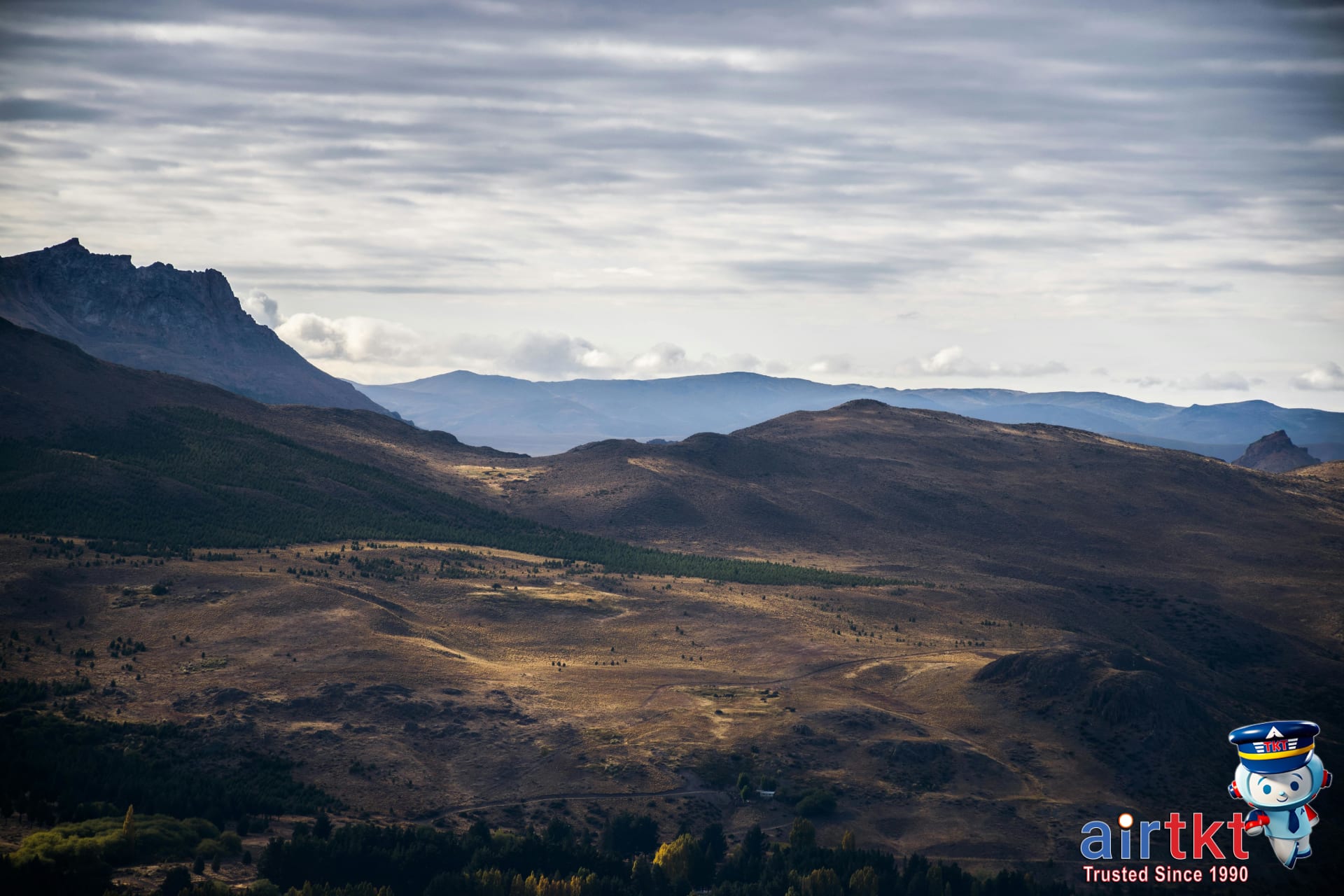
Patagonia stretches across the southernmost regions of Chile and Argentina, a vast expanse that immediately strikes you with its sheer scale and drama. I still remember that moment stepping out of the transfer van after a long day’s journey—every horizon seemed endless, punctuated by jagged peaks and rolling grasslands as far as I could see. This region sits at the tip of South America, split by the towering Andes mountains that act as a rugged spine between the two nations.
One of the defining features of Patagonia’s geography is its stunning variety. The Chilean side is famed for its dramatic fjords, lush temperate rainforests, and the granite towers of Torres del Paine National Park. Argentina, meanwhile, showcases the steppes and expansive plains of the Pampas as well as mythic peaks like Mount Fitz Roy. Perhaps nowhere is Patagonia’s frozen power more evident than at the Perito Moreno Glacier, a living wall of ice that regularly calves giant icebergs into milky-blue lakes.
Patagonia’s changing geography is a big part of why it’s such a trekking paradise. Trails here wander from dense forests into high alpine regions, past blue-green glacial lakes and along windswept plains that seem to shift with every hour. The terrain keeps you on your toes, demanding both stamina and a healthy curiosity. For a smooth start, I’d recommend browsing essential trekking essentials for South America before planning your first Patagonian hike.
Essential Preparation For Patagonia Trekking
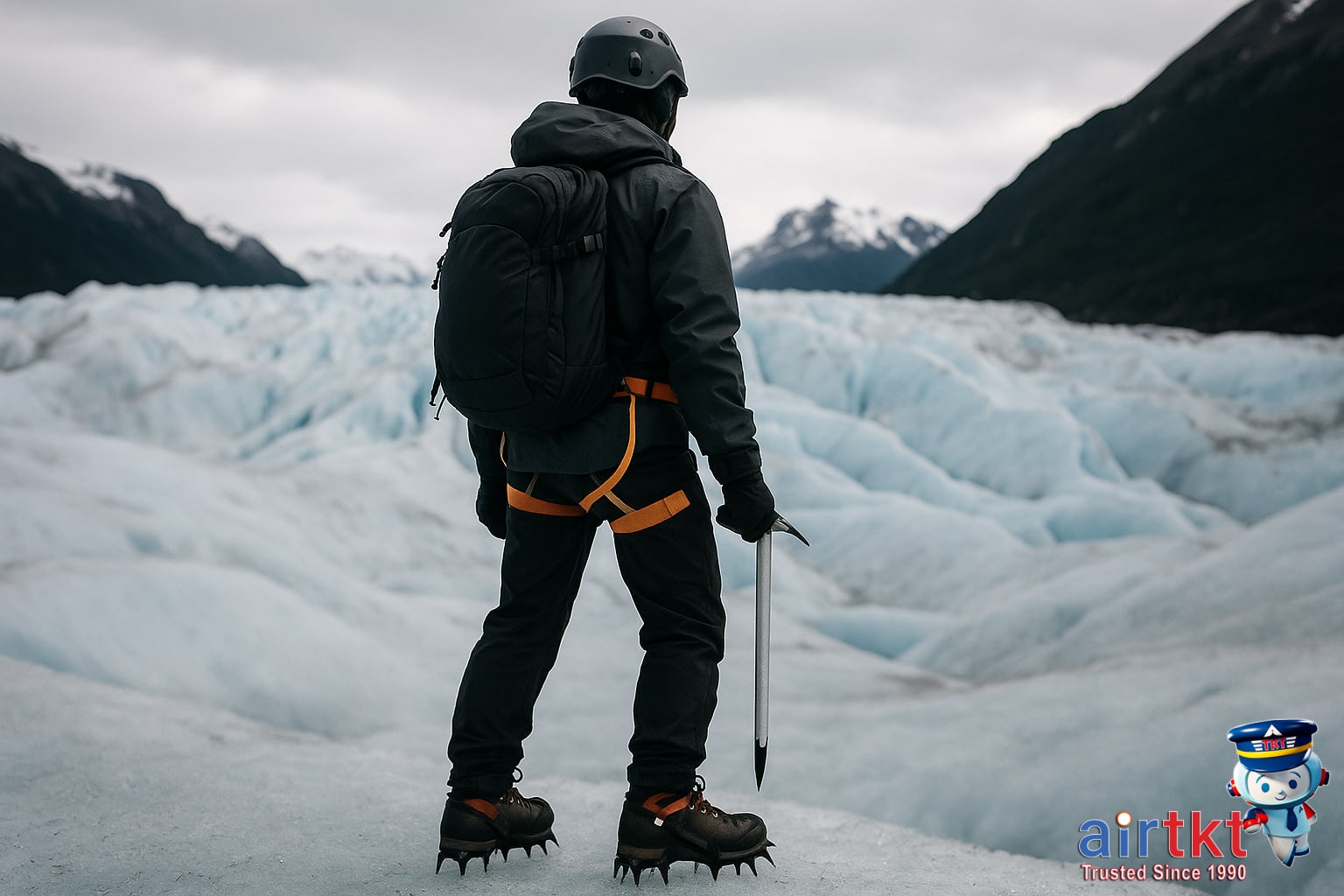
If you’re planning a Patagonia adventure, the right preparation can make or break your trip. Patagonia’s terrain is famously unpredictable, so your packing list and fitness routine deserve careful attention. I once packed a lightweight rain jacket thinking it would be enough, only to find myself thoroughly underdressed for the biting winds in Torres del Paine—now, I always triple-check my outerwear before heading out. Let’s break down the essentials for gear, physical prep, and the permit process.
Packing Gear For Patagonia
You’ll want a durable, comfortable backpack that fits your frame and trekking load. Choose hiking boots with strong ankle support and waterproofing—make sure you wear them on shorter hikes before your trip. Layering is crucial: bring moisture-wicking base layers, insulating mid-layers (like fleece or down), and a reliable waterproof shell. Add a hat, gloves, and wool hiking socks for thermal protection. Navigation tools such as a map, compass, and GPS help when visibility drops or signage gets sparse. For an itemized list, I’d recommend checking out a dedicated gear checklist for trekking before you buy anything.
Training For Patagonia’s Terrain
Patagonia’s hikes combine distance with rugged elevation changes. Cardio endurance is vital, but don’t neglect strength work: squats, lunges, and core exercises build the stability needed for uneven trails. Try to train with a loaded backpack on local hikes or stairs—the extra weight will better condition your muscles and test your gear fit. In my experience, training hills in your full kit is the best way to spot problems early. If you’re not sure where to start, a solid fitness preparation guide for hikers can kick off your routine.
Securing Permits And Park Rules
Most popular Patagonian treks (like the W trek in Torres del Paine) require park permits—especially during high season (typically Southern Hemisphere spring and summer). Permits can sell out months in advance, so I’d treat the application as a checkpoint for your trip planning, not a last-minute detail. Park regulations often set camping limits, fire bans, and trail rules—reviewing these ahead of your trek avoids surprises. For official requirements, always consult the Torres del Paine park permit page for accurate park and permit details.
Top Trails and Landmarks in Torres
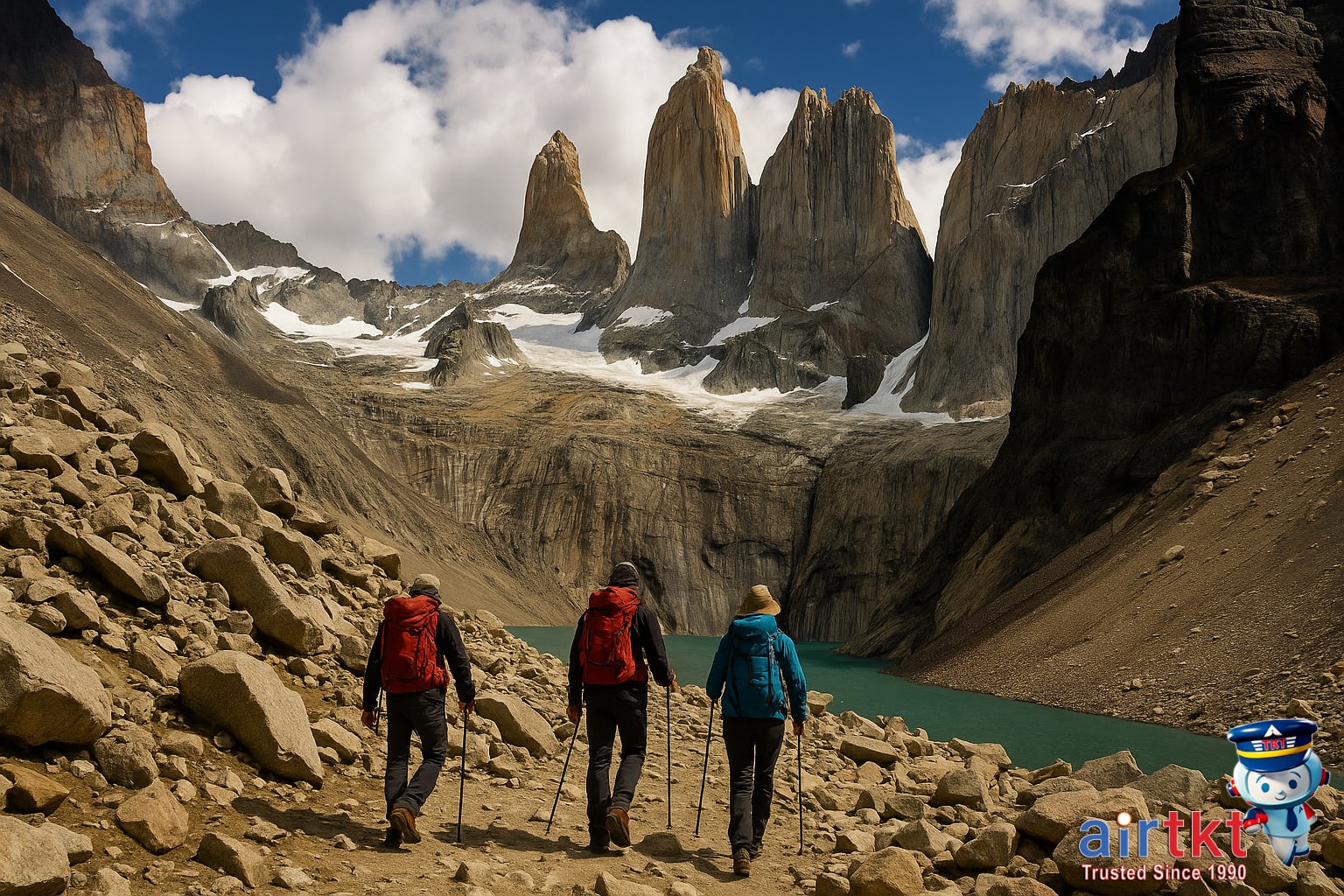
If you’re heading to Torres del Paine National Park, exploring its world-famous trails and landmarks is non-negotiable. The park’s namesake “Towers” — those sharp granite peaks you see in nearly every Patagonia postcard — anchor a network of hiking routes that reveal Patagonia’s drama at every turn.
Must-Hike Routes and Iconic Spots
The legendary “W” Trek connects most of the park’s renowned spots. The eastern leg climbs to the Torres Base viewpoint. Standing at this glacial lagoon, with the towers piercing Patagonia’s sky, was the highlight of my trip — and one of the most humbling moments I’ve experienced on any trail. If you only tackle one hike, I’d make it this ascent.
From there, the middle section leads to French Valley, framed by jagged mountains and hanging glaciers. It’s a valley walk with dramatic panoramic views — I remember the sound of calving ice echoing across the rocks as we paused for a quick snack break. On the western end, the route threads to the Grey Glacier viewpoint. Here the trail flanks turquoise Lago Grey, ending at a jaw-dropping overlook where you can watch massive chunks of glacier ice drift by.
Trail Difficulty and Timing Advice
Torres del Paine offers something for everyone. Shorter day hikes, like the Cuernos lookout, can be managed by anyone with moderate fitness. Treks into French Valley or up to the Torres viewpoint are more challenging — expect rocky paths and some steep climbs. The full W or O Circuit requires proper preparation and planning, but even just tackling a section or two delivers those iconic vistas you’ve come for.
Peak hiking season runs from November through March when daylight lasts until late evening and temperatures are milder. I usually recommend starting hikes early — not only do you beat the crowds, but the low morning sun turns the granite towers golden and makes the whole experience feel even more surreal.
For more help mapping your adventure, check out our detailed trail maps and Patagonian parks guide for planning tips and route suggestions.
Comparing W Circuit, O Circuit, and Day Hikes
Trekking in Torres del Paine is one of Patagonia’s true highlights, but deciding which route to take can feel a bit daunting. Each trail has its own character, length, and must-see landmarks, so it’s worth weighing your options upfront. Here’s how the main circuits stack up, with day hike alternatives if you’re tight on time.
The Classic W Circuit
The W Circuit is the go-to trek for most visitors, offering an iconic experience in about four to five days. Packed into roughly 50 miles, you’ll see the soaring granite Towers, the French Valley, and the massive Grey Glacier—basically, the park’s greatest hits. The trail is challenging but manageable for those with decent fitness and some experience with full-day hikes. I once chose the W Circuit because the daily sections allowed time to really enjoy each key site, rather than rushing from point to point.
The O Circuit Adventure
The O Circuit is the longer, more ambitious route, circling nearly the entire park over seven to nine days. It covers the W’s highlights, then heads north through quieter, wilder sections and up over the demanding John Gardner Pass. Expect tougher, steeper climbs and more remote terrain—you’ll need stronger backpacking skills, better gear, and extra food. The O Circuit’s huge payoff is the solitude and the sense of crossing Patagonia’s backcountry, with glacial valleys few travelers see.
Popular Day Hike Options
If time is limited, Torres del Paine’s day hikes make the park accessible without an epic effort. The most popular is the trek to the Torres Base Lookout—about 12–13 miles roundtrip from the trailhead—which gets you jaw-dropping views in a single day. Hikes to the French Valley and Grey Glacier viewpoints are also possible as day trips if you use shuttle services or start early. For more on getting started with multi-day trekking, check out our airtkt.com beginner’s guide for new backpackers.
Choosing Your Route Wisely
Ultimately, picking the right trek comes down to how much time you have and your current fitness level. In my experience, travelers often underestimate how demanding even the W Circuit can be with a loaded pack and changing weather. Weigh how long you want to be off-grid, and don’t overlook the logistics; some trail sections don’t have places to resupply water or snacks, so carry what you’ll need until the next refugio or camp.
Patagonian Glaciers Perito Moreno Grey Glacier
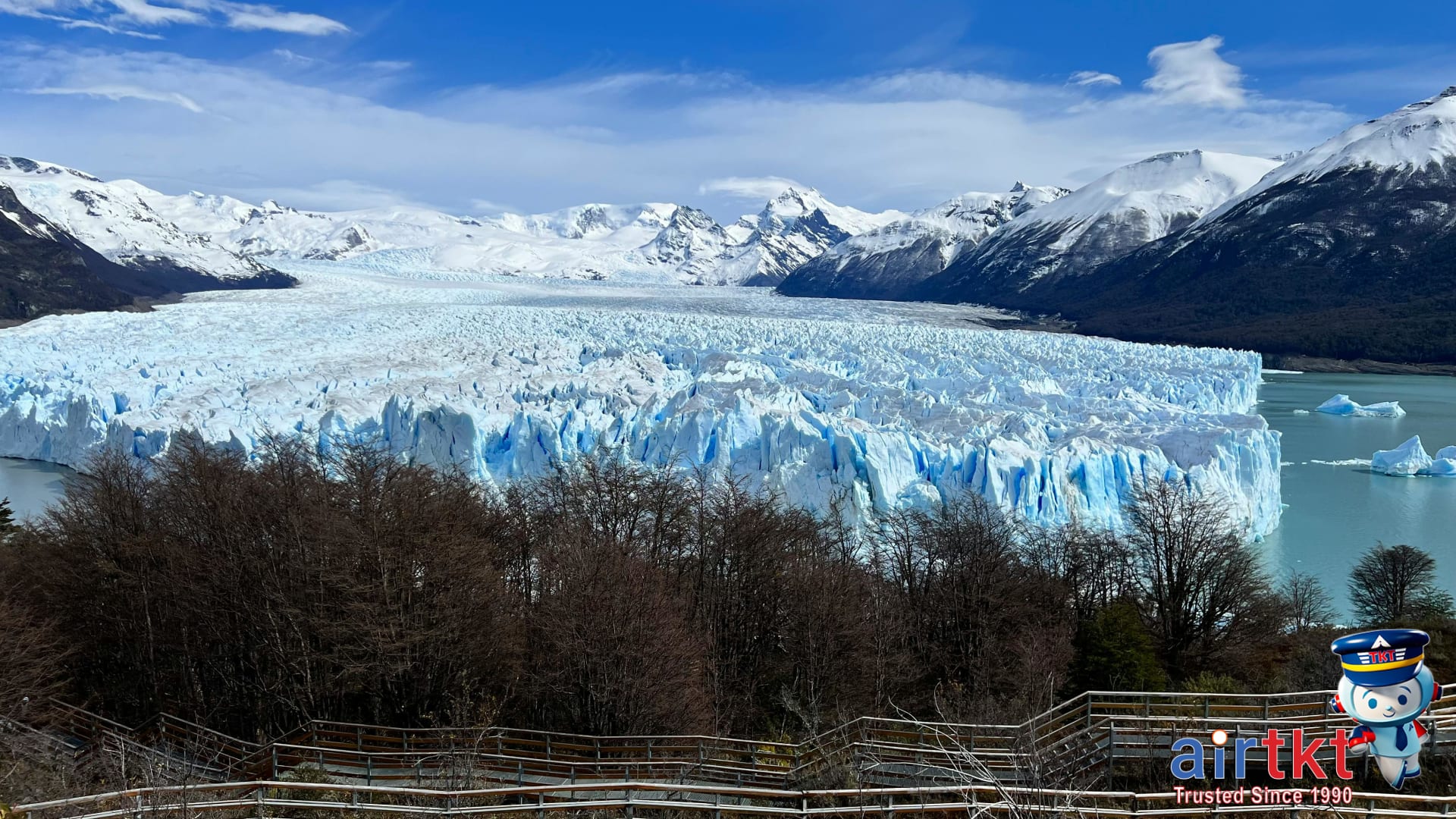
Few natural wonders compare to the iconic glaciers of Patagonia, with Perito Moreno and Grey Glacier topping most travelers’ lists. I still remember my first visit to Perito Moreno—walking along the raised boardwalks, the scale and vivid blue of the ice seemed surreal. Standing only a few hundred feet from the glacier’s towering 200-foot face, you hear the creaking and groaning of moving ice, and if you’re lucky, catch a thunderous calving event as chunks crash into Lake Argentino below.
Perito Moreno is unique for its accessibility. Located in Los Glaciares National Park near El Calafate, you can reach it by shuttle, car, or guided tour. The park’s network of walkways and viewing balconies make it possible for travelers of all mobility levels to get dramatic views and photographs. If you’re seeking more adventure, several licensed operators offer guided glacier trekking. These excursions usually provide crampons and basic instruction, but it’s wise to bring waterproof gloves, sturdy hiking boots, and layered clothing due to shifting weather conditions.
Further north in Torres del Paine National Park, Grey Glacier awaits. Here, the landscape is even wilder. Approaching by boat, you’ll see the sprawling front of Grey Glacier rising above the milky waters of Lago Grey. Guided ice treks are available for those looking for a challenge: after a safety briefing, you’ll strap on crampons and follow a certified guide onto the glacier’s surface, weaving between shimmering blue crevasses. I’d compare both experiences—Perito Moreno’s epic accessibility versus the rugged, remote charisma of Grey Glacier—but if you want a true adrenaline rush, nothing beats feeling the glacier crunch beneath your boots.
Safety and Responsible Exploration
Both glaciers demand respect. Sudden weather shifts, crevasses, and slippery ice are genuine hazards that inexperienced explorers might underestimate. Always use crampons supplied by your outfitter and never walk on glacier ice without a professional guide. Weatherproof layers, sun protection, sunglasses (to cut glare), and thermal socks add key protection. It’s a good idea to review official park guidelines for Perito Moreno before your trip, and I recommend reading up on airtkt.com‘s glacier trekking safety tips before you book any ice trekking excursion.
Climate Change and the Glaciers
One thing that struck me on my return to Patagonia was the growing impact of climate change. While Perito Moreno is considered relatively stable and continues its natural advance and retreat cycle, Grey Glacier (and many others in the region) has experienced visible retreat and thinning over the last several decades. It’s a reminder to visit these wonders with a light footprint—stick to marked trails and follow Leave No Trace principles throughout your adventure.
Wildlife and Flora Across Patagonia
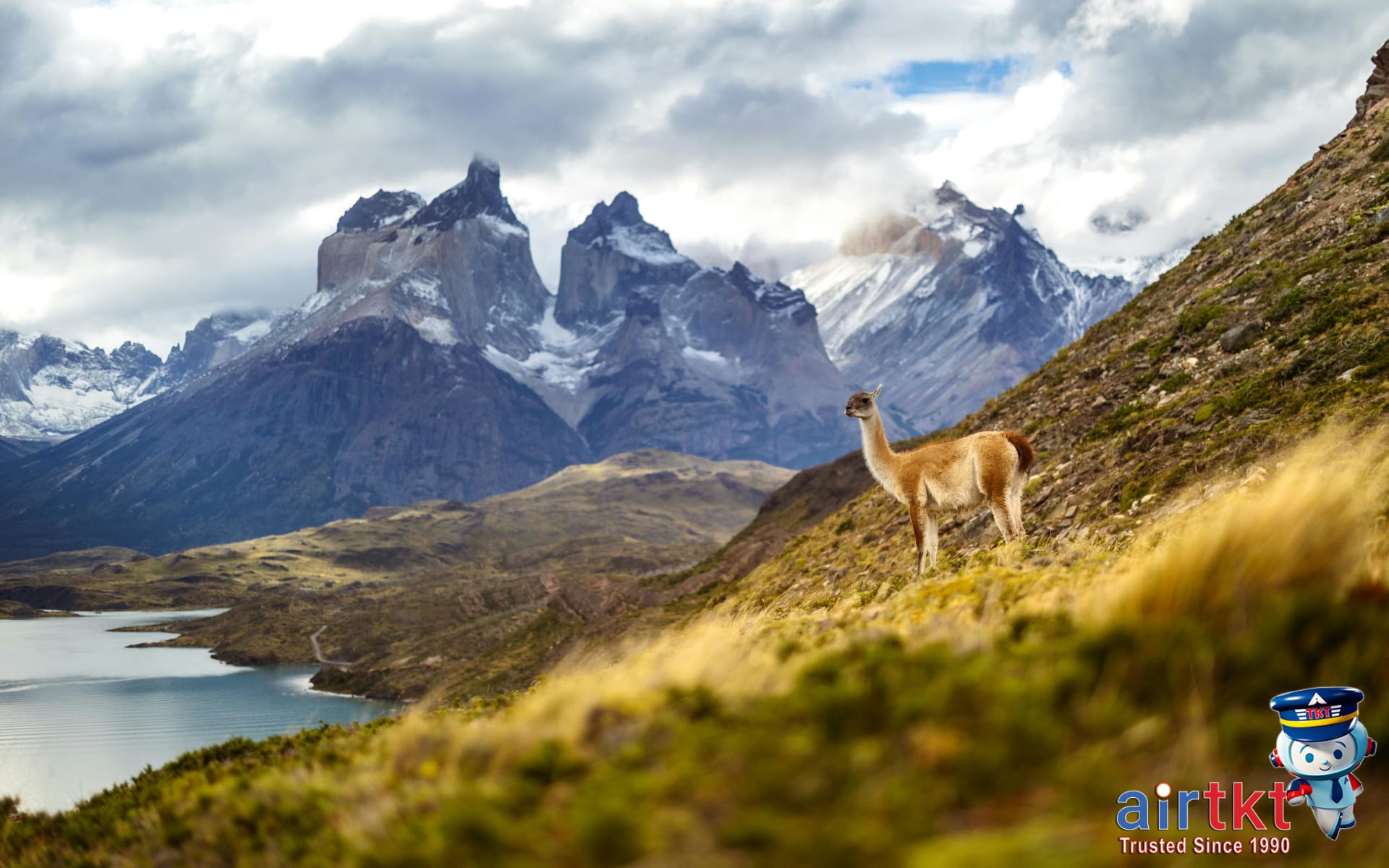
Patagonia’s wild spaces are alive with creatures adapted to wind, rugged terrain, and dramatic weather. You’ll likely encounter guanacos—those elegant camelid cousins to llamas—grazing in open steppe or crossing remote dirt tracks. I still remember pausing mid-trek, completely still, as a group of guanacos watched me from a low ridge while Andean condors floated overhead in slow, graceful circles. With an open mind and patient steps, it’s also possible to glimpse Patagonian foxes, armadillos, curious hares, and—if luck’s on your side—a distant silhouette of the elusive puma.
Patagonia’s skies are a highlight for bird lovers. The mighty Andean condor, with its impressive wingspan, frequently rides the thermals near cliffs and canyons. Caracaras, flamingos, geese, and crag martins dot wetlands and shores, while Magellanic woodpeckers—giant by woodpecker standards—hammer on trunks in southern forests. Binoculars make the subtle details of coloring and flight easy to enjoy, especially when scanning over wind-swept grasslands or stony hills.
Typical Patagonian Plant Life
On foot, you’ll encounter a surprisingly wide range of ecosystems: arid steppe, lush beech forests, and wind-pruned shrublands. The lenga and ñire trees form vast southern forests, turning vivid red and gold in fall. In the scrubby lowlands, cushion plants and resilient grasses dominate. Bright yellow calafate bushes are common—locals joke that eating a calafate berry means you’ll return to Patagonia someday, and after tasting one, I found I hoped that legend was true.
Responsible Wildlife Observation Tips
Protecting Patagonia’s fragile landscapes means adopting “leave no trace” habits. Stay on marked trails to avoid disturbing wildlife nests or delicate plants. Observe animals quietly from a distance and never approach for a photo. I always recommend packing out all your trash, even biodegradable scraps—they can impact native species. Curious about more ways to support these wild places? Check out our Patagonian conservation efforts guide for practical tips and current regional projects.
Environmental Challenges and Conservation
Patagonia’s beauty is resilient but not impervious. Climate change, invasive species, and rising tourism pressure the land and its inhabitants. Conservation here is an ongoing community effort: supporting local parks, respecting wildlife viewing limits, and learning before you travel all help sustain what makes Patagonia singular. I usually research trail closures and regional guidelines in advance, since conditions and access can change to protect sensitive areas.
How To Prepare For Patagonian Weather
If there’s one thing you can count on in Patagonia, it’s change—especially with the weather. Strong gusty winds, sudden showers, and temperature swings from near freezing to unexpectedly mild can all happen within a single afternoon. I remember struggling to pitch my tent in Torres del Paine as winds howled through in the middle of what had been a sunny day only a few hours earlier. Flexibility and preparation are essential here.
Seasonal Conditions Overview
Patagonia’s weather is famously unpredictable, but you can anticipate certain patterns by season. Summer (December–February) brings longer daylight and generally milder temperatures; however, winds can be relentless and rain still pops up with little warning. Spring (September–November) and autumn (March–May) often see even more dramatic shifts—crisp, chilly mornings followed by milder afternoons, with possible sleet or snow at higher altitudes. Winter (June–August) is colder, with snow likely in mountainous areas, shorter days, and fewer services available for hikers.
Clothing And Packing Strategies
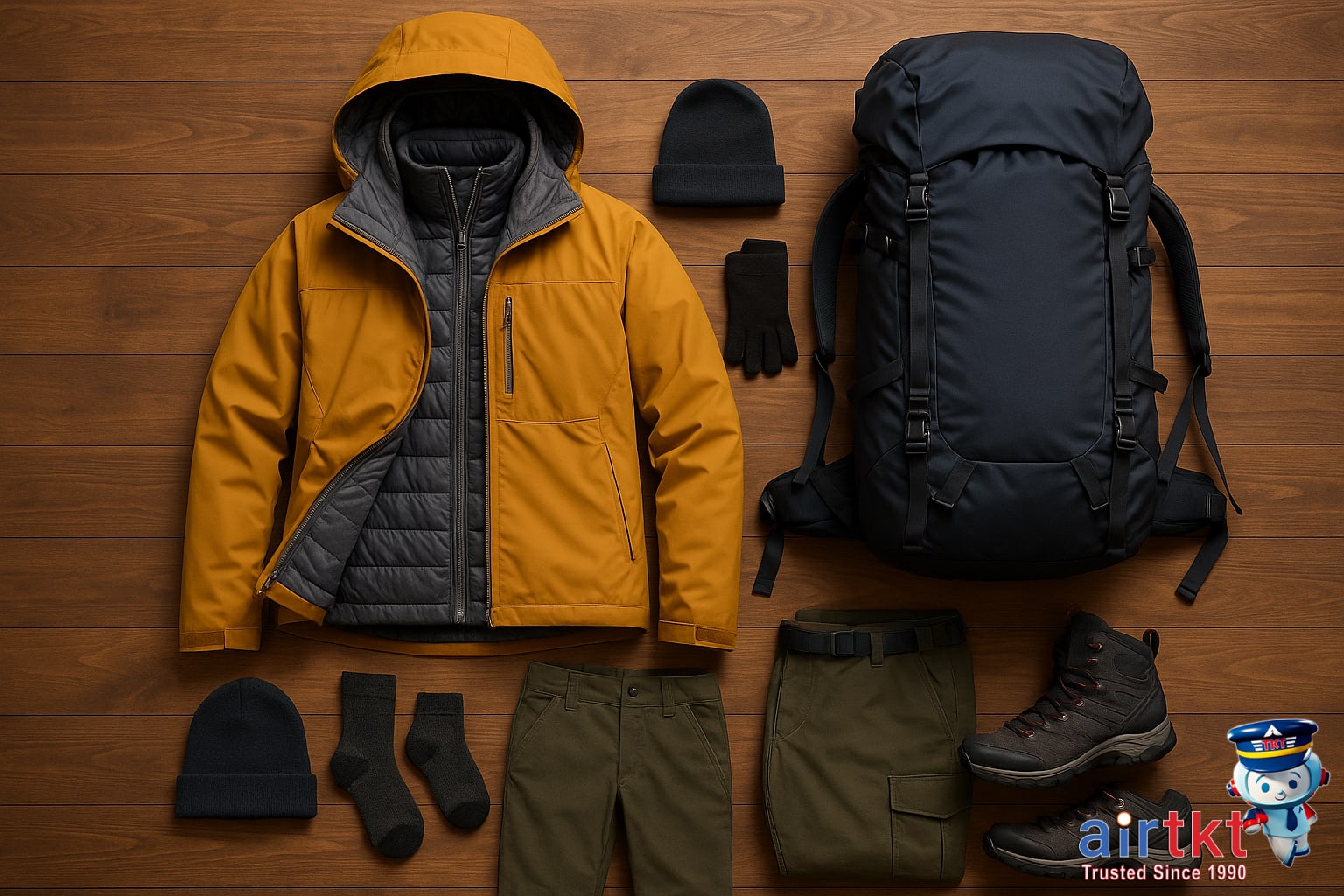
The key to staying comfortable in any season is to dress in layers. I always recommend packing a high-quality base layer to wick moisture, an insulating midlayer like fleece or a lightweight puffer, and an outer layer that’s both waterproof and windproof. Quick-drying pants, extra socks, and a snug beanie all earn their place in my backpack. Gaiters can help in muddy or snowy conditions. For trekkers, durable rain covers for your backpack and waterproof bags for electronics are also musts.
Don’t let sunny moments fool you: even in clear weather, Patagonia’s winds can sap warmth and leave you chilly fast. That’s why I consistently include both a windbreaker and waterproof shell in my gear, no matter the forecast.
Stay Updated Before You Go
Weather changes fast, so check local forecasts daily during your trip. Reliable resources like the official Argentine and Chilean meteorological services or global weather sites provide up-to-date information for regions like El Calafate, Torres del Paine, and Ushuaia. These real-time updates can help you plan your treks accordingly—for example, deciding whether to tackle a pass or save it for a calmer day.
For a deeper dive into seasonal weather nuances and smart packing, check out this Patagonia packing list and weather guide—planning ahead makes a huge difference out on the trail.
Patagonia Accommodation Refugios Campsites Lodges
Finding the right place to sleep is as important as your trekking boots when hiking Patagonia. You’ll have three main choices along the region’s famous trails: refugios, campsites, and lodges. Each offers a different mix of comfort, social atmosphere, and cost—knowing what to expect can help you book smart and have a far less stressful trip.
Refugios: Shared Shelter and Spirit
Refugios are mountain hostels positioned along popular trekking routes in places like Torres del Paine and the Fitz Roy range. These sturdy shelters often provide bunk beds in dorm-style rooms, hot meals, and basic communal amenities such as bathrooms and showers. I usually gravitate toward refugios—there’s something special about swapping trail stories with fellow hikers over dinner after a long day outside. Expect to pay around $90.00 per person, per night for bed and board in high season. Reservations are mandatory (use the official reservation portals for Torres del Paine and Los Glaciares), and beds can sell out months in advance for peak trekking periods.
Campsites: For Flexibility and Savings
For trekkers packing their own camping gear, designated campsites provide a budget-friendly and flexible place to pitch a tent. These can range from basic flat ground with shared pit toilets to well-equipped sites with hot showers and snacks available for purchase. At organized sites within Torres del Paine, a tent spot might cost about $15.00 per night. Not all campsites require reservations, but established ones along the O and W treks usually do—especially between November and March.
Lodges: High-End Comfort in the Wilderness
If you’re looking for a softer landing after a day’s hike, Patagonia’s eco-lodges and wilderness hotels offer private en-suite rooms, warm interiors, and even gourmet meals, all with dramatic views of the landscape. A night in a mid-range lodge typically runs you about $400.00, while premium options run higher. These often include transfers and guided excursions. Compared with refugios, you’ll get more privacy and comfort—making lodges a popular splurge for special occasions or recovery nights within longer treks.
Making the Right Choice
If the classic “W Trek” in Torres del Paine is on your list, mix and match refugio stays and campsites to balance comfort and savings—or opt for all-refugio accommodation for an easier pack. More remote trails may require self-sufficiency with camp gear. I’d recommend consulting a dedicated Patagonia accommodation booking guide if you’re considering combining different types or planning travel during crowded periods. During the short peak season (roughly December through February), it’s smart to reserve your spots as soon as your trekking dates are set—some travelers book six months ahead.
Highlights Of Patagonian Food And Culture
Patagonia isn’t just a trekking paradise—it’s also a flavorful mosaic of indigenous roots and settler traditions that shape its day-to-day life and cuisine. As you wander through frontier towns or stay in rural estancias, you’ll notice the influence of the Mapuche people and European immigrants, whose heritage shines through local art, crafts, and community events. Patagonia’s culture feels earthy and interconnected, with a strong appreciation for nature and local ingredients.
Classic Patagonian Dishes
One of the highlights for most travelers is the distinctive food scene. I’ll never forget savoring cordero al palo—tender lamb slowly roasted over an open fire, which is about as iconic in Patagonia as beef is in Buenos Aires. Lamb is a staple here thanks to the wide-open grazing lands. Along the coasts, seafood is fresh and plentiful—think king crab, mussels, and hake straight from the frigid southern waters. Traditional stews like chupe de centolla (king crab casserole) or hearty calafate berry desserts also pop up on menus throughout the region, especially in family-run restaurants and local food markets.
Cultural Festivals And Community Life
Beyond the dinner table, Patagonia’s community life is rich in traditions and festivities. Depending on when you visit, you might catch sheep-shearing festivals, rodeos, or regional gastronomic events where locals and visitors come together for music, barbecue, and dance. Crafts such as woven textiles and wood carvings are also widely available, often handmade and sold at small markets along trekking routes. Whether you’re joining a festival or browsing a tiny shop, approaching these encounters with curiosity and respect goes a long way.
Respectful Dining And Local Etiquette
Dining in Patagonia tends to be relaxed—sharing food and conversation is valued over speed. It’s courteous to greet hosts and servers warmly and to say “buen provecho” at the table. If you’re invited to a family barbecue or a local celebration, accept the invitation with interest, but always ask about dietary preferences in advance to avoid surprises. Travelers looking to broaden their culinary knowledge might find it helpful to check out broader airtkt.com guides to South American food culture before their trip.
How To Reach Patagonia Easily
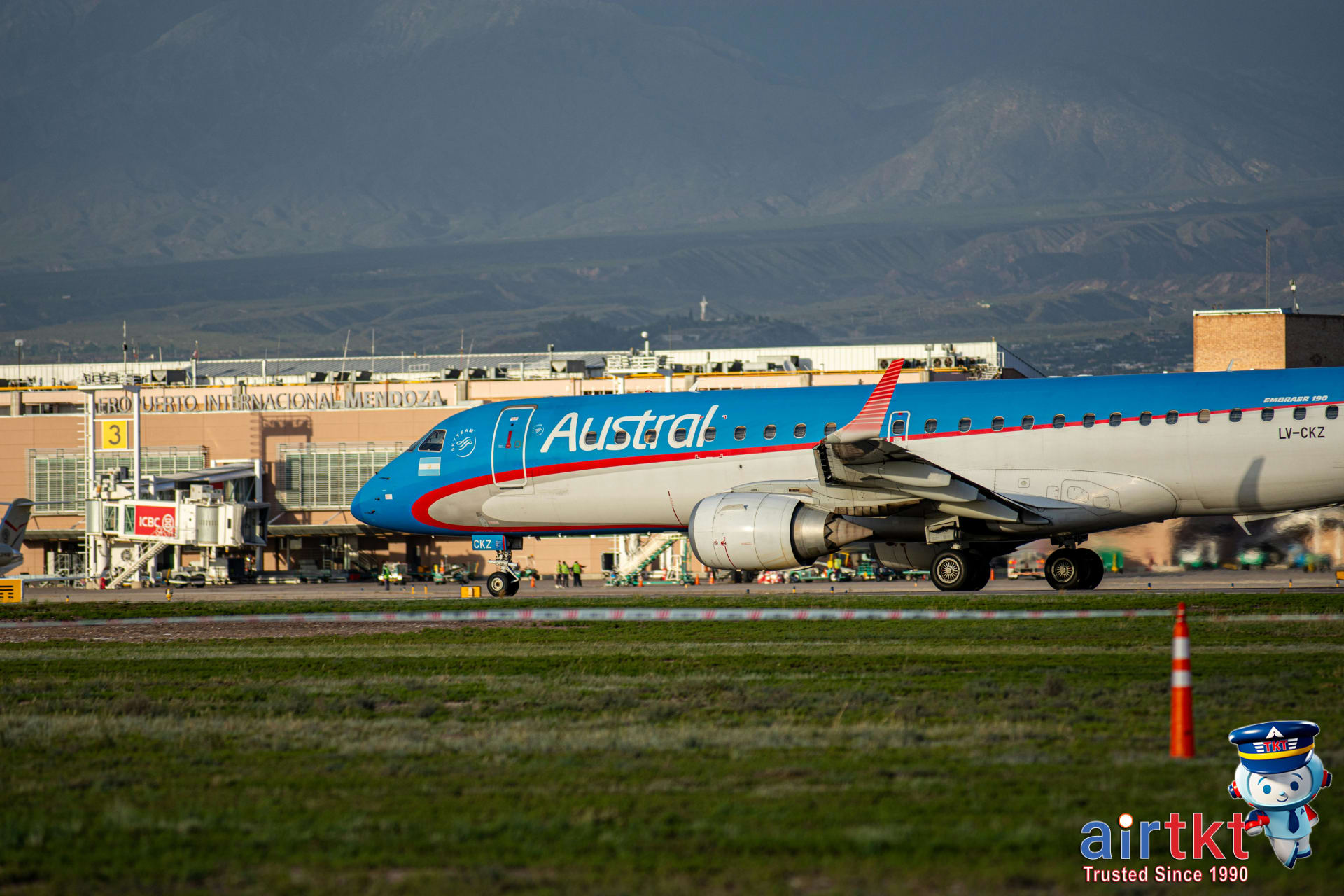
Getting to Patagonia is an exciting part of the journey, but the region’s remoteness means it takes a bit of planning. The primary gateways into Argentine Patagonia are El Calafate Airport (FTE) for Los Glaciares National Park, and Ushuaia Airport (USH) for Tierra del Fuego. On the Chilean side, Punta Arenas (PUQ) is the main international hub, especially if you’re aiming for Torres del Paine. Smaller airports like Balmaceda (BBA) and Puerto Natales (PNT) also serve adventure travelers heading into specific pockets of Patagonia. I’ve found that checking both sides of the border often opens up cheaper or more convenient flight options.
Bus And Shuttle Connections
Long-distance buses are popular for crossing vast Patagonian distances and usually connect major cities like Bariloche, El Chaltén, and Puerto Natales. Shared shuttles are a solid choice if you’re heading straight to national parks or smaller towns. For example, most travelers to Torres del Paine transfer in Puerto Natales by bus or pre-arranged shuttle. If you’re traveling in high season, I recommend booking buses and shuttles ahead because departures do fill up quickly.
Car Rental And Driving Advice
Renting a car is a good way to explore Patagonia at your own pace, especially if you’re venturing off the main tourist track. Major rental agencies operate at the main airports, but supply can be limited. Driving here is straightforward as long as you keep an eye on conditions—unpaved roads and sudden weather changes are common. When I rented a car, I double-checked the cross-border regulations, since taking a rental between Chile and Argentina usually requires advance paperwork.
Securing Affordable Flights
Savings on flights are possible, but you need to be strategic. Flexible date search tools like those offered by airtkt.com can reveal significantly lower fares if your schedule allows. I typically start searching several months out, compare flights into both main and alternate airports, and experiment with different routes. Booking with platforms that offer price alerts and nearby airport searches has saved me plenty of money on Patagonia trips.
For up-to-date airport arrival and service details, check out the Aeropuertos Argentina 2000 site for Argentina or Punta Arenas Airport Chile for Chilean travel. Reliable regional bus info is available at Andesmar.
Patagonia Trekking Budget and Savings Tips
It’s no secret that Patagonia can be a bucket-list trip with a real price tag—but I’ve learned that planning ahead and using smart booking tactics can lower the cost while still letting you experience the region’s wild beauty. Below, I break down realistic budget tiers and then cover a few practical strategies to keep your Patagonia adventure affordable.
Budget Breakdown by Traveler Style
Costs in Patagonia can vary depending on where you go, how you travel, and your choice of accommodation. Here’s a typical daily breakdown across budget, mid-range, and luxury categories to help you get started:
| Accommodation | Food | Transport | Activities | |
|---|---|---|---|---|
| Budget | $25.00 | $20.00 | $15.00 | $25.00 |
| Mid-range | $70.00 | $40.00 | $30.00 | $60.00 |
| Luxury | $180.00 | $95.00 | $70.00 | $150.00 |
For budget travelers like me, hostels or basic guesthouses are the sweet spot—usually around $25.00 per night, and you’ll often meet other trekkers to share costs with. Cooking simple meals, especially breakfast and trail snacks, helps stretch that food budget as well.
Smart Ways to Stretch Your Funds
- Book your flights early and use flight comparison tools. I always compare multi-stop routes and check nearby airports for less expensive fares—don’t overlook these options!
- If your itinerary is flexible, travel in shoulder seasons (autumn or spring) when prices for tours and lodging typically drop.
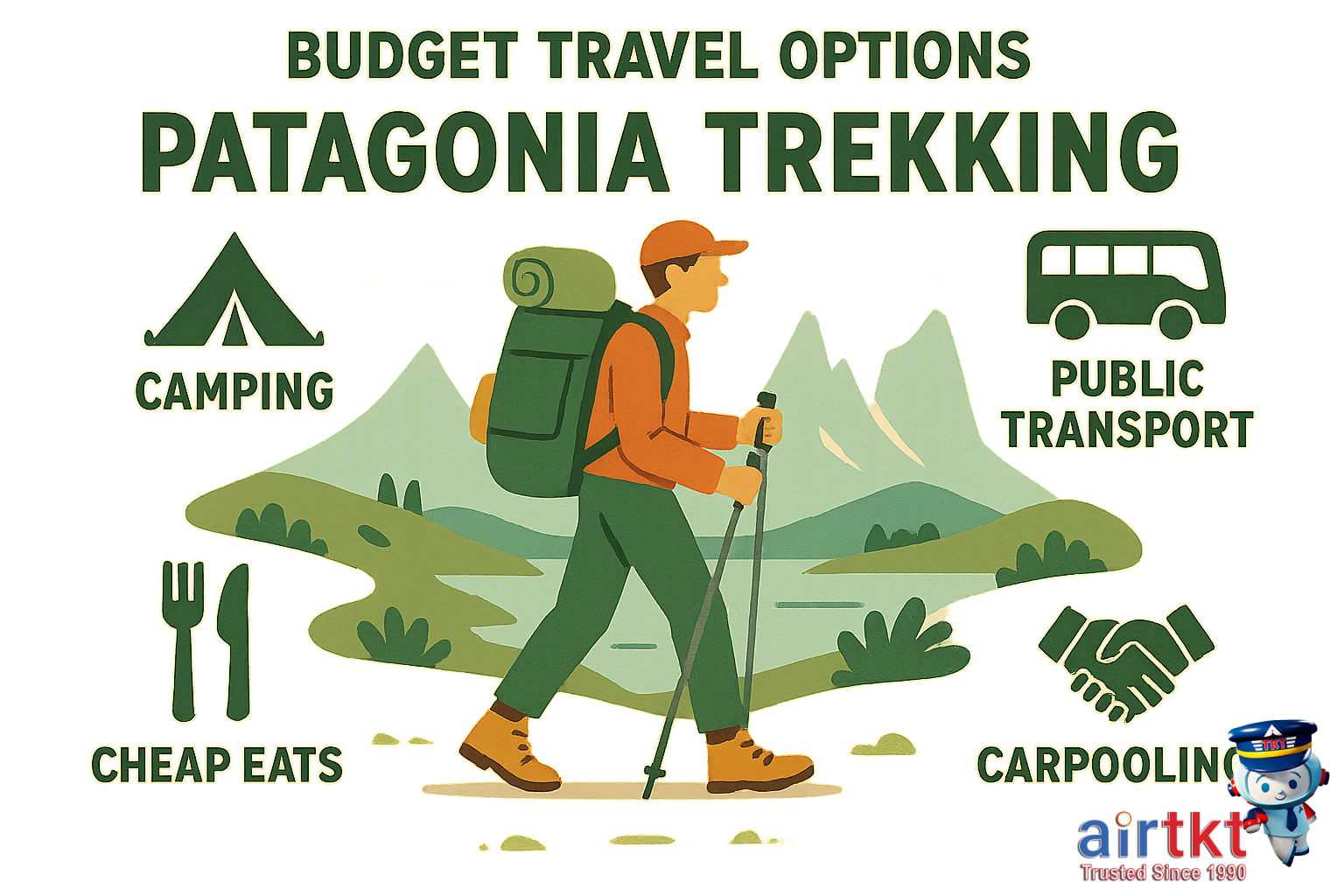
- Take advantage of buses for longer distances, or consider carpooling apps sometimes used by locals in Chile and Argentina.
- Opt for self-guided day treks where you can, reserving pricier guided hikes for unique experiences like glacier trekking.
- Bring your own reusable water bottle and snacks for the trail—eating out in remote areas can add up quickly.
From my own experience, checking all available airports and playing around with travel dates has consistently given me more affordable options, especially when using tools like Lazy Fare and the Nearby Airport Search on airtkt.com, which are designed for this kind of trip planning. If you want deeper budgeting advice, check out the dedicated budget travel tips page on their site for more detail and seasonal deals.
Patagonia Safety Tips Emergency Contacts
Staying safe in Patagonia means having a plan before you even step onto the trail. Start with honest self-assessment—Patagonian weather is unpredictable, and sudden snow, wind, or storms can turn a moderate hike dangerous. Always check the latest local trail conditions and weather forecasts. Most park rangers post updates each morning at trailheads, and I’ve learned not to disregard those—they can mean the difference between a memorable trek and a risky situation.
While wildlife encounters are relatively rare, basic precautions make a difference. Keep food securely stored to avoid attracting foxes or birds, and don’t approach large animals like guanacos. In my experience, moving calmly around wildlife and never leaving litter behind reduces the chance of unpleasant run-ins.
Essential Emergency Numbers Patagonia
In a true emergency, knowing who to call is vital. The main numbers to note:
- Chilean Police (Carabineros): 133
- Chilean Fire Department: 132
- Chilean Ambulance: 131
- Argentine Emergency: 911
- Park Ranger Offices: Each park/post has its own number—check the official sites for Torres del Paine and Los Glaciares for the latest contacts before your trek.
Cell coverage is spotty, so write these down before heading out, and don’t rely on data connections in remote valleys.
Guides, Registration, and Prevention
Hiring a local guide can be a smart move, especially on less-traveled routes. For solo or self-guided travelers, always register your trek with ranger stations. Many parks require this for overnight and high-altitude routes—it’s a check-in system that lets rescue teams know your expected return. I underestimated this once and realized later how much peace of mind it offers.
If you get lost or face a health emergency, stay put in a safe location and use a whistle or flashlight to signal. Don’t attempt dangerous river crossings—wait where you’re visible. To prevent the most common emergencies (like dehydration, twisted ankles, or hypothermia), bring a small first aid kit, sturdy boots, and layered clothing, and turn back if the weather takes a sudden turn—no summit or viewpoint is worth risking safety.
If you want more on planning for wilderness emergencies, check out our comprehensive outdoor safety and emergency preparedness guide.
Trekking Patagonia FAQs and Common Challenges
- When is the best time to trek in Patagonia?
The most popular trekking season in Patagonia is between November and March, when weather conditions are generally milder and trail access is more reliable. However, wind and rain remain possible any time, so carrying proper rain gear and checking the forecast daily for updates is always smart.
- Do I need any permits for trekking in Patagonia?
For popular routes in Torres del Paine National Park and some Argentine reserves, you will need to secure trekking permits in advance. These are typically available online or on arrival, but in peak season, booking early ensures you won’t be turned away due to limited daily quotas.
- What gear is essential for Patagonia trekking?
Weather in Patagonia can change rapidly, so pack waterproof layers, a windproof jacket, sturdy boots, and a warm hat. I always recommend bringing a lightweight first-aid kit, a refillable water bottle, and trekking poles, especially if you’re tackling uneven or muddy trails after rain.
- How unpredictable is the weather while trekking Patagonia?
Even in summer, Patagonia’s weather can deliver strong winds, sudden rain, and cold nights. Be prepared to encounter sunshine and storms in the same day. A layering system works best—start cool, add warm fleece as needed, and keep rain gear within quick reach at all times.
- Are there any common challenges for beginner trekkers?
Many first-time trekkers underestimate how quickly the weather changes or how physically demanding the trails become. Planning ahead, building in extra time, and having a clear route map helps. I’d suggest reviewing a comprehensive Patagonia trekking preparation guide before you go, to avoid surprises.
- Can I trek Patagonia without a guide, or do I need one?
You can trek major routes independently if you have strong navigation skills and experience in variable conditions. However, beginners or those wanting extra safety may find guided tours helpful, especially for multi-day circuits or remote regions where trails can be hard to follow.
- What’s the most important safety tip for trekking Patagonia?
Always let someone know your planned route and expected return time. Carry emergency contact information, and if you lack experience with remote hiking, consider renting a personal locator beacon or using a GPS-enabled device just in case weather or trail conditions shift unexpectedly.
Conclusion and Final Patagonia Advice
Patagonia is one of those rare places where the raw power of nature leaves a lasting mark on anyone who visits. Its jagged peaks, massive glaciers, and windswept steppes reward travelers who embrace both preparation and a sense of adventure. If you’ve been following this guide, you’ll know that being ready for unpredictable weather, packing essentials, and learning the lay of the land all play a big role in how much you get out of your trek.
Whether you’re going after the thrill of Torres del Paine or soaking in the remote beauty of Argentina’s southern reaches, respect for the landscape is crucial. Tread lightly on the trails, follow park guidelines, and aim to minimize your footprint for the benefit of future explorers. I usually recommend brushing up on Leave No Trace principles before any major outdoor journey—Patagonia deserves our best care.
Getting to Patagonia is an adventure in itself, and sorting out travel logistics can take time. For flights, route options, or handy tools, you might want to check out airtkt.com—it’s one resource I keep returning to for comparing different departure cities and nailing down details. If you’re looking for more inspiration or stories from the region, explore our Patagonia travel guides for firsthand advice and planning tips.
Above all, Patagonia is about savoring moments of awe—those stretches of silence broken only by the wind, or the sight of light playing on an ice-blue lake. It’s a demanding place, but the memories you take home are worth every ounce of effort. I keep coming back simply because nowhere else offers the same blend of wild beauty and deep reward.