

Getting Started With Trip Planning
If you’re new to travel, planning your first trip can feel overwhelming. That’s exactly why I created this guide—to walk you through a clear, step-by-step process so you can plan with less stress and more excitement. When I first started planning trips, I found having a clear step-by-step process invaluable; it made everything less daunting and helped me actually enjoy the anticipation.
This guide is your go-to starting point—whether you want to travel across the world or just a few states away. We’ll cover the basics that matter most: how to set a realistic travel budget, tips for booking flights and hotels, what to pack (and what to leave behind), plus practical safety considerations for every traveler. The aim is to help you avoid common pitfalls and focus on what matters for a smooth, memorable experience.
Setting achievable goals at the outset is key. It keeps you organized, motivated, and ensures you aren’t scrambling last-minute or overspending. We’ll also point you to helpful resources as you go, including beginner-friendly advice in airtkt.com’s article on Travel Tips for First-Time Flyers if air travel is on your mind.
How To Choose Your Destination

Finding your next place to explore doesn’t need to be overwhelming. I always start by narrowing down destinations based on what experiences I want—whether that’s hiking mountain trails, discovering vibrant food markets, or just relaxing by the beach. Identifying your personal interests and trip goals is a practical way to cut through the noise and immediately weed out places that don’t fit.
Next, it’s smart to weigh in budget and season. Some locations deliver more value depending on when you travel, and flight prices can shift a lot during peak holidays. I’d compare trip options by thinking about how far my budget stretches at each spot, considering not only the cost to get there, but also accommodation, meals, and any must-do activities. A mid-range hotel, for example, typically costs around $80.00 per night in many popular urban destinations.
Convenience is another piece I never ignore. Sometimes you want a direct flight; other times, you’re up for a layover if it saves money. Using user-friendly tools—like airtkt.com’s Flexible Date Search—makes it simple to spot cost-effective dates and unexpected deals. If you’re still browsing, their destination guides are quite handy for weighing your options and diving deeper before you choose.
By focusing on what matters most to you, factoring in budget, timing, and travel logistics, you’ll feel more confident narrowing down your list and committing to that next memorable trip.
Setting Travel Dates That Work
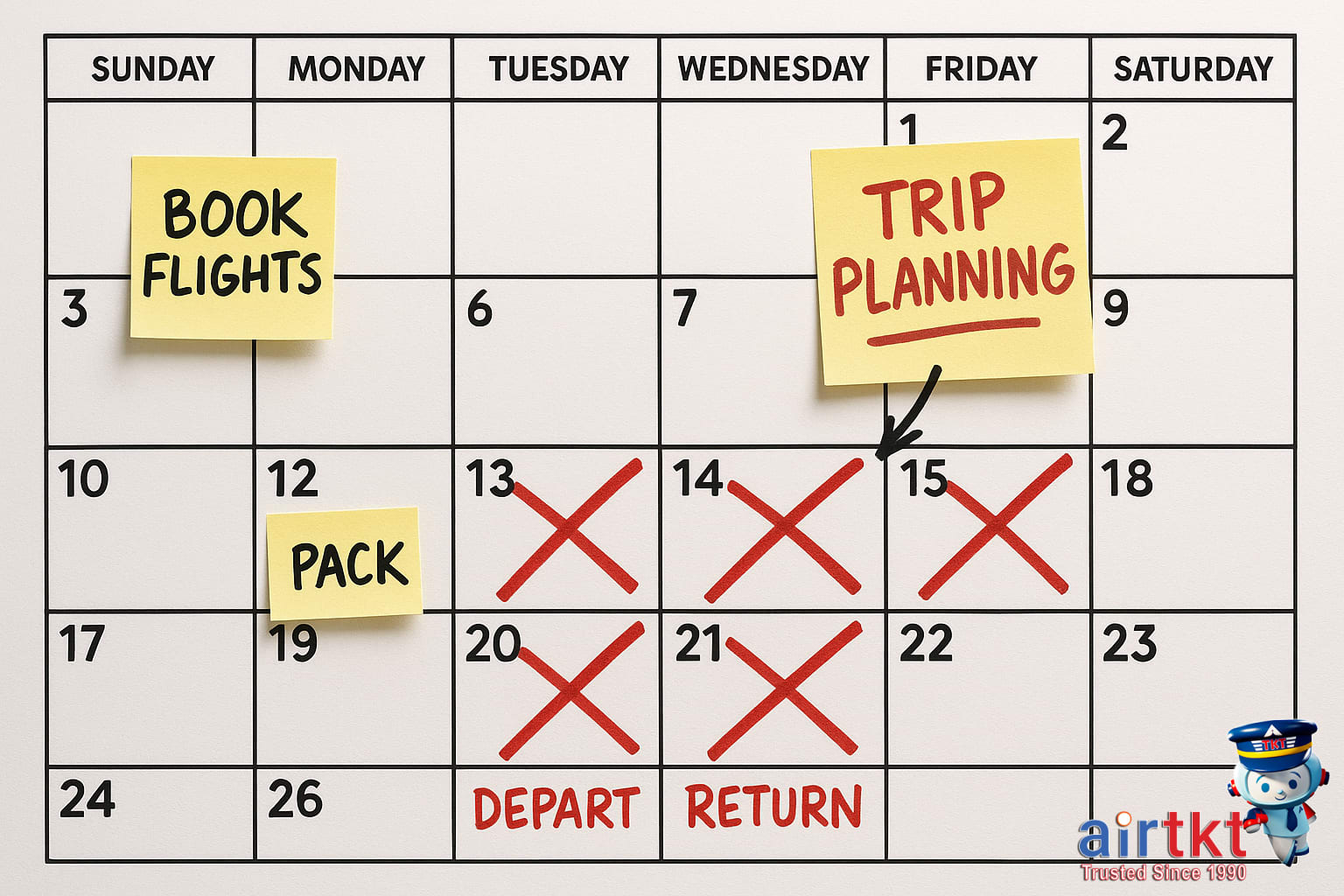
Choosing travel dates is more than just picking what feels convenient—it’s a strategic move that can make or break your trip budget. Traveling during the off-season typically means lighter crowds and more affordable accommodations, but you’ll want to keep an eye on things like weather patterns and limited opening times for attractions. Peak travel periods, on the other hand, offer vibrant festivals and longer hours, but prices are usually higher and lines can be long.
Personal schedules often play a big part in narrowing down your options. I always look closely at family commitments, school breaks, and workplace blackout dates before searching flights. It’s tempting to just book during popular holidays, but shifting your departure by even a few days can make a noticeable difference in fare prices.
Date flexibility is one of the best tools for snagging savings. I check multiple date options on flight search platforms to spot the best fares and avoid crowds whenever possible. On airtkt.com, you can use the Flexible Date Search tool to compare different days side-by-side—it saves me both time and money, especially on international routes. Even a mid-week flight instead of a weekend departure can mean extra spending money for restaurants or activities at your destination.
Finding Affordable Flights Efficiently
When it comes to booking airfare, a smart approach can make a real difference in your travel budget. The first thing I do is hop onto reliable flight search engines that let me compare fares in real time—especially those that offer useful extras like price alerts. Setting up alerts means you’ll get notified if the price drops for your preferred route, saving you from constant manual searches and possible price spikes due to waiting too long to book.
I’ve learned that checking multiple airports often nets cheaper flights. Many travelers forget that airports just a short drive from your main destination can suddenly open up lower fares or more flexible schedules. Tools like the Nearby Airport Search on airtkt.com help you spot these alternatives instantly, showing options you might otherwise overlook. I’d compare both your main and nearby airports before clicking the “book” button, as it’s surprised me how often the alternate routes deliver better deals or more convenient connections.
Planning ahead pays off, too. Booking a flight several weeks before your travel date typically means better prices, as last-minute seats tend to be more expensive. Using airtkt.com’s flexible search tools, you can look at a spread of days or weeks to identify the cheapest combinations—so you don’t have to settle for just one departure date. That way, you’re more likely to snag an affordable fare that fits your schedule and budget.
Booking Accommodation Options Wisely
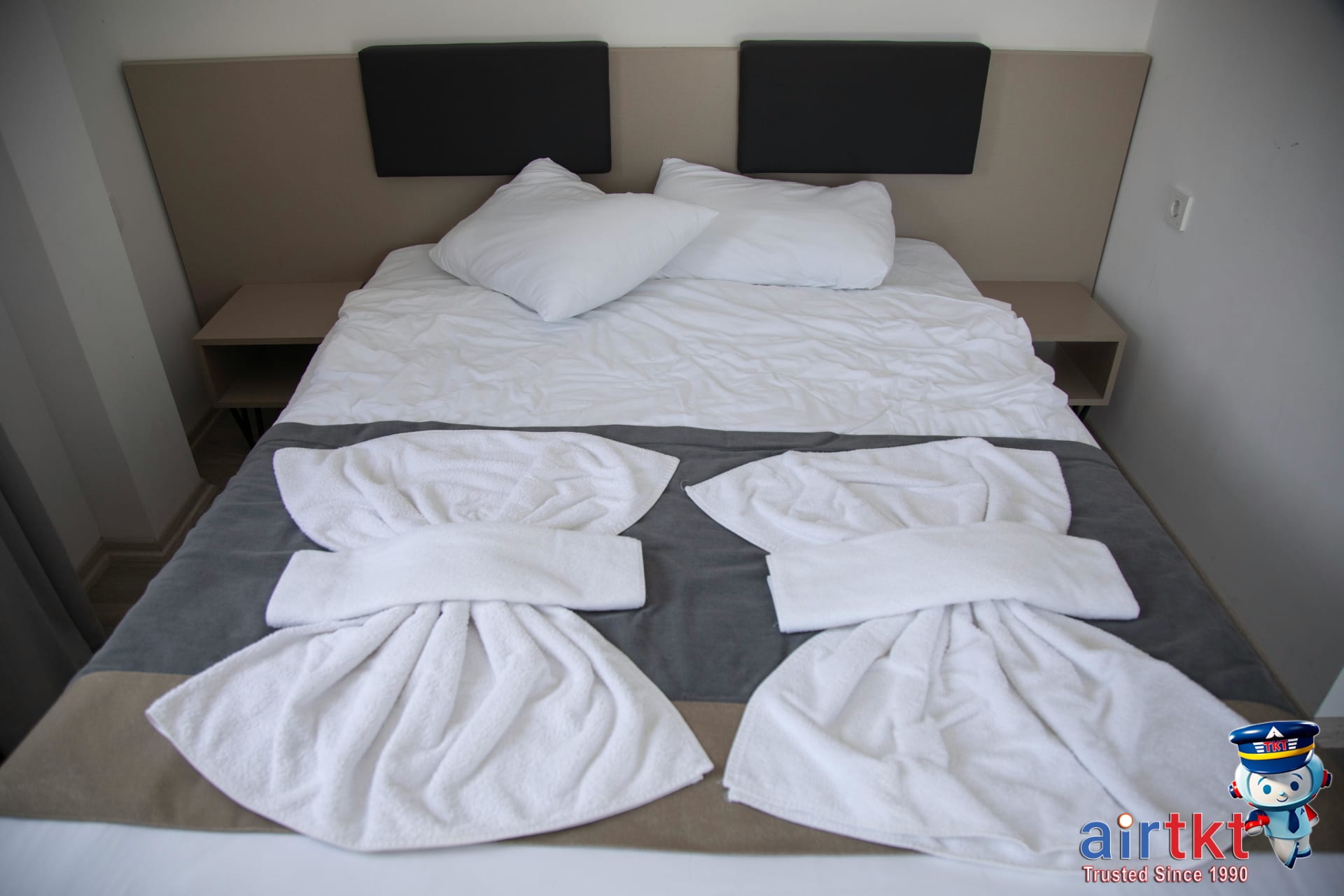
Finding the right place to stay can really shape the feeling of your trip. Whether you’re drawn to the comfort and amenities of hotels, the budget-friendliness and social scene of hostels, or the privacy of vacation rentals, each option fits a different travel style. Hotels are usually the pick if you want convenience, daily housekeeping, and facilities like gyms or breakfast service. Hostels work well for backpackers or social travelers who don’t mind sharing common areas and prefer to save on costs. Vacation rentals—like apartments or entire homes—are great for longer stays or anyone wanting kitchen space and a local neighborhood vibe.
I always read reviews and look for amenities that suit my travel style, whether that’s fast Wi-Fi, free breakfast, or a quiet atmosphere for a good night’s sleep. Checking what past guests have said about things like cleanliness, service, and noise often helps avoid surprises upon arrival. I’d compare options directly on reputable platforms, and if my schedule is still uncertain, I make sure to look for free cancellation before booking. It’s also smart to verify if extras like late check-out or airport transfers are available, especially if you have a tight itinerary.
Personally, I like to match my choice with the specific trip—sometimes I’ll prioritize location above all, while for a longer stay, having a kitchen or workspace matters more. For more guidance or to browse available properties, I’d check out the detailed accommodation guide on airtkt.com.
Packing and Preparing Smartly

Packing light has saved me stress on every trip, and it’s one of the simplest ways to make travel easier—even for beginners. Before you zip up your bag, go through this essentials checklist:
- Passport or photo ID (plus any necessary visas, if you’re heading abroad)
- Printed and digital copies of travel documents and reservations
- Bank cards, some emergency cash, and a note with important phone numbers
- Basic toiletries (travel-size, TSA-compliant)
- One versatile outer layer—think a packable jacket or sweater
- Comfortable walking shoes you’ve broken in
- Chargers and a universal adapter (if you’re crossing borders)
- Health items: any daily medication, hand sanitizer, and a reusable water bottle
- Small first-aid kit (bandages and headache relief meds go a long way)
When it comes to fitting everything in, rolling your clothes is a game changer. I’ve found that rolling not only saves space but keeps wrinkles to a minimum. Use packing cubes to sort clothes by type—and keep dirty laundry separate as your trip goes on. If you want more foundations for stress-free packing, check out the packing basics in airtkt.com‘s travel tips section.
And don’t leave travel documents until the last minute. I always gather mine in a clear folder or a digital file, so I’m not scrambling at the airport. A few moments of organization at home mean fewer airport headaches later.
Airport Tips And Getting There

Getting your airport routine right can be the difference between a calm start and a frantic dash. I prefer arriving early to avoid last-minute rushes, and that extra cushion of time has saved me more than once—especially when lines move slower than expected or there’s an unexpected detour getting to the terminal.
As a general guideline, arriving at the airport about two hours before a domestic flight and three hours for international departures usually lets you get through check-in, security, and any baggage drops without breaking a sweat. It’s important to double-check your airline’s requirements too, since some recommend even more time during peak seasons or for specialty flights.
Careful carry-on packing helps ensure airport security goes smoothly. Stick to airline-specific size and weight restrictions—most carriers allow one carry-on bag and one personal item. I always keep essentials (medications, travel documents, chargers, and a light snack) stashed at the top for easy access. Packing liquids in a clear, quart-sized zip bag and slipping electronics into an outside pocket makes security screening much quicker.
When planning transport to the airport, options like shuttle services, rideshare apps, public transit, or asking a friend for a drop-off can all work depending on your timing and budget. If you take a rideshare or taxi, I’d suggest booking ahead during busy travel windows so you’re not left waiting at the curb. For early morning or late-night flights, double-check that your preferred transport is available at the needed hour.
If you want practical, experience-based advice for streamlining your airport experience, check out airtkt.com’s guide with detailed airport tips and check-in features. It’s a helpful resource, especially for newer travelers or anyone needing a quick refresher.
How To Build Your Trip Itinerary
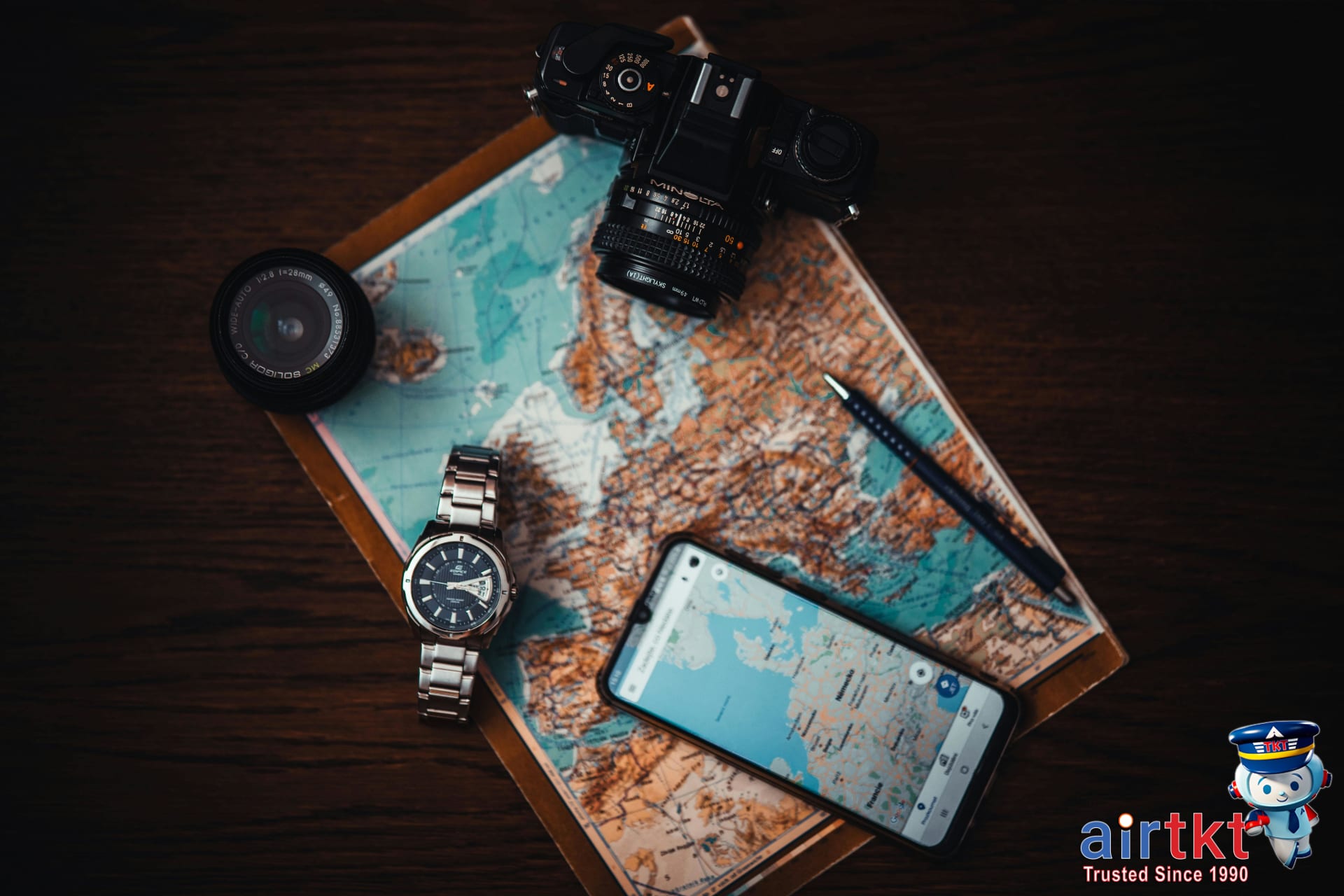
Mapping out an itinerary is one of the simplest ways I make sure every travel day is rewarding without exhausting myself. The trick isn’t packing every hour full, but arranging activities that flow logically while still leaving space for downtime. Here’s my process:
Step-by-Step Daily Structure
- List your must-sees: Start with the attractions or experiences you care most about—these should anchor your days.
- Group by location: Plot your sights on a map and cluster nearby spots, saving you time and allowing for more spontaneous exploring.
- Pace your schedule: Slot the most popular (or time-sensitive) activities early, when you’re freshest and lines are shorter. Add meals and snack stops between outings.
- Add buffer time: I always block out some unscheduled blocks, so if a museum draws me in, or I stumble on a local market, I can linger without scrambling later.
- Note opening/closing times: Checking these helps avoid awkward gaps, but I’d keep things flexible rather than rigidly timed.
Creating an itinerary helps me make the most of each day without feeling overwhelmed. I’ve found that balancing activities with free time makes trips more memorable—often, my best moments come from places not on the list! If you want digital tools to streamline the process, the airtkt.com blog offers resources for smarter planning.
Budget Planning for Your Trip
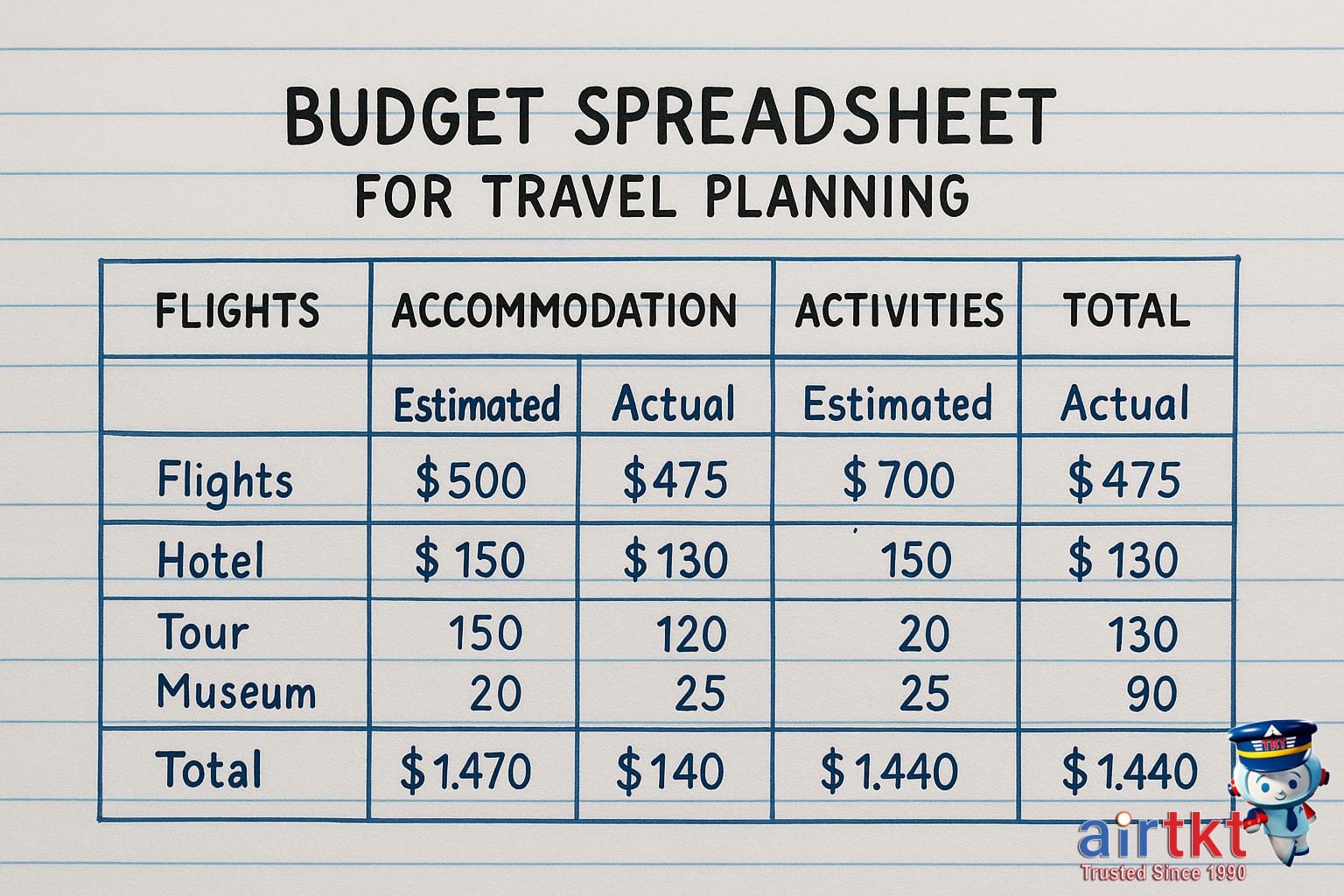
Before setting out, it’s vital to build a realistic travel budget. Taking time to map out fixed costs for accommodation, food, transport, and activities can be the difference between a relaxing trip and stressful surprises. I’ve found that creating a budget spreadsheet before every big trip has kept me from overspending and helped me prioritize the experiences that matter most.
Here’s a quick reference table with representative prices for budget, mid-range, and luxury travel styles. Use these values to guide your planning, but remember real costs can vary by season and location.
| Budget | Mid-range | Luxury | |
|---|---|---|---|
| Accommodation | $45.00 | $110.00 | $270.00 |
| Food | $20.00 | $45.00 | $110.00 |
| Transport | $15.00 | $40.00 | $100.00 |
| Activities | $12.00 | $35.00 | $90.00 |
If you want to stretch your dollars further, I recommend checking out the current deals on the airtkt.com deals page, where you’ll find budget-friendly travel options and seasonal specials.
Breaking your expenses into these categories makes it easier to track where your money goes. Planning ahead helped me avoid last-minute splurges, and it’s worth reviewing updated airfares and hotel rates before booking. The right deal can free up funds for a special meal or a memorable activity during your travels.
Exploring Your Destination Effectively
Getting the most out of a trip means truly connecting with your surroundings, and one of the easiest ways to do that is by using local transportation. I always try local transportation to immerse in the culture and see daily life up close—it’s a small decision that can transform how you experience a city. Consider riding city buses, metros, or even regional trains, which often provide views and interactions you just won’t get from a taxi or private car. Downloading local transit apps in advance is a trick I never skip, since schedules, routes, and payment details are rarely obvious the moment you arrive.
Beyond simply getting around, respecting cultural etiquette can make your day smoother and your interactions more positive. In some cities, it’s polite to stand in line for the bus or metro and give up your seat for older passengers. In other places, keep an eye on noise levels—some public transport systems expect quiet conversation or require phone calls to be silent. For sightseeing, dress codes can matter at religious or historical sites, so I’m always careful to have a scarf or extra layer handy.
Of course, balancing big attractions with local gems is key. Make space in your itinerary for must-sees but also give yourself permission to wander less-trafficked neighborhoods and parks. I’d suggest checking the destination tips section on airtkt.com for up-to-date info on neighborhoods, customs, or must-try foods before you land.
Travel Documentation and Safety Tips

Before you get swept up in the excitement of planning a trip, it’s essential to organize your travel documentation and consider key safety measures. Here’s a practical rundown:
Essential Documents Checklist
Your passport is non-negotiable for international travel, but don’t overlook other important documents. You’ll want to bring:
- Passport (check that it’s valid for at least six months past your return)
- Travel visas, if required for your destination
- Flight tickets and hotel confirmations
- Travel insurance policy documents
- COVID-19 vaccination card or relevant health certificates, if necessary
- Emergency contact information and copies of critical prescriptions
I keep digital backups of all important documents—on my phone and securely in cloud storage. In my experience, having those digital copies has eased my travel stress more than once, especially if I’ve needed quick proof of booking or ID.
Travel Insurance and Health Precautions
Travel insurance is more than just a safety net—it can cover unexpected medical expenses, trip interruptions, and lost belongings. Medical care abroad can get expensive, so I’d compare coverage details before choosing a plan. Don’t forget to pack prescription medications, bring extra doses if possible, and research any vaccines or health requirements for your destination.
As a final step, verify your passport’s expiration date well in advance; some travelers discover theirs is too close to expiry just days before departure.
For more advice, check out airtkt.com’s safety and preparation tips before you go.
Frequently Asked Questions About Trip Planning
- How early should I start trip planning?
It’s a good idea to start trip planning as soon as you know your travel dates. Booking flights several months in advance gives you better options, especially during busy seasons. You’ll also have more time to research accommodations, activities, and create a flexible itinerary tailored to your interests and budget.
- What are some tips for finding affordable flights?
To find affordable flights, try using flexible date searches and consider nearby airports for possible savings. Booking on weekdays, flying midweek, or choosing early morning flights often leads to lower fares. Tools that compare multiple airlines and alert you to price drops can also help keep costs down.
- How can I keep my trip planning organized?
Staying organized starts by gathering all important details in one place—apps, spreadsheets, or a simple notebook work well. List out flights, hotel confirmations, reservation numbers, and daily plans. Setting reminders for deadlines like payments and passport renewals helps prevent overlooked tasks during the planning process.
- What essentials should I research before booking?
Look into visa requirements, weather conditions, safety guidelines, and major holidays at your destination before booking anything. It’s also smart to check cancellation policies for flights and hotels in case plans change. Getting a sense of local transport and estimated travel times makes your itinerary realistic and manageable.
- Which tools can simplify trip planning?
Trip planning is easier with airfare comparison sites, mapping apps, packing checklists, and itinerary organizers. Many travelers use flight search engines for initial research and mobile apps to save reservations and track spending. Choosing tools that sync across devices helps you access trip details when you need them most.
- How can I avoid common trip planning mistakes?
The biggest mistakes include waiting too long to book, underestimating travel times, skipping travel insurance, and overpacking the schedule. Build some buffer time into your itinerary, double-check entry requirements, and avoid locking in too many nonrefundable expenses in advance if your dates might change.
- What’s the best way to stick to a trip planning budget?
Create a travel budget early, allocate specific amounts for flights, lodging, food, and activities, and track expenses as you go. Prioritize what matters most—like upgrading accommodations or saving on meals. Watch for hidden fees, and always leave a small emergency fund for last-minute expenses during your trip.
Final Thoughts on Easy Trip Planning
Looking back at the steps we covered, trip planning really does become manageable when you break it down. From setting your travel dates and budget, researching destinations, booking those key flights and hotels, to putting together a tentative itinerary, each phase adds a layer of clarity that makes the whole process less daunting. I always remind myself that small steps, not giant leaps, tend to make the best travel experiences possible.
Once your plans start to take shape, it’s worth exploring tools that make the comparison and booking steps less stressful. The online features over at airtkt.com—including their date flexibility and nearby airport searches—can genuinely save time and help you spot better fares without having to consult a dozen different sites. If you’re ready to book, their homepage and booking tools are a solid starting point for locking in flights, hotels, and more all in one place.
With this kind of system in place, I find it much easier to approach travel planning from scratch. Each trip feels a bit less overwhelming, and I can focus more on the excitement of the journey ahead than the logistics behind it.